
Updated: October 19, 2026
The other crew in the room
Every conference has an AV team. They arrived before you, built the stage, managed the sound, and ran the screens. On the day, they are the most critical relationship your video crew has, yet most video briefs fail to mention them.
When everything goes smoothly, your keynote footage has clean audio straight from the mixing desk, your cameras are powered and positioned correctly, and everyone moves around without interfering with the shots.
The difference lies in a conversation that takes place weeks before the event.
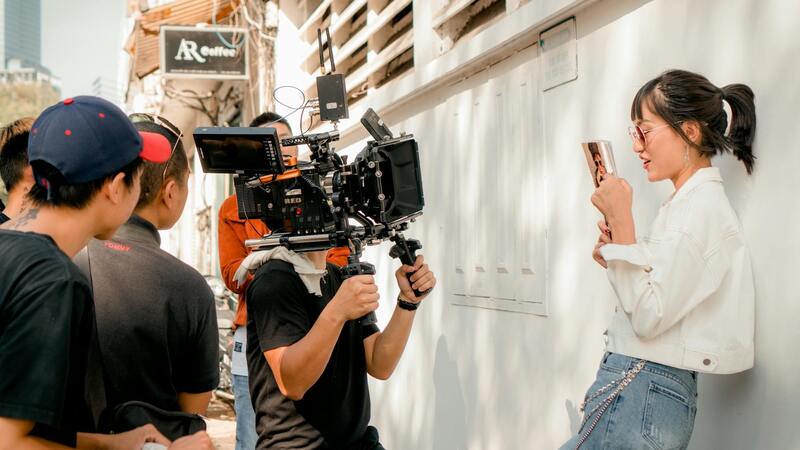
The audio feed is the most significant advantage.
The most valuable asset the AV team possesses is the sound. Every microphone in the room reaches their desk: the lavalier on the speaker, the handhelds for questions, the playback from the laptop. They can provide you with a mix of all these audio sources.
The alternative is genuinely poor. A camera-mounted microphone placed at the back of a ballroom records the entire room, not just the speaker. The sound is overwhelmed by reverberations, air conditioning noise, and the coughs of two hundred people. Additionally, the speaker's voice arrives through a PA system that was designed for the live audience, not for capturing audio with a microphone. This setup renders the recording unusable for anything but a reference track.
So, ask for a feed. Be specific and ask early, since it might require a small piece of equipment that has not been budgeted for.
What to ask for, precisely
- A balanced line-level feed is ideal, preferably a mix-minus configuration that excludes the room microphones.
- Isolation from ground loops typically involves using a DI (Direct Input) box or an isolation transformer.
- As a backup, record the feed on a separate recorder, as well as into the camera.
- An agreed-upon level, tested during rehearsals rather than at the beginning of the keynote.
- Confirmation of who is responsible if the feed drops during the session.
Always run your own camera-mounted mic as well, even with a good feed. It is not for the edit; it is insurance and a sync reference. If the desk feed fails silently at minute four, the room track is the only thing that tells you what happened and the only thing you can fall back on. Our note on keynote recording covers what a clean capture needs.
Positions, sightlines, and the points of disagreement
Camera positions are a matter of negotiation. You want the center aisle at the back for the wide shot. So does the photographer, the lighting crew, and the fire marshal.
This is why the site visit matters more than the run sheet. Positions that seem clear on a floor plan often turn out to be obstructed by a lighting truss, a cable run nobody can cross, or a newly added seating block.
| Need | Ask the AV team | Ask the venue |
|---|---|---|
| Audio feed | Yes | No |
| Camera positions | Yes | Yes |
| Power at position | Yes | Yes |
| Load-in time and dock | No | Yes |
| Rigging anything overhead | Yes | Yes |
| Stage lighting levels | Yes | No |
The lighting row is often the subtle culprit behind poor footage. Stage lighting is designed for the audience's eyes and for the screens, not for a camera sensor. A speaker illuminated directly from above, with a deep shadow under their brow, may look acceptable from row fifteen but appears unflattering on camera. If you can ask the lighting operator to lift the front wash slightly, it costs them nothing and can transform your footage. You have to ask, and you have to ask before the doors open.
The load-in reality
Venue logistics operate in a distinct realm with their own set of rules. They are unforgiving of assumptions.
Load-in windows are often fixed and can start quite early. At a convention center or hotel ballroom, you might encounter limited dock access, a lift with strict size limitations, and a queue of other vendors dealing with the same constraints. Expecting to park nearby and carry your cases inside might not be feasible if you arrive at 8am for a 9am start.
Larger venues also have labor rules that dictate who is permitted to handle certain tasks. In some rooms, only the house crew may run cables across public walkways or plug into the house power. This is not an obstruction; it is how the venue operates. Discovering this on the morning of an event is costly in terms of lost time, which you do not have.
- Confirm the load-in window, the dock dimensions, and the lift specifications.
- Ask what your crew is allowed to do on their own.
- Determine the source of power and whether it is appropriate to use household circuits.
- Find out when the rehearsal is and make sure to be in the room for it.
- Get the name and phone number of a contact on the AV team.
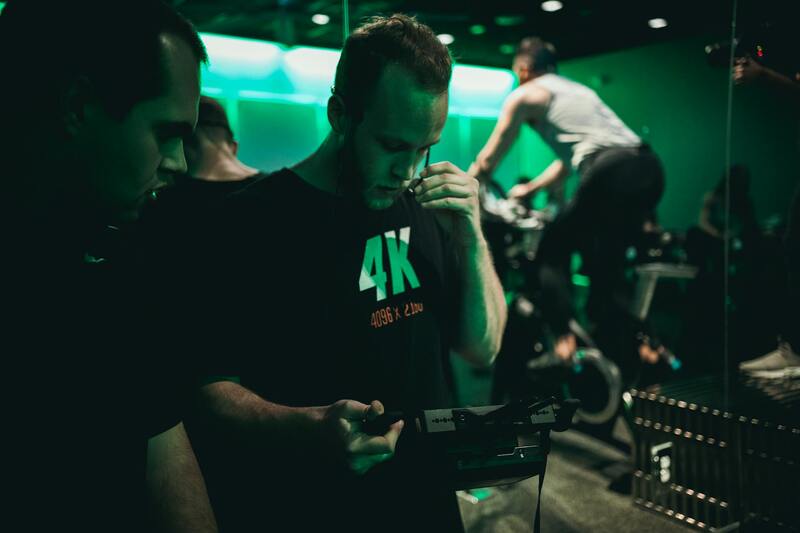
Rehearsal is your only free take
If there is a rehearsal, be in the room. It is the single most useful hour available, and video crews often skip it to set up elsewhere.
Rehearsal allows you to test the audio feed with a real signal, observe the actual lighting conditions, watch the speaker's movements, and learn that they will step off the stage during the second segment. Additionally, you can discover that the video playback is louder than the microphones. Each of these issues can be addressed during rehearsal and cannot be resolved during the live event.
It is also where the relationship gets built. An AV crew who has met you and knows your needs will call out a level change over the radio when they spot movement. Conversely, a crew that first sees you at showtime will not call out such instructions, as they do not know you are there.
Run of show, and why you want it
Ask for the run of show, the minute-by-minute schedule of what happens when. It tells you when the lights change, when a video plays, when the panel comes on, when the awards happen. That document is what turns a camera operator from someone reacting to someone anticipating, and anticipation is the entire difference between usable coverage and a lot of pans arriving late. The wider planning picture is in our note on multi-day conference coverage.
Be easy to work with
A practical note is worth more than any technical point. The AV team faces more pressure than you do. They were there earlier and will be there later. To get the feed, the position, and the favor when something changes, be the video crew that asks clearly, arrives on time, stays out of the way, and does not touch their desk.
Video crews that view audiovisual equipment as an obstacle are often met with similar treatment in return. The AV team has control over the resources you need.
We make the call before the event
We contact the AV team and the venue a week before the event, not on the day. We request the feed, confirm positions, check the load-in process, and obtain the run of show. This unglamorous coordination ensures that the keynote audio is clean.
If you are booking event video in Miami, please let us know who your AV supplier is and help us get in touch with them. This simple introduction can prevent many issues that may arise during the event. If you do not have this information yet, please feel free to ask us what specific details to request when booking the venue.
You can see how we cover events on our about page, and our note on conference highlight reels covers what the footage becomes. Get in touch through the contact page with your venue and your date.