
Updated: October 19, 2026
The recap that arrives when people are still interested.
A conference concludes on Thursday. Three weeks later, a recap video arrives. It is beautifully edited but lands in an inbox belonging to someone who has moved on to the next thing. Attendees have posted their own phone footage, and the conversation has since concluded. Your polished piece becomes a document rather than a moment.
The same video delivered on Thursday evening is a completely different experience. It is shared by attendees who are still in the hotel bar. Sponsors screenshot it, and it sells next year's event while this year's is still fresh.
This is the situation for same-day edits. It is a production decision that must be made before the shoot, not afterward.
What a same-day edit actually is
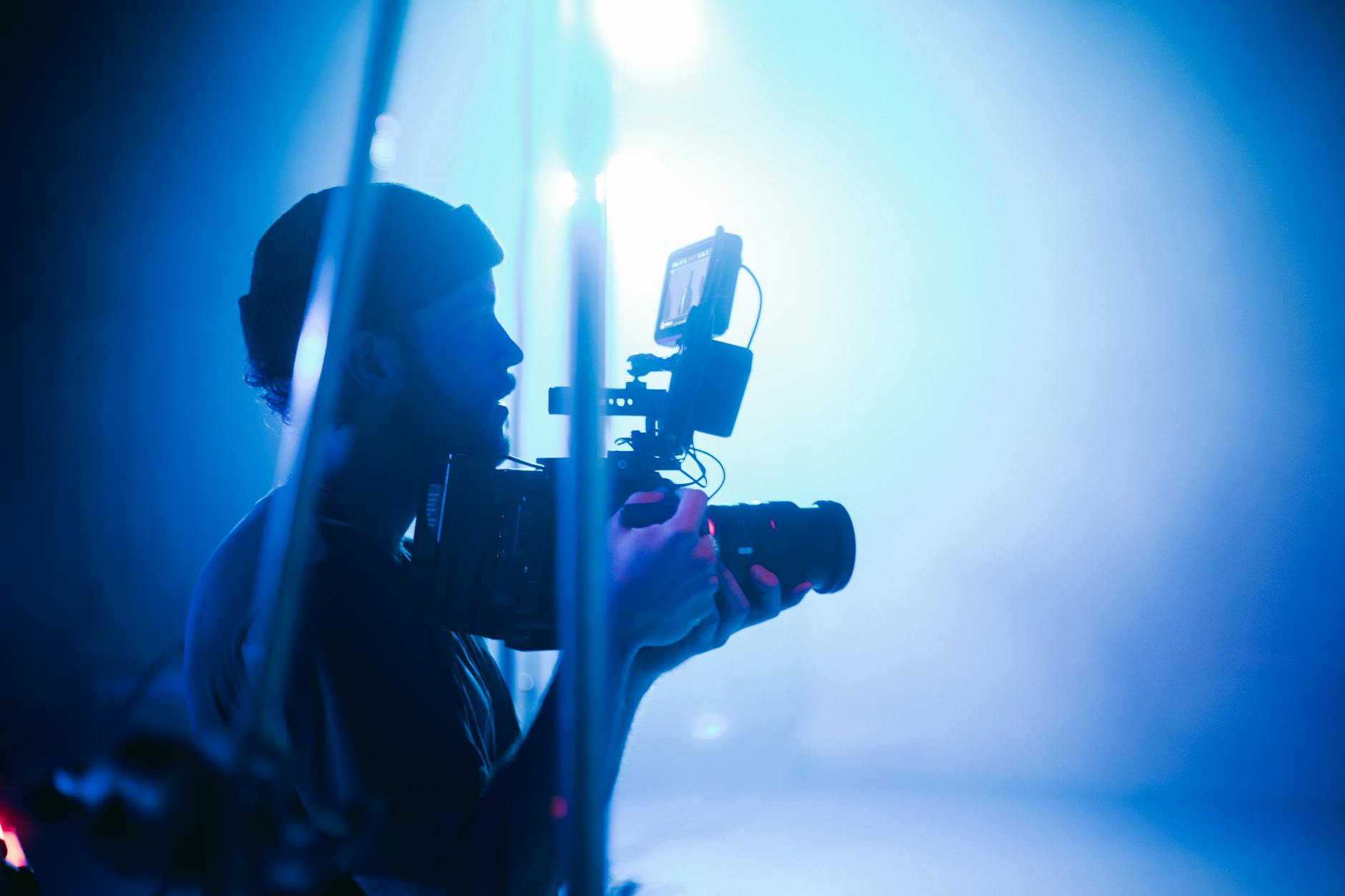
An editor works on-site, cutting footage as it arrives, and delivers a short piece before the event concludes or shortly after. Typically ranging from 60 to 90 seconds, the piece is built around a music track and designed for social media rather than a boardroom setting.
It is not a full recap. Instead, it is a fast, energetic piece that captures the feel of the day and goes out while the day is still happening. The considered edit still follows later, building on the initial piece rather than replacing it.
The pieces this usually produces:
- For the closing session, a sizzle reel is played to the room just before people leave.
- A vertical cut for social events, out that evening.
- A sponsor-specific cut, as agreed upon in advance.
- Selected stills were extracted from the footage for immediate posting.
The closing-session play is the one clients often underestimate. Showing the audience a video of themselves from that day, before they leave, elicits a reaction unmatched by anything else in the run of show. This also makes the audience the distribution channel, as they film it and share it.
It changes the shoot, not just the edit
Here is the part that gets missed: a same-day edit is not just a post-production add-on. It fundamentally restructures the entire production day.
| Requirement | Why |
|---|---|
| An editor on site, all day | Cutting happens as it shoots, not after |
| A room with power and a desk | Editing while kneeling in a corridor does not work. |
| Runners moving cards | Footage must be delivered to the editor continuously. |
| Music licensed in advance | No time to clear anything on the day |
| An approver physically present | Notes must happen in minutes |
| Lighter codec choices | Heavy files are too slow to cut live |
The card movement is the mechanical heart of the process. A camera cannot store its footage until the end of the day because the editor needs the morning keynote at lunchtime. This means someone must physically transport the film cards from the cameras to the editing station on a schedule. Meanwhile, another person is responsible for offloading and backing up the footage as the event unfolds. This task requires a dedicated role, which should be named on the call sheet.
Approval is the real bottleneck
The technical work is achievable, but same-day delivery is hindered by approval processes.
If the person who signs off is in sessions all day and their notes do not arrive until 6pm, the same-day edit is not truly same-day. The person approving must be present, reachable, and briefed that they will be pulled out for ten minutes at a specific time.
Agree on this before the event, and establish the scope of the notes. "Same-day" means "the shot at 0:32 should be the other angle," not "can we restructure the opening?" A client who wants a full review cycle has essentially ordered a normal edit with an attached stressful deadline.
What you give up
An honest accounting is necessary because this is not free.
Same-day edits tend to be less polished than those done with more time. The colour grading is minimal, and the structure is simpler. You are working with a fraction of the day's footage because the afternoon hasn't occurred yet. The best moment of the event might still be ahead of you, beyond your deadline.
You also bear the cost of it. Hiring an editor, a station, and a runner on top of the shoot crew is a significant expense, and it is justifiable only if speed genuinely contributes to the goal. For an internal training record, it serves no purpose. However, for a public event that requires selling its next edition, it often represents the highest-value item on the invoice.
It constrains the shooting process. Using a lighter codec to facilitate faster editing is a compromise that the director of photography (DP) might not otherwise make. Regularly pulling cards interrupts the camera operators. These are deliberate trade-offs that are irritating surprises if not mentioned.
Start planning the day in reverse, beginning from the deadline.
If the sizzle plays at the 4:30 closing session, the edit locks at 4:00, the last usable footage arrives at 3:15, and approval happens at 3:45. Work back from there and every other decision follows.
That timeline indicates what can be included in the video. The afternoon panel scheduled at 3:30 cannot be included, and knowing this in advance prevents anyone from requesting it at 4:20. If the client wants the panel included, the deadline or play slot will need to be adjusted accordingly.
- First, precisely determine the delivery time.
- Go back to the footage cut-off point and say it out loud.
- Identify the approver and schedule a fifteen-minute slot with them.
- Licence music weeks earlier.
- Agree on the format: vertical, horizontal, or both, and specify where it will be applied.
- Determine what should occur if the internet fails, as it may become overcrowded.
The connectivity point is a real Miami convention issue. A venue's public wifi with two thousand attendees on it is not an upload path for a large file. If the video has to go out from the building, plan the connection rather than assuming one.
Decide it when you book, not at lunch
We incorporate same-day edits into the plan from the start. Retrofitting one at 2 PM on the day of the event often results in a poor-quality video delivered late.
We will also inform you when it's not worth it. If your recap is intended for an internal audience that will watch it next month, a same-day edit would be unnecessary spending on urgency that nobody feels. However, if your event is selling tickets for next year, then the same-day edit could be the most valuable thing we do that day.
You can see how we approach event coverage on our about page, and our note on corporate event recap video covers the considered version that follows. Bring us your run of show through the contact page, and tell us the moment the video needs to exist.