Understanding Testimonial Videography
Testimonial videography has emerged as a pivotal tool in modern marketing strategies, particularly for local businesses aiming to establish trust and credibility within their communities. This specialized form of video production involves capturing authentic client stories that highlight positive experiences with a brand, product, or service. Unlike traditional advertising approaches, testimonial videos focus on real individuals sharing real outcomes, making the content inherently trustworthy and relatable.
The essence of testimonial videography lies in its ability to humanize a brand. When potential customers see genuine endorsements from peers, it fosters a sense of confidence in the business’s offerings. These videos serve as social proof, demonstrating tangible benefits and satisfaction, which often outweigh standard promotional content. As a result, they are highly effective at influencing purchasing decisions, especially when crafted with authenticity and professionalism.
In the context of marketing, testimonial videos build emotional connections by telling compelling stories. Customers are more likely to engage with content that resonates on a personal level, which can significantly enhance brand loyalty and brand perception. Moreover, these videos are versatile; they can be used across various platforms such as websites, social media, email campaigns, and at trade events, amplifying the reach and impact of the client endorsements.
Creating impactful testimonial videos requires attention to detail, from selecting the right clients who can articulate their experiences convincingly to employing filming techniques that enhance the authenticity of the story. Every element—from lighting and sound to background and interview style—must be carefully managed to produce a polished yet genuine presentation. Regularly updated and well-distributed testimonial videos can cultivate ongoing trust within the community, making them an indispensable asset in a local business’s marketing arsenal.
By integrating testimonial videography into their marketing plans, local businesses in Miami can create a compelling narrative that not only showcases their strengths but also builds lasting relationships with their audience. When executed professionally, testimonial videos become a powerful means of demonstrating genuine value through real client experiences, ensuring the brand remains memorable and trusted in a competitive marketplace.
Key Elements of Effective Testimonial Videos
Crafting impactful testimonial videos hinges on several core components that collaboratively enhance authenticity and viewer engagement. Foremost is selecting clients who genuinely reflect the brand’s values and can articulate their positive experiences with clarity and sincerity. Their stories should align with the core message, providing relatable, compelling narratives that resonate with target audiences.
Authenticity remains the cornerstone of successful testimonial videography. To achieve this, interview techniques should focus on creating a comfortable environment, encouraging clients to speak naturally rather than reciting scripted lines. This often involves open-ended questions that prompt detailed storytelling, highlighting specific benefits and memorable moments associated with the product or service.
Visual and audio quality are critical in conveying professionalism while maintaining a genuine tone. Proper lighting is necessary to ensure facial expressions are clearly visible without harsh shadows, and sound clarity should be prioritized over elaborate audio effects. Selecting a clean, uncluttered background minimizes distractions and keeps viewer focus on the client's message.
- Authentic storytelling: Genuine accounts that convey real experiences foster trust and reliability.
- Relatability: Stories that mirror the audience's everyday challenges encourage viewers to see the value of the service or product.
- Visual clarity: High-quality video with balanced lighting and composition enhances credibility.
- Clear audio: Crisp sound ensures the message is understood without strain, making the narrative more compelling.
Integrating these elements seamlessly can transform simple client interviews into persuasive narratives that boost a brand’s authenticity and appeal. It’s also advantageous to incorporate diverse testimonial formats—such as short clips for social media and longer, detailed interviews for website features—to maximize reach and engagement across different platforms.
Understanding Testimonial Videography
Testimonial videography involves capturing authentic client stories to showcase the genuine experiences individuals have had with a product or service. This approach emphasizes real voices and personal journeys, creating a compelling narrative that resonates with prospective customers. It requires a strategic blend of storytelling skills, technical knowledge, and an understanding of what makes a testimonial impactful. Effective testimonial videos serve as powerful social proof, demonstrating a company’s credibility through honest client insights. These videos often feature diverse formats, ranging from short social media clips to comprehensive interviews, tailored to specific marketing channels. When executed properly, testimonial videography can foster trust, increase engagement, and ultimately drive conversions.
Elements of a Successful Testimonial Video
An effective testimonial video hinges on several core components:
- Authentic storytelling: The client’s genuine experience, conveyed in their own words, builds credibility and emotional connection.
- Clear message: The narrative should highlight specific benefits, addressing pain points or goals relevant to the target audience.
- High-quality visuals: Well-lit, crisp imagery ensures professionalism while supporting the authenticity of the story.
- Compelling audio: Clear sound quality is essential for the client’s message to resonate without distraction.
- Engaging call-to-action: Concluding statements that motivate viewers to take the next step, whether visiting a website or contacting for more information.
Combining these elements requires meticulous planning and execution, ensuring that each testimonial authentically represents the client's voice while aligning with branding standards.
Structuring a Testimonial Video for Impact
The organization of testimonial videos begins with defining clear objectives. Identifying key messages allows for targeted questions that elicit meaningful responses. A detailed outline or script can guide the interview, ensuring all relevant topics are covered without sacrificing spontaneity. The structure typically includes:
- Introduction: Briefly introduce the client and context.
- Main narrative: The client shares their experience, challenges faced, and how the service or product provided a solution.
- Specific benefits: Highlighting tangible results and emotional impacts.
- Conclusion: The client’s closing thoughts and a call-to-action for viewers.
This logical flow keeps the audience engaged and reinforces key messages naturally.
Leveraging Testimonial Videos Across Marketing Platforms
Once produced, testimonial videos should be strategically distributed. Short clips perform well on social media, where snackable content captures attention quickly. Longer videos or comprehensive interviews serve as dedicated website features, offering in-depth insights. Embedding videos within email campaigns enhances credibility, while sharing via online review platforms amplifies social proof. Further optimization includes adding relevant keywords in descriptions and titles, utilizing closed captions for accessibility, and ensuring videos are mobile-friendly to reach audiences across devices. Properly distributed and optimized testimonial videos can significantly impact brand perception and customer decision-making processes.
Legal and Ethical Considerations in Testimonial Videography
When capturing testimonial videos, it is essential to adhere to established ethical standards that prioritize transparency and honesty. This involves obtaining explicit consent from clients or customers before filming, ensuring they understand how their testimonial will be used, and securing a clear agreement on the scope of the content. Written release forms should detail permissions for distribution across various platforms and clarify that the client endorses the statements made during the interview. Respecting the privacy preferences of clients includes allowing them to review the final footage and confirm their comfort with the portrayal.
Effective testimonial videography also demands accurate representation without embellishment. It is crucial to present authentic experiences without altering or fabricating information to maintain trust with your audience. Creating a truthful narrative enhances credibility and supports your overall brand reputation. When features of a product or service are discussed, these should be demonstrated transparently with factual backing, supported by clear visuals and results.
Another key aspect involves respecting intellectual property rights. This includes obtaining permissions related to the use of proprietary logos, trademarks, or copyrighted music incorporated into the testimonial videos. Proper licensing and clearances must be secured before including such content, to avoid copyright infringements that could tarnish your business’s reputation.
Maintaining authenticity also involves being mindful of the tone and message conveyed in testimonials. Skilled videographers help clients articulate their experiences naturally, avoiding overly scripted or rehearsed responses that could undermine credibility. This can be achieved through guided but open-ended questions, creating an environment where clients feel comfortable sharing genuine thoughts.
In addition, compliance with applicable advertising standards and regulations—such as clearly indicating sponsored content or disclosures as required—is critical. Transparency about paid partnerships or incentives ensures viewers are informed and fosters an ethical approach to marketing.
Planning and Scripting Testimonial Videos
Effective testimonial videography begins long before the camera rolls; meticulous planning and scripting are essential for producing compelling stories that resonate with your target audience. It is crucial to design a structured outline that captures the key points clients want to convey, ensuring the narrative remains authentic and focused.
Developing a detailed script involves crafting open-ended questions that encourage clients to share their experiences in their own words. These questions should be designed to highlight specific benefits of your product or service, such as problem-solving capabilities, improved quality of life, or exceptional customer support. The goal is to elicit genuine responses that reflect the client’s true feelings and perspectives.
While scripting provides a framework, it’s equally important to allow room for spontaneity. Natural dialogues often produce more relatable and believable testimonials, so videographers should create a relaxed environment where clients feel comfortable expressing their honest opinions. This balance between prepared questions and improvisation enhances the authenticity of the final product.
Pre-production planning also involves logistical considerations, such as selecting suitable locations that align with the testimonial's tone and message. In Miami, a vibrant city with diverse scenery, choosing an environment that reflects the client’s lifestyle or the nature of the service can add contextual relevance and visual appeal to the video.

Creating a storyboard or shot list can help visualize the flow of the testimonial, ensuring that key messages are emphasized through strategic camera angles and compositions. Clear communication with clients about the interview process and expectations also fosters a collaborative atmosphere, which is fundamental to capturing honest and compelling stories.
Incorporating storytelling techniques—such as highlighting a challenge the client faced, the solution provided, and the positive outcome—can transform simple testimonials into engaging narratives that persuade viewers. This structured approach ensures that each testimonial aligns with your overall marketing objectives while maintaining transparency and credibility.
By adhering to these planning and scripting principles, businesses reinforce their reputation for authenticity and professionalism. Skilled videographers in Miami understand the nuances of local culture and client expectations, enabling them to tailor the storytelling process accordingly. This personalized approach ensures the testimonial not only showcases your brand’s strengths but also fosters trust among viewers and prospective customers.
Understanding Testimonial Videography
Testimonial videography involves capturing authentic client stories that highlight their positive experiences with your product or service. These videos serve as powerful social proof, resonating with potential customers by sharing genuine insights from real users. Effective testimonial videos focus on clarity, emotional connection, and credibility, offering a compelling narrative that reinforces your brand message. This method is particularly impactful in Miami, where diverse audiences respond well to relatable, authentic content. Skilled videographers utilize techniques such as strategic interview questioning, ambient setting selection, and natural lighting to enhance the authenticity of each testimonial. The goal is to produce a visual story that not only showcases client satisfaction but also aligns with the values and aesthetic of your brand.
Benefits of Testimonial Videography for Local Businesses
For local businesses in Miami, testimonial videos offer substantial advantages in strengthening community trust and expanding local reach. These videos foster credibility by providing real-life examples of customer success stories, making your offerings more relatable and believable. By showcasing diverse local clientele, businesses can appeal to a broader demographic, demonstrating inclusivity and relevance within Miami’s multicultural landscape.
Moreover, testimonial videography enhances online presence through engaging multimedia content. Potential customers are more inclined to trust peer opinions over traditional advertising, making video testimonials a crucial element in digital marketing strategies. Additionally, these videos can be repurposed across various platforms, including social media, websites, and email campaigns, ensuring consistent messaging and maximum visibility.
Key Elements of Effective Testimonial Videos
- Authenticity: Real stories told sincerely resonate more than scripted messages, fostering trust and credibility.
- Clarity of Message: The core benefits or positive outcomes should be clearly communicated without ambiguity.
- Emotional Appeal: Connecting on an emotional level encourages viewer engagement and recall.
- Visual and Audio Quality: High-quality visuals and sound support professionalism and viewer retention.
- Relatability: Featuring clients that represent your target demographics makes testimonials more convincing.
Planning and Scripting Testimonial Videos
Successful testimonial videos require meticulous planning and thoughtful scripting to produce authentic and compelling content. The process begins with identifying satisfied clients willing to share their experiences. Prior to filming, it’s essential to develop a narrative structure that guides the interview while allowing flexibility for genuine storytelling. Crafting open-ended questions encourages clients to elaborate on their stories naturally, revealing insights that resonate with future customers.
Creating a storyboard or shot list ensures that each scene captures key messages with appropriate visuals and audio cues. Good planning also involves selecting environments that reflect the client’s lifestyle or the service’s context, adding depth and relevance to the story. Clear communication about the recording process helps clients feel comfortable, resulting in more honest and spontaneous responses. Effective scripting balances guidance with authenticity, allowing testimonials to flow naturally and convincingly.
Post-Production and Editing
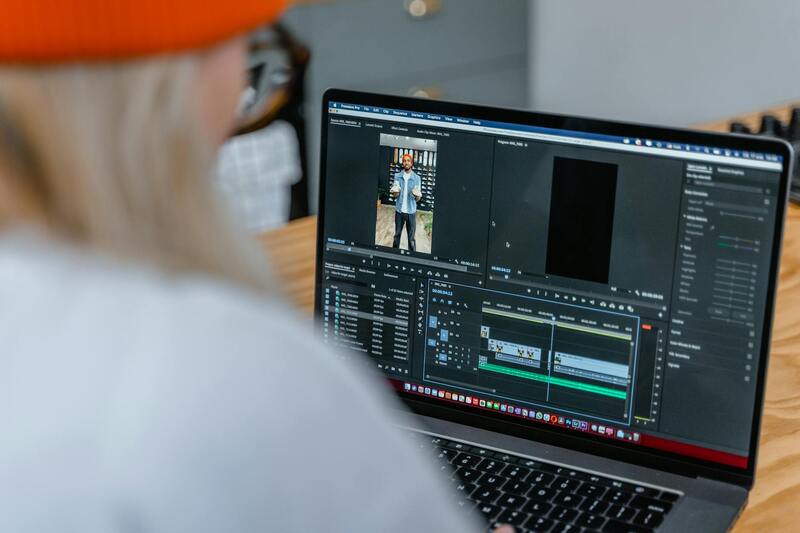
Once filming is complete, the post-production phase begins, where the raw footage is transformed into a polished testimonial video that effectively communicates the client's positive experience. This stage involves meticulous editing to enhance clarity, engagement, and authenticity. Selecting the best clips that showcase genuine emotion and key messages is crucial, and editing software allows for precise trimming and sequencing to tell a compelling story. In addition to cutting footage, color correction plays a vital role in maintaining visual consistency and ensuring the video appears professional and appealing. Good lighting correction enhances skin tones and overall image vibrancy, making the testimonial more relatable and trustworthy. Audio quality also demands careful attention. Background noise is minimized, and sound levels are balanced to ensure the interviewee’s voice is clear and distinct. Incorporating subtitles improves accessibility and accommodates viewers in noisy environments or those who prefer to watch without sound. Adding branding elements, such as logos or contact information, during the editing process helps reinforce brand recognition without detracting from the testimonial's authenticity. Transitions and visual effects are used sparingly to maintain a professional appearance and keep viewers engaged. Moreover, optimizing the video's length is essential—keeping it concise while preserving the emotional and informational impact ensures greater viewer retention. Final reviews involve verifying that the testimonial aligns with the brand's messaging, feels genuine, and resonates with the target audience. Finally, exporting the video in various formats caters to multiple distribution channels, whether for social media, website embedding, or email campaigns. A well-edited testimonial video reflects quality and commitment, fostering trust and encouraging prospective clients to consider your services.
Maximizing Reach and Impact Through Strategic Sharing of Testimonial Videos
Effective distribution of testimonial videography content is crucial to harness its full potential. Once a compelling testimonial video has been professionally produced, the next steps involve strategically sharing this content across various channels to maximize visibility, engagement, and influence. Tailoring content presentation to match the unique preferences of target audiences ensures that these authentic narratives resonate and drive desired actions.
Leveraging Social Media Platforms
Social media remains one of the most powerful mediums for distributing testimonial videos. Platforms like Facebook, Instagram, LinkedIn, and Twitter offer diverse audiences, each with specific engagement behaviors. Uploading short, attention-grabbing snippets or teasers on these channels can direct viewers toward the full testimonial, creating a cohesive narrative that boosts brand credibility. Utilization of platform-specific features, such as Instagram Stories or LinkedIn Video, enhances visibility and encourages shares and interactions.
Embedding Testimonials Directly on Your Website
Integrating testimonial videos prominently on your website, especially on homepages or dedicated testimonial pages, provides visitors immediate social proof that reinforces trust and encourages ongoing engagement. Proper placement ensures visitors encounter authentic customer voices early in their journey, increasing the likelihood of lead conversion. Embedding these videos within relevant product or service pages further highlights success stories tied directly to specific offerings, supporting nuanced decision-making processes.
Email Campaigns and Digital Outreach
Personalized email campaigns featuring testimonial videos can nurture existing leads and retain customer loyalty. Embedding or linking to videos within newsletters, follow-up emails, or targeted outreach messages offers recipients relatable success stories. This approach humanizes your brand, fosters emotional connections, and encourages sharing among recipients' networks, expanding your outreach organically.
Utilizing Video Advertising and Paid Promotions
Investing in paid advertising campaigns on social media and search engines allows for precise targeting and broader reach. Promoting testimonial videos to specific demographics based on interests, geographic location, or behavioral data ensures that your message reaches potential clients most likely to connect with your offerings. Well-targeted video ads can significantly increase engagement rates and conversion metrics, translating to higher return on investment.
Engaging with Local Media and Community Events
Partnering with local media outlets or community events to showcase testimonial videos adds regional credibility. Screening these videos during local gatherings or featuring them in community-focused publications amplifies authentic voices within your geographic area. Such exposure fosters a sense of community trust and positions your business as an engaged and reputable entity committed to customer satisfaction.
Optimizing Videos for Search Engines
Beyond distribution channels, optimizing testimonial videos for search engines ensures they are discoverable by your target audience. Incorporating relevant keywords in video titles, descriptions, and tags improves search rankings. Additionally, providing comprehensive transcripts and closed captions enhances accessibility and allows search engines to crawl the content effectively. This strategy increases the likelihood of your testimonial videos appearing in organic search results related to your industry or local market.