
Understanding the Importance of Testimonial Videos
In today’s competitive market landscape, businesses increasingly recognize the value of authentic content that resonates deeply with prospective clients. Testimonial videos stand out as a powerful marketing asset by capturing real experiences and genuine endorsements from satisfied customers. These videos serve as compelling proof of a company's reliability, quality, and commitment to customer satisfaction, helping to establish a strong foundation of trust. When potential clients see real individuals sharing positive feedback about their interactions, products, or services, it simplifies their decision-making process and fosters confidence in the brand.
One of the key advantages of testimonial videos is their ability to humanize a brand. Unlike traditional advertisements that often rely on scripted messaging, testimonials showcase real people with authentic stories. These narratives provide relatable, emotional connections that generic advertising often lacks. Prospective clients can identify with the testimonials, understanding how a product or service addresses their needs and pain points.
Furthermore, testimonial videos bolster a company’s social proof, a psychological phenomenon where individuals are influenced by the opinions and actions of others. When potential clients observe satisfied customers sharing their success stories, they are more likely to view the business as trustworthy and competent. This validation plays a crucial role in moving prospects along the sales funnel, from awareness to conversion.
Investing in testimonial video production can also improve a brand’s online visibility. Optimized videos can boost search engine rankings, improve engagement rates, and increase shareability across multiple digital platforms. As more consumers rely on video content for decision-making, having a library of well-produced testimonial videos becomes an invaluable resource in a comprehensive marketing strategy.
Effective testimonial videos are also adaptable, serving multiple functions such as feature highlights, case studies, or social proof for landing pages, social media campaigns, and email marketing efforts. The versatility of testimonial videos allows businesses to build a coherent, impactful message that nurtures trust and encourages engagement throughout the customer journey.

Filming Techniques for Authentic Testimonials
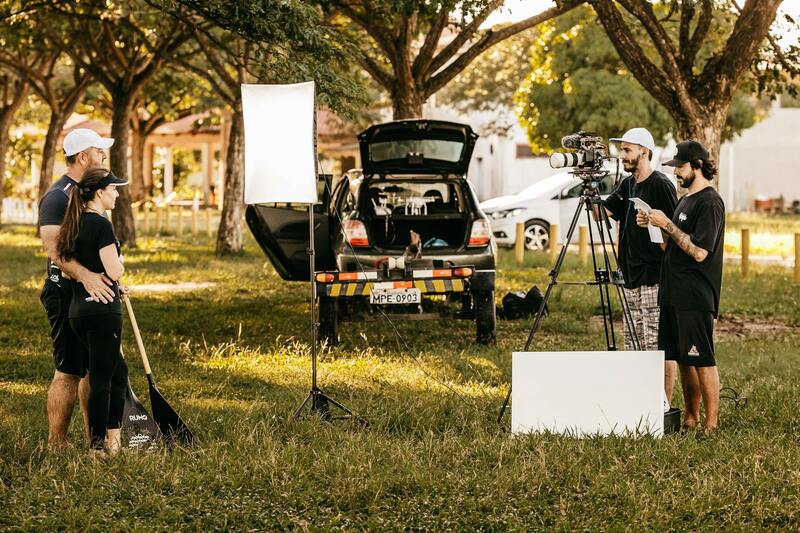
Capturing genuine and compelling testimonial videos requires attention to detail and mastery of various filming techniques. The primary goal during production is to create a relaxed environment where clients feel comfortable sharing their experiences openly. This authenticity resonates with viewers and significantly enhances the credibility of the testimonial.
Lighting plays a crucial role in establishing a professional yet approachable atmosphere. Utilizing soft, natural lighting or diffused studio lights helps reduce harsh shadows and highlights, resulting in a flattering and inviting visual tone. Proper lighting not only improves the overall quality but also ensures that the focus remains on the testimonial giver without distractions.
Sound quality is equally important. Clear audio capture using lavalier microphones or shotgun mics ensures that the client’s words are heard crisply and without interference. Sound disruptions can undermine the perceived professionalism of the video and diminish viewer trust. Multiple microphone checks and ambient noise control are essential steps during filming.

Choosing appropriate camera angles and framing can make a significant difference. Typically, eye-level shots with direct eye contact based on the rule of thirds are most effective in establishing connection with viewers. Close-up shots of the client’s face can evoke emotional responses, while wider shots provide context and a sense of environment.
Authentic testimonials benefit from a candid yet controlled filming style. This involves minimal staging and allowing clients to speak naturally rather than scripted lines. Encouraging spontaneous storytelling will result in more relatable and impactful content that resonates with prospective customers.
Moreover, multiple takes can be useful to capture different expressions and emotions, giving editors a range of footage to craft a compelling narrative. The use of B-roll footage—such as the client engaging with the product or service—adds additional context and depth, making the testimonial more visually appealing and credible.
Lighting, sound, framing, and an environment conducive to genuine expression form the foundation of effective testimonial filming. Skilled directors and camera operators in Miami understand these principles, employing them to produce testimonials that not only look professional but also authentically showcase customer satisfaction.

Understanding the Importance of Testimonial Videos
Testimonial videos play a crucial role in establishing trust and credibility for brands and businesses. When potential customers see real people sharing genuine experiences, it significantly enhances the perceived authenticity of the message. These videos serve as powerful social proof, demonstrating how a product or service has positively impacted previous clients. In a competitive marketplace like Miami, where consumers value transparency and personalized experiences, well-crafted testimonial videos can differentiate a business and foster deeper connections with prospects.
Effective testimonial videos are characterized by their ability to relay authentic stories that resonate emotionally with viewers. They are not merely promotional; they amplify real customer voices, creating a compelling narrative that is both relatable and trustworthy. As viewers watch firsthand accounts, they are more inclined to consider the benefits of engaging with the brand. This heightened engagement increases conversion rates and encourages customer loyalty, making testimonial videos an indispensable component of a comprehensive digital marketing strategy.

In Miami's vibrant and diverse market, the production quality of testimonial videos can significantly influence their effectiveness. High-quality visuals, clear audio, and professional editing ensure the message comes across convincingly. Moreover, the authenticity conveyed through well-executed testimonial videos helps mitigate skepticism, as prospective clients are more likely to trust real experiences over scripted advertisements. When meticulously planned and executed, testimonial videos become a cornerstone of persuasive storytelling that boosts brand reputation and credibility.
Planning and Pre-Production for Testimonial Videos
Before filming begins, detailed planning is essential to ensure the testimonial video effectively captures the intended message. This phase involves selecting suitable clients whose stories align with the brand’s values and target audience. It’s important to prepare a series of open-ended questions that encourage clients to share authentic insights about their experiences, focusing on specific benefits and emotional impacts.
Location selection also plays a critical role. Choosing environments that reflect the client’s story—whether they are at their place of business or a meaningful setting—adds context and authenticity. Ensuring proper permissions are obtained in advance is necessary to facilitate smooth production without disruptions.
- Drafting a comprehensive shot list that includes close-ups, medium shots, and wider perspectives
- Coordinating schedules to accommodate clients’ availability
- Preparing necessary equipment, such as cameras, lighting, and microphones
- Briefing clients on the filming process to foster comfort and naturalness
Careful pre-production planning sets the foundation for a successful testimonial video that authentically portrays each client’s story while maintaining a professional appearance.

Optimal Editing Techniques to Elevate Testimonial Content
Effective editing transforms raw testimonial footage into a polished, engaging narrative that resonates with viewers. The process begins with reviewing all captured scenes to select the most compelling segments that align with the core message. Editors focus on maintaining a natural flow, ensuring testimonials sound authentic and are emotionally impactful. It’s critical to balance the interviewees' spoken words with visual storytelling elements, such as cutaways of their environment or relevant visuals that support their narrative.
Color grading and sound design are foundational in enhancing the overall production quality. Consistent color tones help establish a cohesive visual style that reflects the brand's identity, while clean audio ensures clarity, allowing viewers to focus solely on the testimonial. Incorporating subtle background music can heighten emotional connection without overwhelming the speaker's message.
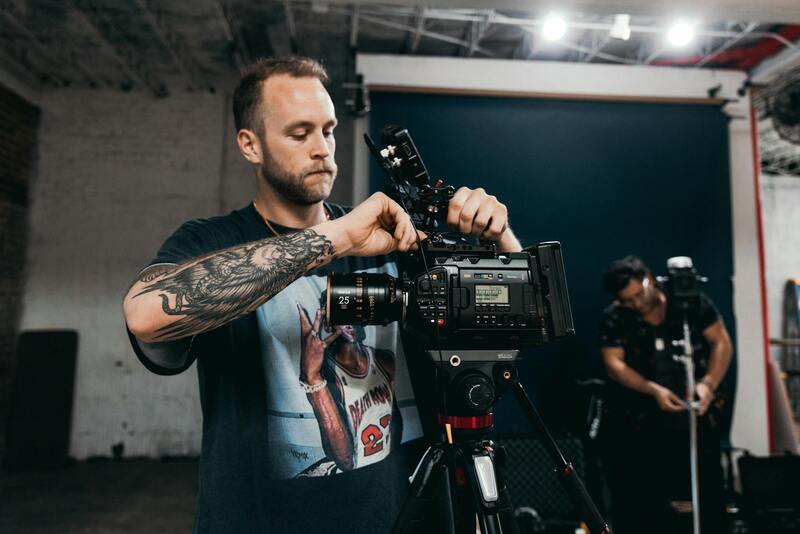
One effective technique involves blending interview footage with B-roll shots that illustrate the client’s story. These supplementary visuals reinforce key messages and add depth, making the narrative more immersive. Text overlays can emphasize critical points or showcase client credentials, further bolstering credibility. Throughout this process, maintaining an authentic tone is paramount; over-editing or overly scripted segments risk diminishing genuine testimonials.
Post-production isn’t solely about aesthetics; it also involves optimizing the video's format and length for various distribution channels. Short, impactful versions are ideal for social media, while longer, detailed testimonies suit website landing pages or presentations. Ensuring the final product adheres to the highest technical standards guarantees a professional appearance that builds trust with audiences.
Final review stages should include feedback from stakeholders, ensuring the message aligns with branding goals and client expectations. Once approved, the videos are rendered in appropriate formats, ready for distribution across multiple platforms, ready to elevate the overall marketing strategy through compelling storytelling.
Ensuring Compliance with Industry Standards during Finalization
Once the testimonial video has undergone editing, final adjustments are essential to ensure that the footage complies with the standards and guidelines established for professional video production. This process includes verifying aspect ratios, color grading consistency, and audio levels, which collectively contribute to a polished and seamless viewing experience. Adhering to these criteria ensures that the content appears credible and maintains the company's brand integrity across all distribution channels.
Furthermore, the inclusion of clear branding elements, such as logos and on-screen graphics, should be handled meticulously. They reinforce brand recognition without distracting from the testimonial message. Implementing visual cues—like subtle lower thirds to introduce the client—adds a layer of professionalism and improves viewer comprehension.
Final Review and Stakeholder Feedback
Before finalizing the video for distribution, it’s critical to engage stakeholders—including clients, marketing teams, and legal advisors—through a comprehensive review process. Gathering feedback at this stage ensures the testimonial aligns with branding narratives, messaging goals, and compliance standards. It also offers an opportunity to identify any misrepresentations or inaccuracies that could undermine the effectiveness of the message.
Incorporating this feedback may involve minor revisions such as adjusting cut points, enhancing subtitle clarity, or rebalancing audio levels. This collaborative review guarantees that the video not only maintains authenticity but also resonates with target audiences and upholds the company's reputation.
Rendering and Formatting for Optimal Distribution
Following approvals, the video undergoes rendering into various formats tailored for different platforms, such as MP4 for website embedding, optimized versions for social media, or high-definition files for presentations. Proper formatting guarantees playback stability and maintains visual fidelity across devices and contexts.
Careful attention to video compression settings prevents quality loss during file reduction, which is critical for maintaining clarity and professionalism. It’s also vital to create multiple aspect ratios—such as square, vertical, and landscape—to maximize versatility when sharing on different channels like Instagram, Facebook, YouTube, or email campaigns.
Implementing a Distribution Plan
Developing an effective distribution strategy involves selecting the right channels and timing to reach the target audience efficiently. Pairing testimonials with appropriate content, such as case studies or product information, enhances engagement. Scheduling posts during peak activity times increases visibility and encourages sharing.
Embedding testimonial videos directly into website landing pages can boost credibility and conversion rates, while sharing shorter clips on social media can generate buzz and drive traffic back to the full version. Email marketing campaigns benefit from including personalized video snippets that resonate more deeply with subscribers, fostering trust and loyalty. Moreover, utilizing targeted advertising platforms allows for precise audience segmentation, maximizing the impact of each testimonial.
Effective Methods for Distributing Testimonial Videos
Once testimonial videos are finalized, implementing a strategic distribution plan is vital for maximizing their reach and impact. The goal is to connect authentic customer experiences with the widest possible audience through appropriate channels and formats. Content creators should prioritize official distribution methods that ensure high-quality presentation and targeted outreach, leveraging digital platforms and communication tools trusted by consumers and brands alike.
Primary distribution channels include a company's official website, social media platforms, email campaigns, and online advertising networks. Integrating testimonial videos into the company’s website — especially landing pages related to products or services — significantly enhances credibility. Embedding these videos at strategic points on the website allows visitors to see real customer experiences firsthand, which can influence purchasing decisions and foster trust.
Social media platforms such as Instagram, Facebook, LinkedIn, and YouTube serve as essential outlets for testimonial content. Each channel offers unique advantages and audience engagement opportunities:
- YouTube: Ideal for sharing full-length testimonial videos, providing a dedicated space for viewers to access comprehensive stories and experiences.
- Instagram & Facebook: These platforms support shorter clips and teaser snippets that can spark curiosity and drive traffic to the full version hosted elsewhere.
- LinkedIn: Suitable for B2B testimonials, showcasing professional success stories that reinforce brand authority in niche markets.
Ensuring the videos are optimized for each platform enhances visibility. This includes creating different aspect ratios: landscape for YouTube, square for Instagram feeds, and vertical for Stories or Reels. Proper formatting and quality maintenance prevent content degradation across devices and applications, making a professional appearance consistent regardless of where recipients view them.
Another official route involves leveraging email marketing. Incorporating testimonial snippets into newsletters or personalized messages can enhance engagement and conversion rates. Retargeting advertisements via digital ad platforms enable precise audience targeting based on browsing behaviors, demographics, and past interactions, delivering testimonial content directly to potential customers who are most receptive.
Developing a comprehensive schedule that synchronizes content release with marketing efforts maximizes the resonance of testimonial videos. For example, launching a testimonial series alongside a product launch or promotional event boosts visibility and reinforces messaging. Consistent, multi-channel distribution ensures that testimonials remain integrated within broader marketing strategies, fostering ongoing brand credibility.

Ensuring Proper Authorization and Consent in Testimonial Video Production
Securing explicit permission from clients and stakeholders before filming and publishing testimonial videos is an essential step in maintaining transparency and respecting individual rights. This involves obtaining signed consent forms that clearly outline how the footage will be used, distributed, and stored. These forms should specify the scope of usage, including online platforms, social media channels, and any potential promotional materials.
Using official consent documentation helps establish a professional standard for testimonial collection and protects all parties involved from misunderstandings. It also demonstrates a commitment to ethical practices and builds trust between the brand and its clients. When dealing with sensitive information or showcasing particular products, additional authorization may be necessary to avoid any unintended disclosures.
In addition, it is advisable to brief clients on the production process and outline expectations regarding the content, tone, and message. This proactive communication ensures that testimonial videos accurately represent the client’s experience and uphold the integrity of the endorsement.
Implementing a Consistent Review Process
Establishing a structured review and approval pipeline is vital for maintaining quality and aligning testimonial content with branding standards. A formal review process involves multiple stages, including initial editing, client feedback, and final approval, which ensures that the message remains authentic while adhering to company guidelines.
During the review phase, clients and internal stakeholders should evaluate the video for accuracy, clarity, and overall impact. This collaborative approach minimizes the risk of misrepresentation and guarantees that testimonials reflect genuine experiences.
To facilitate smooth approval workflows, consider utilizing digital collaboration tools that allow for easy annotation and feedback. Clearly defined deadlines and responsibilities also streamline the process, minimizing delays and ensuring timely release.
Maintaining an audit trail of all approval communications provides documentation of compliance with official procedures, which can be valuable for future reference or audits.
Ensuring the Validity and Authenticity of Testimonials
Producing testimonial videos involves meticulous attention to authenticity and adherence to verified methods. Establishing credibility begins with selecting genuine clients whose experiences resonate with your target audience. It is essential to obtain explicit permission from each participant, confirming they are fully aware of how their testimonial will be used and shared across various platforms. Documented consent guarantees transparency and safeguards the integrity of the endorsement process.
Using established interview techniques ensures the testimonial's content remains truthful and valuable. Open-ended questions that encourage clients to share specific experiences foster authentic responses, while avoiding leading or suggestive inquiries helps maintain impartiality. During filming, it is crucial to create an environment that promotes comfort and natural expression, thereby capturing candid insights rather than scripted statements.
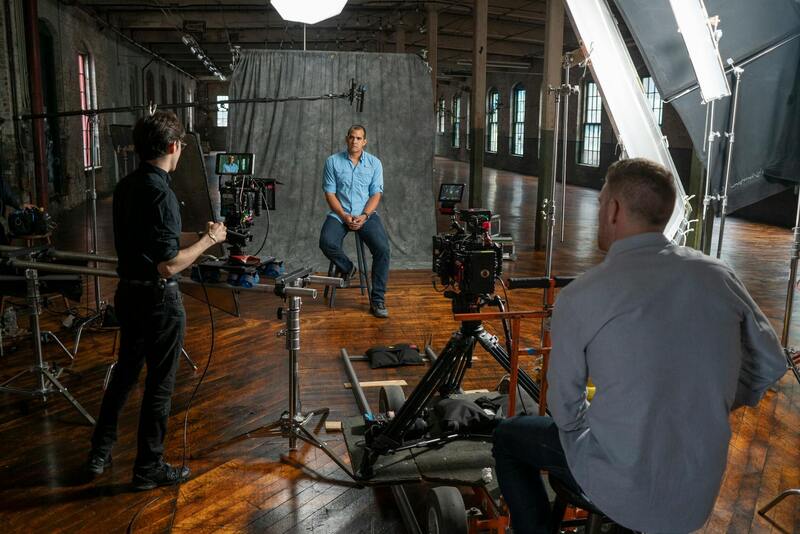
Post-production editing plays a vital role in presenting testimonials that are both compelling and truthful. Implementing a review pipeline wherein clients have the opportunity to verify the final cut enhances authenticity and trustworthiness. This step ensures the testimonial accurately reflects their experience without alterations that could misrepresent their message. Properly archiving all communication and edits facilitates transparency and accountability, especially when testimonials are publicly shared or used in marketing campaigns.
Leveraging Official Channels for Distribution
Distributing testimonial videos through reputable channels maximizes reach and preserves the integrity of the message. Utilizing your website, official social media platforms, and email campaigns ensures controlled dissemination, aligning with your branding standards. Embedding videos directly onto your website allows visitors to access firsthand accounts instantly, fostering trust and engagement.
For added authenticity, consider integrating testimonial videos into case studies or client success stories, which provide context and reinforce credibility. Additionally, hosting videos on trusted third-party platforms can broaden exposure while maintaining quality control. It is important to optimize each video with relevant metadata, including accurate descriptions and keywords, to enhance discoverability in search engine results.
Monitoring Impact and Gathering Feedback
Measuring the effectiveness of testimonial videos involves collecting data on viewer engagement, such as watch time, shares, and comments. These metrics offer insights into how well the content resonates with your audience and influence decision-making. Incorporating call-to-actions within the videos encourages viewers to learn more or contact your team, facilitating a direct response.
Furthermore, soliciting feedback from viewers and clients provides qualitative insights into the testimonial’s authenticity and impact. This feedback can guide future production efforts, ensuring each subsequent video maintains high standards of honesty and engagement. Regularly reviewing performance metrics and feedback helps refine your testimonial video strategy for sustained success.
Addressing Common Challenges in Testimonial Video Production
- Ensuring genuine testimonials: Credibly capturing real client experiences requires transparent communication and respectful interview techniques.
- Maintaining consistency: Standardize interview questions and filming settings to achieve a cohesive look across all testimonials.
- Building trust: Openly discuss the purpose of testimonials with clients to foster honest sharing, positioning their stories as valuable contributions.
- Overcoming reticence: Create a relaxed environment and reassure clients that their authentic voice is what matters most, encouraging natural storytelling.
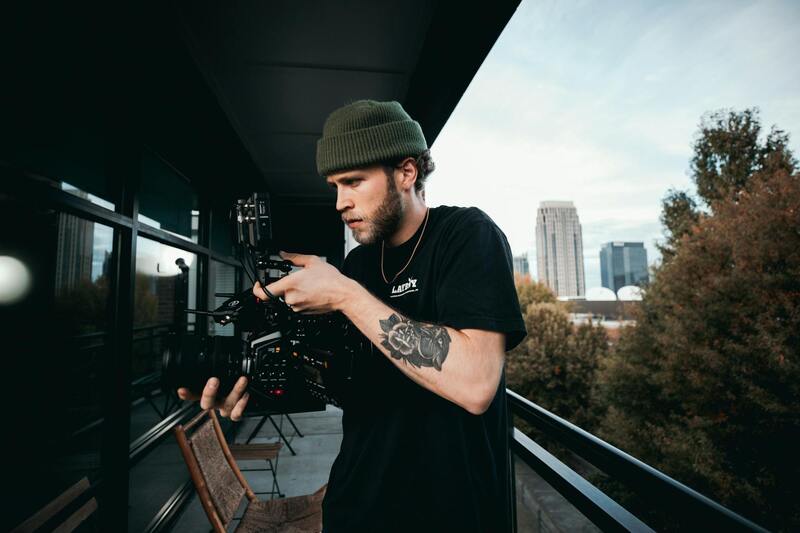
Implementing these official methods ensures that testimonial videos uphold integrity and genuinely reflect client experiences. Proper planning, execution, distribution, and measurement are critical steps that combine to produce powerful testimonials capable of elevating your brand reputation and fostering trust with prospective customers.