
Pre-Production Planning for Interview Filming
Effective filming of an interview begins long before the cameras roll. A meticulous pre-production phase ensures a seamless shooting process, minimizes disruptions, and guarantees high-quality results. In Miami, this involves strategic location selection, comprehensive scheduling, and adherence to specific permits required within the city. Proper planning also includes assembling the right equipment and crew, ensuring each element is in place for efficient execution.
Key to this process is understanding the scope and objectives of the interview. Clarifying the purpose guides decisions related to location, setup, and style. Establishing a detailed shot list and timeline helps coordinate the crew and avoid missed opportunities. For filming in Miami, it’s crucial to research whether any permits are needed for the desired location, especially if shooting in public or protected areas, to ensure compliance with local regulations.
Creating a thorough checklist covering all equipment requirements — such as cameras, microphones, lighting, and backdrops — reduces the risk of overlooked essentials. Scheduling must consider factors like optimal times of day for lighting, potential weather conditions, and participant availability. This phase also involves briefing the crew on their roles and responsibilities, emphasizing clear communication to facilitate a smooth filming day.
Another consideration unique to Miami is permitting, which often involves obtaining authorizations from city agencies if filming occurs on public property. Recognizing these requirements early in the planning process ensures no delays or unexpected legal hurdles. Collaborating with local authorities or professional production services familiar with Miami’s permitting process can streamline this aspect.
Proper preparation in the pre-production stage directly impacts the overall quality and professionalism of the final interview footage. Detailed planning allows the filming team to operate efficiently, minimizes on-site challenges, and enhances the production value of the interview, resulting in content that effectively engages viewers and meets production goals.
Legal and Permitting Considerations in Miami
Successfully filming interviews in Miami requires meticulous attention to legal requirements and permit acquisitions specific to the city’s regulations. Engaging with local authorities and understanding municipal protocols is essential to avoid disruptions during the filming process. This involves connecting with city agencies that oversee public spaces, ensuring that all necessary documentation and approvals are secured well in advance.
In Miami, permits are often required when filming in over public or historically protected sites. These permits serve to safeguard city assets, maintain public order, and ensure that content creators adhere to community standards. Applying for permits involves submitting detailed project proposals, including the scope of the filming, equipment to be used, and the expected duration of the shoot.
Collaborating with experienced local production companies or legal advisors familiar with Miami’s permitting landscape can greatly facilitate this process. These professionals understand the nuances of city policies and often have established relationships with authorities, which can expedite approvals and reduce waiting times.
It’s advisable to initiate permit applications early in the planning phase. Many permits require detailed documentation and sometimes a review process that can take several days to weeks. Delays often result from incomplete applications or misaligned project descriptions. Therefore, thorough preparation, including accurate project descriptions and adherence to specified guidelines, is crucial.
In addition to obtaining permits, ensure compliance with Miami’s specific rules related to noise levels, working hours, and environmental considerations. Respect for the community and local regulations fosters good relationships and paves the way for future projects.
Finally, keeping detailed records of all permits and communications with city officials demonstrates professional diligence and preparedness. This documentation not only supports the current project but also builds credibility for future productions in Miami. When filming becomes an official and well-organized operation, it minimizes potential legal or procedural issues and guarantees a frictionless shooting experience.
Preparation of the Equipment and Technical Setup
When planning to film an interview, selecting the appropriate equipment is fundamental to capturing high-quality footage that meets professional standards. Essential gear includes professional-grade cameras capable of capturing crisp, clear images, with considerations for resolution and frame rate that align with the desired final output. Additionally, tripod or stabilizers are crucial for steady shots, preventing unwanted camera movement that can distract viewers. 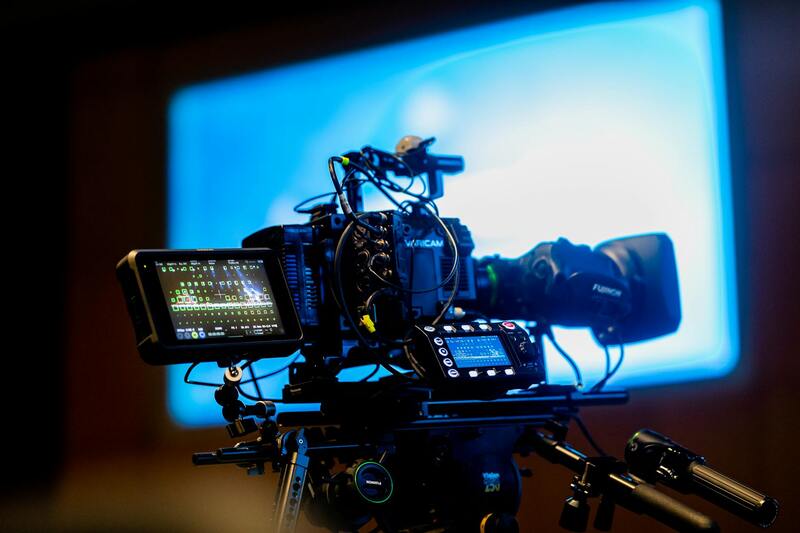
Lighting setups should be thoughtfully planned to ensure even illumination and highlight the subject without harsh shadows or overexposure. Softbox lights, ring lights, or LED panels with adjustable brightness and color temperature are common choices. Proper lighting not only enhances visual clarity but also influences the mood and tone of the interview. For sound, a lavalier microphone clipped directly onto the interviewee’s clothing provides clear, focused audio, while handheld or shotgun microphones can be used for dynamic sound capture if needed. Investing in high-quality microphone cables and windshields reduces background noise and interference, resulting in cleaner audio recordings.
Additional accessories such as reflectors, diffusers, and backup batteries are recommended to accommodate unforeseen circumstances and maintain smooth filming sessions. Using multiple SD cards and ample storage ensures continuous recording without worry of data loss, especially during lengthy interviews. Properly organizing all equipment and conducting pre-shoot tests are best practices to avoid technical issues that can compromise footage quality.
Setting up the filming area involves more than just equipment placement; it requires careful consideration of background elements, ensuring they are free of visual distractions and aligned with the interview’s purpose. Frame composition, eye-level camera angles, and appropriate focus help establish a professional aesthetic and create engaging visual narratives. Consistent audio and visual settings are crucial for post-production editing, ensuring the final product appears seamless and polished.
Image and Lighting Control
Using diffusers and reflectors allows fine-tuning of natural or artificial light sources, smoothing shadows and creating a visually appealing scene. Ensuring consistent color temperature across all lighting devices prevents color mismatches during editing. Soundproofing the interview space minimizes external noise, and testing audio levels beforehand guarantees clarity and volume balance. Maintaining stylistic consistency across shots simplifies editing workflows and produces a cohesive final presentation.
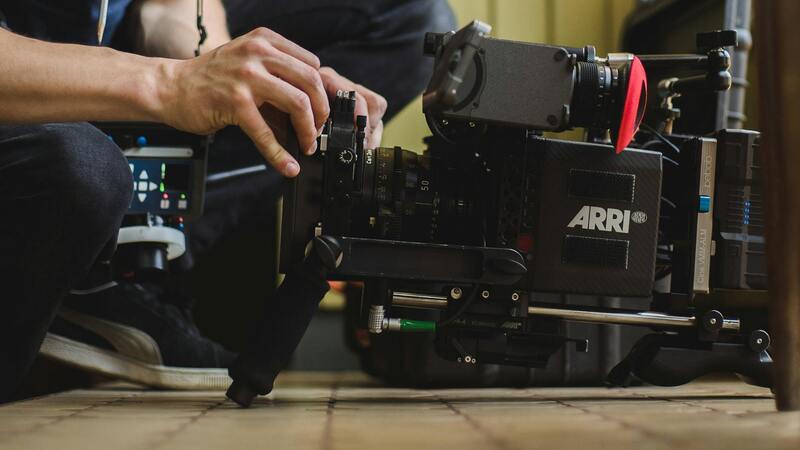
Having a detailed checklist for equipment setup and testing helps streamline the recording process, especially when managing multiple takes or lengthy sessions. Properly configured audio and video equipment—based on careful assessment of the interview environment—are instrumental in creating compelling content that resonates with audiences and upholds a high standard of production quality.
Post-Production Editing and Final Touches
Once the filming process concludes, the focus shifts to editing, which is crucial for elevating raw footage into a polished final product. Editing combines technical precision with creative vision, ensuring that narrative flow, visual coherence, and audio clarity align seamlessly to produce an engaging interview video.
To begin, organize all footage systematically, labeling clips with detailed descriptions. This step facilitates quick access and streamlines the editing workflow, especially when working with large volumes of material. The primary goal is to select the most compelling takes—shots that best convey the interviewee’s message while maintaining a natural and authentic delivery.
Color correction and grading are significant components of post-production. Adjusting color balance ensures consistency across all shots, which is essential for maintaining visual continuity. Color grading further enhances mood and tone, helping to create a cohesive aesthetic that resonates with the intended audience. Since natural lighting conditions in Miami can vary, especially with differing times of day, color correction ensures that each scene matches stylistically, preserving visual integrity.
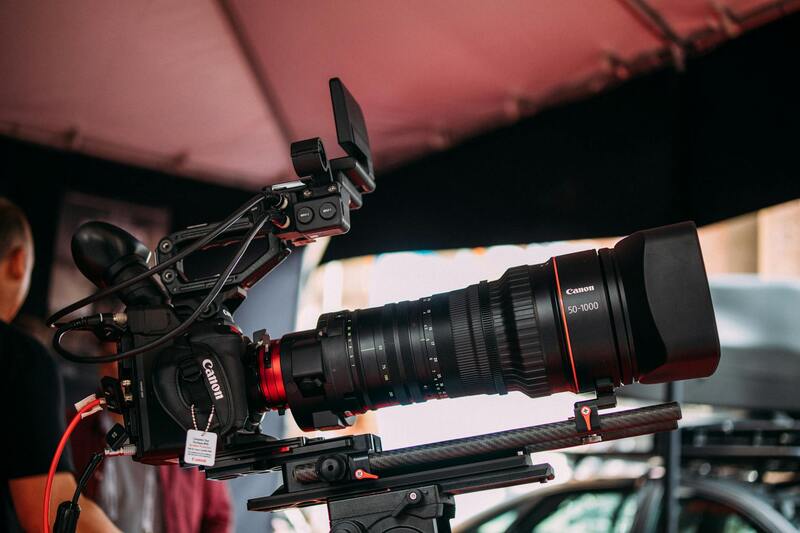
Audio editing plays a fundamental role in the overall quality of the final product. Removing background noise, balancing sound levels, and equalizing audio tracks ensure clarity and professionalism. Incorporating music or sound effects should complement the interview content without overpowering it, thereby enhancing the viewer’s experience.
Transitions and visual effects, when used judiciously, help create smooth narrative progression and emphasize key points. Applying seamless cuts, fades, or graphic overlays can enhance clarity and add a polished finish. The integration of b-roll footage or cutaways, such as establishing shots or contextual visuals, adds depth and interest, making the interview more dynamic.
Before finalizing, review the project through multiple viewings across different devices to identify any inconsistencies or errors that need correction. Feedback from colleagues or clients can also provide valuable insights that refine the overall presentation. The goal is to produce a cohesive and compelling piece that effectively communicates the interview’s purpose.
Once satisfied, export the video in the appropriate format, considering the platform for distribution. High-resolution outputs optimize viewing experience, whether for online streaming, broadcast, or personal presentation. These technical considerations, coupled with meticulous editing, ensure the final interview content is both visually engaging and professionally crafted.
Creating a Comfortable Environment for the Interview
Establishing a relaxed and welcoming atmosphere is essential for capturing authentic responses during a filming interview. This involves familiarizing the interviewee with the setting beforehand, explaining the process, and addressing any concerns they might have. When interviewees feel at ease, they are more likely to express genuine thoughts and emotions, leading to a more compelling final product. Your approach should prioritize professionalism while maintaining a personable demeanor to foster trust and openness.
Guiding the Interview Flow and Maintaining Engagement
A well-structured interview guides the conversation smoothly, covering key topics without rushing or dragging. Prepare an outline with thoughtful questions aligned with the interview’s purpose, allowing room for spontaneous dialogue. During filming, the interviewer should actively listen and adapt, probing deeper into interesting points and ensuring the conversation remains engaging. Eye contact, appropriate gestures, and encouraging nods help keep the interviewee comfortable and motivated to share insightful responses.
Furthermore, it’s critical to be attentive to the pacing. Regularly intersperse close-up shots with wider angles to retain viewer interest and emphasize emotional cues. Using varied shot types also facilitates seamless editing, enriching the storytelling aspect of the interview. The aim is to capture a dynamic conversation that feels natural while fulfilling the content objectives.
Monitoring and Adjusting During Filming
Continuous observation of framing, audio quality, and lighting during recording ensures high-quality footage. An attentive approach allows real-time adjustments, preventing issues such as distracting shadows, background noise, or uneven lighting. This proactive oversight minimizes the need for extensive post-production corrections, saving time and resources.
Effective Communication with Your Crew
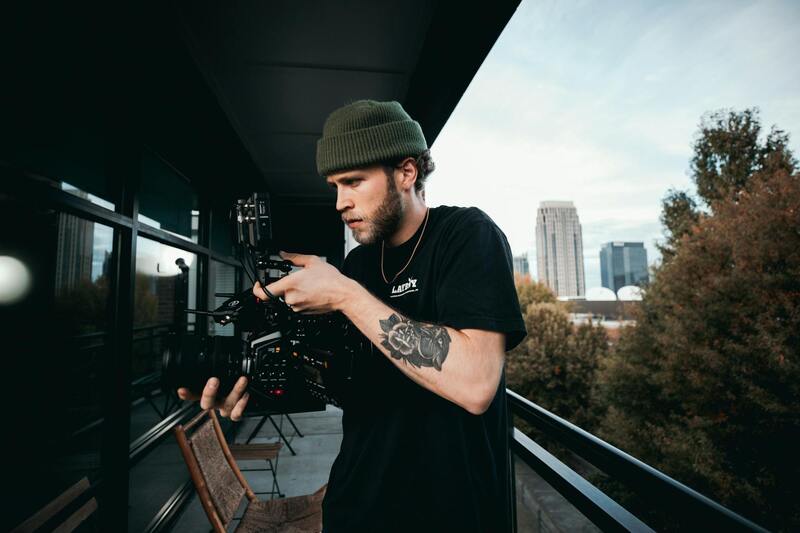
Clear and concise communication with the filming crew, including camera operators, sound engineers, and lighting specialists, is vital. Prior to the shoot, conduct a comprehensive briefing to align everyone on the schedule, technical requirements, and creative vision. During filming, maintain an open dialogue to address unforeseen circumstances, ensure smooth coordination, and uphold the desired standard of professionalism. This collaborative approach significantly impacts the efficiency and quality of the final interview footage.
Having a designated point of contact facilitates quick decision-making and minimizes disruptions. Regular check-ins during the shoot can help verify that all elements—visual, audio, and environmental—are on point, contributing to a cohesive and compelling interview presentation.
Legal and Permitting Considerations in Miami
When planning to film an interview within Miami, comprehending the necessary legal and permitting protocols is essential to ensure a smooth and compliant production process. Different locations and types of shoots may require specific permissions, and understanding these requirements upfront can prevent delays or disruptions during filming.
One fundamental aspect involves acquiring permits for public space utilization. Miami’s city authorities tend to regulate filming activities in parks, beaches, streets, and other publicly accessible areas. Filmmakers should submit detailed applications that outline the scope of the project, equipment to be used, anticipated dates, and the number of personnel involved. These applications often necessitate providing proof of insurance and indemnity coverage, safeguarding both stakeholders and the city’s interests.
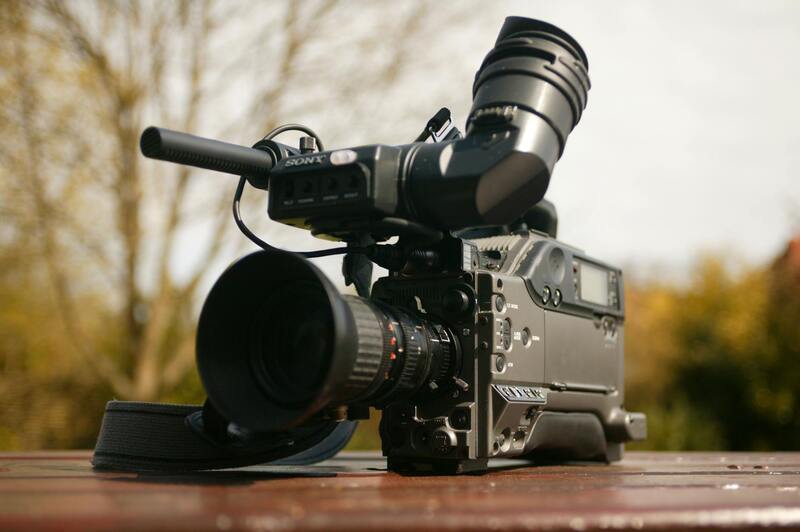
For private properties, permission must be secured directly from property owners or managers. Drafting a clear agreement delineating filming rights, duration, and any property usage restrictions helps foster a professional relationship. It's also advisable to conduct site surveys beforehand to identify potential obstacles or restrictions that might impact the shoot.
Miami’s regulations regarding drone usage are particularly important to consider. Unmanned aerial vehicles are permitted, but operators must obtain FAA waivers and adhere to local guidelines about flying in specific zones, especially in crowded or sensitive areas. Failure to comply with drone regulations can lead to legal complications and filming disruptions.
Additional considerations include adhering to Miami’s noise ordinances and respecting residents' privacy rights. Filming during designated hours minimizes conflicts and ensures a more cooperative environment. If filming involves minors or specific individuals, obtaining consent forms and releases in accordance with state laws is necessary. This process ensures that all parties’ rights are protected and that recordings can be used without risk of contestation.
Consulting with local permitting offices or hiring experienced location managers familiar with Miami’s filming landscape can streamline this process. They can provide insights into specific requirements for different districts or neighborhoods and manage communications with relevant authorities, reducing the risk of overlooked permits or procedural missteps.
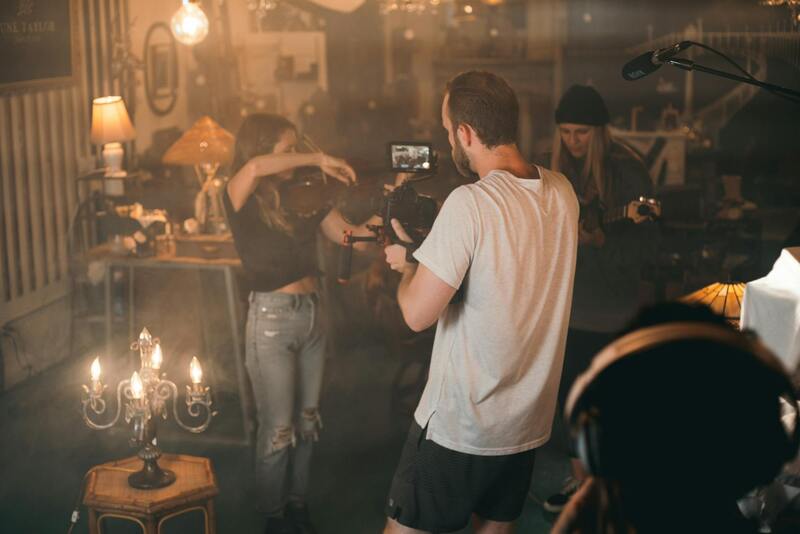
Ultimately, proactive planning and thorough knowledge of local regulations are key to conducting a legal, hassle-free filming interview in Miami. By securing all necessary permits, respecting private property rights, and following drone and noise regulations, filmmakers can focus on capturing compelling content without concern about compliance issues.
Post-Production Editing and Final Touches
After capturing the interview footage, the editing phase is crucial for ensuring the final product aligns with professional standards and effectively conveys the intended message. The editing process involves reviewing all recorded material, selecting the most compelling segments, and assembling them cohesively. This step not only enhances the visual and audio quality but also helps in maintaining viewer engagement. Color correction and sound balancing are essential to eliminate inconsistencies and ensure clarity, especially in diverse lighting and acoustic environments sustained during filming.
During editing, it is important to incorporate appropriate captions, subtitles, or graphics to emphasize key points or add contextual information. This practice enhances accessibility and broadens the reach of the interview. Additionally, any background noise or unwanted disruptions captured during filming should be meticulously removed, preserving the integrity of the interviewee's responses.
To streamline the editing workflow, using professional editing software that supports high-resolution footage is recommended. This allows for precise cuts and adjustments, ensuring a polished final product. It's also vital to maintain proper file organization throughout the process to facilitate seamless revisions or updates.
In terms of final touches, background music or sound effects can be added judiciously to amplify emotional impact or highlight significant moments. However, these should complement, not overshadow, the core content. When incorporating music, ensure it adheres to licensing requirements, avoiding potential copyright issues.
Once editing is complete, exporting the video in multiple formats caters to different distribution channels, such as social media, official websites, or broadcast platforms. An optimized, high-quality version of the interview enhances credibility and viewer engagement.
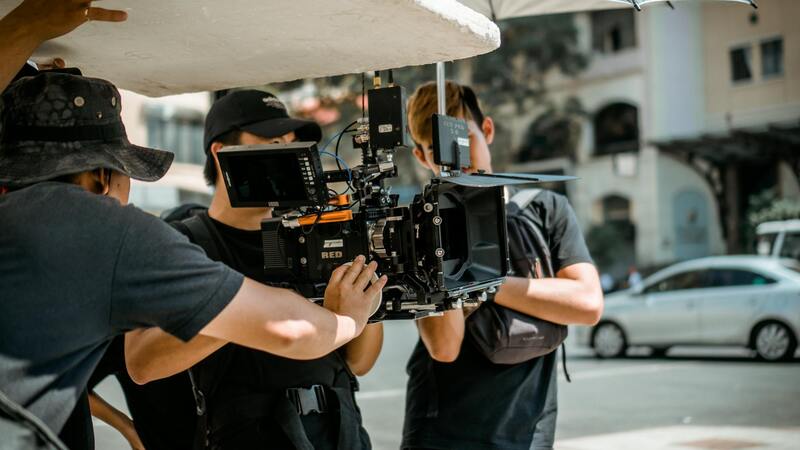
Legal and Permitting Considerations in Miami
When planning to film an interview within the Miami area, securing appropriate permissions and complying with local regulations are essential steps to ensure a smooth production process. Miami's diverse urban environment offers numerous locations, but utilizing these spaces often requires obtaining specific permits from city authorities or property owners. This proactive approach helps prevent delays or disputes during filming and guarantees access to chosen sites.
For public locations, such as parks, sidewalks, or beaches, it is necessary to coordinate with the Miami Department of Cultural Affairs or other relevant municipal departments. Applying for a film permit typically involves submitting detailed documentation, including a site plan, shooting schedule, and proof of insurance coverage. It is advisable to submit permit requests well in advance of the planned shoot dates to accommodate review periods and potential adjustments.
Private property permits involve seeking authorization directly from property owners or managers. Establishing clear agreements and understanding any restrictions or requirements helps avoid misunderstandings during filming. Contractual arrangements should outline liabilities, access hours, and specific site conditions to align expectations for all parties involved.
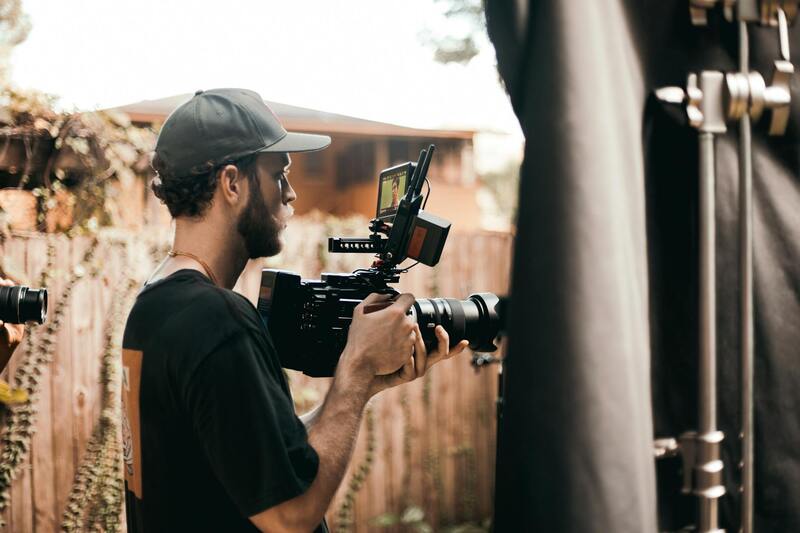
It is also crucial to consider environmental regulations and community guidelines, especially when filming in environmentally sensitive areas or residential neighborhoods. Obtaining the necessary permissions demonstrates respect for local regulations and community standards, maintaining good relationships with stakeholders and avoiding potential penalties.
Furthermore, if the interview content involves sensitive topics or individuals, additional permissions related to consent and privacy must be acquired. Ensuring that all interviewees are fully informed about how their footage will be used and obtaining written consent helps safeguard against future disputes or misunderstandings.
In summary, a comprehensive understanding of Miami's permitting processes and proactive engagement with local authorities and property owners minimizes obstacles during filming. This disciplined approach not only adheres to established procedures but also contributes to a professional production environment where legal and procedural obligations are met efficiently, creating a foundation for successful interview content.