
Overview of Video Interview Services
Video interview services have become an indispensable component of modern business operations, particularly in areas such as recruitment, marketing, and corporate communications. These services enable organizations to conduct remote interviews with candidates, clients, or partners in a manner that is both efficient and professional. By leveraging high-quality video technology, businesses can connect with individuals across different locations without the need for travel, thereby reducing costs and saving time. This capability is especially critical for companies seeking to streamline hiring processes, expand their outreach, or enhance their internal and external communication strategies. Video interview services typically involve a combination of hardware, software, and professional support to ensure seamless interactions. They include features like scheduled interviews, real-time video conferencing, recording options, and secure data handling. The importance of such services extends beyond convenience; they contribute to improved decision-making by allowing interviewers to evaluate visual cues, tone, and overall presentation—elements that are often lost in traditional voice-only communication. Furthermore, in a competitive business environment, establishing a polished and professional image is crucial. Video interview solutions help maintain a consistent quality standard, which can be vital for client presentations, marketing campaigns, or internal briefings. They also support multi-stage interview processes, enabling organizations to filter and assess candidates effectively while maintaining flexibility in scheduling. Organizations increasingly recognize that video interviews foster better engagement and rapport. Unlike email exchanges or phone calls, video interactions allow for a more personal connection, which can lead to more accurate assessments of candidates or partners. Additionally, these services support documentation and review, providing an audit trail that can be referenced later for compliance or training purposes. The technological advancements in this field include integration with applicant tracking systems, virtual backgrounds, and AI-powered analytics that assist in evaluating responses and engagement levels. As businesses expand globally, these features become more critical for ensuring consistent communication quality across diverse teams and markets. Overall, video interview services serve as a strategic tool that streamlines processes, enhances communication, and supports growth. As industries evolve and technology advances, these services will continue to adapt, offering even more sophisticated solutions for businesses aiming to stay competitive in an interconnected world.
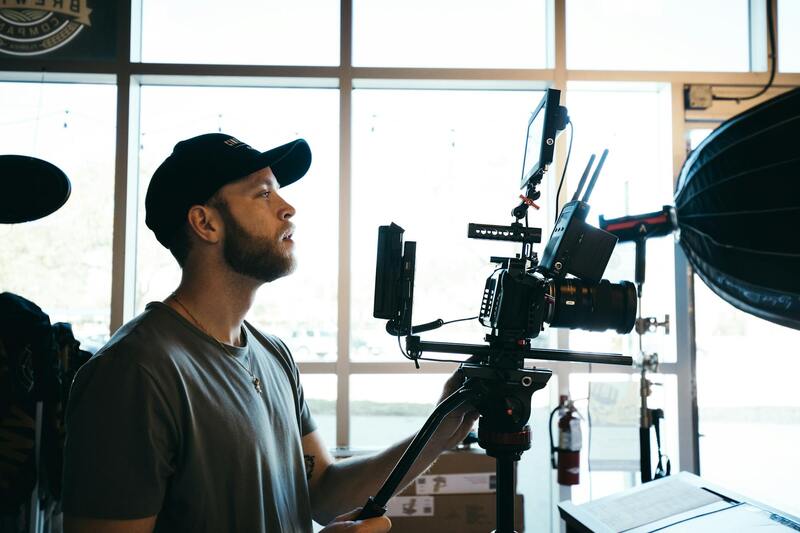
Key Features of Professional Video Interview Solutions
When evaluating a dedicated video interview service, several core features exemplify their effectiveness and reliability. High-quality recording capabilities are fundamental, ensuring that both the visual and audio elements are crisp, clear, and free from disturbances. This level of clarity is essential for conducting thorough assessments and maintaining a professional appearance that reflects positively on the organization.
Ease of scheduling is another critical aspect, allowing users to seamlessly plan interviews with minimal friction. Integrated calendar tools synchronize with existing scheduling platforms, reducing the risk of conflicts or missed appointments. This streamlining not only enhances operational efficiency but also respects the time of all participants involved.
Data security remains a top priority for providers, employing encryption and secure data handling protocols to safeguard sensitive information. Validated user access controls restrict viewing and editing rights, ensuring that confidential interview content remains protected throughout and after the process.
User-friendly interfaces are designed with intuitiveness at their core, enabling both interviewers and candidates to navigate the platform without technical difficulties. Clear instructions and responsive support facilitate a smooth experience, whether the user is experienced with technology or new to virtual interviews.
Additional features that distinguish top-tier solutions include customizable branding options, allowing organizations to personalize the interface to match their corporate identity. Virtual backgrounds offer versatility, creating a distraction-free environment or emphasizing branding elements without requiring physical setup adjustments.
Many solutions now incorporate AI-driven analytics that evaluate candidate responses, tone, and engagement levels, providing objective insights that complement human judgment. Integration capabilities with applicant tracking systems (ATS) and HR platforms streamline workflows, enabling seamless data transfer and record-keeping.
Automated transcript generation and time-stamping facilitate easy review and documentation, reducing administrative workload. Some services also offer multi-language support and accessibility features to accommodate diverse candidates and interviewers, ensuring an inclusive process.
From reliable performance to comprehensive security, these features empower organizations to conduct effective, efficient, and professional virtual interviews. Selecting a platform that aligns with strategic goals and operational needs can significantly improve recruitment and communication outcomes.
Integration with Recruitment and Production Workflows
Incorporating a robust video interview service into existing recruitment and production workflows enhances operational efficiency and consistency. For Miami-based production agencies and HR departments, seamless integration means less onboarding time and smoother transitions across stages of candidate evaluation or content creation. The selected platform should support compatibility with applicant tracking systems (ATS), customer relationship management (CRM) tools, and other enterprise software commonly used in professional settings.
This compatibility ensures real-time data synchronization, allowing for accurate update of candidate profiles, interview schedules, and notes. Automated data entry minimizes manual errors and accelerates decision-making processes. Furthermore, integration with content management systems enables the easy storage and retrieval of interview recordings, transcripts, and related documentation.
Utilizing APIs and standardized data formats is essential for establishing reliable connections between the video interview service and production planning tools. This setup supports a unified workflow where candidates or clients can be tracked throughout the interview process, providing transparency and accountability. For agencies managing multiple projects, centralized access to interview data helps streamline scheduling, feedback collection, and reporting.
In operational contexts, automated notifications and reminders can keep all stakeholders informed about upcoming interviews, reducing delays and ensuring timely evaluations. These features contribute to a more dynamic, responsive recruitment process, directly impacting the quality of hires or project coordination in Miami’s competitive markets.
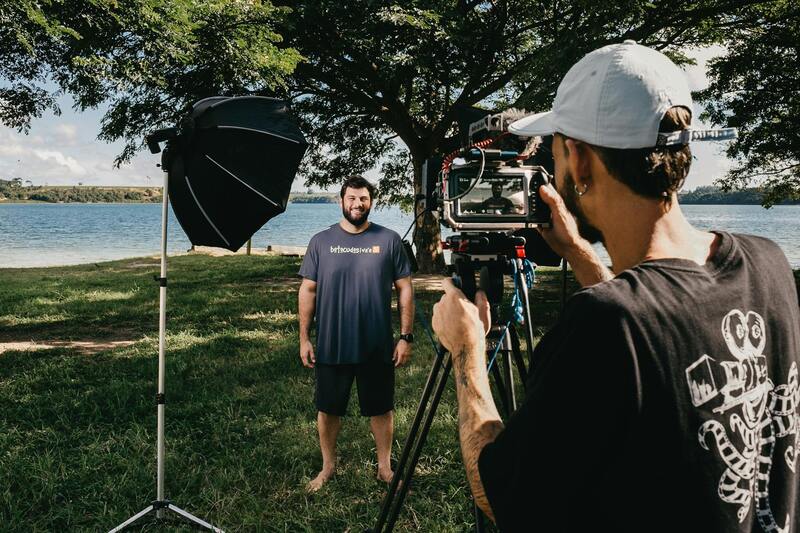
Integration with Recruitment and Production Workflows
Seamless integration of video interview services within existing recruitment and production workflows is essential for maximizing operational efficiency. When selecting a platform, it is crucial to ensure that the service can synchronize smoothly with applicant tracking systems (ATS), customer relationship management (CRM) tools, and enterprise resource planning (ERP) solutions. This synchronization facilitates real-time updates on candidate statuses, interview schedules, and feedback, reducing manual entry errors and accelerating the decision-making process.
Compatibility extends beyond simple data sharing; it includes the ability to embed interview recordings, transcripts, and related documents into existing digital repositories. This ensures that all relevant information is accessible to hiring managers, production coordinators, and stakeholders at all times. Moreover, automated notifications and reminders triggered by the platform keep participants informed about upcoming interviews and deadlines, fostering accountability and punctuality.
In a production setting, integrating video interview solutions with project management tools enhances coordination between recruitment staff and production teams. It provides a centralized hub for tracking candidate progress, scheduling interviews, and gathering feedback. Such integration streamlines workflows from initial contact through final hiring decisions or project assignments, ensuring consistency and clarity across departments.
Furthermore, the deployment of Application Programming Interfaces (APIs) and standardized data formats enables scalable connectivity with a variety of enterprise software. This flexibility supports customization, so recruitment and production agencies can tailor workflows to suit specific organizational needs. Whether it’s automating interview reminders, updating candidate profiles, or generating comprehensive reports, a well-integrated video interview system contributes significantly to a streamlined, cohesive process.
In high-demand markets such as Miami, where time-to-hire and project readiness are critical, these integration capabilities serve as a strategic advantage. They reduce delays, improve data accuracy, and ensure smooth communication channels, ultimately enhancing the quality of hires and project execution.
Integration with Recruitment and Production Workflows
Seamless Workflow Synchronization
Integrating a reliable video interview service into existing recruitment and production workflows facilitates a more cohesive operational environment. By establishing secure, standardized connections with human resource management systems (HRMS) and production scheduling platforms, organizations can automate key steps in the hiring and project deployment processes.
This integration enables real-time updates of candidate statuses, interview scheduling, and feedback collection within centralized dashboards. Such synchronization minimizes manual data entry, reduces the risk of oversight, and accelerates decision-making processes. For instance, when a candidate completes an interview, updates can automatically notify the recruitment team, trigger follow-up actions, or update project timelines in production schedules.
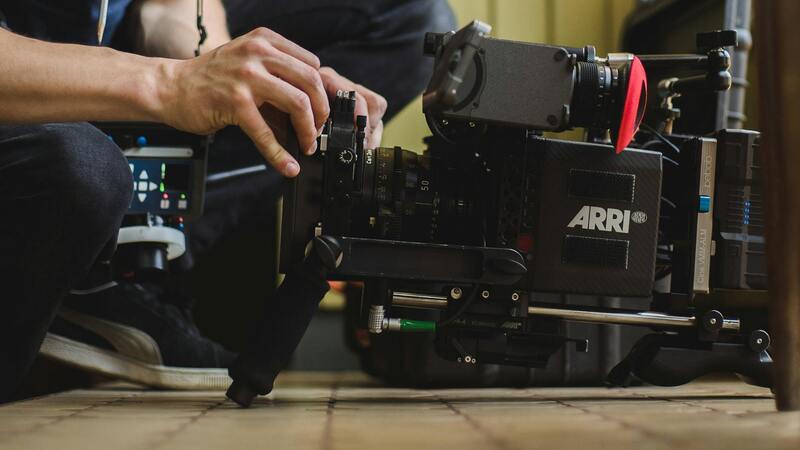
Enhancing Data Consistency and Accuracy
One major advantage of integration is the consistency of data across systems. When interview information, candidate profiles, and feedback are linked directly to enterprise databases, the risk of discrepancies diminishes. This accuracy becomes especially valuable in Miami’s fast-paced markets, where timely and precise information influences project success and recruitment quality.
Standardized data exchange formats, such as JSON or XML, facilitate compatibility across diverse software tools. APIs example in this context enable scalable connectivity and customization, allowing organizations to adapt systems as their needs evolve. Whether automating interview scheduling, generating analytical reports, or updating candidate profiles, integrated platforms create a unified ecosystem that supports efficient operations.
Operational Efficiency and Strategic Advantages
In busy markets like Miami, operational efficiency translates directly into competitive advantage. When recruitment teams and production staff rely on integrated video interview solutions, delays are minimized, and resource allocation becomes more strategic. Automated reminders, streamlined feedback collection, and instant access to interview recordings help teams stay organized and responsive.
Furthermore, data-driven insights obtained from integrated systems assist in refining recruitment strategies and optimizing project timelines. For production agencies, the ability to quickly identify qualified candidates and deploy projects without unnecessary lag boosts overall productivity and client satisfaction.
Best Practices for Conducting Video Interviews
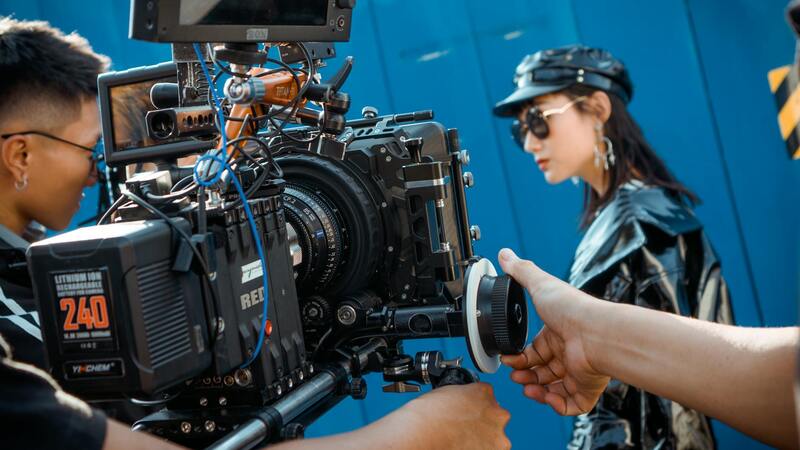
Executing effective video interviews requires meticulous planning and adherence to best practices that ensure a seamless experience for both the interviewer and the candidate. Proper preparation is essential to gather accurate insights and maintain a professional image throughout the interview process. Establishing a structured environment and utilizing high-quality equipment can significantly impact the interview's success.
- Candidate Preparation: Clearly communicate the interview format, expectations, and technical requirements well in advance. Providing candidates with guidelines on optimal lighting, background cleanliness, and sound quality helps create a distraction-free environment that reflects well on the organization.
- Technical Setup: Use reliable internet connections, high-definition cameras, and clear microphones to ensure crisp video and audio quality. Test all equipment beforehand and have backup options ready to mitigate potential technical issues.
- Interview Environment: Select a quiet, well-lit space free from interruptions. A neutral background minimizes distractions and presents a professional appearance. Encourage candidates to choose similarly appropriate environments.
- Interview Protocol: Establish a consistent interview structure with prepared questions tailored to the role. Use standardized evaluation criteria to maintain objectivity and fairness across interviews.
- Engagement and Communication: Maintain eye contact by looking into the camera, and employ positive body language to foster rapport. Be attentive to verbal and non-verbal cues to gauge engagement levels.
Incorporate active listening techniques and provide opportunities for candidates to ask questions, fostering a two-way conversation that reveals genuine insights about their capabilities and motivations. Maintaining professionalism and technical readiness ensures that every interview accurately reflects the candidate's potential and suitability for the position or project.
Best Practices for Conducting Video Interviews
Implementing effective video interview protocols is essential for maximizing the value of virtual interactions. This involves a combination of technical preparedness, setting a professional environment, and establishing clear communication guidelines.
Technical Preparation
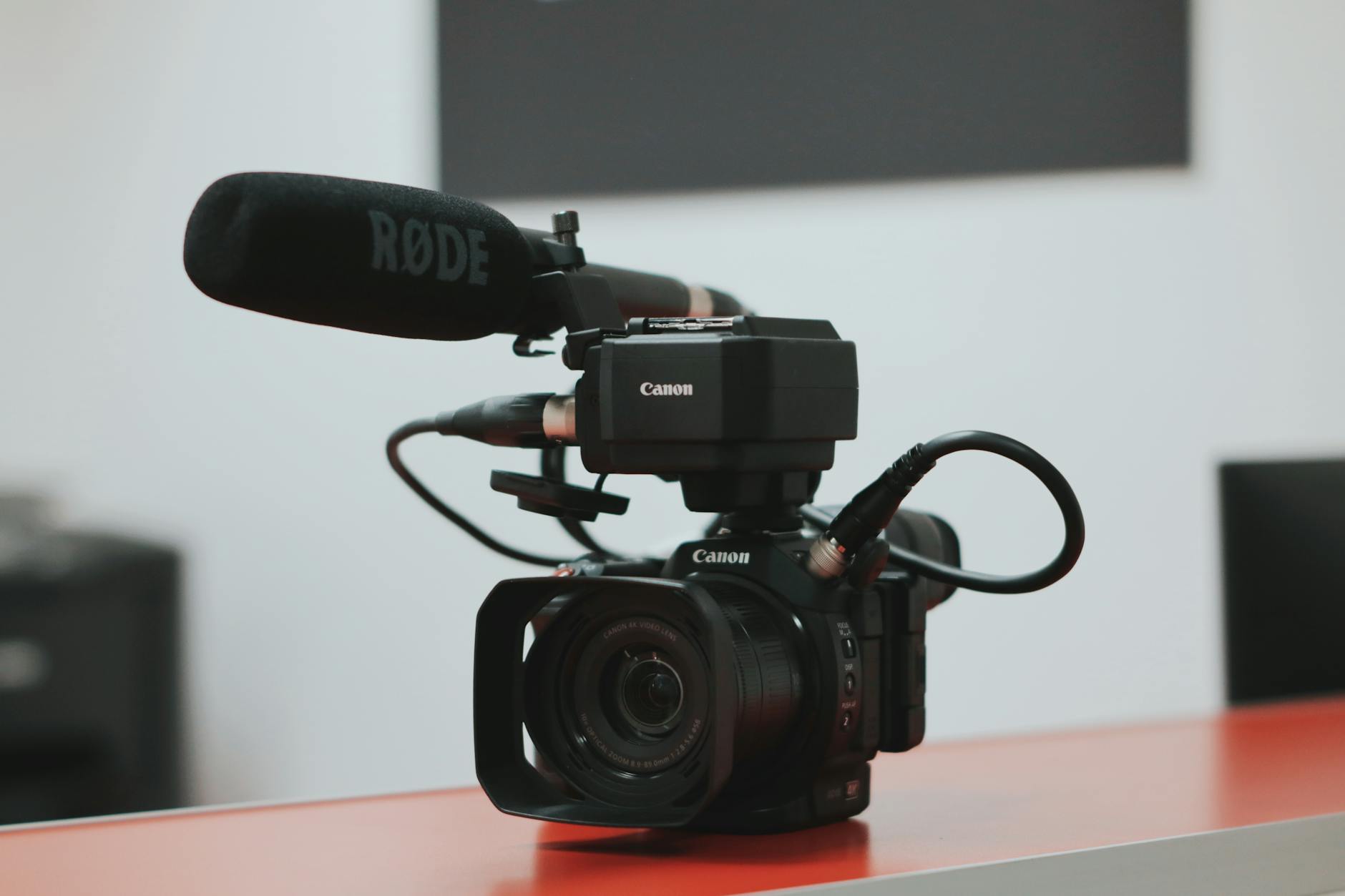
Ensuring optimal technical setup reduces disruptions and presents a polished image. Reliable high-speed internet connection is vital to prevent lag or disconnections. Use high-definition cameras that provide sharp, clear visuals, and select microphones that capture audio distinctly without background noise. Prior to the interview, perform comprehensive tests of all equipment, including lighting, camera angles, and audio levels, and always have backup options ready to address unforeseen technical issues.
Creating a Suitable Environment
The physical space from which the interview is conducted plays a significant role in how the session is perceived. Choose a quiet area with minimal background noise and interruptions. Adequate lighting, preferably natural or well-positioned artificial lights, ensures the candidate and interviewer are clearly visible. Backgrounds should be neutral and uncluttered to maintain focus on the conversation and project professionalism.
Structured Interview Process
Develop a consistent interview framework that includes tailored questions aligned with the role or project requirements. Utilize standardized evaluation criteria to facilitate fair assessments. Clearly communicate the agenda and expectations to the candidate beforehand to foster transparency and reduce anxiety.
Effective Communication and Engagement
Maintain steady eye contact by looking into the camera, and use positive non-verbal cues such as nodding and smiling to convey attentiveness. Active listening is crucial; demonstrate engagement by paraphrasing responses and asking clarifying questions. Allow candidates ample opportunity to ask their own questions, which can reveal insights into their motivations and understanding.
Adhering to Professional Standards
Dress professionally, just as in face-to-face interviews, to reinforce seriousness and respect. Keep notes organized to streamline the assessment process. During the interview, avoid multitasking and ensure full attention is dedicated to the candidate.
By following these best practices, organizations can ensure each virtual interview delivers accurate insights and leaves a positive impression, fostering a more effective hiring or collaboration process.
Advanced Strategies for Optimizing Video Interview Experiences
As the landscape of remote communication continues evolving, employing innovative techniques and tools can significantly enhance the efficacy of video interview sessions. Utilizing high-definition audiovisual equipment ensures crystal-clear image and sound quality, which is vital for capturing subtle non-verbal cues and providing an immersive experience for interviewers and candidates alike. Brands should consider investing in professional-grade cameras, lighting, and microphones to replicate the quality of in-person interactions, thereby reducing misunderstandings and improving overall assessment accuracy.
In addition, implementing advanced scheduling and calendar integrations streamlines planning, reducing the likelihood of missed appointments or technical hiccups. Scheduling platforms synchronized with automated reminders help keep all participants well-prepared and punctual, minimizing disruptions. Furthermore, pre-interview technical checks should be standard, including testing internet connections, audio-video functionality, and platform compatibility, to mitigate unforeseen technical issues during the actual interview.

Post-Interview Analysis and Feedback Tools
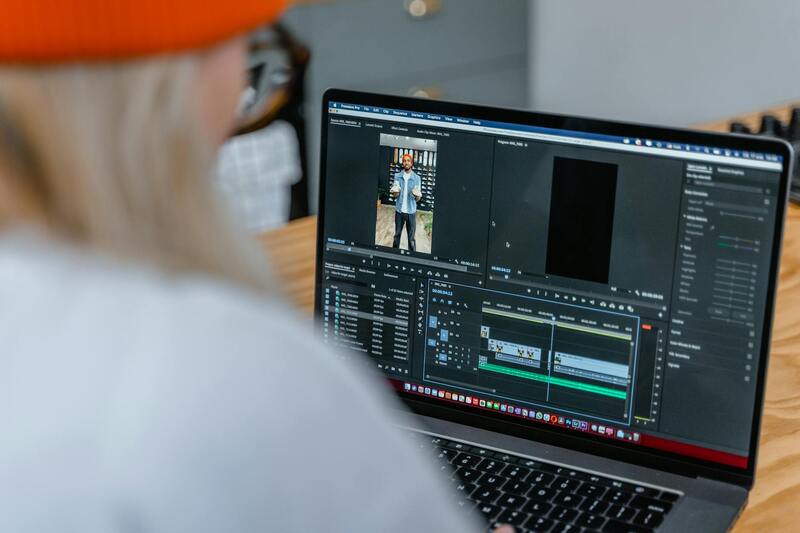
Modern video interview services often come equipped with integrated assessment modules and analytics dashboards. These features allow interviewers to record, review, and evaluate candidate responses systematically. Automated transcription services enable quick review of key points and facilitate comprehensive feedback documentation. Additionally, AI-powered evaluation tools can analyze speech patterns, body language, and responsiveness, offering deeper insights into candidate suitability without bias.
Providing structured feedback documents not only streamlines the decision-making process but also offers candidates valuable insights into their performance. Organizations should adopt standardized evaluation templates to ensure consistency across different interviewers and roles, fostering fair and objective assessments.
Security and Data Privacy Considerations
Given the sensitive nature of interview content, selecting a virtual interview platform with robust security features is crucial. Data encryption, secure login protocols, and controlled access should be mandatory components to protect confidential information. Additionally, organizations should implement clear policies regarding data storage and retention, ensuring compliance with industry standards and maintaining trust with candidates and clients.
Customized User Interfaces and Experience Enhancements
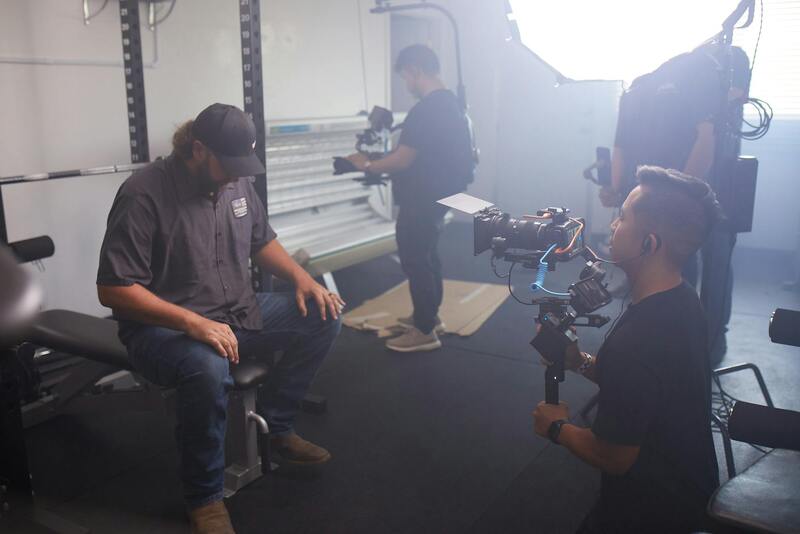
Modern video interview solutions offer customizable interfaces that can reflect brand identity and improve user navigation. Features such as branded waiting rooms, personalized interview instructions, and real-time chat support create a seamless and engaging experience for participants. These enhancements add a layer of professionalism and can reduce user anxiety, leading to more genuine interactions and better candidate evaluations.
Future developments might include virtual reality (VR) environments and augmented reality (AR) overlays, providing simulated real-world scenarios that enable more dynamic assessment methods, particularly useful in production and creative industry contexts.