
Understanding Customer Testimonial Videos
Customer testimonial videos are a powerful marketing tool designed to showcase genuine experiences and positive feedback from past clients. These videos serve as authentic endorsements, allowing prospective customers to hear firsthand accounts of how a company's products or services have positively impacted others. Unlike written reviews, testimonial videos add a dynamic and personal element that can build trust and credibility more effectively.
The core purpose of customer testimonial videos is to influence potential clients by providing social proof. When viewers see real people sharing their success stories, it humanizes the brand and reinforces its value proposition. These videos often address common concerns, highlight specific benefits, and demonstrate real-world results, making them an essential component in a comprehensive marketing strategy.
In the digital landscape, potential clients increasingly seek out visual and authentic content before making decisions. Customer testimonial videos meet this demand by offering transparent and relatable insights into customer satisfaction. Well-produced videos can capture emotions, showcase the benefits of a service or product, and foster an emotional connection that can sway purchasing decisions.
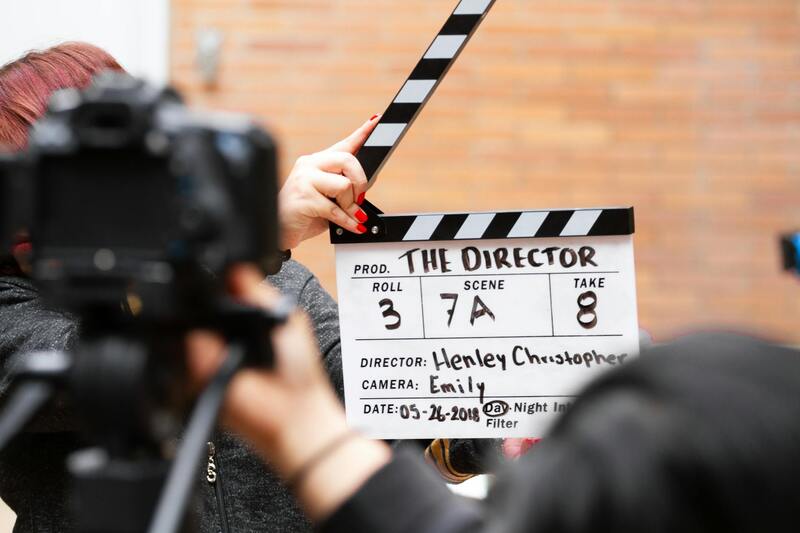
By leveraging these videos, businesses can effectively convey their reliability and commitment to client satisfaction. The impact of a compelling testimonial video extends beyond mere endorsement; it enhances brand reputation and distinguishes a business in competitive markets. When produced with professionalism and authenticity, customer testimonial videos help establish trust, showcase expertise, and attract new clients by demonstrating proven results and satisfied customer experiences.
Key Elements of Effective Customer Testimonial Videos
Creating impactful customer testimonial videos requires a strategic focus on specific elements that resonate with viewers and effectively communicate the client’s experience. To maximize authenticity and engagement, it is essential to highlight genuine success stories through well-crafted narratives, compelling visuals, and authentic delivery. A successful testimonial video will typically incorporate several key components:
- Authentic Endorsements: Testimonials should come directly from satisfied clients who genuinely share their positive experiences. Authenticity is paramount, as viewers can detect insincerity, which undermines credibility. Encourage clients to speak naturally about their journey and results, avoiding scripted language that might seem rehearsed.
- Clear and Concise Messaging: The message should focus on specific benefits and tangible results achieved through the product or service. Condense the story to highlight key points that demonstrate value, ensuring that the narrative remains engaging yet straightforward.
- Visual Authenticity: Incorporate high-quality footage that captures real environments and genuine emotions. Candid shots of clients interacting with the product or service lend credibility and relatability, fostering trust among prospective customers.
- Professional Sound and Lighting: Good audio quality and proper lighting are crucial for conveying professionalism and ensuring that the testimonial is easy to understand. Clean visuals and clear sound help maintain focus on the client's message without distractions.
- Brand Messaging Consistency: The testimonial should align seamlessly with the brand’s core values and overall messaging strategy. This consistency reinforces brand recognition and solidifies the client’s positive association with the company.
- Call-to-Action (CTA): Conclude the video with a strong CTA that guides viewers on the next steps, whether it is to contact the business, visit the website, or learn more about the services offered.
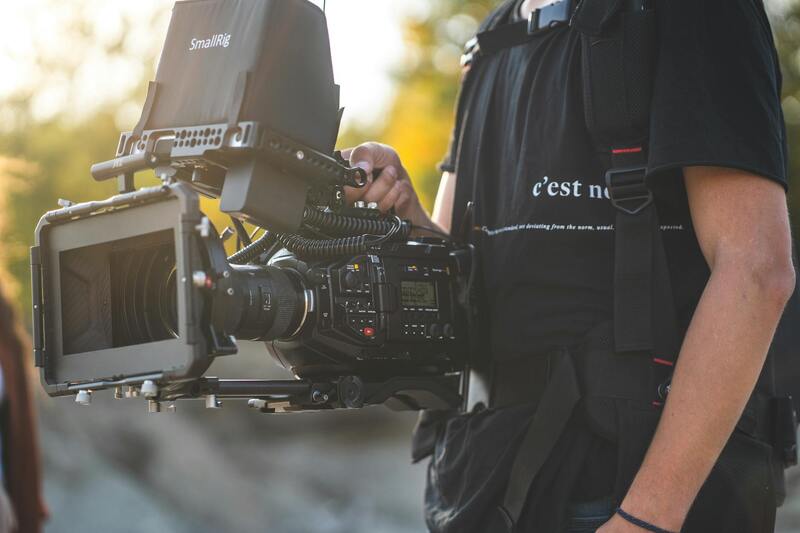
Steps to Plan and Script Customer Testimonial Videos
Effective planning is instrumental in producing testimonial videos that resonate. This process involves careful structuring to ensure the final product is coherent and compelling:
- Define Clear Objectives: Establish what the video aims to achieve, such as boosting credibility, showcasing specific services, or addressing common customer concerns.
- Select Suitable Clients: Choose satisfied customers who can articulate their experiences convincingly. Their stories should align with the target audience’s interests and concerns.
- Develop a Structured Script: Draft questions that prompt detailed, honest responses while allowing clients space for natural storytelling. The script should highlight challenges, solutions, benefits, and the overall experience.
- Plan Visual Elements: Outline the types of shots needed, including interview setups, B-roll footage, and candid moments. Ensuring variety in visuals maintains viewer interest.
- Coordinate Logistics: Arrange locations, schedules, and necessary equipment to ensure a smooth filming process. Preparing clients ahead of time helps foster comfort and authenticity during filming.
Best Practices for Shooting Customer Testimonials in Miami
Capturing testimonials effectively in Miami involves understanding location advantages, local culture, and lighting conditions. Adhering to best practices ensures aesthetic appeal and authenticity:
- Utilize Iconic Miami Backdrops: Incorporate recognizable landmarks or vibrant cityscapes to add context and visual interest, aligning the testimonial with the local vibe.
- Leverage Natural Light: Film during golden hour when the natural lighting enhances visuals and personal expressions. Overcast days also provide excellent diffused light, reducing shadows.
- Choose Comfortable Environments: Select settings where clients feel relaxed and confident, such as their workplaces, homes, or familiar local spots, for authentic storytelling.
- Use Quality Equipment: Employ professional-grade cameras and microphones to ensure clarity and vibrant visuals. Proper stabilization equipment prevents shaky footage, maintaining a polished look.
- Capture Candid Moments: Encourage clients to speak naturally and share their thoughts spontaneously. Candid reactions often convey genuine enthusiasm and trust.

Post-Production and Editing Tips for Testimonial Videos
Editing plays a vital role in transforming raw footage into compelling testimonial content. Focus on refining flow, emphasizing key messages, and maintaining viewer engagement through strategic adjustments:
- Maintain Authenticity: Avoid over-editing or altering the natural tone and emotion conveyed by clients. Authenticity builds trust and credibility with viewers.
- Incorporate Complementary B-Roll: Overlay footage of the client using the product or service, related environments, or relevant brand visuals. This enhances storytelling depth and visual interest.
- Apply Consistent Branding: Use branded intros, overlays, and color schemes to reinforce brand identity without detracting from the testimonials' authenticity.
- Edit for Pace and Engagement: Keep the video concise and dynamic. Remove redundancies or long pauses to sustain viewer interest from start to finish.
- Enhance Sound Quality: Balance audio levels, remove background noise, and add subtitles if needed to improve accessibility and message clarity.
Key Elements of Effective Customer Testimonial Videos
Creating impactful customer testimonial videos hinges on several core elements that resonate with viewers and enhance credibility. First and foremost, authenticity is paramount. Testimonials should reflect genuine experiences, emotions, and opinions from real clients, avoiding scripted or overly polished responses that might seem rehearsed. The true power of these videos lies in honest storytelling that viewers can relate to, fostering trust and engagement.
Clarity in messaging is equally crucial. Clear, concise narratives help viewers grasp the value proposition quickly. The testimonial should focus on specific benefits the customer experienced, highlighting challenges faced, solutions provided, and tangible results achieved. A well-structured message ensures the audience remains captivated and retains key information.
Visual authenticity complements verbal sincerity. Filming in natural environments, incorporating candid reactions, and showcasing real interactions contribute to a believable and relatable portrayal. Authentic visuals reinforce the story's credibility and help establish an emotional connection with viewers.
The quality of audiovisual elements also plays a significant role. Crisp visuals, balanced lighting, and high-quality audio support a professional appearance, while subtle branding elements can reinforce brand recognition. Using relevant B-roll footage, such as the customer's environment or related activities, provides visual variety and context, further enriching the storytelling.
Incorporating diverse perspectives from different customers enhances the testimonial series’ overall credibility. It demonstrates the broad impact and reliability of the products or services offered, appealing to a wider audience. To maximize impact, testimonials should be strategically segmented to focus on different customer personas or solution areas.
When developing a testimonial, consider including a compelling call to action. This encourages viewers to take the next step—whether it’s contacting the company, visiting a website, or engaging with social media platforms. Effective testimonials integrate these elements seamlessly, creating a balanced and persuasive narrative.
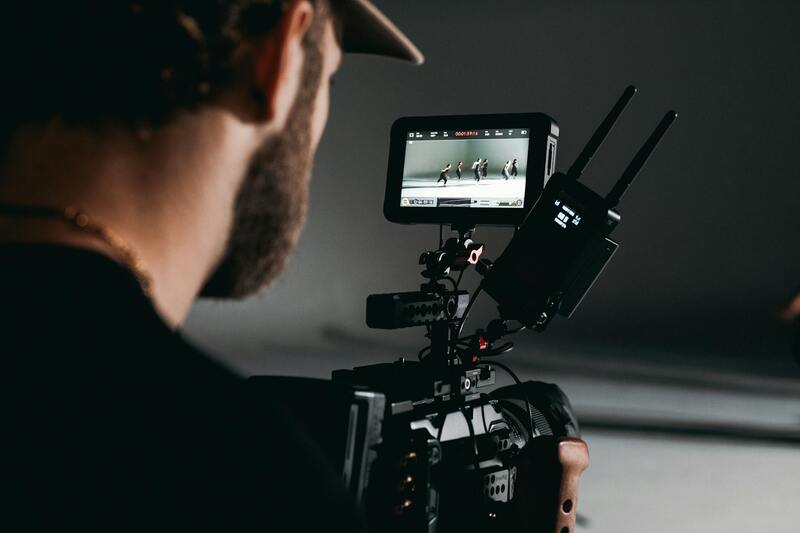
Best Practices for Shooting Customer Testimonials in Miami
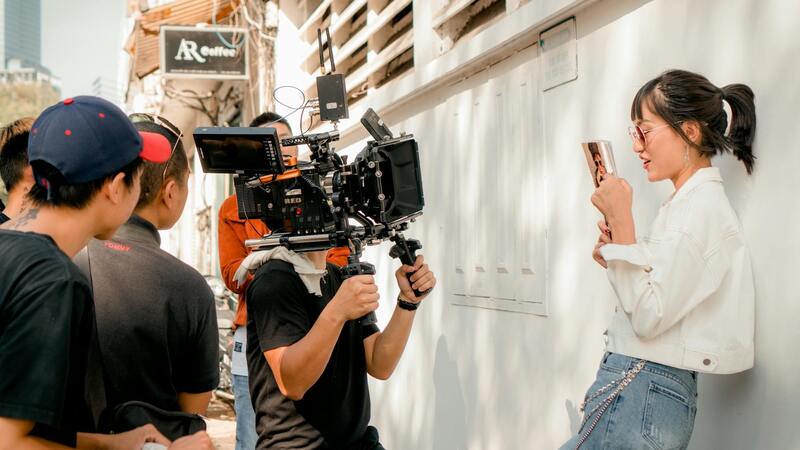
Capturing high-quality customer testimonial videos in Miami requires strategic planning and adherence to proven filming techniques. The city’s vibrant atmosphere offers unique opportunities for engaging visuals, but it also demands attention to detail to ensure the end product exudes professionalism and authenticity.
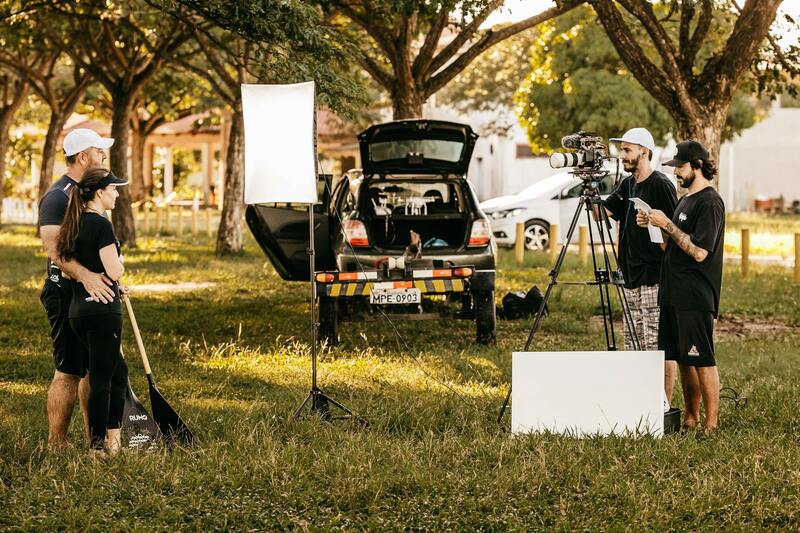
One of the primary considerations is selecting the right locations. Ideal spots often include the client’s business premises, local landmarks, or scenic outdoor environments that reflect the essence of Miami. When filming in outdoor settings, it’s crucial to schedule shoots during optimal lighting conditions—preferably early morning or late afternoon—to take advantage of natural light. Overexposure or harsh shadows can diminish the visual quality and distract viewers.
 ;
; Ensuring clear and balanced audio is equally vital. Utilizing high-quality lapel microphones or directional shotgun mics helps isolate the testimonial from background noise, which can be abundant in a lively city like Miami. Additionally, selecting quiet locations free from bustling crowds or traffic helps maintain audio clarity.
Lighting setups should be carefully planned. When filming indoors, use softbox lights or LED panels to ensure consistent and flattering illumination. For outdoor shoots, choosing shaded areas prevents harsh sunlight from causing unwanted shadows or overexposed highlights. Proper lighting highlights facial expressions and emphasizes sincerity, boosting viewer trust.
Moreover, directing the interview to promote natural responses is essential. Encourage customers to speak candidly about their experiences, and provide guiding questions that stimulate genuine storytelling. Framing shot compositions should be tight enough to capture facial expressions clearly but with enough background to add visual interest.
Incorporating diverse customer stories across different industries or demographic groups in Miami adds depth and broadens appeal. These varied perspectives demonstrate the versatility of your products or services and help connect with a wider audience.
 ;
; Finally, filming multiple takes and perspectives provides ample material for editing. B-roll footage—such as the customer interacting with your product, their workspace, or Miami’s iconic scenery—adds visual interest and reinforces key points.
Overall, meticulous preparation, location scouting, and attention to audiovisual quality form the backbone of successful customer testimonial videos in Miami. When executed properly, these videos not only capture authentic customer stories but also elevate your brand’s credibility and engagement potential.
Ensuring Authenticity and Credibility Through Proper Methods
Capturing customer testimonials that resonate with viewers requires adherence to genuine and transparent methods. Employing structured interviewing techniques helps elicit truthful stories that reflect real experiences. It's essential to prepare open-ended questions that allow customers to share their insights naturally, avoiding scripted or overly rehearsed responses. This approach not only enhances the authenticity of the testimonial but also fosters trust with potential clients.
High-quality visual and audio recording equipment is critical to produce a professional look and feel. Clear, crisp images combined with sound free of background noise ensure the message is conveyed effectively. Strategic framing of shot compositions emphasizes facial expressions and body language, adding depth to the storytelling. Proper lighting, especially in Miami’s diverse environments, accentuates facial features and conveys sincerity. Consistent audiovisual quality across testimonials maintains a cohesive brand presentation.
Additionally, obtaining explicit permission and clearly communicating the purpose of the testimonial ensures ethical standards are maintained. Customers should be informed about how their stories will be used and the benefits of sharing their experiences, which encourages willingness to participate genuinely. Transparency in these practices boosts credibility and demonstrates respect for customer rights.
Effective testimonial videos also incorporate visuals that contextualize the story. This includes footage of the customer using the product or service, as well as relevant settings within Miami that add local flavor. Carefully curated B-roll footage enriches the narrative, making it more engaging and relatable. The consistency of technical quality and adherence to ethical practices results in testimonial videos that are both compelling and trustworthy, establishing a solid foundation for your marketing strategy.
Ensuring Ethical and Officiated Methods for Collecting Customer Testimonials
Collecting customer testimonials involves a series of structured and professional approaches that prioritize authenticity and respect for participant rights. The process begins with clear communication about the purpose and scope of the testimonial to the customer, which helps establish trust and transparency. It is essential to obtain explicit consent, ideally through a signed release form that documents the customer’s agreement to share their story publicly and acknowledges how the footage will be used. A formalized interview process conducted by trained professionals ensures that the customer's narrative is both genuine and aligned with your brand image. These interviews should be conducted in environments that are comfortable and free from distractions, whether in a dedicated studio space or a well-prepared Miami location that provides the right ambiance. During the interview, open-ended questions encourage customers to share their experiences in their own words, capturing authentic emotions and reactions. It is also vital to implement quality control measures both during filming and editing to maintain consistency and professionalism across all testimonial content. This involves using high-quality audio-visual equipment, proper lighting, and unobtrusive background settings tailored to the local Miami scenery. Effective interview techniques, such as active listening and prompting, help draw out meaningful insights that resonate with viewers. Furthermore, maintaining control over the content flow is crucial. Edit testimonies to highlight core messages while preserving the original intent and emotional authenticity of customer stories. Avoid overly scripted or exaggerated content, as it can undermine credibility. Incorporating real customer voices and actual footage of their experience with your product or service lends authenticity to the narrative. In addition to these practices, respecting the privacy choices of individual customers is fundamental. Participants should be given options on how their stories are shared, whether through full testimonials or edited clips emphasizing particular aspects. Offering options like anonymity or the use of pseudonyms can also be appropriate, depending on customer preferences and comfort levels. By adhering to these meticulous and legitimate methods for testimonial collection, brands can create compelling, trustworthy video content that resonates with audiences and enhances credibility within Miami’s vibrant market landscape. This organized approach supports a strategic marketing effort rooted in transparency and respect, ensuring that customer stories serve as both authentic and powerful endorsements.
Post-Production and Editing Tips for Testimonial Videos
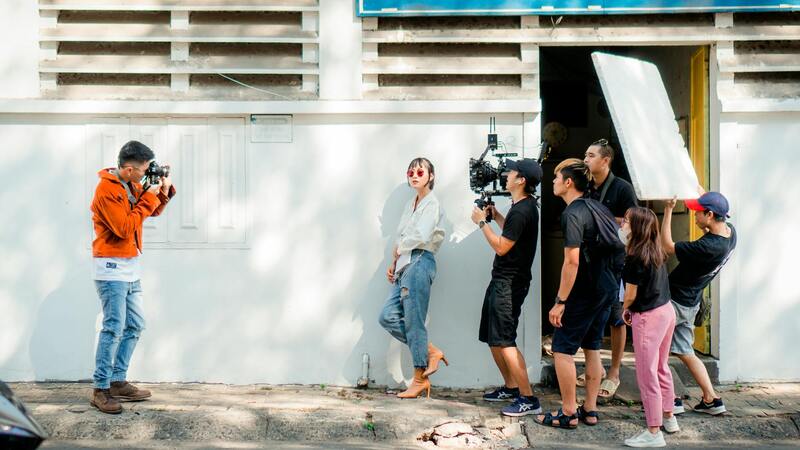
Effective post-production plays a vital role in transforming raw testimonial footage into compelling stories that resonate with viewers. When editing customer testimonial videos, focus on enhancing clarity, emotional impact, and professionalism while maintaining the authenticity of the customer's experience. Carefully selecting the best takes ensures that each testimonial is concise, impactful, and free from distractions, allowing viewers to connect easily with the customer's narrative.
Key Editing Tips for Testimonials
- Color Correction and Grading: Adjust color settings to match your brand’s aesthetic, ensuring a consistent and visually appealing look. Proper color grading also helps evoke specific moods that complement the testimonial content.
- Sound Quality: Clear, balanced audio is crucial. Use noise reduction tools to eliminate background noise, and incorporate sound leveling techniques to ensure the customer’s voice remains prominent and natural-feeling throughout the video.
- Adding Subtitles: Incorporate subtitles to increase accessibility and comprehension, especially for audiences viewing without sound or non-native speakers. Ensure the font and timing align with the overall tone of the video.
- Visual Inserts and Branding: Include subtle branding elements such as logos, lower thirds, and overlay text to accentuate key messages without overshadowing the authentic testimonial content.
- Enhancing Authenticity: Maintain a natural pacing that preserves the genuine emotion and spontaneity of the customer’s storytelling. Avoid over-editing, which can diminish authenticity and viewer trust.
Incorporating B-Roll and Additional Footage
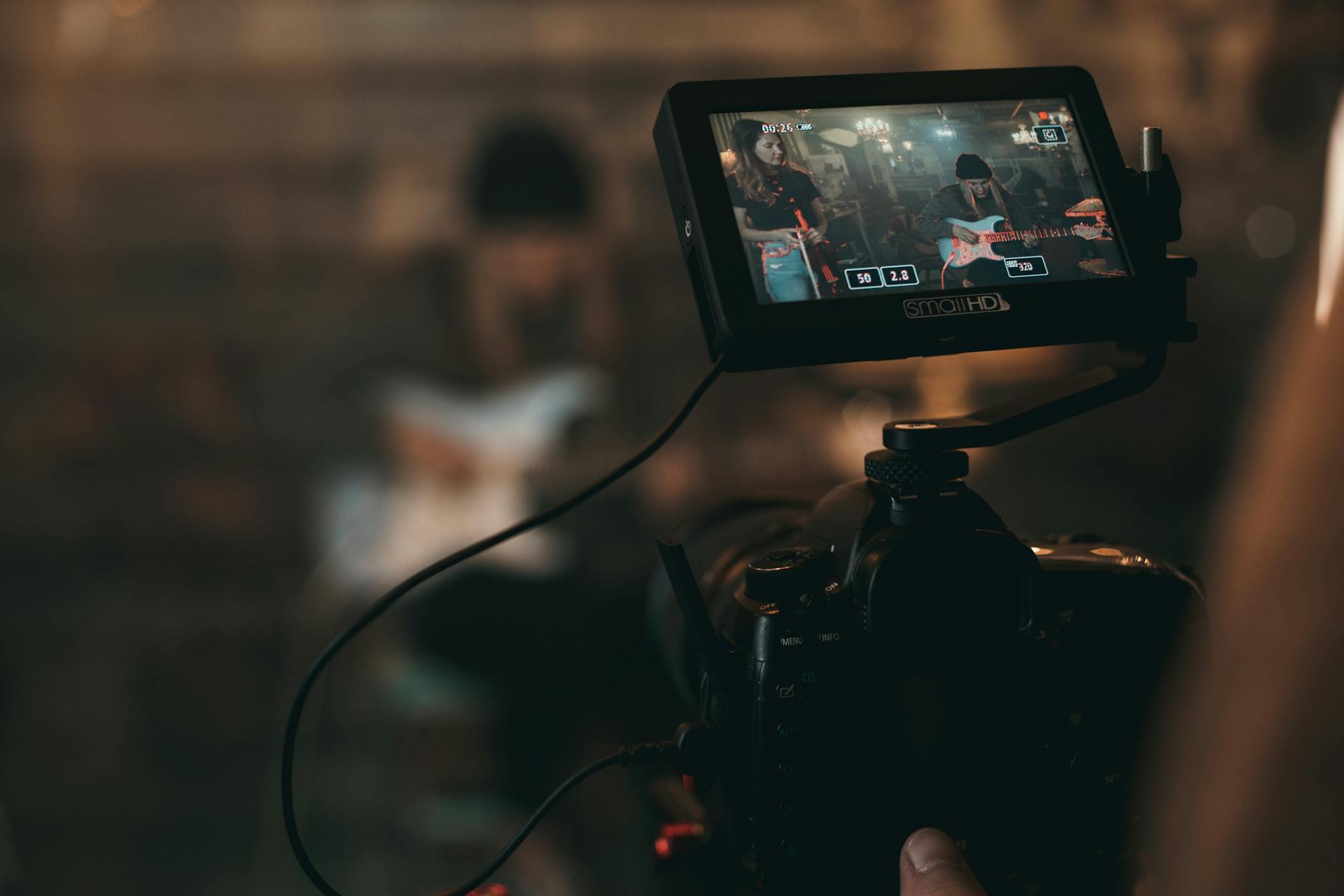
Adding B-roll footage—such as scenes of the customer using your product or service, or relevant Miami scenery—can enrich the narrative and provide contextual background. This supplementary footage helps maintain viewer engagement and visually reinforces the message conveyed by the testimonial.
Editing for Impact and Flow
A well-structured testimonial video should follow a logical flow that guides viewers effortlessly through the customer’s story. Begin with an engaging introduction, followed by the core message, and conclude with a strong call-to-action. Transition smoothly between segments, and cut out any redundancies or irrelevant content to maintain focus.
Moreover, consider the pacing—slow enough to allow emotional absorption, yet brisk enough to hold viewer interest. Employing techniques such as reaction shots, emotional close-ups, and varied angles can keep the visual dynamic while emphasizing key moments.
Overall, meticulous editing and thoughtful post-production choices are essential for producing testimonial videos that look professional, feel authentic, and effectively communicate your brand’s value in Miami’s vibrant market.
Effective Legal Frameworks for Customer Testimonial Video Production
When utilizing customer testimonials in video marketing, adhering to recognized standards and practices ensures that the content remains trustworthy and compliant with industry norms. These frameworks not only uphold the integrity of the testimonial but also foster confidence among viewers by demonstrating that the videos are produced ethically and responsibly.
One primary approach is to implement transparent disclosure practices. Clearly informing customers about how their testimonials will be used, the purpose of the videos, and any potential compensation ensures honesty and maintains transparency. Such disclosures should be concise yet comprehensive, outlining the context in which testimonials are recorded and distributed, thereby reinforcing authenticity.
Additionally, obtaining formal consent from customers prior to video production is crucial. This process involves obtaining written approval that explicitly authorizes the use of their likeness, voice, and testimonial content across various media formats. Proper documentation protects all parties involved and aligns with standard professional practices.
Adopting standardized scripts or guiding questions can help maintain consistency and fairness during recordings. However, it’s equally important to allow customers to share their experiences in their own words, preserving the naturalness and spontaneity that lend credibility to their testimonials. This balance enhances genuine storytelling while ensuring key messages are conveyed effectively.
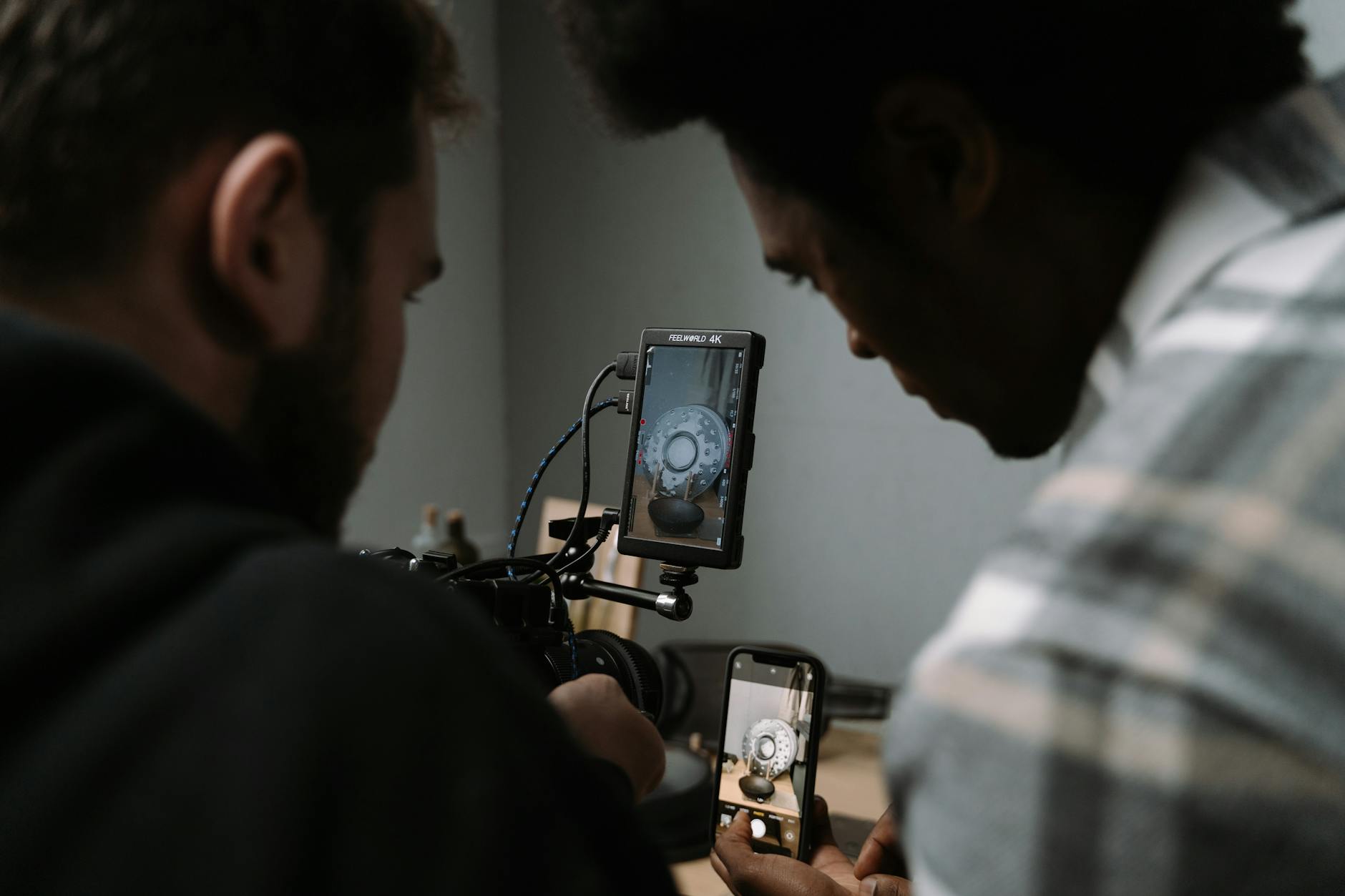
Quality assurance measures should also be integrated into the production process. Regular reviews of recorded content help verify that testimonials are accurate, respectful, and free from misrepresentation. This step supports compliance with industry standards and fosters trustworthiness in the final product.
From a legal perspective, respecting customer privacy and adhering to copyright regulations are fundamental. Using original footage and obtaining rights for any third-party content incorporated into testimonials mitigate risks and reinforce credibility.
By establishing robust, recognized procedures for customer testimonial video production, businesses in Miami can produce compelling, trustworthy content that highlights authentic customer experiences while upholding industry-best practices. These measures ultimately contribute to a positive brand image and reinforce customer confidence in your offerings.