
Understanding Video Interviews Production
Video interviews production is a specialized process that involves planning, executing, and refining visual content centered around interviews. This format has become a preferred method for capturing authentic insights, showcasing expertise, and engaging audiences across various platforms. Its applications span numerous sectors, including corporate communications, media outlets, marketing campaigns, and online content creation. As organizations increasingly leverage video content to strengthen their brand presence and communicate more effectively, the importance of a well-executed production process becomes evident.
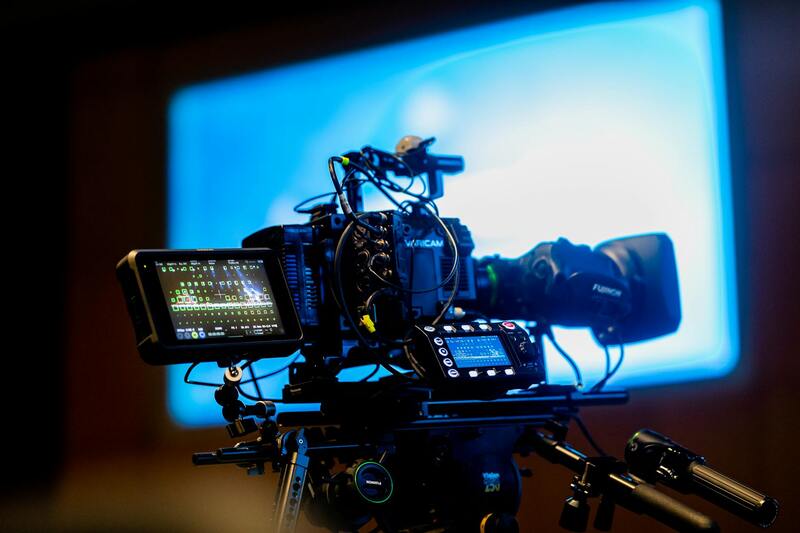
There are several common formats in video interviews production, each tailored to different objectives. One-on-one interviews feature a single interviewee and interviewer, ideal for in-depth discussions or personal storytelling. Panel interviews or roundtable discussions bring together multiple experts to share diverse perspectives, often used for thought leadership pieces. Remote interviews have gained popularity, especially with the rise of digital communication tools, allowing effective filming from different locations. Additionally, recorded or live-streamed formats cater to immediate audience interactions and wider dissemination missions.
Incorporating video interviews into your content strategy can serve multiple purposes, such as providing thought leadership, sharing testimonials, conducting market research, or supporting internal communications. Whether aimed at showcasing executive insights, customer stories, or industry analysis, well-produced video interviews add a layer of credibility and transparency that resonates with viewers. The versatility of video interviews makes them an indispensable asset in today's multimedia environment, where engaging and authentic storytelling drives brand loyalty and audience trust.
Effective production begins with clear objectives and understanding of target audience preferences. The subsequent steps—meticulous planning, technical execution, and thoughtful editing—ensure the final product aligns with brand standards and achieves desired outcomes. Recognizing the diverse applications and formats of video interviews underscores their strategic value as a powerful communication and marketing tool.
Technical Setup and Equipment
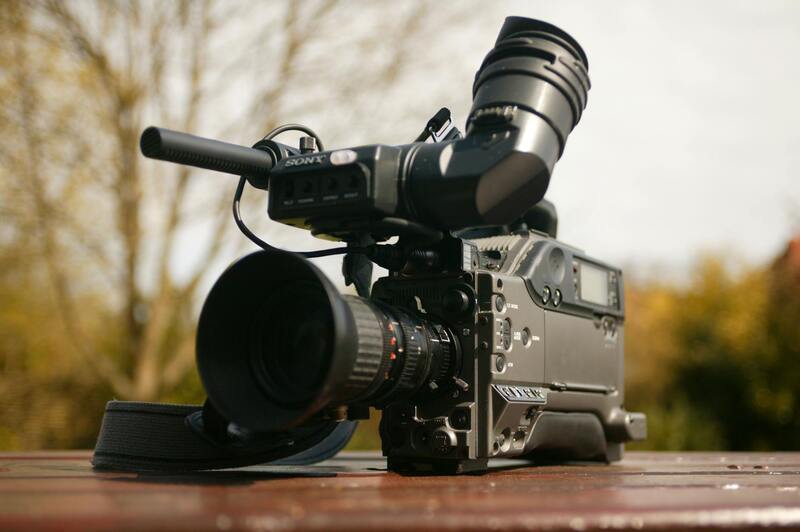
Successful video interviews production hinges on the use of high-quality technical equipment that ensures clarity, professionalism, and viewer engagement. The foundation begins with selecting appropriate cameras capable of capturing crisp, detailed images. Depending on the scope and budget, options range from professional-grade camcorders to high-resolution DSLR or mirrorless cameras, which offer excellent image quality and flexibility.
Sound quality is equally critical, as poor audio can undermine the credibility of the content. Equipping the setup with directional microphones, lavalier microphones, or shotgun microphones ensures clear voice capture while minimizing background noise. Using an external audio recorder can further enhance sound fidelity, providing control over audio levels during the editing process.
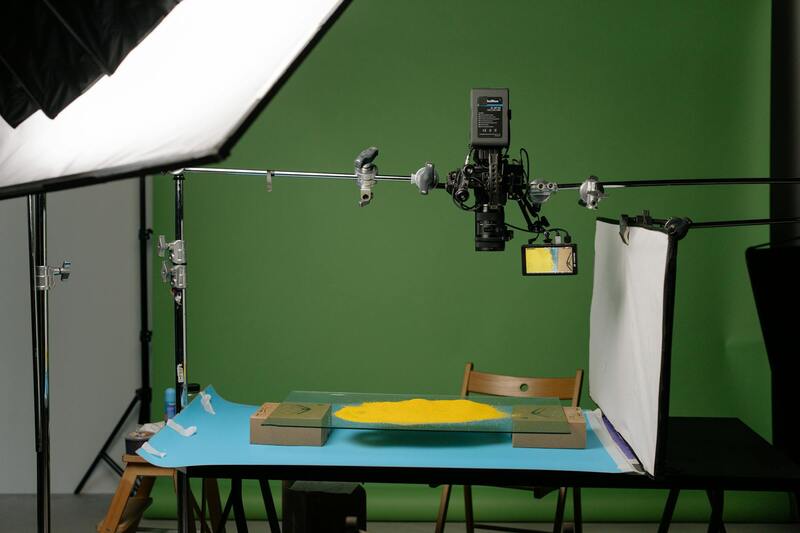
Lighting setup plays a significant role in creating a polished appearance. Softbox lights, ring lights, and LED panels help achieve consistent and flattering illumination, reducing shadows and highlighting interview subjects effectively. Proper lighting setup not only enhances the visual aesthetics but also maintains viewer interest over the course of the video.
Additional equipment such as tripods, stabilizers, and backdrops contribute to the stability and professionalism of the shoot. Tripods keep cameras steady, ensuring smooth and steady footage, whereas stabilizers or gimbals are useful for dynamic movement shots. Background choices should align with the interview's purpose—whether a clean, neutral backdrop or a branded environment enhances the overall production quality.
Technical Considerations for Remote and Multi-Camera Setups
For remote interviews, utilizing reliable internet connections and platforms optimized for high-definition streaming is essential to prevent lag and interruptions. Multiple camera angles can be managed via multi-camera setups, providing viewers with a dynamic viewing experience. This often requires additional devices, such as video switchers or computer-based software that can seamlessly switch between feeds during live sessions or editing phases.
Technical Setup and Equipment
Executing a professional video interview requires meticulous attention to technical setup and equipment selection, especially within Miami’s vibrant media production environment. High-quality cameras are fundamental; professional-grade camcorders or mirrorless cameras with large sensors and prime lenses are preferred for capturing sharp, detailed footage. These devices ensure that visuals are clear and crisp, providing a compelling viewing experience.
Lighting plays a crucial role in creating an appealing aesthetic. Key lights, fill lights, and background lights should be strategically positioned to eliminate harsh shadows and highlight the interview subject effectively. LED panels and softboxes are common tools, allowing for adjustable color temperature and intensity to match the mood and setting of the interview.
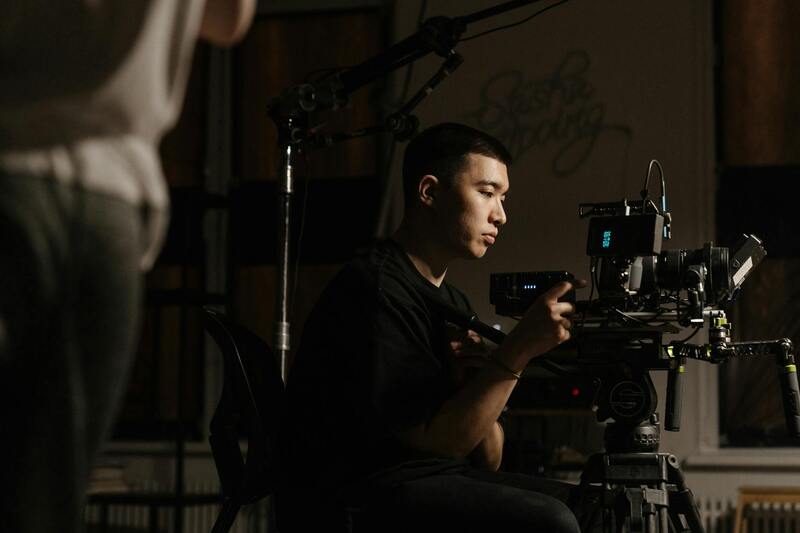
Sound quality is equally vital to the overall production value. High-quality microphones—such as lavalier (clip-on) mics and shotgun microphones—should be used to capture clean audio while minimizing background noise. Proper placement of microphones and soundproofing of recording spaces help achieve pristine audio clarity, which is critical for viewer engagement and message clarity.
Backdrop choices significantly influence the interview's atmosphere. Neutral colors and minimal distractions ensure focus remains on the subject, while branded backdrops can reinforce corporate identity. In Miami’s diverse production scene, versatile backdrops work well for both formal interviews and more relaxed, creative sessions.
Lighting and sound equipment should be synchronized with camera gear to deliver cohesive, high-quality footage. Additionally, tripods, stabilizers, and remote-controlled sliders facilitate smooth camera movements and stable shots, particularly in dynamic settings or multi-angle productions.
Coverage of Necessary Equipment for Miami Production Studios
- Cameras: Professional-grade, high-resolution camcorders or mirrorless models
- Lighting: LEDs, softboxes, ring lights, adjustable for different environments
- Sound: Lavalier mics, shotgun mics, audio mixers, pop filters
- Backdrops: Neutral, branded, or thematic backgrounds suited to interview context
- Supporting Gear: Tripods, stabilizers, gimbals, sliders for dynamic shots
- Multi-Camera Equipment: Video switchers and software for seamless transitions
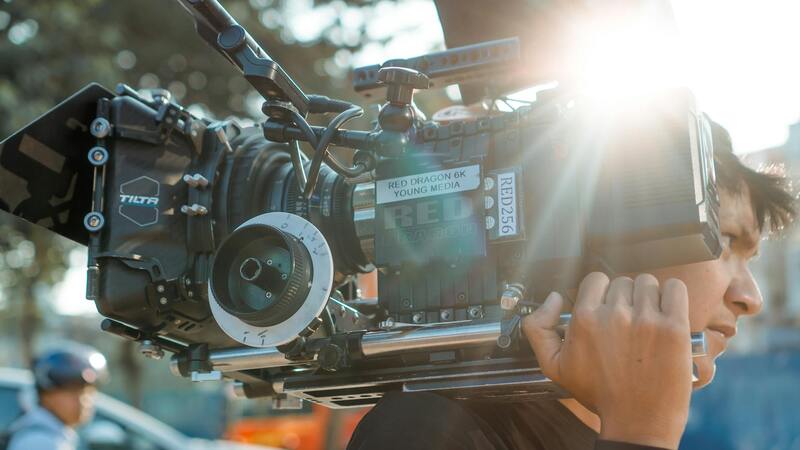
Ensuring the right technical configuration not only enhances the visual and auditory quality but also facilitates smooth production workflows. Given Miami's competitive media environment, investing in state-of-the-art equipment and maintaining strict technical standards are essential for producing standout video interviews that resonate with diverse audiences across various platforms.
Technical Setup and Equipment
Establishing a reliable and high-quality technical foundation is essential for professional video interviews in Miami. This process involves selecting and configuring equipment that aligns with the specific requirements of each production, ensuring that visual and audio elements meet industry standards. The primary components include cameras, lighting, sound, and supporting accessories, each chosen to complement the venue and interview style.
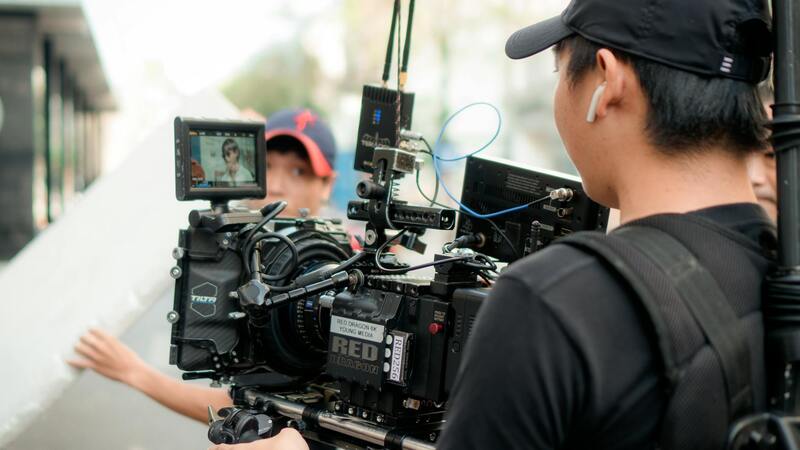
When selecting cameras, professional-grade models such as high-resolution camcorders or mirrorless cameras are preferred to capture clear, detailed footage. These cameras should support high bit rates and have adaptable lens options for close-ups or wide shots. In Miami’s diverse production environments, utilizing a multi-camera setup can enrich the interview by providing varied angles, enhancing engagement during editing.
Lighting plays a vital role in presenting the subject in the best light. Versatile lighting setups, including LED panels, softboxes, and ring lights, allow for adjustable tones and brightness to suit different indoor and outdoor settings. Proper lighting ensures even illumination, minimizes shadows, and highlights facial expressions, which are critical in conveying emotions during interviews.
Sound quality directly impacts the professionalism of the final product. Lavalier microphones, shotgun mics, and portable audio recorders are commonly used to capture clear, crisp dialogue. Incorporating audio mixers and pop filters further refines sound quality by reducing background noise and managing multiple audio sources. Given Miami’s vibrant ambient noises, especially in outdoor shoots, investing in directional mics can significantly improve audio fidelity.
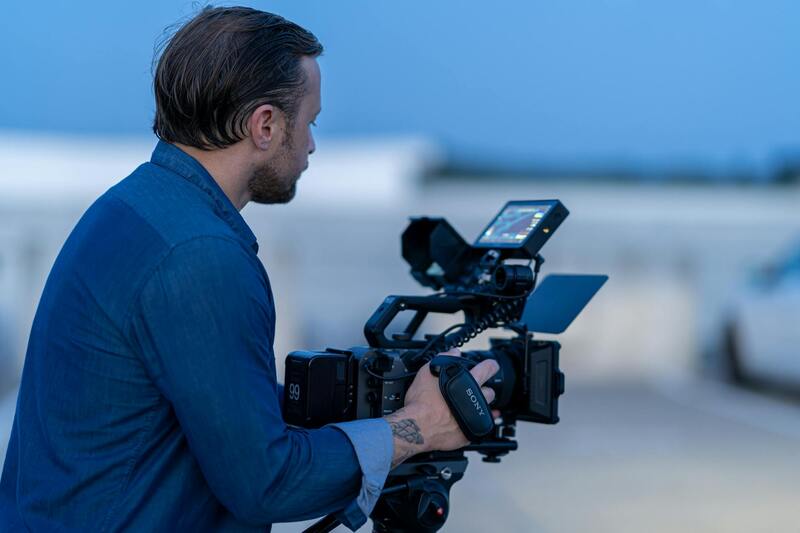
Supporting gear such as tripods, gimbals, stabilizers, and remote-controlled sliders facilitate smooth camera movements and steady shots, essential for dynamic interview setups. Multi-camera switching equipment, including video switchers and editing software, allows producers to seamlessly transition between angles, maintaining viewer engagement. All equipment should be tested thoroughly prior to filming to identify potential issues and ensure optimal performance.
In addition to the core equipment, environment-specific tools—such as portable bounce boards or reflectors—help manage lighting and minimize shadows. Cable management accessories are crucial to prevent trip hazards or signal interference, especially in complex setups involving multiple devices. For outdoor shoots, weather-resistant gear and additional protective casings extend the equipment’s lifespan and maintain uninterrupted filming.
Regular maintenance and calibration of all technical hardware are recommended to maintain consistency and reliability throughout productions. Given Miami’s rapid-paced media landscape, investing in top-tier equipment and adhering to strict technical protocols can differentiate your video interviews, making them more compelling and memorable to viewers across various distribution platforms.
Ensuring Quality and Consistency in Video Interviews Production
For producing professional-quality video interviews, adhering to mainstem practices that emphasize technical precision and creative storytelling is essential. Each stage, from setup to post-production, requires meticulous attention to detail to ensure the final product accurately represents the interview subject while engaging the target audience effectively.
One crucial element involves consistent audio and visual quality. This includes choosing high-fidelity microphones that can effectively capture voice clarity, even in challenging environments. Microphone placement, windshields for outdoor shoots, and soundproofing measures contribute significantly to reducing background noise and preventing audio artifacts that could detract from the interview's overall professionalism.
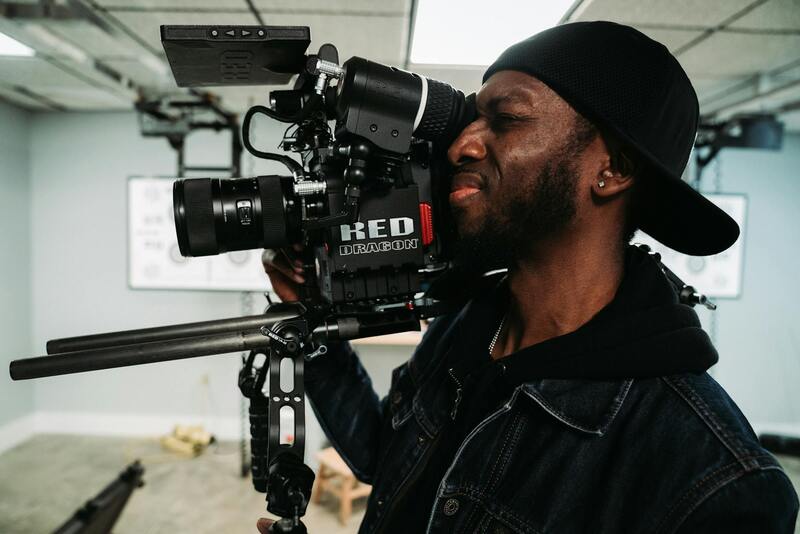
Simultaneously, camera settings such as aperture, ISO, and frame rate should be carefully calibrated based on lighting conditions. Fixed lenses or zoom lenses, depending on shot composition, can provide sharp, clear visuals that communicate confidence and credibility. Use of stabilizing equipment like gimbals or steadicams minimizes shake, especially during handheld shots, resulting in a smooth viewing experience.
Proper lighting setup plays a pivotal role in creating professional and visually appealing interviews. Prioritize three-point lighting configurations, employing key, fill, and backlights to highlight the interviewee and separate them from the background. In locations with limited natural light, portable LED panels with color temperature adjustment offer flexibility and consistent results. Additionally, managing reflections and shadows with reflectors or diffusion materials ensures a flattering and distraction-free visual presentation.
Effective production also depends on the coordination among team members to follow a detailed shot plan. Director’s script and shot list guide camera angles and movements, and ensure alignment with the interview flow. Managing background elements, minimizing disruptions, and maintaining the interviewee’s comfort are vital for capturing authentic expressions and reactions.
Post-production practices reinforce the story’s clarity and aesthetic appeal. Color grading enhances mood, improves visual consistency, and ensures color accuracy across various display platforms. Edited footage should include well-designed graphics or lower thirds that introduce interviewees, add branding, or highlight key points without overwhelming the content. Transition effects, background music, and sound design can elevate engagement, but should be chosen carefully to maintain a professional tone and avoid overshadowing the spoken content.
To optimize reach, the final video needs to be formatted according to distribution platform specifications. Compressing files for web upload, ensuring proper aspect ratios, and adding captions or subtitles maximize accessibility and viewer engagement. Regularly reviewing post-production workflows allows for continuous improvement, ensuring each project meets the highest standards of quality and effectiveness.
Legal and Ethical Considerations
In professional video interviews production, attention to legal and ethical standards is critical to safeguard the integrity of the project and uphold stakeholder trust. While navigating the process, it is essential to ensure that all content rights, permissions, and consent forms are properly managed before filming begins. This includes obtaining explicit approval from interviewees for the use of their likeness, statements, and any proprietary or protected material incorporated into the video.
Clear communication with interviewees about how their footage will be used is vital. Transparency regarding distribution channels, potential edits, and long-term use fosters a respectful working relationship and helps prevent misunderstandings. Additionally, implementing confidentiality agreements when necessary can protect sensitive information and proprietary insights shared during the interview.
Respecting copyright laws and intellectual property rights also plays a significant role in maintaining ethical standards. Any music, graphics, or third-party content integrated into the final production must be properly licensed or authorized. This not only ensures compliance but also avoids costly legal issues that could arise from unauthorized usage.
Maintaining neutrality and objectivity during the editing process is crucial to presenting honest and balanced content. Alterations should not distort the message or misrepresent factual statements, especially in contexts that influence public perception or business reputation.
Documenting procedures, retaining signed agreements, and adhering to industry standards are foundational to producing credible video interviews. Such practices demonstrate professionalism and respect for all parties involved, ultimately enhancing the project’s quality and reputation within the industry.
Legal and Ethical Considerations in Video Interviews Production
When producing high-quality video interviews, addressing legal and ethical responsibilities is essential to safeguard all parties involved and uphold the integrity of the content. This encompasses acquiring appropriate permissions from interviewees for recording and broadcasting their statements, ensuring that releases are signed prior to filming. These releases authorize the use of footage across various platforms and guarantee that the interviewee is aware of and consents to how their likeness and words will be utilized.
Intellectual property rights also demand careful attention. Any third-party content, such as images, music, or graphics incorporated into the production, must be properly licensed or obtained with explicit permission. Failure to observe these rights can lead to disputes or content takedowns, which damage both reputation and operational flow.
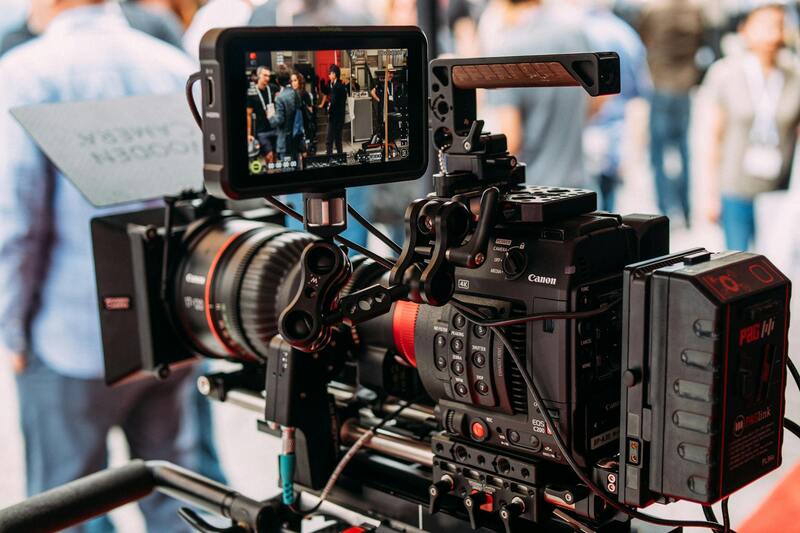
Ethics in interviews extend beyond legal compliance. It involves maintaining transparency about the interview’s purpose and content usage, respecting the privacy and comfort of interviewees, and accurately representing their statements without undue manipulation. Respecting these principles fosters trust between producers and participants, resulting in more genuine and impactful content.
Recording interviews also necessitates awareness of confidentiality requirements, especially when sensitive or proprietary information is involved. Using nondisclosure agreements can help protect confidential data, and restricting access to raw footage ensures control over how the content is used or shared.
Ensuring a fair and honest editing process is equally critical. Producers should avoid altering statements in a way that distorts the intended message or context. This level of integrity is vital when the content influences public perception or commercial success, as it builds credibility with viewers and stakeholders alike.
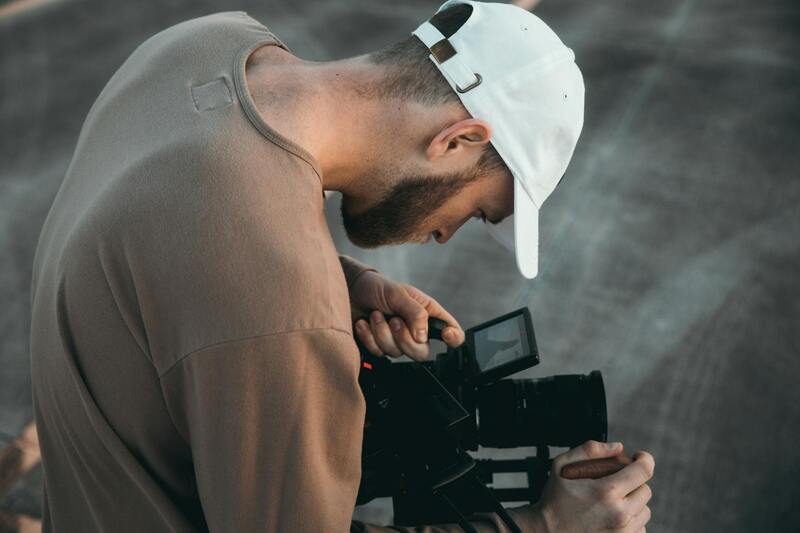
Conformance to these standards demonstrates professionalism and respect for journalistic and production ethics. Detailed documentation of all permissions, releases, and procedural agreements helps create a transparent workflow, minimizing misunderstandings and potential disputes. Adhering to established industry practices not only ensures compliance but also elevates the overall quality and credibility of the video interview content.
Legal and Ethical Considerations in Video Interviews Production
Maintaining high standards of honesty and integrity throughout the video interview process is essential for building trust with both interviewees and viewers. Producers must adhere to consistent ethical practices that uphold transparency about content usage, privacy, and representation. Clear communication regarding how interviews will be used and ensuring interviewees understand their rights is fundamental. This fosters an environment of mutual respect and encourages genuine content sharing.
Protecting sensitive or proprietary information is another critical aspect. Implementing non-disclosure agreements (NDAs) can safeguard confidential data, especially when dealing with corporate, legal, or personal information. Limiting access to raw footage, transcripts, and editing notes further controls how the content is disseminated, reducing the risk of misuse or misrepresentation.
Fair and accurate editing forms the backbone of ethical production. Editors should faithfully represent interviewees' statements without undue alterations that could distort the original message or context. Any emphasis, trimming, or visual effects used should serve clarity and engagement rather than manipulation. This responsibility maintains the integrity of the interview and preserves trust among all parties involved.
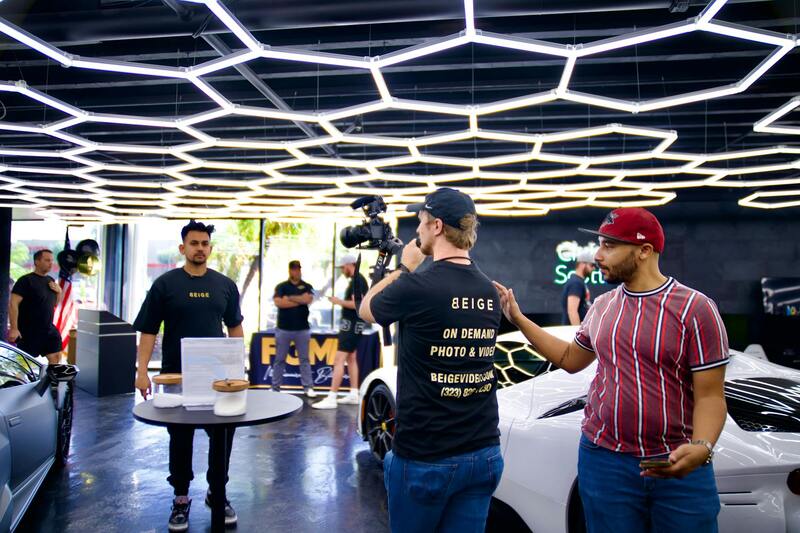
Documentation is another cornerstone of responsible production. Keeping detailed records of permissions, releases, and procedural agreements helps create a transparent workflow that minimizes misunderstandings. Having a clear chain of approval at each stage ensures all content is in line with initial agreements and standards.
Respect for Privacy and Consent
- Obtaining explicit permission from interviewees prior to filming and distribution.
- Providing opportunities for interviewees to review and approve final edits.
- Ensuring personal or sensitive information is handled with care and confidentiality.
Adapting these practices not only aligns with professional standards but also enhances the credibility of the final product. It demonstrates a commitment to ethical storytelling and reinforces positive relationships with participants, ultimately leading to more authentic and impactful video content.