
Understanding Client Testimonial Video Production
Client testimonial video production has become an essential component of modern marketing strategies, especially for businesses in vibrant markets like Miami. These videos feature real clients sharing their positive experiences with a company’s products or services. As authentic narratives, they foster trust and credibility, making them powerful tools in attracting new customers. The process involves capturing genuine client stories through professional filming, editing, and refinement to create compelling visual testimonials.
In a competitive landscape such as Miami’s local business scene, testimonial videos serve to showcase tangible proof of quality and reliability. They leverage the power of social proof, offering prospective clients relatable bases for decision-making. Well-produced testimonial videos are more than just marketing content; they are expressions of authenticity that convey the company’s commitment to customer satisfaction.
The production process begins with identifying satisfied clients willing to share their experience. This is followed by planning the interview topics to ensure the stories are focused, relatable, and aligned with the brand message. High-quality video production involves professional lighting, sound, and filming techniques to ensure clarity and engagement. The result is a polished piece that not only highlights the client’s story but also emphasizes the company's strengths.
These videos function as valuable assets across multiple marketing channels. They can be embedded on websites, shared on social media platforms, and incorporated into email campaigns. The visual authenticity of testimonial videos helps local Miami businesses build stronger community trust and differentiate themselves from competitors.
Investing in professional client testimonial video production also demonstrates a commitment to transparency and customer satisfaction. This, in turn, enhances brand reputation and encourages word-of-mouth referrals. As Miami continues to grow as a diverse economic hub, businesses that harness the genuine voice of their clients through expertly crafted testimonial videos position themselves at the forefront of consumer confidence.
Planning a Client Testimonial Video
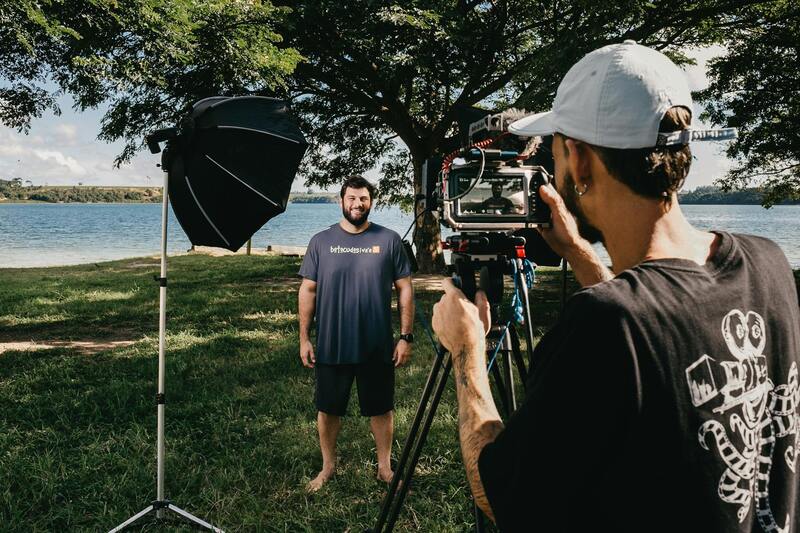
Effective planning is the cornerstone of a compelling client testimonial video. It begins with selecting clients whose stories genuinely reflect their positive experiences with your business. Identifying clients who are articulate, enthusiastic, and authentic ensures that the final product resonates with viewers. During this phase, it is crucial to outline clear objectives, defining what aspects of the service or product should be highlighted to align with the broader marketing goals.
Creating a detailed script or interview outline helps guide the conversation, ensuring key messages are conveyed without sounding rehearsed. This structure facilitates natural storytelling while covering essential topics, such as the challenge faced, how your business provided a solution, and the outcomes achieved. Flexibility during filming allows clients to share their story authentically, adding genuine emotion and relatability.
Logistical arrangements are equally important. Scheduling interviews at convenient times and locations reduces stress and encourages candid responses. Technical considerations include selecting well-lit environments, ensuring good sound quality, and using high-resolution cameras to produce a professional look. Planning also involves deciding on the video length; typically, 1-3 minutes suffice to hold viewers’ attention while delivering a comprehensive message.
Incorporating local Miami elements during planning can further personalize the testimonial. This might include choosing filming locations that reflect the neighborhood’s unique character or integrating local landmarks to evoke a sense of community. These details not only enhance authenticity but also foster a stronger connection with local audiences.
Thorough planning minimizes surprises during production and ensures that each testimonial video aligns with brand messaging, technical quality standards, and audience expectations. The result is a coherent, engaging piece that effectively communicates client satisfaction and sets your Miami-based business apart in a competitive market.
Choosing the Right Clients and Setting Clear Objectives
Effective client testimonial video production begins with identifying the most suitable clients whose stories resonate with your target audience. Focus on clients who have demonstrated genuine satisfaction and can articulate their positive experiences clearly. When selecting these clients, consider their background, relevance to your service or product, and their willingness to participate in the process.
Establish specific objectives for each testimonial. Are you aiming to boost trust, showcase particular service features, or highlight a successful project? Clear objectives guide the narrative, tone, and technical approach, ensuring that the final video aligns with your broader marketing goals. Additionally, define key messages you want each testimonial to convey, emphasizing authenticity and relatability.
Developing a Structured Plan for Authentic Storytelling
Creating a comprehensive plan involves outlining the storyline, key interview questions, and visual elements that will support the narrative. Prepare a script outline that encourages clients to share detailed, genuine experiences without scripting their responses word-for-word. This approach maintains authenticity and naturalness in delivery.
Design the interview environment considering lighting, acoustics, and backgrounds to produce high-quality visuals and sound. Incorporate local elements, such as Miami landmarks or neighborhood features, to reinforce regional authenticity. Strategically plan interviews at times and locations convenient for clients, reducing stress and fostering candid dialogue.
Technical Considerations and Visual Consistency
Utilize professional-grade equipment, including high-resolution cameras, directional microphones, and proper lighting setups. These technical standards ensure that the testimonial videos look polished and are pleasant to watch. Consistency across videos in terms of color grading, framing, and audio quality strengthens your brand image and fosters viewer trust.
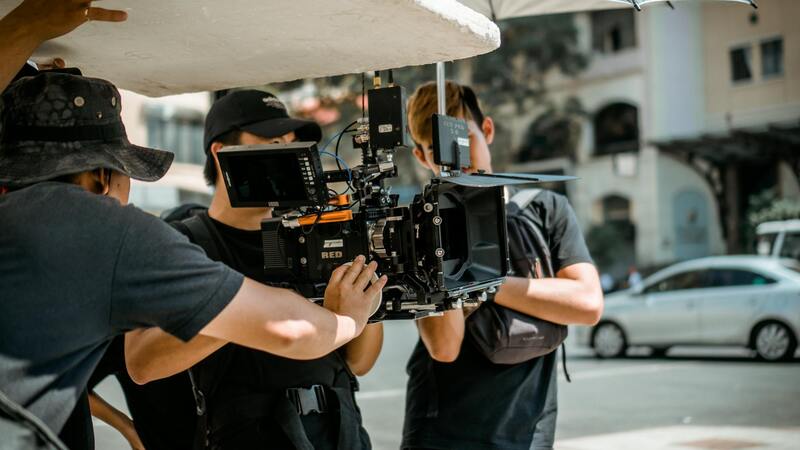
Decide on the optimal length for your videos. Typically, concise clips of 1-3 minutes deliver impactful messages without losing viewer engagement. During editing, focus on trimming unnecessary segments while preserving the natural flow of the client's story.
Integrating Local Miami Elements to Enhance Authenticity
Embedding local Miami scenery and landmarks within testimonial footage creates a stronger regional connection. Choose filming locations like Miami Beach, Wynwood Walls, or Little Havana to reflect the vibrant local culture. Such visuals not only add visual interest but also help potential clients relate to the operational environment.
These elements cultivate a sense of community and authenticity, making viewers feel more connected to your brand and encouraging engagement from Miami-based audiences.
Finalizing the Production and Ensuring Quality
During post-production, focus on maintaining a professional appearance by color grading the footage consistently and refining audio clarity. Incorporate branding elements subtly within the video, such as company logos or relevant visuals, to reinforce brand recognition.
Review the video with stakeholders for feedback, making adjustments to enhance clarity, pacing, and overall impact before the final release.
Incorporating Local Miami Elements
Embedding authentic local Miami elements into testimonial videos significantly amplifies their resonance with regional audiences. When clients see landmarks, scenery, or cultural symbols representative of Miami, it fosters a stronger emotional connection and enhances perceived relevance. Filming at iconic locations such as Miami Beach's sandy shores, Wynwood Walls' vibrant murals, or the bustling streets of Little Havana integrates the city’s unique identity directly into the narrative. This visual storytelling approach not only captures viewers' attention but also reinforces the idea that your business is deeply rooted in the local community.
Strategic selection of filming locations can serve as a backdrop that emphasizes the client’s connection to Miami’s dynamic environment. Consider incorporating scenes that showcase your company’s presence within these areas, such as storefronts, offices, or project sites. This approach aids in establishing trust and credibility, particularly among viewers who prioritize local expertise and community involvement. The use of Miami-specific visuals also makes the testimonial more memorable, increasing the likelihood that viewers will recall your brand when considering related services or products.
Editing and Optimizing Testimonial Videos
The editing process plays a pivotal role in refining testimonial content to ensure maximum engagement and clarity. After capturing authentic footage that incorporates local elements, professional editing helps create a polished final product. Consistent color grading enhances visual coherence and reflects your brand’s aesthetic, while attentive audio editing ensures clarity and eliminates distractions. Subtle branding cues—such as incorporating your logo subtly into the lower third or overlaying branded visuals—reinforce brand identity without overshadowing the client's story.
Optimizing testimonial videos also involves tailoring their length for different platforms. Short clips ranging from 1 to 3 minutes are ideal for social media sharing, allowing for quick consumption while maintaining impactful storytelling. Longer versions, up to 5 minutes, can be used on your website or during presentations for a more comprehensive narrative. Consider breaking down longer testimonials into smaller segments focused on specific benefits or themes to enhance viewer retention and engagement.
Metadata, such as descriptive titles, tags, and engaging thumbnails, should be carefully crafted for online optimization. Proper SEO practices will improve visibility in search results, increasing organic reach. Ensure the final deliverables are compatible with various formats and resolutions to adapt seamlessly across multiple digital channels, from social media posts to embedded website videos.
Techniques for Capturing Authentic Client Experiences
Developing compelling client testimonial videos begins with capturing genuine stories that resonate with viewers. To achieve authentic content, employ interview techniques that encourage clients to speak candidly about their experiences. Open-ended questions, such as asking about specific challenges they faced, the solutions provided, and the outcomes achieved, help elicit detailed responses. It's vital to create a comfortable environment during filming, which can be facilitated by relaxed settings or casual conversations that put clients at ease.
Invest in high-quality audiovisual equipment to ensure the clarity of both visuals and sound. Use professional lighting to highlight facial expressions and mood, ensuring the client's emotions are effectively conveyed. Multiple camera angles can provide varied perspectives, adding visual interest and depth to the testimonial.
Another key aspect involves recording in locations that reflect the client’s environment or the context of their story. For Miami-based testimonials, incorporating recognizable local landmarks or scenes can subtly reinforce regional relevance without overshadowing the message.
Ensure the authenticity of testimonials by allowing clients to speak naturally and avoid scripted responses that may seem rehearsed. Capture these moments in a way that reflects their genuine voice, which builds trust and credibility among prospective customers.
Filming Techniques to Enhance Authenticity
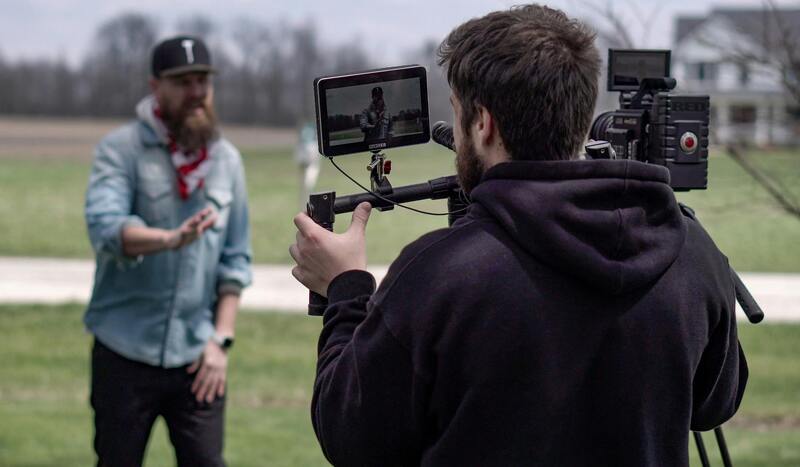
Creating a compelling client testimonial video begins with selecting the right filming techniques that capture genuine emotion and reinforce credibility. Utilizing steady camera movement and natural lighting helps produce visuals that feel authentic and inviting. Close-up shots of clients sharing their experiences allow viewers to connect emotionally, emphasizing sincerity. Camera angles should be varied but natural, avoiding overly staged or stiff compositions that may detract from the message.
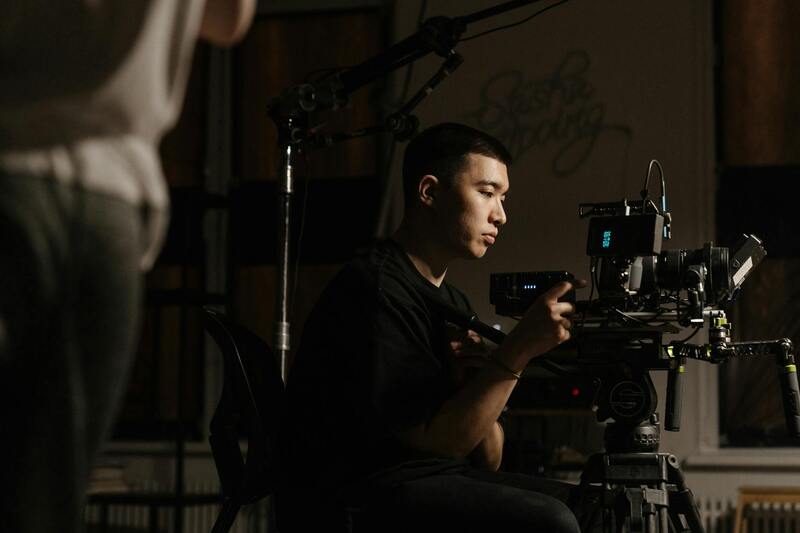
Audio quality plays a crucial role in testimonial videos. Utilizing lavalier microphones or directional microphones ensures that client voices are clear and free from background noise. Clear audio helps convey emotion and sincerity effectively. When filming outdoors or in busy environments, sound shielding and proper microphone placement mitigate unwanted noises, maintaining focus on the client’s story.
Incorporating Visual and Audio Elements for Impact
Visual storytelling can be enhanced by integrating B-roll footage related to the client's business or service. For example, if the testimonial is about a Miami restaurant, including scenes of the interior or catering events can add context and visual variety. Incorporating regional visuals like Miami’s iconic beaches, Art Deco architecture, or vibrant street scenes subtly anchors the testimonial in its local setting, making it more relatable for viewers.
Music background should be carefully chosen to complement the tone of the testimonial. Opt for subtle, unobtrusive tracks that evoke the emotions conveyed by the client, without overpowering their voice. Strategic use of text overlays or subtitles can improve accessibility, ensuring message retention even when viewing without sound.
Capturing Segment and Key Moments
During the shoot, focus on capturing pivotal moments that encapsulate the client’s positive experience. Encourage clients to share specific stories or challenges they faced and how your service or product provided solutions. These segments are often the most compelling and persuasive parts of the testimonial.
Employing multiple takes of key responses allows for selecting the most natural and impactful delivery during editing. Additionally, filming reactions or moments of genuine emotion can significantly enhance the testimonial’s authenticity and appeal.
Preparation and Collaboration for Optimal Results
Preparation involves collaborating closely with clients to outline the desired story arc and key messages beforehand. Providing clients with guiding questions ensures their responses stay aligned with your marketing goals while maintaining a natural tone. Clear communication about filming expectations and logistical details sets the stage for a smooth production process.
Post-shoot, reviewing footage with the client can provide insights into their comfort level and highlight moments that resonate well. This collaborative approach helps refine the final product, ensuring it authentically reflects their experience while adhering to your brand standards.
Understanding Client Testimonial Video Production
Creating compelling client testimonial videos involves a strategic approach that emphasizes authenticity, storytelling, and visual engagement. These videos serve as impactful marketing tools that showcase real client experiences, emphasizing the value and benefits of your services or products. To produce effective testimonial content, it is essential to understand the entire lifecycle—from initial planning and filming to post-production and distribution. High-quality client testimonial videos are crafted through meticulous planning, professional filming techniques, and careful editing, ensuring the final product resonates with your target audience and reinforces your brand authority.
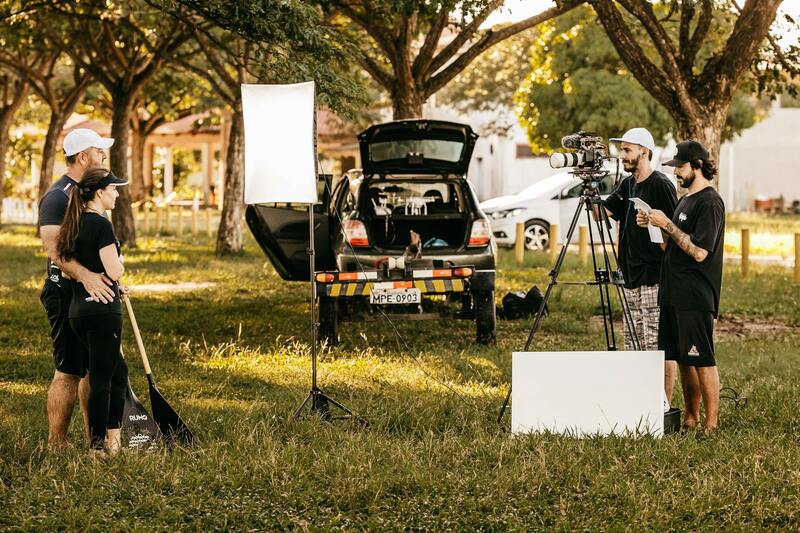
Key Elements of Successful Client Testimonial Video Production
- Authenticity: Genuine client stories foster trust and credibility. Authentic expressions and candid responses make testimonials more relatable and persuasive.
- Storytelling: Structuring the testimonial around specific challenges, solutions provided, and tangible results helps create a compelling narrative that captures viewers’ attention.
- Visual Engagement: Clear, well-lit footage that highlights genuine emotions reinforces the authenticity of the client’s experience. Incorporating dynamic shots, close-ups, and reaction shots adds depth to the story.
- Sound Quality: Clear audio recordings ensure messages are delivered effectively, maintaining professionalism and clarity throughout the video.
- Brand Consistency: Maintaining visual and tonal consistency with your brand ethos ensures the testimonial aligns seamlessly with your overall marketing strategy.
Ensuring Ethical and Effective Methods
In producing client testimonials, adhering to honest and transparent practices guarantees credibility. It is vital to accurately represent client stories without embellishment or manipulation. Obtaining explicit consent before filming and sharing testimonial content is fundamental, establishing trust and compliance. Moreover, respecting client preferences regarding footage usage and content angles enhances collaborative relationships and preserves authenticity.
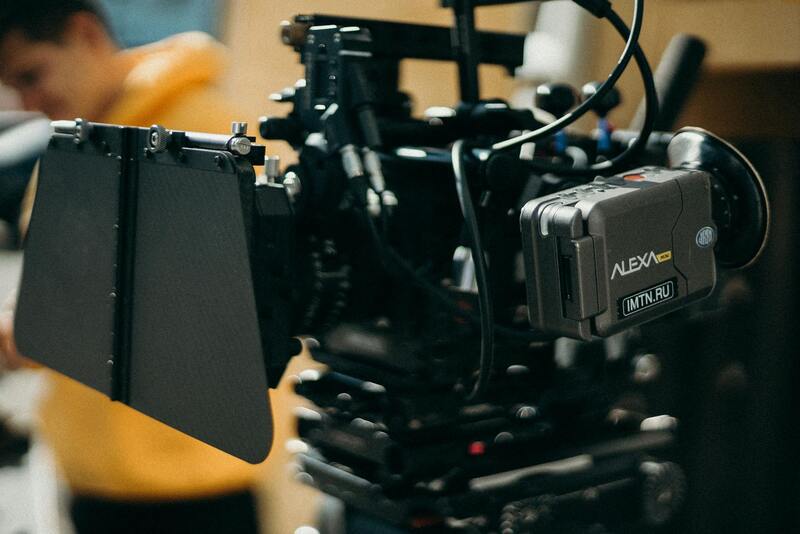
Implementing Verification and Validation Measures
To uphold the integrity of testimonial videos, incorporating verification steps such as reviewing footage with clients ensures their comfort and approval. Maintaining open communication allows for adjustments that better reflect their genuine experience. Also, selecting the most impactful segments through careful review guarantees that only the strongest, most persuasive content is used in the final cut. This validation process not only enhances authenticity but also empowers clients, making them active participants in the promotion of your brand.
Investing in professional equipment and editing techniques ensures that your testimonial videos meet industry standards for quality and engagement. Proper lighting, clear sound, and seamless editing are crucial for producing polished, credible content that resonates with viewers.
Ensuring Ethical Practices in Client Testimonial Video Production
To maintain transparency and build trust with your audience, it is essential to implement ethical practices throughout the testimonial video production process. This involves obtaining explicit consent from clients before filming and sharing their stories publicly. Clear communication about how the footage will be used, distributed, and the scope of sharing rights is critical. Detailed consent forms can outline these agreements, ensuring that both parties are aligned and protected.
Proper documentation not only safeguards your business but also sets a professional standard that clients appreciate. Respect of client privacy preferences and content limitations fosters a positive relationship and encourages long-term collaborations. Additionally, offering clients the opportunity to review and approve their footage prior to publication ensures that their authentic voice is preserved without misrepresentation or misinterpretation.
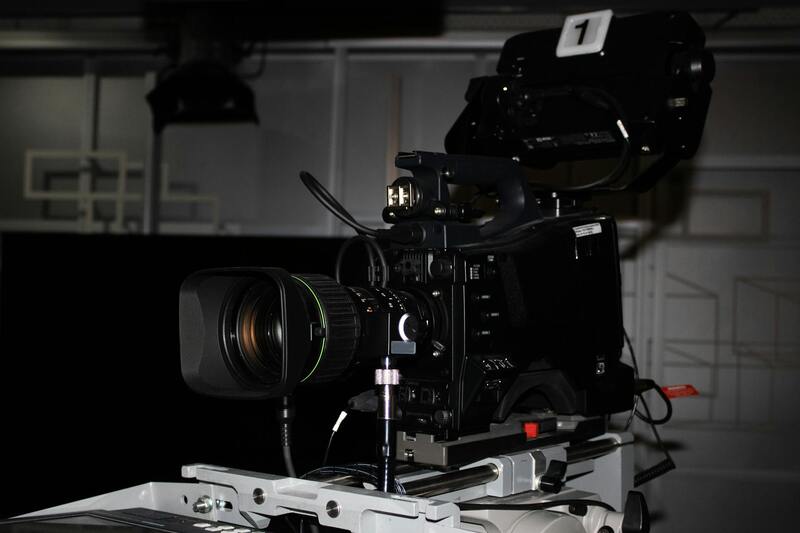
Furthermore, always prioritize accuracy over embellishment. Highlight genuine client feedback and experiences without exaggeration. When misrepresentations are avoided, viewers develop a stronger connection with your brand, leading to increased credibility and trustworthiness.
Implementing Verification and Validation Measures
Validation steps are crucial for maintaining the integrity of testimonial content. Engaging clients in the review process of the drafted videos ensures they are comfortable with their portrayal and content choices. This collaborative effort can involve sharing rough cuts or summaries for approval before the final editing phase.
During editing, focus on preserving the core message and emotional tone conveyed by the client. Eliminating distracting elements or redundant sections can sharpen the narrative, making it more compelling while retaining authenticity. Additionally, selecting the most impactful segments involves careful consideration of storytelling elements, ensuring that each testimonial resonates effectively with viewers.
Investing in high-quality equipment for recording, sound, and lighting elevates the professionalism of the final product. Clear visuals and audio significantly influence viewer engagement and perception. Seamless editing, with thoughtful transitions and appropriate background music, further enhances viewer experience and retention.
Measuring the Impact of Your Testimonial Videos
Assessing how testimonial videos influence your brand encompasses both quantitative and qualitative metrics. Key performance indicators include metrics like viewer engagement (comments, likes, shares), increases in website traffic, and lead conversions attributed to video campaigns.
Implementing feedback collection methods such as surveys or direct outreach can provide insights into how perceived authenticity and emotional resonance affect potential clients. Tracking these metrics over time enables refining content strategies to maximize engagement and conversion rates.
Ultimately, maintaining integrity and professionalism in testimonial video production not only strengthens your brand image but also fosters genuine trust with your audience, leading to sustained growth.