
Understanding Video Interview Production
Video interview production encompasses the comprehensive process of planning, capturing, editing, and delivering professional interviewing content through visual media. This process is integral to various industries, including corporate communications, media broadcasting, educational platforms, and brand storytelling. In the vibrant Miami area, the importance of polished and impactful video interviews cannot be overstated, as they serve as powerful tools to enhance brand visibility, engage target audiences, and facilitate meaningful conversations. High-quality video interviews also foster trust and credibility, making them a vital component of modern digital marketing strategies.
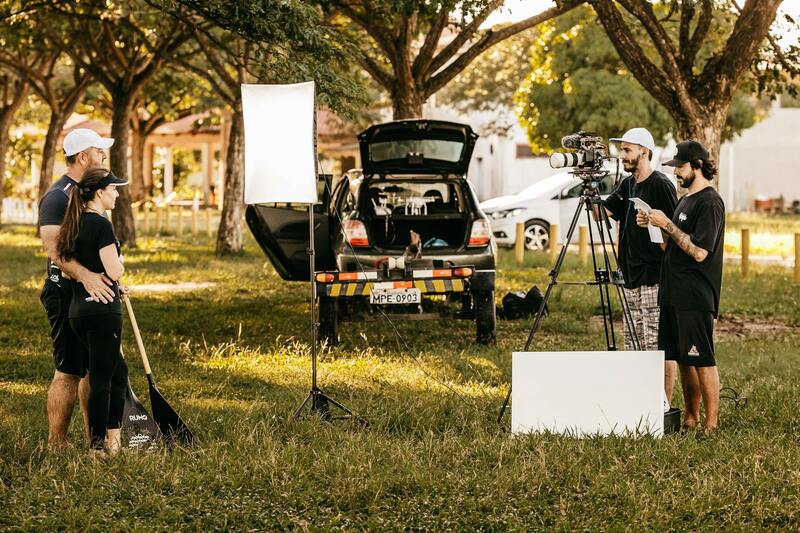
Effective video interview production involves meticulous planning and skilled execution. It begins with understanding the target message and audience, followed by crafting a compelling narrative that aligns with the brand’s voice and objectives. The significance of this process lies in its ability to distill complex information into engaging visual content, thereby increasing viewer retention and fostering a deeper connection with the audience. In Miami, a city renowned for its diverse culture and dynamic business landscape, the demand for high-caliber interview videos has surged, emphasizing the need for expertise that combines technical proficiency with creative storytelling.
The Critical Role of Video Interview Production
- Enhances brand image and visibility
- Facilitates professional communication and thought leadership
- Supports marketing campaigns with engaging content
- Enables companies to share success stories and testimonies
- Connects organizations with diverse audiences in a compelling way
As businesses and media outlets in Miami continue to emphasize digital presence and content quality, investing in professional video interview production becomes increasingly essential. This ensures that each interview captures the intended message with clarity, professionalism, and visual appeal, setting the foundation for successful campaigns and targeted outreach strategies.
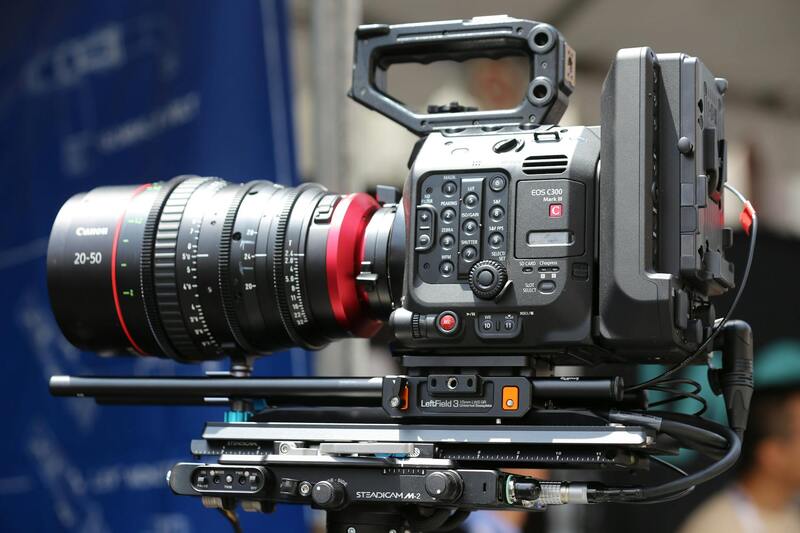
To achieve these objectives, it is crucial to employ official and proven methods throughout the entire production process. This includes thorough pre-production planning, proper technical setup, strategic content execution, and a seamless post-production workflow. By adhering to these best practices, organizations can maximize their investment in video interview production and ensure their messages resonate effectively across various digital platforms, making Miami stand out as a hub for quality visual storytelling.
Equipment and Technical Setup
Ensuring the highest standards of video interview production begins with a rigorous and professional equipment setup. This involves selecting the appropriate cameras, audio equipment, lighting, and supporting accessories to capture clear, high-definition footage that accurately reflects the interview subject and setting. The choice of cameras should align with the production’s goals; DSLR or mirrorless cameras are popular for their versatility and image quality, whereas professional broadcast cameras may be necessary for larger-scale productions to achieve cinema-like quality.
Sound quality is equally vital. Using lavalier microphones, shotgun mics, or wireless microphones provides crisp, interference-free audio essential for viewer engagement and message clarity. Proper placement of microphones, coupled with the use of windshields and shock mounts, minimizes background noise and technical disruptions.
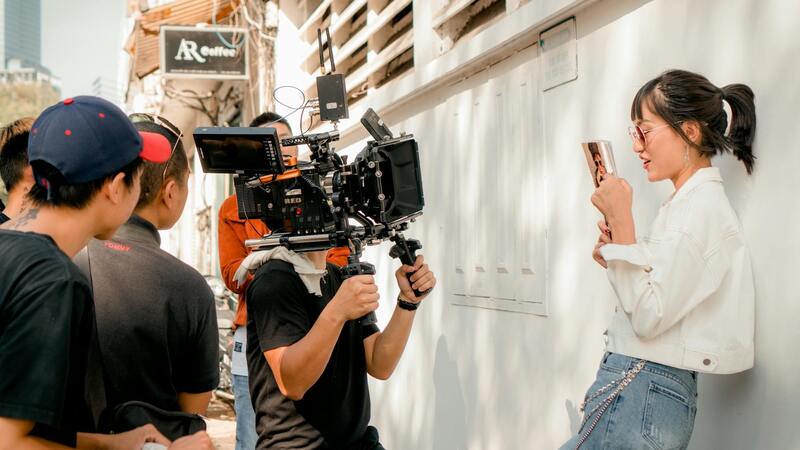
Lighting plays a crucial role in capturing professional-quality footage. Strategic placement of softbox lights or LED panels creates even illumination, reduces shadows, and highlights the interviewee’s features, contributing to a polished and inviting visual tone. It is important to control ambient lighting and avoid mixed color temperatures to maintain consistency across shots.
Proper calibration and configuration of all equipment prior to the shoot minimize technical issues and delays. Conducting a comprehensive equipment check, including battery life, storage capacity, and signal integrity, ensures a smooth production process. In this regard, utilizing backup equipment, such as extra batteries and memory cards, provides additional security against unforeseen technical glitches.
Additionally, employing stabilizers such as tripods, gimbals, or sliders helps achieve steady shots, reducing unwanted camera shake. When working within specific locations in Miami, it’s critical to adapt technical setups to accommodate space constraints and environmental variables, ensuring the interview environment remains controlled and visually appealing.
Prioritizing official, industry-standard standards for technical setup not only enhances the overall production quality but also adheres to best practices expected of professional video interview productions. This commitment ensures the final content is both visually compelling and technically flawless, ready to resonate across digital platforms.
Ensuring Quality through Industry-Standard Equipment and Technical Setup
Achieving a professional-grade video interview relies heavily on the use of industry-standard equipment and meticulous technical setup. High-resolution cameras capable of capturing crisp, clear footage are a fundamental component. These cameras are often equipped with adjustable lenses and superb low-light performance to ensure versatility across various environments. Complementing the camera are professional-grade microphones, such as lavalier, shotgun, or interview-specific microphones, which deliver clear, noise-free audio crucial for retaining viewer engagement.
Lighting equipment is equally vital. Softbox lights, LED panels, or ring lights are employed to produce even, natural-looking illumination. Proper placement and control of these lights not only highlight the interviewee’s features but also eliminate harsh shadows and color inconsistencies. It's important to maintain a controlled environment by minimizing ambient noise and controlling light sources to prevent unwanted reflections or glare.
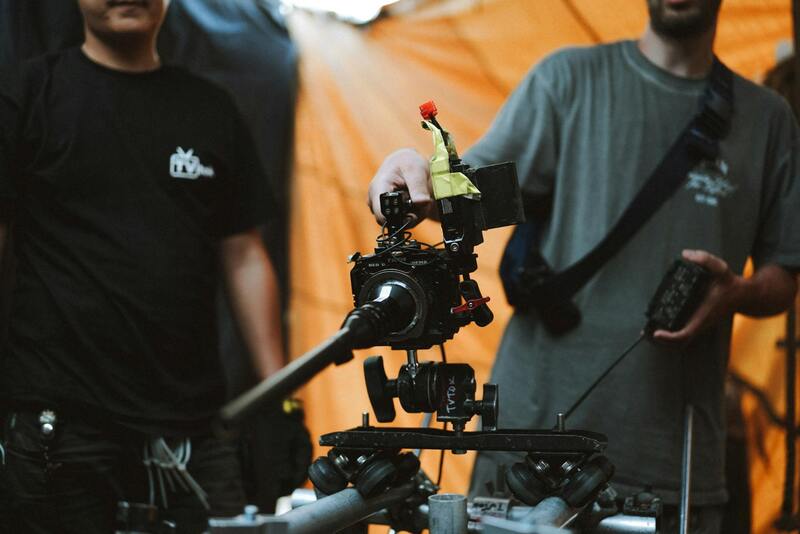
Background selection and arrangement are also carefully considered. Using neutral backdrops or branded environments ensures visual consistency and reinforces the message being communicated. The background should be uncluttered, properly lit, and free of distractions to focus attention on the speaker.
Technical setup extends beyond mere equipment selection. Proper calibration of all devices is essential to ensure optimal performance. This includes setting the correct white balance, configuring audio levels, and testing signal quality. Conducting pre-shoot rehearsals and walkthroughs helps identify potential issues early, ensuring that the technical aspects align with the desired production quality.
Backup systems are a critical part of the setup process. Having additional batteries, memory cards, and spare cables mitigates the risk of technical failures during the shoot. This proactive approach guarantees continuity and minimizes disruptions, which is critical in maintaining a professional production schedule.
Adapting technical configurations to specific Miami locations requires consideration of space limitations, ambient noise levels, and environmental variables. For example, outdoor shoots may need windshields for microphones or additional lighting to compensate for natural light fluctuations. Interior spaces might demand soundproofing adjustments or specific lighting setups to maximize visual impact.
Adhering to established production standards ensures the final deliverable is technically flawless and resonates effectively across digital and broadcast platforms. These industry best practices support the creation of compelling, professional video content that elevates a brand's presentation and engages audiences with clarity and visual appeal.
Equipment and Technical Setup
Once the pre-production planning is complete, establishing a robust technical setup forms the backbone of a high-quality video interview. This phase involves selecting the appropriate cameras, audio devices, lighting equipment, and support tools. Cameras should be capable of capturing crisp, clear footage in the chosen environment, with consideration given to resolution requirements suitable for the distribution platform. DSLR or mirrorless cameras with high-definition sensors are frequently preferred for their versatility and image quality.
Audio clarity is paramount, especially in interviews where spoken content is the focus. Employing professional-grade microphones such as lavalier (lapel) mics or shotgun microphones ensures crisp sound capture. Proper placement, cable management, and soundproofing measures help reduce ambient noise, wind interference, or echo. In outdoor environments, windshields and shock mounts are invaluable for maintaining audio fidelity.
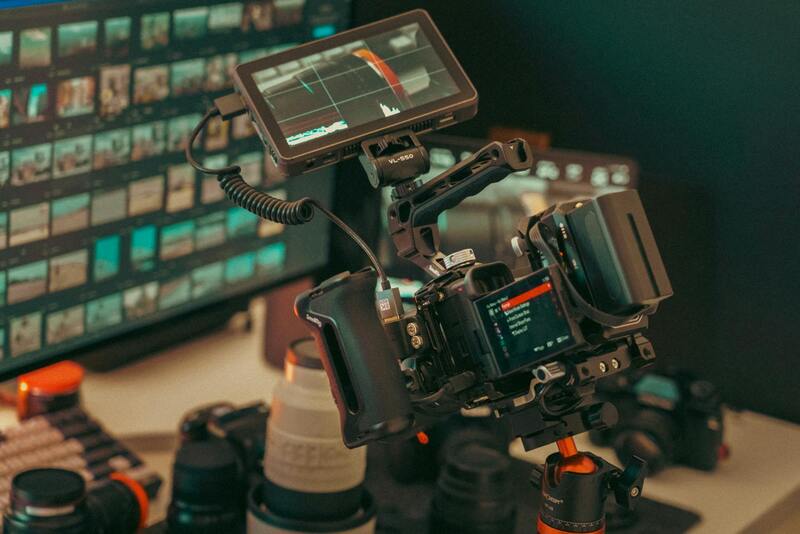
Lighting plays a critical role in achieving visually appealing footage. Soft, diffuse lighting minimizes harsh shadows and highlights. For indoor shoots, LED panels or softboxes provide consistent illumination, while outdoor interviews benefit from reflectors or natural light management techniques. Adjusting light temperature and intensity according to environmental conditions enhances the overall aesthetic.
Monitoring tools such as multi-camera feeds, audio meters, and real-time previews enable the production team to identify issues immediately. Calibrating all devices before filming begins is essential to prevent discrepancies and to uphold production standards. Conduct a thorough test, including color grading checks, sound synchronization, and framing corrections, before proceeding with the interview.
It’s equally vital to prepare backup systems. Additional batteries, memory cards, and spare microphones mitigate potential technical interruptions. This proactive strategy ensures uninterrupted recording and helps maintain the production timeline, especially when filming on location in dynamic Miami environments.
Furthermore, adapting technical configurations to specific Miami locales is crucial. Urban environments may require considerations for background noise, with outdoor shoots needing windshields or directional microphones. Indoor venues might benefit from soundproofing measures, while lighting setups should be adjusted for natural light variations or reflective surfaces typical of Miami architectural settings. Employing industry-standard practices guarantees the final content is not only visually engaging but also technically flawless, yielding a deliverable that performs well across digital platforms and media outlets.
Ensuring High-Quality Audio and Visual Standards
Achieving professional-grade video interview content hinges heavily on meticulous attention to both audio and visual elements during filming. Optimal framing involves selecting appropriate shot compositions that not only highlight the interviewee but also maintain visual interest. Wide shots can establish context, while close-ups capture facial expressions and subtle reactions that add depth to the narrative. Maintaining consistent framing throughout the shoot ensures a coherent viewing experience.
Lighting plays a pivotal role in setting the tone and clarity of the footage. Employing diffused lighting reduces harsh shadows and distributes light evenly across the interviewee’s face, making expressions more discernible. When working in Miami's diverse environments, adaptability is key. In outdoor settings, natural sunlight can be manipulated with reflectors or diffusers, whereas indoor spaces might require supplementary lighting fixtures to compensate for insufficient ambient light. Properly calibrated color temperature controls prevent images from looking overly warm or cool, contributing to a polished aesthetic.
Audio clarity is equally essential. High-quality microphones, such as shotgun or lapel mics, ensure voices are captured clearly while minimizing ambient noise—particularly important in Miami's bustling urban and outdoor environments. Using windshields or fuzzy covers on microphones helps suppress wind noise during outdoor shoots. Monitoring audio levels constantly during recording helps prevent distortion or inaudibility.
To mitigate technical disruptions, employing a record-ready procedures checklist is advisable. Double-checking all equipment calibration, verifying footage storage capacity, and performing sound and video previews before actual filming are vital steps. Such diligence minimizes errors and guarantees the recording process flows smoothly.
Maintaining Professionalism and Minimizing Disruptions During Filming
Operational efficiency during shoot sessions demands strategic coordination and communication. Clear instructions to interviewees about expected behaviors, positioning, and speaking pace foster a focused environment. Managing on-set dynamics involves controlling environmental factors like location noise, weather conditions, and background activity.
In outdoor locations, scheduling shoots during times of lower ambient noise and optimal daylight can significantly improve footage quality. For indoor venues, discreet placement of equipment reduces visual clutter, and efforts should be made to prevent interruptions from extraneous sounds or movements. Having a dedicated team member oversee timing and logistics further streamlines the process, allowing the production to stay on schedule.
Utilizing efficient shooting techniques such as multi-camera setups enables capturing different angles simultaneously, reducing the need for retakes and providing versatile editing options later. Employing a disciplined approach toward shot selection and adhering to planned shot lists ensures consistency across different takes.
Legal and Ethical Considerations in Video Interview Production
Ensuring that your video interview content aligns with established standards involves adhering to a set of best practices that emphasize transparency, accuracy, and respect for intellectual property. These procedures are critical in maintaining the credibility of the produced material and fostering trust with your audience.
Clear communication with interviewees about the scope and purpose of the project before filming is essential. This practice helps prevent misunderstandings regarding the use of their likeness, voice, or personal information. Informing participants about how their footage will be utilized, stored, and shared demonstrates respect for their rights and promotes ethical engagement.
Content authenticity is paramount. Avoiding the manipulation of footage or audio to distort facts ensures that the message remains truthful and reliable. Implementing rigorous verification workflows, such as cross-checking facts and sourcing credible information, further safeguards the integrity of the interview content.
Respect for copyrighted material and proprietary content is also a key aspect of ethical production. This entails obtaining proper permissions for any external media included within the interview, such as images, music, or video clips. Proper attribution should be provided where necessary, and usage rights should be documented to prevent legal complications.
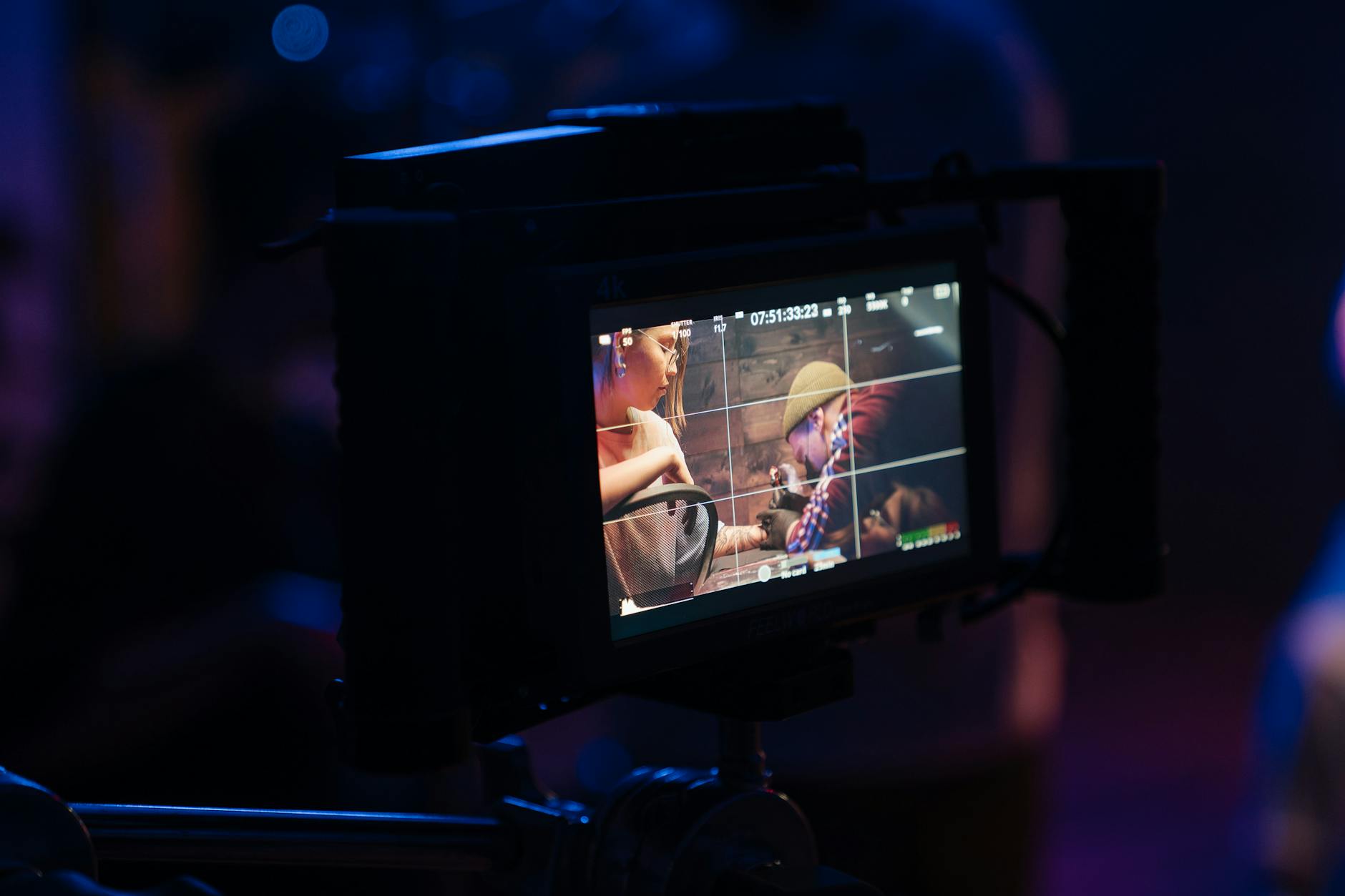
Additionally, sensitive or confidential information disclosed during interviews should be handled with discretion. Establishing protocols for data security and privacy protection aligns with responsible content management. When in doubt, consulting with legal and compliance teams can provide guidance to navigate complex issues surrounding interview content and distribution.
Finally, maintaining a professional and respectful environment during filming fosters positive relations with interviewees and production staff. Treating all participants with dignity and courtesy not only enhances the quality of the production but also strengthens the reputation of your organization or brand.
Legal and Ethical Considerations
Producing high-quality video interviews in Miami necessitates a comprehensive understanding of the legal and ethical frameworks that safeguard all parties involved. Securing proper rights and permissions before filming is fundamental to ensure that the content complies with applicable standards and respects intellectual property rights. This involves obtaining clear authorizations from interviewees through written releases, which specify how their likeness, voice, and statements may be used, distributed, and archived.
Consent is a critical element during the production process, particularly when the interview content addresses sensitive or confidential topics. Explicit agreements should outline the scope and limitations of use, providing a clear understanding between producers and participants. Implementing standardized release forms helps prevent future disputes and reinforces transparency.
Ethical standards extend beyond legal obligations, emphasizing integrity and responsibility throughout the production cycle. Respecting an interviewee’s privacy, avoiding misrepresentation, and presenting information accurately are vital practices. Interviewers should strive to foster an environment of trust, ensuring that subjects feel comfortable sharing their perspectives without coercion or misguidance.
In the distribution phase, adhering to ethical principles involves ensuring that the interview content is not manipulated in a way that distorts the original message. Content should undergo thorough review to maintain factual accuracy and integrity. Additionally, when incorporating external media, such as copyrighted images or music, producers must secure proper licensing or permissions, along with appropriate attribution, to avoid potential intellectual property conflicts.
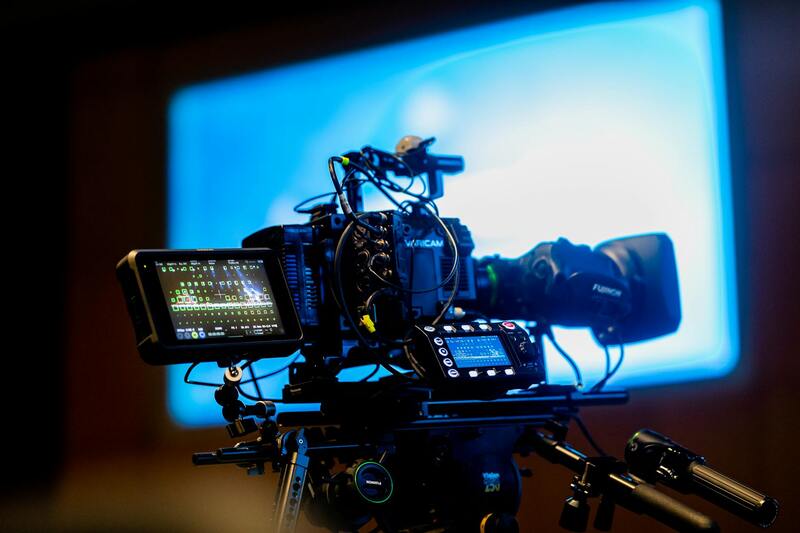
Handling sensitive information with discretion is paramount, especially when the interview involves proprietary business insights or personal data. Establishing protocols for data security, encryption, and access control ensures that confidential material remains protected throughout the production and distribution processes. When uncertainty arises regarding content sharing, consulting with legal experts or compliance officers can provide guidance to navigate complex issues responsibly.
Best Practices for Ensuring Ethical Compliance
- Secure written release forms from all interview participants.
- Clearly outline the scope of content usage during pre-production discussions.
- Maintain transparency about how the footage will be shared and displayed.
- Implement rigorous editorial reviews to verify accuracy and fairness.
- Obtain necessary permissions for any external media incorporated into the interview.
- Handle sensitive data with secure protocols and restrict access to authorized personnel.
- Provide training for production staff on ethical standards and legal obligations.
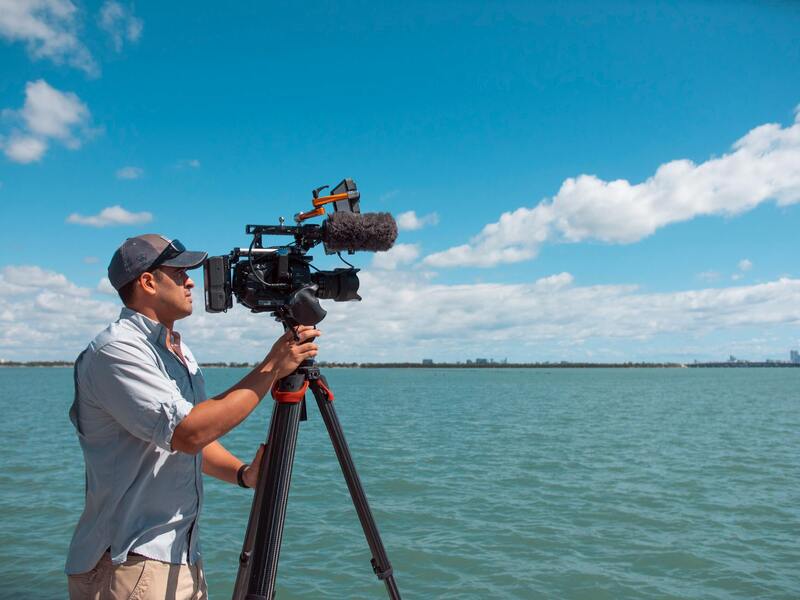
Understanding the Role of Professional Editing and Delivery in Video Interview Production
After capturing high-quality footage and conducting thorough interviews, the next critical phase involves editing and delivering the final product with precision and adherence to professional standards. This stage is pivotal in translating raw footage into a compelling, polished video that effectively communicates your intended message and aligns with your strategic objectives.
Meticulous Post-production Editing
Effective editing is the backbone of a professional video interview. It begins with reviewing all recorded material, selecting the most impactful segments, and ensuring the narrative flow remains coherent and engaging. Editors play a vital role in refining visuals, adjusting audio clarity, and removing any unwanted content, such as pauses, mistakes, or technical glitches. Incorporating graphics, subtitles, or visual enhancements can further bolster viewer engagement and comprehension.
Furthermore, post-production involves color correction to ensure visual consistency across different shots, and sound editing to optimize audio quality, balancing levels and removing background noise. High-quality editing guarantees that the interview not only looks professional but also maintains the viewers’ focus on the core message.
Secure and Efficient Delivery Methods
Distributing your finalized video interview must be achieved through reliable, secure channels that uphold content integrity and protect sensitive information. Secure digital delivery platforms—such as encrypted cloud storage, dedicated FTP servers, or industry-standard content management systems—ensure safe transfer and storage of the video files.
Choosing the right format is essential; widely accepted formats like MP4 or MOV offer compatibility across various platforms. Optimizing file sizes without compromising quality facilitates faster delivery and smoother playback regardless of the viewing device.
For videos intended for public dissemination, producing versions tailored for different platforms—such as website embeds, social media snippets, or high-resolution downloads—maximizes reach and impact. Additionally, maintaining a master copy of the project with detailed metadata supports future edits or repurposing, prolonging the utility of your investment.
Quality Assurance and Final Checks
Prior to distribution, comprehensive quality assurance procedures must be implemented. This includes reviewing the edited video to verify synchronization, clarity, and overall consistency. Cross-checking captions and graphics for accuracy, along with ensuring compliance with branding standards, safeguards your video's professionalism and effectiveness.
Moreover, confirming the security settings of your delivery platforms and access controls is vital in protecting sensitive content. These measures prevent unauthorized distribution and ensure the video reaches only the intended audience.
Documentation and Record Keeping
Maintaining detailed records of the editing process, permissions, and delivery credentials facilitates transparency and accountability. Clear documentation aids in managing rights and licenses associated with the content, ensuring a smooth workflow from production to final distribution.
Implementing standardized procedures for post-production and delivery not only guarantees consistent quality but also streamlines your overall video interview production process, ultimately delivering a professional, impactful product that resonates with your target audience.