
Understanding Corporate Video Production
Corporate video production is a comprehensive process that involves conceptualizing, creating, and distributing video content tailored to a company’s branding, marketing, and communication needs. This multifaceted approach combines strategic planning with artistic execution to craft videos that resonate with target audiences and reinforce a company's message. In the contemporary business landscape, visual content plays a pivotal role in establishing brand identity and engaging stakeholders. Professionally produced corporate videos serve as dynamic tools for internal communication, customer engagement, and public relations. They are instrumental in showcasing corporate values, introducing new products or services, and providing educational or training materials. Effective corporate video production requires a seamless integration of various disciplines, including scriptwriting, videography, sound design, and motion graphics. The process begins with an understanding of the client’s goals and target audience to ensure that each element aligns with strategic objectives. High-quality videos can significantly enhance a company's visibility, build trust, and differentiate it from competitors. The importance of corporate videos extends beyond mere aesthetics; they are a vital component of a company's communication ecosystem. Well-executed videos can increase engagement on digital platforms, improve search engine rankings, and foster customer loyalty through consistent and compelling messaging. Another critical aspect is the adaptation to different formats and platforms. Whether intended for social media, websites, internal training, or large-scale presentations, corporate videos need to be optimized for optimal performance and viewer engagement. In sum, corporate video production is a strategic investment that combines creative storytelling with professional technical execution, aimed at strengthening brand presence and facilitating effective communication across various channels. Choosing the right production partner ensures that these objectives are met with precision and excellence, especially within a vibrant marketplace like Miami, where creativity and professionalism converge.

Pre-Production Planning
Successful corporate video production begins with meticulous pre-production planning. This phase involves defining clear objectives for the video to ensure it aligns with the company's strategic messaging and branding goals. During this stage, a comprehensive script is developed, outlining the narrative flow, key messages, and call-to-action elements that resonate with the target audience. Storyboarding may also be employed to visualize scenes and establish shot compositions, ensuring clarity and efficiency during shooting.
Beyond scripting and storyboarding, pre-production includes logistical arrangements such as securing locations, casting talent if necessary, and scheduling shoot days to optimize time and resources. Pre-visualization allows the production team to anticipate challenges and adapt plans accordingly, minimizing delays and budget overruns. Technical considerations like equipment needs, lighting setups, and sound recording requirements are addressed to guarantee high-quality footage.
Engaging with stakeholders early in the process fosters alignment and facilitates approvals, which is vital for maintaining the project timeline. Establishing a detailed production timeline alongside a budget estimate helps keep the project on track and ensures all aspects—from concept development to final deliverables—are considered and coordinated effectively.
Partnering with an experienced production team in Miami involves transparent communication about goals, expectations, and technical specifications. Clear documentation of all planned activities reduces misunderstandings, bolsters efficiency, and leads to a polished end product. This organized approach ultimately enhances the overall quality of the corporate video, delivering an engaging and impactful message to viewers across diverse channels.
Production Process and Best Practices
Executing a corporate video requires meticulous coordination and adherence to industry best practices to ensure a professional, engaging final product. The production phase involves capturing high-quality footage, which hinges on selecting the right equipment, lighting, and sound recording techniques. Establishing a structured shooting schedule minimizes time wastage and ensures all scenes are covered as planned. A dedicated director and cinematographer collaborate closely to maintain visual consistency and storytelling flow, aligning the footage with the initial objectives.
A fundamental element of effective production is maintaining clear communication among team members. Regular updates, visual references, and on-site briefings keep everyone aligned on creative vision and technical expectations. Additionally, employing backup equipment and contingency plans address unforeseen issues such as weather disruptions or technical failures, safeguarding the project timeline.
Post-shoot, immediate review of footage with the client or creative director allows for preliminary quality checks and adjustments if necessary. Minimal reshoots save costs and prevent delays, reinforcing the importance of thorough pre-shoot planning and on-set discipline.
Post-Production and Editing
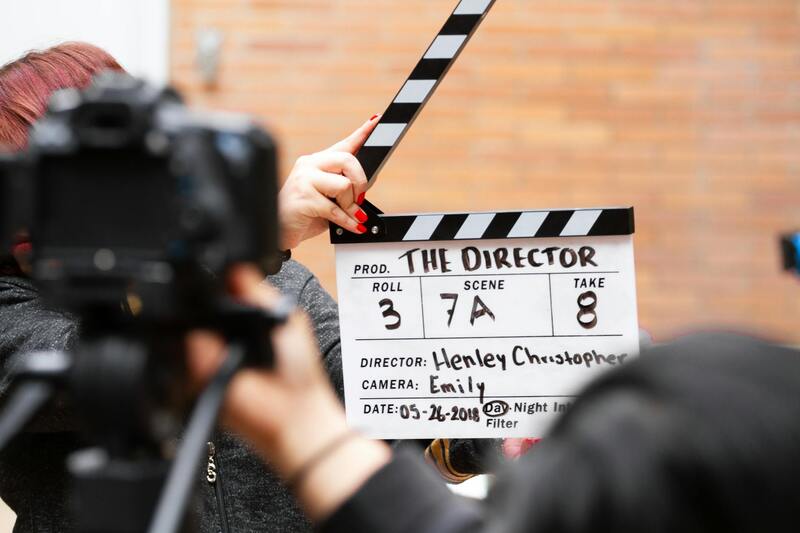
Following the filming stage, post-production begins with organizing and backing up all footage to secure valuable content. Skilled editing is critical in shaping raw material into a coherent, compelling story aligned with the initial objectives. This process involves cutting unnecessary scenes, refining sound design, color grading to achieve visual consistency, and incorporating graphics or animations as needed.
Professional editors utilize industry-standard software to enhance the visual appeal and ensure seamless transitions that maintain viewer engagement. Voiceovers, music, and sound effects are carefully integrated to bolster the narrative and evoke the right emotional response. Ensuring audio clarity and synchronization is vital, as it directly impacts the overall professionalism of the video.
Client feedback during the editing phase is integral to finalizing the project. Offering multiple review rounds allows for iterative improvements, ensuring the end product fully represents the brand message. Attention to detail in post-production fosters a high-quality, polished video capable of effectively communicating key messages across various channels.
Production Process and Best Practices
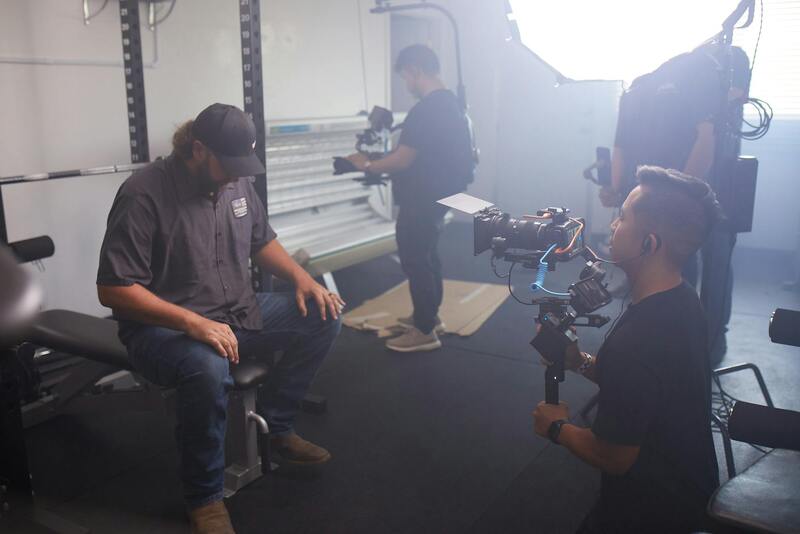
Executing a successful corporate video production demands a meticulous approach that incorporates industry best practices at every stage. A well-structured workflow begins with comprehensive project management, ensuring each phase aligns with the strategic objectives established during pre-production.
Clear communication channels between the production team and stakeholders are essential to facilitate ongoing feedback and prevent costly revisions later in the process. Detailed scripts and shot lists serve as roadmaps, guiding on-set actions and minimizing delays. Using advanced equipment and techniques, such as high-quality cameras, professional lighting, and sound recording devices, guarantees the technical excellence that viewers expect from professional corporate videos.
During filming, adherence to the planned schedule and fidelity to the storyboard ensure consistency and efficiency. Employing multiple camera angles and smart shot composition enhances visual dynamism, making the finished product more engaging. Additionally, implementing on-site quality checks helps identify and address issues in real time, preventing post-production bottlenecks.

Post-production, including editing, sound design, motion graphics, and color grading, is where the footage is transformed into a cohesive story. It is vital to employ a collaborative review process, allowing stakeholders to provide insights that refine the narrative and visuals. This iterative process ensures the final product aligns precisely with the brand messaging and strategic intent.
When integrating visual effects and animations, the emphasis should be on enhancing clarity and engagement without overwhelming the core message. Sound design plays a critical role in setting the tone; selecting appropriate background music and sound effects can significantly boost emotional resonance and viewer retention.
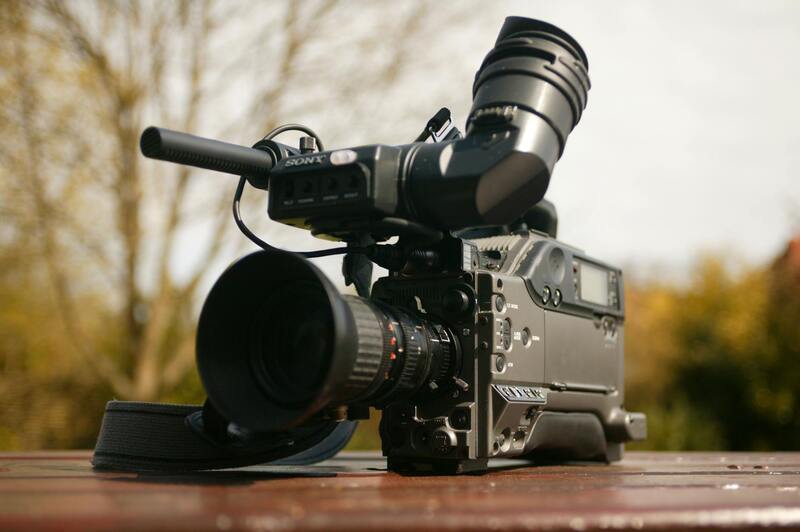
Furthermore, quality assurance should include technical checks such as verifying the synchronization of visuals and audio, ensuring color accuracy, and confirming compatibility with intended distribution platforms. The adoption of industry-standard software and techniques facilitates high-end finishing that captures the audience’s attention and reinforces the company’s professionalism.
Overall, the integration of best practices in both production and post-production stages ensures a polished final product capable of communicating company messages with clarity and impact, bolstering the organization’s brand and stakeholder relationships.
Production Process and Best Practices
The production phase of corporate video creation is where the vision begins to materialize through careful execution on set. It is essential to utilize professional-grade equipment tailored to deliver crisp visuals and clear audio, which are fundamental to maintaining a polished and credible appearance. Cameras should be selected based on the project scope, with considerations for resolution, depth of field, and compatibility with lighting conditions. Advanced stabilizers, such as gimbals and tripods, help achieve steady shots, while lavalier and shotgun microphones ensure optimal sound quality.
Lighting setups are critical in shaping the visual tone; employing diffused lighting minimizes shadows and highlights the subject effectively. For interior shoots, softboxes and reflectors provide an even light distribution, enhancing skin tones and texture. When filming in exterior environments, managing natural light with reflectors or additional lighting becomes necessary to maintain consistency and clarity.
Directing the shoot involves keeping the narrative objectives clear, guiding talent or spokespersons to deliver authentic and engaging performances. Continuous monitoring with high-resolution monitors allows the director and cinematographer to assess framing, focus, and exposure in real-time, ensuring each shot aligns with the planned storyboard and aesthetic standards.
Post-shoot, organizing footage through meticulous labeling and cataloging expedites the editing process. It is advisable to create a backup of all raw footage to prevent data loss and facilitate seamless editing workflows. Emphasizing safety and security of digital assets is crucial, especially when handling sensitive or proprietary content.
Best practices for capturing high-quality footage include:
- Utilizing professional-grade cameras and lenses suited for the project’s visual goals.
- Consistently checking focus, exposure, and color balance during shooting.
- Implementing effective lighting to enhance subject visibility and aesthetic appeal.
- Capturing multiple takes and angles to provide editing flexibility.
- Recording clear and synchronized audio, considering both high-quality microphones and ambient sound control.
Adhering to these practices ensures that the raw footage serves as a solid foundation for post-production, facilitating a smooth transition from captured content to final product that reflects the company’s professional image and strategic messaging.
Understanding Corporate Video Production
Corporate video production is a strategic process that transforms a company's vision and messaging into compelling visual content. It involves a series of meticulously planned stages, including pre-production planning, filming, post-production editing, and distribution. This process requires attention to detail, a clear understanding of corporate identity, and adherence to best practices to ensure the final product effectively communicates the intended message to the target audience.
Effective corporate videos serve various purposes—from enhancing brand reputation and showcasing company culture to demonstrating product functionalities and explaining complex concepts. Achieving these objectives necessitates a comprehensive approach that combines creative storytelling with technical expertise, ensuring that each element aligns with the company's strategic goals and resonates with viewers.
Key Types of Corporate Videos
- Brand Videos: Focused on reinforcing brand identity and values, these videos help embed a company's image in the minds of consumers and stakeholders.
- Product Demos: Demonstrate functionalities, features, and benefits of products or services, often emphasizing innovation and usability.
- Customer Testimonials: Showcase satisfied clients sharing their positive experiences, strengthening credibility and trust.
- Company Culture Videos: Highlight workplace environment, core values, and employee engagement initiatives to attract potential talent and foster brand loyalty.
- Training and Tutorial Videos: Provide instructional content to educate employees or clients on product usage, processes, or compliance protocols.
- Event Coverage: Capture corporate events, conferences, or product launches to extend their reach beyond the physical gathering.
Pre-Production Planning
Successful corporate video production begins with comprehensive pre-production planning. This phase involves defining clear objectives aligned with corporate strategies, understanding the target audience, and establishing key messages. Developing a detailed script and storyboard provides visual guidance and ensures all stakeholders are on the same page.
Critical considerations during planning include selecting appropriate locations, casting talent or spokespersons, and preparing necessary equipment. Budgeting and scheduling are also essential to prevent overruns and delays, guaranteeing that each stage is executed smoothly and efficiently. Engaging with a production partner experienced in corporate content helps refine concepts and ensures creative ideas are feasible within project constraints.
Choosing a Miami Corporate Video Production Agency
Partnering with a Miami-based corporate video production agency offers strategic advantages, including local expertise and access to a diverse talent pool. When selecting an agency, it is vital to evaluate their portfolio to assess their range of styles, technical capabilities, and familiarity with industry standards. Transparency in pricing and a clear project scope ensure alignment on expectations and deliverables.
Engaging an agency with a proven track record in corporate video production enables access to advanced equipment, creative resources, and professional post-production services. Clear communication channels and collaborative planning foster a seamless workflow, leading to a polished final product that effectively represents the company’s brand and messaging.
Production Process and Best Practices
The production phase involves capturing high-quality footage that aligns with the pre-approved storyboard and creative vision. Using professional-grade cameras and sound equipment is essential to achieve crisp visuals and clear audio. Proper lighting enhances the aesthetic quality and ensures consistency across shots. The director’s role includes guiding talent, maintaining a cohesive visual style, and adapting to on-set conditions to optimize performance.
To maximize efficiency, implementing real-time monitoring allows directors and cinematographers to make immediate adjustments, reducing the need for costly reshoots. Recording multiple takes and angles gives the editing team greater flexibility to craft a compelling narrative.
Post-shoot organization is crucial; meticulous labeling, cataloging, and backing up footage streamline post-production workflows. Ensuring digital assets' security minimizes risks linked to data loss or theft. These practices collectively contribute to a smooth editing process, enabling the creation of a refined final video that accurately reflects the company’s brand image and strategic messaging.
Understanding Corporate Video Production
Corporate video production encompasses the entire process of creating visually compelling content that effectively communicates a company’s message, values, and brand identity. This process merges strategic planning with creative execution, ensuring that each video aligns with overarching business goals. From conceptualization, scripting, and storyboarding through filming, editing, and distribution, every stage requires meticulous attention to detail and adherence to industry standards. A well-executed corporate video not only enhances brand visibility but also builds trust and engagement with target audiences. High production quality, combined with clear messaging and targeted distribution, results in content that resonates professionally and authentically. In Miami, leveraging local resources and skilled professionals specializing in corporate video production ensures regional nuances are captured, elevating the overall impact of the final product.
Key Types of Corporate Videos
- Brand Introduction Videos: Showcase company history, mission, and values to establish a strong brand identity.
- Product Demos: Highlight features and benefits of products or services through engaging visual presentations.
- Customer Testimonials: Share authentic client experiences to build credibility and trust.
- Training and Educational Videos: Provide employees or clients with clear, instructional content to enhance understanding and compliance.
- Event Coverage: Document corporate events, conferences, or seminars to maximize reach and preserve company milestones.
Pre-Production Planning
Effective pre-production planning is essential to the success of any corporate video. This phase involves defining objectives, identifying the target audience, and developing a comprehensive script that conveys key messages persuasively. Assembling a talented team—including directors, videographers, and content strategists—lays the groundwork for seamless execution. Creating detailed storyboards and shot lists ensures clarity on visual style, camera angles, and scene sequences. Budget considerations, scheduling, and resource allocation are carefully managed to avoid delays and overspending. Additionally, securing necessary permits and permissions for filming locations in Miami helps streamline the process and prevents disruptions. Careful scripting and planning enable the team to anticipate potential challenges and adapt accordingly, resulting in efficient production days and a high-quality end product.
Choosing a Miami Corporate Video Production Agency
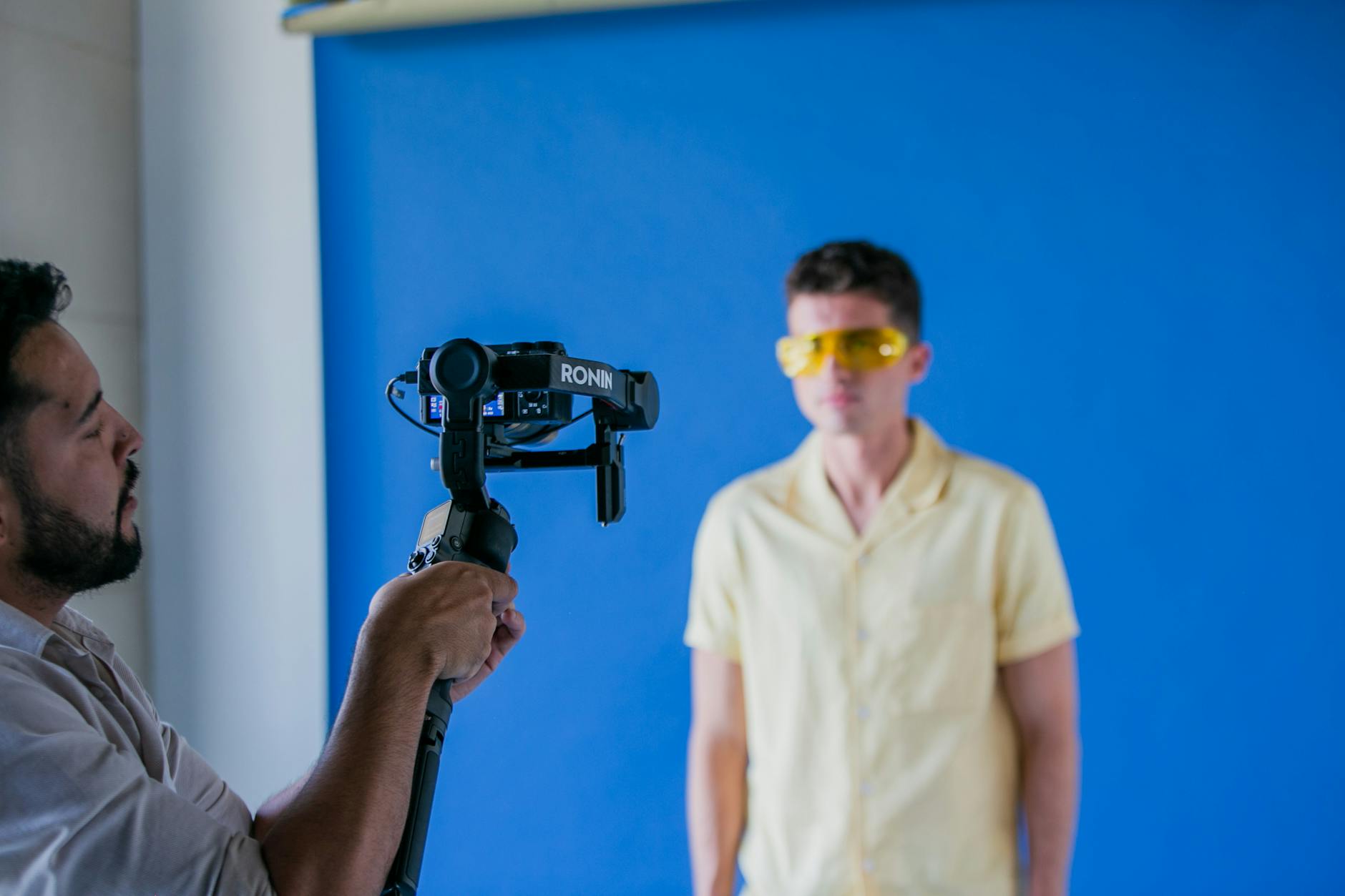
Selecting the right agency involves evaluating their portfolio, industry experience, and technical expertise. An agency with a proven track record in corporate videos understands regional nuances and communicates effectively to align with your brand’s voice. Local Miami agencies offer advantages such as familiarity with the city’s diverse locations, regulations, and all-important logistical support. It’s important to review client testimonials, case studies, and previous work to gauge their capability to handle projects of varying scope and complexity. Clear communication, transparent pricing, and an understanding of your specific objectives are vital factors in decision-making. Partnering with a professional agency ensures access to top-tier equipment, creative talent, and production resources, ultimately leading to a polished, impactful video that elevates your corporate image.
Production Process and Best Practices
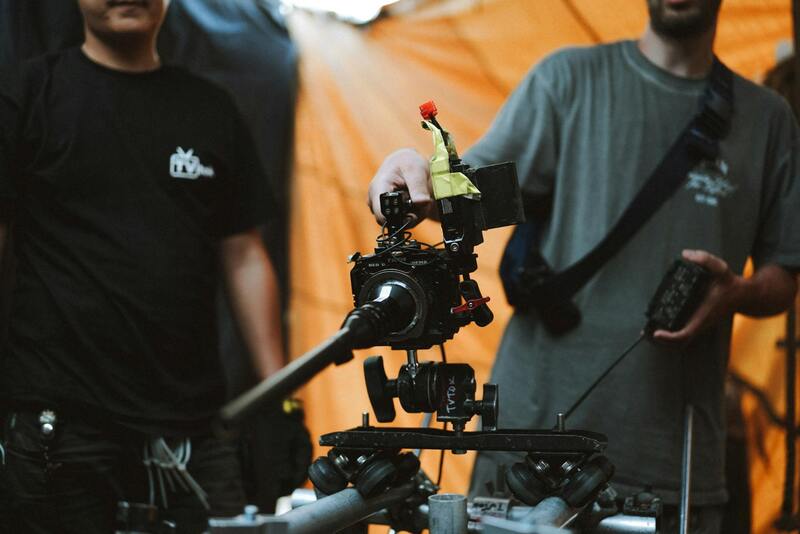
The production process involves capturing footage that vividly represents your company's message,brand, and values. Utilizing professional-grade cameras, lighting, and sound equipment guarantees crisp visuals and clear audio. Proper lighting enhances aesthetic appeal and maintains consistency across scenes. A skilled director guides talent, manages on-site logistics, and ensures the visual style aligns with the initial vision. Implementing real-time monitoring allows production teams to adjust shots immediately, minimizing reshoots and editing corrections. Capturing multiple takes and varied angles increases editing options, enabling a dynamic storytelling approach. Organizational discipline—labeling footage accurately, cataloging assets, and backing up data—is crucial for smooth post-production workflows. Secure digital storage mitigates risks linked to data loss or theft. These measures contribute significantly to achieving a refined, professional-grade final product that effectively communicates your brand story.
Post-Production and Editing
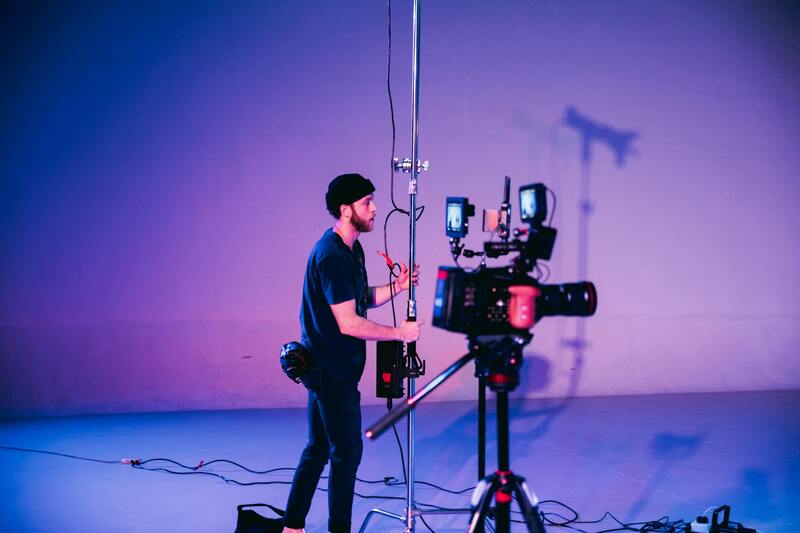
After filming, the editing process transforms raw footage into a cohesive, engaging corporate video. This stage involves refining visuals, balancing color grading, tweaking audio levels, and integrating motion graphics or animations if necessary. High-quality editing ensures the pacing aligns with your narrative goals and audience expectations. Incorporating brand elements, such as logos and color schemes, reinforces visual consistency. Clear communication with the editing team about desired style, tone, and messaging directs their efforts toward your vision. Sound design adds depth and clarity, enriching the viewing experience. Incorporating feedback during revisions helps finalize a product that aligns with your strategic objectives. The emphasis on craft and precision during post-production results in a polished video capable of leaving a lasting impression on viewers.
Ensuring Compliance and Best Practices in Corporate Video Production
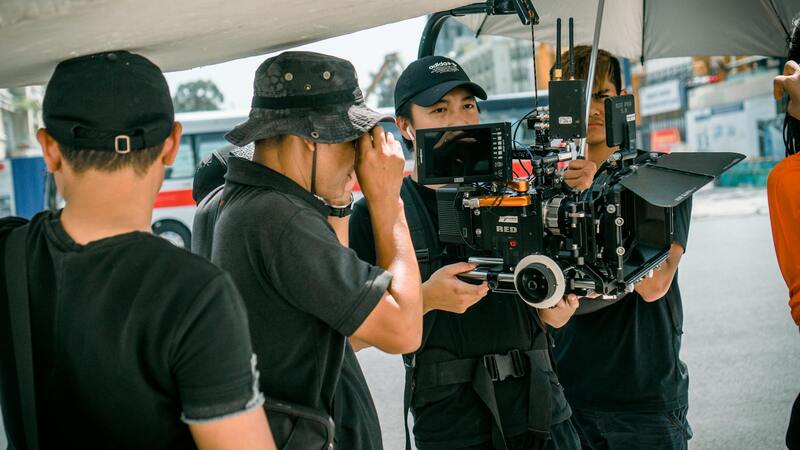
Executing a corporate video with adherence to established standards involves meticulous attention to official procedures, technical specifications, and industry guidelines. Utilizing authorized equipment, licensed software, and verified stock assets ensures the production meets professional standards and mitigates risks associated with unauthorized content usage. Rigid adherence to safety protocols on set, including proper handling of equipment and safe filming practices, fosters a secure environment for crew and talent alike.
Transparent communication with stakeholders throughout the production process allows for clear expectations and approval at each phase, which is fundamental in maintaining accountability. Proper documentation, including contracts, release forms, and production schedules, provides an organized framework to facilitate smooth operations and protect all parties involved. These documents also serve as an official record supporting the authenticity and authoritative nature of the project.
Detail-oriented planning encompasses comprehensive storyboarding, scripting, and shot lists developed in collaboration with pre-approved templates and standards. This methodical approach ensures that every visual, narrative, and technical element aligns with organizational goals and branding guidelines. During filming, employing reputable and licensed production equipment guarantees optimal quality and reliability, while professional cinematographers and crew adhere to industry best practices to maximize efficiency and output quality.
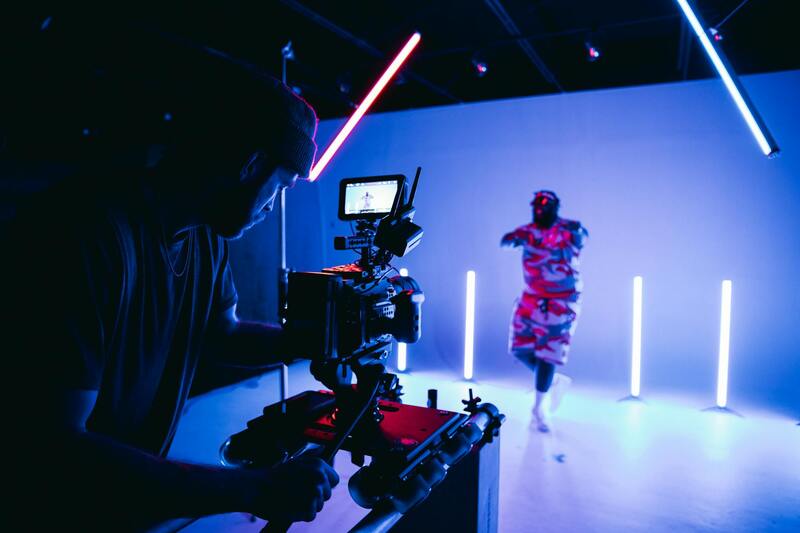
Post-production workflows are guided by rigorous quality control measures, including verifying the integrity of digital assets, ensuring compliance with intellectual property rights, and maintaining an audit trail of edits and revisions. Certified editing software and secure storage solutions prevent unauthorized alterations and protect sensitive content. Incorporating standardized color grading, sound mixing, and motion graphics respects corporate branding and messaging consistency, reinforcing a cohesive, official presentation.
Throughout distribution, leveraging approved channels such as secure corporate intranet portals, official websites, or recognized multimedia platforms ensures that the content reaches the intended audience within a controlled environment. Performance metrics obtained through analytics tools offer insight into viewer engagement and content reach, enabling organizations to review the efficacy of their corporate videos objectively. Regular assessments of these metrics guide targeted improvements, ensuring that the content maintains its professional integrity and aligns with organizational objectives.