
Understanding the Role of a Corporate Videographer
A corporate videographer specializes in creating professional video content designed to serve various business objectives. Their expertise extends beyond simple filming; they are responsible for capturing high-quality visuals that convey a company's message effectively. These professionals are adept at combining technical skills with a strategic understanding of branding, marketing, and internal communication needs.
The primary responsibilities of a corporate videographer include planning the video concept, scripting, storyboarding, filming, and post-production editing. They work closely with clients to ensure the final product aligns with the company's branding guidelines and conveys the intended message clearly. This process often involves an initial consultation to understand the company's goals, followed by pre-production planning that addresses logistical considerations, location scouting, and scheduling.
Skilled videographers possess a range of technical competencies, including proficiency with camera equipment, lighting, sound recording, and editing software. They are also creative problem-solvers, capable of adapting to changing environments and technical challenges during shoots. Attention to detail is crucial, as the quality of the final video impacts the company’s professional image and internal communication effectiveness.
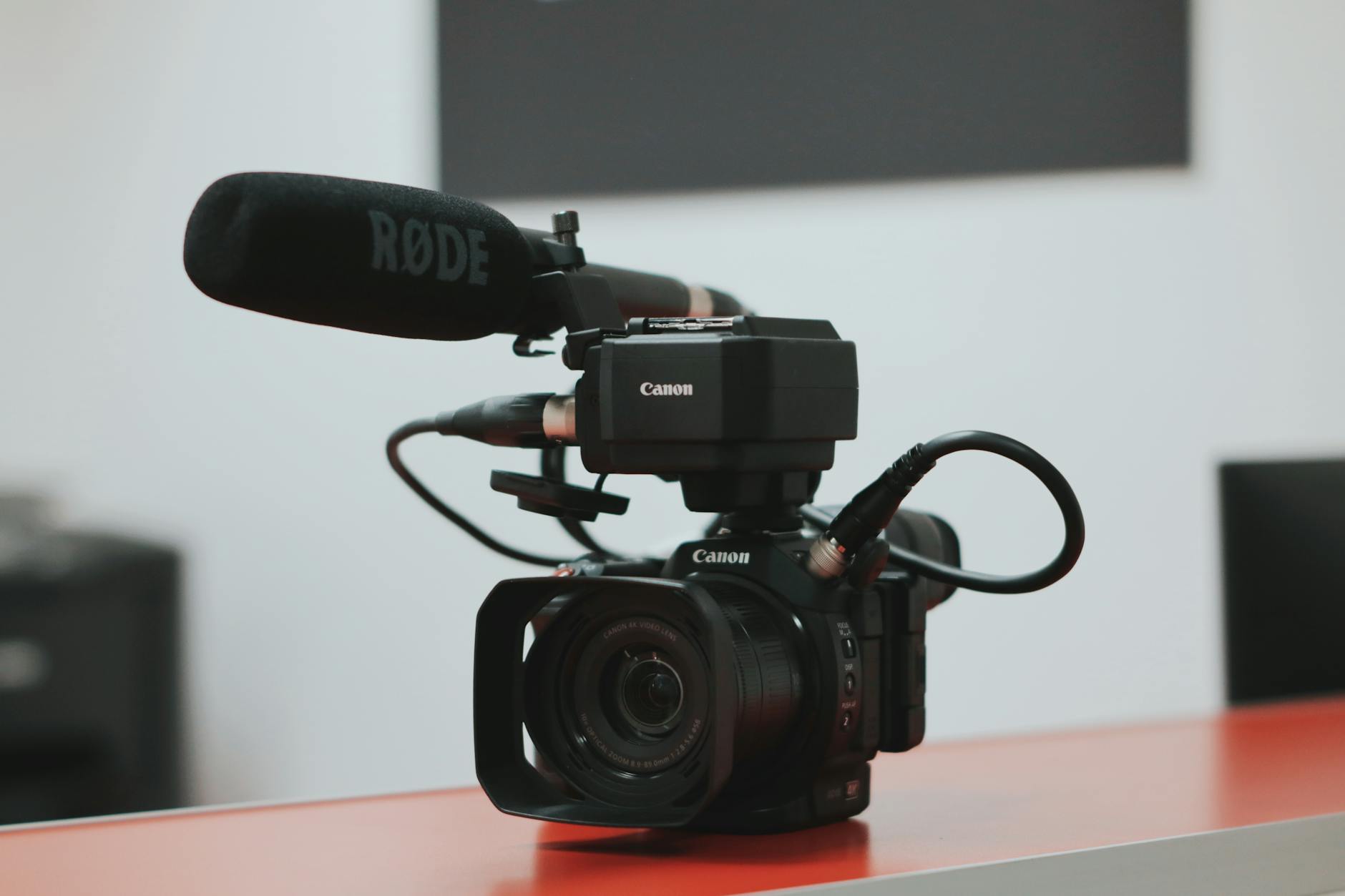
Corporate videographers contribute significantly to branding initiatives by producing videos that enhance a business’s visual identity. They help create promotional content, customer testimonials, corporate event coverage, training videos, executive messages, and more. These videos can substantially improve a company's online presence, foster employee engagement, and support sales efforts.
Furthermore, a corporate videographer must stay updated with industry trends and technological advances to ensure that the videos remain fresh, engaging, and aligned with current market standards. A deep understanding of target audiences allows them to tailor content that resonates effectively, making their role pivotal in comprehensive communication strategies.
In summary, a corporate videographer combines creativity, technical skill, and strategic insight to produce high-caliber videos that reflect the company's values and objectives. Their work not only enhances brand visibility but also facilitates clear, impactful communication with diverse audiences.
Key Strategies for Producing Engaging Corporate Videos in Miami
Creating impactful corporate videos requires meticulous planning and execution, especially within the vibrant Miami market. A corporate videographer must employ a comprehensive approach that aligns with the company's strategic goals, target audience, and brand messaging. This begins with an in-depth understanding of the company's core values, market positioning, and desired communication outcomes.
Pre-production planning is crucial in ensuring the success of the project. This phase involves defining clear objectives, developing a detailed script, and establishing a production timeline. Collaborating closely with stakeholders ensures that the narrative effectively conveys the intended message. Location scouting is particularly important in Miami, where choosing the right settings can enhance visual appeal and contextual relevance.
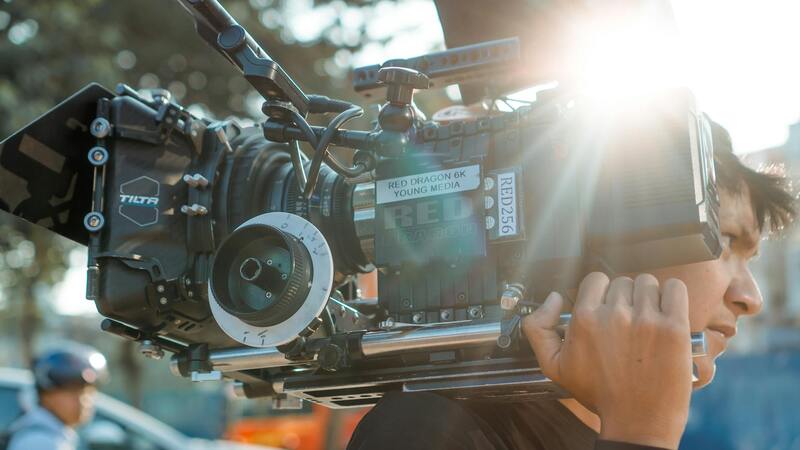
During filming, a professional corporate videographer leverages advanced camera equipment and lighting techniques to capture high-quality footage. Proficiency in managing technical elements such as focus, framing, and stabilization directly influences the visual professionalism of the final product. Sound quality is equally essential; utilizing directional microphones and soundproofing techniques ensures clarity of dialogue and narration.
Post-production: Refining Videos for Maximum Impact
The editing stage involves assembling footage, enhancing visuals, and incorporating graphics and animations that align with branding standards. Sound editing and color correction are vital to produce a polished look that resonates with viewers. Incorporating background music or voiceovers should be done thoughtfully to complement the narrative without overwhelming the core message.
Specialized software allows for seamless integration of visual effects, transitions, and branding elements, ensuring a cohesive final product. Additionally, subtitles and captions can broaden accessibility, making videos more inclusive and enhancing engagement across diverse audiences.
Distribution and Optimization for Miami's Market
Once completed, strategic distribution amplifies the video's reach within Miami and beyond. Optimizing videos for various platforms—including social media, email campaigns, and company websites—maximizes visibility and engagement. Tailoring content to suit each platform's specifications and audience preferences enhances overall effectiveness.
Monitoring video performance metrics provides insights into audience engagement and content resonance. These insights enable continuous improvements and refinements for future projects, ensuring that corporate videos remain relevant and impactful in Miami’s competitive market environment.
Importance of Local Knowledge for Miami-Based Corporate Videos
When producing corporate videos tailored for Miami’s dynamic market, understanding the local landscape is essential. A corporate videographer with in-depth knowledge of Miami can capitalize on local cultural nuances, popular venues, and regional preferences to craft content that resonates with the intended audience. Familiarity with Miami’s diverse demographics enables videographers to customize messaging, visuals, and storytelling techniques that appeal to various community segments, whether they are local residents or visitors. Additionally, a Miami-based corporate videographer can effectively navigate the city’s logistical aspects, such as permitting for filming at popular locations, coordinating shoots around local events, and understanding city regulations. This agility ensures that projects stay on schedule and within scope, minimizing delays often caused by unforeseen obstacles. Leveraging local insights also facilitates collaborations with regional talent, real establishments, and community figures that add authenticity to the video. Authenticity, in turn, fosters stronger engagement from viewers by creating a sense of familiarity and trust. The familiarity with Miami’s climate, traffic patterns, and event schedules further enhances the efficiency of planning and executing productions. Choosing a videographer who understands Miami’s unique urban and cultural fabric ensures that the final product aligns seamlessly with your brand’s identity and objectives, making your corporate message more impactful. Furthermore, local videographers are typically well-versed in the most effective ways to distribute and promote videos within Miami’s vibrant digital ecosystem. They can advise on optimal posting times, popular platforms, and local influencers who can help amplify the reach of your content, ultimately maximizing your investment in corporate videography services.
Legal Aspects and Rights Management
When engaging a corporate videographer in Miami, understanding the framework surrounding content rights and permissions is essential to ensure a smooth production process. Clear agreements should be established prior to filming to delineate ownership rights for the final video, footage, and elements such as music or graphics incorporated into the production. Adequate contracts help define how the video will be used, distributed, and archived, preventing misunderstandings or disputes post-project completion.
Securing all necessary permissions and releases is crucial, especially when filming on location or featuring individuals and private property. Releases grant the videographer legal authority to use footage with identifiable people or proprietary scenes, which is vital for compliance and distribution. Additionally, accurate documentation of these agreements maintains transparency and protects all parties involved, facilitating a worry-free deployment of your visual content.
Intellectual property rights also play a significant role in corporate videography. It’s important to clarify whether the videographer retains any rights to the raw footage or edited content or if these rights transfer entirely to your company. When rights are transferred, your organization gains the freedom to reproduce, modify, and distribute the footage without concern for infringement. Understanding these legal nuances allows your business to leverage the content effectively, whether for marketing campaigns, internal communications, or future presentations.
Furthermore, compliance with local and federal regulations about filming and content usage should be addressed. In Miami, this may involve adhering to city permitting processes for certain locations or events. A professional videographer familiar with Miami's regulatory landscape will streamline this aspect of production, avoiding potential delays or legal complications. This proactive approach ensures your corporate video aligns with all applicable guidelines, safeguarding your brand’s reputation and operational integrity.
Understanding the Challenges of Content Distribution and Rights Management in Corporate Videography
Proper distribution of corporate videos extends beyond simply creating compelling content; it encompasses understanding the complexities of rights management and content dissemination. A key aspect involves securing the necessary permissions for usage, especially when footage involves proprietary scenes, branded environments, or identifiable individuals. Ensuring that all necessary rights are correctly documented prevents future complications, allowing your organization to distribute the content confidently across internal channels, social media platforms, or external media outlets.
Another crucial element is managing intellectual property rights associated with filming. Clarifying whether the videographer retains rights to the raw or edited footage, or if these rights transfer to your company, directly impacts how you can utilize the videos in varied contexts. When rights are transferred fully, your corporation gains the flexibility to adapt, repurpose, or extend the reach of your visual content without additional permissions. This control is vital for maximizing return on investment and ensuring consistency in branding across all communication channels.
In addition, understanding regional regulations, particularly in dynamic urban environments like Miami, is vital. Many locations may require specific permits or adhere to city ordinances governing filming activities. Failing to comply with these regulations can lead to operational delays or potential disruptions. Engaging with a professional videographer familiar with local rules ensures compliance and smooth project execution, safeguarding your brand's reputation and optimizing production timelines.
Maximizing the Impact of Corporate Videos Through Strategic Distribution
Another important consideration is devising an effective distribution strategy tailored to your organizational goals. This includes selecting appropriate platforms—be it your company's website, internal portals, social media, or industry events—and understanding the specifications and best practices for each. A well-executed distribution plan ensures your message reaches the intended audience, whether for brand promotion, internal training, or stakeholder engagement.
Furthermore, implementing proper metadata, captions, and tagging enhances discoverability and engagement on digital platforms. A professional corporate videographer can assist in optimizing these elements, ensuring your content aligns with SEO standards and industry best practices. This not only increases visibility but also improves the video's performance metrics, delivering more substantial impact from your investment.
Legal Aspects and Rights Management
Securing the appropriate rights and understanding the legal considerations associated with corporate videography are essential steps in protecting your brand and ensuring smooth distribution of your content. When working with a professional videographer, it is critical to establish clear agreements regarding intellectual property rights, including ownership of footage, usage rights, and licensing terms. This proactive approach prevents future disputes and clarifies how the videos can be utilized across various platforms.
Furthermore, compliance with privacy regulations and consent requirements is paramount, particularly when featuring identifiable individuals or private locations. Obtaining signed releases from all talent and property owners mitigates potential legal complications and ensures that you have the necessary permissions to broadcast and archive the footage.
Another key element involves adherence to industry standards concerning trademarks, copyrighted materials, and proprietary content. Incorporating licensed music, graphics, and stock footage, when appropriate, enhances your video without infringing on existing rights. A skilled corporate videographer familiar with these legal nuances can advise on suitable sources and licensing arrangements, ensuring your content remains compliant.
Establishing a comprehensive contract at the outset of the project that specifies rights, responsibilities, and deliverables is a fundamental best practice. This document acts as the foundation for a successful collaboration, providing clarity and security for both parties. When partnering with a Miami-based corporate videographer, you benefit from their local expertise and understanding of regional regulations, further streamlining the process.
Legal Aspects and Rights Management
Securing the proper legal framework around corporate videography is essential to protect your company’s interests and ensure smooth content utilization. This involves meticulous attention to contracts, rights clearance, and licensing agreements tailored to the specific scope of each project. An experienced corporate videographer in Miami will prioritize drafting comprehensive contracts that clearly delineate the scope of work, ownership rights, and usage permissions, fostering transparency from the outset.
One pivotal element is obtaining signed talent release forms, which grant permission to feature individuals in your videos. These releases protect against unauthorized use of personal likenesses and are especially critical when filming at private or sensitive locations. Additionally, property releases may be required to utilize private venues, ensuring all footage complies with property rights and privacy expectations.
Leveraging licensed and properly cleared media assets—such as music, graphics, and stock footage—is also crucial. An adept videographer will have established partnerships with licensing entities or will guide clients toward legally acquired resources. Avoiding unlicensed material is key to circumventing potential copyright disputes that could impact the distribution or monetization of your content.
Implementing a legal review process, preferably with legal counsel specializing in media rights, safeguards your investment and mitigates unforeseen complications. This process ensures that all content has appropriate rights clearances, licensing, and documentation before delivery. Proper rights management not only protects your brand but also maintains the integrity and longevity of your corporate video assets.
Working with a Miami-based corporate videographer familiar with local regulations streamlines the process. Their awareness of regional nuances and permitting procedures can prevent delays and ensure compliance with regional standards. Establishing clear, detailed agreements at the project's inception provides clarity for all involved, setting the foundation for a smooth and legally sound production journey.
Legal Aspects and Rights Management
In the realm of corporate videography, careful attention to rights management and compliance is essential to ensure the longevity and proper use of your video content. All footage and media assets incorporated into your project should be acquired and utilized through official channels, which includes licensed music, stock footage, graphics, and any third-party content. Collaborating with a professional videographer who maintains established relationships with licensing agencies can facilitate access to legal media assets, streamlining the production process and reducing potential post-production issues.
Moreover, documenting all rights clearances, license agreements, and permissions is a vital step. This documentation serves as an assurance that each piece of media used complies with regional regulations and copyright protocols. It is advisable to implement a rights management system that tracks licensing dates, usage limits, and other pertinent details. This approach not only protects your organization but also reinforces the authenticity and credibility of your corporate messaging.
Engaging a Miami-based corporate videographer familiar with local media rights issues enables a smoother navigation of regional permit requirements and regional content restrictions. This local expertise can prevent delays stemming from permit approvals or jurisdictional misunderstandings. Setting clear contractual terms at the project outset—including rights usage, licensing, and distribution permissions—establishes mutual understanding and expectations, promoting a seamless production process.