
Understanding the Importance of Corporate Videos
Corporate videos serve as powerful tools for businesses seeking to communicate their brand message effectively across diverse audiences. In today’s dynamic market environment, visual content has become essential for engaging customers, motivating employees, and establishing credibility with stakeholders. Well-crafted corporate videos can showcase a company's values, build emotional connections, and differentiate a brand in a competitive landscape. They transform complex concepts into easily digestible narratives, helping to convey key messages with clarity and impact.
Through strategic use of visuals, narrative structure, and professional production, corporate videos elevate brand storytelling. They can illustrate a company's history, highlight product features, demonstrate services, or share client testimonials. When aligned with a company's overarching marketing goals, these videos act as versatile assets that foster brand recognition and loyalty. Furthermore, they enhance internal communication efforts, motivate teams, and cultivate a shared organizational culture.
In addition to branding benefits, corporate videos improve customer engagement by providing compelling experiences that resonate on an emotional level. Videos featured on websites, social media platforms, and email campaigns tend to generate higher engagement rates compared to static content. They encourage viewers to stay longer on a site, share content with others, and ultimately make informed purchasing decisions. As the digital landscape continues to evolve, the ability to produce high-quality, impactful corporate videos remains a vital strategy for modern businesses.

Empowering employees through internal corporate videos can also improve organizational alignment, foster a sense of pride, and reinforce company culture. Training videos, leadership messages, and internal updates delivered professionally improve comprehension and retention. As a result, businesses can achieve higher operational efficiencies and a more motivated workforce.
Ultimately, the strategic use of corporate videos shapes perceptions, nurtures trust, and drives business growth. When produced with precision and purpose, they become invaluable assets that communicate a company's story and value proposition effectively in a visually driven world.

Planning and Strategy for Corporate Videos
Creating effective corporate videos begins with a well-defined planning and strategic process. Establishing clear objectives helps determine the target audience, key messages, and the desired outcome of the video. This phase involves comprehensive research on the company’s brand identity, market positioning, and competitive landscape, which guides the development of a coherent storyboard and script. Strategic planning ensures that every element of the video aligns with the overall marketing goals and resonates with viewers, enhancing brand recall and engagement.
Workstreams such as stakeholder consultations and audience analysis are crucial during this stage. These activities help identify the preferences and expectations of viewers, allowing for tailored content that appeals on emotional and rational levels. Defining distribution channels early on—be it social media, online platforms, or internal communications—ensures that the content is optimized for each environment, maximizing reach and impact.

A detailed project timeline, budget allocation, and resource planning are also integral components. This organized approach helps streamline production activities, avoid unnecessary delays, and ensure optimal use of available resources. Moreover, establishing key performance indicators (KPIs) at the outset provides measurable benchmarks for evaluating the effectiveness of the video post-release, allowing for continuous improvement and refinement of future content.
Creative Concept Development
Transforming strategic insights into visually engaging content relies heavily on innovative concept development. Brainstorming sessions involve multidisciplinary teams collaborating to craft unique narratives and visual themes that embody the company’s core message. These concepts must be aligned with the brand personality and campaign goals, ensuring consistency across all touchpoints.
Effective storytelling techniques are vital. A compelling narrative captures attention, evokes emotional responses, and makes the message memorable. This may involve crafting a relatable story arc, highlighting customer success stories, or showcasing the company’s values through authentic visuals and authentic testimonials. The creative process also includes designing storyboards, selecting appropriate styles and tones, and determining the overall aesthetic to appeal to the target audience.

Involving stakeholders during the creative development phase helps gather feedback and refine concepts, ensuring that the final vision aligns with overarching corporate messaging. This iterative process fosters a shared understanding of the project’s purpose and secures buy-in from all involved parties, setting the stage for a seamless production phase.
Ensuring Accurate Representation Through Professional Methods
When it comes to creating compelling corporate videos, leveraging official and legitimate methods in the production process is essential to achieve a professional standard. This ensures the content accurately reflects the company's brand, values, and message, fostering trust with viewers and stakeholders. Precision in execution, adherence to industry standards, and utilization of authentic resources collectively contribute to a high-quality output that resonates with the target audience.
One of the most reliable approaches involves working closely with established production agencies that prioritize transparency and adherence to industry best practices. These agencies employ authorized equipment, accredited personnel, and proven workflows to guarantee that every aspect of the production is conducted ethically and efficiently. This includes acquiring necessary permits, ensuring copyright compliance, and following safety regulations—all vital elements that uphold the integrity of the project.

Furthermore, authentic content creation involves sourcing material responsibly. This includes obtaining proper licenses for music, images, and footage, avoiding unauthorized use of copyrighted materials. Agency partnerships with reputable stock footage providers or original content creators help secure exclusive materials, ensuring the final product is both unique and compliant with intellectual property laws.
Scrupulous planning is also a cornerstone of legitimate production practices. This means developing comprehensive pre-production plans and storyboards that serve as vetted blueprints for all involved. These documents outline the creative direction, technical specifications, and logistical considerations, minimizing risks and miscommunications during filming. Formalizing protocols like script reviews and stakeholder approvals further solidifies the legitimacy of the project, reinforcing accountability and clarity across the production timeline.

Post-production procedures also benefit from legitimate methods. Employing certified editors and adhering to industry-standard software ensures the editing process maintains high fidelity and professionalism. This not only enhances visual and audio quality but also guarantees that the content aligns with copyright rules and brand guidelines. Transparent review processes, coupled with documented approvals, prevent unauthorized modifications and uphold the integrity of the final product.
In sum, utilizing officially sanctioned routes in every phase of corporate video creation— from pre-production through post-production—strengthens the authenticity, credibility, and overall impact of the final video. Such practices ensure that the content not only meets industry standards but also encapsulates the company’s core identity in an honest and compelling manner.
Strategies for Ensuring Authenticity and Quality in Corporate Videos
When producing corporate videos, employing official and established methods throughout the creative process is essential to achieve a product that accurately represents the company's brand and mission. Ensuring authenticity begins with careful vetting of vendors and production partners who follow industry-standard procedures. This involves verifying their credentials, reviewing their portfolio of previous work, and confirming their adherence to best practices in terms of equipment, ethical standards, and legal compliance.
Furthermore, transparency in the production workflow is vital. Clear documentation at each stage—from concept development to final approval—serves as an evidence of legitimacy and helps prevent misunderstandings or alterations that could compromise the video's integrity. Maintaining revision histories, signed off approvals from key stakeholders, and formalized scripts are all integral to substantiating the legitimacy of the process.
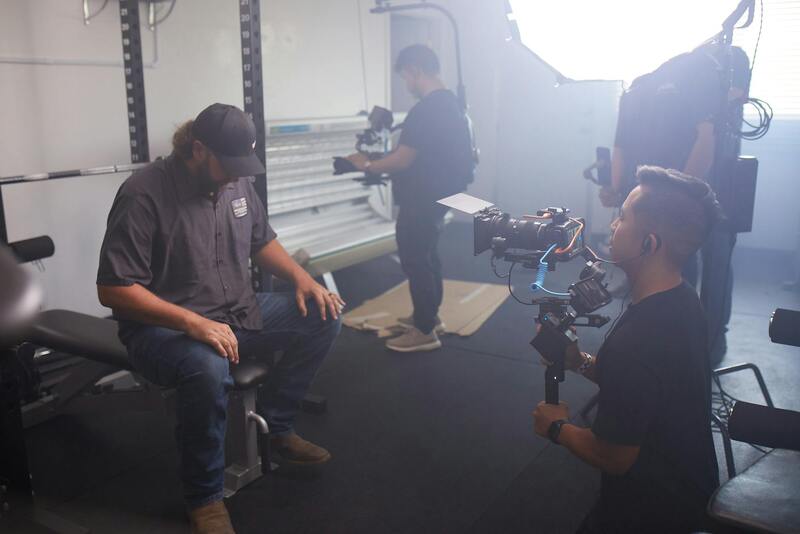
In addition to procedural diligence, using certified equipment and reputable editing tools ensures the technical quality of footage. This approach ensures consistent color grading, sound mixing, and visual effects while respecting copyright norms. Employing industry-standard software with proper licensing signifies a commitment to legitimate production practices, which indirectly safeguards against potential future disputes.
Engaging qualified professionals—such as certified videographers, audio engineers, and editors—is another cornerstone of producing legitimate corporate content. Their expertise ensures that the project adheres to best practices, from camera operation to post-production workflows. Regular training, adherence to safety standards during filming, and ongoing skill development go hand-in-hand with these professional practices, further solidifying the credibility of the final product.

Content approval processes should be formalized with written consent from all involved parties, including legal review if necessary. This guarantees that the video complies with all relevant guidelines, including local regulations, copyright laws, and company policies. Establishing a clear chain of responsibility and approval flow ensures accountability, reduces risk, and preserves the integrity of the corporate message.
Finally, keeping detailed records of all stages—such as creative briefs, shooting schedules, editing logs, and approval signatures—provides an authentic audit trail. This documentation not only confirms adherence to official methods but also facilitates future referencing, updates, or quality assessments.
Understanding the Importance of Corporate Videos
Corporate videos serve as a vital communication tool that enhances brand image, educates audiences, and supports marketing objectives. When produced through legitimate channels, these videos uphold the company's credibility and ensure compliance with industry standards and regulatory requirements. Authenticity in corporate video production reflects transparency and professionalism, fostering trust among stakeholders, clients, and employees alike. This trust is bolstered by transparent processes involving proper documentation, adherence to established workflows, and consistent quality control measures. Employing verified methods also safeguards the company's reputation, demonstrating a commitment to integrity and accountability in all visual communications.

Implementing Legally Sound Production Practices
To produce legitimate corporate videos, organizations must adhere strictly to officially recognized procedures and standards. This begins with engaging qualified professionals who operate with valid licensing and certifications. Certified videographers, sound engineers, and editors bring expertise that ensures the content meets industry benchmarks while respecting copyright and intellectual property laws. It is essential to utilize industry-standard equipment, properly maintained and calibrated, to guarantee optimal performance and high-quality output. Compliance with safety protocols during filming, particularly when working on location, further demonstrates adherence to legitimate production practices and minimizes legal risks.
Documentation and Approval Processes
Establishing formal documentation workflows is central to maintaining process legitimacy. Creative briefs, shooting schedules, and production plans should be documented and approved by designated company representatives. Content review processes must incorporate written consent, with legal review where necessary, to verify that the material aligns with corporate policies and regulatory guidelines. Each stage of production—from pre-production planning through filming and post-production—should be archived with detailed records to create an authentic, traceable audit trail. This systematic approach not only ensures accountability but also facilitates future updates and quality assessments, underpinning the overall integrity of the corporate video.
Quality Assurance and Ethical Standards
Maintaining high standards of quality and ethics throughout production is paramount. This involves verifying that all external content, such as licensed music, stock footage, and visual assets, are acquired through authorized sources. Proper attribution and adherence to licensing agreements prevent legal complications. Ethical considerations extend beyond legal compliance, emphasizing truthful representation and respectful portrayal of subjects. Ensuring that models, interviewees, and other participants give informed consent aligns with responsible production practices. Attention to cultural sensitivities, diversity, and inclusion reflects a commitment to ethical standards that resonate with a legitimate and reputable corporate identity.
Conclusion
Adopting official, documented production methods in creating corporate videos sustains the company's credibility, prevents potential disputes, and fosters audience trust. By prioritizing licensed equipment, qualified professionals, stringent approval workflows, and comprehensive record-keeping, organizations reinforce the legitimacy of their visual communications. These practices underline a dedication to transparency, professionalism, and adherence to best practices that ultimately enhance the effectiveness and reputation of corporate messaging.
Effective Strategies for Distributing and Optimizing Corporate Videos
Successful distribution and optimization are essential to maximize the reach and impact of corporate videos. It involves identifying the most appropriate channels for dissemination, ensuring the content aligns with target audience preferences, and leveraging technological tools that enhance visibility. Distributing through a strategic mix of platforms—such as the company’s official website, corporate social media profiles, professional networks, and industry-specific forums—ensures content reaches diverse audiences effectively. Each medium requires tailored presentation styles and formats, emphasizing the importance of adapting the core message to fit the unique context of each platform.
Optimization is a pivotal component that increases the likelihood of your videos being discovered by the right viewers. Utilizing search engine optimization (SEO) techniques involves meticulous keyword research, incorporating relevant phrases like best corporate videos in titles, descriptions, and tags. Metadata optimization, including compelling descriptions and accurate categories, helps search engines understand the content's relevance and context. Additionally, creating engaging thumbnails and using timestamps can improve click-through rates and viewer retention.
Embedding videos within your company's website enhances user engagement and keeps visitors longer on your site. Incorporating videos into landing pages, product pages, or dedicated multimedia sections not only enriches the user experience but also boosts SEO rankings. When uploading videos to platforms like YouTube or Vimeo, optimizing titles, descriptions, and tags with relevant keywords helps in gaining higher rankings within platform-specific searches, thus increasing exposure.
Another effective approach involves leveraging analytics and performance metrics to refine distribution efforts continually. Analyzing data related to viewer demographics, engagement levels, and watch times provides insights into which channels and content types resonate most. Using this information, organizations can optimize future campaigns, focusing on strategies that yield the highest engagement and return on investment.
In the realm of digital marketing, targeted advertising campaigns facilitated by social media and search engine advertising tools enable precise audience segmentation. This ensures that corporate videos are delivered directly to the most relevant viewers, enhancing the effectiveness of the message. Retargeting campaigns also play a significant role in reconnecting with viewers who have previously interacted with your content, reinforcing brand recall and conversion potential.
To maintain consistency and reinforce branding, companies should develop a unified content calendar and distribution schedule. Regular posting on selected channels helps sustain audience interest and builds anticipation for upcoming video content. Integrating corporate videos into broader marketing campaigns—such as product launches, investor relations, or corporate social responsibility initiatives—can further amplify their impact and support overarching business objectives.
Distribution and Optimization
Maximizing Reach through Strategic Distribution
Effective distribution of corporate videos is essential to ensure they reach the intended audience and achieve desired engagement levels. The first step involves selecting the most appropriate channels to share content, which includes a combination of owned, earned, and paid media. Owned media encompasses the company’s official website, email newsletters, and social media profiles, where content can be shared directly with followers and subscribers. Earned media involves garnering coverage or shares through media outreach, industry influencers, and customer engagement, expanding visibility organically. Paid media options, such as targeted social media advertising or search engine marketing, facilitate reaching specific demographic groups with precision.

Enhancing Search Engine Visibility
Optimizing corporate videos for search engines involves several key strategies. Incorporating relevant keywords in video titles, descriptions, and tags improves discoverability via platform-specific searches and search engines like Google. Creating compelling and keyword-rich metadata ensures that videos appear prominently within search results. Embedding videos on your website with optimized alt text and structured data further enhances their ranking. Additionally, hosting videos on reputable platforms that support SEO best practices, such as YouTube or Vimeo, allows for better indexing and sharing capabilities.
Leveraging Analytics for Continuous Improvement
Monitoring the performance of distributed videos through analytics tools reveals insights into viewer behavior, engagement rates, and conversion paths. Metrics such as view counts, watch time, click-through rates, and audience retention help identify the most effective content formats and distribution channels. This data enables organizations to refine their content strategies, allocate resources efficiently, and enhance future campaigns. Regular analysis supports ongoing optimization, ensuring that initiatives remain aligned with evolving audience preferences and business objectives.
Engagement Measurement and Feedback Collection
Gathering direct feedback from viewers, whether through comments, surveys, or social media interactions, provides qualitative insights into how corporate videos resonate with audiences. Engagement metrics, paired with feedback, inform adjustments in content tone, messaging, or presentation style. Additionally, tracking conversions—such as inquiries, downloads, or purchases—linked to video campaigns gauges their influence on broader organizational goals. Utilizing this comprehensive approach to distribution and optimization guarantees that corporate videos consistently deliver value and effectively support branding efforts.

Choosing a Miami Production Agency
Selecting the right production partner is a critical step toward creating compelling corporate videos. When evaluating a Miami-based agency, it's essential to consider their experience in producing professional corporate content, their portfolio of previous work, and their understanding of the regional business landscape. An agency with a proven track record of delivering high-quality videos tailored to diverse industries can better translate your brand’s vision into effective visual stories.

Assessing Agency Experience and Expertise
Look for a portfolio that demonstrates versatility across different types of corporate videos, including brand stories, training modules, promotional pieces, or event highlights. An experienced agency will have the technical proficiency and creative insight needed to handle complex project requirements, such as multi-location shoots, drone footage, or animation integration. Their familiarity with current production technology contributes to smoother workflows and higher-quality results, ensuring your investment yields impactful content.
Understanding Regional Business Dynamics
A Miami agency that understands local market nuances can craft videos that effectively address regional cultural contexts and audience preferences. Knowledge of Miami’s diverse demographic landscape allows for tailored storytelling that resonates more profoundly with local viewers, while also appealing to broader audiences. Such agencies can offer insights into regional branding trends, potential partnerships, and best practices for maximizing local exposure, ultimately elevating the reach and effectiveness of your corporate messaging.
Evaluating Collaboration and Communication
Clear communication channels and collaborative workflows are vital for project success. Opt for an agency that demonstrates transparency in their processes, from initial concept development through to post-production. A responsive team that actively involves clients in key decisions helps align the final product with your organizational goals and brand standards. Regular updates, constructive feedback, and flexibility contribute to a seamless production journey and a finished product that meets or exceeds expectations.
Understanding Cost and Value
While budget considerations are unavoidable, prioritizing value over cost ensures your corporate videos are produced with professionalism and attention to detail. Reputable agencies provide transparent pricing structures and detailed proposals that outline scope, deliverables, and timelines. Investing in a higher-quality production partner may also open opportunities for additional services like media distribution strategies, SEO optimization, or performance analytics, extending the impact of your corporate video investment.
Finalizing Selection and Building Strategic Partnerships
Choosing an agency is not merely a transactional decision but a strategic partnership. Establish long-term relationships with production teams that demonstrate consistency, reliability, and a genuine understanding of your organizational needs. Such collaborations foster continuity in branding efforts, allow for more refined storytelling over time, and ensure your corporate videos continually evolve to meet changing market demands.