
Factors Influencing Commercial Video Production Cost
Understanding the various elements that influence the cost of commercial video production is crucial for businesses seeking to maximize their advertising budget while maintaining high-quality content. Several core factors come into play, each impacting the overall expense and resource allocation. These include the scope of the project, the intricacy of the concepts involved, and the desired production quality, which collectively determine the investment required.
Scope of the Project
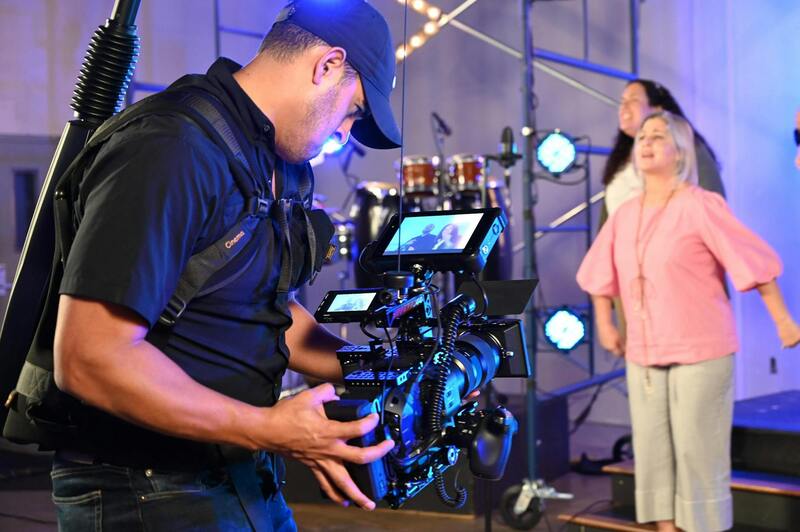
The scope refers to the extent and scale of the video campaign. A straightforward promotional clip with minimal scenes and basic editing will naturally incur lower costs compared to a comprehensive marketing video that entails multiple locations, numerous actors, and extensive post-production work. Larger projects often require more personnel, equipment, and time, all of which contribute to increased expenses.
Project Complexity
The complexity encompasses elements such as special effects, animation, motion graphics, and specialized filming techniques. Incorporating advanced visual effects or 3D animation significantly elevates production costs because these elements demand additional expertise, software, and planning time. Similarly, complex narratives or high-production-value sequences require meticulous planning and execution, further affecting budgets.
Production Quality Expectations
The quality of video content directly impacts costs. High-definition visuals, professional-grade lighting, top-tier equipment, and skilled crews are essential for producing polished videos suited for commercial use. Clients seeking a cinematic look with sophisticated editing and post-production effects should anticipate higher fees, reflecting the quality standards desired.
In addition to these primary factors, other considerations such as licensing, talent fees, and location permits can influence costs. A comprehensive understanding of these elements enables companies to allocate their budgets wisely, ensuring a successful video campaign without overspending.
Should you wish to explore the specifics of production cost breakdowns or compare options tailored to your needs, consulting with a specialized production agency in Miami can offer valuable insights into modern pricing structures and efficient resource management.
Breakdown of Cost Components
Understanding the primary financial segments involved in commercial video production helps clients grasp where their investment is allocated. The process broadly divides into three key stages: pre-production, production, and post-production.
Pre-Production
This initial phase involves extensive planning, conceptual development, scriptwriting, storyboarding, location scouting, casting, and securing necessary permits. Costs here include hiring creative talents such as writers, directors, and production planners, as well as licensing fees for locations and music rights. Adequate planning minimizes unforeseen expenses during later stages, but it also requires a significant upfront investment.
Production
The shooting phase entails all on-location or studio filming activities. Major expenses include hiring crew members such as camera operators, lighting technicians, sound engineers, and set designers. Equipment rental—cameras, lighting, sound gear—constitutes a substantial part of the budget, especially when high-end professional equipment is used. The complexity of scenes, number of shooting days, and the need for specialized techniques like drone footage or underwater shots will directly influence the overall cost during this stage.
Post-Production
Post-production encompasses editing, visual effects, sound design, color grading, and adding motion graphics or animations. Skilled editors and post-production specialists are essential for achieving high-quality output. Incorporating features like 3D rendering, CGI, or intricate animations can significantly increase expenses, as they demand sophisticated software and detailed attention. This stage is critical for refining the overall look and feel of the video to meet commercial standards.
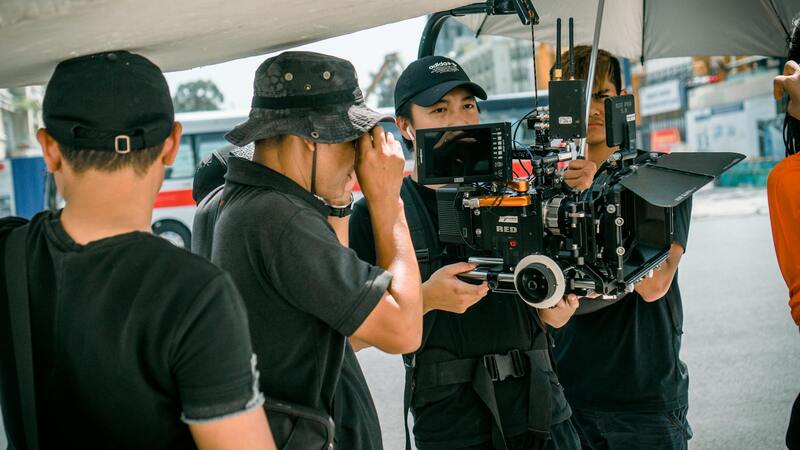
Additionally, licensing fees for music, stock footage, or special effects contribute to overall expenses, highlighting the importance of transparency in budget estimations. Recognizing each component's scope enables more accurate financial planning and helps allocate resources effectively to ensure a high-quality final product without unexpected financial strains.
Factors Influencing Video Production Costs
Understanding the various elements that impact the overall cost of commercial video production is essential for creating an accurate budget. These factors include the project's scope, complexity, and designated quality level, all of which directly influence resource allocation and expenditure. Location choices also play a significant role; shooting on-site at specific Miami landmarks or in controlled studio environments can considerably sway costs. The preparation phase, including scripting, storyboarding, and casting, adds to the investment required to ensure a compelling narrative aligns with client objectives. Additionally, the timeline of production affects costs; tighter schedules may demand increased staffing or expedited services, which incur extra fees.
Technical and Creative Requirements
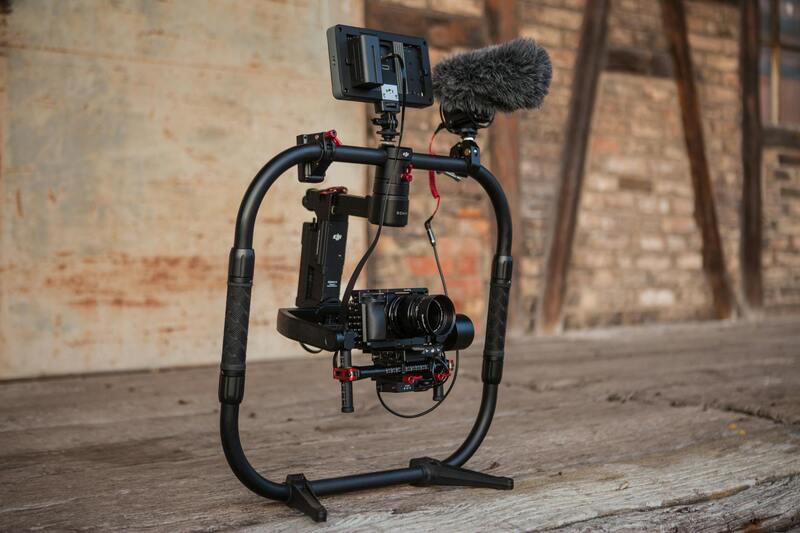
The technical specifications and creative demands of a commercial significantly shape expenses. For instance, high-resolution filming, specialized camera movements, aerial shots, or underwater sequences necessitate advanced equipment and additional crew members. Creative elements like motion graphics, CGI, and special effects introduce further costs, often requiring multiple post-production specialists working on intricate visual enhancements. If the project involves renowned talent, voice-over artists, or prominent narrators, their fees must also be factored into the overall budget.
Moreover, the level of post-production finesse heavily impacts costs. Detailed editing, color grading to achieve a cinematic look, or the integration of complex visual effects demands expert skills and extended editing timelines. Licensing fees for popular music tracks, stock footage, or proprietary visuals substantively contribute to expenses and must be budgeted with transparency. Understanding the scope of these technical and creative requirements enables better financial planning and ensures the project stays within desired cost parameters.

Project Scale and Production Timeline
The scale of the project, including the number of shooting days and the number of locations involved, directly impacts costs. Larger-scale productions often require hiring additional crew members, equipment rentals, and location fees, all of which escalate the budget. A shorter production timeline might necessitate overtime, expedited permits, or additional workforce, which adds to expenses. Conversely, a more extensive planning and pre-production phase can streamline on-site activities, potentially reducing overall costs.
In Miami's vibrant environment, securing permits for specific locations or events can introduce unexpected fees if not planned properly. The complexity of coordinating multiple stakeholders, talent schedules, and transportation further influences the timeline and finances. Accurately estimating these components beforehand helps in avoiding unforeseen expenses and ensures resources are utilized efficiently to meet project deadlines without compromising quality.
Factors Influencing Video Production Costs
Commercial video production costs in Miami are shaped by numerous elements, each impacting the overall budget in distinct ways. Factors such as the complexity of the concept, the need for specialized talent, and the scope of technical requirements play critical roles in determining expenses. Larger projects involving multiple shooting locations, elaborate sets, or high-end equipment typically demand increased investment. Additionally, the level of post-production editing, special effects, and animation required can significantly elevate costs, especially if advanced CGI or motion graphics are involved. The project's intended distribution channels also influence expenditures; videos designed for broadcast or large-scale digital campaigns often necessitate higher quality standards and, consequently, higher production costs. Recognizing these variables enables clients and production teams to tailor their plans, balancing creative ambitions with budget constraints effectively.

Breakdown of Cost Components
Understanding what comprises the total commercial video production cost helps in allocating resources wisely and avoiding unexpected expenses. Major cost components typically include:
- Pre-Production: Planning, concept development, location scouting, scripting, and storyboarding. These initial stages set the foundation for a smooth production process and can involve significant time and resource investment.
- Production: This phase encompasses equipment rentals, crew wages, talent fees, set design, wardrobe, makeup, and permits. The number of shooting days and the complexity of scenes can substantially influence expenses.
- Post-Production: Editing, color grading, visual effects, sound design, and music licensing. High-quality editing with advanced effects requires skilled editors and software, impacting the overall budget.
- Additional Services: This includes drone footage, 3D animations, or special on-location setups, which require specialized equipment and expertise.
Average Cost Range for Commercial Videos in Miami
Commercial video production in Miami spans a broad spectrum, reflecting the diversity of project sizes, styles, and production values. For small-scale promotional videos, costs can start from around $5,000 to $15,000. These projects typically involve limited locations, minimal crew, and straightforward post-production. Mid-range productions, suitable for corporate profiles, product commercials, or event coverage, often fall within the $20,000 to $50,000 range, offering a balance of quality and budget control. Larger, high-end commercials with extensive shooting schedules, elaborate sets, and advanced visual effects can escalate costs to $100,000 or more. The specific needs of your project, combined with choices regarding talent, locations, and technical features, directly influence where your project falls within this spectrum. Working closely with experienced Miami-based production teams ensures realistic budgeting aligned with your creative goals.
Impact of Production Quality on Cost
The caliber of production quality significantly influences the overall expenditure of a commercial video. High production standards often entail the employment of experienced talent, advanced camera and lighting equipment, and sophisticated post-production techniques. The inclusion of professional actors, voice-over artists, or specialized stunt performers elevates the production value but also increases costs. Similarly, investing in cutting-edge cameras and lighting gear ensures superior visual results but requires higher rental or purchase fees, along with skilled operators who can maximize their capabilities.
Visual effects, CGI, and 3D animations are additional avenues that, while enhancing the visual appeal and storytelling, come with substantial financial implications. These elements typically demand specialized software and experts skilled in digital effects creation, contributing to elevated costs. Moreover, the location's complexity, including permits, security, and logistics, can further influence expenses. Since these factors directly impact the production's overall quality and effectiveness, allocating a suitable budget for high production values is essential to achieve a compelling final product that resonates with your target audience.
Choosing a Miami Production Agency: Cost Considerations
Selecting a reputable Miami-based production firm requires assessing various financial and service-related factors. Agencies with extensive experience and a strong portfolio often command higher fees, justified by their expertise, equipment, and established relationships with local vendors and talent. While their rates may be above average, the value they bring through efficient project management, creative insight, and technical excellence can lead to a more polished, effective video.
It is crucial to evaluate what is included in the quoted price—such as pre-production planning, script development, casting, locations, equipment, crew, and post-production—versus any additional costs that may arise. Transparent agencies will detail their pricing structure, helping you understand the breakdown of expenses and distinguish between essential services and optional additions. Clear communication and comprehensive quotes prevent unexpected costs and facilitate more accurate budgeting.
Additional Costs and Hidden Expenses
Despite careful planning, certain expenses often surface unexpectedly during production. These can include permit fees, location-specific charges, equipment rentals for specialized gear, or last-minute reshoots due to creative revisions. Travel and accommodation costs for out-of-town talent or crew members also contribute to the final bill. Moreover, licensing fees for music or stock footage, as well as extra editing rounds, can add up if not initially accounted for.
To manage these potential hidden costs effectively, it is advisable to work with a production company willing to provide detailed estimates and to build contingency funds within the budget. Establishing clear contracts and scope of work agreements helps prevent scope creep and ensures that all parties are aligned on the project's financial parameters.
Budget Planning and Cost Management Tips
Strategic planning is essential for controlling commercial video production expenses. Begin by defining specific objectives and prioritizing key elements that influence your message's impact. Creating a detailed project outline with milestones allows for better tracking of expenditures and timely adjustments.
- Set realistic expectations aligned with your available budget and desired quality levels.
- Request itemized quotes from multiple Miami production agencies to compare services and costs.
- Opt for scalable solutions, choosing basic packages that can be upgraded with optional features as needed.
- Maintain open communication with your production team to promptly address any cost overruns or changes.
- Consider utilizing local talent, locations, and resources to reduce transportation and logistics-related expenses.
Implementing effective budget management strategies ensures the delivery of a high-quality commercial video without unnecessary expenditure, maximizing your return on investment and helping you achieve your marketing objectives efficiently.
Factors Influencing Video Production Costs
Understanding the variables that impact the overall cost of a commercial video is essential for effective budgeting and planning. Several key factors come into play, including the scope of the project, production quality, crew size, location choices, and post-production requirements. Each element contributes uniquely to the final expense, and variations in these components can significantly influence the budget.
Scope and Complexity of the Project
The complexity and scale of the video directly affect costs. A straightforward product showcase shot in a controlled environment differs from a multi-scene narrative requiring elaborate set designs, multiple locations, or special effects. As the number of scenes, shoot days, and technical requirements increase, so do the associated expenses.
Production Quality and Creative Elements
Higher production quality often entails the use of high-end cameras, lighting equipment, and post-production techniques. Creative elements like special effects, CGI, professional talent, and custom animations also raise costs. These enhancements aim to elevate the video’s visual appeal but require additional resources and expertise.
Crew and Talent
The size and skill level of the production team influence expenses. Larger crews with specialized roles such as directors, cinematographers, and post-production editors incur higher wages. Talent costs, including actors or voice-over artists, depend on their experience and duration of engagement. Top-tier talent with extensive experience commands premium rates, reflecting their contribution to the video’s overall quality.
Location and Logistics
Choosing specific shooting locations may involve permits, access fees, or logistical challenges that influence the budget. Urban settings or iconic landmarks often require permits and additional insurance costs. Transportation and accommodation for crew members can further increase expenses, especially when filming in remote or multiple locations.
Post-Production Efforts
Editing, color correction, sound design, and visual effects all contribute to the final cost. The complexity of post-production work correlates with the video’s intended style and message clarity. Advanced editing with detailed graphics or CGI sequences necessitates seasoned professionals, raising overall expenses.
Additional Factors
- Equipment rentals: Cameras, drones, lighting gear
- Custom set designs and props
- Filming permits and insurance costs
- Revisions and multiple iterations
Breakdown of Cost Components
Commercial video production costs can be segmented into various components, each with its associated expenses. A typical breakdown includes pre-production, production, and post-production phases, with additional itemized costs within each phase.
Pre-Production
- Concept development and scripting
- Storyboarding and planning
- Casting and talent scouting
- Location scouting and permits
- Equipment and resource scheduling
Production
- Crew wages and fees
- Talent fees
- Set construction and props
- Filming equipment rental
- Location fees and logistics
- On-set catering and facilities
Post-Production
- Video editing and color grading
- Sound editing and mixing
- Special effects and animation
- Delivery formats and revisions
Average Cost Range for Commercial Videos in Miami
In the Miami area, the cost of producing a professional commercial video varies widely based on project scope. Small-scale productions with minimal crew and simple messaging typically start around $3,000 to $10,000. Mid-range projects, involving multiple locations and advanced editing, generally range from $10,000 to $50,000. High-end productions—featuring extensive setups, high-profile talent, and sophisticated visuals—can exceed $50,000, reaching into several hundred thousand dollars for complex commercials.
Cost-Saving Strategies for Commercial Video Production
Efficient planning and strategic choices are vital to managing expenses without compromising quality. Opting for scalable solutions, such as beginning with a basic concept and adding features selectively, allows for budget flexibility. Utilizing local talent and locations minimizes transportation and accommodation costs. Clear scope definitions and detailed contracts prevent scope creep and unanticipated charges. Additionally, early engagement with the production team facilitates accurate budgeting and helps identify cost-effective options aligned with campaign goals.
Maintaining transparent communication and regularly reviewing progress against budget benchmarks ensures that adjustments are made proactively. This proactive approach fosters a collaborative environment where expectations are aligned, and financial risks are minimized, ultimately leading to a successful project that maximizes return on investment.
Factors Influencing Video Production Costs
Understanding the various factors that affect the cost of commercial video production is essential for creating a realistic budget tailored to your campaign objectives. Several core elements influence overall expenses, each contributing to how much you will need to allocate for a successful project.
Project Scope and Complexity
The breadth and intricacy of your video directly impact costs. A straightforward promotional video with minimal scenes and simple messaging requires fewer resources, crew, and post-production work. Conversely, videos involving complex scripts, multiple locations, special effects, or animations demand higher budgets. High-concept productions with intricate visual effects or a large cast can exponentially increase expenses.
Duration and Format
The length of the final video significantly influences the production costs. Longer videos demand more shooting days, editing time, and resources. Additionally, the intended distribution format—such as social media snippets, televised spots, or cinematic commercials—affects the production approach and costs involved.
Production Location
Choosing between shooting in Miami or external locations impacts costs considerably. Local shoots typically reduce transportation and accommodation expenses. However, if specific or exclusive locations are required, costs might escalate due to permits, access fees, or logistics involved in securing these sites.
Talent and Crew
The type and number of professionals involved shape the budget. High-profile actors, expert directors, and specialized crew members increase expenses, whereas hiring local or emerging talents can be more budget-friendly. The size of the crew and the complexity of their tasks also contribute to overall costs—more crew members and specialized roles mean higher labor costs.
Post-Production and Visual Effects
Editing, color grading, sound design, and visual effects are critical to achieving high-quality results. Advanced editing techniques or CGI effects elevate production costs due to extended post-production timelines and specialized software or talent requirements.
Equipment and Technology
Utilizing the latest cameras, drone footage, or specialized equipment enhances video quality but also adds to the budget. An emphasis on premium gear and technology aligns with premium production goals but must be balanced within the overall project budget.
Timeframe
Urgent projects that require expedited timelines may incur rush fees, overtime, or additional staffing to meet deadlines, thereby increasing overall costs. Planning well in advance helps mitigate these extra expenses.
Recognizing these influencing factors enables businesses to develop accurate budgets and make informed decisions about where to allocate resources most effectively. Every element—from project complexity to crew size—must be carefully considered to maintain a balance between budget and quality. Effective planning and clear communication with production professionals help optimize resources, ensuring your commercial video campaign resonates with target audiences without exceeding financial expectations.
Factors Influencing Video Production Costs
Understanding the various elements that impact commercial video production costs is essential for businesses aiming to create impactful content within their budget constraints. Several core factors contribute to the final expense, including project scope, location choices, talent selection, and technical requirements. Each of these components interacts to shape the overall investment needed for a professional result. For instance, a high-concept commercial requiring elaborate sets, complex visual effects, or multiple shooting locations will typically incur higher costs compared to a straightforward promotional video shot in a single studio environment.
Breakdown of Cost Components
To gain clarity on how your budget is allocated, it is helpful to dissect the main cost components of commercial video production. These include:
- Pre-Production Planning: This stage involves scripting, storyboarding, casting, location scouting, and securing permits. Intensive planning reduces the likelihood of costly delays or revisions during filming.
- Production Crew and Talent: Salaries or day rates for directors, camera operators, lighting technicians, and actors contribute significantly to overall expenses. The level of experience and reputation of talent also affects costs.
- Equipment and Technology: High-end cameras, drones, lighting, and sound gear directly influence production quality and costs. Use of cutting-edge tech typically entails higher rental or purchase fees.
- Post-Production: Editing, color grading, visual effects, and sound design are where the footage is refined into a polished final product. Advanced effects or quick turnaround demands raise the price.
- Location Fees and Permits: Filming in busy urban areas, exclusive venues, or remote sites requires permits and may involve additional charges for access or transportation.
- Additional Expenses: Travel, catering, insurance, and contingencies form part of the budget to cover unforeseen circumstances.
Average Cost Range for Commercial Videos in Miami
For businesses in Miami, the typical investment in a commercial video can vary widely based on project scope and production quality. Entry-level projects, such as simple product demos or social media clips, may start around $3,000 to $8,000. Mid-range productions, which include professional scripting, multiple locations, and moderate visual effects, generally range from $15,000 to $50,000. High-end commercials—featuring high-profile talent, extensive post-production, and elaborate sets—can easily surpass $100,000. Understanding where your project fits within this spectrum helps in setting realistic expectations and planning accordingly.
Cost-Saving Strategies for Commercial Video Production
Managing costs effectively requires strategic planning and operational efficiencies. Key approaches include:
- Clear Project Scope: Defining precise goals minimizes scope creep, which can inflate costs due to additional filming or revisions.
- Pre-Production Preparation: Investing time in detailed planning reduces the likelihood of unforeseen issues during filming, saving time and money.
- Location Optimization: Choosing accessible, cost-effective sites and minimizing the number of locations can significantly reduce expenses.
- Resource Sharing: Leveraging existing assets, such as stock footage or reusable sets, can decrease production costs.
- Efficient Scheduling: Coordinating all elements to shoot in fewer days minimizes crew hours and equipment rentals.
- Negotiation and Packages: Working with experienced local agencies that offer comprehensive packages can provide better value for services rendered.
Impact of Production Quality on Cost
The level of production quality directly correlates with budget requirements. High-quality footage, refined editing, sophisticated visual effects, and professional talent all contribute to a premium look and feel. These elements often demand increased investment in specialized equipment and staff expertise. Conversely, opting for a more straightforward approach with minimal effects and simplified setups can dramatically reduce costs. However, it is important to align the desired quality level with your brand positioning and campaign objectives to ensure the investment achieves its intended impact.
Choosing a Miami Production Agency: Cost Considerations
Selecting the right production partner involves evaluating not only their creative capabilities but also how their pricing aligns with your budget. Reputable agencies in Miami often offer comprehensive packages that encompass pre-production, filming, and post-production, offering clarity and transparency on costs. Establishing detailed quotes and understanding what is included helps prevent unexpected expenses. It’s also beneficial to consider an agency’s portfolio to ensure their production style matches your vision, as high-caliber work typically commands higher fees but can yield results that significantly enhance your brand reputation.
Additional Costs and Hidden Expenses
Beyond the primary budget elements, businesses should be mindful of potential supplementary costs that may arise. These include unforeseen delays, extra footage requirements, or last-minute changes to the script or locations. Insurance coverage, especially for drone and equipment rentals, adds another layer of expense. Additionally, translation or localization services may be necessary if the commercial targets diverse linguistic audiences. To manage these hidden expenses effectively, it’s advisable to allocate a contingency fund, typically around 10-15% of the overall budget, ensuring your project remains financially on track despite unexpected developments.