
Understanding Corporate Branding Videos
A corporate branding video serves as a dynamic visual tool designed to communicate a company's core identity, mission, and values. By encapsulating a brand's story into a compelling narrative, these videos help establish a strong and consistent presence across various platforms. They are essential for creating an emotional connection with audiences, from potential clients and partners to existing employees and stakeholders. Unlike traditional advertising, a corporate branding video focuses on portraying the essence of the organization — its culture, expertise, and unique differentiators — in a clear and engaging manner.
At its core, a corporate branding video aims to elevate brand awareness, foster trust, and reinforce the company's positioning within its industry. Through strategic storytelling, powerful visuals, and authentic messaging, the video distinguishes a brand from competitors and conveys professionalism. It becomes a versatile asset that can be used on the company’s website, social media channels, corporate presentations, and industry events, making it a vital component of integrated marketing strategies.

Creating a high-quality corporate branding video involves a nuanced approach that blends creative storytelling with strategic objectives. The result is a piece that not only resonates emotionally but also aligns with long-term brand positioning. In Miami, where vibrant culture and innovative business environments thrive, companies increasingly leverage professional video production services to craft content that vividly captures their brand story. A well-executed corporate branding video can thus serve as a powerful differentiator in a competitive marketplace, helping to solidify the company’s reputation and support business growth.
Understanding Corporate Branding Videos
Corporate branding videos serve as a strategic tool to communicate a company's core values, mission, and industry expertise through compelling visual storytelling. Unlike straightforward promotional content, these videos aim to shape perceptions, foster emotional connections, and create a cohesive brand narrative that resonates with target audiences. The importance of authenticity and alignment with brand identity cannot be overstated, as these elements reinforce credibility and trustworthiness.
Creating an impactful corporate branding video involves meticulous planning and execution. It starts with understanding the company's unique selling propositions, target demographic, and key messages. This ensures that the content not only captures the essence of the organization but also appeals directly to viewers' interests and values. In vibrant markets like Miami, where diverse cultural influences and innovative business climates intersect, the visual and storytelling approach must reflect the dynamic nature of the local environment.

Utilizing professional video production services, organizations can leverage advanced techniques such as cinematic lighting, strategic camera angles, and high-resolution imagery to elevate their brand story. An effective video combines live-action footage with motion graphics and animation where necessary, ensuring a polished final product. Authentic testimonials from employees and leadership add credibility, making the narrative more relatable and trustworthy.
Key Objectives of Corporate Branding Videos
- Enhance Brand Awareness: Make your organization recognizable and memorable within your industry and community.
- Build Trust and Credibility: Convey professionalism and reliability through authentic messaging and consistent visual identity.
- Differentiate from Competitors: Highlight what sets your brand apart by showcasing your unique values, culture, and expertise.
- Support Marketing and Sales Goals: Serve as a versatile asset that can be integrated into various channels such as your website, social media, and corporate presentations.
- Reinforce Internal Culture: Strengthen employee engagement and pride by sharing company stories and successes internally.
- Attract Talent and Partners: Showcase your organization as an appealing place to work or collaborate, emphasizing your values and growth opportunities.
Pre-Production Planning and Strategy
Effective pre-production is the backbone of a successful corporate branding video. This phase involves aligning the video's objectives with overall branding strategies and determining the target audience. Conduct thorough research to understand demographic preferences and industry expectations, which informs the scripting, visuals, and tone.
Key planning activities include creating a detailed storyboard, scripting the narrative, selecting locations, and casting involved personnel. Establishing a clear budget and timeline ensures the project stays on track. In addition, securing necessary permits and coordinating logistics, especially for on-location shoots in diverse Miami settings, helps prevent potential disruptions.
Creative Development and Concept Design
During this phase, creative teams collaborate to develop concept ideas that resonate with brand identity. This entails designing visual themes, selecting color palettes, and crafting story arcs that emphasize authenticity and engagement. Concept validation involves reviews and revisions to ensure messaging aligns with strategic goals and appeals to the intended audience.
Storytelling techniques such as highlighting transformational journeys, showcasing behind-the-scenes processes, or emphasizing community involvement can add emotional depth. Integrating brand elements consistently throughout the storyboard helps reinforce recognition.
Production Process in Miami
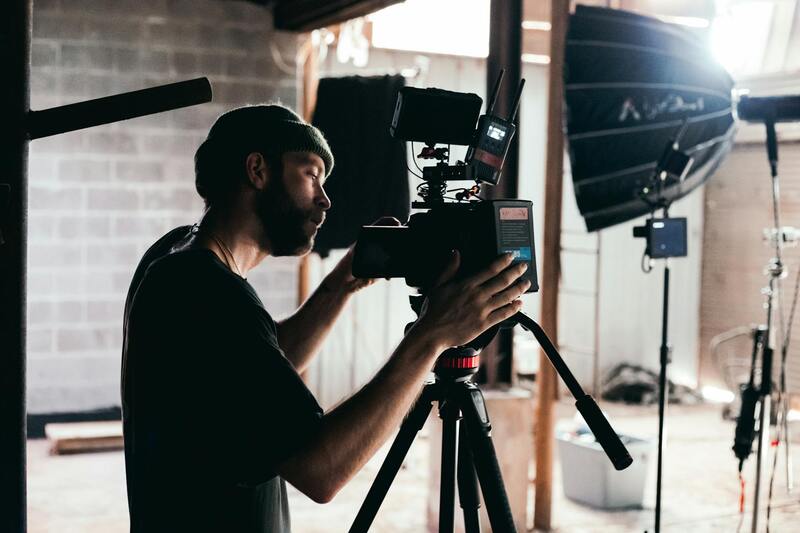
Miami’s vibrant scenery and diverse locations provide a rich backdrop for filming corporate branding videos. Professional crews utilize state-of-the-art equipment, including high-definition cameras, aerial drones, and lighting setups to capture high-quality footage. Coordination with local authorities and securing permits are crucial steps to ensure smooth filming operations.
The production timeframe varies based on project complexity but typically involves multiple shooting days. Directors and cinematographers work closely with clients to capture footage that authentically reflects the company’s environment, culture, and interactions with employees and clients. Ensuring seamless communication during this phase minimizes revisions and preserves the intended message quality.
Post-Production and Editing
Post-production transforms raw footage into a cohesive visual story. Skilled editors integrate visual and sound elements, refine color grading for a consistent look, and incorporate motion graphics or animations that underscore key messages. To ensure the content aligns with branding standards, color palettes, logos, and fonts are meticulously applied during editing.
Music selection is pivotal, enhancing emotional engagement without overpowering the narrative. Voiceovers and subtitles are added to improve accessibility and clarity. Final review rounds with stakeholders enable polishing of the content, ensuring the video effectively captures the organization’s vision.
Distribution and Promotion Strategies
Once finalized, strategic distribution amplifies the reach and impact of the corporate branding video. Hosting the video on the company website enhances credibility and provides visitors with insight into the organization’s culture. Sharing across social media platforms like LinkedIn, YouTube, and Instagram increases visibility among targeted demographics.
Embedding videos within email campaigns or using them at industry events creates multiple touchpoints for engagement. Additionally, repurposing video snippets for advertisements, presentations, and internal communications maximizes return on investment. Tracking viewer interactions and engagement metrics offers insights into audience preferences and the overall effectiveness of distribution efforts.
Measuring Success and ROI
Evaluating the effectiveness of a corporate branding video involves analyzing key performance indicators such as view counts, engagement rates, and audience feedback. Tools like heat maps and click-through rates further reveal how viewers interact with the content across different platforms.
Feedback from internal stakeholders and external audiences helps refine future branding strategies. Regular assessments ensure the video continues to support branding goals and provides measurable value in strengthening brand presence and industry positioning.
Pre-Production Planning and Strategy
Effective execution of a corporate branding video begins with meticulous planning. This phase involves identifying the target audience with precision, understanding their preferences, challenges, and the channels through which they consume content. Clarity on the intended viewers allows for the development of a tailored message that resonates and drives engagement. Establishing clear objectives is essential; these could include enhancing brand awareness, communicating a corporate value, or positioning the company as an industry leader. Setting measurable goals ensures that every aspect of the production aligns towards achieving these outcomes. For example, metrics like increased website traffic, social media engagement, or lead generation can serve as benchmarks for success. A comprehensive strategy also encompasses budgeting, selecting suitable formats and platforms, and pinpointing key messaging points. Collaborative input from marketing teams, executives, and creative professionals ensures alignment with brand standards and organizational goals. This foundational roadmap guides subsequent stages, reducing uncertainties and fostering a focused approach during production. While planning, consider logistical aspects such as scheduling, location scouting, and resource allocation. Identifying appropriate locations and securing necessary permissions are vital steps that influence the authenticity and professionalism of the final product. Additionally, scripting and storyboarding serve as visual and narrative blueprints, ensuring clarity and coherence throughout the production process. Ultimately, thorough pre-production strategizing minimizes revisions, streamlines workflows, and ensures the final corporate branding video is impactful, targeted, and aligned with the company’s brand identity.
Creative Development and Concept Design
The creative development phase of a corporate branding video involves transforming strategic insights into compelling visual narratives that reinforce the brand’s identity. This stage begins with brainstorming sessions where creative teams explore ideas that align with the company's core values, target audience preferences, and overall messaging goals. During this phase, mood boards, storyline concepts, and visual themes are generated to establish a cohesive look and feel for the video.
Designing a central concept requires deep understanding of brand positioning and the message the company aims to communicate. Consistent use of color palettes, logo placements, and typography ensures visual coherence with existing brand assets. At this point, scriptwriters craft dialogues or narration scripts that complement the visual storytelling, emphasizing key brand messages.
Storyboarding serves as a blueprint, illustrating each scene’s composition, camera angles, transitions, and visual effects. This allows stakeholders to visualize the final product, providing opportunities for feedback and refinement before production begins. The creative concept must be engaging, authentic, and memorable, capable of resonating emotionally with viewers while maintaining a professional tone appropriate for the corporate environment.
In addition, the choice of talent, locations, and production techniques is aligned with the overarching creative theme. This deliberate process ensures that every element work harmoniously to reinforce the brand identity and foster a lasting impression on the target audience.

Effective Methods for Distribution and Promotion
Maximizing the reach of a corporate branding video involves deploying targeted distribution and promotional strategies that align with the brand's objectives and audience preferences. Utilizing multiple channels ensures the message resonates across diverse platforms, capturing the attention of prospective clients, partners, and internal stakeholders alike.
One of the foundational steps in distribution is optimizing video content for each platform's unique specifications. For example, social media channels like LinkedIn and Facebook favor shorter, engaging clips with subtitles, while YouTube allows for longer, more detailed videos optimized with relevant keywords and comprehensive descriptions. Deploying videos as part of a wider content calendar guarantees consistent visibility, reinforcing brand messaging over time.
Embedding videos directly on the company's official website and landing pages creates a seamless user experience, encouraging visitors to engage further with the brand. This approach not only increases dwell time but also enhances conversion efforts by integrating compelling calls-to-action that guide viewers toward desired outcomes, such as product inquiries or newsletter sign-ups.
In addition to organic methods, paid advertising campaigns can significantly amplify reach. Targeted social media ads and sponsored posts leverage advanced demographic targeting tools, allowing brands to pinpoint specific audience segments based on interests, geographic locations, and professional backgrounds. These strategic investments often result in higher engagement rates and more qualified leads.

Another pivotal avenue involves leveraging email marketing campaigns. Incorporating videos into newsletters or dedicated promotional emails captivates recipients while providing a dynamic way to communicate core messages. Additionally, syndication through industry-specific portals, trade associations, and partner networks broadens exposure beyond direct channels.
Engaging in media outreach and press releases can generate organic coverage from industry publications, further solidifying the brand's authority. Collaborations with influencers or brand ambassadors can extend geographical and demographic reach while enhancing authenticity and relatability. This multi-faceted promotional approach ensures the video reaches a broad and relevant audience, driving engagement and reinforcing brand awareness.
Post-Production and Editing
Once filming is complete, the editing phase begins, serving as the cornerstone for transforming raw footage into a polished corporate branding video that resonates with targeted audiences. Expert editing techniques are crucial in ensuring the message is clear, engaging, and aligned with the company's brand identity. This process involves meticulous selection of footage, synchronization of audio, color grading, and the integration of motion graphics, titles, and animations that reinforce brand recognition.
Incorporating branding elements during editing is essential to maintain consistency across all visual communications. This includes the strategic placement of logos, brand colors, and typography that reflect the company’s visual identity. Subtle yet effective visual cues, such as watermarks or branded lower thirds, can enhance recognition without disrupting viewer engagement. Additionally, the use of professional voiceovers and sound design ensures the message is conveyed with clarity and emotional impact.
Alignment with marketing goals requires a deliberate editing approach that emphasizes key messages, calls-to-action, and unique value propositions. This involves crafting a narrative arc that captures attention early, maintains interest through compelling storytelling, and concludes with a strong call-to-action that directs viewers toward desired interactions, such as visiting the website or engaging with social media platforms.
Technical precision in editing ensures the final product meets the highest quality standards. Color grading enhances visual appeal, making the video vibrant and visually cohesive. Smooth transitions and professional effects contribute to a seamless viewing experience, elevating the overall perception of the brand. Final audio mixing and sound effects are equally important to ensure clarity, professionalism, and emotional resonance.
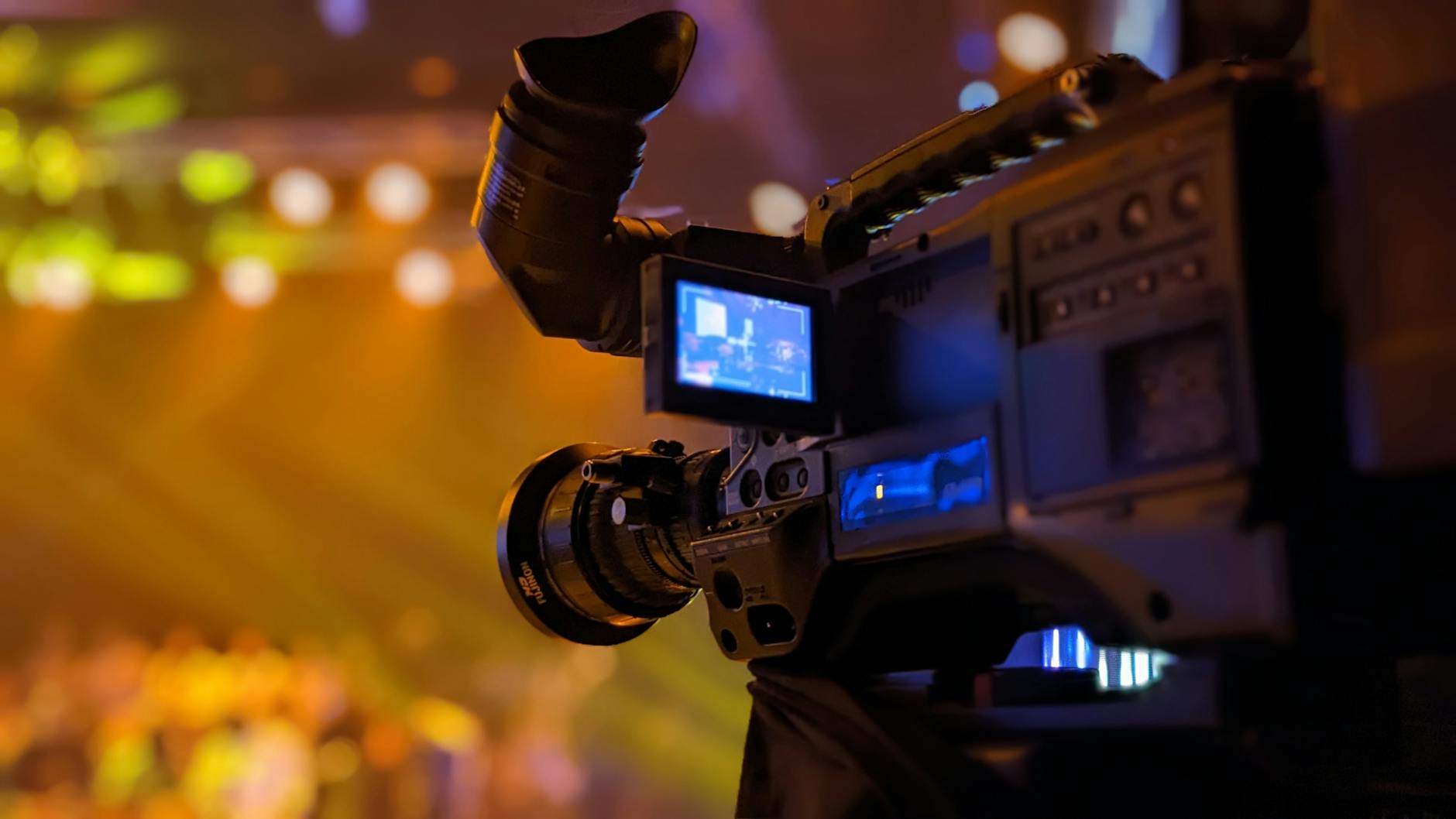
Ultimately, a well-edited corporate branding video not only visually represents the company’s identity but also strategically reinforces its messaging, leaving a lasting impression on viewers and supporting broader marketing objectives.
Distribution and Promotion Strategies
Once a corporate branding video has been finalized, its potential to elevate brand awareness depends heavily on strategic distribution and promotion. Leveraging diverse channels ensures the video's message resonates with targeted audiences and reinforces the company's brand identity across multiple touchpoints.
Effective video distribution begins with integration into an existing digital ecosystem, including the company's official website and landing pages. Embedding the video prominently on the homepage or dedicated brand pages enhances visitor engagement and provides immediate visual reinforcement of core messaging. Additionally, optimizing the video's placement with clear calls-to-action (CTAs) encourages viewers to explore further, such as signing up for newsletters or connecting on social media.
Social media platforms represent vital channels for broadening the reach of corporate branding videos. Platforms like LinkedIn, Facebook, Instagram, and YouTube enable targeted sharing to specific demographics, industries, or geographic locations. Customized snippets or teaser clips can be crafted for each platform to generate interest and drive traffic to the full video. Consistent posting schedules and strategic hashtags further amplify visibility and engagement.
Beyond organic dissemination, paid advertising campaigns can significantly boost the video's reach. Using geo-targeted ads, sponsored posts, or video ads within social media feeds can target audience segments with precision. These campaigns should be aligned with marketing goals, such as increasing brand recognition, attracting new clients, or promoting specific products or services.

In addition to online channels, email marketing campaigns can incorporate the video to engage existing contacts and stakeholders. Embedding videos within newsletters or tailored email content can enhance message clarity and foster stronger connections. For offline channels, such as industry events or corporate presentations, a high-quality video serves as a compelling visual aid that reinforces key messages in face-to-face interactions.
Tracking the effectiveness of distribution efforts requires monitoring metrics such as view counts, engagement rates, click-through rates, and conversion statistics. Using analytics tools enables ongoing optimization of promotional strategies, ensuring the video continues to serve as a powerful branding asset.
Effective Post-Launch Strategies for Corporate Branding Videos
Once a corporate branding video has been launched, the focus shifts to maximizing its reach and ensuring it resonates with the target audience. An essential step is establishing a comprehensive distribution plan that leverages multiple channels. Social media platforms, including LinkedIn, Facebook, Twitter, and Instagram, serve as primary avenues for reaching diverse audiences. Customized content adaptations, such as snippets, behind-the-scenes footage, or testimonials, can enhance engagement. Regular content calendar updates maintain freshness, keeping the brand top of mind.

Beyond organic posting, strategic paid advertising campaigns offer targeted exposure. Geo-targeted ads, sponsored content, and retargeting efforts help reinforce brand messages to specific demographics. These targeted campaigns are tailored to align with marketing objectives, whether to increase brand awareness, attract new customers, or promote particular services.
Engaging Stakeholders and Internal Audiences
In addition to public dissemination, engaging internal stakeholders through employee blogs, intranet platforms, and email newsletters supports consistent brand messaging. Employees as brand ambassadors can further amplify the video's reach through sharing and recommendation, fostering a cohesive brand image internally and externally.
Leveraging Offline Opportunities
High-quality corporate videos are invaluable during face-to-face interactions, including industry conferences, client meetings, and internal presentations. Embedding videos in presentations or distributing them on portable devices enhances stakeholder engagement. These offline moments provide personalized occasions to reinforce brand values and differentiate the business in competitive environments.
Monitoring and Optimizing Distribution Efforts
Effectiveness measurement is crucial to refining ongoing promotional strategies. Metrics such as view counts, engagement levels, shares, and conversion rates provide insights into audience reception. Analytical tools facilitate a detailed understanding of content performance, enabling marketers to adjust messaging, timing, and channel focus. This data-driven approach ensures continued relevance and efficacy of the corporate branding video.
Further Enhancing Visibility through Partnerships
Collaborating with industry influencers, partner organizations, or media outlets can amplify the video's impact. Co-branded initiatives, guest appearances, and joint events extend the content's reach, positioning the brand within larger narratives and industry conversations. These strategic partnerships build credibility and foster new outreach opportunities.
Establishing a Feedback Loop for Continuous Improvement
Encouraging audience feedback through comments, surveys, and direct communication channels provides valuable insights into how the brand is perceived. Analyzing this data guides future content strategies, ensuring that subsequent videos and campaigns better align with audience expectations. Regular review cycles help sustain relevance and foster an ongoing dialogue with stakeholders.