
Understanding Corporate Video Production
Corporate video production encompasses the creation of visual content tailored specifically to communicate a company's messages, brand identity, products, services, or corporate culture. This process involves a comprehensive series of stages that transform conceptual ideas into compelling visual storytelling, aligning with strategic business objectives. Effective corporate videos serve as powerful tools in enhancing brand recognition, facilitating internal communication, launching new products, or showcasing company achievements to a broader audience.
In the context of modern business environments, the importance of professionally produced corporate videos cannot be overstated. They play a vital role in marketing campaigns, shareholder presentations, training modules, and recruitment efforts. Leveraging high-quality visuals, engaging narratives, and strategic messaging ensures a company’s story resonates with its target audience, fostering trust and credibility.
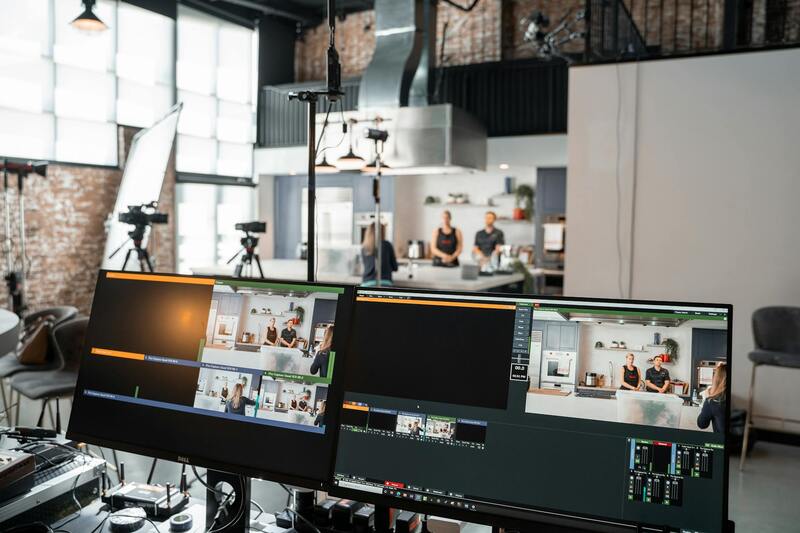
Successful corporate video production requires meticulous planning and execution, emphasizing clear objectives, target audience understanding, and consistency with branding guidelines. From scripting to filming, and from editing to distribution, each phase is critical in delivering a polished final product that aligns with the company's strategic vision.
By investing in professional corporate video services, businesses ensure that their messaging is both impactful and memorable. This approach not only elevates the company's image but also drives engagement, builds authority in the industry, and supports various marketing and communication initiatives. As visual content continues to dominate digital platforms, the significance of well-produced corporate videos only grows, making them an indispensable component of comprehensive business strategies.
Planning and Pre-Production Processes
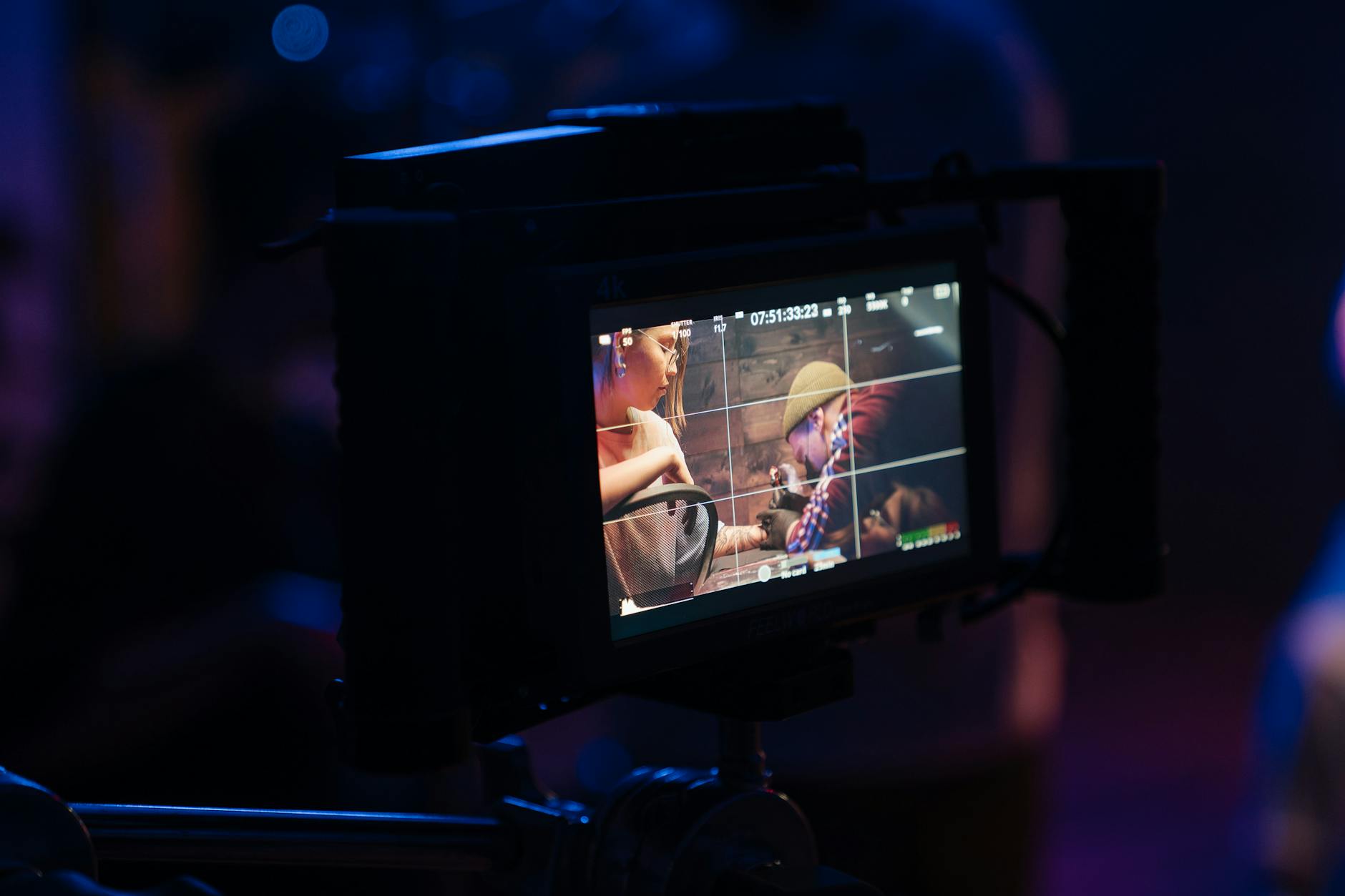
Effective corporate video production begins well before the cameras start rolling, with meticulous planning and pre-production stages. This phase involves defining the core purpose of the video, establishing clear objectives, and identifying the target audience. Understanding the intended message ensures that every element of the production aligns with the strategic vision of the business. During this stage, scripting and storyboarding are pivotal, as they serve as the blueprint for the visual narrative, helping to visualize scenes and plan transitions seamlessly.
Budget considerations are also addressed during pre-production, encompassing costs related to equipment, talent, locations, and post-production. Securing necessary permits and scheduling shoots around key business activities minimize disruptions to daily operations. Location scouting plays a vital role; selecting environments that resonate with the brand identity while accommodating logistical needs enhances the overall production quality.
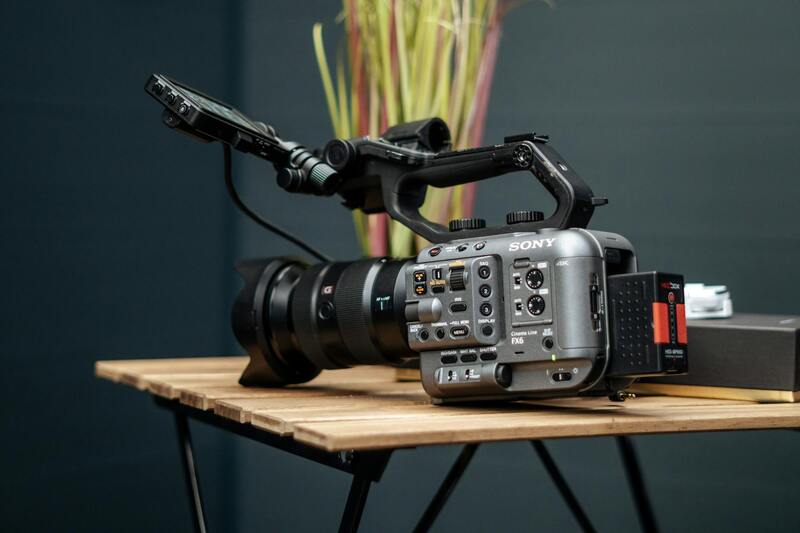
Collaborating with experienced professionals during this phase guarantees that the project's scope remains clear and achievable. Clear communication between the marketing team, creative directors, and production crew facilitates alignment on style, tone, and messaging. This preparation phase is crucial to prevent costly revisions and delays during filming, ensuring the project remains within scope and on schedule.
Production Techniques and Best Practices
During production, the focus shifts to capturing high-quality footage that accurately reflects the planned narrative and visual style. Employing advanced camera techniques, such as smooth movement, framing, and lighting, contributes significantly to the visual appeal of the final product. Utilizing stabilizers, drones, or multiple cameras can enhance production value, providing diverse perspectives and dynamic shots.
Consistent communication with the crew on set ensures that the creative vision is realized efficiently. Sound quality is equally vital; using professional microphones and monitoring equipment captures clear audio that complements the visuals. When filming in multiple locations, meticulous management of logistics minimizes disruptions and maintains continuity.
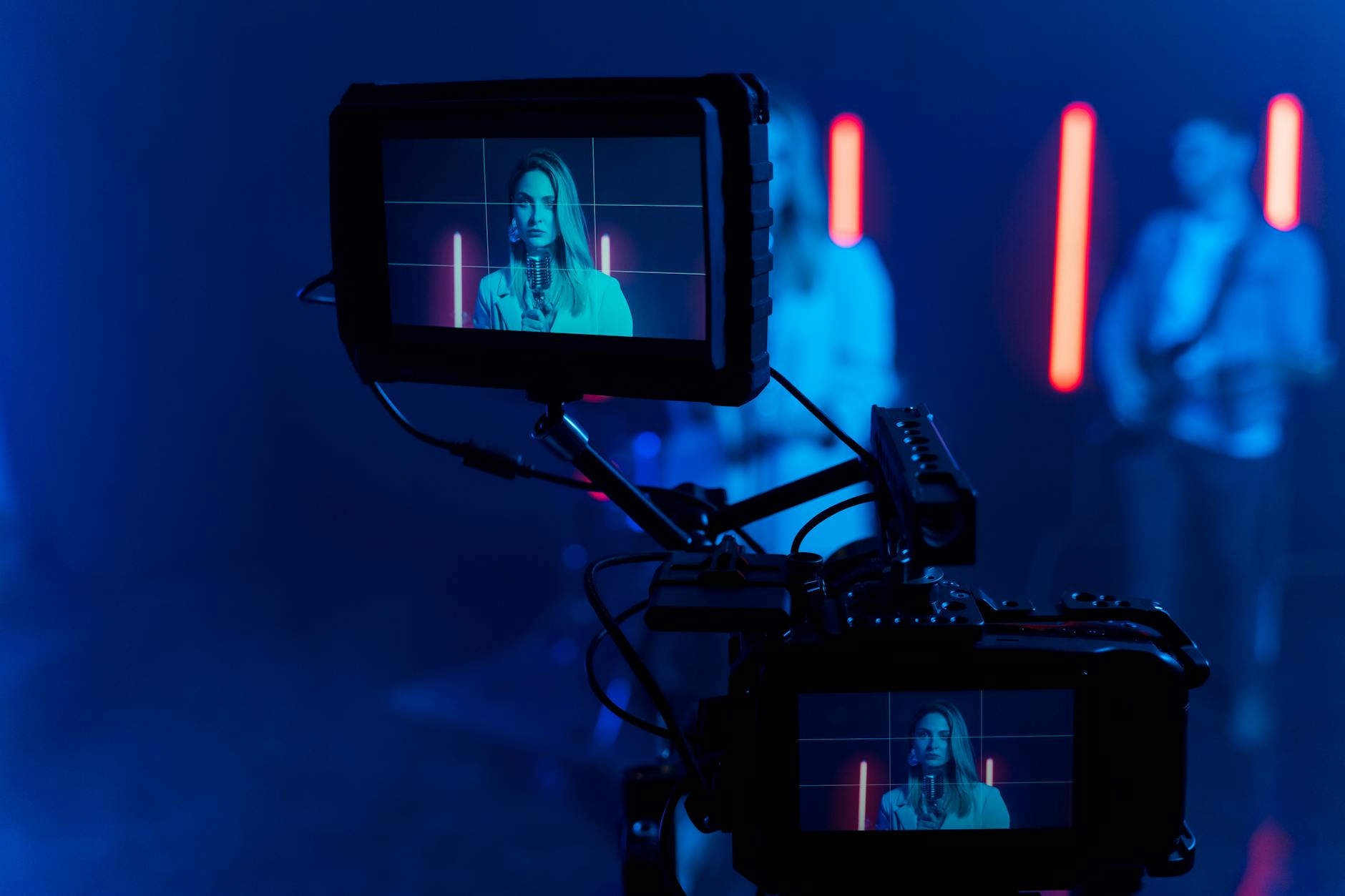
Adopting industry standards for frame rates, aspect ratios, and color science ensures that footage integrates seamlessly during the editing process. Post-shoot, reviewing and backing up all raw files prevents data loss and allows for comprehensive review before moving into editing phases. Efficient production practices not only optimize resource use but also lay the groundwork for a compelling visual story that resonates with viewers, reinforcing the company’s message and brand identity.
Understanding Corporate Video Production
Corporate video production is a comprehensive process that transforms conceptual ideas into engaging visual stories tailored to meet specific business objectives. It involves a structured approach, starting from detailed planning to the execution phase and finally to distribution. Effective corporate videos serve as powerful tools for brand storytelling, showcasing company values, products, services, and testimonials to target audiences in a compelling manner.
Successful production hinges on three core elements:
- Clear Objectives: Defining what the business aims to communicate, whether it’s brand awareness, product launch, or training.
- Strategic Planning: Developing a detailed roadmap that outlines the content scope, target audience, messaging style, and delivery platforms.
- High-Quality Execution: Employing advanced filming techniques and professional post-production practices to ensure the final product meets industry standards.
Incorporating these elements ensures that the corporate video not only captures attention but also drives engagement and supports the company's broader marketing goals. An effective corporate video should be authentic, visually appealing, and aligned with the company's ethos, making it a vital asset in today's digital-driven marketplace.
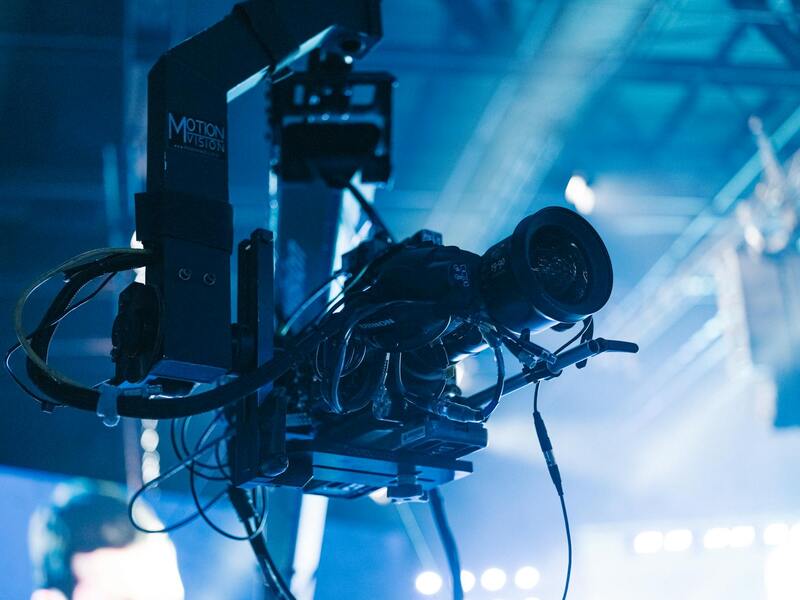
Throughout the production journey, collaboration among scriptwriters, directors, cinematographers, and other professionals is crucial. This facilitates a cohesive storytelling approach, ensuring that visual elements accurately represent the intended message. The choice of locations, costumes, and props also significantly influences the authenticity and professionalism of the final piece.
Additionally, technological considerations such as camera selection, lighting setups, and sound equipment play a vital role in achieving a polished look. Utilizing stabilization tools, drones for aerial shots, and multiple camera angles can add dynamism and depth to footage, increasing its visual appeal.
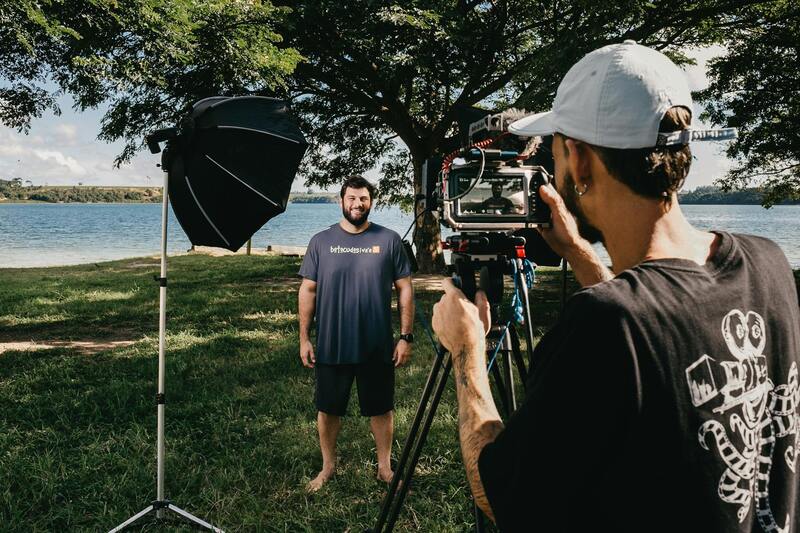
Post-production is where raw footage is transformed into a cohesive story. This phase involves editing, color grading, sound design, and visual effects. Skilled editors fine-tune the footage, ensuring smooth transitions, optimal pacing, and consistent visual aesthetic. The integration of music, voiceovers, and graphics complements the narrative, making the corporate message more memorable and impactful.
Maintaining alignment with brand guidelines during editing further reinforces corporate identity across all visual materials. The final step involves delivering the finished product in the required formats, ready for deployment across various channels such as websites, social media, trade shows, and internal communications.
Production Techniques and Best Practices
Executing a corporate video with high production standards requires careful selection of filming methods and equipment tailored to the project's goals. Using professional-grade cameras capable of capturing sharp, high-resolution footage is fundamental. These cameras often support various lenses to achieve different visual effects, from wide-angle shots for establishing scenes to telephoto lenses for close-ups that convey emotion and detail.
Lighting setups are equally crucial. Proper lighting enhances the visual quality and ensures the subject stands out clearly against backgrounds, eliminating unwanted shadows or glare. Softboxes, diffusers, and LED panels provide consistent, controllable illumination that adapts to different environments.
Sound quality is another pillar of production excellence. Clear audio recordings necessitate the use of lapel mics, shotgun microphones, and sound mixers to capture dialogues and ambient sounds accurately. Recording in controlled acoustic environments reduces background noise, resulting in professional-grade soundtracks.
To elevate the production value, utilizing stabilization rigs such as gimbals and dollies helps achieve smooth camera movements, minimizing shake and adding a cinematic feel. Drones can acquire compelling aerial footage, offering unique perspectives that add depth and grandeur to corporate narratives.
Moreover, planning shot compositions in advance allows efficient use of filming time and ensures coverage of critical scenes. Multiple camera setups enable simultaneous capturing of scenes from different angles, providing editors with versatile footage for dynamic editing.
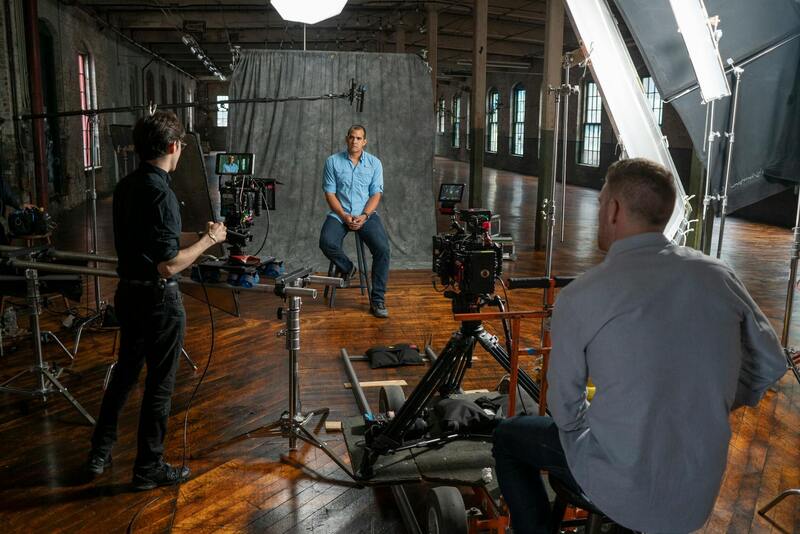
Effective Post-Production Techniques to Elevate Your Corporate Videos
Post-production constitutes a critical stage where raw footage transforms into a compelling narrative aligned with strategic communication goals. Meticulous editing ensures that each scene seamlessly connects, emphasizing the key messages intended to resonate with the target audience. Advanced editing software allows for precise cuts, color grading, and the integration of graphics that reinforce brand identity.
Visual effects can enhance storytelling by adding visual flair or clarifying complex concepts through animated infographics and overlays. For instance, motion graphics illustrate data points dynamically, making information more accessible and engaging. Sound design also plays a pivotal role; ambient sound, voiceovers, and background music are carefully balanced to create an immersive viewing experience without overpowering the spoken content.
Quality assurance is fundamental during post-production. Multiple review sessions with stakeholders help identify necessary revisions, ensuring the final output aligns perfectly with branding standards and messaging objectives. Color correction adjusts the mood and tone, consistent with brand aesthetics, and ensures visual consistency across scenes. Carefully mixed audio levels guarantee clarity and professionalism in the final cut.
Furthermore, incorporating closed captions and subtitles broadens the reach of corporate videos, catering to diverse audiences and improving accessibility. When encoding the final version, selecting the appropriate formats and resolutions ensures compatibility across various distribution channels, from web platforms to internal presentations.
Collaborating with experienced editors who understand corporate branding and storytelling techniques ensures that the finalized video maintains a high standard of quality. This process not only refines the visual and auditory elements but also ensures the video effectively communicates the desired message, engages viewers, and leaves a lasting impression. With diligent attention to all post-production aspects, your corporate video will stand out as a polished representation of your brand’s values and initiatives.
Ensuring Effective Distribution and Promotion of Corporate Videos
Once your corporate video has been meticulously produced and polished through professional editing, the next critical phase involves strategic distribution and promotion. This ensures that the intended audience not only views the content but also engages meaningfully with the message conveyed.
Leveraging multiple channels maximizes video reach:
- Company Websites: Embedding videos on landing pages or dedicated media sections enhances engagement and encourages visitors to learn more about your offerings. Optimized for SEO, videos embedded here can also improve search engine rankings.
- Social Media Platforms: Platforms such as LinkedIn, Facebook, Instagram, and Twitter serve as ideal venues for sharing corporate videos. Tailoring content formats and lengths for each platform increases visibility and facilitates dialogue with your audience.
- Email Campaigns: Incorporating videos within newsletters or targeted email series boosts open rates and click-through engagement. Personalization and compelling thumbnails can further entice recipients to view the content.
- Internal Communication Channels: Using intranet portals, employee newsletters, and internal social networks ensures that stakeholders and staff stay aligned with corporate messaging.

To maximize impact, companies often integrate their corporate videos into comprehensive marketing strategies. This includes repurposing content into shorter clips, teasers, or testimonials to adapt to different audience preferences and platform specifications. Utilizing targeted advertising options on social media can further extend reach, especially when precise audience segmentation is employed.
Complementary to digital methods, face-to-face events such as conferences, trade shows, and internal presentations provide direct avenues for showcasing corporate videos. These events allow for real-time interaction and feedback, creating memorable impressions that reinforce brand values.
Monitoring the performance of distributed videos is vital to optimizing future campaigns. Tracking metrics such as views, engagement rates, sharing activity, and audience feedback offers valuable insights into what resonates most. This data-driven approach guides adjustments in content strategy, ensuring continuous improvement and heightened ROI for video marketing efforts.
Understanding Corporate Video Production
When it comes to creating impactful content, corporate video production for business involves a comprehensive process that ensures the delivery of a clear, professional message tailored to meet specific organizational goals. This process encompasses multiple phases, each dedicated to capturing the essence of the company’s values, culture, and objectives. Effective production begins with a strategic approach that aligns content with targeted audiences and brand positioning, emphasizing authenticity and professionalism throughout each step.
Pre-Production Planning and Strategy
Before filming begins, meticulous planning is essential. This includes identifying the core message, defining target demographics, and establishing desired outcomes. Companies need to develop detailed scripts or storyboards, select appropriate locations, and assemble a skilled team of videographers, editors, and project managers. Budget considerations, timelines, and logistics are also mapped out to streamline the production process and prevent unforeseen delays or costs.
Technical Considerations and Equipment
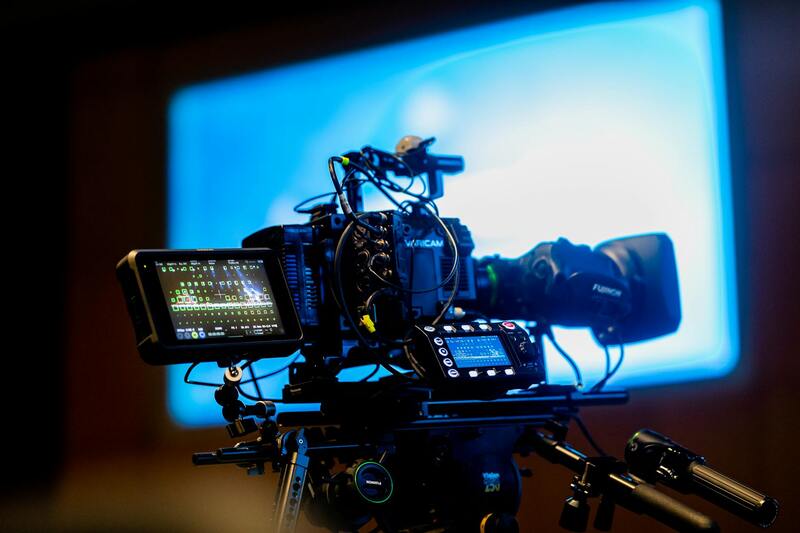
High-quality production relies heavily on selecting the right technical equipment, such as professional-grade cameras, lighting, and audio equipment. Advanced stabilization tools, drones for aerial shots, and specialized lenses can enhance visual storytelling. Utilizing the latest technology ensures crisp, clear footage that resonates with viewers across all platforms, reinforcing the company's professionalism and commitment to quality.
Creative Concept Development
Creating compelling visuals involves translating strategic ideas into captivating narratives. This might include storytelling techniques that evoke emotion, showcase innovation, or emphasize corporate values. Design elements such as animations, graphics, and compelling visuals are integrated to amplify the message and maintain viewer engagement. The creative process is collaborative, often involving consultation with branding specialists and marketing teams to ensure consistency and impact.
Visual Style and Branding
The visual style of a corporate video should reflect the company's established branding guidelines. This includes adherence to color schemes, logo placement, font choices, and overall aesthetic to reinforce brand recognition. Consistent visual identity across various communication channels enhances trust and recall among target audiences.
Execution and Quality Assurance
During filming, attention to detail is critical. Professionals focus on capturing clean footage, effective sound recording, and seamless transitions. Multiple takes and real-time adjustments are standard practices to ensure the highest quality. Post-shoot reviews and on-site editing choices help identify any inconsistencies that can be addressed immediately, maintaining the integrity of the original concept.

Post-Production Process
Editing is where raw footage is transformed into a polished final product. Skilled editors cut, arrange, and color-grade footage to enhance visual appeal, coherence, and pacing. Adding visual effects, annotations, and voiceovers helps clarify messaging and retain viewer interest. Sound design and music selection are vital to evoke appropriate emotions and reinforce branding.
Ensuring Consistency and Effectiveness
Throughout the post-production phase, ensuring consistency with the original strategic goals is paramount. Reviewing sequences against client briefs and aligning edits with branding standards guarantees that the end product fulfills its intended purpose. Quality control measures, including multiple review stages and stakeholder feedback, are integral to achieving a refined and impactful video.
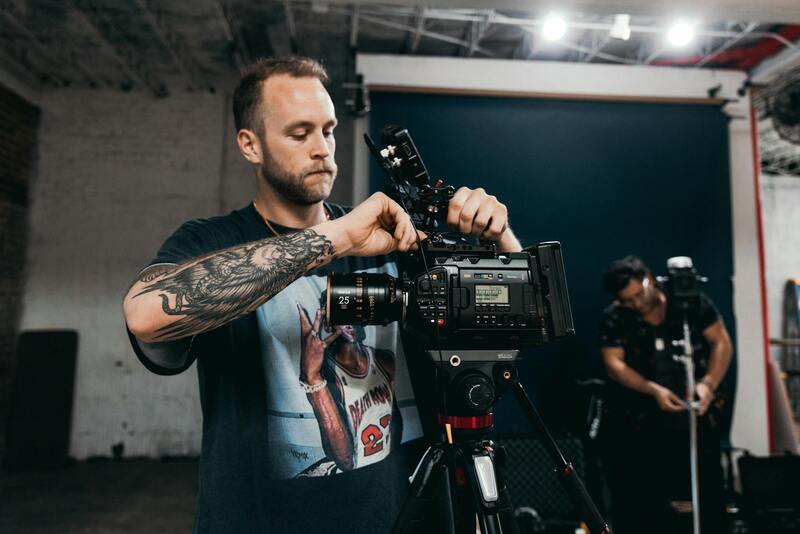
Ensuring Proper Distribution and Effective Promotion of Corporate Videos
Once the corporate video has been meticulously crafted and thoroughly edited, the next critical step is its strategic distribution and promotion. Achieving maximum reach involves leveraging multiple channels suited to the target audience, ensuring the message resonates across various platforms. A carefully planned dissemination strategy enhances visibility, engagement, and ultimately, the video’s contribution to business objectives.
Strategic Distribution Channels
Effective distribution begins with selecting the most appropriate platforms based on the video’s purpose and target demographic. Key channels include:
- Company Website and Landing Pages: Hosting videos on the company’s official site allows visitors to engage directly with branded content while reinforcing messaging.
- Social Media Platforms: Utilizing platforms such as LinkedIn, Facebook, Instagram, and Twitter ensures targeted reach. Tailoring content format and length to each platform maximizes engagement.
- YouTube and Video Hosting Services: YouTube remains the premier platform for broader outreach and search visibility. Embedding videos on YouTube also facilitates sharing and discoverability.
- Email Campaigns and Newsletters: Incorporating videos within email marketing nurtures existing contacts and encourages sharing within their networks.
- industry events and trade shows: Screening videos at events fosters direct interaction with potential clients and partners.
Optimizing Video Content for Platforms
To enhance performance across channels, videos should be optimized with SEO best practices. These include using relevant keywords in titles, descriptions, and tags; incorporating accurate transcripts and captions to improve accessibility and search indexing; and ensuring high-quality visuals and sound for professional presentation. Adapting the call-to-action (CTA) in each context guides viewers toward desired actions, such as visiting a website or contacting sales teams.
Paid Promotion and Targeted Advertising
Paid advertising campaigns, such as social media ads and search engine marketing, allow precise audience targeting based on demographics, interests, and behavior. Implementing retargeting strategies can re-engage viewers who previously interacted with the content, fostering conversion. Monitoring ad performance through analytic tools provides insights into viewer engagement and helps refine future promotion efforts.
Measuring Engagement and Impact
Tracking key performance indicators (KPIs) such as view counts, watch time, click-through rates, and social shares offers a comprehensive view of the video’s reception. Analyzing audience feedback and engagement patterns reveals insights into the messaging's clarity and relevance. This data-driven approach facilitates continuous improvement of future videos and distribution strategies, ensuring alignment with business goals.
Engaging Stakeholders and Internal Teams
Beyond external promotion, integrating videos into internal communications can strengthen team cohesion and reinforce corporate culture. Sharing updates, training modules, and executive messages via video ensures consistent messaging and enhances engagement within the organization. Cross-departmental collaboration in distribution planning also guarantees that videos reach all relevant teams and stakeholders effectively.