
Making a Corporate Video: Understanding Its Purpose and Foundation
In the competitive landscape of Miami's vibrant business community, producing a compelling corporate video serves as a strategic tool to elevate brand presence, communicate core messages effectively, and foster engagement with target audiences. Whether aiming to boost brand awareness, support marketing campaigns, or facilitate internal communication channels, a well-crafted corporate video aligns with specific business objectives and resonates with viewers. Recognizing the primary goals behind creating such videos ensures that each phase of production—from conceptualization to distribution—is purpose-driven and impactful.

Defining the Core Objectives
When embarking on the creation of a corporate video, it is essential for Miami-based businesses to clearly identify the primary goal. Common objectives include:
- Brand Building: Showcasing the company’s values, culture, and mission to establish a strong brand identity within the local and global markets.
- Marketing and Promotion: Highlighting products or services to generate leads, attract new clients, and increase conversions.
- Internal Communication: Engaging employees, sharing corporate updates, or conducting training sessions to enhance workplace cohesion and productivity.
- Stakeholder Engagement: Communicating with investors, partners, and stakeholders to build trust and transparency.
Customization for Miami-Based Businesses
Miami’s unique cultural landscape and thriving industries call for videos that reflect local identity while maintaining global standards of quality. Emphasizing regional themes, showcasing local landmarks, or incorporating bilingual elements can strengthen relevance and appeal to the target demographic.
Aligning Video Goals with Business Strategies
Successful corporate videos are deeply integrated into a comprehensive marketing and communication plan. This entails understanding the company’s broader mission, target audience, and competitive positioning to craft content that not only informs but also inspires action.
Understanding the purpose of the video at the outset ensures that every subsequent step—planning, production, and distribution—is aligned with overarching business goals, ultimately maximizing the return on investment.
Strategic Planning for Making a Corporate Video
Developing a corporate video begins with meticulous planning to ensure the final product aligns with your organization’s core objectives. Establishing clear goals is essential—whether the purpose is to educate employees, promote products, attract new clients, or communicate with stakeholders. Understanding the target audience informs every aspect of the video, from tone and style to distribution channels. For instance, a video aimed at young professionals may adopt a dynamic, upbeat approach, whereas content targeting executive stakeholders might favor a more polished, formal presentation.
Once goals and audience are defined, crafting a compelling message becomes the next priority. This message should succinctly encapsulate your brand's value proposition while resonating emotionally or logically with viewers. Incorporate local themes, regional dialects, or landmarks to strengthen relevance for Miami-based audiences, resonating with their cultural context. Strategic messaging ensures that the video amplifies your brand voice and fosters meaningful connections with viewers.

Conception and script development serve as the blueprint for your production. Clear storyboards and detailed scripts assist production teams in visualizing scenes and ensuring narrative coherence. This phase allows for revising ideas, refining messaging, and selecting visual elements that reflect the vibrant Miami culture, such as local landmarks or bilingual content, thereby enhancing viewer engagement and cultural relevance.
Defining a Creative Approach
Establishing a creative direction involves determining the style, tone, and visual identity of the video. Whether opting for a documentary-style narrative, a sleek corporate presentation, or an energetic brand story, the approach should resonate with your target audience. Consistency in branding—color schemes, logos, and messaging—strengthens recognition, while elements like local scenery or bilingual subtitles can make the content more accessible and captivating for Miami’s diverse community.
Assembling the Production Team
Engaging experienced professionals is crucial to executing your vision effectively. This includes videographers, scriptwriters, lighting technicians, and audio specialists. Choosing individuals familiar with your industry and local culture ensures authenticity and quality. Miami-based production companies often have an ingrained understanding of the regional landscape, enabling them to incorporate local nuances seamlessly into the final product.
Developing a Detailed Production Schedule
Proactively establishing a timeline minimizes delays and maintains project momentum. The schedule should incorporate pre-production tasks, filming dates, editing phases, and review periods. Ensuring all stakeholders are aligned and informed throughout the process prevents bottlenecks and fosters a collaborative environment, resulting in a more cohesive and compelling corporate video.
This strategic approach guarantees you stay within budget while meeting deadlines, allowing for adjustments in response to unforeseen challenges or creative refinements. Continual communication with your production team ensures everyone remains aligned on project expectations, facilitating a smooth transition from concept to completed video.
Effective Methods for Making a Corporate Video
Utilizing Professional Equipment and Techniques
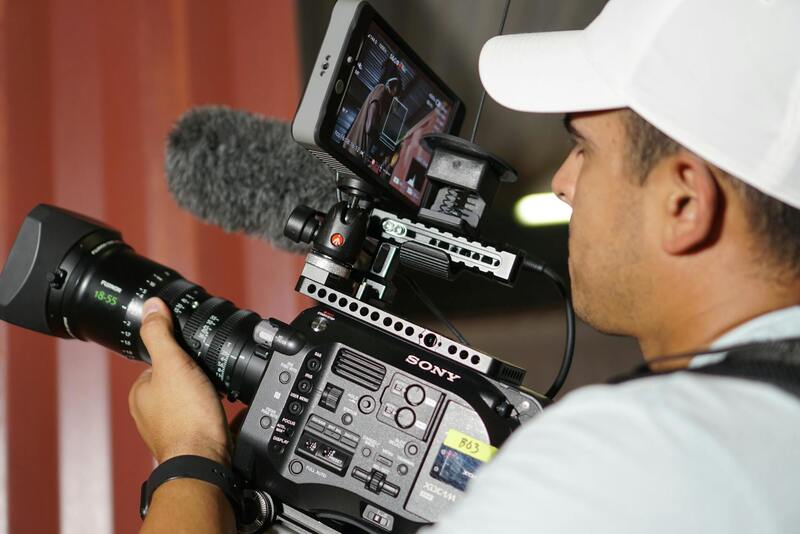
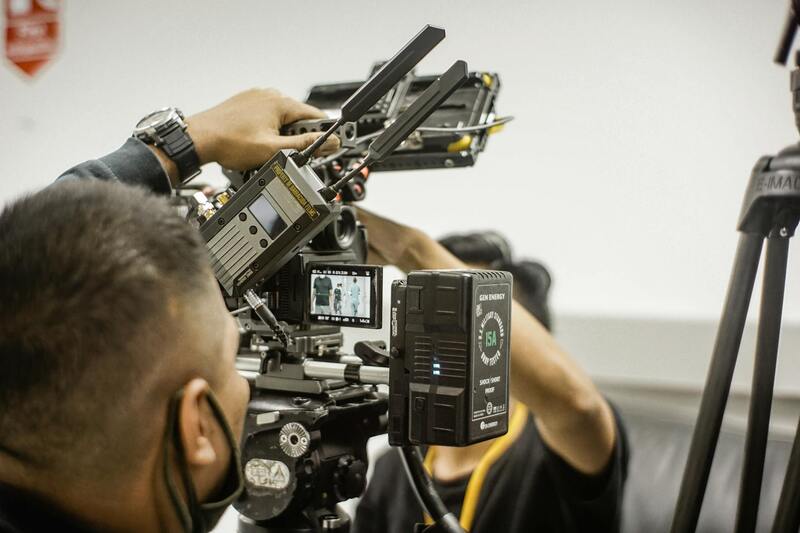
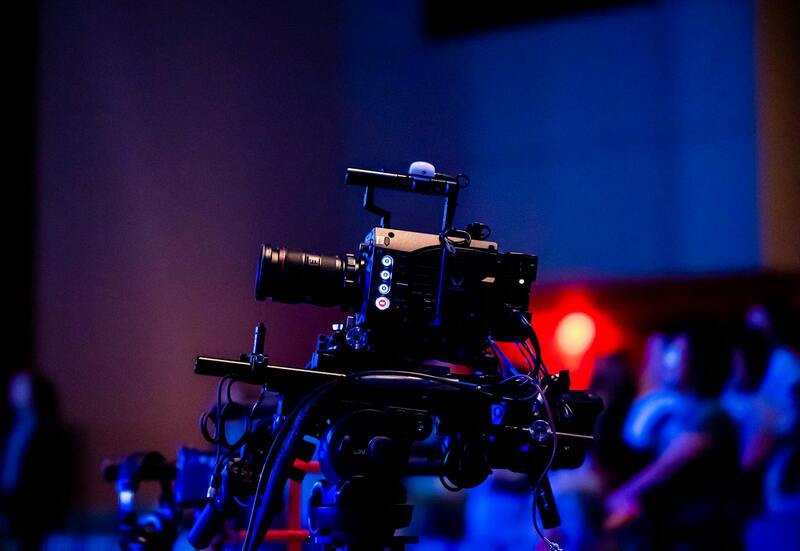
Achieving high-quality visuals and audio is fundamental to producing a compelling corporate video. Employing professional-grade cameras, lighting, and sound equipment ensures clarity, sharpness, and an engaging viewing experience. Modern digital cameras with high-resolution sensors capture intricate details, making your video visually appealing. Proper lighting setups, including key, fill, and backlights, create a professional look by highlighting your subjects and minimizing shadows. To enhance audio quality, use directional microphones and sound mixers to eliminate background noise and ensure voice clarity. Additionally, stabilizers, tripods, and dollies reduce camera shake, resulting in smooth and polished footage.
Incorporating Authentic Branding and Messaging
Authenticity resonates with audiences and builds trust. Ensuring your corporate video accurately reflects your brand identity is essential. This involves consistent visuals, colors, and messaging aligned with your company's core values and mission. Incorporate your logo and brand slogans seamlessly within the video to reinforce recognition. Craft a clear narrative that communicates your company's story, achievements, and unique value proposition. Use language and visuals that resonate with your target audience, whether through testimonials, candid behind-the-scenes footage, or success stories. Authentic branding creates a relatable and memorable impression, making your corporate message more impactful.
Implementing Effective Visual and Audio Editing
Post-production editing is crucial for transforming raw footage into a cohesive narrative. Professional editing software enables precise cuts, transitions, and effects that enhance storytelling. Color grading adjusts the video’s tone and mood, ensuring visual consistency and professionalism. Incorporate graphics, lower thirds, and animations to highlight key points and provide additional context. Sound editing, including background music and sound effects, adds emotional depth and maintains viewer engagement. Balancing audio levels and eliminating distracting noises results in a polished presentation. A meticulous editing process adheres to your brand voice and message, ensuring the final video communicates your intended goals clearly and convincingly.
Finalizing Content Through Stakeholder Review
Involving key stakeholders during the review process ensures your corporate video aligns with strategic objectives. Share draft versions with team members, leadership, and marketing professionals for feedback. Constructive critique focuses on clarity, messaging accuracy, and visual consistency. Implement necessary revisions to enhance flow, correct inaccuracies, or optimize visual effects. Stakeholder input helps identify potential areas for improvement that might be overlooked during initial editing stages. The iterative review process guarantees that your corporate video not only meets professional standards but also resonates effectively with your intended audience.
Creating a Budget and Timeline
Establishing a comprehensive budget and timeline is a critical step in the production of a corporate video. A well-planned budget ensures that all aspects of the project—from pre-production to distribution—are financially feasible and aligned with the company's strategic goals. To develop an accurate budget, consider factors such as script development, talent fees, location costs, equipment rental, crew wages, post-production expenses, and any legal or licensing fees. Prioritize spending on elements that significantly impact the video's quality and effectiveness, such as professional videography, high-quality sound, and editing services.
Creating a realistic timeline helps manage expectations and keeps the project on track. Break down the entire process into manageable phases: pre-production, production, editing, and distribution. Assign specific deadlines to each stage, considering contingencies for unforeseen delays. For instance, scheduling ample time for location scouting and permits in Miami is crucial, given the importance of adhering to local regulations and approvals. Establishing clear milestones allows stakeholders to monitor progress and ensure that each phase is completed before moving to the next.
Key Components for Budgeting and Scheduling
- Scripting and Concept Development: Allocate funds for creative planning, including scriptwriting, storyboarding, and strategy consultations.
- Pre-production Expenses: Factor in costs for location scouting, permits, casting, wardrobe, and equipment rentals.
- Production Resources: Budget for camera operators, lighting technicians, sound engineers, and additional crew members necessary for professional-quality footage.
- Post-production Costs: Include editing, visual effects, color grading, sound design, and any licensing or stock footage fees.
- Distribution and Marketing: Account for expenses related to hosting, promoting, and distributing the final video on various platforms.
- Contingency Funds: Set aside a percentage of the overall budget to address unforeseen challenges or opportunities.
Effective Timeline Management tips
- Set Clear Deadlines: Establish specific dates for each phase to ensure a structured workflow.
- Regular Check-ins: Hold consistent review meetings to assess progress and address potential delays early.
- Buffer Time: Incorporate buffers in the schedule to manage unexpected issues or revisions.
- Stakeholder Alignment: Keep all involved parties updated on timelines to synchronize efforts and expectations.
- Document Progress: Maintain detailed records of completed tasks and upcoming milestones for transparency and accountability.
Ensuring Legal Compliance in Corporate Video Production
Creating a corporate video involves multiple steps, each requiring careful attention to legal considerations to ensure the final product adheres to industry standards and regulations. Properly managing permissions and rights is essential to avoid potential issues that could arise from unlicensed content or unauthorized use of third-party materials.
Securing Intellectual Property Rights
One of the core aspects of legal compliance is obtaining clear rights for all visual and audio elements incorporated into the video. This includes obtaining licenses for music, stock footage, images, and any proprietary brand elements used during production. Using copyrighted material without proper authorization can lead to takedown notices, financial penalties, or damage to reputation.
It is equally important to confirm that individuals featured in the video have granted appropriate permissions, especially when filming on private properties or featuring employees, clients, or other third parties. Signed release forms serve as documented consent, granting permission for the use of their likenesses in promotional materials.
Understanding Regulatory Requirements
Depending on the nature and distribution channels of the corporate video, certain industry-specific or regional regulations may apply. For example, videos commissioned for healthcare, financial services, or educational sectors must comply with sector-specific advertising standards and privacy laws. When targeting specific audiences or regions, understanding local advertising guidelines and data protection regulations ensures that the content remains compliant and avoids legal repercussions.
Drafting and Reviewing Contracts
Contracts with production teams, external vendors, or freelancers should be comprehensive, outlining ownership rights, usage permissions, confidentiality clauses, and deadlines. Clearly defining these terms minimizes misunderstandings and provides a legal framework for resolving disputes if they arise. Additionally, confidentiality agreements protect sensitive corporate information shared during the production process.
Adhering to Ethical and Truthful Representation
Maintaining ethical standards in content creation is crucial. The video should accurately represent the company's products, services, and values without misleading viewers. Avoiding exaggeration or false claims not only preserves consumer trust but also aligns with advertising standards and best practices.
Implementing a Compliance Checklist
- Obtain all necessary rights and permissions for media elements.
- Secure signed release forms from all individuals featured.
- Review and adhere to sector-specific advertising regulations.
- Draft and sign detailed contracts with production partners.
- Ensure content accuracy and ethical representation.
- Maintain documentation of all permissions, licenses, and contractual agreements.
Utilizing Clear Branding and Consistent Messaging
During the post-production phase of making a corporate video, it is vital to integrate clear branding elements and maintain consistent messaging throughout the content. This approach not only reinforces brand identity but also ensures that the video's purpose resonates effectively with the target audience. Incorporating official logos, brand colors, and tagline repetitions where appropriate can enhance recognition without overwhelming the viewer.
Careful editing plays a key role in this process. It involves refining the visual and audio components to craft a coherent narrative that aligns with the company's core values and marketing objectives. This step often includes trimming unnecessary footage, adjusting pacing for clarity, and enhancing visual quality through color correction, which ensures the video looks professional across various viewing platforms.
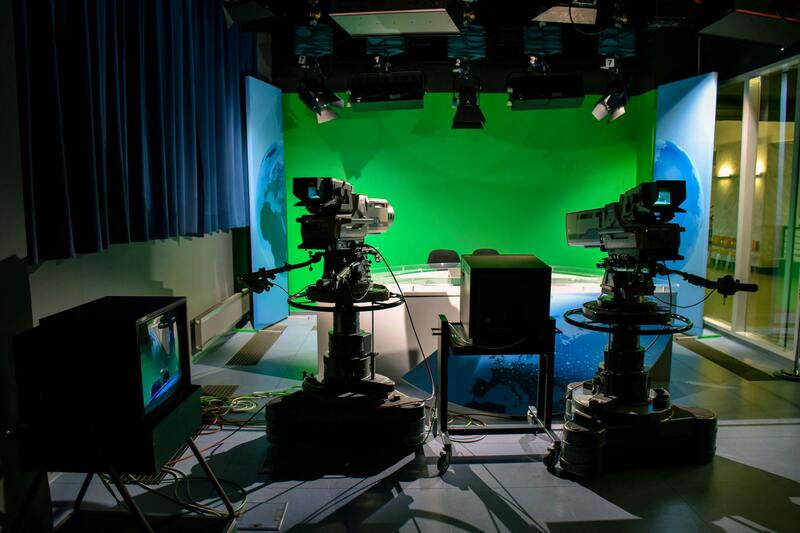
Sound design is equally critical. Clear voiceovers, balanced background music, and well-integrated sound effects support the video's message without distraction. Ensuring all audio components meet technical standards guarantees accessibility and a professional presentation.
Final Review and Feedback Incorporation
Before releasing the video publicly, conducting a thorough review process helps identify areas for improvement and ensures compliance with all relevant policies. This review should involve key stakeholders, such as marketing teams, legal advisors, and senior management, to verify that the content aligns with corporate standards.
- Objective Alignment: Confirm that the video meets the initial goals and effectively communicates the intended message.
- Accuracy and Authenticity: Verify all claims, visuals, and representations to avoid misinformation and maintain trust.
- Legal and Regulatory Review: Cross-check that the content complies with advertising laws and data protection policies, particularly in terms of consent and rights management.
- Technical Quality: Ensure there are no visual or audio defects, and that the file formats and resolutions are optimized for distribution channels.
Compiling feedback and implementing appropriate revisions further refines the final product, aligning it with strategic goals and quality standards, and reducing the risk of issues during distribution.
Executing the Distribution and Optimization of Your Corporate Video
Once the corporate video has been finalized through meticulous editing and review, the next crucial phase involves strategic distribution and optimization to maximize reach and impact. Distributing the video effectively ensures it reaches the target audience, elevates brand awareness, and supports organizational objectives.
Key platforms for video dissemination include company websites, social media channels, email campaigns, and video hosting platforms optimized for SEO. For a Miami-centric campaign, leveraging local social media groups, community pages, and regional business networks enhances visibility among the intended demographic. Customizing the content with localized keywords, including references to Miami and surrounding areas, enhances discoverability on search engines and social platforms.
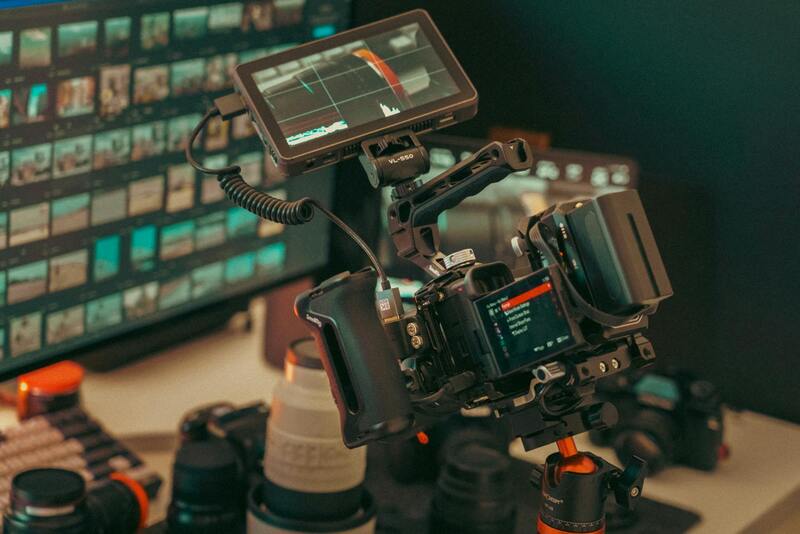
Implementing SEO best practices involves incorporating relevant keywords in video titles, descriptions, and tags. Using geo-targeted keywords such as "Miami corporate video," "Miami business promotional videos," or "corporate video production Miami" helps attract local audiences. Additionally, adding closed captions and transcripts improves accessibility and enhances search engine rankings.
Platforms such as YouTube and Vimeo allow for detailed analytics on viewer engagement, providing insights into audience demographics, watch time, and interaction rates. These metrics aid in refining future video campaigns and adjusting distribution strategies for better ROI.
Content Optimization for Different Platforms
Customizing video formats and lengths according to platform specifications maximizes viewer engagement. Shorter clips are ideal for social media ads, while longer-form videos are suited for company websites and YouTube channels. Incorporating compelling thumbnails, clear calls-to-action, and interactive elements like end screens or annotations encourage viewers to take further steps, such as visiting a website or contacting sales teams.
Monitoring and Adjusting Ongoing Strategies
Regular analysis of performance metrics enables continuous improvement of distribution tactics. Tracking key indicators such as view-through rates, engagement levels, shares, and conversions offers a comprehensive view of the video's effectiveness. Based on these insights, adjustments may include refining target keywords, updating metadata, or reallocating promotional budgets to higher-performing channels.
Engaging with audience feedback also contributes valuable insights. Responding to comments and participating in discussions foster a positive brand image and build community trust. Collaboration with local influencers and industry partners further amplifies reach, especially in a vibrant and competitive market like Miami.
Moreover, maintaining consistency in messaging and branding across all distribution channels ensures a cohesive narrative that strengthens corporate identity. Coordinating timing and frequency of video releases across platforms prevents audience fatigue and sustains interest.
Integrating Video into Broader Marketing Initiatives
Embedding corporate videos within broader marketing strategies enhances overall campaign effectiveness. Including videos in email marketing initiatives, on landing pages, and within digital advertisements creates multifaceted touchpoints that reinforce key messages. Cross-promoting videos on social media, newsletters, and partner networks maximizes visibility and engagement.
Tracking the direct impact of videos on lead generation, website traffic, and sales conversions is essential for measuring marketing ROI. Implementing tracking pixels and UTM parameters provides detailed attribution data, supporting informed decision-making for future campaigns.
Overall, a strategic approach to distributing and optimizing your corporate video ensures it not only reaches the right audience but also drives meaningful interactions and results aligned with your organizational goals.
Ensuring Proper Distribution and Utilization of Your Corporate Video
Successfully deploying your corporate video involves a strategic approach that maximizes its reach and impact within your target audience. To achieve this, it is essential to incorporate your video into a comprehensive distribution plan that aligns with your overall marketing objectives.
Leveraging Multiple Channels for Broader Reach
An effective distribution strategy utilizes a variety of channels to enhance visibility. Embedding videos within your website’s landing pages ensures that visitors encounter your message at crucial touchpoints, increasing engagement and conversion opportunities. Sharing videos across your social media platforms—such as LinkedIn, Facebook, and Instagram—can significantly expand your reach to diverse demographics. Additionally, integrating videos into email marketing campaigns helps personalize your messaging and nurture leads throughout the sales funnel.

Optimizing Video Content for Search and Engagement
Optimization begins with proper metadata: using relevant keywords in titles, descriptions, and tags enhances discoverability through search engines and video platforms. Creating compelling thumbnails and crafting engaging captions also play a vital role in attracting viewers. Additionally, employing closed captions and transcripts expands accessibility, enabling a broader audience to access your content while improving search engine indexing.
Tracking Performance and Engagement Metrics
Implementing robust analytics tools allows you to monitor how your corporate videos perform across different channels. Key performance indicators (KPIs) such as view count, watch time, click-through rate, and conversion rates provide insights into audience engagement and content effectiveness. Using unique tracking links, UTM parameters, and embedded tracking pixels offers detailed attribution data, helping to identify which channels and messaging resonate most with your audience.
Refining Strategies Based on Data Analysis
Analyzing performance data enables continuous improvement of your video marketing efforts. If certain platforms generate higher engagement, consider reallocating resources to amplify those channels. Adjusting content formats, length, and messaging based on viewer preferences fosters a more targeted approach. Regular reviews and updates ensure your corporate videos remain relevant, compelling, and aligned with evolving organizational goals.
Incorporating Corporate Videos into Broader Campaigns
Aligning your corporate videos with larger marketing initiatives amplifies their impact. Use videos as part of multichannel campaigns, integrating them with digital advertisements, blog posts, and webinars. This integrated approach creates multiple touchpoints that reinforce your core message and brand identity.
Engaging with Your Audience for Continuous Improvement
Active engagement is crucial for cultivating a loyal community around your corporate content. Responding to comments, encouraging user-generated content, and fostering discussions help create a dialog with your audience. This not only enhances brand trust but also provides valuable feedback, guiding future content development and distribution strategies.