
Overview of Corporate Video Production Costs
Corporate video production costs encompass the total expenses associated with creating professional videos that effectively communicate a company's message, promote its brand, or provide training and informational content. These costs include pre-production planning, scripting, storyboarding, filming, editing, post-production effects, and distribution. In Miami, where the market is vibrant and competitive, understanding the breakdown of these expenses is crucial for businesses aiming to optimize their investments while achieving impactful results.
Accurately assessing the costs involved allows companies to develop realistic budgets, select suitable production teams, and plan project timelines effectively. Corporate videos vary significantly in scope, complexity, and quality, which directly influence the overall costs. Whether producing a simple promotional clip or a comprehensive training series, knowing what factors contribute to the price helps businesses align their goals with their financial constraints, ensuring the production process remains efficient and cost-effective.
In Miami, the cost of corporate video production often reflects the local market conditions, talent rates, equipment rental costs, and the level of expertise required. Recognizing these elements enables businesses to make informed decisions, select appropriate production partners, and avoid unexpected expenses that could impede project success. Such awareness ultimately contributes to the creation of engaging, high-quality videos that resonate with target audiences and fulfill business objectives efficiently.
Key Elements Influencing Production Costs
Understanding the specific components that contribute to corporate video production costs is essential for accurate budgeting and project planning. These elements encompass pre-production, production, post-production, and distribution, each with unique cost implications that can significantly influence the overall budget.
Pre-Production Costs
Pre-production serves as the foundation of the entire project, involving activities such as scriptwriting, storyboarding, location scouting, casting, and scheduling. The complexity of the script directly impacts the scripting and storyboarding costs, especially if specialized expertise or multiple revisions are required. Location scouting in Miami often incurs expenses related to permits, access fees, and site permissions, particularly when shooting in high-demand areas or iconic landmarks. Casting models or talent agencies also add to the expense, especially if professional actors or voice-over artists are engaged. Additionally, detailed planning to align the project timeline with resource availability helps prevent last-minute costs or delays that can inflate the overall budget.
Production Costs
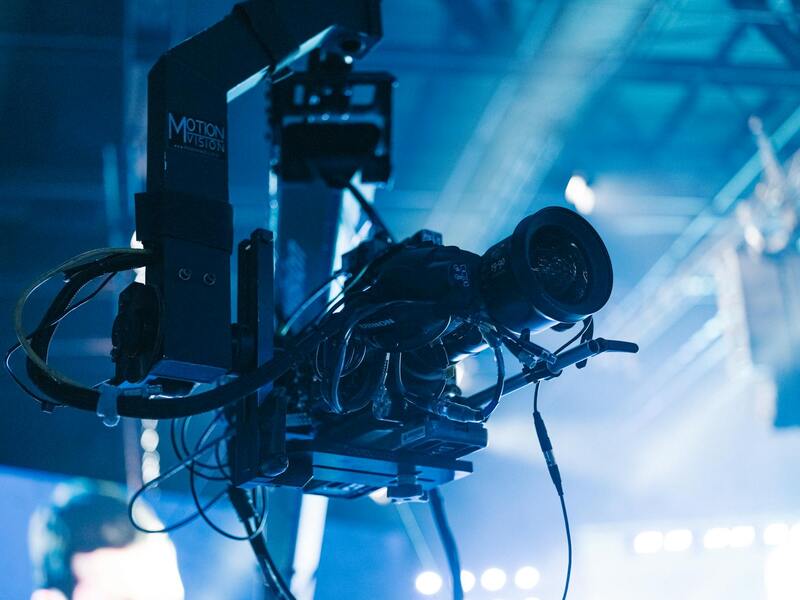
The filming process involves numerous tangible and intangible expenses. Equipment rentals, including high-definition cameras, lighting, and sound gear, are major cost factors. Miami's vibrant locations and diverse settings may necessitate permits or additional logistical arrangements, contributing to increased costs. The duration of shooting days, the number of filming locations, and the complexity of scenes all influence labor costs, which include camera operators, directors, and other crew members. The hiring of specialized talent, such as drone operators or makeup artists, further adds to expenses. Crew costs tend to vary based on skill level and experience, with some productions requiring highly experienced professionals to meet specific creative standards.
Post-Production Expenditures
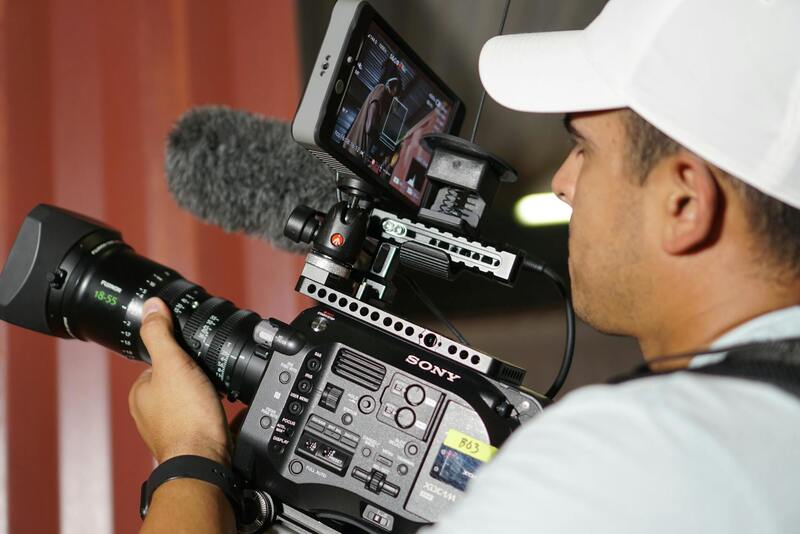
Post-production is vital for polishing the raw footage into a compelling final product. Costs here include editing, visual effects, motion graphics, color correction, sound design, and voiceovers. The complexity of editing can vary greatly depending on the project scope, with customized animations or special effects elevating the cost. Skilled editors and post-production specialists are often paid premium rates, especially when working within tight schedules. Compression, formatting, and integration of music and branding elements also factor into the expense structure. In Miami, where the demand for cutting-edge digital work is high, partnering with experienced post-production teams helps ensure quality but may raise budget considerations.
Distribution and Promotion
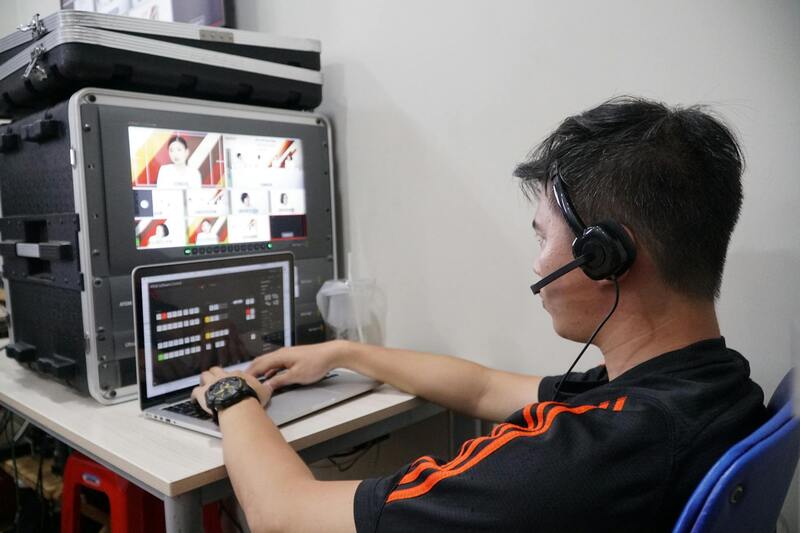
Once the video is completed, distribution strategies influence budget allocations. Paid media placements, such as social media advertising or television spots, add to the overall costs. The format and resolution requirements, especially for multi-platform deployment, can also impact rendering and encoding expenses. Proper distribution planning ensures the video reaches the intended audience effectively, maximizing return on investment. In Miami's competitive market, targeting local demographics or particular sectors may demand tailored promotional strategies and associated costs, including media buying or localized content adjustments.
Factors Specific to Miami-Based Productions
Producing corporate videos within Miami's vibrant media landscape involves several unique considerations that can influence costs significantly. The city's status as a bustling hub for tourism, finance, and technology means that demand for high-quality visual content is consistently high, often translating to premium rates for top-tier production talent and state-of-the-art facilities. Local market dynamics also impact costs; for example, the availability of skilled crew members such as directors, cinematographers, and editors can vary, with highly sought-after professionals commanding higher fees.
Logistical expenses also play a role, especially when filming requires permits for iconic Miami sites or involves shooting in bustling areas that demand additional security and coordination. Travel and accommodation costs for out-of-town talent or crew may also be included if the project necessitates specialized skills not locally available. Weather conditions, particularly during hurricane season, can occasionally cause rescheduling or delays, thereby affecting overall expenses.
Moreover, Miami's competitive market compels production companies to invest in cutting-edge technological equipment, such as drone footage and 4K or higher resolution filming, which can increase costs but also enhance the video's visual appeal. Understanding these factors helps organizations budget effectively while ensuring the final product aligns with Miami's dynamic aesthetic and professional standards.
In essence, managing costs in Miami requires a strategic approach that balances high-quality production with cost efficiency. Establishing clear project parameters, prioritizing essential elements, and working with experienced local vendors can optimize budget allocation. Whether capturing the vibrant cityscape, vibrant cultural events, or professional corporate settings, understanding local specifics ensures a polished, impactful video without unnecessary expenditure.
Understanding the Breakdown of Corporate Video Production Costs in Miami
When planning a corporate video, a clear understanding of the different expense categories is essential for effective budgeting. These costs span numerous areas, each contributing uniquely to the overall budget. From pre-production planning and scripting to post-production editing and distribution, every phase warrants careful consideration. The complexities of Miami’s dynamic landscape and premium production standards often influence these costs, demanding a strategic approach to resource allocation.
Pre-Production Expenses
Pre-production serves as the foundation of any successful corporate video, encompassing activities such as concept development, scripting, storyboarding, casting, and location scouting. Proper planning minimizes surprises during filming, but incurs initial costs. Engaging experienced directors, scriptwriters, or casting agencies can elevate the video's impact, though their services come with associated fees. Location scouting in Miami requires permits, especially when filming in public or iconic sites, adding to pre-production costs.
Production Costs
The core of the expense lies in the actual filming process, which involves rental equipment, crew wages, talent fees, and logistical expenses. Specialized gear like drones, high-definition cameras, gimbals, and lighting equipment contribute significantly to costs but greatly enhance visual quality. Miami's diverse locations mean that moving between areas—such as bustling downtown, scenic waterfronts, or cultural districts—requires transportation and permits, increasing expenses.
Post-Production and Distribution
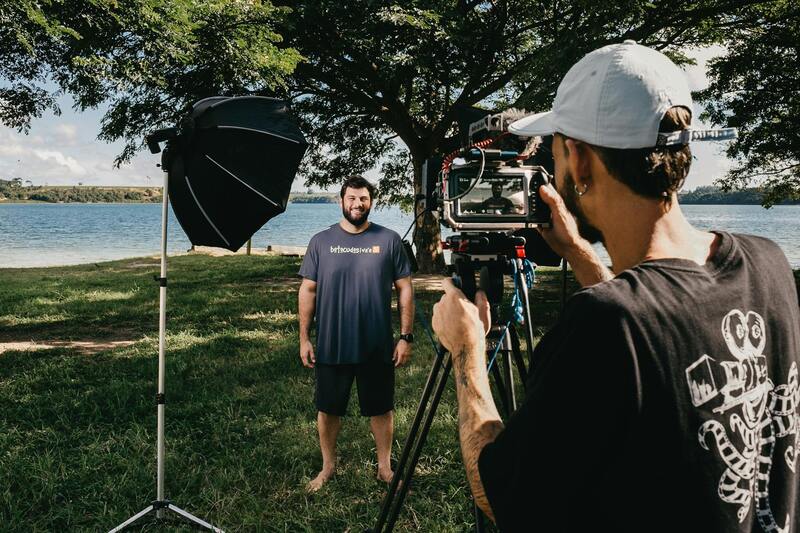
After filming concludes, editing, color correction, graphics, sound design, and voiceovers are integral. Hiring skilled editors and graphic artists ensures a polished finish but can significantly add to the overall budget. High-resolution formats and the inclusion of advanced visual effects or animations further escalate costs. Once completed, distribution channels—such as online platforms, presentations, or events—may require additional formatting or delivery expenses, especially if multiple versions or formats are needed.
Additional Cost Factors Unique to Miami
Miami’s vibrant cultural landscape and premium locales impact production costs. Securing permits for filming in high-profile public spaces or private waterfront properties entails specific fees and paperwork. Local talent, including actors, models, or on-camera hosts, may command higher rates due to the city’s reputation as a premier hub for media production. Moreover, the city’s competitive market drives demand for cutting-edge technology and high-end equipment, which, while beneficial for quality, can elevate budget requirements.
Impact of Seasonal and Environmental Conditions
Weather variability, notably hurricanes or storms during certain seasons, can lead to delays and rescheduling, extending project timelines and financial outlays. Planning for contingencies and flexibility is essential to manage costs effectively in such circumstances. Additionally, environmental considerations like protecting filming gear and coordinating with local authorities add layers of complexity and expense to Miami-based projects.

Developing a detailed and realistic budget necessitates collaboration with experienced local vendors who understand Miami’s regulatory landscape and unique filming conditions. By accurately predicting costs related to permits, talent, equipment, and logistics, organizations can prevent overspending while still achieving high production standards.
Understanding the Breakdown of Corporate Video Production Costs
When budgeting for corporate videos, it is crucial to dissect the various components that contribute to the total expenditure. A comprehensive grasp of these elements allows organizations to allocate resources efficiently while maintaining the desired quality standards. Typically, costs can be segmented into pre-production, production, and post-production phases, each encompassing specific activities and associated expenses.
Pre-Production Expenses
The initial phase involves planning, concept development, scripting, and storyboarding. Engaging with professional writers and creative directors ensures the narrative aligns with the company's branding and messaging goals. Additionally, location scouting, obtaining necessary permits, and scheduling require investments of time and financial resources. Developing a detailed project plan minimizes unforeseen costs and streamlines subsequent stages.
Another significant pre-production expense is talent acquisition. This includes costs for hiring on-camera presenters, actors, or models who can effectively communicate the client's message. Fees vary based on experience and prominence, with local talent in Miami offering cost-effective yet high-quality options due to their familiarity with regional settings.
Production-Related Costs
The core filming process involves multiple variables influencing costs. Equipment rental—such as high-definition cameras, lighting gear, and sound equipment—constitutes a substantial portion of the budget. Access to advanced technology enhances visual quality but can increase expenses, especially when utilizing the latest stabilization and drone cinematography tools.
On-location filming incurs logistical challenges, particularly in Miami, where securing permits for public or private spaces is mandatory. These permits often come with fees and paperwork that must be factored into the budget. Additionally, transportation and accommodation expenses for crew members, especially for extended shoots, add to overall costs. Using local vendors and production crews can mitigate some costs due to reduced travel and accommodation requirements.
Post-Production and Distribution
Once filming concludes, the editing process begins. Skilled editors, visual effects specialists, and sound designers are essential to craft a polished final product. Licensing royalty-free music or acquiring licensing rights for copyrighted material also influences post-production costs. High-end post-production tools enable a more cinematic presentation but require higher investments.
Finally, distribution channels—be it digital platforms, broadcast, or internal corporate portals—may involve additional formatting and delivery costs. Ensuring compatibility across different mediums and resolutions guarantees maximum reach and impact, reinforcing the importance of careful planning during this final phase.
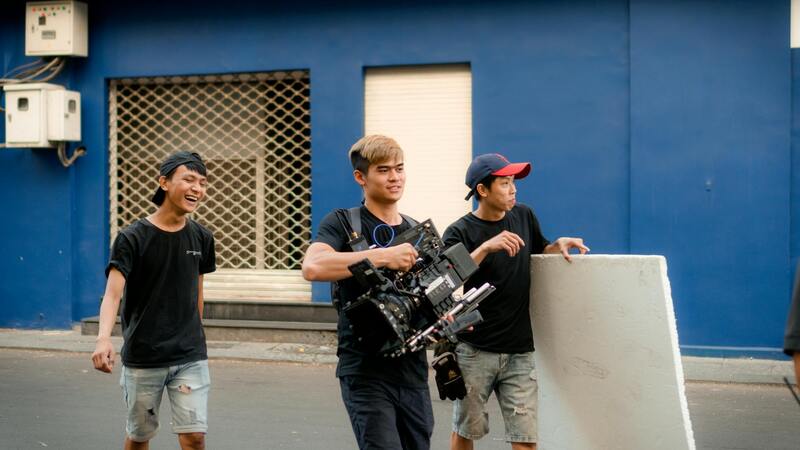
Placeholder for Visual Representation of Cost Breakdown
Factors That Impact Corporate Video Production Costs
Understanding the various components that contribute to the overall cost of corporate video production is essential for aligning your project goals with your budget. Several key factors influence pricing, ranging from pre-production planning to post-production refinement. Each element requires careful consideration to ensure the final product meets professional standards without exceeding financial constraints.
Pre-Production Planning and Development
Pre-production constitutes a significant portion of the overall cost, encompassing scriptwriting, storyboarding, and securing necessary permits. Having a clear script and storyboard streamlines the filming process, reducing time and resource expenditures. Moreover, it facilitates smoother communication between stakeholders and the production team, minimizing unexpected expenses. In Miami, coordinating with local authorities for permit acquisition, location scouting, and scheduling can add to pre-production costs, but proactive planning helps avoid costly delays.
Production Expenses
During the filming phase, several critical expenses influence the final cost:
- Crew and Talent: Hiring experienced videographers, directors, and on-camera talent ensures a professional finish. Rates vary based on expertise and project scope.
- Equipment and Technology: High-quality cameras, lighting, audio equipment, and specialized tools like drones or stabilization systems significantly impact costs. Their utilization enhances production quality but requires a higher investment.
- Location Fees and Permits: Whether shooting in studio or outdoor Miami settings, location costs depend on the venue’s accessibility and permissions required.
- Set Design and Props: Custom sets or specific props tailored to your message can increase expenses but serve to elevate the production value.

Post-Production Refinements
The editing process entails assembling footage, color grading, sound mixing, and adding visual effects or animations. Skilled editors with advanced software contribute to the polished appearance of the final product. Licensing fees for music and graphics also impact post-production budgets. The use of high-end editing tools ensures cinematic quality but comes with higher costs. Additionally, formats and delivery methods tailored for multiple distribution channels, including digital platforms, broadcast, or internal portals, may incur extra charges ensuring compatibility and optimal quality across devices.
Influences Unique to Miami-Based Projects
Productions in Miami often encounter specific cost factors. Securing permits for shooting in desirable outdoor locations can be time-consuming and costly due to the city’s regulations. Utilizing local talent, crew, and vendors tends to be more economical, as it reduces transportation and accommodation expenses. The vibrant cityscape offers numerous unique backdrops that can elevate the visual appeal but may entail additional permits or logistical planning. Furthermore, Miami's competitive vendor landscape may offer more affordable options for services like catering, equipment rentals, and transportation, which can help control overall costs.
Strategic Budget Management for Corporate Videos
Constructing a realistic budget involves balancing production quality with financial limits. Prioritize essential elements such as clear messaging, compelling visuals, and high-quality audio. Consider integrating existing assets — such as stock footage, branded materials, or in-house talent — to reduce costs. Implementing an efficient filming schedule minimizes extended crew hours and resource usage. Working with experienced local production partners who understand Miami’s regulatory environment can streamline permits and logistics, avoiding costly delays and re-shoots. Clear communication of expectations and deliverables early in the process also prevents scope creep, which can inflate expenses unexpectedly.
Approaches for Estimating and Managing Corporate Video Production Costs
Developing an accurate estimate for your corporate video project requires a meticulous approach that considers multiple facets of production. To ensure a realistic budget, organizations should first outline their core objectives, define the scope of the project, and identify the desired deliverables. This clarity helps in breaking down necessary components such as pre-production planning, filming, post-production editing, and distribution. Each phase incurs different costs, and understanding these expenses allows for better resource allocation and cost management.
One effective method involves requesting detailed proposals from multiple production vendors or partners. These proposals should itemize costs associated with hiring crew members, equipment rentals, location fees, permits, talent, and post-production services. Comparing these estimates enables organizations to identify fair market rates and avoid inflated charges. Additionally, creating a contingency budget—typically 10-15% of the total estimated costs—can accommodate unexpected expenses that often arise during production, such as reshoots or unforeseen logistical issues.
Another strategy is adopting a phased budgeting approach. By dividing the project into smaller, manageable segments, companies can approve initial phases before progressing. This iterative process ensures budget alignment at each stage and mitigates the risk of overspending. For instance, initiating a pilot shoot or a simplified version of the full video allows stakeholders to evaluate quality and costs early, making informed decisions about expanding the scope.

Furthermore, leveraging existing assets such as stock footage, brand visuals, or in-house talent can significantly reduce production costs. Incorporating these elements minimizes the need for new filming, thus saving on staffing, location, and equipment expenses. When negotiating with vendors, videographers, or post-production teams, clear communication about budget constraints is vital. Establishing priorities—such as emphasizing visual quality over excessive effects—helps streamline the process while maintaining a professional standard.
Employing technology solutions, such as project management tools and budgeting software, enhances transparency and keeps track of expenses throughout production. This proactive monitoring facilitates timely adjustments, preventing budget overruns. Moreover, selecting local talent, crew, and vendors familiar with Miami's regulatory landscape can lead to considerable savings by reducing logistical complexities and permit-related delays.
By adopting these official, well-structured approaches, organizations can effectively predict, control, and optimize their corporate video production costs. The goal is to achieve high-quality content within financial parameters, ensuring that the final product aligns with strategic communication goals while respecting budget limitations.
How to Select a Production Partner Within Your Budget
Choosing the right corporate video production partner is critical to managing costs effectively while ensuring the final product meets your strategic goals. When evaluating potential vendors, organizations should focus on a comprehensive understanding of their services, experience, and transparency regarding pricing structures. An experienced production team with a robust portfolio demonstrates their ability to handle projects of various scales and complexities, providing reassurance of their professional competence.
Establishing clear communication about your budget constraints at the outset is essential. This ensures vendors understand your financial framework and can suggest feasible solutions that align with your scope. Request detailed proposals that break down costs such as pre-production planning, filming, editing, sound design, and post-production. This transparency helps you compare offerings directly and avoid unexpected expenses later in the process.
Consider vendors with a proven track record in your industry or similar project types. Their familiarity with corporate messaging, branding, and regulatory environments can streamline production workflows and reduce time and costs. Additionally, inquire about their approach to leveraging current technologies—such as remote collaboration tools or cloud-based project management—which can increase efficiency and reduce logistical expenses.
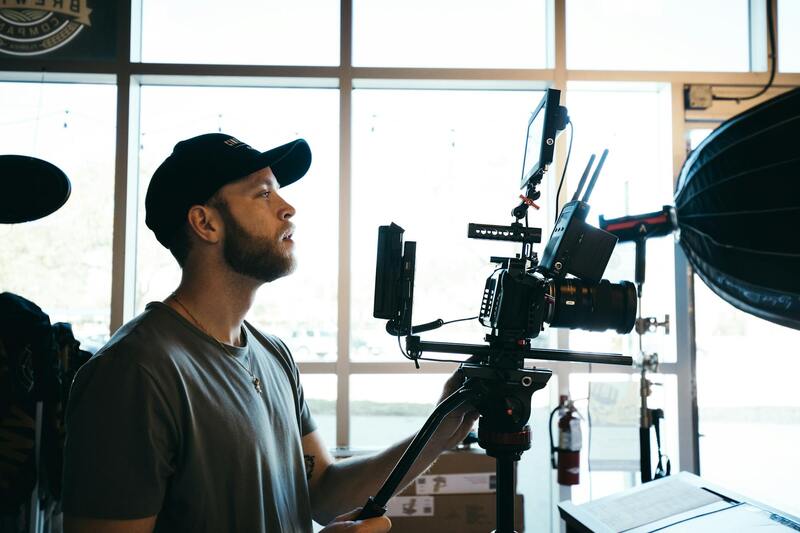
Another key factor is the location of your production partner. Local vendors familiar with Miami's specific permitting procedures and logistical landscape can diminish delays and additional fees associated with permits and transportation. This localized expertise often leads to faster turnaround times and cost savings.
Understanding the vendor’s flexibility in scaling services—whether you need a quick promotional clip or a comprehensive training series—is also vital. A partner willing to tailor services to your budget while maintaining quality standards ensures a more manageable project scope and financial outcome.
Ultimately, selecting a production partner involves balancing cost considerations with expertise, professionalism, and the ability to deliver content aligned with your strategic goals. A well-informed decision enables you to maximize your investment and produce impactful corporate videos without exceeding your financial limits.