Understanding Corporate Video Cinematography
Corporate video cinematography encompasses the art and technique of creating visually compelling videos that effectively communicate a company's message. These videos serve as vital tools in establishing brand identity, enhancing internal and external communication, and boosting marketing efforts. In the competitive Miami business landscape, high-quality corporate videos are essential for conveying professionalism, innovation, and corporate values. The discipline involves careful planning, precise execution, and a keen eye for storytelling that aligns with corporate objectives and resonates with the target audience.
At its core, corporate video cinematography involves a blend of technical skills and creative storytelling. It includes selecting appropriate filming equipment, lighting techniques, camera angles, and composition to craft a visual narrative that captures the essence of the company or product. Well-produced videos can range from executive testimonials and training modules to promotional advertisements and event coverage, all requiring a tailored approach to match the intended message and audience.
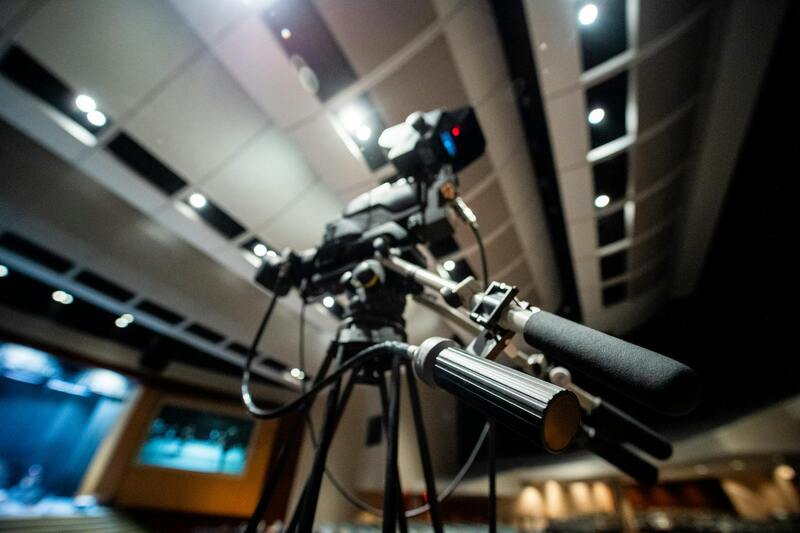
The role of corporate video cinematography extends beyond mere visuals. It involves understanding the company's goals, brand voice, and target demographics to develop a coherent visual story. This requires collaboration among videographers, directors, and clients to ensure that each scene, shot, and transition serves a strategic purpose. The process begins with comprehensive planning and continues through meticulous execution, ensuring the final product aligns perfectly with corporate branding and messaging standards.
In Miami, a city characterized by its diversity and vibrant business scene, the importance of professional corporate videos cannot be overstated. They help companies stand out in crowded markets, attract potential clients, and foster trust among stakeholders. Effective cinematography can highlight a company’s culture, showcase products or services, and communicate complex ideas clearly and engagingly, making it an indispensable component of modern corporate communications.
The marriage of technical expertise and storytelling finesse in corporate video cinematography creates content that not only informs but also inspires action. As businesses increasingly recognize the value of high-impact visual content, the need for professional corporate video production services in Miami continues to grow, driving innovation and excellence within this specialized field.
Key Elements of Corporate Video Cinematography
Effective corporate video cinematography hinges on several integral components that work cohesively to produce compelling visual content. Understanding these key elements is essential for any business seeking to communicate its message powerfully through video. These elements include meticulous planning, the technical nuances of production, and the precision of post-production editing—all tailored to reflect the company's identity and objectives.

Pre-production Planning and Strategy
Pre-production serves as the foundation of successful corporate videography. It involves detailed strategizing to understand the company's desired outcomes, target audience, and brand voice. During this phase, script development, storyboarding, and shot planning are carried out to outline every scene's purpose and visual style. Effective planning also includes logistical coordination, such as securing locations, casting talent if needed, and scheduling shoots to optimize time and resources. Collaborating with a skilled cinematography team during this stage ensures all creative and technical requirements are aligned with the company's corporate identity.
Production Processes in Corporate Cinematography
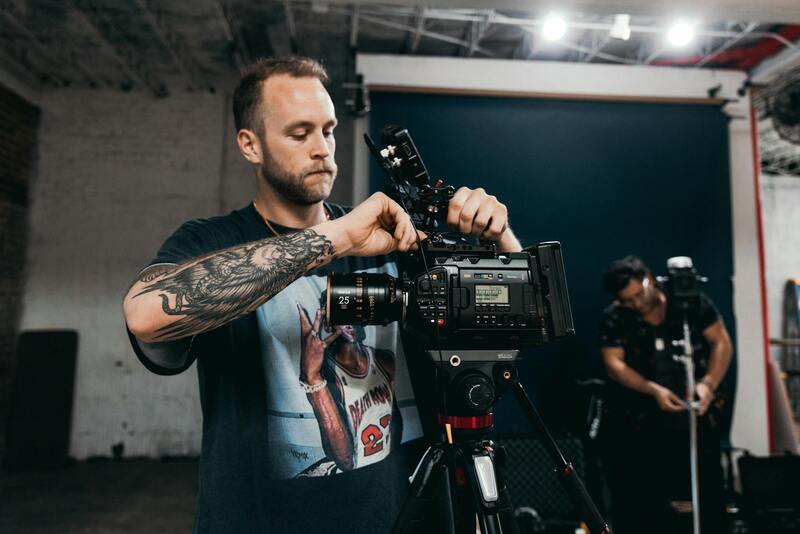
The production phase brings the pre-planned vision to life through careful execution. This stage involves setting up the camera equipment, lighting, and sound to capture high-quality footage. Cinematographers focus on composition, camera angles, and movement to enhance storytelling. Coordinated directing ensures that actors or presenters deliver authentic performances aligned with the brand’s tone. Attention to detail during shooting results in visuals that are not only clear but also emotionally engaging, reinforcing the company's message and values.
Post-production and Editing
Post-production is where raw footage is transformed into a polished, professional video. Skilled editors curate the best shots, synchronize audio, and incorporate graphics or animations to support the narrative. Color grading enhances visual appeal and consistency across scenes, ensuring a cohesive final product. Sound design, including background music and voiceovers, is added to deepen engagement and clarify messaging. The editing process is crucial for refining the storytelling, maintaining pacing, and ensuring that the video aligns perfectly with the company’s branding standards.
Choosing a Corporate Video Cinematography Service in Miami
When selecting a partner for corporate video cinematography, businesses in Miami should prioritize experience, portfolio quality, and understanding of local market nuances. A reputable service provider demonstrates a track record of producing content across various industries, showcasing versatility and technical expertise. The ability to tailor visual storytelling to match the company’s corporate identity and strategic objectives is essential. Furthermore, a professional team should be committed to transparent communication, providing clear timelines, and offering comprehensive support throughout the project lifecycle.
Key Elements of Corporate Video Cinematography
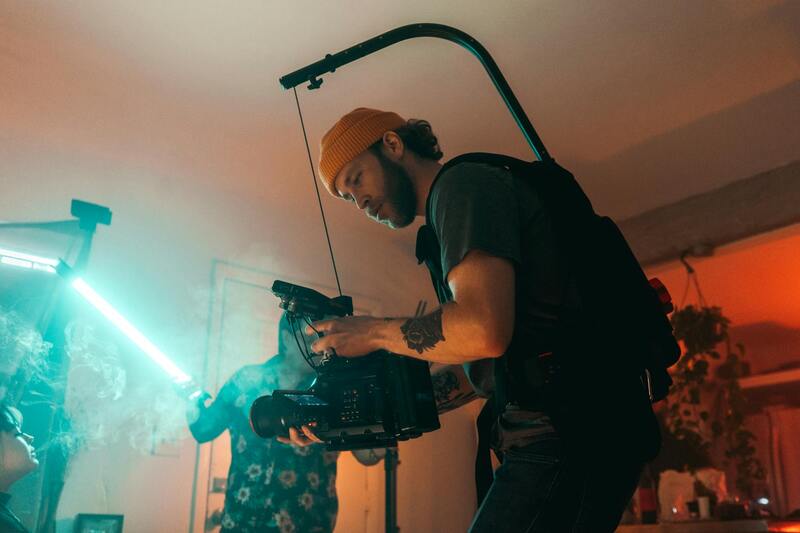
Creating an impactful corporate video hinges on the meticulous execution of several core visual elements. First and foremost, camera techniques play a pivotal role. Cinematographers employ a range of shots—such as wide angles to establish context, medium shots for interviews, and close-ups to capture emotions—that work harmoniously to tell a cohesive story. Dynamic camera movements, including tracking shots or Steadicam sequences, add energy and focus to key segments, guiding viewers seamlessly through the narrative.
Lighting is equally critical, as it sets the tone and mood of each scene. Consistent, professional lighting ensures that colors appear vibrant and that subjects are presented in the most flattering, clear manner. Soft, diffused lighting might be used for interviews to create a welcoming atmosphere, while high-contrast lighting can emphasize drama or important cues.
Composition involves the thoughtful placement of elements within the frame, following principles like the rule of thirds to create balanced, aesthetically pleasing visuals. Proper framing and depth of field direct viewer focus to essential objects or individuals, enhancing storytelling effectiveness.
Equally integral is storytelling, which guides how visuals and narration intersect to communicate the company's message. A well-crafted narrative, delivered through strategic visuals, enhances engagement and ensures the audience grasps the core values and objectives of the organization.
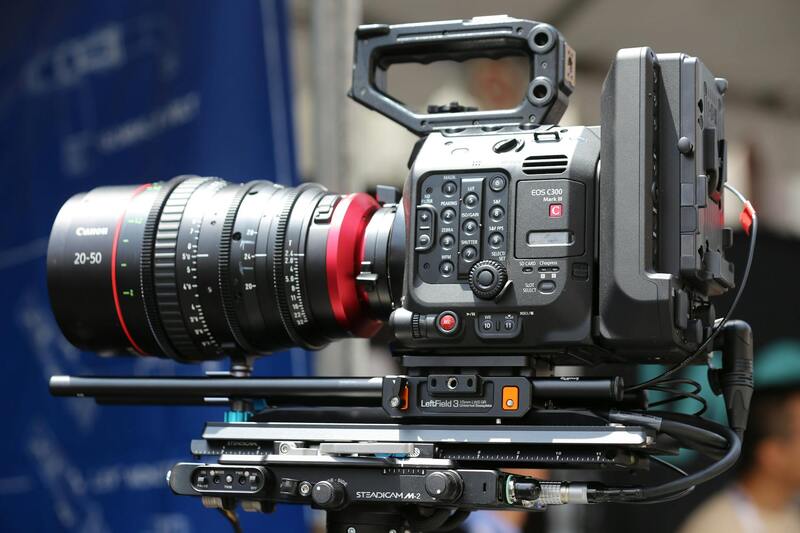
In addition to these elements, the choice of camera equipment affects the overall quality. High-resolution cameras, stabilizers, and specialty lenses contribute to sharp, fluid footage capable of addressing diverse lighting conditions and creative requirements.
Production Processes in Corporate Cinematography
Executing a successful corporate video requires meticulous management of various production processes to ensure quality and efficiency. During the production phase, all planned elements — from camera angles to lighting setups — are brought to life through careful coordination among the crew. Equipment setup is critical; professional-grade cameras, lighting instruments, and audio recording devices are calibrated to meet the specific demands of each scene, whether capturing interviews, product demonstrations, or behind-the-scenes footage.
Multiple takes may be necessary to achieve the perfect shot, especially when complex camera movements or precise lighting conditions are involved. Filming often involves multiple locations, requiring detailed logistical planning to minimize time and resource expenditure. Maintaining continuity across scenes is essential to produce a coherent narrative flow.
Throughout the shoot, directors and cinematographers remain attentive to framing, focus, and composition, ensuring each shot aligns with the predetermined visual style. High-quality microphones and sound recording equipment are employed to capture clear audio, which is just as important as visuals for engaging storytelling.
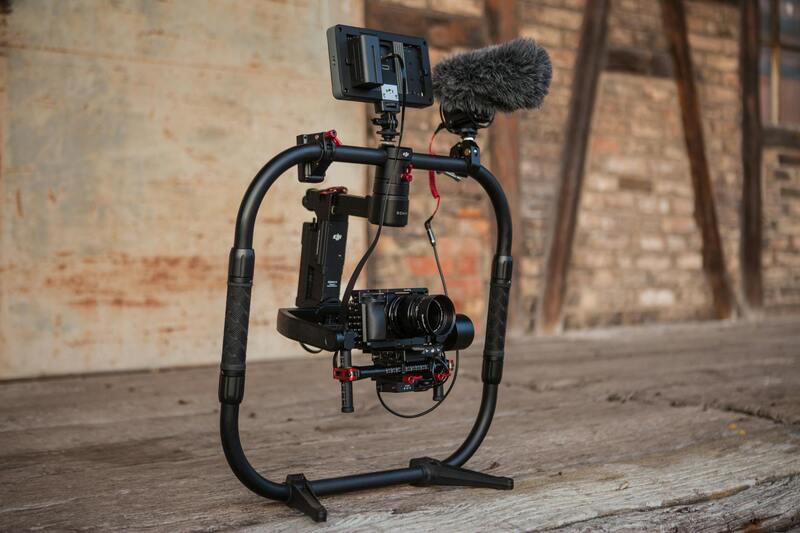
Effective communication among team members is vital for adapting to unforeseen challenges, such as changing weather conditions or technical issues. During shoots, backup equipment and alternate plans are often prepared to prevent delays. Carefully tracking shot lists and scene progress guarantees that all necessary footage is captured within the scheduled time frame.
The collaboration between directors, camera operators, sound engineers, and talent ensures that the narrative remains focused and impactful. Constant review of footage during production allows for adjustments to be made on-the-fly, enhancing the overall quality of the final product.
Understanding Corporate Video Cinematography
Corporate video cinematography encompasses the specialized craft of capturing and crafting visual content that communicates a company's message effectively. It involves more than just basic filming; it requires strategic planning, skilled operation of camera equipment, and an artistic eye to deliver compelling narratives that resonate with target audiences. The scope of corporate cinematography can include promotional videos, brand stories, training modules, and event coverage, all tailored to reinforce the company's brand identity and goals.
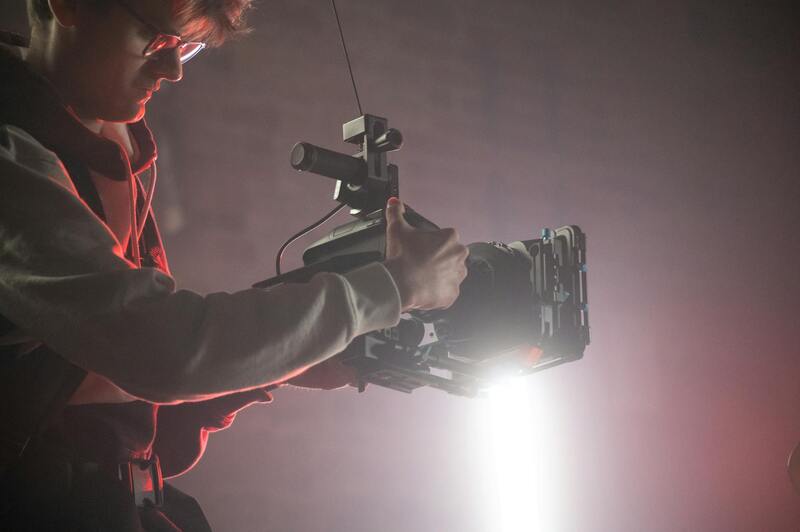
Successful corporate cinematography employs a combination of technical expertise and storytelling mastery. It demands a thorough understanding of visual composition, lighting techniques, camera movements, and synchronization with audio. The collaboration between directors, cinematographers, and production teams ensures that each frame enhances the overall narrative while maintaining brand consistency. For businesses aiming to boost brand recognition or communicate specific messages, investing in professional cinematography guarantees a polished and impactful final product.
Benefits of Professional Corporate Video Production
- Enhanced Brand Credibility: Professionally produced videos impart a polished image, fostering trust with clients and stakeholders.
- Increased Engagement: Visually appealing content captures attention more effectively than text alone, leading to higher viewer retention.
- Clear Communication of Complex Ideas: Visual storytelling simplifies complicated concepts, making them accessible and memorable.
- SEO Optimization and Reach: Well-crafted videos improve online visibility, enabling broader distribution across digital channels.
- Versatility and Longevity: Corporate videos can be repurposed for multiple campaigns, events, or internal trainings, maximizing investment.
Key Elements of Corporate Video Cinematography
Creating captivating corporate videos involves several fundamental components, each contributing to the overall quality and effectiveness of the final product. These elements include:
- Visual Composition: Framing, camera angles, and movement are employed to guide viewers' attention and evoke specific emotions.
- Lighting Design: Proper lighting enhances the mood, highlights key subjects, and ensures clarity in every shot.
- Sound Quality: Clear and balanced audio captures dialogue, ambient sounds, and music, supporting the visual narrative.
- Color Grading: Adjusting hues and tones creates a consistent visual style aligned with the brand's identity.
- Camera Equipment: High-definition cameras, stabilizers, drones, and other tools enable dynamic and professional footage.
Attention to these elements ensures the creation of compelling visuals that support clear and persuasive messaging. By integrating innovative cinematographic techniques with strategic storytelling, businesses can craft content that stands out in a competitive marketplace.
Understanding Corporate Video Cinematography
Corporate video cinematography encompasses the art and science of capturing compelling visual content that effectively communicates a brand’s message, values, and objectives. This specialized field combines technical expertise with creative storytelling to produce videos that resonate with target audiences and elevate a company's public image. It involves various stages of production, including planning, shooting, and post-production, each requiring meticulous attention to detail and adherence to strategic goals.
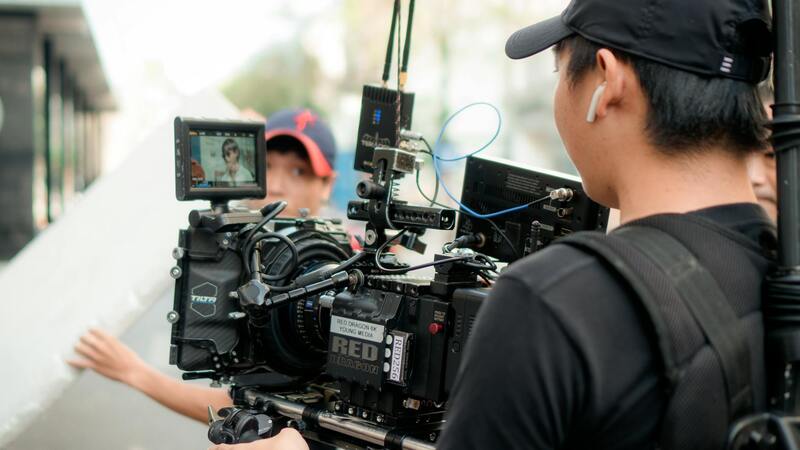
Scope and Significance
In today’s digital landscape, corporate videos serve multiple purposes—from showcasing products and services to internal training and corporate communications. A well-executed video can significantly enhance a company's reputation and foster stronger connections with clients, stakeholders, and employees. The cinematography aspect ensures that these videos are not only informative but also visually engaging, which helps in capturing and maintaining viewer attention.
Technical Foundations
Effective corporate cinematography relies heavily on technical proficiency. This includes mastery of camera operations, lighting setups, and sound recording, all tailored to the specific requirements of each project. Additionally, understanding narrative development and visual storytelling techniques is essential for creating content that aligns with the company's branding and strategic messaging.
Benefits of Professional Corporate Video Production
Engaging professional videography services ensures that the final product meets high standards of quality, aesthetic appeal, and message clarity. This expertise translates into increased credibility and authority in the eyes of viewers, facilitating stronger brand recognition and trust. Professionally produced videos also tend to perform better across digital platforms, attracting more views and interactions.
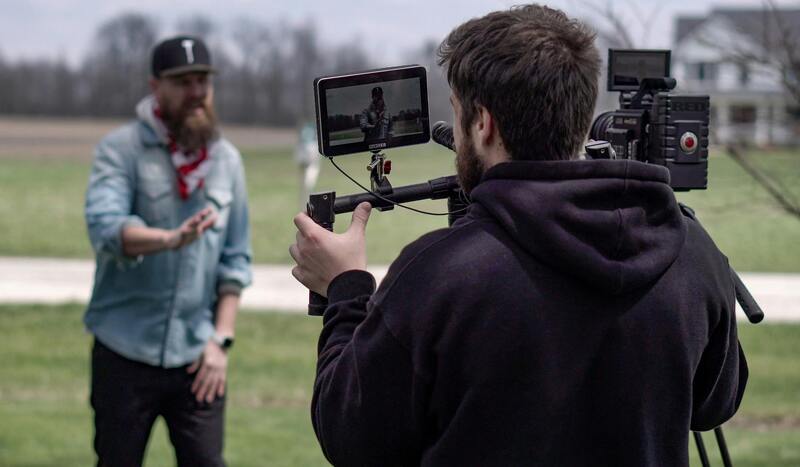
Enhanced Engagement and Reach
Videos created with professional cinematography techniques are more likely to go viral and reach broader audiences. Visually striking content captures interest rapidly, encouraging viewers to share and discuss the message. This expanded reach contributes to increased lead generation, improved brand visibility, and greater overall impact.
Consistency with Brand Identity
Professional cinematographers are skilled at aligning visuals with brand guidelines, ensuring a cohesive look and feel across all marketing channels. This consistency reinforces brand recognition and supports long-term marketing strategies.
Key Elements of Corporate Video Cinematography
Creating effective corporate videos involves careful attention to several essential visual and technical components. These elements work together to craft a compelling narrative that supports the organization’s strategic objectives.
Visual Composition
Thoughtful framing, camera angles, and movement direct viewers’ attention and evoke intended emotional responses. Attention to composition ensures that the core message is delivered clearly and efficiently.
Lighting Design
Proper lighting enhances the mood, highlights key subjects, and ensures clarity. It helps in establishing atmosphere and emphasizing important elements within the shot.
Sound Quality
Clear dialogue, ambient sounds, and music are critical for supporting the visual storytelling. High-quality sound recording and mixing are fundamental for a polished final product.
Color Grading
Color correction and grading create a consistent visual tone that aligns with the brand identity, enhances mood, and improves aesthetic appeal.
Camera Equipment
Utilizing high-definition cameras, stabilizers, drones, and specialized gear allows for capturing dynamic, professional footage that elevates overall production quality.
Pre-production Planning and Strategy
Before filming begins, extensive planning is vital. This stage involves defining project goals, identifying target audiences, and crafting a compelling storyline aligned with branding. Script development, storyboarding, and location scouting help visualize the final product and streamline the production process.
Client Collaboration
Effective communication with stakeholders ensures that the content aligns with their vision and objectives. Clarifying messaging, tone, and style during early planning stages helps in avoiding costly revisions later.
Budgeting and Scheduling
Establishing a realistic budget and timeline guarantees that the project remains on track and meets deadlines. It also supports efficient allocation of resources, including equipment and personnel.
Legal and Compliance Considerations
Ensuring all necessary permissions, releases, and clearances are obtained prevents legal issues and safeguards intellectual property rights throughout the filming and distribution phases.
Choosing a Corporate Video Cinematography Service in Miami
When selecting a corporate video cinematography provider in Miami, it’s crucial to focus on the agency’s expertise, experience, and understanding of your industry’s unique needs. A well-established local firm will have a comprehensive understanding of how to craft a message that resonates with the Miami business community, leveraging regional knowledge to enhance the video's relevance and impact.
Review the portfolio of potential service providers to assess the quality and diversity of their prior work. Look for projects that demonstrate a variety of styles, tones, and formats, ensuring that their capabilities align with your specific goals. Pay attention to the consistency in quality, storytelling ability, and technical proficiency—these are key indicators of a service that can deliver professional results.
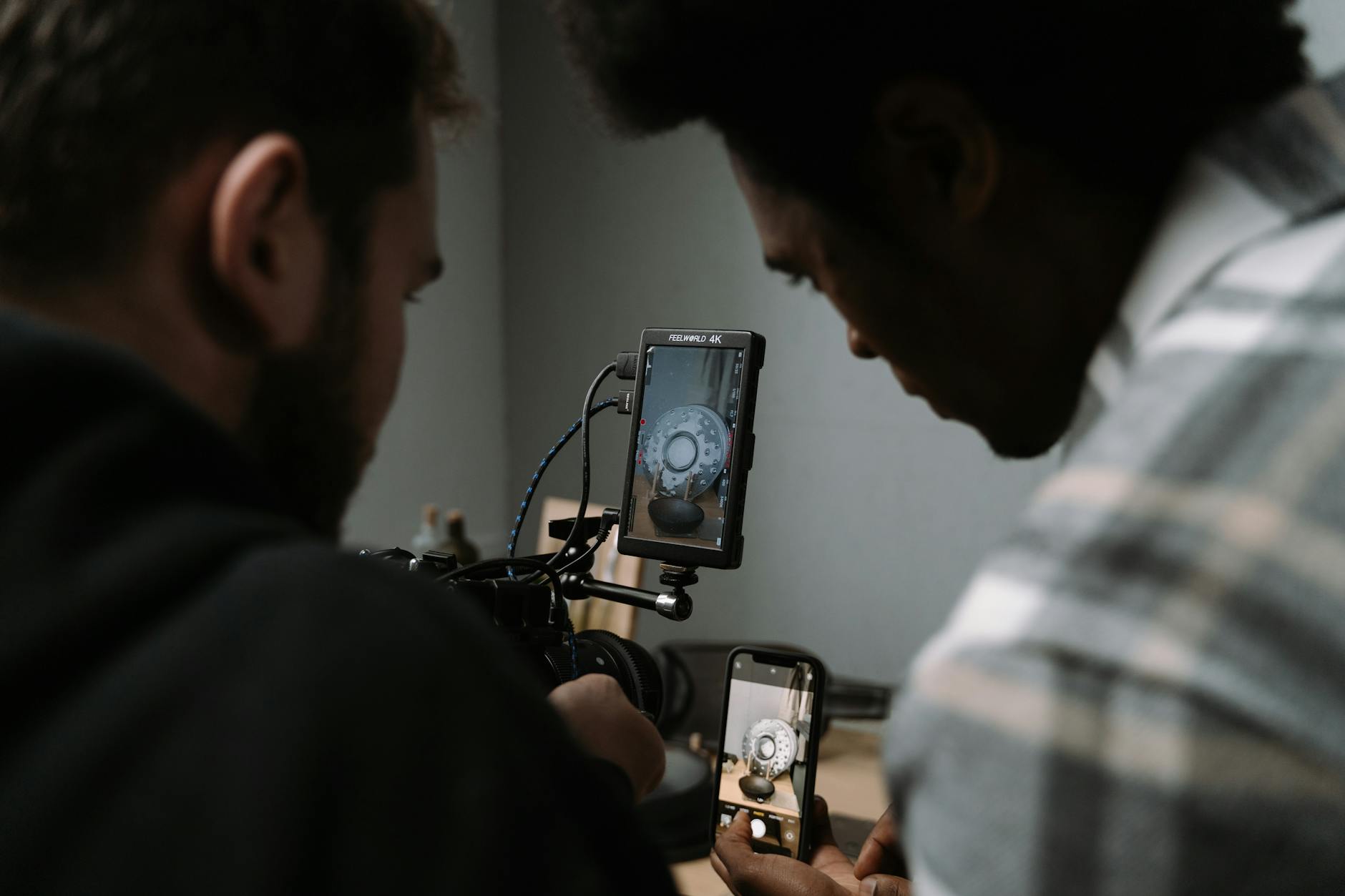
Understanding the scope of service packages is also vital. Leading providers offer comprehensive packages that cover pre-production planning, high-quality filming, professional editing, and final delivery. Some may include additional features such as drone footage, 3D animations, or multilingual subtitles to enhance the video’s versatility and reach.
Consultation with the selected agency will help clarify the process, timeline, and expectations. A professional team will listen carefully to your brand messaging, corporate objectives, and target audience to develop a tailored solution. Discussing these aspects upfront ensures that the final product aligns perfectly with your vision and marketing strategy.
Local agencies in Miami often have established relationships with venues, talent, and technology providers, streamlining the production process and minimizing logistical challenges. Their familiarity with the region can facilitate smoother permitting, location scouting, and scheduling, ultimately saving time and resources.
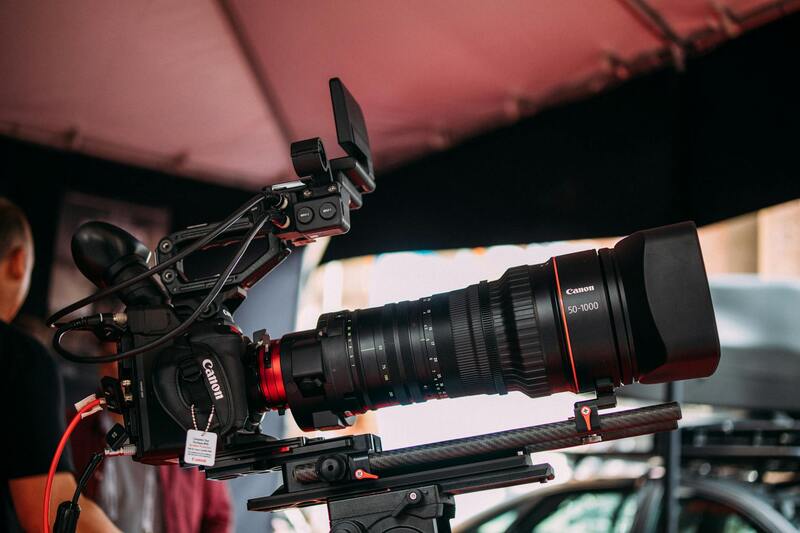
Communication and transparency throughout the project are essential. Choose a partner who maintains clear, consistent dialogue, providing updates and seeking feedback at key stages. This collaborative approach ensures that the vision is realized precisely and that the final corporate video effectively elevates your brand's presence in Miami and beyond.
Advanced Techniques in Corporate Video Cinematography
In the realm of corporate video cinematography, leveraging advanced filming techniques and innovative equipment can dramatically enhance the visual storytelling process. Skilled cinematographers utilize tools such as Steadicams, gimbals, and dollies to achieve smooth, dynamic shots that captivate viewers and convey professionalism. These techniques enable the creation of compelling narratives that resonate with audiences, whether showcasing a company’s culture or highlighting product features.
Utilizing drone technology allows for breathtaking aerial perspectives, establishing a sense of scale or emphasizing location significance. For indoor shoots, robotic camera systems can deliver precise movements, enabling complex shots that would be challenging with traditional equipment. Incorporating these advanced methods elevates the overall production quality, aligning with high standards expected from corporate communications.
Color grading is another critical element in post-production, where cinematographers work to apply tones, contrasts, and color schemes that reinforce brand identity and evoke specific emotional responses. The meticulous adjustment of visual elements ensures the final product reflects the desired aesthetic and messaging goals.