
Understanding Corporate Film Production
Corporate film production involves creating professional video content tailored to serve various business objectives. It encompasses the planning, filming, editing, and distribution of videos that showcase a company's brand, products, services, or core values. This specialized form of media production plays a crucial role in modern business communication, especially within dynamic markets like Miami where competition is intense and brand visibility is paramount.
In Miami, a vibrant hub of commerce and innovation, corporate videos serve as powerful tools to reach diverse audiences. They help communicate a company’s message clearly and engagingly, transcending language barriers and geographical boundaries. Whether used for internal training, investor presentations, or marketing campaigns, corporate films enhance a company's storytelling capabilities, making complex information accessible and memorable.

Furthermore, corporate film production boosts a company's online presence. In the digital age, videos attract significantly more engagement than text-based content, leading to increased brand recognition and customer trust. High-quality corporate videos can be featured on websites, social media platforms, and at industry events, amplifying the company's message to a wider audience.
The strategic use of corporate films can also demonstrate a company's professionalism and dedication to quality. Well-produced videos reflect attention to detail and a commitment to excellence, which can influence potential clients, partners, and investors. Therefore, investing in expert corporate film production is not just about creating content—it's about building a compelling brand narrative that resonates and leaves a lasting impression.
In Miami’s competitive market landscape, a well-crafted corporate film can differentiate a business from its competitors. It provides a platform to highlight unique selling propositions, company culture, and success stories in a visually engaging manner. This approach facilitates stronger emotional connections with audiences, fostering loyalty and encouraging engagement.
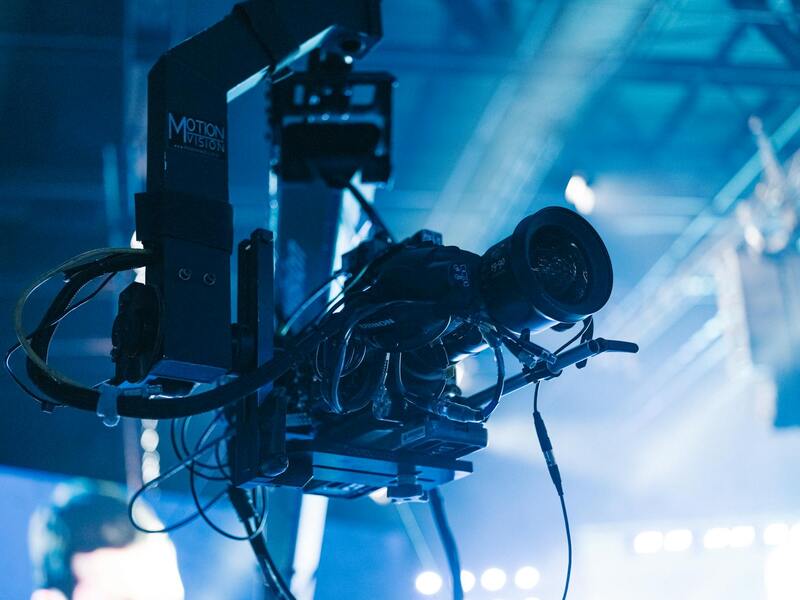
Ultimately, the value of corporate film production lies in its ability to articulate a company’s mission effectively through compelling visuals and storytelling. It ensures that key messages are delivered efficiently, convincingly, and consistently—an essential aspect of contemporary business growth strategies. As Miami continues to grow as a commercial hub, the demand for professional corporate film production services is expected to rise, reaffirming its role as an indispensable tool for business success in the region.
Key Elements of Effective Corporate Films
Producing a corporate film that resonates with its target audience requires meticulous attention to several core components. These elements ensure that the final product aligns with strategic objectives and conveys the intended message with clarity and impact.
- Compelling Storytelling: An engaging narrative is the foundation of any successful corporate film. It should encapsulate the company’s mission, values, and unique value propositions in a manner that captivates viewers and fosters emotional connections. Storytelling techniques, such as storytelling arcs and relatable characters, enhance viewer engagement.
- Practical Concept Development: A well-conceived concept acts as the blueprint for the entire production. It must reflect the brand's personality while addressing the audience's aspirations and interests. Collaborating with creative teams to generate innovative ideas is essential in shaping a distinctive visual and thematic identity.
- Professional Scriptwriting: The script serves as the backbone of the corporate film, translating the core message into a coherent, concise, and compelling language. Clear, persuasive narration aligned with visual cues enhances storytelling effectiveness.
- High-Quality Visual and Audio Production: Quality footage, lighting, and sound are non-negotiable. They contribute to the film’s professionalism and credibility. Utilizing advanced equipment and experienced crew members ensures that each frame aligns with the production’s high standards.
- Consistent Branding: Every element within the film—colors, logos, messaging styles—should reinforce brand recognition. Consistent branding fosters trust and solidifies the company's identity in the viewer's mind.
- Effective Call-to-Action (CTA): A clear CTA guides viewers toward desired actions, whether that involves visiting a website, contacting sales teams, or attending an event. Integrating CTA prompts seamlessly within the narrative maintains viewer engagement without seeming intrusive.

The Corporate Film Production Process
Executing a corporate film involves a series of structured phases designed to ensure the final product meets strategic goals while staying within budget and schedule constraints. Understanding this process allows companies to collaborate effectively with production teams and obtain optimal results.
- Pre-Production: This initial phase involves comprehensive planning, including script development, storyboarding, location scouting, talent casting, and securing necessary permits. Clear communication of objectives and expectations during this stage lays the groundwork for smooth execution.
- Production: The filming phase captures all visual and audio content according to the planned schedule. Skilled directors, cinematographers, and crew members work together to enact the creative concepts, ensuring consistency in style and quality.
- Post-Production: Digital editing, sound design, color correction, and visual effects are refined during this stage. The editing team aligns the content with the original narrative, adding graphics, subtitles, and music to enhance engagement.
- Review and Finalization: The drafted version of the video is reviewed internally and often presented to stakeholders for feedback. Necessary revisions are implemented to meet expectations and adhere to branding guidelines.
- Distribution Preparation: The completed film is formatted for various platforms—corporate websites, social media, internal channels, or broadcast—ensuring compatibility and optimal display quality for each medium.
Key Elements of Effective Corporate Films
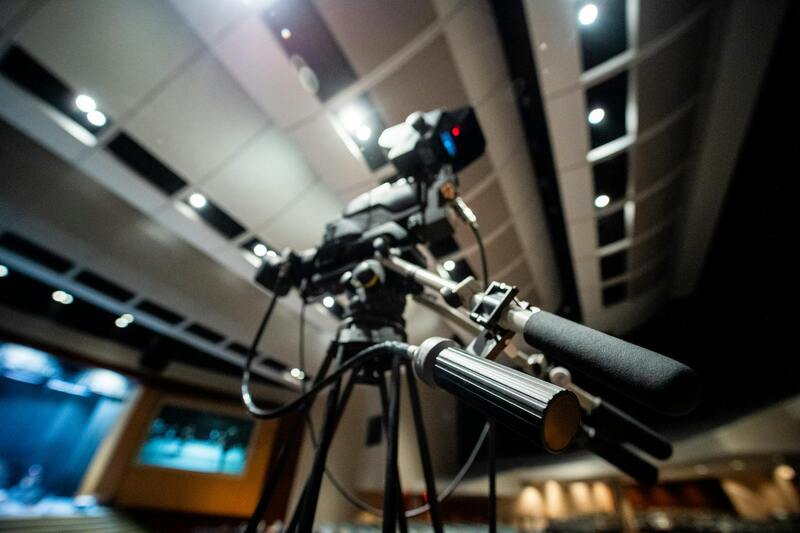
Creating a compelling corporate film requires meticulous attention to the core components that resonate with viewers and reinforce the company's message. The storytelling aspect forms the backbone of an effective production, providing a narrative that captures the audience’s attention while conveying essential information. A well-crafted story aligns with the company’s values and goals, making the message memorable and authentic. High-quality visuals play a pivotal role in engaging viewers; sharp imagery, professional lighting, and camera work underscore the company’s professionalism and commitment to excellence.
Consistency in branding is critical, as the visual and messaging style should reflect the company's identity across all elements of the film. This includes the use of logos, color schemes, and tone, which collectively reinforce brand recognition. Messaging strategies must be clear, concise, and tailored to target audiences, whether the goal is to attract potential clients, retain employees, or communicate corporate responsibility initiatives. Effective corporate films integrate these components harmoniously to produce a video that not only informs but also motivates viewers.
Implementing these key elements ensures that the final product is impactful and aligns with strategic communication objectives. Each element must work in concert to create a cohesive narrative that elevates the company's image, communicates its message effectively, and drives desired outcomes.
The Corporate Film Production Process
Executing a successful corporate film involves a structured process that begins with defining clear objectives aligned with business goals. This clarity guides every subsequent phase, from conceptualization to distribution. Pre-production entails detailed planning, including script development that encapsulates the intended message compellingly. Storyboarding offers a visual blueprint, mapping out scenes to ensure alignment with the narrative. Location scouting is crucial for selecting backdrops that enhance storytelling, while talent casting involves selecting individuals who embody the brand’s image and values. Securing permits ahead of time prevents delays and ensures compliance with local regulations.
During filming, a skilled crew captures high-quality footage consistent with the established storyboard and script. Direction, cinematography, and sound recording must work seamlessly, maintaining the visual style and tone throughout the shoot. This phase benefits from precise scheduling to maximize efficiency and minimize costs.
Post-production management revolves around editing the raw footage into a cohesive story. Sound design, including voiceovers and sound effects, enhances clarity and impact. Color grading ensures visual tone consistency, while visual effects can be added to elevate storytelling. Graphics, subtitles, and branding elements are integrated to support message delivery and accessibility. The review process involves stakeholders providing feedback, resulting in necessary revisions to refine the final product.
Proper formatting for various platforms, such as websites, social media, or internal channels, ensures adaptability and maximum reach. High-resolution distribution prepares the video for different screen sizes and formats, preserving quality across devices. Detailed planning and coordination throughout each phase are fundamental to producing an engaging, professional corporate film that effectively communicates your brand story.
Legal and Official Methods for Corporate Film Production
When producing a corporate film, adhering to recognized and authorized procedures ensures smooth project execution and a professional outcome. This involves engaging qualified production companies that have a proven track record in corporate video projects. Their expertise includes understanding local regulations, securing necessary permits, and complying with industry standards, which helps prevent potential delays or complications during filming.
Most reputable corporate film production agencies in Miami maintain a comprehensive portfolio that demonstrates their ability to deliver high-quality content tailored to diverse business needs. Choosing such a provider guarantees access to experienced directors, cinematographers, and editors who operate within established best practices. They are equipped to handle all aspects of the production process, from initial concept development through to post-production, ensuring a cohesive final product that aligns with the company's branding and communication objectives.
Furthermore, official methods entail meticulous planning and documentation. This includes drafting detailed production agreements that specify project scope, deliverables, timelines, and confidentiality clauses. These formal agreements safeguard both parties and lay the groundwork for a transparent collaboration. Formal authorization processes also extend to acquiring the necessary location permits, talent releases, and insurance coverage, all of which are standard components of professional film production.
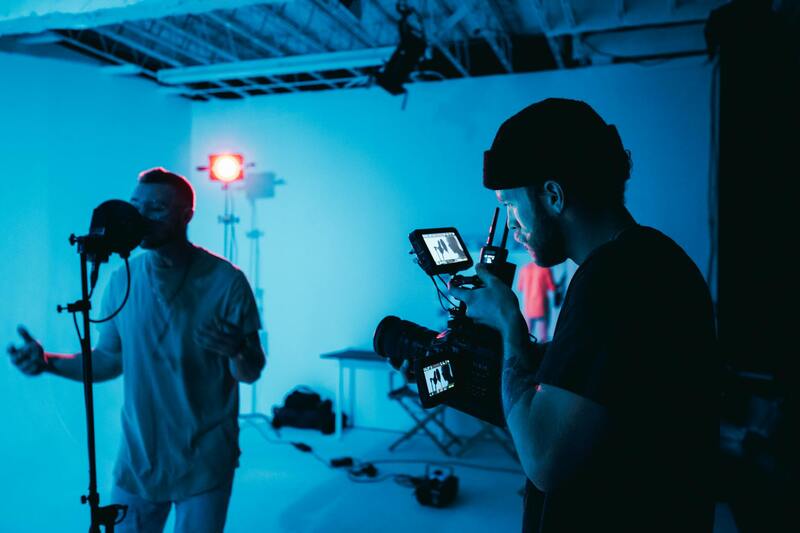
Using reputable sources and licensed services throughout the process further enhances the integrity of the production. This includes sourcing appropriate footage, music, and visuals through licensed providers, and ensuring that all content used complies with intellectual property rights. Employing off-the-shelf or proprietary assets responsibly minimizes the risk of copyright infringement, which is paramount for corporate communications and branding.
Implementing a Structured Production Workflow
One of the integral elements of official methods in corporate film production is establishing a clearly defined workflow. This begins with detailed pre-production planning, including scripting, storyboarding, and scheduling. During filming, following the planned schedule and script ensures consistency and quality. Post-production then involves structured editing and review processes, where feedback from stakeholders is systematically incorporated into the final product. This disciplined approach guarantees that the corporate film maintains professionalism, accuracy, and relevance throughout each stage.
Additionally, leveraging industry-standard project management tools and communication channels supports transparent coordination among team members. Regular status updates and milestone reviews allow for prompt adjustments and keep the project aligned with organizational goals. The result is a well-orchestrated production that adheres to official procedures, delivering a corporate film that effectively communicates the brand's message and enhances reputation.
Ensuring Official and Accurate Methodologies in Corporate Film Production
In today’s competitive business environment, adhering to official and verified methods in corporate film production is essential to safeguard brand integrity and ensure the effectiveness of communication strategies. This involves employing a systematic approach to every phase — from pre-production planning through to distribution — with a focus on compliance, quality, and professionalism.
Establishing a Rigorous Pre-Production Framework
Preparatory planning is the foundation of a successful corporate film. This phase includes defining clear objectives aligned with organizational goals, identifying target audiences, and meticulous scripting grounded in factual and compelling narratives. Creating comprehensive storyboards and shot lists helps visualize the final product, reducing ambiguities during filming. Ensuring contractual agreements with stakeholders about rights, usage, and confidentiality is crucial. All plans are documented and approved through formal channels to maintain transparency and accountability.

Adhering to Professional Filming Standards
The filming process must follow standardized protocols involving high-quality equipment and trained personnel. Proper lighting, sound recording, and camera operation are guaranteed when working with certified crew members. It is essential to maintain a meticulously maintained schedule, with adherence to the pre-approved shot list. This disciplined approach helps avoid costly reshoots and ensures continuity throughout the shoot.
All personnel involved should operate within the scope of their expertise, with clear communication channels established to resolve issues swiftly. The implementation of detailed daily reports and footage logs supports tracking progress and managing resources efficiently. This structured methodology not only minimizes risks but also enhances the overall professionalism of the project.
Post-Production: Fulfilling Quality and Compliance
Post-production is a critical phase where the initial footage is meticulously edited to produce a coherent, engaging narrative that accurately reflects the company's message. The editing process should follow approved guidelines, incorporating feedback from designated stakeholders through official review stages. This systematic review process ensures that the final cut aligns with the company’s branding standards and complies with legal and intellectual property requirements.
Additional steps include sound editing, visual effects, and color grading, all handled by specialists following industry-standard practices. The final version should be thoroughly checked for accuracy, clarity, and professionalism before approval for distribution. Documentation of all revisions and approvals is maintained to provide a clear audit trail, reinforcing the integrity of the production process.
Distribution and Compliance in Corporate Film Distribution
Distributing corporate films through legitimate channels ensures the content reaches the intended audience without infringing on copyrights or other legal stipulations. Companies must employ officially sanctioned platforms such as secure company websites, authorized broadcast channels, or licensed digital distribution networks. These channels uphold content integrity and protect the organization from potential legal issues.

Monitoring and Documenting Production Compliance
Keeping detailed records throughout the production lifecycle is fundamental to maintaining official standards. This includes maintaining signed agreements, production schedules, footage logs, review feedback, and communication records. Such documentation demonstrates a transparent and accountable process, aligning with best practices in corporate communications.
By implementing a thorough documentation system, organizations can also facilitate future audits, ensure consistent quality, and uphold their commitment to integrity and professional standards. These official methods fortify the credibility of the corporate film, reinforcing trust with stakeholders and the audience alike.
Understanding Corporate Film Production
Corporate film production serves as a strategic tool for organizations aiming to communicate their brand story, showcase products or services, and foster stakeholder engagement through compelling visual storytelling. Effective production requires a clear plan, professional execution, and adherence to established standards to ensure the final product aligns with corporate goals and resonates with the target audience.
Types of Corporate Films
Corporate films span various formats, each serving distinct objectives:
- Brand Identity Films: Focused on building and strengthening the company's brand image, highlighting core values, mission, and vision.
- Product Demonstration Videos: Showcase features, benefits, and functionality of products or services to inform and persuade potential clients.
- Training and Educational Films: Designed to educate employees or clients on processes, procedures, or product uses, often used internally or in professional development contexts.
- Corporate Profiles and Testimonials: Humanize the brand by featuring interviews with leadership or satisfied customers, enhancing credibility.
- Event Coverage and Company Milestones: Document significant events, conferences, or achievements to reinforce organizational success and community involvement.
Key Elements of Effective Corporate Films
Creating impactful corporate films hinges on integration of several core elements:
- Strategic Messaging: Clear, concise messages that align with corporate objectives and resonate with the target audience.
- Professional Visuals and Sound: High-quality cinematography, sound design, and editing that reflect the company's professionalism.
- Authentic Narrative: Stories that authentically depict the organization’s values, culture, and offerings, fostering genuine connections.
- Call-to-Action (CTA): Clarity on the next steps for viewers, whether to contact, visit, or follow the company, ensuring engagement extends beyond viewing.
- Consistency with Brand Identity: Maintaining brand colors, logos, tone, and style to reinforce brand recognition.
The Corporate Film Production Process
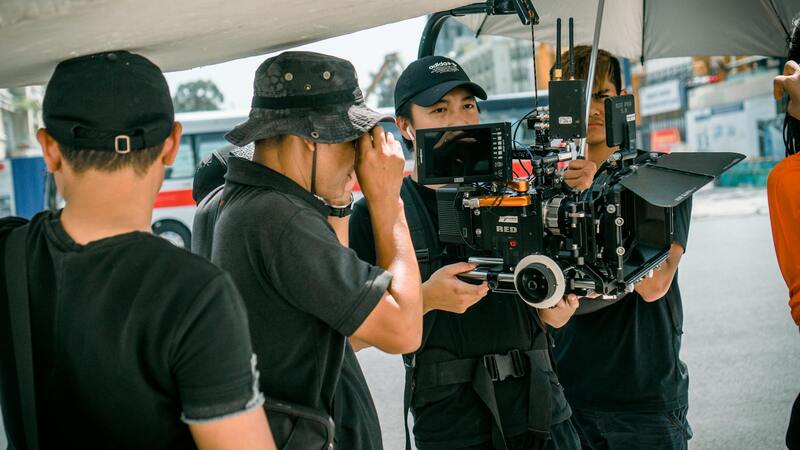
Executing a corporate film involves a meticulous process divided into distinct phases, each requiring careful planning and adherence to standards:
- Pre-production: This stage involves defining objectives, scripting, storyboarding, budgeting, and scheduling. It also includes assembling a production team and selecting locations or assets needed for filming.
- Production: The filming phase where the envisioned scenes are captured. It requires managing lighting, sound, camera work, and directing talent or staff involved.
- Post-production: Editing, visual effects, sound design, and color correction are performed. Ensuring the final cut meets the company's messaging and quality criteria is crucial during this phase.
- Approval and Distribution: Internal review ensures alignment with expectations before release. Documentation of all revisions and approvals creates a clear audit trail, reinforcing the integrity of the production process.
Choosing a Miami Corporate Film Production Agency
When selecting a production partner within Miami, it’s vital to evaluate the agency's portfolio, experience, and adherence to recognized standards. A reputable agency offers comprehensive services—from concept development and scripting to filming, editing, and distribution—ensuring a seamless process and high-quality outcome.

Listening to previous client testimonials and reviewing case studies help gauge an agency’s capability to deliver consistent results that meet organizational standards. A professional agency also emphasizes transparency, maintains detailed documentation throughout production, and employs approved methods for distribution and archival, safeguarding the company's brand integrity and content rights.
Distribution and Promotion Strategies
After the successful creation of a corporate film, the focus shifts to strategic distribution and promotion to ensure the content reaches the target audience effectively. Leveraging multiple channels maximizes visibility and engagement, reinforcing the company's messaging and branding objectives.
Digital Platform Utilization
Present-day digital ecosystems offer diverse opportunities for corporate film dissemination. Hosting videos on the company's official website provides a centralized platform for visitors and stakeholders. Embedding videos in landing pages enhances engagement by providing contextually relevant content that supports marketing campaigns.
Video sharing platforms such as YouTube and Vimeo are essential for broad audience reach. Optimizing video titles, descriptions, and tags according to SEO best practices increases discoverability, enabling the corporate story to attract organic views. Creating playlists tailored to different target segments ensures relevant content is easily accessible.
Social Media Engagement
Social media platforms serve as powerful channels for real-time engagement and brand storytelling. Developing platform-specific promotional strategies allows companies to leverage features like short clips, behind-the-scenes content, and live sessions to foster interaction. Paid advertising campaigns on platforms such as LinkedIn, Facebook, and Instagram can further enhance reach, targeting specific industries, demographics, or geographic locations.
Internal and Event Integration
Distributing internally through intranets or email newsletters keeps employees informed and motivated, reinforcing the company's values and culture. Incorporating corporate videos into conferences, trade shows, and industry events enhances attendance engagement and ensures message consistency across all touchpoints.
Media and Press Outreach
Engaging with industry-related media outlets, blogs, and news platforms extends the film's reach beyond digital channels. Press releases and media pitches highlighting key aspects of the corporate story attract journalists and commentators, creating opportunities for additional coverage and visibility.
Monitoring and Optimization
Tracking performance metrics such as view counts, engagement rates, and viewer feedback provides insight into the effectiveness of distribution efforts. Analyzing this data facilitates ongoing optimization—refining promotional strategies and content to better resonate with the audience.

Measuring the Impact of Corporate Films
Evaluating the success of a corporate film extends beyond initial views, encompassing a comprehensive analysis of its influence on brand perception, engagement, and organizational goals. Employing a mix of quantitative and qualitative assessment methods allows companies to understand the tangible and intangible effects of their visual storytelling efforts.
Quantitative Metrics
- View Counts: The total number of views across platforms indicates broad reach.
- Engagement Rates: Likes, shares, comments, and click-throughs measure viewer interaction and interest.
- Conversion Rates: Tracking actions such as inquiries, downloads, or sign-ups demonstrates the film’s role in driving desired responses.
- Traffic Analytics: Analyzing referral traffic from video links to websites helps quantify viewer interest and behavior trends.
Qualitative Feedback
- Audience Surveys and Interviews: Gathering insights directly from viewers reveals perceptions and emotional responses.
- Focus Groups: Facilitated discussions can highlight viewers' feelings toward the content and messaging clarity.
- Media Mentions and Social Listening: Monitoring mentions and sentiment analysis help gauge brand reputation and alignment with target audience values.
Assessing Return on Investment
Combining data from these metrics provides a clear picture of the film’s effectiveness. Aligning outcomes with initial objectives ensures that the investment in production and distribution delivers measurable value, supporting strategic decision-making and future content planning.
Ensuring Compliance and Ethical Standards in Corporate Film Production
Producing a corporate film involves adherence to a set of proven, responsible practices that uphold the integrity of the brand and maintain transparency throughout the project. By following recognized industry standards and internal guidelines, companies can ensure their videos accurately depict their values, services, and achievements without overpromising or misrepresenting information.
Clear contractual agreements with all stakeholders, including talent, crew, and vendors, are fundamental to define roles, deliverables, and rights from the outset. These agreements safeguard the interests of all parties and foster trust, ensuring that the project proceeds smoothly without misunderstandings.
Respecting intellectual property rights is critical — this includes securing permissions for music, images, and content created by third parties. Proper licensing prevents potential disputes and demonstrates a company's commitment to lawful and ethical content creation. Additionally, sourcing authentic testimonials and case studies directly from clients and partners enhances credibility while respecting privacy considerations.
Transparency in post-production practices suits a strategic approach to voice-overs, editing, and visual effects, ensuring an accurate portrayal of the organizational message. Regular review and approval stages enable key stakeholders to provide oversight, aligning the final output with brand standards and corporate objectives.

Moreover, implementing feedback loops with diverse teams ensures the content remains inclusive and culturally sensitive. This process minimizes risks related to potential miscommunications or unintended offenses, which could harm the company’s reputation.
In terms of distribution, responsible sharing practices—such as controlling access and ensuring data privacy—are vital. This not only protects proprietary information but also maintains the trust of clients and partners in the company's commitment to confidentiality.
Implementing Best Practices for Selective Distribution
- Define clear distribution rights for the content, specifying channels and audiences.
- Use controlled platforms, such as private links or password-protected pages, to limit access when necessary.
- Regularly audit how and where the corporate film is being shared to prevent unauthorized dissemination.
- Align distribution strategies with the company's overall brand and communication policies.
By thoroughly considering these aspects, organizations can produce compelling, impactful corporate films that align with their corporate values, promote transparency, and respect their audience and stakeholders. Ensuring that every step of production and distribution respects industry standards and ethical guidelines ultimately enhances the company’s reputation and supports sustainable brand growth.