
Defining Corporate Video Filming
Corporate video filming is a specialized process that involves creating visual content tailored to communicate a company's core message, brand identity, and business objectives. It encompasses a variety of video formats, from promotional videos to internal communications, training materials, and client testimonials. In Miami, a vibrant hub for commerce and innovation, corporate video filming offers businesses a strategic tool to differentiate themselves in a competitive marketplace. High-quality videos enable companies to establish trust, engage potential clients, and reinforce their brand positioning effectively.
At its core, corporate video filming combines technical expertise, creative storytelling, and an understanding of the client’s target audience. The goal is to produce visually compelling content that aligns with the company's marketing strategy and resonates with viewers across different platforms, including websites, social media, and broadcast channels. Expertise in lighting, camera operation, sound quality, and editing significantly enhances the final product, ensuring clarity and visual appeal that capture viewers’ attention and deliver the intended message convincingly.
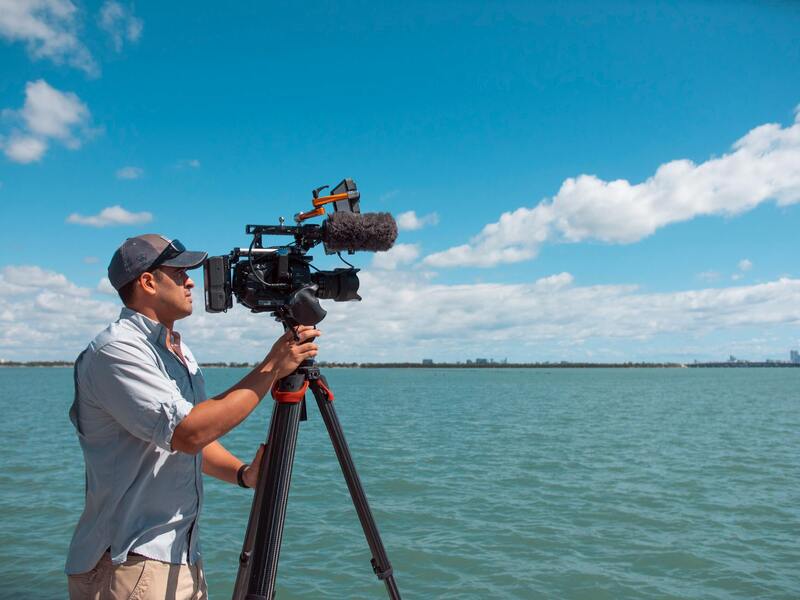
For Miami-based companies, leveraging professional corporate video filming can be a pivotal element in their branding strategy. Given Miami’s diverse business environment — from tourism and hospitality to real estate and finance — presenting a polished, professional image is critical. Corporate videos serve as an effective means of communicating complex messages succinctly, fostering credibility, and building a strong connection with the audience across various digital channels. Modern consumers and stakeholders expect engaging, informative, and visually appealing content, which makes professional corporate video production an invaluable asset in Miami’s competitive commercial landscape.
Understanding the Role of Corporate Video Filming in Business Growth
Corporate videos function as powerful storytelling platforms that can significantly influence purchasing decisions, enhance brand recognition, and strengthen stakeholder relationships. Meanwhile, their production requires a strategic approach that aligns technical execution with branding goals. This includes clear messaging, targeted audience insights, and well-defined visual themes, which are essential for creating resonant content. Companies in Miami that prioritize quality in their video productions often see increased engagement, improved client trust, and expanded market reach, ultimately fostering sustained growth and success.
Planning and Strategy for Corporate Videos
Effective corporate video filming begins long before the camera rolls. A comprehensive planning phase is essential to ensure that the final product aligns with the company’s objectives and resonates with its target audience. This process involves setting clear goals, whether to enhance brand visibility, introduce a new product, or communicate corporate values. Defining measurable objectives helps guide subsequent phases and provides benchmarks for success.
Understanding the target audience is equally critical. Analyzing demographic characteristics, preferences, and media consumption habits informs content tone, messaging style, and distribution channels. This ensures the video appeals directly to viewers' interests and needs, increasing engagement and response rates.
Conceptual development brings together creative ideas and strategic insights. During this stage, scripts are drafted, storyboards are created, and visual themes are established. This planning sets the artistic direction and technical requirements, such as location selection, talent, and equipment needs. A well-structured pre-production plan minimizes surprises during filming, saves time, and controls costs.
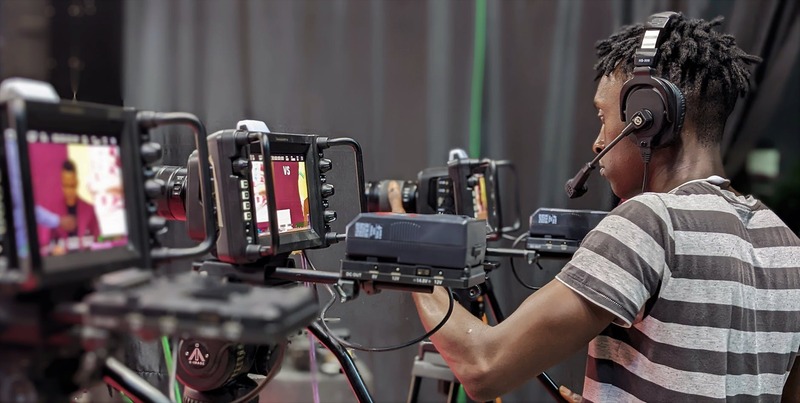
Moreover, logistical considerations, such as scheduling, permits, and resource allocation, are addressed in this phase. Establishing clear communication channels among stakeholders guarantees that everyone is aligned and that any potential issues are proactively managed. This strategic approach lays the foundation for a seamless filming process, ultimately delivering a high-quality corporate video.
Types of Corporate Videos
Understanding the variety of corporate videos available helps in choosing the most effective format for specific objectives. Common types include:
- Brand Videos: These showcase a company's identity, mission, and core values, fostering brand recognition and emotional connection.
- Product Demonstrations: Designed to highlight features, benefits, and usage of a product to persuade and inform potential customers.
- Corporate Testimonials: Featuring client or employee success stories to build credibility and trust.
- Training and Educational Videos: Used internally to inform staff about procedures, policies, or new initiatives.
- Event Coverage: Capturing conferences, launches, or community activities to highlight engagement and thought leadership.
- Corporate Social Responsibility (CSR) Videos: Showcasing a company's community involvement and sustainability efforts to enhance reputation.
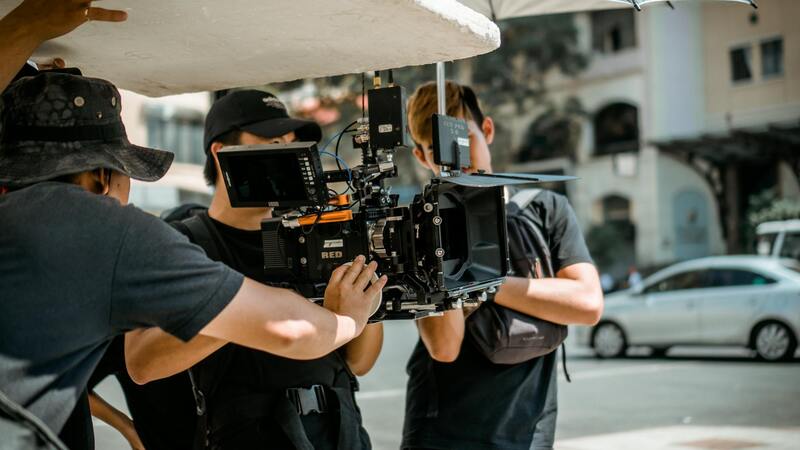
Each type requires tailored approaches in scripting, staging, and editing, emphasizing different aspects of the business. For example, product videos benefit from detailed visuals and demonstrations, while brand videos focus on storytelling and emotional appeal. Strategic selection and execution of these formats maximize the impact of the final production in the broader marketing or internal communication efforts.
Pre-production Preparation
Effective corporate video filming begins long before the camera rolls. Pre-production is crucial in shaping the overall success of the project by establishing clear objectives, understanding the target audience, and defining key messages. During this phase, detailed planning ensures smooth filming days and a polished final product.
Key steps in pre-production include:
- Script Development: Crafting a compelling script that aligns with your company's branding and communicates the intended message effectively. A well-written script serves as a blueprint for all subsequent stages.
- Storyboarding and Shot Planning: Visualizing each scene with storyboards guides the filming process, ensuring clarity of vision. It assists in planning camera angles, movements, and lighting requirements.
- Location Scouting: Selecting appropriate locations that reflect the company's environment or message. This involves assessing lighting conditions, accessibility, and background noise to optimize filming quality.
- Scheduling: Creating a detailed production timeline coordinates equipment setup, actor or employee availability, and filming schedules, minimizing delays and ensuring efficient use of time.
- Casting and Talent Preparation: Choosing suitable employees, spokespeople, or actors, and preparing them through rehearsals and briefings to convey confidence and authenticity on camera.
- Equipment and Crew Coordination: Assembling a capable filming crew and ensuring all necessary equipment such as cameras, lighting, and microphones are available and functional.
Filming Process and Techniques
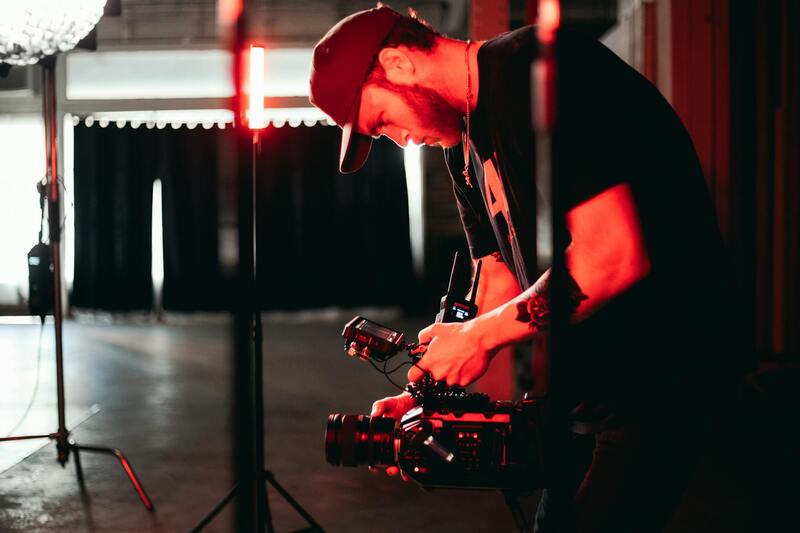
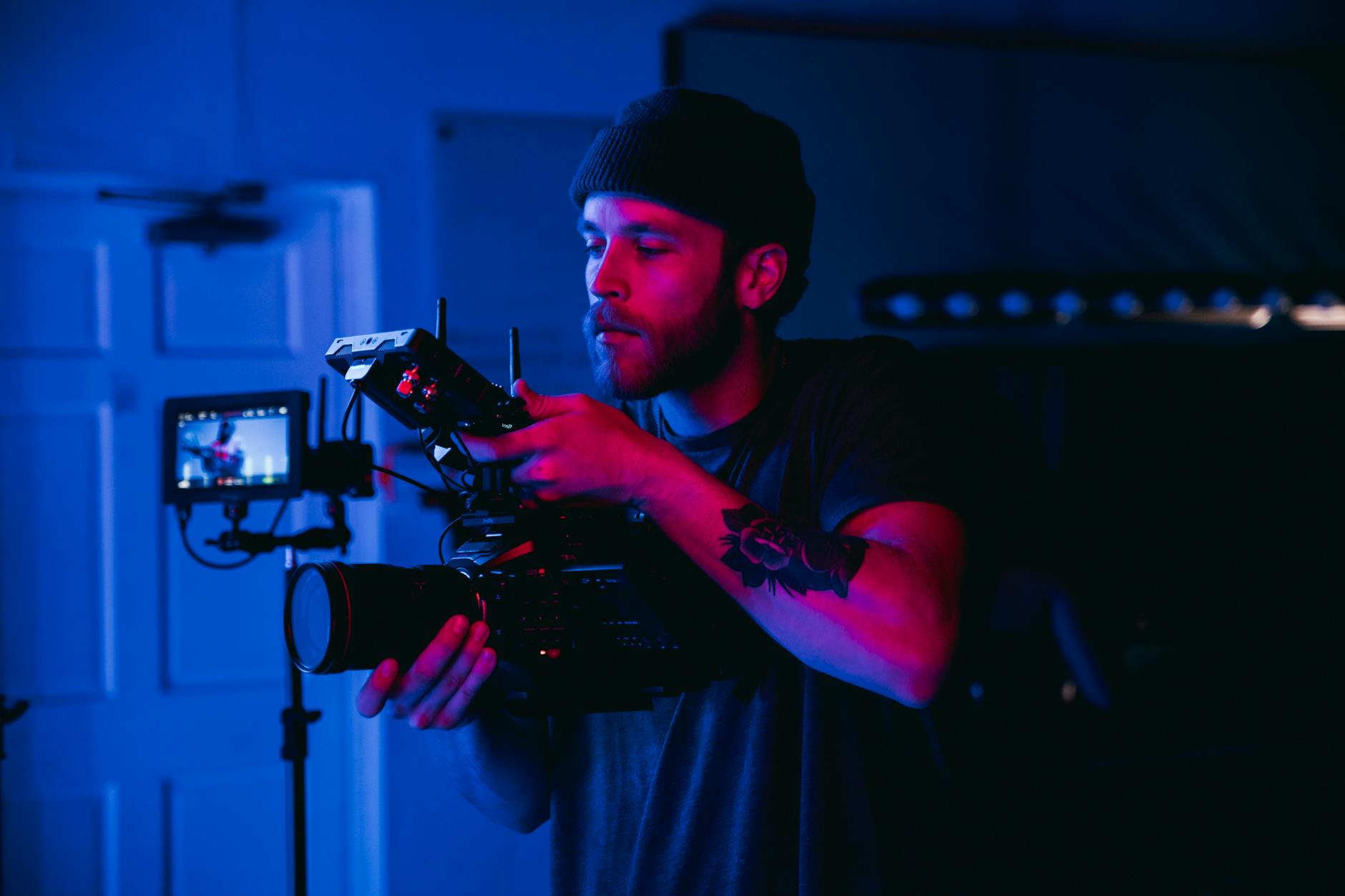
The actual filming phase is where all the pre-planning materializes into visual content. Employing professional techniques enhances the production quality, ensuring the final video appears polished and engaging.
Key considerations during filming include:
- Lighting: Utilizing sufficient and appropriately diffused lighting to highlight subjects, prevent shadows, and create a professional look.
- Camera Work: Using stabilized shots with appropriate framing enhances visual clarity. Techniques such as rule of thirds and depth of field draw viewer attention to key elements.
- Sound Recording: Ensuring crisp audio quality with high-grade microphones reduces background noise and captures clear narration or interviews.
- Multiple Takes and Angles: Recording scenes from various angles and multiple takes provides options during editing, adding dynamism and flexibility to the final cut.
- On-set Direction: Clear communication with talent and crew ensures scenes are executed as envisioned, maintaining continuity and authenticity.
Post-production and Editing
Post-production transforms raw footage into a compelling story, directly affecting the overall impact and professionalism of your corporate video. Skilled editing combines visual, audio, and graphic elements seamlessly to produce a cohesive final product.
Critical aspects of post-production include:
- Video Editing: Assembling footage to follow the narrative structure, trimming unnecessary segments, and pacing the video for optimal engagement.
- Color Correction and Grading: Adjusting colors to enhance visual appeal, ensure consistency, and establish the desired mood or tone.
- Audio Enhancement: Mixing background music, voiceovers, and sound effects to complement the visuals without overwhelming the message.
- Addition of Graphics and Text: Incorporating lower thirds, titles, and branding elements to reinforce identity and clarify information.
- Review and Revisions: Collaborating with stakeholders to refine the video, ensuring it aligns with communication goals before final approval.
Technical Aspects and Equipment Utilized in Corporate Video Filming
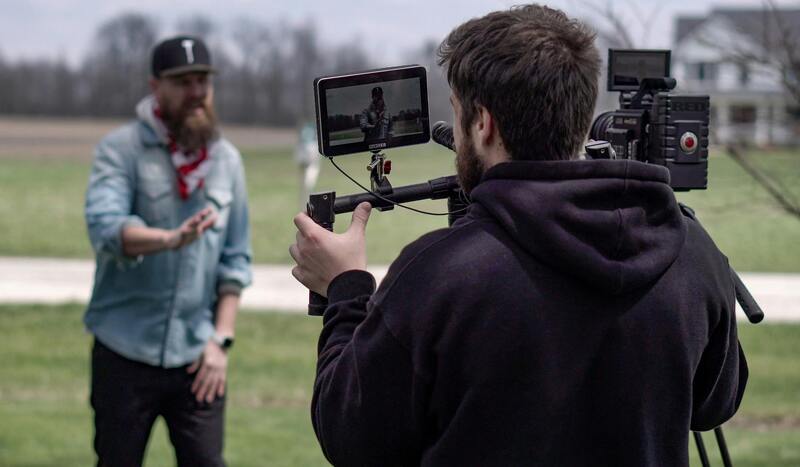
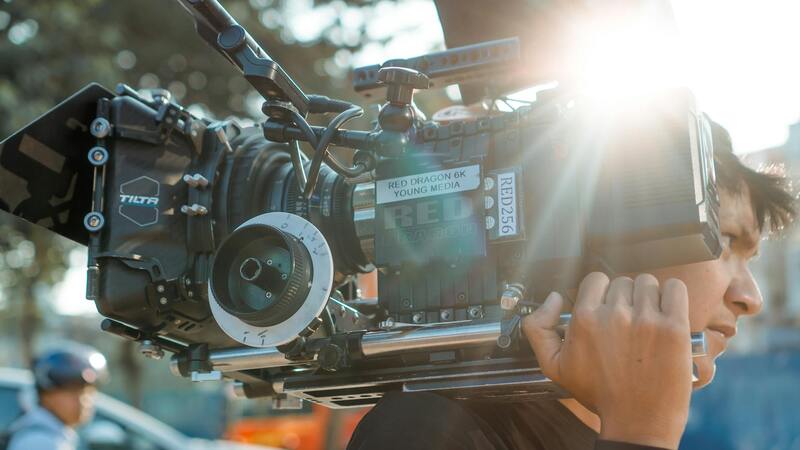
Executing a professional corporate video requires more than just capturing footage; it demands the application of advanced technical skills and high-quality equipment to ensure visual clarity, stability, and engaging storytelling. Skilled videographers utilize a range of tools—from state-of-the-art cameras to sophisticated lighting systems—that are carefully selected based on the project scope and environment.
When filming corporate videos, equipment choices are tailored to the specific needs of each project. For interior shots, using stabilized cameras with zoom capabilities allows for sharp, detailed visuals that maintain focus on key subjects, even in confined spaces. On-location shoots often require portable, weather-resistant rigs and drones for dynamic aerial views that enhance the narrative.
Lighting plays a pivotal role in establishing the desired mood and ensuring that the subject is well-illuminated. Professionals often employ LED panel lights, softboxes, and reflectors to create balanced lighting conditions, minimizing shadows and highlighting textures. Proper lighting not only improves image clarity but also helps in emphasizing brand colors and visual consistency.
Utilizing Professional Audio Solutions for Clear Communication
Clear, high-quality audio is vital for corporate videos, transcending visual appeal to effectively convey messages. During filming, directional microphones, lapel mics, and boom poles are strategically deployed to capture voiceovers and key sounds accurately. Ambient noise reduction is achieved through soundproofing techniques and the use of windshields, especially when shooting outdoors.
Post-production: The Role of Editing Software and Techniques
Post-production transforms raw footage into a polished final product through meticulous editing. Advanced software such as Adobe Premiere Pro, DaVinci Resolve, or Final Cut Pro facilitates intricate editing, color grading, and visual effects integration. Applying precise color correction ensures that brand colors remain consistent, while visual effects and graphics add a layer of professionalism.
Sound design within editing involves balancing background music with voiceovers, enhancing clarity and emotional impact. Incorporating animated graphics, lower thirds, and on-brand text reinforces messaging and guides viewers’ attention effectively.
Finally, a review cycle involving stakeholders guarantees the final product aligns with branding standards and communication goals, allowing for adjustments before distribution. This thorough approach to technical aspects and equipment ensures each corporate video project is executed with professionalism and precision, delivering a compelling visual story tailored to specific corporate needs.
Filming Process and Techniques
To achieve a high-quality corporate video, it is essential to employ advanced filming techniques and equipment that ensure clear visuals and sound. The choice of equipment is driven by the project’s scope, location, and desired aesthetic. Professional-grade cameras with high-resolution capabilities, such as cinema-grade digital cameras, are standard to capture crisp, vibrant footage. These cameras offer extensive control over settings such as aperture, shutter speed, focus, and ISO, enabling filmmakers to adapt to varying lighting conditions on set.
Lighting plays a vital role in shaping the visual tone of the corporate video. Utilizing natural light effectively can create authentic, relatable scenes, while artificial lighting setups—such as LED panels and softboxes—allow for precise control over brightness and mood. Proper lighting ensures that subjects are well-highlighted, shadows are minimized, and the overall image quality remains consistent.
Sound quality dictates the professionalism of the final product. High-quality microphones are essential for capturing clear audio. Shotgun microphones mounted on booms, lapel microphones for individual speakers, and wireless systems facilitate flexibility and clarity during filming. Soundproof environments or external windshields are employed to reduce unwanted noise, especially during outdoor shoots, ensuring dialogue and essential sounds are captured crisply.
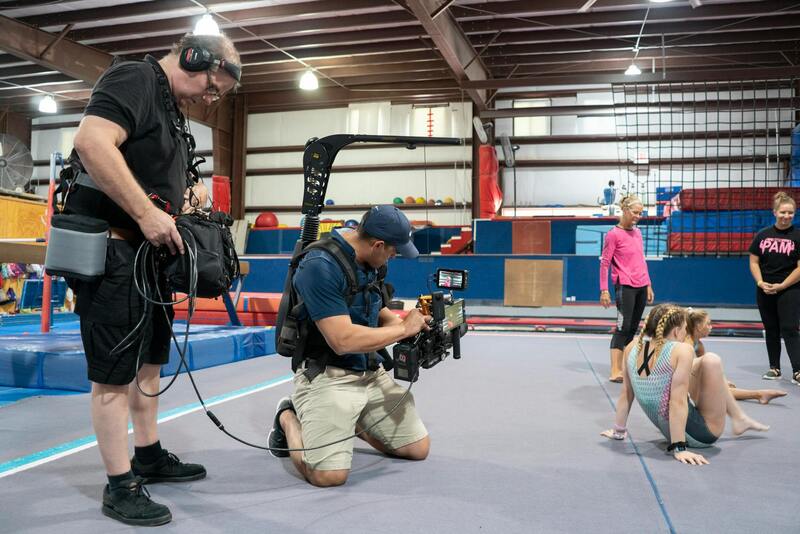
Camera angles and movement also influence how viewers perceive the message. Wide shots establish context or environment, while close-ups hone in on expressions to convey emotion. Dynamic shots—such as tracking or panning—add visual interest and maintain viewer engagement. The use of stabilizers and gimbals ensures smooth camera motion, avoiding shaky footage that can detract from the professional quality of the video.
Advanced Techniques to Enhance Quality
- Selective Focus and Depth of Field: Creates a professional separation between subjects and backgrounds, emphasizing key elements.
- Color Grading: Post-production color adjustments can enhance visual appeal and align with branding aesthetics.
- Slow Motion and Time-lapse: Adds dramatic or narrative effects that can highlight specific moments or processes.
- Green Screen Technology: Facilitates the incorporation of diverse backgrounds and visuals, adding versatility to corporate storytelling.
Constructing a meticulous filming setup based on these principles and techniques results in a polished, engaging corporate video that effectively communicates the intended message. Skillful execution during filming, combined with high-quality equipment, forms the foundation for a compelling visual narrative tailored to the brand's objectives and audience.
Filming Process and Techniques
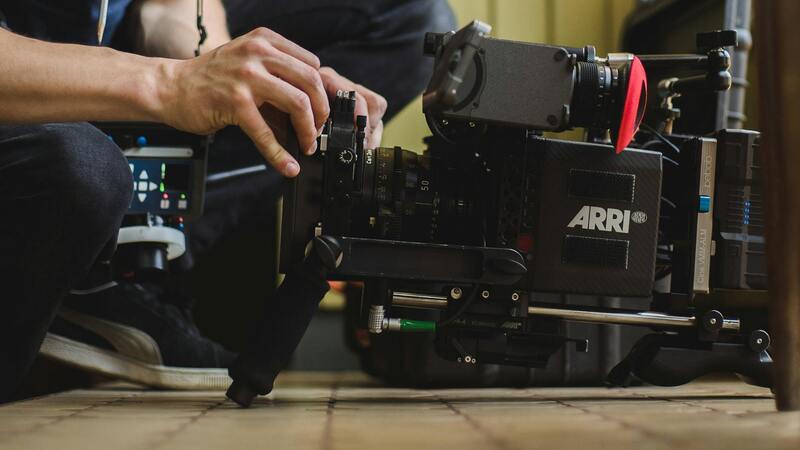
Executing high-quality corporate video filming requires a deliberate approach to capturing every element with precision. Each shot should be carefully planned to serve the overarching narrative, emphasizing clarity, professionalism, and brand alignment. Utilizing advanced camera techniques and equipment guarantees that visuals are sharp, stable, and engaging. This includes deploying camera rigs, stabilizers, and gimbals that facilitate smooth camera movements, enhancing the cinematic quality of the footage.
Effective use of camera angles can dramatically influence viewer perception. Wide shots are instrumental in establishing the environment and context, allowing audiences to understand the scope of the setting. Conversely, close-up shots are essential for capturing facial expressions and subtle gestures, conveying emotion and authenticity. Dynamic camera techniques, such as tracking shots or pans, add movement and vitality to the narrative, holding the viewer's attention from start to finish.
Lighting plays an equally vital role. Proper illumination ensures that subjects are well-lit and visually appealing while maintaining natural shadows and highlights. When filming outdoors, managing sunlight and weather conditions is crucial to prevent overexposure or harsh shadows. Indoor shoots benefit from controlled lighting setups that highlight key actors or elements without creating distracting shadows or reflections.
Sound quality is often overlooked but is fundamental for professional-grade videos. Employing directional microphones, boom mic setups, and lapel microphones helps capture dialogue and ambient sounds crisply. Sound engineers should monitor audio levels continuously, reducing background noise and ensuring clarity. Special attention should be paid to reducing extraneous noises, especially during outdoor shoots, to prevent audio distractions that diminish the overall quality of the final product.
Incorporating advanced filming techniques further elevates the production quality:
- Selective Focus and Depth of Field: Using wide apertures to create a shallow depth of field draws attention to the primary subjects while blurring backgrounds, adding a professional touch.
- Color Grading: Post-shoot color adjustments enhance visual consistency, highlight brand colors, and establish the desired mood or tone.
- Slow Motion and Time-lapse: These effects can dramatize key moments or demonstrate processes efficiently, adding narrative depth.
- Green Screen Technology: Facilitates integrating customized backgrounds, virtual environments, or animated visuals, expanding storytelling possibilities.
Executing these techniques with precision ensures the corporate video communicates messages effectively, resonating with target audiences and reinforcing brand identity through polished visuals and compelling storytelling.
Post-production and Editing
Effective post-production and editing are crucial phases in the creation of a compelling corporate video. These stages transform raw footage into a polished final product that accurately reflects the brand and communicates intended messages with clarity and impact. During editing, a professional editor assesses all captured material, selecting the most engaging shots that align with the overarching narrative. It involves cutting unnecessary footage, refining pacing, and ensuring seamless transitions to maintain viewer engagement. Color correction and grading play vital roles in establishing the visual tone of the video. Adjusting brightness, contrast, and color saturation ensures consistency across scenes while reinforcing brand identity through specific color palettes. Incorporating graphics, titles, and lower thirds enhances informational value and visual interest, especially in segments requiring clarification or emphasis. Sound design remains integral during post-production. Synchronizing audio with visuals, removing unwanted noise, and balancing levels contribute to an immersive experience. Background music and sound effects should be carefully selected and integrated to complement the message without overpowering spoken content. The use of motion graphics and animations can effectively illustrate complex ideas or data, making them more digestible for viewers. Visual effects, when used judiciously, can add a layer of professionalism and creativity. A detailed review process with client feedback ensures the final product aligns with expectations. Final outputs are often formatted for multiple platforms, considering aspect ratios and resolutions required for websites, social media, and internal communications. Properly executed editing and post-production processes elevate the corporate video’s quality, ensuring it communicates a consistent and impactful message to its intended audience.

Ensuring Compliance with Industry Standards and Best Practices
Producing high-quality corporate videos requires adherence to established best practices and industry standards to guarantee a professional final product. This includes implementing robust project management protocols, maintaining clear communication channels, and following standardized procedures throughout each phase of production. Using professional-grade equipment, such as high-resolution cameras, sophisticated lighting setups, and advanced audio recording devices, is essential to achieve visually appealing and technically sound footage.
Workflow consistency is critical; establishing clear protocols for pre-production, filming, and post-production ensures that each team member understands their responsibilities. Techniques such as proper lighting setups, steady camerawork, and precise focus handling contribute to sharp, clean visuals. Audio quality must not be overlooked; employing directional microphones, boom poles, and soundproofing measures enhances audio clarity and reduces ambient noise.
Verifying Ethical Standards in Corporate Video Filming
Maintaining ethical standards involves transparent communication with clients and talent, respecting copyright laws, and obtaining necessary permissions for locations, music, and third-party content. Clearly outlining usage rights and securing releases from all participants safeguard the production from potential legal complications. It’s also important to present truthful and accurate information, avoiding exaggeration or misleading content that could compromise credibility.
Fostering a respectful working environment during filming helps promote cooperation and professionalism. Ensuring that all personnel are aware of their roles, rights, and responsibilities creates a safe and efficient filming experience.
Implementing Authentic and Certified Methods
Adhering to recognized standards and methods that are verifiable through certification or industry acknowledgment provides a foundation of trustworthy practices. This involves working with certified suppliers for equipment, following accredited training programs for crew members, and utilizing production methodologies endorsed by professional bodies.
Official methods also extend to data management and storage; employing secure, reliable systems for handling footage and sensitive information is crucial. Using compliant workflows that align with data protection guidelines ensures the integrity and confidentiality of corporate assets.
Quality Assurance and Final Verification
Before delivering the final edited video, a comprehensive quality assurance process should be conducted. This involves multiple review stages, verifying visual consistency, audio clarity, and overall coherence with the original brief. Incorporating client feedback during these stages ensures the product meets expectations.
Final checks include testing playback across different devices and platforms to confirm compatibility. Ensuring that formats, resolutions, and aspect ratios align with distribution channels prevents technical issues and optimizes viewer experience.
Documentation and Record-Keeping
Maintaining detailed records of production approvals, permissions, and contractual agreements helps establish a clear trail of compliance and accountability. Proper documentation supports transparency and provides reference points for any future revisions or audits.
Employing official templates for scripts, shot lists, and release forms standardizes processes and secures uniformity across projects. These practices not only reinforce a professional approach but also ensure consistency in delivering corporate videos that meet rigorous standards.