Understanding the Purpose of a Corporate Video
A well-crafted corporate video serves as a powerful tool for businesses aiming to convey their message effectively. It is designed to build brand awareness, strengthen company reputation, and communicate essential information to diverse audiences. Whether used for marketing, internal communication, training, or stakeholder engagement, the primary goal is to create a compelling narrative that resonates with viewers and aligns with the company's overarching objectives.
Corporate videos significantly influence branding efforts by showcasing a company's values, culture, and expertise. They act as a visual identity that helps establish trust and credibility among potential clients, partners, and employees. An impactful video can differentiate a business in a competitive marketplace, leaving a lasting impression that encourages further engagement and action.
Moreover, corporate videos enhance marketing strategies by providing dynamic content for multiple platforms, including websites, social media, and email campaigns. Their visual appeal and storytelling power can increase audience retention rates and boost conversion metrics. Internal communications also benefit from these productions by fostering a unified company culture, relaying important updates, and providing training materials that are engaging and easy to understand.
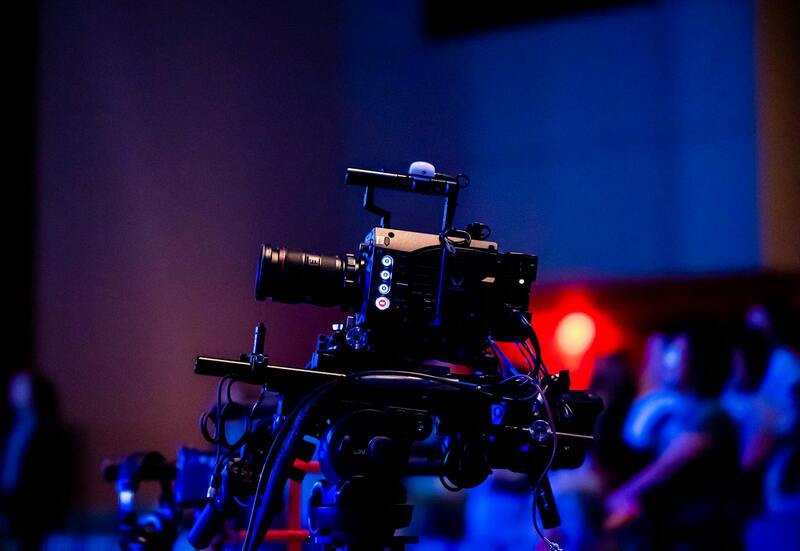
Effective corporate videos are carefully tailored to meet specific business goals, combining strategic messaging with engaging visuals. They serve as versatile assets that support long-term branding initiatives while delivering immediate impact. Understanding the purpose behind producing a corporate video ensures that the content aligns with the company’s mission and resonates with its target audience, ultimately driving brand growth and business success.
Choosing the Optimal Location for a Corporate Video Shoot in Miami
Securing the right environment is fundamental to capturing the essence of a corporate video. Miami offers a diverse array of locations that can elevate the visual storytelling, from sleek cityscapes to tranquil beaches and vibrant urban settings. When selecting a site, it’s essential to consider how the location aligns with the company's branding and the message of the video.
Indoor venues such as modern conference centers, stylish office spaces, or studio settings provide controlled environments that allow for consistent lighting and sound conditions. They are particularly beneficial when your production requires specific aesthetics or technical setups that outdoor locations cannot accommodate. Conversely, outdoor settings like iconic Miami landmarks, lush parks, or bustling streets can inject energy and authenticity into your footage, making your corporate narrative more engaging and relatable.
The process involves evaluating accessibility for your crew and talent, obtaining necessary permits, and assessing environmental factors such as weather and natural lighting. Ensuring that the chosen location has adequate power sources and amenities is also crucial to avoid disruptions during filming. Collaborating with local location agencies or Miami-based production services can streamline this process by providing valuable insights and assistance in securing spaces that meet technical and creative needs.
Additionally, authentic Miami backdrops can enhance the cultural resonance of your corporate story, especially when highlighting regional markets or emphasizing the company's local presence. Remember that the visual coherence of your footage is paramount, so selecting a setting that complements the company's branding elements will reinforce your messaging and leave a strong impression on viewers.

Effective location planning contributes significantly to the overall quality and impact of the final product. It requires meticulous research, strategic selection, and collaboration with experienced local professionals who understand Miami's unique landscape. With the right setting, your corporate video can vividly encapsulate your organization's story, values, and regional identity, setting the stage for a compelling narrative that resonates with viewers across diverse platforms.
Ensuring Proper Legal Documentation for a Corporate Video Shoot
Securing all necessary documentation before starting a corporate video shoot in Miami is an essential step for a seamless production process. Proper permits, permissions, and clearances not only facilitate compliance with local regulations but also safeguard your project from potential disruptions. While the requirements can vary depending on the location and scope of the shoot, adhering to established procedures is critical to maintaining professionalism and avoiding unnecessary delays.
One of the primary official methods involves obtaining location permits from municipal authorities or property owners. This process typically includes submitting detailed plans of the shoot, including dates, times, and equipment to be used. Providing a comprehensive explanation of the project's scope helps authorities understand the nature of your shoot and facilitates approval. For public outdoor locations, such as parks or streets, securing permits ensures your production is recognized and authorized, preventing unforeseen conflicts or citations.
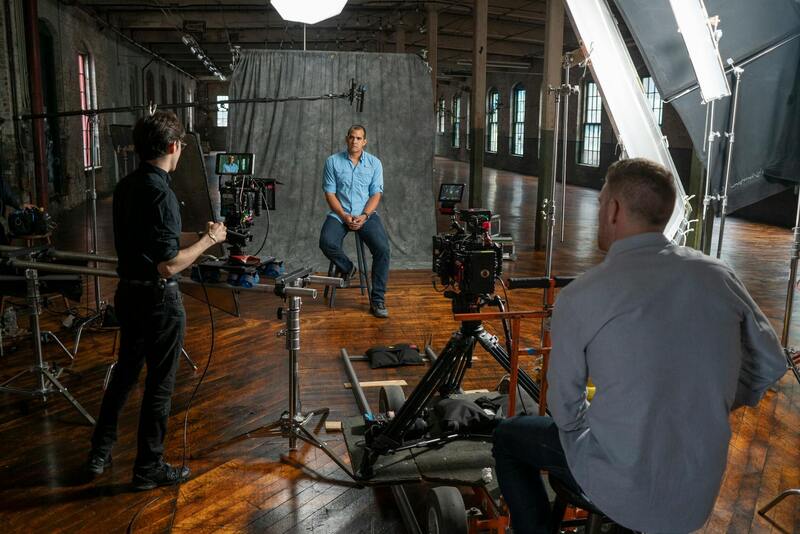
An additional official protocol involves acquiring necessary insurance certificates, including liability coverage that protects against damages or accidents during the shoot. Insurance documentation demonstrates responsibility and readiness, which are often strict requirements by location managers and authorities. It is advisable to consult local Miami production resources or legal advisors experienced in filming permits to navigate the process effectively and ensure completeness of all documentation.
Engaging with reputable local production agencies can streamline obtaining permits and other official documents. These agencies are familiar with the permitting procedures, required paperwork, and the specific regulatory landscape of Miami. They can also coordinate with local authorities beforehand to expedite approval, allowing your team to focus on creative elements rather than bureaucratic hurdles.
Furthermore, if your corporate video involves the use of copyrighted music, proprietary footage, or trademarks, securing rights clearances and releases is crucial. Official documentation such as talent release forms, location releases, and music licensing agreements helps safeguard your project against potential legal complications. These documents also verify that all involved parties consent to the use of content and their likenesses in the final production.
Maintaining organized records of all permits, releases, and correspondences is vital for post-production, distribution, and any potential need for audits or reviews. Proper documentation ensures your corporate video aligns with official standards, minimizes risks, and upholds your company's professional reputation within Miami's creative and business communities.
Official Steps to Secure Approvals for Your Corporate Video Shoot in Miami
When planning a corporate video shoot in Miami, adhering to established procedures for securing filming rights and approvals is essential. This process involves engaging with authorized entities and leveraging official channels designed to facilitate smooth production operations while respecting local regulations.
Utilizing Certified Permitting Agencies and Authorities
The first step involves consulting with apprized Miami-based production agencies that specialize in managing permits for filming. These agencies possess comprehensive knowledge of local compliance requirements and maintain direct relationships with city departments, enabling efficient navigation through the application process. They ensure that all necessary documents, from location permits to equipment usage authorizations, are accurately completed and submitted in accordance with municipal guidelines.

Mandatory Documentation and Rights Clearances
Official documentation plays a crucial role in safeguarding your production. This includes obtaining permits to film at specific locations, especially if they are public or privately owned. Location releases issued by the property owner or management are vital, as they verify permission to shoot on the premises. For any use of copyrighted music, proprietary footage, or trademarks, securing appropriate rights through licensing agreements is necessary to avoid infringement issues.
Talent releases are also integral, granting permission for the use of likenesses and performances in the final video. These agreements should contain clear stipulations regarding usage scope, distribution, and secondary licensing if applicable. Maintaining thorough records of all permits and releases ensures a transparent trail that supports the project's integrity throughout post-production, distribution, and potential audits.
Coordination with Local Regulatory Bodies
Coordination with local Miami authorities—such as the city’s film office or public safety departments—helps confirm that your shoot schedules align with community guidelines and operational considerations. These agencies can offer insights into specific restrictions related to filming times, drone usage, noise levels, and other operational factors.
In addition to formal permits, adhering to city ordinances minimizes disruptions and enhances community relations. Clear communication with local officials demonstrates professionalism and commitment to responsible production practices, fostering positive relationships that can facilitate future projects in Miami.
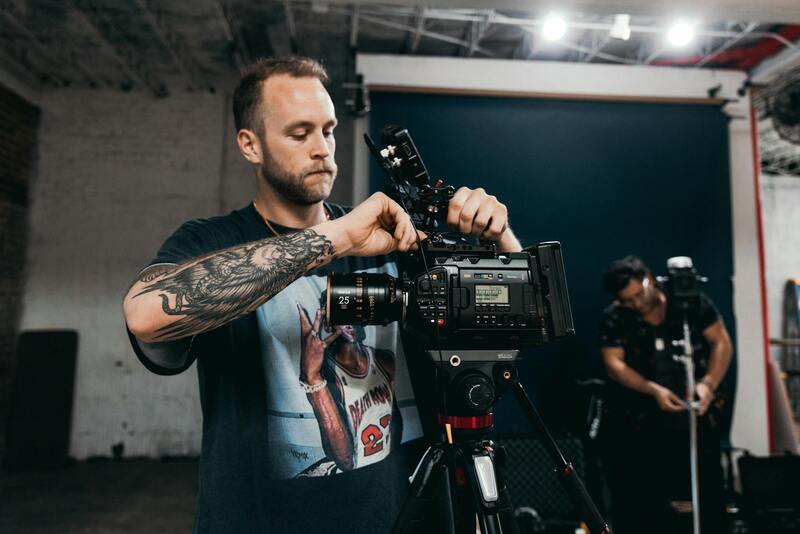
Choosing the Optimal Locations in Miami for Your Corporate Video Shoot
Miami offers a diverse range of iconic and versatile filming locations that can significantly enhance the visual appeal and messaging of your corporate video. When selecting a site, consider the brand image, target audience, and the narrative you wish to convey. Popular urban spots like Downtown Miami, Brickell, and Wynwood provide vibrant cityscapes with modern architecture and energetic backgrounds suited for dynamic corporate presentations. Additionally, Miami’s scenic outdoor locations such as South Beach, Coral Gables, or Miami Beach can add a touch of sophistication or casual elegance, depending on your branding needs.
Beyond aesthetics, logistical factors such as accessibility, permitting requirements, and environmental considerations play crucial roles in location selection. Ensure the chosen sites allow for efficient setup and teardown, with minimal disruptions to surrounding areas or businesses. Gaining the necessary permits and coordinating with local authorities well in advance safeguards the shooting schedule and ensures compliance with Miami’s regulatory framework.
Another essential aspect is assessing available amenities and infrastructure—power sources, restrooms, parking, and shelter—in order to support crew and talent comfort and safety throughout the shoot. Whether opting for a bustling urban environment or a tranquil outdoor setting, thorough scouting helps identify potential challenges and opportunities unique to each location, enabling better planning and risk mitigation.
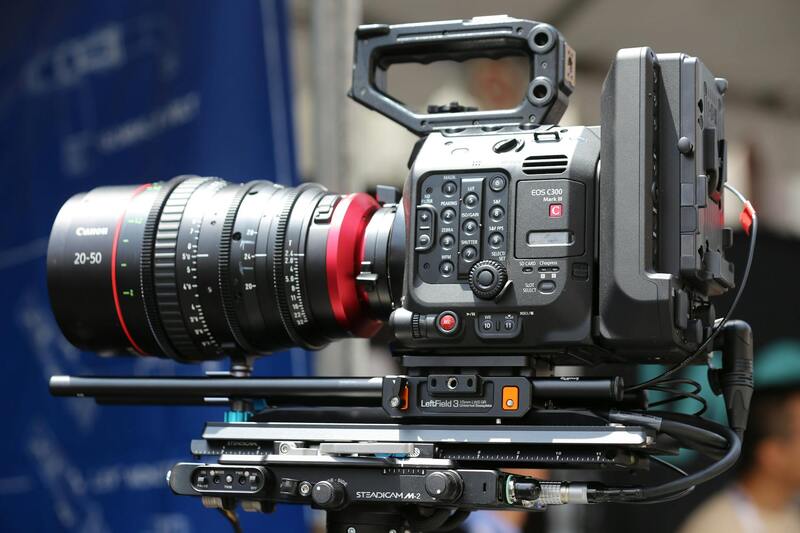
Working with local location managers and production coordinators familiar with Miami’s permitting landscape can streamline the process and facilitate access to desirable spots. Their expertise helps navigate any restrictions and ensures smooth execution of the shoot, while also fostering positive relationships within the community—an important factor for ongoing production opportunities in the region.
Ensuring Proper Documentation and Permissions
Securing the appropriate permissions and documentation forms the backbone of a seamless corporate video shoot in Miami. This process involves obtaining permits that allow the crew to film at specific locations, ensuring compliance with local regulations and community standards. Collaborating with experienced local production coordinators can significantly streamline this process, as they are well-versed in Miami's permit application procedures and timelines.
Prior to the shoot, it’s essential to submit detailed plans outlining the scope of filming, equipment to be used, and expected dates. This documentation helps authorities assess any potential impact and provides an official record of your intentions, minimizing the risk of delays or unexpected complications. Additionally, if the shoot involves the use of drones, additional clearances are typically needed due to Miami’s airspace regulations.
Protecting the rights of all participants through model releases, location agreements, and talent contracts is equally vital. Proper legal documentation ensures clarity regarding usage rights, confidentiality, and liability, fostering a professional environment that respects everyone involved. This meticulous approach maintains a smooth workflow from planning through filming, avoiding disruptions that could compromise the project timeline.
Furthermore, securing insurance coverage suited for commercial filming should be a priority. It mitigates potential risks associated with equipment damage, accidents on location, or other unforeseen circumstances. An insurance plan tailored for film productions offers peace of mind, ensuring that the project can proceed without unnecessary liabilities.
In summary, diligent management and documentation exemplify the standard practices necessary for a successful corporate video shoot. These official procedures serve to safeguard the project, uphold legal compliance, and demonstrate professionalism — all key factors in producing a high-quality video that resonates with viewers and upholds brand integrity.

Securing Necessary Permits and Documentation for Miami Productions
Executing a corporate video shoot in Miami requires strict adherence to official procedures designed to facilitate a seamless production process. First, acquiring the proper permits is essential before any filming on public or private property. These permits affirm authorization from relevant authorities, outline the scope of the shoot, and specify any restrictions or requirements that must be observed, thereby avoiding potential disruptions or fines.
In Miami, permits are typically issued by local government agencies or property management entities. For public locations such as parks, beaches, or city streets, applications must be submitted well in advance. It's crucial to provide comprehensive details of the project, including shooting dates, crew size, equipment to be used, and specific locations. Private property owners may require a formal agreement or location release form to grant permission for filming.
Alongside permits, formal documentation such as location agreements, talent releases, and model contracts safeguard legal rights and clarify usage terms. Location agreements specify the agreed-upon terms for filming on a site, including access, duration, and any restrictions. Talent releases serve as legal acknowledgment from individuals appearing in the video, confirming their permission for their image and voice to be used in promotional materials.
These documents not only establish clear boundaries and expectations but also protect against disputes related to intellectual property rights or unauthorized usage. Ensuring this documentation is complete and accurately reflects the scope of the project helps maintain transparency and accountability throughout the production process.
Insurance and Risk Management Measures
Securing robust insurance coverage is a fundamental component of official filming procedures in Miami. Commercial production insurance typically covers equipment loss or damage, liability for third-party injuries, and property damage. Having this coverage minimizes financial exposure if accidents or unforeseen events occur during the shoot.
Insurance providers may require detailed information about the production, including location specifics, equipment being used, and the number of personnel involved. Demonstrating a comprehensive risk management plan reassures all stakeholders that potential liabilities have been addressed, allowing the project to proceed smoothly without interruption.
Adhering diligently to these official procedures ensures that the corporate video shoot in Miami aligns with established protocols, promotes safety, maintains professionalism, and optimizes the benefits of producing a high-quality visual asset. Proper planning, documentation, and risk management collectively foster an environment where creative objectives can be achieved without unnecessary legal or logistical challenges.
Distribution and Marketing of the Corporate Video
Once the corporate video is finalized and approved, a strategic distribution plan becomes essential to maximize its reach and impact. The selection of channels should be tailored to align with the target audience and overarching marketing objectives. Effective dissemination involves a combination of digital platforms, internal communication systems, and industry-specific channels that can enhance brand visibility and communicate key messages clearly.
Leveraging Digital Platforms
Digital media provides the most versatile and targeted means of reaching viewers. Prominent platforms such as YouTube and Vimeo serve as primary hosting sites that support high-quality video playback and sharing. Customizing the video’s presentation through optimized titles, descriptions, and tags increases its discoverability through search engines and platform algorithms. Embedding videos onto corporate websites and landing pages can improve user engagement and provide visitors with a succinct overview of the company’s offerings, values, and initiatives.

Utilizing Social Media for Broader Engagement
Social media platforms such as LinkedIn, Facebook, Instagram, and Twitter are vital tools for disseminating corporate content. They enable targeted outreach to followers, industry peers, and potential clients, fostering interactive engagement and sharing of the video. Tailoring content formats—such as teaser clips or behind-the-scenes footage—can generate interest and draw viewers to the full video. Consistent posting schedules and community management amplify the message and enhance brand recognition within the Miami business community.
Internal Communication Channels
In addition to external marketing efforts, internal platforms play a crucial role in maximizing the video’s internal impact. Including the video in email newsletters, onboarding portals, or intranet pages ensures that employees, stakeholders, and partners receive consistent messaging. This reinforces corporate values and strategic initiatives, fostering a unified understanding across different departments and locations.
Engaging Industry-Specific and Media Outlets
Publishing the video through industry associations, trade publications, and local Miami media outlets can further bolster its reach. Submitting the video for industry awards or feature articles can add credibility and generate additional exposure. Media appearances or interviews with company executives discussing the content of the video can deepen connections with key audiences and position the organization as a thought leader.
Monitoring and Analyzing Distribution Effectiveness
Tracking metrics such as view counts, engagement rates, and audience demographics provides insights into the video’s performance. These analytics inform adjustments to the marketing strategy, such as optimizing content for specific platforms or refining messaging to better resonate with the target demographic. Regular review ensures that distribution efforts align with business objectives and produce tangible results.