
Understanding the Importance of Corporate Videos
In today’s digital landscape, the impact of corporate videos as a vital communication tool cannot be overstated. They serve as a dynamic method for conveying company values, showcasing products, and sharing success stories with diverse audiences. High-quality corporate videos enhance brand visibility by capturing viewers' attention and providing a compelling narrative that static content often cannot achieve. When properly crafted, these videos become an essential element of a comprehensive marketing strategy, fostering trust and engagement among clients, partners, and prospects.
Corporate videos also facilitate consistent messaging across multiple platforms, including websites, social media, trade shows, and internal communications. This consistency helps to reinforce brand identity and ensures that the core values and objectives are clearly understood. The production of this content requires strategic planning, attention to detail, and a professional approach to storytelling, which ultimately amplifies an organization’s voice in a competitive marketplace.
Investing in well-produced corporate videos yields measurable results, such as increased engagement rates, improved conversion rates, and enhanced corporate reputation. Additionally, these videos enable companies to reach broader audiences and enter new markets with compelling, easily shareable content that resonates emotionally and logically with viewers. As digital content consumption continues to grow, the strategic development of corporate videos becomes an indispensable aspect of effective brand communication.
From small startups to large enterprises, understanding the importance of corporate videos is essential for staying relevant and competitive in today's dynamic business environment. The following sections will explore the key stages involved in creating professional corporate videos, beginning with meticulous pre-production planning and concept development.
Choosing the Right Filming Location in Miami
Selecting an appropriate filming location is a critical factor in capturing the intended message and ensuring the visual appeal of your corporate video. In Miami, a diverse city known for its vibrant culture and iconic landscapes, the options for filming sites are extensive, ranging from urban settings to natural scenery. Each location offers unique benefits that can enhance branding efforts and reinforce the narrative.
When evaluating potential locations, it is essential to consider factors such as accessibility, permits, ambient noise levels, and logistical conveniences. Urban environments like Downtown Miami or Brickell provide modern backdrops that convey professionalism and innovation. Conversely, scenic areas such as Miami Beach, Wynwood Walls, or Coral Gables can add visual interest and appeal to lifestyle-oriented or creative projects.
For locations requiring rare access or specific features, obtaining necessary permits well in advance is vital to avoid disruptions or legal complications. Working with local authorities or location managers experienced in Miami’s permitting process ensures compliance with regulations, streamlines scheduling, and maintains the professionalism required for high-quality production.
Additionally, assessing the local environment helps optimize lighting conditions — considering Miami’s sunny climate or urban lighting — and prepares for potential weather changes. It’s advantageous to scout locations beforehand with the production team, considering camera angles, sound recording logistics, and potential interruptions.
Factors to Consider When Selecting a Filming Location
- Accessibility: Ensure the site is reachable for equipment, crew, and talent without logistical challenges.
- Permits and Regulations: Confirm permit requirements and obtain necessary documentation in advance.
- Environment and Lighting: Analyze natural light conditions and background elements that support the visual narrative.
- Ambient Sound: Choose locations with minimal noise pollution to ensure clear audio recording.
- Visual Appeal: Select settings that reinforce branding and resonate emotionally with the target audience.
- Weather Conditions: Consider Miami’s climate to avoid unforeseen disruptions caused by weather changes.
By meticulously selecting a suitable filming location, companies can significantly enhance the authenticity and aesthetic quality of their corporate videos. The right setting not only elevates visual storytelling but also communicates core brand values more effectively to viewers.
Equipment and Technical Considerations
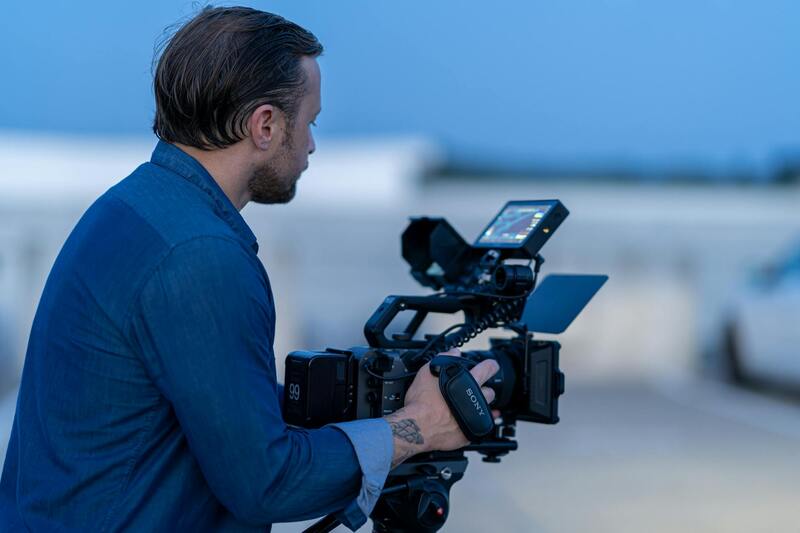
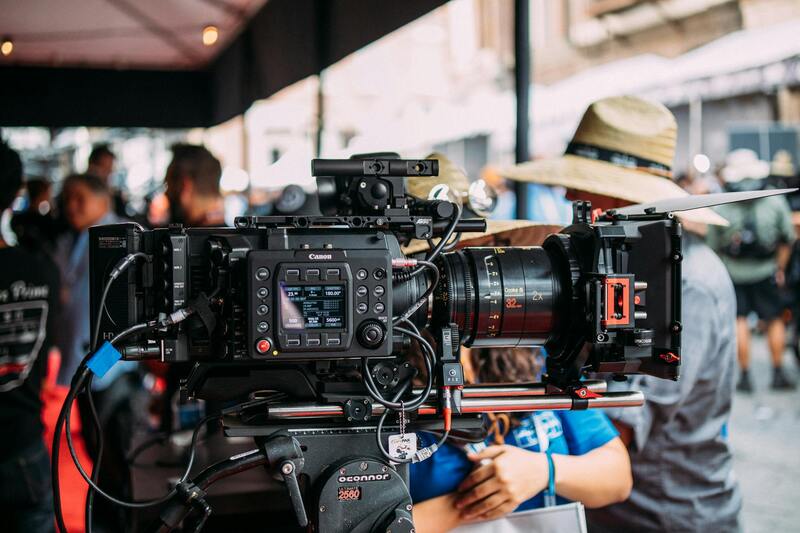
Ensuring high-quality visuals and sound is paramount in producing effective corporate videos. This involves selecting appropriate filming equipment tailored to the project’s specific requirements. High-definition cameras capable of capturing the nuances of Miami’s vibrant environment, along with stabilizers such as gimbals or dollies, help achieve smooth, professional shots. Lighting equipment is equally critical, especially when filming indoors or in variable weather conditions, to maintain consistent image clarity and tone.
Sound quality often relies on superior microphones and audio recording gear. Lavalier microphones, boom poles, and portable audio recorders are fundamental tools to capture clear dialogue, minimizing background noise common in bustling Miami locations. Consideration should also be given to windshields and soundproofing accessories, particularly for outdoor shoots, to prevent unwanted noise interference.
Additionally, data management tools streamline footage transfer and backup processes, reducing the risk of data loss. Employing professional-grade editing stations equipped with advanced software ensures that post-production editing can refine color grading, sound mixing, and visual effects to meet the brand’s standards. Consistent communication with technical crews and camera operators throughout filming ensures that technical specifications align with the creative vision, leading to a seamless production process.
Filming Process and Direction
The execution phase begins with a detailed shot list and storyboard, guiding crew members through the intended visual narrative. Directors focus on framing, camera movement, and pacing to create engaging content that aligns with strategic messaging goals. Clear direction regarding talent performance and interaction with set elements enhances authenticity, which is crucial for corporate storytelling.
Effective communication between the director, cinematographer, and production team fosters an environment where creative ideas are translated into compelling visual representations. Continuous coordination ensures adherence to timelines, correct setup adjustments, and quality standards. During filming, capturing multiple takes and angles provides flexibility in post-production editing and helps craft a polished final product.
Throughout the process, maintaining a professional workflow, including safety protocols and efficient resource management, supports a smooth shoot. For Miami-based productions, it’s also advantageous to be adaptable to environmental factors such as weather changes, which may require contingency plans to prevent delays or disruptions.
Equipment and Technical Considerations
Achieving professional-grade corporate videos in Miami requires a comprehensive understanding of the equipment and technical standards essential for high-quality production. Each element, from camera gear to sound equipment, plays a pivotal role in capturing the visual narrative effectively. When selecting gear, emphasis on resolution, frame rate, and lens quality ensures that footage meets the desired aesthetic and technical criteria.
Lighting setups are equally critical, as they influence the mood, clarity, and overall visual appeal of the video. In Miami’s vibrant outdoor settings or well-equipped indoor environments, proper lighting control helps in mitigating issues caused by inconsistent natural light or ambient interference. Using diffusers, reflectors, and professional lighting kits optimizes the visual output, providing clarity and depth.
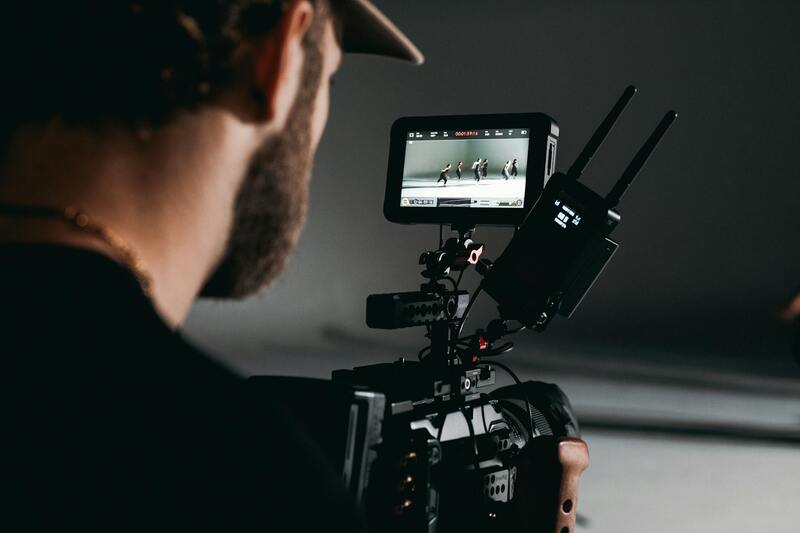
Audio quality directly impacts viewer engagement, making the choice of microphones and sound recording devices crucial. Lavalier, shotgun, and handheld microphones are commonly used to capture dialogue, ambient sounds, and interviews clearly. For outdoor shoots in Miami's bustling streets or scenic outdoor locations, windshields and booms help eliminate background noise and wind interference, ensuring crisp sound quality.
Technical requirements extend to stabilization equipment such as gimbals, sliders, and tripods. These tools contribute to smooth camera movements and stable shots, enhancing the cinematic quality of the final product. Additionally, monitors and data backup solutions safeguard footage during shoots, permitting real-time review and minimizing the risk of data loss.
Ensuring compatibility between different pieces of equipment—such as cameras, drones, and lighting systems—is a fundamental aspect of production planning. Regular maintenance and calibration of gear prevent technical issues and guarantee consistent performance throughout the filming process.
Specialized Techniques for Miami-Based Productions
- Utilizing drone cinematography to capture sweeping views of Miami’s skyline, beaches, and iconic landmarks offers dynamic visual storytelling.
- Adapting to Miami's weather conditions involves planning for potential rain or high humidity, which can affect equipment and filming schedules. Having rain covers, moisture control devices, and contingency plans ensures that production remains on track.
- Employing high-dynamic-range (HDR) cameras enhances the natural beauty of outdoor scenes, providing vibrant colors and detailed contrast that highlight Miami's lively atmosphere.
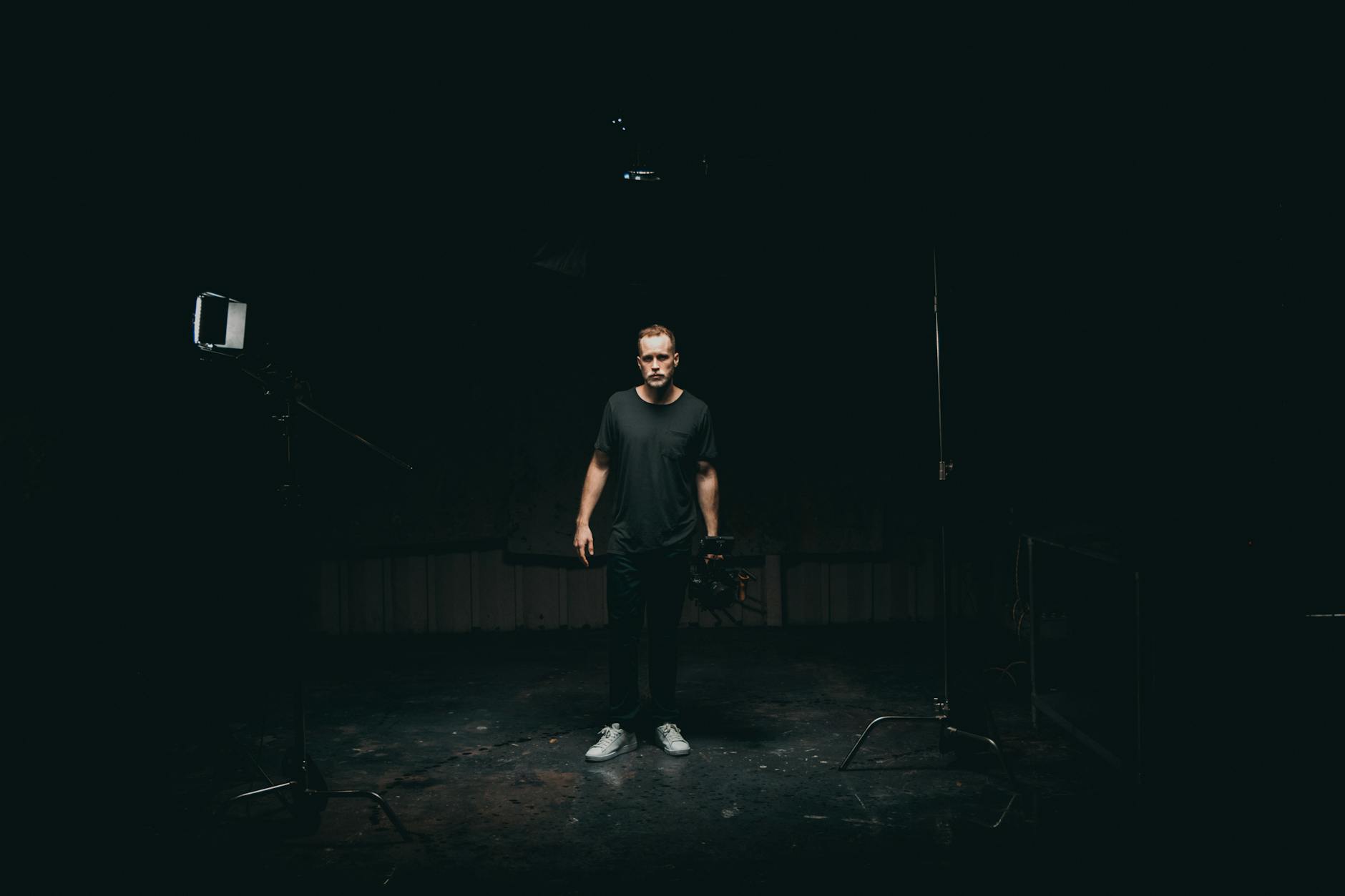
Besides physical gear, technical considerations also encompass proper data management practices. This includes using high-capacity storage devices and secure transfer protocols to maintain the integrity of footage. Post-shoot, color grading, sound mixing, and visual effects are performed using advanced editing software to elevate the final product, ensuring it aligns with the brand’s messaging and quality standards.
Ultimately, integrating cutting-edge equipment with technical expertise guarantees that Miami-based corporate videos are polished, engaging, and visually compelling—creating a powerful tool for brand communication and audience engagement.
Technical Considerations for Successful Filming
When producing corporate videos in Miami, leveraging the right technical tools and adhering to best practices are essential to capturing high-quality footage. This begins with selecting the appropriate camera systems that can handle diverse lighting conditions, particularly in outdoor environments where sunlight, reflections, and weather fluctuations impact image quality. High-resolution 4K or even 8K cameras enable sharp, detailed visuals that elevate professional standards and ensure the content remains visually compelling across multiple platforms.
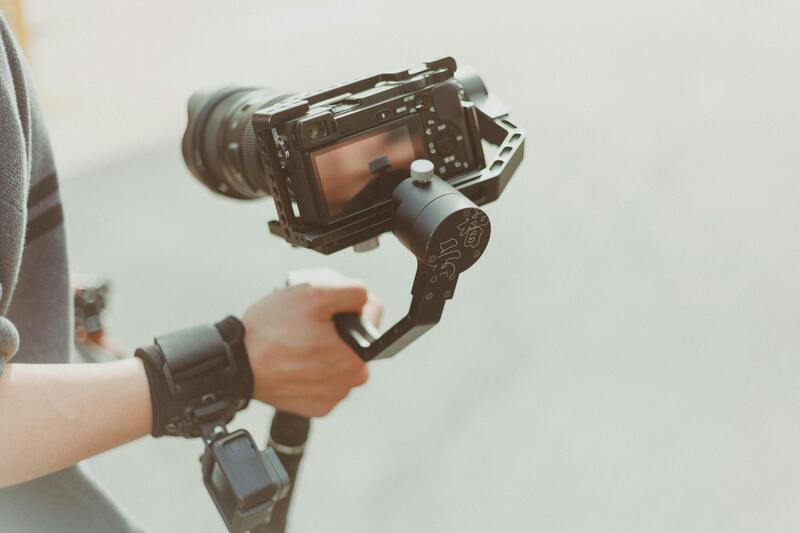
An important aspect of filming corporate videos pertains to stabilization equipment. Gimbals, steadicams, and drone stabilizers ensure smooth motion sequences, whether filming dynamic company events or static interviews. Utilizing drone technology provides aerial Perspectives that add scope and grandeur to Miami’s iconic cityscape, beaches, or industrious districts, making the content more engaging for viewers.
Lighting setups are critical when filming indoor or indoor-outdoor scenes, as they influence the mood, clarity, and overall professionalism of the video. Employing portable LED panels, reflectors, and diffusers allows filmmakers to control natural light, fill shadows adequately, and create a balanced visual composition. For outdoor shoots, reasoning through the timing of golden hour—early morning or late afternoon—ensures optimal natural lighting, highlighting Miami’s vibrant colors and scenic beauty.
Sound quality remains a key priority; capturing clear dialogues and ambient audio demands professional-grade microphones and sound recording devices. Wireless lavalier microphones are ideal for interviews and corporate testimonials, providing mobility and consistent sound. Ambient noise, typical in outdoor settings like Miami’s bustling streets or lively events, can be mitigated through directional microphones and windshields, preserving audio clarity.
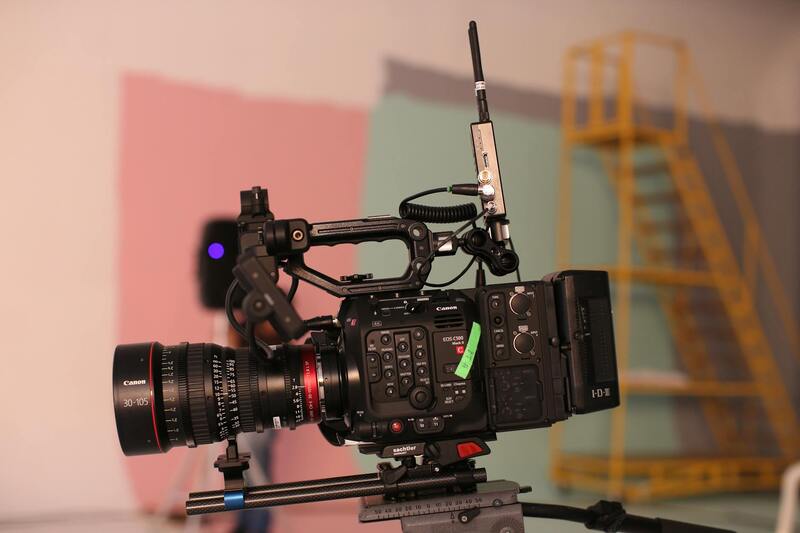
Data management and backup strategies are equally vital. High-capacity storage units and redundant backups prevent footage loss. Post-shoot, footage is meticulously organized for efficient editing workflows. Color grading adjusts the aesthetics to match the brand’s identity, while visual effects and titles are added to enhance storytelling and professionalism. Sound mixing and mastering further refine the audio elements, ensuring the final product aligns with the desired quality standards.
Incorporating the latest technical innovations and maintaining rigorous standards across all stages of production guarantees that corporate videos delivered in Miami not only look stunning but also communicate the brand’s message with clarity and impact. The combination of skilled operators, premium equipment, and strategic planning creates a seamless workflow that translates into compelling visual narratives tailored to the client’s goals.
Filming Corporate Videos: Legal Compliance and Best Practices
Executing a professional corporate video involves more than just creative vision and technical expertise. Adhering to established practices throughout the filming process ensures that the production maintains integrity, respects rights, and aligns with industry standards. This segment emphasizes the essential methods to achieve credible and compliant filming in Miami, tailored specifically to corporate needs.
Securing Proper Permissions and Clearances
Before filming begins, obtaining the necessary permissions is crucial. This includes securing location releases, talent releases, and any other legal clearances for copyrighted materials, music, or proprietary visuals. For outdoor shoots, especially in vibrant and active Miami environments, clearances from local authorities or property owners prevent unexpected disruptions or legal complications. Ensuring signed agreements from all participants affirms their consent and understanding of how the footage will be used.
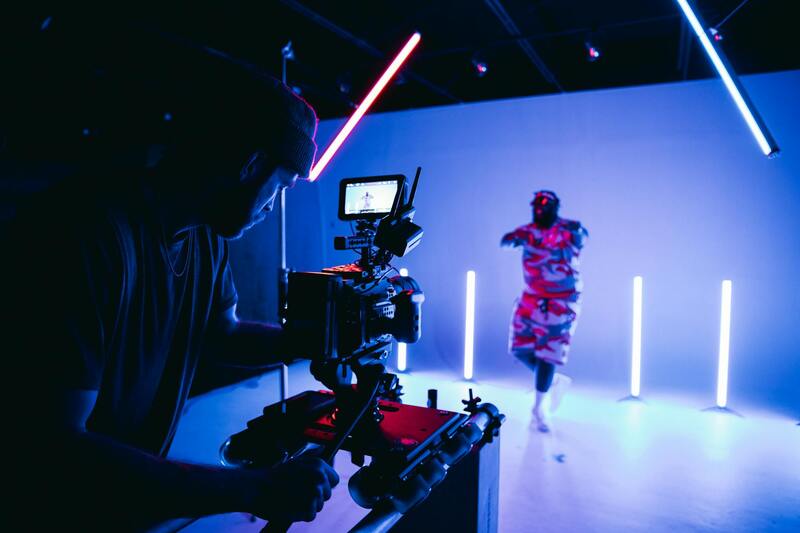
Documentation is vital in this process. Keep detailed records of all permissions, releases, and correspondence. Digital copies stored securely enable quick retrieval and serve as evidence of compliance if needed. When filming in private or restricted areas, communication with property managers or event coordinators ensures access aligns with legal expectations and minimizes disruptions.
Adhering to Equipment and Safety Regulations
Using professional-grade equipment in accordance with manufacturer guidelines not only guarantees quality but also maintains safety standards. In high-density locations or busy outdoor settings, following specific safety protocols—such as securing cables, controlling crowd movement, and using appropriate signage—helps prevent accidents. Employing certified operators for setup and operation of electrical devices reduces risks associated with voltage and exposure.
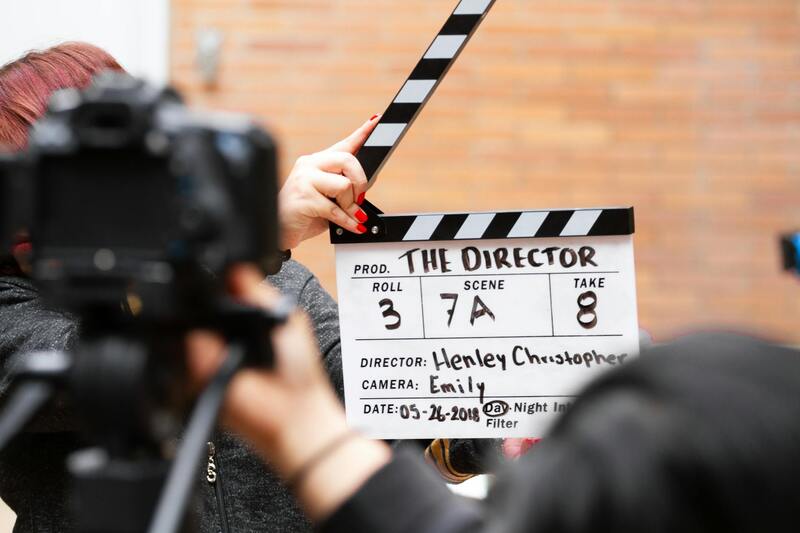
Additionally, obtaining permits for drone usage in Miami's urban or natural areas aligns with local regulations and prevents interference with other services. Respect for privacy is paramount; avoiding intrusion into private spaces or recording sensitive activities without explicit consent upholds ethical standards.
Respecting Intellectual Property Rights
Creating corporate videos that incorporate copyrighted music, images, or branded content must be done with permission. Licensing music through authorized sources and citing sources for proprietary content safeguards the production from potential claims. When in doubt, utilizing royalty-free or original audio tracks and visuals eliminates copyright concerns and enhances the authenticity of the final product.
- Obtain necessary licenses for music and visuals.
- Secure written agreements for usage rights.
- Audit all third-party content for compliance.
Implementing Ethical and Transparent Practices
Maintaining transparency with clients, talent, and location authorities builds trust and smooths cooperation. Clear communication about filming schedules, intended uses, and any potential disruptions minimizes misunderstandings. Respect for all participants fosters a professional environment and enhances the overall quality of the corporate video.
By following these established procedures, businesses in Miami can produce corporate videos that are not only compelling and visually appealing but also adhere to the highest standards of professionalism and compliance. This responsible approach ensures seamless production and a positive reputation for all stakeholders involved.
Understanding the Importance of Corporate Videos
Corporate videos serve as a pivotal tool in conveying a company's message, showcasing its culture, and engaging target audiences effectively. They help establish authority in the industry, build trust with clients and partners, and enhance overall brand recognition. When produced with professional standards, these videos can significantly influence stakeholders’ perceptions and customer decision-making processes.
Legal and Ethical Considerations in Filming Corporate Videos
Adhering to development and filming regulations is essential for creating credible and ethically sound corporate content. This includes respecting privacy boundaries by securing necessary permissions before recording in private or sensitive environments. Clear agreements should be established with all participants, ensuring everyone involved understands the scope and purpose of the filming process.
Intellectual property rights must also be respected. This involves obtaining proper licenses for any copyrighted material, such as music, images, or branded content incorporated into the video. Licensing music through authorized channels and citing sources where appropriate prevents copyright infringement issues. Utilizing royalty-free assets or original content further reduces potential disputes and adds authenticity to the final product.
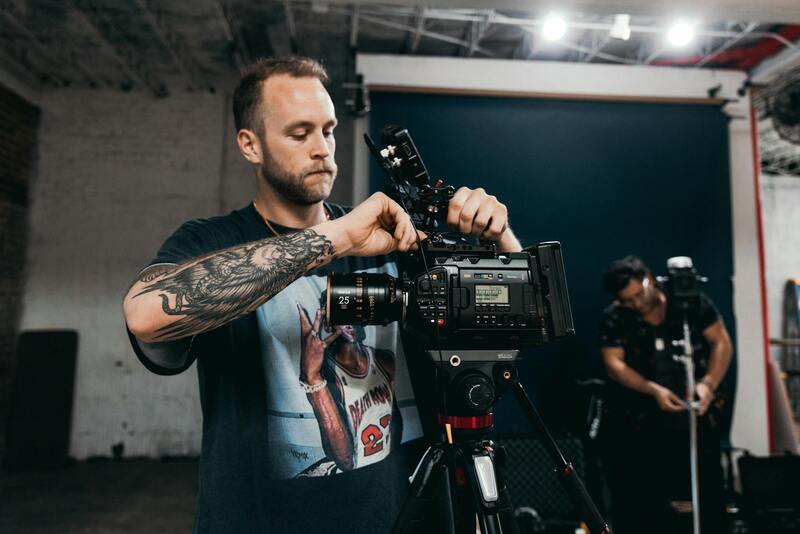
Official Licensing and Permissions for Filming
Securing licenses and permissions is a fundamental step. This process includes obtaining permits for filming in public spaces, securing consent from individuals appearing in the footage, and acquiring legal rights for all third-party content used. Proper documentation of these permissions safeguards against claims and ensures that the production operates within the designated legal framework.
- Apply for filming permits through local authorities or property owners.
- Secure written consent from individuals featured in the video.
- Verify ownership rights of any third-party materials incorporated into the content.
- Maintain records of all permissions and licenses for reference and accountability.
Implementation of Transparent and Ethical Practices
Transparency with clients and involved stakeholders fosters trust and ensures smooth production workflows. Clear communication about filming schedules, content usage, and potential disruptions minimizes misunderstandings. Respecting personnel, locations, and the audience helps uphold professionalism and enhances the overall quality of the corporate video.
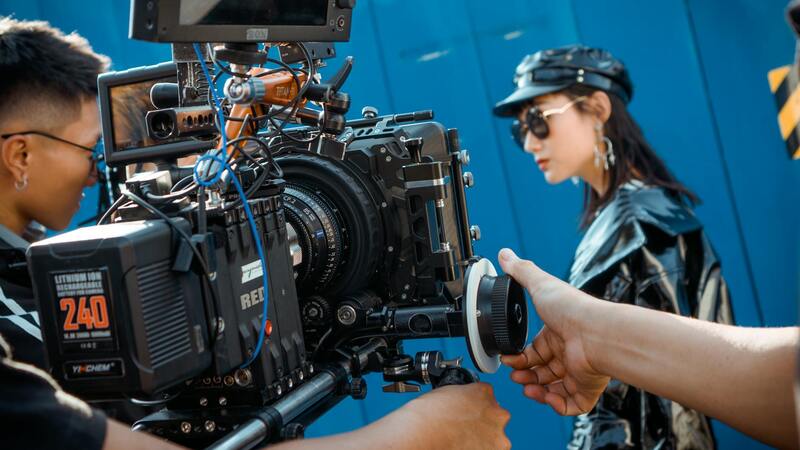
Ensuring Compliance Throughout Production
Consistently reviewing compliance with licensing, permissions, and confidentiality agreements is crucial. Regular audits of content and access logs help verify adherence to established standards. This proactive approach ensures the final video remains within legal boundaries, bolstering the company's reputation for ethical content production.
By following robust licensing protocols and fostering ethical filming practices, Miami businesses can produce high-caliber corporate videos that are both compelling and compliant with all relevant standards. This disciplined approach preserves professional integrity and creates a solid foundation for representing the brand responsibly across various platforms.
Ensuring Proper Permissions and Licensing for Corporate Video Production
To produce corporate videos that stand out while remaining within appropriate boundaries, it’s essential to obtain all necessary permissions and licenses for the content used. This process involves securing clearances for locations, personnel, music, trademarks, and any third-party materials incorporated into the video. Proper permissions not only protect the production from potential disputes but also uphold the integrity of the final product.
When planning a corporate shoot, beginning with a detailed rights clearance checklist is advisable. This includes documenting permissions from property owners and ensuring all location releases are signed. For personnel featured prominently in the video, obtaining written consent—often through release forms—is crucial. Additionally, licenses for music, images, or video clips not created by the production team should be secured to avoid infringements.
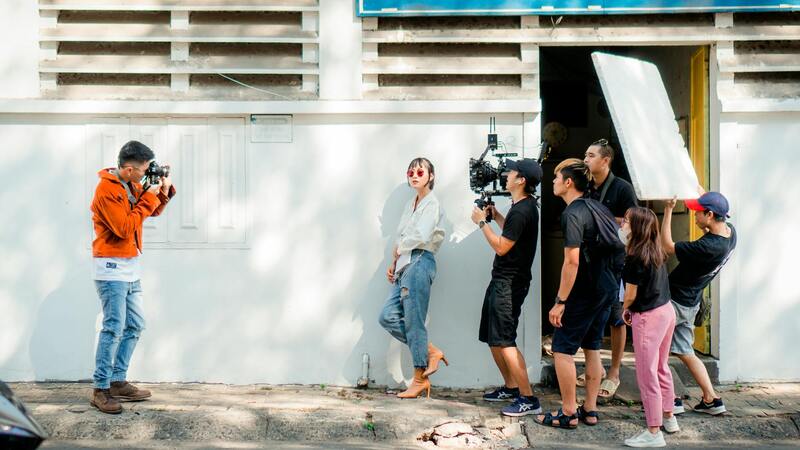
Maintaining comprehensive records of all permissions and licenses is important for accountability and future reference. This documentation should include signed release forms, license agreements, and correspondences related to rights clearance. Regular reviews and updates to these records help ensure ongoing compliance throughout the project lifecycle.
Implementing Ethical and Transparent Filming Practices
Upholding transparent practices in filming corporate videos fosters trust between clients, production teams, and stakeholders. Clear communication about the scope, use, and distribution plans for the content minimizes misunderstandings and aligns expectations. Ethical practices include respecting privacy, securing necessary permissions, and avoiding any sort of misrepresentation.
Respect for personnel, locations, and the community enhances the professional reputation of your corporate video production. Adhering to strict confidentiality protocols and only filming within authorized areas ensures the shoot adheres to established standards. This approach safeguards both the company's interests and the rights of individuals involved.
Monitoring Compliance During Production
Continuous oversight throughout the filming process is essential to uphold all licensing and permission agreements. Regular audits of footage, access logs, and consent documentation ensure adherence to agreed-upon terms. Any deviations should be promptly addressed to prevent issues in post-production.
Documenting decisions and maintaining a detailed production log help record compliance efforts. This includes noting consent collection, location permissions, and license acquisitions. By doing so, the production team strengthens accountability and ensures the final corporate video maintains high standards of integrity and professionalism.
Partnering with a Miami-Based Production Agency
Collaborating with a local Miami production agency offers numerous advantages. These agencies understand the unique aspects of filming within Miami’s diverse environment, including city regulations, location logistics, and industry best practices. Their familiarity with local permits and licensing procedures streamlines the production process and mitigates unforeseen challenges.
Advantages of Working with Local Experts
- In-Depth Local Knowledge: Local agencies are well-versed in Miami’s neighborhoods, venues, and legal requirements, enabling them to secure necessary permissions efficiently.
- Network and Partnerships: Established relationships with property owners, authorities, and vendors facilitate smoother logistics and access.
- Cost and Time Efficiency: Their understanding of the local landscape reduces delays and helps optimize the project budget.
- Compliance and Ethical Standards: Local agencies adhere to regional regulations, ensuring the production aligns with city codes and industry standards.
By choosing a Miami-based team familiar with regional nuances, businesses can confidently navigate the complexities of location permissions, permits, and licensing. This partnership enhances not only the efficiency of the filming process but also the overall quality of the final product, establishing a professional standard that reflects the company's brand image accurately and ethically.