
Understanding Even Photos and Their Significance
In the realm of professional photography, especially in event documentation and promotional visuals, the concept of even photos holds a paramount place. An even photo refers to an image where lighting, exposure, and composition work harmoniously to create a balanced and visually appealing result. This balance ensures that no part of the photograph appears overly dark or overly bright, allowing viewers to focus on the subject without distraction and capturing the true essence of the moment.
Effective visual storytelling in events relies heavily on well-crafted imagery. Even photos contribute significantly to this by ensuring consistent lighting across the scene, which helps in accurately conveying emotions and the ambiance of the event. Whether it's a corporate gathering, a wedding, or a large public celebration, the aesthetic balance achieved through even photos enhances the narrative, making memories more vivid and engaging.
Furthermore, even photos are vital in professional settings such as promotional campaigns or branding efforts. They help in maintaining a high standard of quality that reflects positively on the organization or individual featured in the images. Properly balanced lighting and exposure prevent details from being lost and provide clarity that aligns with the image’s intended message.
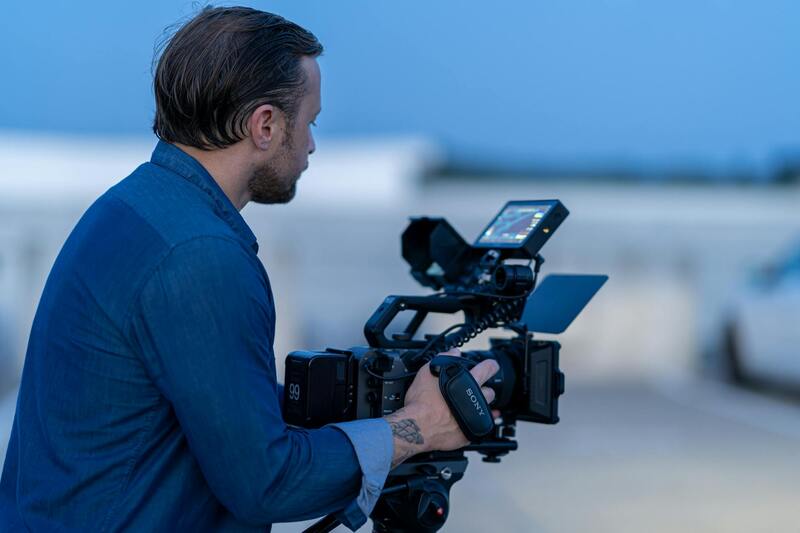
Importantly, the importance of even photos extends beyond aesthetics. They facilitate proper post-processing, ensuring that adjustments to color, contrast, and brightness can be efficiently made without compromising image quality. This uniformity in lighting and exposure also simplifies editing workflows, saving time and resources.
In professional event videography and photography, the ability to produce even photos elevates the overall quality of the final product. It ensures a seamless flow from capture to presentation, aligning with the high standards expected in today's competitive media landscape. Capturing and maintaining evenness requires skill, attention to detail, and the right technical approach—elements that skilled photographers and videographers prioritize to deliver exceptional visual content.
Techniques for Achieving Even Lighting in Photos
Creating evenly lit photographs requires a combination of strategic planning, technical knowledge, and attention to environmental factors. Photographers often employ various techniques to ensure that light distribution across the subject and scene remains consistent, eliminating harsh shadows and hotspots that can detract from image quality.
One fundamental approach is the use of diffused lighting. Diffusers soften light sources, spreading illumination evenly and reducing stark contrasts. Softboxes, umbrellas, and diffusion panels are common tools that help distribute light uniformly, especially in controlled environments such as studios. In outdoor settings, photographers may utilize reflectors to bounce sunlight and fill in shadows, creating a more balanced exposure across the frame.
Positioning of light sources also plays a crucial role. For even lighting, lights are often placed at multiple angles around the subject — typically at 45-degree angles on either side and at eye level. This multi-directional setup minimizes shadow formation and ensures light wraps smoothly around the subject's features.
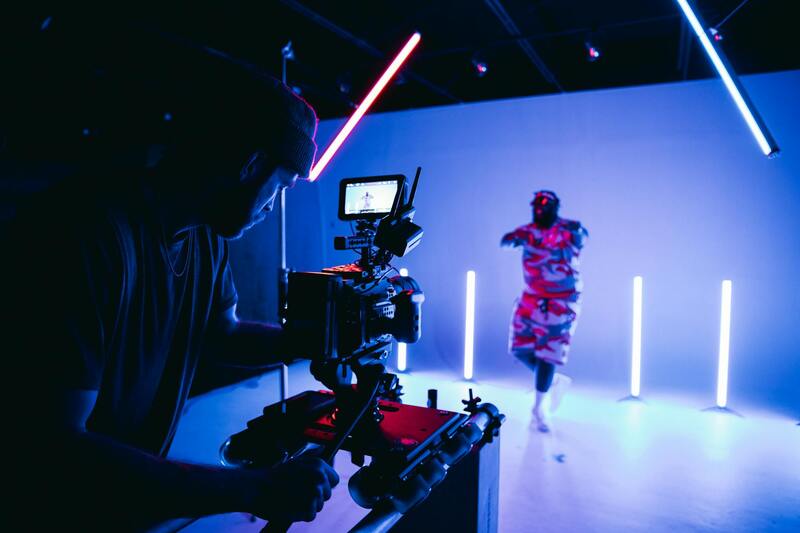
Advanced techniques include using high dynamic range (HDR) imaging, which involves capturing multiple images at different exposures and merging them to achieve an evenly exposed final image. Though more complex, this approach is effective in scenes with high contrast, ensuring that both highlights and shadows are adequately detailed.
Consistency in camera settings is equally vital. Keeping aperture, ISO, and shutter speed constant during a shoot prevents exposure variations that could lead to uneven lighting. When shooting in natural light, timing the shoot during overcast conditions or using cloud cover as a natural diffuser can significantly improve the uniformity of light across the scene.
Camera angle and distance also influence lighting consistency. Ensuring the camera is perpendicular to the subject and maintaining a consistent distance helps achieve uniform lighting effects and avoids distortion of the image plane.
Choosing the Right Equipment for Even Photos
Equipping oneself with the appropriate gear can dramatically enhance the quality of even photos. High-quality lenses with wide apertures allow better control over light intake, which is critical for achieving consistent exposure across different scenes. Monolights and LED panels with adjustable brightness and color temperature facilitate precise illumination control in synthetic lighting setups.
Using tripods or stabilizers ensures the camera remains steady and maintains framing consistency, especially during longer exposures or multiple shots intended for HDR processing. Additionally, color calibration tools like gray cards and color checkers help in balancing color accuracy and ensuring the final image remains evenly exposed concerning both brightness and color fidelity.
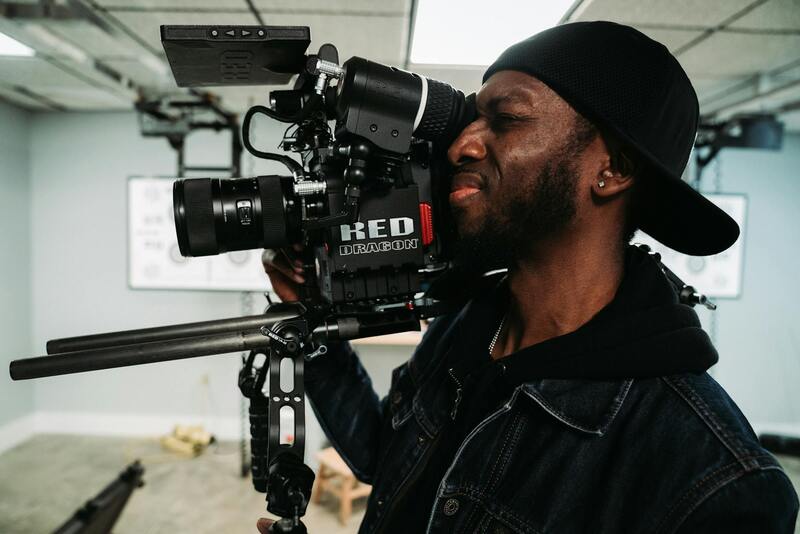
Investing in quality gear tailored for controlled lighting conditions and detailed color management will provide a solid foundation for producing consistently even photographs. When combined with refined technique and environmental awareness, the right equipment assures that each shot aligns with high standards of visual balance.
Techniques for Achieving Even Lighting in Photos
Creating evenly lit photographs requires a strategic approach to lighting setup and a deep understanding of how different sources influence the scene. One fundamental technique involves using diffused light sources, such as softboxes, umbrella reflectors, or diffusers, to spread light uniformly across the subject. These tools help soften excessive shadows and reduce hotspots, resulting in a balanced exposure that highlights details without overexposing certain areas.
When working outdoors, leveraging natural light effectively can significantly impact the evenness of your photos. Shooting during the golden hour, when sunlight is softer and more diffused, minimizes harsh shadows and uneven lighting conditions. Using reflectors or fill lights can further bounce ambient light onto shadowed areas, creating a more consistent illumination across the entire scene.
Adjustments to camera settings also play a vital role. Employing manual exposure mode ensures precise control over aperture, shutter speed, and ISO, preventing unintended variations in brightness. Similarly, using a calibrated light meter allows photographers to measure the light falling on the subject accurately, making real-time adjustments for uniform lighting.
From a technical perspective, paying attention to the light angle and distance from the subject helps in minimizing uneven light distribution. Positioning lights at the correct height and angle ensures that light falls evenly, avoiding unwanted shadow castings or hotspots. Additionally, employing multiple light sources with overlapping coverage creates a balanced environment that uniformly illuminates complex subjects or scenes.
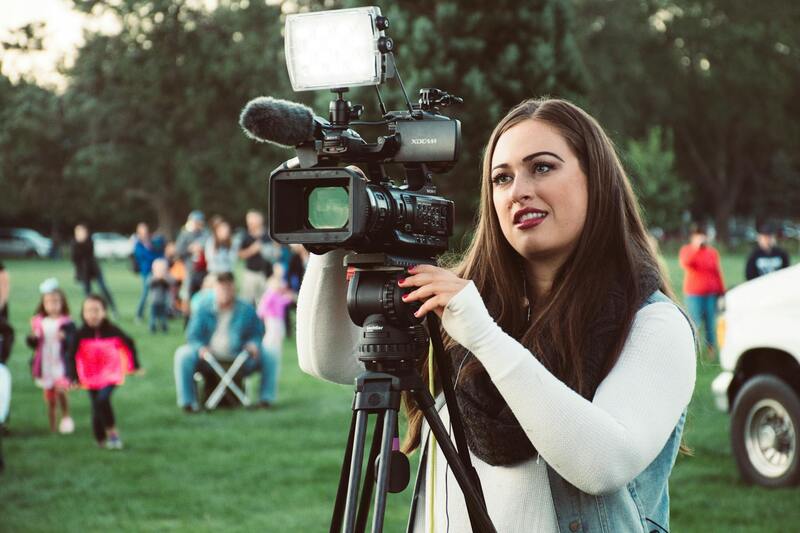
Choosing the Right Equipment for Even Photos
Opting for high-quality, professional-grade lighting equipment is instrumental in producing evenly illuminated photographs. Continuous LED panels and monolights with adjustable brightness and color temperature offer precise control over the lighting environment. Their ability to produce consistent, flicker-free light makes them ideal for studio setups and controlled environments, ensuring uniformity across a series of images.
Camera gear also contributes significantly to the overall evenness of photos. Lenses with wide apertures allow more light to reach the sensor, facilitating better exposure control. Stabilizers, such as tripods or gimbals, help maintain consistent framing and prevent camera shake, which can introduce inconsistencies in exposure and focus.
Color calibration tools, including gray cards and color checkers, are essential for maintaining color fidelity and ensuring that the final images are evenly exposed in terms of color and brightness. This process helps to neutralize color casts and enhances the overall visual balance of the photograph.

Post-Processing Tips to Enhance Evenness
Post-processing is the final step in refining the uniformity of your images. Utilizing software like Adobe Lightroom or Photoshop allows photographers to fine-tune exposure, brightness, and contrast across the entire image. Techniques such as applying global adjustments or using layer masks help in evening out inconsistencies caused by lighting variations or camera settings.
Clipping and highlight recovery tools ensure that overly bright areas are corrected without losing detail, contributing to a balanced visual presentation. Additionally, local adjustments, like dodging and burning, can be used selectively to brighten shadowed regions or tone down overly bright spots, bringing coherence to the overall composition.
Consistent color grading across the series enhances the feeling of uniformity and professionalism. Saving processing presets or actions for recurring lighting conditions can streamline this process and ensure predictable, evenly lit results for large batches of photos.
Common Challenges in Producing Even Photos
Despite meticulous planning, photographers often face obstacles such as uneven light distribution caused by environmental factors or equipment limitations. Shadows cast by complex objects, reflections, and glossiness can create disparities that are difficult to manage with standard lighting setups. Variations in ambient light, especially in outdoor settings, may also introduce inconsistencies that require multiple adjustments and compensations.
In addition, equipment malfunctions or improper calibration can lead to color shifts or uneven brightness, necessitating careful troubleshooting and calibration routines. The challenge lies in balancing these technical nuances without sacrificing artistic vision or rushing through the process, which could compromise the uniformity of the final image.
Role of a Miami Production Agency in Creating Even Photos
Collaborating with a professional Miami production agency equipped with experience and state-of-the-art tools can vastly improve the consistency of your photographic outcomes. These agencies employ skilled technicians and producers who understand how to manipulate lighting environments, select suitable gear, and implement post-processing workflows tailored to your specific needs. Their expertise ensures that each shot aligns with your overall visual strategy, providing a seamlessly uniform set of images.
From pre-production planning to on-site execution and post-processing, a dedicated team optimizes every step to eliminate uneven lighting or exposure issues. Their knowledge of local conditions, such as natural light patterns and weather influences, allows them to plan shoot schedules that maximize the chances of capturing evenly lit photos, reducing the need for extensive corrections later.
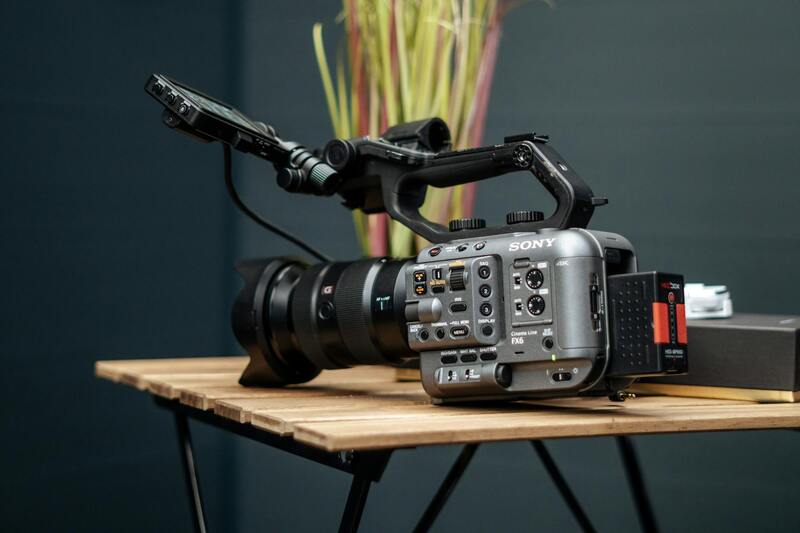
Understanding Even Photos and Their Significance
Achieving uniformly lit photographs, often referred to as even photos, is critical across various industries, including commercial advertising, real estate, event coverage, and product photography. The core significance of even photos lies in their ability to present subjects, products, or scenes without distracting inconsistencies or shadows that can detract from the overall visual message. This uniformity enhances clarity, emphasizes details, and ensures that viewers’ attention remains focused on the intended elements of the image.
One fundamental aspect of even photos is their capacity to communicate professionalism and attention to detail. For brands and businesses, consistently high-quality images reflect a commitment to excellence and can significantly influence brand perception. For event coverage, even lighting captures the vibrancy and atmosphere without unwanted shadows or harsh highlights that could otherwise obscure key moments. In product photography, even photos showcase items in their true form, free from lighting distortions that might misrepresent the item’s color, texture, or shape.
Furthermore, in the digital age, where images are often the first point of interaction with potential clients or customers, the importance of even lighting becomes even more evident. Uniformly lit images are more appealing, easier to view across different devices and screens, and are more likely to generate engagement and positive reactions. They form the baseline for seamless integration into marketing campaigns, catalogs, or web platforms, ensuring consistency across multiple visual assets.
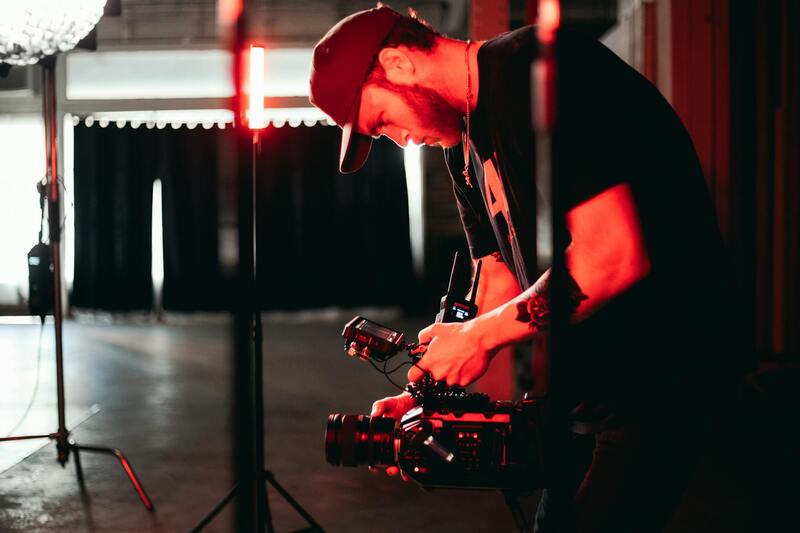
Key Principles for Capturing Even Photos
- Consistent Lighting: Using the same light source intensity and positioning throughout a shoot ensures uniform illumination.
- Control over Shadows and Highlights: Balancing light to mitigate harsh shadows or blown-out highlights maintains visual harmony in the image.
- Use of Diffusers and Reflectors: Modifying light sources with diffusers or reflectors redistributes light evenly, softening shadows and reducing contrast.
- Camera Settings Optimization: Adjusting ISO, aperture, and shutter speed to suit the lighting conditions helps avoid uneven exposure.
- Consistent Set Design and Backgrounds: Uniform backgrounds and set elements contribute to the overall even appearance of your photographs.
Techniques for Achieving Even Lighting in Photos
Realizing even lighting begins with a methodical approach to setup and execution. Incorporating diffused lighting sources such as softboxes or umbrella lights ensures a uniform spread of light over subjects. When shooting indoors, utilizing multiple light sources positioned at different angles can eliminate dark spots or exaggerated shadows. For outdoor shoots, scheduling during times when natural light is diffused, such as early morning or late afternoon, helps achieve balanced illumination.
Implementing light meters or exposure tools allows precise measurement of light levels across the scene, enabling adjustments that prevent uneven exposure. Additionally, employing light modifiers like barn doors or grid attachments can direct light precisely where needed to avoid spill and ensure consistent coverage.
Post-capture, techniques like HDR (High Dynamic Range) imaging can combine multiple shots taken at different exposures to produce a balanced, evenly lit final image. Maintaining a consistent white balance across shots ensures that colors are rendered accurately and uniformly, further contributing to the overall evenness of the photos.
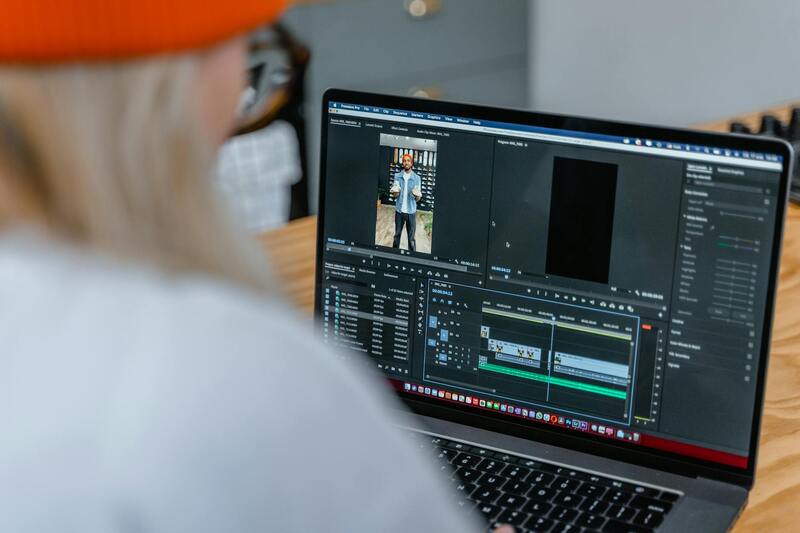
Understanding Even Photos and Their Significance
Even photos are characterized by uniform exposure, consistent lighting, and balanced color tones across the entire image. Achieving this level of harmony in a photograph is crucial for conveying professionalism, clarity, and aesthetic appeal. Especially in event videography and photography, where capturing moments with equal attention to detail enhances visual storytelling, even photos serve as a foundation for creating compelling content. These images ensure that no area appears overly bright or shadowed, allowing viewers to focus on the subject without distractions caused by lighting inconsistencies. Effective use of even photos can significantly enhance branding, marketing materials, and digital portfolios, making them an essential element in professional media production.
Key Principles for Capturing Even Photos
- Consistent Lighting: The core of even photography lies in maintaining uniform light distribution. This can be achieved through the strategic placement of light sources, use of diffusers, and controlling natural light conditions.
- Proper Exposure Settings: Adjusting camera settings such as ISO, aperture, and shutter speed ensures that the image is neither underexposed nor overexposed across all areas.
- Controlled Environment: A stable setting devoid of sudden light changes helps achieve consistent results. When shooting indoors, controlling ambient lighting plays a significant role.
- Background and Set Design: Uniform backgrounds and carefully arranged set elements prevent distractions and create a cohesive aesthetic, facilitating evenness in the overall image.
- White Balance Accuracy: Correct white balance settings across different shots maintain consistent color rendition, which contributes to the uniform appearance of photos.
Techniques for Achieving Even Lighting in Photos
Attaining even lighting involves deliberate planning and execution. Utilizing diffused light sources such as softboxes or umbrella lights is fundamental, as they spread light evenly over the subject, minimizing harsh shadows and hot spots. When working indoors, strategically positioning multiple light sources at different angles ensures coverage and balances out shadows. In outdoor environments, scheduling shoots during early morning or late afternoon hours when natural light is naturally diffused provides a soft, uniform setting.
Implementing light meters or exposure tools allows precise assessment of lighting conditions across the scene, enabling adjustments to prevent uneven exposure. Light modifiers like barn doors or grids direct the light precisely, reducing spill and ensuring targeted illumination. Post-production techniques, including HDR imaging, can combine images taken at varying exposures to produce a uniformly lit final photograph. Consistent white balance adjustments further ensure color accuracy and uniformity, enhancing the overall even quality of the images.
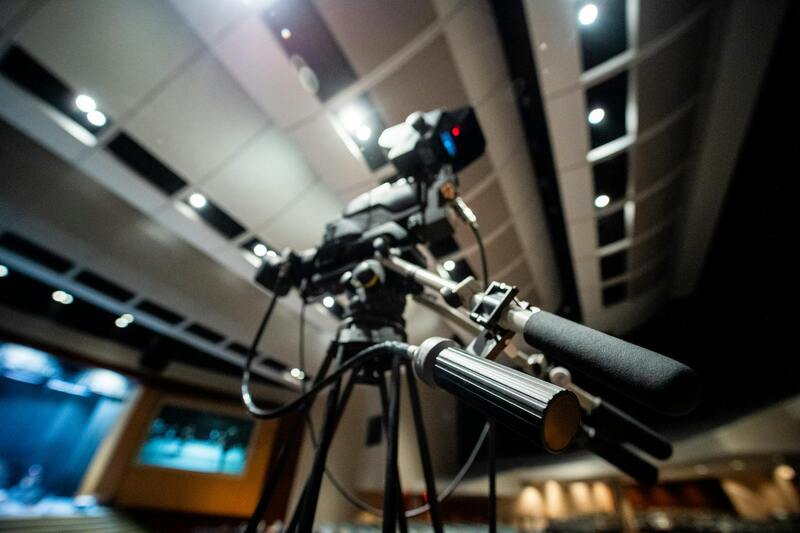
Post-Processing Tips to Enhance Evenness
Post-processing plays a crucial role in refining the evenness of photos, especially when minor inconsistencies persist despite careful shooting. Editing software such as Adobe Lightroom or Photoshop offers tools to correct exposure discrepancies, adjust brightness, and balance shadows and highlights across the image. Using the adjustment brush or gradient filters allows targeted corrections, ensuring that no areas are disproportionately brighter or darker.
Color correction and white balance adjustments help maintain uniform hues, giving the entire image a cohesive appearance. Noise reduction techniques can also smooth out grain in shadowed regions, further contributing to the overall uniformity. When applying these techniques, it’s important to prioritize natural-looking results, avoiding over-editing which can introduce artifacts or unnatural tones.
Common Challenges in Producing Even Photos
Despite meticulous planning, several challenges can impede the creation of perfectly even photos. Uncontrolled natural lighting conditions, such as rapidly changing weather or sunlight intensity, can cause uneven exposure. Equipment limitations, such as inadequate lighting gear or improper camera settings, may fall short of achieving the desired results. Additionally, environmental factors like reflective surfaces or nearby windows can introduce unwanted glare or shadows, disrupting the even appearance of photographs. Movement of subjects during the shot can also lead to inconsistent lighting and exposure, making it harder to maintain uniformity across multiple images.
Strategies to Overcome These Challenges
- Use professional diffusers and reflectors to manage and balance natural and artificial light sources effectively.
- Employ consistent camera settings, verified with exposure meters, to maintain uniformity across multiple shots.
- Plan shoots during optimal lighting conditions and avoid times when sunlight or ambient light fluctuates dramatically.
- Secure the set environment to minimize reflective or disruptive surface elements that can interfere with even light distribution.
- Implement continuous shooting techniques and review images on-site to make immediate adjustments if necessary.
The Role of a Miami Production Agency in Creating Even Photos
Partnering with a dedicated Miami production agency ensures access to professional equipment, advanced techniques, and experienced personnel dedicated to achieving even lighting and exposure in photos. Such agencies specialize in pre-shoot planning, on-site lighting optimization, and post-processing excellence, guaranteeing consistent and high-quality results. Their understanding of local lighting conditions and environment-specific adjustments contributes significantly to producing images with uniform brightness and color balance, vital for impactful visual content.
Examples of Successful Even Photos in Various Industries
In the fashion industry, even photos showcase garments accurately, ensuring true representation of colors and textures. Corporate headshots rely on uniform lighting to emphasize professionalism and clarity. Hospitality businesses use evenly lit images of interiors to convey ambiance without distracting shadows. Event coverage, whether weddings or concerts, benefits from balanced light to capture genuine moments with clarity. Each sector demonstrates the importance of even photos in enhancing visual storytelling and brand presentation, underscoring the value of mastering lighting and exposure techniques for professional results.
Understanding Even Photos and Their Significance
Achieving perfectly balanced images hinges on capturing photos with even lighting. These images serve as a foundation for professional visual content, allowing viewers to focus entirely on the subject without distractions caused by shadows, glare, or uneven exposure. Even photos are especially crucial in commercial contexts, where accurate color reproduction and clarity directly influence brand perception and trust. In scenarios such as product photography, preparatory shots for marketing campaigns, or official headshots, consistency in illumination ensures that details are preserved and the visual message remains clear and impactful.
Key Principles for Capturing Even Photos
Fundamentally, creating evenly lit photographs requires understanding several core principles. Uniform light distribution, controlled light intensity, and minimized shadows are essential components. Properly managing these elements begins with meticulous planning of the shooting environment, including the use of diffusers, reflectors, and light modifiers. Additionally, positioning light sources strategically around the subject, rather than from a single direction, helps distribute light evenly. Paying close attention to the angles and distances of lights ensures that no area is disproportionately brighter or darker. The goal is to create an environment where light sources blend seamlessly, providing a natural, balanced appearance in the final image.
Techniques for Achieving Even Lighting in Photos
- Use of Diffusers: Softening harsh light through diffusers reduces sharp shadows and creates a more uniform brightness across the subject.
- Multiple Light Sources: Employing two or more lights from different angles can evenly illuminate the subject, eliminating stark contrasts.
- Reflectors: Strategically placed reflectors bounce light back onto shadowed areas, evening out exposure without additional lights.
- Consistent Light Modulation: Adjusting the intensity and color temperature of all lights ensures that illumination remains consistent throughout the shoot.
- Controlled Environment: Shooting in a controlled setting, such as a studio, allows for precise adjustment of lighting conditions free from external interference.
Choosing the Right Equipment for Even Photos
The selection of equipment plays a decisive role in capturing even photos. High-quality studio strobes or continuous lights with adjustable output provide flexibility to fine-tune illumination levels. Light modifiers such as softboxes, umbrellas, and beauty dishes help diffuse light evenly across the subject's surface. Light meters are invaluable for measuring and ensuring uniform light distribution, particularly in complex setups. Cameras with high dynamic range sensors also assist in capturing images that retain detail across varying light intensities, facilitating balanced exposure. Additionally, tripods and stabilization gear ensure that framing remains consistent, supporting the overall goal of producing evenly lit images.
Post-Processing Tips to Enhance Evenness
Post-production editing complements on-set techniques, further refining the uniformity of lighting and color balance. Tools like Adobe Lightroom and Photoshop enable subtle adjustments to exposure, highlights, and shadows, smoothing out inconsistencies. Using graduated filters or adjustment brushes can selectively correct uneven areas without affecting the entire image. Color correction techniques help maintain accurate skin tones and true-to-life colors, vital in commercial photography. Noise reduction and sharpness enhancements contribute to a polished appearance, especially in images where lighting was close to optimal but still requires minor fine-tuning. Precise editing ensures that the final image maintains a cohesive, professional look, reinforcing its visual impact and credibility.
Understanding Even Photos and Their Significance
Producing evenly lit photographs, often referred to as "even photos," is fundamental in creating visuals that effectively communicate professionalism and clarity. These images feature consistent, uniform lighting that minimizes harsh shadows and overexposed highlights, leading to a balanced representation of the subject. In commercial, portrait, and event photography, achieving this level of illumination ensures that details are preserved across all areas of the image, supporting an authentic and appealing visual narrative. An even photo not only enhances aesthetic quality but also facilitates accurate color rendition, texture visibility, and depth perception, which are critical for marketing, branding, and documentation purposes.
Key Principles for Capturing Even Photos
- Uniform Light Distribution: Ensuring light spreads evenly across the subject prevents hotspots and darkened areas, creating a cohesive appearance.
- Control of Light Direction and Intensity: Adjusting the angle and strength of light sources allows for customized diffusion, tailored to the specific scene or subject.
- Consistent Exposure Settings: Maintaining stable ISO, shutter speed, and aperture settings avoids fluctuations that can compromise evenness.
- Use of Diffusers and Light Modifiers: Implementing softboxes, umbrellas, and diffusers broadens light output, reducing shadows and creating a softer, more uniform illumination.
- Strategic Placement of Lights: Positioning lights at appropriate distances and angles ensures coverage without unintended hotspots or shadows.
Implementing Proper Techniques
Adherence to these principles depends on a thorough understanding of light behavior and meticulous control during the shoot. This entails precise positioning of lighting equipment, frequent adjustments based on test shots, and calibration of equipment to match the ambient conditions. Utilizing light meters and exposure tools can provide measurements that assist in maintaining a consistent lighting environment. Furthermore, framing and composition should complement lighting setups, avoiding angles that introduce undesirable shadows or uneven illumination.

Techniques for Achieving Even Lighting in Photos
Achieving consistent lighting involves a combination of strategic planning and technical execution. Key techniques include:
- Using Soft Light Sources: Softboxes, beauty dishes, and large umbrellas diffuse light, creating soft, even illumination that minimizes shadows.
- Applying Multiple Light Sources: Combining key and fill lights ensures balanced exposure, reducing contrast and shadow intensity.
- Adjusting Light Distance: Moving lights closer or further from the subject can modify the spread and intensity of light, helping achieve uniform coverage.
- Employing Flags and Barn Doors: These accessories control light spill, directing it precisely where needed.
- Balancing Ambient and Artificial Light: Synchronizing natural and artificial lighting sources prevents discrepancies in color temperature and brightness.
Utilizing Real-Time Feedback
Modern photography employs tools like digital light meters and histogram analysis to monitor exposure levels in real-time, allowing photographers to make immediate adjustments. Regularly reviewing test shots and analyzing histograms helps identify uneven areas, enabling corrections before capturing the final image. Consistent communication within the team during setups ensures that all lighting elements work harmoniously to produce a seamless, even visual output.
Understanding Even Photos and Their Significance
Achieving uniformity in photos is crucial for presenting subjects with clarity and professionalism. Even photos eliminate distracting shadows and uneven lighting, ensuring the focus remains on the subject without visual disturbances. This consistency is especially important in commercial, fashion, and event photography where the goal is to produce polished, impactful images. Properly balanced lighting not only highlights details accurately but also conveys a sense of high quality and trustworthiness associated with the brand or event documented.
Developing skills in capturing visually consistent images enhances a photographer’s repertoire, enabling them to deliver images that meet professional standards and client expectations. Whether for marketing campaigns or personal events, the importance of even photos extends beyond aesthetics; they serve as a vital element in storytelling and brand identity, reinforcing message clarity through visual harmony.
Key Principles for Capturing Even Photos
- Consistent Lighting: The foundational principle involves maintaining uniform brightness across the entire image. This can be achieved through strategic placement of light sources and controlling environmental variables.
- Controlled Shadows: Properly managing shadows ensures they are subtle and do not distract from the main subject. Soft, diffuse lighting minimizes harsh shadows and produces a more flattering appearance.
- Color Balance: Maintaining consistent color temperature across all light sources prevents color casts that can give the photo an uneven look.
- Accurate Exposure: Using meters and histogram analysis helps fine-tune camera settings to capture well-exposed images without overexposure or underexposure in different areas.
- Stable Setup: The physical arrangement of lights and camera should remain steady during shooting to avoid inadvertent shifts that could create inconsistencies.
Techniques for Achieving Even Lighting in Photos
Creating evenly lit images hinges on specific methods that ensure illumination is balanced across the entire frame. Applying these techniques can significantly enhance the quality of the photograph:
- Utilizing Soft Light Sources: Equipment such as softboxes, large umbrellas, and beauty dishes diffuse light, softening shadows and providing consistent coverage.
- Applying Multiple Light Sources: Employing a main (key) light combined with fill lights helps eliminate shadows and achieve balanced exposure. This layered approach ensures no area remains overly bright or dim.
- Adjusting Light Distance and Angles: Placing lights at optimal distances and angles can control the spread of illumination, reducing hotspots and uneven patches.
- Using Flags and Barn Doors: These accessories help direct light precisely, preventing spill and ensuring light hits only the intended areas.
- Synchronizing Natural and Artificial Light: When working in environments with ambient light, careful calibration of artificial sources maintains uniformity throughout the shot.
Choosing the Right Equipment for Even Photos
The selection of equipment plays a critical role in achieving consistent lighting. Essential tools include:
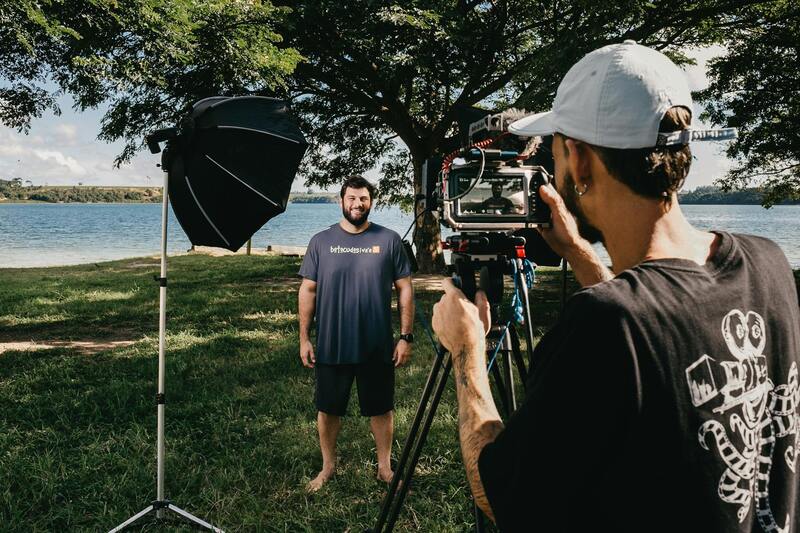
- Softboxes and Umbrellas: These modifiers soften the light, producing gentle, even illumination that reduces shadows.
- LED and Studio Lights: Bright, adjustable LED panels offer customizable output to match shooting conditions and maintain color accuracy.
- Light Meters: Digital light meters evaluate light intensity and ensure accurate exposure settings across all light sources.
- Tripods and Light Stands: Stable mounts prevent movement that could affect lighting consistency throughout the shoot.
- Flags and Barn Doors: Precise light control accessories that help shape the beam and prevent unwanted spill.
Post-Processing Tips to Enhance Evenness
Post-production provides an opportunity to fine-tune images to ensure perfect uniformity. Techniques include:
- Adjusting Brightness and Contrast: Fine-tuning these parameters balances exposure across the image, ensuring no parts are overly dark or bright.
- Color Correction: Correcting color temperature discrepancies ensures consistent tones, which enhances the overall perception of evenness.
- Selective Brightening or Darkening: Using masks or adjustment layers, areas that need lightening or reducing can be targeted without altering the entire image.
- Reducing Shadows: Digital tools can soften or eliminate unwanted shadows that may have appeared due to lighting imperfections.
Common Challenges in Producing Even Photos
Despite best efforts, certain obstacles can hinder the perfect capture of even photos. These include:
- Environmental Variability: Changes in ambient light or reflective surfaces can create inconsistencies in lighting balance.
- Equipment Limitations: Inadequate or incompatible equipment may struggle to produce uniform illumination, especially in complex setups.
- Subject Movement: Movements can alter light distribution, creating unintended shadows or highlights.
- Color Temperature Discrepancies: Mixing different light sources without proper adjustment can lead to uneven color casts within the image.
- Technical Errors: Improper camera settings or unstable setup can result in exposure issues, affecting overall evenness.
Role of a Miami Production Agency in Creating Even Photos
Partnering with a seasoned Miami production agency is instrumental in overcoming challenges related to lighting and image consistency. Such agencies provide access to advanced equipment, professional expertise, and meticulous planning tailored to specific project needs. They conduct comprehensive pre-shoot assessments to establish ideal lighting setups, ensuring all variables are optimized for even photographs. During production, they coordinate technical elements, manage environment conditions, and oversee precise positioning of lights to maintain uniform coverage. Post-shoot, these agencies utilize their expertise in editing and color correction to refine images, accentuating their even appearance. Collaborating with professionals well-versed in event and commercial photography guarantees that every image aligns with high standards of visual integrity and impact, reinforcing the credibility of your brand or event documentation.