Understanding Event Video Production
Event video production is a specialized process that involves capturing, editing, and delivering high-quality video content of live events. Whether it’s a corporate conference, wedding, concert, or community gathering, professional video production ensures that every significant moment is preserved with clarity and precision. The importance of this service lies in its ability to extend the reach and impact of an event beyond its physical occurrence, providing lasting memories and valuable promotional material for future use.
The process begins with comprehensive planning to understand the client’s objectives and the nature of the event. Skilled videographers employ advanced equipment and techniques to document the event from multiple angles, capturing both wide shots and intimate details. This visual documentation is crucial not only for personal keepsakes but also for marketing campaigns, media coverage, and archiving, making event video production a vital aspect of modern event management.
Successful event video production demands more than just recording the event. It involves strategic planning during pre-production to determine the key moments, preparing the right equipment, and executing on-site filming with professional techniques. Post-production editing then transforms raw footage into a polished final product, incorporating color corrections, sound enhancements, and graphics. The completed video is then delivered in various formats suitable for broadcasting, online sharing, or archival purposes. Each step requires expert knowledge to ensure that the final outcome exceeds expectations and accurately represents the event’s significance.
Choosing the Right Equipment and Technology
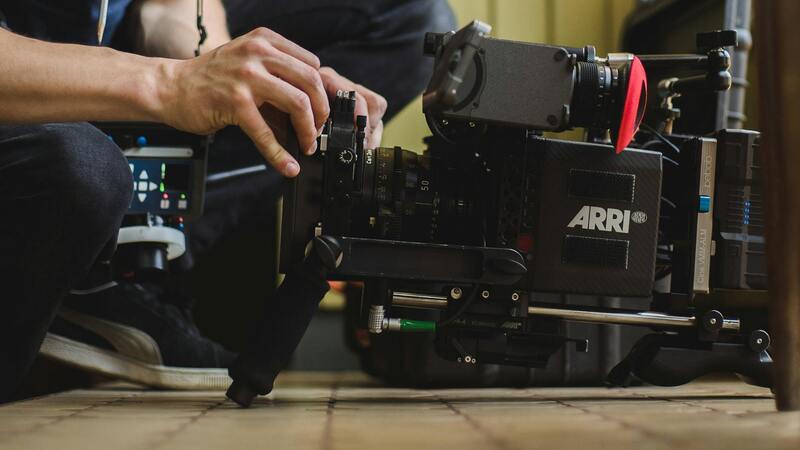
Effective event video production hinges significantly on selecting the appropriate equipment and technological tools tailored to the event's specific requirements. State-of-the-art cameras with high resolution and excellent low-light performance are essential to ensure clarity and detail, especially in dynamic or dimly lit environments. Professional-grade microphones and audio recording devices are equally important, capturing clear sound that complements the visual footage. Additionally, stabilizers such as gimbals and tripods help create smooth footage, minimizing shakiness during handheld shots.
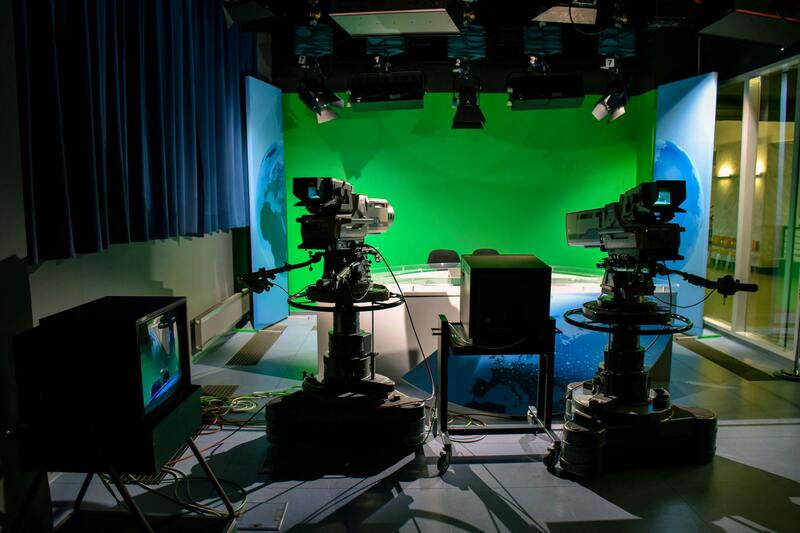
Modern productions often utilize multiple camera setups, including wide-angle lenses for capturing the full scope of the event and close-up lenses for highlighting details and reactions. Advanced lighting equipment is also employed to enhance image quality without disrupting the event’s ambiance. Video switchers and live streaming hardware enable real-time broadcasting or switching between camera angles, adding a level of professionalism and engagement for virtual audiences.
Embracing cutting-edge technology, such as 4K or even 8K recording capabilities, ensures future-proof footage that can be repurposed across various platforms. Drones are increasingly used to capture breathtaking aerial shots, offering a unique perspective that elevates the overall production quality. Furthermore, software for wireless audio and video transmission facilitates unobtrusive filming in crowded or sensitive settings.
Investing in quality equipment not only guarantees exceptional visual and audio fidelity but also reduces the risk of technical failures during crucial moments. Proper maintenance and calibration of all devices are crucial to uphold consistent performance. Skilled videographers understand how to optimize each piece of equipment to adapt seamlessly to changing现场 conditions, ensuring the capturing of all essential aspects of the event.
Choosing the Right Equipment and Technology
For successful event video production, selecting the appropriate gear is a critical step that directly influences the quality and professionalism of the final product. Equipment choices should be aligned with the specific requirements of each event, considering factors such as venue size, lighting conditions, and the type of content to be captured. High-definition cameras are fundamental, providing clear and sharp visuals capable of capturing intricate details and vibrant colors essential for professional videos.
Lighting setup plays a pivotal role in ensuring consistent image quality, especially in environments with challenging lighting conditions. LED panels and portable lighting kits with adjustable temperature and intensity allow videographers to compensate for ambient lighting and achieve a balanced, natural look. Quality audio gear, including wireless microphones and lapel mics, ensures clear sound capture without intrusive cables, capturing speeches, live music, or audience reactions authentically.
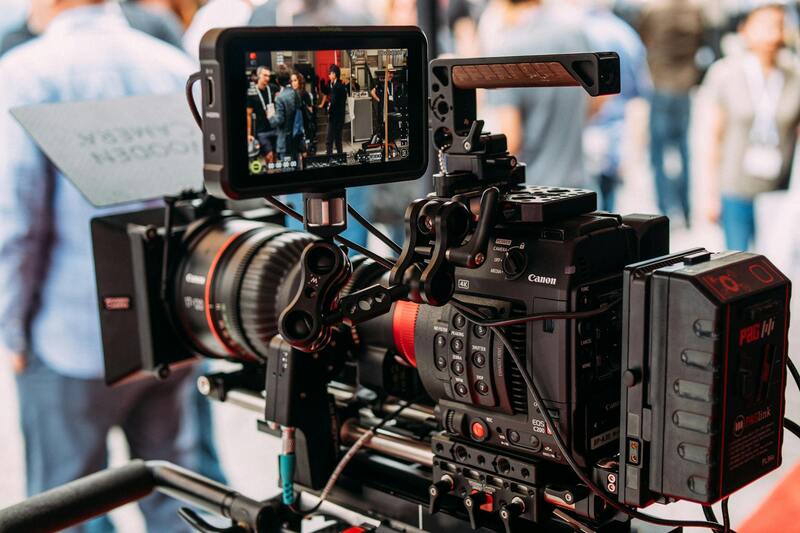
- Cameras: Professional-grade camcorders or cinema cameras with 4K or higher resolution provide crisp visuals and flexibility in post-production editing.
- Stabilization Tools: Gimbals, steadicams, and tripods ensure smooth footage, reducing shakiness caused by handheld movement.
- Audio Devices: Lavalier microphones, shotgun mics, and portable audio recorders ensure high-quality sound, even in noisy environments.
- Lighting Equipment: Portable, adjustable lighting fixtures help illuminate subjects uniformly, enhancing their visual clarity.
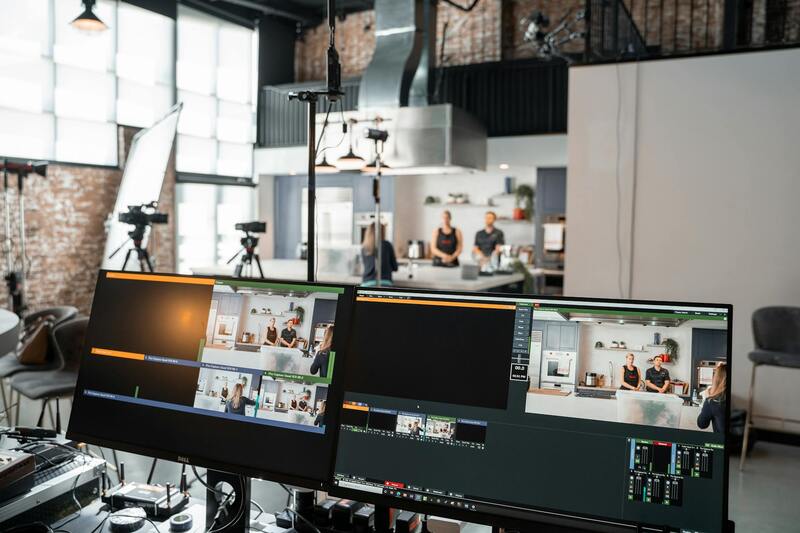
- Live Streaming Hardware: Switchers, encoders, and wireless transmission systems enable seamless live broadcasts, expanding event reach to virtual audiences.
Integrating advanced technology such as wireless transmission systems, drone footage capabilities, and 4K or 8K recording options ensures that the content remains adaptable for various output formats and future uses. Regular maintenance and calibration of all devices are essential to mitigate technical issues during live shoots, safeguarding the integrity of the footage and minimizing disruptions.
In addition, an understanding of the venue’s technical setup allows videographers to adapt their operational approach, maximizing the potential of their equipment. Skilled technicians and videographers work closely with event organizers to pre-test all gear, troubleshoot potential issues, and strategize camera placements to capture the most impactful angles and moments.
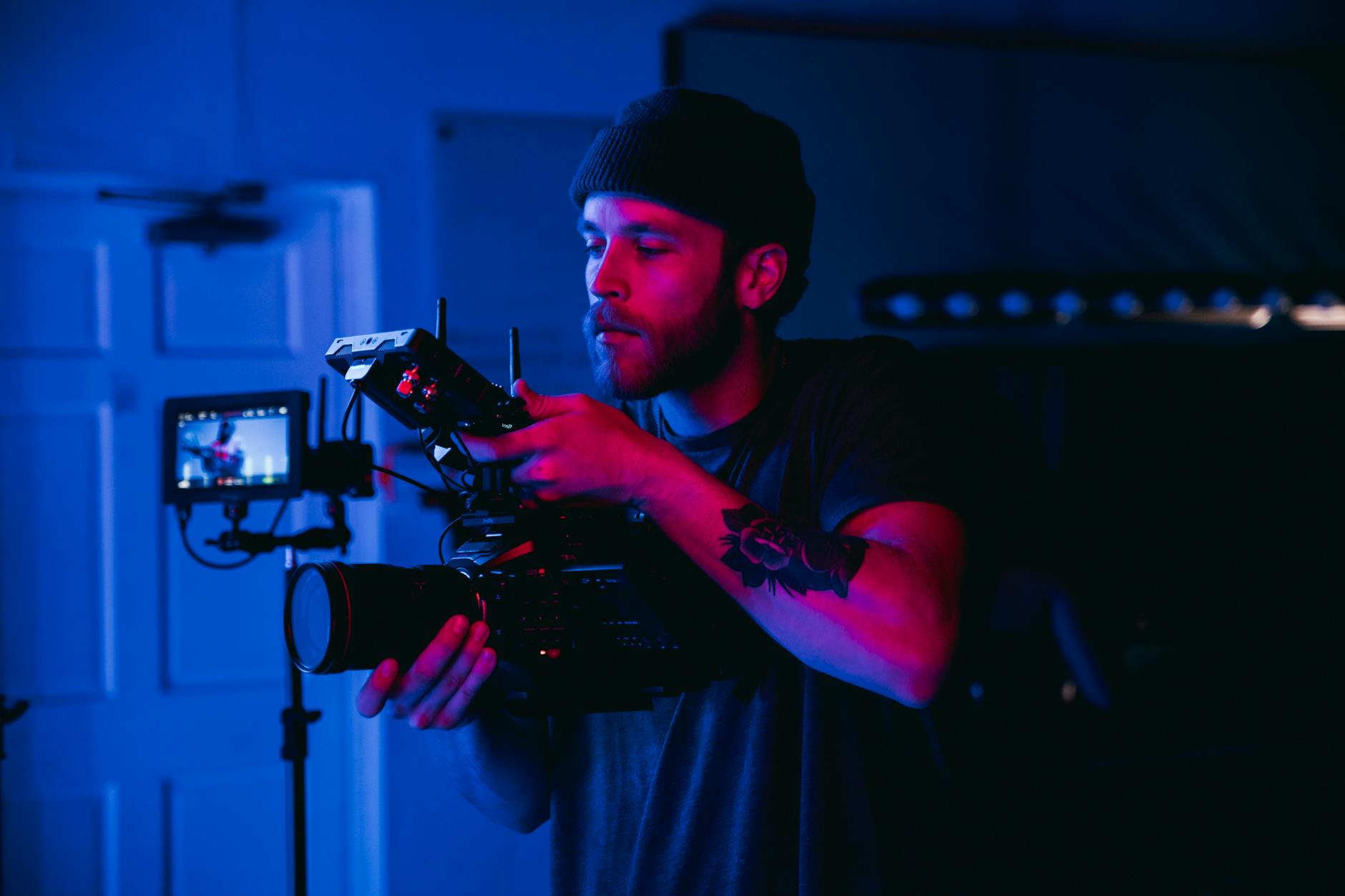
Ultimately, investing in high-quality equipment paired with strategic technology deployment ensures that every detail of the event is captured with precision. This level of professionalism not only elevates the visual narrative but also guarantees that the footage delivered accurately reflects the scope and significance of the occasion. Proper handling and operational expertise in utilizing this equipment are vital components for producing compelling, polished event videos that meet client expectations and stand out across digital platforms.
Utilizing Official Certification and Industry Standards
When engaging in event video production, securing the services of professionals with recognized certifications from reputable organizations demonstrates adherence to established industry standards. Certifications such as those offered by the Society of Motion Picture and Television Engineers (SMPTE) or the International Association of Professional Videographers (IAPV) highlight a commitment to quality and technical expertise.
It’s essential to verify that production teams employ certified technicians trained in the latest workflow best practices, safety protocols, and technical procedures. Certified professionals are more likely to handle sophisticated equipment properly, troubleshoot issues quickly, and ensure that the production process complies with industry benchmarks.
Implementing Compliance with Safety Regulations and Best Practices
Following safety guidelines during event filming not only protects personnel and equipment but also ensures smooth operations. Proper cable management, secure setup of rigging and lighting, and adherence to venue-specific safety protocols are fundamental steps.
Using equipment that meets safety compliance standards, such as fire-resistant cables and environmentally safe lighting, enhances the reliability of the production. Additionally, routine safety training for the production crew minimizes risks and prepares the team to react appropriately to unforeseen situations.
Adoption of Industry-Leading Technologies
Leveraging cutting-edge technology documented through official channels underlines professionalism. Technologies like live streaming platforms accredited by recognized bodies, high-dynamic-range (HDR) recording, and IP-based remote camera control systems provide official validation of the technical capabilities employed.
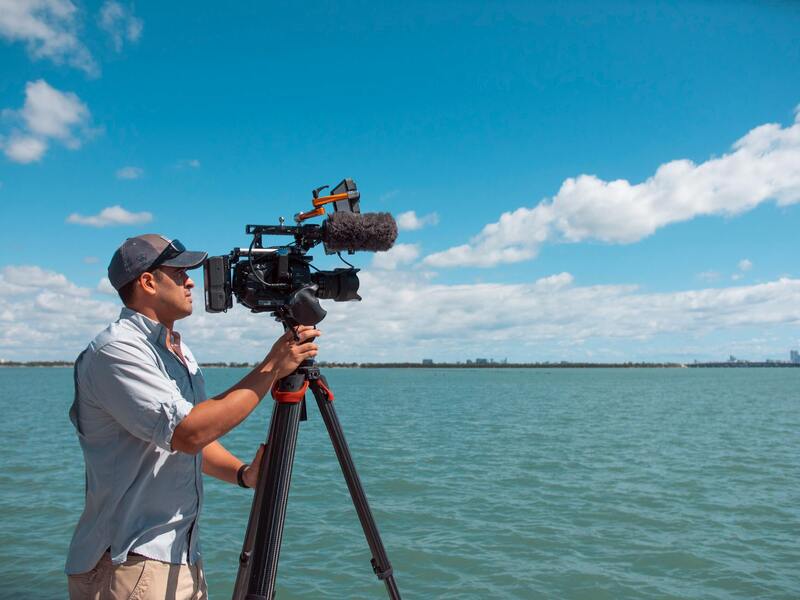
Using reliable, certified equipment minimizes risks associated with technical failure, ensuring stable footage that meets the expectations of clients and audiences. Documenting the use of adherence to these standards can serve as proof of professionalism, fostering trust and confidence among clients.
Documentation and Record-Keeping
Maintaining detailed records of the production process—including equipment inventories, maintenance logs, and technician certifications—supports transparency and accountability. These records can be vital when reviewing project standards or addressing client inquiries.
Ensuring that licensing, permits, and insurance policies are valid and up-to-date further safeguards the production process and provides official proof of compliance with local regulations.
Conclusion
Adhering to official methods and industry standards through certified practices, technology, and documentation is fundamental in event video production. Such measures not only enhance the quality and reliability of the footage but also demonstrate a company's dedication to professionalism and excellence. Emphasizing these legitimate approaches builds credibility, supports client confidence, and underpins the delivery of high-end, impactful event videos.
Ensuring the Use of Certified and Approved Editing Tools
Post-production editing is a critical phase that transforms raw footage into a compelling event video. To ensure the highest standards of quality, it is vital to use certified editing software and hardware. Professionals rely on industry-recognized programs that adhere to strict technical standards, ensuring stability, security, and compatibility with various formats.
Using official, licensed editing applications minimizes risks of software vulnerabilities, data loss, or compatibility issues that could compromise the final output. This approach also ensures compliance with intellectual property rights, safeguards client confidentiality, and allows access to advanced tools such as precise color grading, multi-layer editing, and intricate visual effects, which significantly add value to event videos.
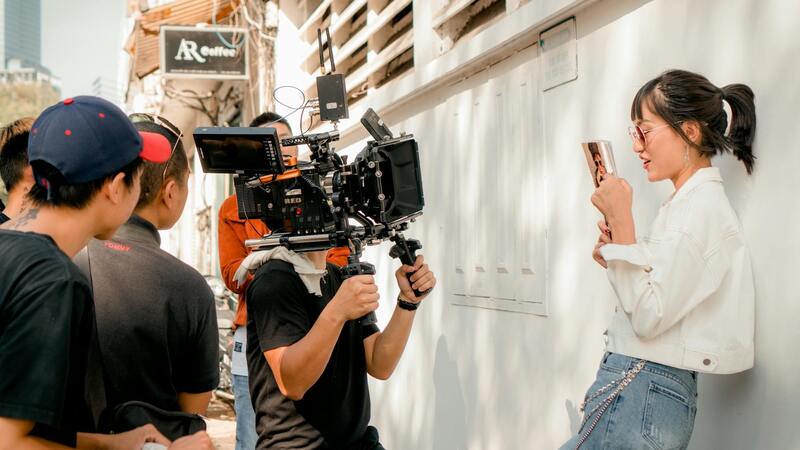
Utilizing Professional Audio Mixing and Visual Effects
Sound quality plays an essential role in elevating the impact of the final product. Licensed audio mixing software ensures that audio tracks are balanced, synchronized, and free from distortions. Incorporating certified sound libraries and effects preserves the integrity of the audio elements, providing a clear auditory experience that complements visual storytelling.
Similarly, application of visual effects must be conducted with tools recognized by industry standards. Certified visual effects software supports seamless integration, realistic overlays, and smooth transitions, enhancing the storytelling and emphasizing key moments within the event footage.
Documenting the Editing Process and Final Outputs
Maintaining comprehensive records of the editing workflow, including versions of software used, project files, and modifications, provides transparency and accountability. Such documentation can be crucial during quality reviews or disputes, demonstrating adherence to professional standards and processes.
Archiving the digital masters and edited versions with secure, verifiable storage solutions ensures the accessibility and preservation of the final footage for future reference or client requests.
Quality Assurance through Certified Review Protocols
Before delivery, conducting reviews using official playback systems and calibrated monitors guarantees the video’s color accuracy, resolution, and overall presentation meet industry benchmarks. This process involves cross-checks by certified professionals, further validating the quality of the final product.
Understanding Event Video Production
Event video production encompasses a comprehensive process that transforms live moments into engaging visual stories. This involves capturing the event through strategic planning, utilizing professional equipment, and applying precise shooting techniques to ensure every significant detail is documented. Quality in this field hinges on a meticulous approach to each stage, from conceptualization to final delivery, to produce content that resonates with audiences and meets the specific goals of the event organizers.
Legal and Compliance Considerations in Equipment and Content
Adhering to official standards for equipment use and content management is vital for professional event videography. This includes employing industry-recognized cameras, lighting, and sound equipment that meet safety and operational standards. When recording content, especially in public or private venues, it is essential to secure permits or permissions from authorized entities, ensuring the production process aligns with site policies. These official channels help prevent interruptions, legal disputes, or processing delays. Furthermore, licensing agreements for music, footage, or graphics used in post-production require careful review to respect intellectual property rights. Using licensed material not only upholds ethical standards but also mitigates potential legal repercussions that could affect the credibility of the production company.
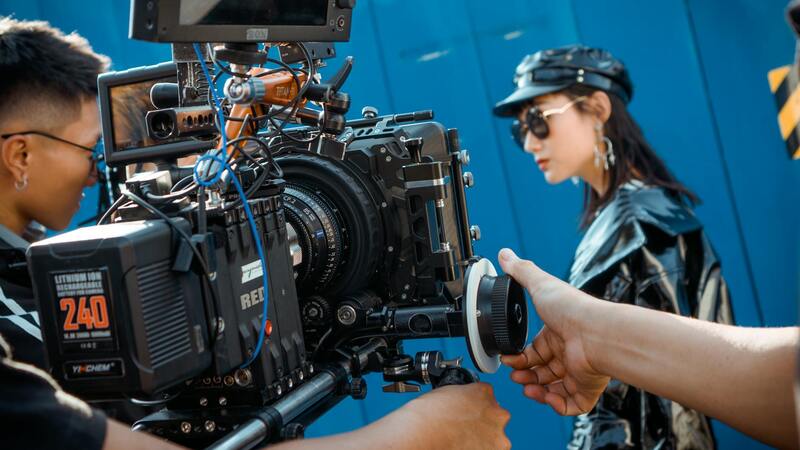
Standards for Digital Content and Data Management
Maintaining proper documentation and secure storage of all digital content is a foundational aspect of legitimate event video production. This includes recording metadata such as camera settings, timestamps, and recording formats, which facilitate efficient editing workflows and facilitate future revisions. Digital files should be stored in protected environments with access controls and backups to ensure uninterrupted retrieval. When sharing the final product, delivery formats are chosen based on industry-recognized standards, such as MP4 or MOV, which assure compatibility across devices and platforms. For online dissemination, the use of secure, encrypted channels ensures data integrity during transfer and protects client confidentiality. Proper data management practices, grounded in certified procedures, bolster transparency, accountability, and trust from clients, safeguarding the client's investment in the content.
Applying Ethical and Verifiable Editing Practices
Editing content according to verified guidelines involves using industry-standard software and maintaining detailed records of any modifications. Experienced editors work within established quality control protocols that include color grading, sound balancing, and visual effects, all conducted with authorized tools. Cross-verification by licensed professionals ensures the enhanced footage remains true to the event’s spirit while upholding high standards for accuracy and visual fidelity. Importantly, all editing decisions should be documented, including software versions and editing parameters, to provide traceability and accountability. These practices demonstrate a commitment to producing trustworthy, high-quality content that aligns with industry norms and client expectations.
Delivery Formats and Archival Strategies
Once finalized, event videos are typically delivered in widely accepted digital formats optimized for various viewing platforms. Common formats include high-definition MP4, MOV, or AVI, selected to ensure compatibility with streaming services, social media, or internal review systems. Secure online delivery methods such as encrypted downloads or protected cloud links are utilized to provide clients with controlled access to their footage. Simultaneously, archival of the original footage, project files, and final outputs is essential for future reference or re-editing. These archival practices involve using reliable storage solutions that comply with industry standards for digital preservation, including redundant backups and version-controlled repositories. This approach guarantees long-term accessibility and maintains the integrity of the content as a valuable asset for the client.
Local Industry Regulations and Best Practices in Miami
Miami’s vibrant event scene demands adherence to regional regulations that influence event video production. These include obtaining necessary permits for filming at public venues, respecting privacy laws related to capturing individuals without explicit consent, and complying with city-specific noise and safety ordinances. Producers operating within Miami must also stay attuned to the local market’s expectations regarding licensing, cultural sensitivities, and industry standards, ensuring their workflows reflect professionalism and legitimacy. By following these official protocols, production companies foster trust with clients and event venues, safeguard their reputation, and contribute positively to the dynamic Miami events industry.
Selecting a Miami Event Video Production Provider
Choosing a reputable local production team involves verifying their adherence to official standards and certifications, reviewing their portfolio for consistent quality, and confirming their familiarity with Miami’s specific legal and logistical landscape. A legitimate provider offers transparent pricing, detailed contracts, and clear communication regarding their compliance practices. Additionally, they should utilize certified equipment and software, and possess a strong understanding of local permits and privacy policies. Partnering with an experienced agency ensures that every phase of the production aligns with official guidelines, resulting in a polished, compliant, and impactful event video that effectively captures the essence of the occasion and meets professional integrity benchmarks.
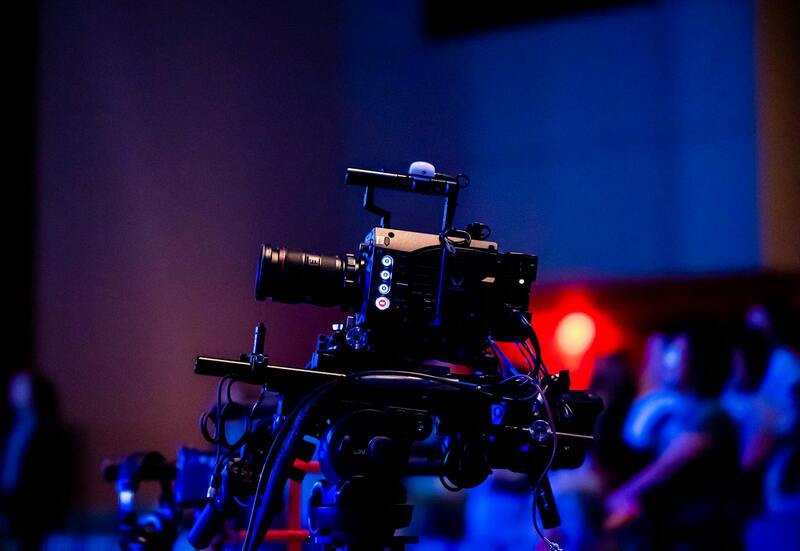
Understanding Event Video Production
Event video production encompasses the comprehensive process of capturing, crafting, and delivering visual narratives of live occasions. It involves a strategic blend of planning, technical expertise, creative execution, and post-production editing. Ensuring that the final product authentically represents the event’s significance requires meticulous attention to every detail, from pre-event planning to the final delivery. A professional approach adheres strictly to industry standards and best practices, employing reputable methods and specialized equipment to produce high-quality visuals that resonate with the intended audience.
Planning and Pre-Production
Effective event video production begins with thorough planning and pre-production coordination. This phase involves detailed client consultations to understand the core message, key moments to capture, and desired video style. It also includes the creation of shot lists, storyboards, and production schedules, ensuring all logistical elements are aligned. Selecting appropriate locations, arranging permits for filming at specific venues, and coordinating with event organizers are essential steps to ensure compliance and smooth execution. During this stage, choosing reputable vendors for equipment, such as certified cameras and audio systems, guarantees adherence to official quality and safety standards, ultimately leading to a seamless filming process.
Choosing the Right Equipment and Technology
The backbone of high-quality event videography lies in the selection of reliable, professional-grade equipment. This includes high-definition cameras capable of capturing sharp visuals in varied lighting conditions, stabilized rigs for smooth shots, and external audio recording devices to ensure clear sound quality. Utilizing official, certified accessories and software is crucial to meet industry benchmarks and deliver a polished product. Advanced stabilization tools, multi-camera setups, and professional lighting enhance production value, especially in dynamic environments like receptions, conferences, or outdoor celebrations. Staying updated with the latest technological advancements ensures the production team can adapt to different venues and lighting conditions, maintaining consistent quality throughout the event.
Equipment Checklist:
- High-definition professional cameras
- External microphones and audio recorders
- Stabilizers and gimbals
- Portable lighting solutions
- Multi-camera setups for comprehensive coverage
- Backup batteries and storage devices
On-Site Videography and Shooting Techniques
Executing on-site videography demands technical skill and adherence to best practices. A legitimate production team employs official techniques such as framing, composition, and camera movements to maximize visual impact. Properly balancing exposure, managing focus, and avoiding interference from environmental factors contribute to high-quality footage. Team members coordinate seamlessly, capturing key moments from multiple angles while respecting the event’s flow and respecting venue guidelines. Operator proficiency with stabilizers and smooth panning enhances the viewers’ engagement. Additionally, capturing clear audio with high-quality microphones ensures that speeches and important interactions are also preserved in the final edit.
Post-Production Editing and Enhancements
The post-production phase transforms raw footage into a compelling narrative. This process involves a series of official editing procedures, including video trimming, color correction, sound mixing, and adding titles or graphics. Using certified editing software ensures the integrity and quality of the final product. Enhancements such as motion stabilization, audio leveling, and color grading bring visual and auditory elements into harmony, making the event memorable and engaging. Professional editors work diligently to ensure the video adheres to industry standards, accurately reflects the tone of the event, and aligns with client specifications. Incorporating official branding elements, legal music licensing, and accessibility features further emphasizes adherence to professional and legal guidelines.
Delivering and Archiving the Event Video
Once the final edit is complete, official channels of delivery include secure online platforms, physical storage media, or dedicated client portals. Clear communication and detailed contracts specify formats, resolutions, and distribution rights. Proper archiving of the footage involves storing raw and edited files on secure, certified servers or cloud services with appropriate backup protocols. This ensures long-term accessibility for future use or re-edits. Maintaining comprehensive records of all production documentation—such as permits, releases, and contracts—upholds transparency and professionalism, helping to preserve the integrity and legitimacy of the production process.
Understanding Event Video Production
Event video production involves a systematic approach to capturing, editing, and delivering footage that documents and promotes special occasions. It is a comprehensive process that combines technical expertise, creative storytelling, and adherence to official standards. The goal is to produce a high-quality video that accurately reflects the atmosphere, key moments, and significance of the event, ensuring the final product resonates with both the client and their audience. Successful event video production relies on a thorough understanding of industry best practices, the appropriate application of technology, and compliance with all relevant regulations governing media content creation and distribution. This holistic approach guarantees that the footage is not only visually compelling but also conforms to professional guidelines for audio, visual, and narrative integrity.
Planning and Pre-Production
A meticulous planning phase is essential to align the production process with the client’s vision, event specifics, and logistical considerations. This stage includes detailed discussions on the scope of the project, key highlights to capture, preferred angles, and timing. It involves creating a shot list, establishing a filming schedule, and securing necessary permits and clearances. Precise pre-production planning ensures all official aspects—such as location permissions, participant releases, and usage rights—are covered to prevent any disruptions or unauthorized recordings. Collaborating with venue managers, event organizers, and stakeholders provides clarity on access points, lighting conditions, and environmental factors. This initial groundwork enables the production team to operate smoothly on-site, adhering to professional standards and official protocols that guarantee the footage's authenticity and legal soundness.
Choosing the Right Equipment and Technology
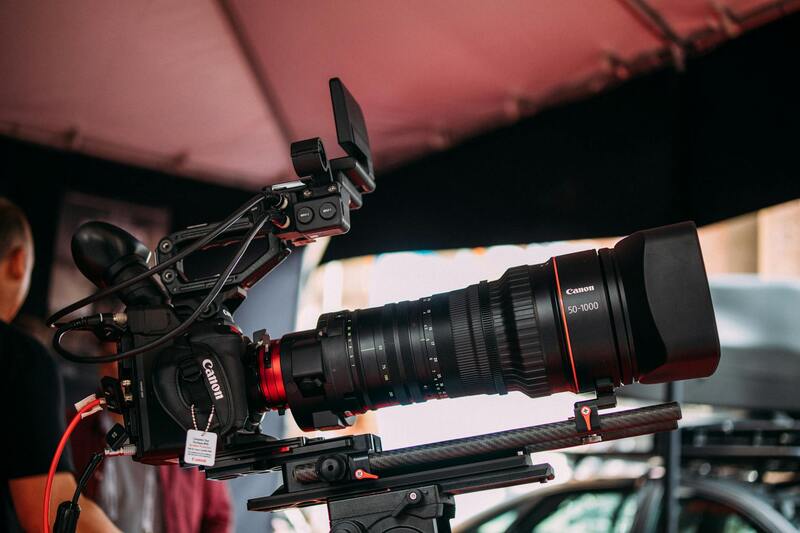
Utilizing official, high-quality equipment is fundamental to capturing professional-grade footage. This includes selecting appropriate cameras capable of recording in high resolution, such as 4K or higher, for crisp visuals. Lenses must be versatile and suitable for low-light conditions, ensuring clarity during indoor or evening events. Audio equipment, such as external microphones and mixers, are essential for capturing clear sound, interviews, or speeches. Stabilization tools like tripods and gimbals prevent shaky footage, maintaining a smooth viewing experience. Advanced technology complements the production process through the use of drones for aerial shots, multi-camera setups for varied perspectives, and official lighting rigs to enhance visibility and mood. Employing certified and approved gear aligns with industry standards and official guidelines, preventing issues related to incompatible or substandard equipment.
On-Site Videography and Shooting Techniques
During the event, the videography team’s primary objective is to document the occasion from multiple angles, capturing candid moments, key speakers, and audience interactions. Official shooting techniques involve meticulous framing, proper lighting management, and precise camera movements. The use of tripod stabilization, focus tracking, and controlled zooms help produce visually compelling recordings. Skilled operators also employ strategic positioning to avoid obstructions and ensure important moments are clearly visible. Monitoring audio levels throughout filming prevents distortion and preserves clarity. Taking advantage of technical innovations, such as slow-motion capture and multi-camera synchronization, enhances the storytelling quality. Consistency in framing, adherence to scheduled timelines, and compliance with official guidelines ensure the footage’s authenticity and professional integrity, providing a comprehensive visual record of the event.
Post-Production Editing and Enhancements
Post-production is where raw footage transforms into a polished final product. This stage involves official editing techniques—trimming unnecessary segments, color correction, audio mixing, and adding titles, graphics, or branding elements. Certified editing software is used to maintain file integrity and ensure that the video meets technical standards for distribution. Enhancements such as motion stabilization, audio leveling, and color grading are applied to create a cohesive and engaging viewing experience. All edits follow strict protocols to preserve the authenticity of the event, and licensing for background music and graphics is verified through legitimate sources. Ensuring accessibility by adding closed captions or subtitles aligns with professional practice and inclusive standards. These careful, official editing procedures guarantee that the final product effectively communicates the event’s essence and meets legal and professional expectations.
Delivering and Archiving the Event Video
The distribution phase involves delivering the final video through secure official channels, such as encrypted online platforms, physical media, or dedicated client portals. Contracts specify the formats—such as MP4, MOV, or archival-ready files—and resolutions required for various uses. Clear documentation on distribution rights, restrictions, and usage terms ensures transparency and professional accountability. Archiving involves storing both raw footage and edited files on certified, secure servers or cloud services with robust backup systems. Proper cataloging and systematic organization facilitate easy retrieval for future re-edits, repurposing, or referencing. Maintaining comprehensive records, including permits, releases, contracts, and technical documentation, consistently adheres to industry standards and project management best practices. These measures secure the integrity and accessibility of the event footage over the long term, fostering professional accountability and resource efficiency.