
Understanding Event Videography
Event videography is a specialized discipline dedicated to capturing live occasions through high-quality video recordings. It involves documenting moments from a variety of gatherings such as weddings, corporate functions, conferences, festivals, and private celebrations. This craft requires a combination of technical skill, artistic vision, and meticulous preparation to ensure that the essence of each event is preserved in visual form. The significance of event videography lies in its ability to encapsulate emotions, highlight key moments, and create lasting memories for clients. Unlike still photography, videography offers dynamic storytelling through motion, sound, and editing, providing a more immersive experience. Well-produced event videos serve multiple purposes—from personal keepsakes for families and friends to promotional material for organizations and business brands. Effective event videography starts with understanding the planning phase, ensuring that every aspect of the capture aligns with the event’s purpose and client expectations. This includes coordination with event planners, understanding the venue layout, and selecting the appropriate equipment to adapt to varied lighting and spatial conditions. Furthermore, for videographers, mastery over filming techniques is crucial. This encompasses stabilized shots, strategic positioning, capturing live reactions, and managing audio quality. Post-event, the editing process transforms raw footage into a coherent visual narrative, emphasizing the most memorable moments and enhancing the overall aesthetic. Ultimately, professional event videography combines technical proficiency with storytelling artistry. It ensures that the energy, emotions, and significance of each gathering are conveyed compellingly via the final video product, making it an essential service for those who wish to relive their special moments with clarity and impact.
Understanding Event Videography
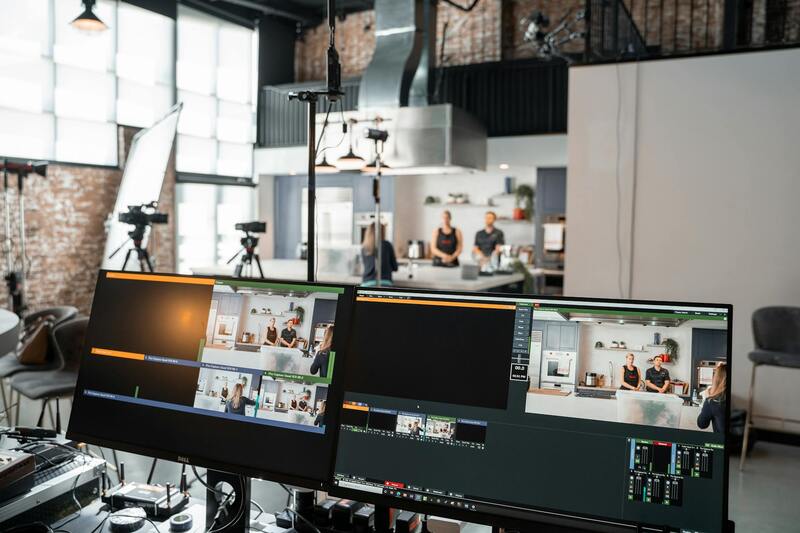
At its core, event videography involves the comprehensive process of recording, editing, and producing videos that document significant occasions. It requires more than just footage capturing; it demands foresight, technical skills, and creative storytelling abilities. The best event videographers possess a deep understanding of different event types and adapt their approach accordingly, whether it’s a small, intimate gathering or a large-scale corporate event. Their goal is to produce a polished, engaging video that resonates with viewers and preserves memories for years to come.
Types of Events Suitable for Videography
Event videography is a versatile service tailored to a wide range of occasions, ensuring that each moment is preserved with precision and artistry. Weddings stand out as one of the most common events captured through professional videography, as couples seek to relive their special day through beautifully crafted videos that showcase vows, emotional exchanges, and celebratory moments. Corporate events, such as product launches, seminars, and award ceremonies, benefit from high-quality recordings that not only document proceedings but also serve as powerful promotional tools for future marketing campaigns. Social gatherings, including milestone birthdays, anniversaries, and charity events, also find immense value in professional videography, capturing both the candid and formal moments that define these gatherings.
Sports tournaments, festivals, and other large-scale public events are equally suitable candidates for videography, as they require comprehensive coverage that highlights the energy and enthusiasm of participants and spectators. Additionally, cultural events, such as dance recitals, theatrical performances, and community festivals, can be documented artistically to showcase local talent and traditions.
Each of these event types shares a common need for expert videography that not only records the visual aspects but also narrates the story behind the event, ensuring that the essence and atmosphere are captured authentically. Collaborating with experienced professionals guarantees that every special moment is immortalized, creating a treasured keepsake that extends beyond standard photography or casual filming.
Understanding Event Videography
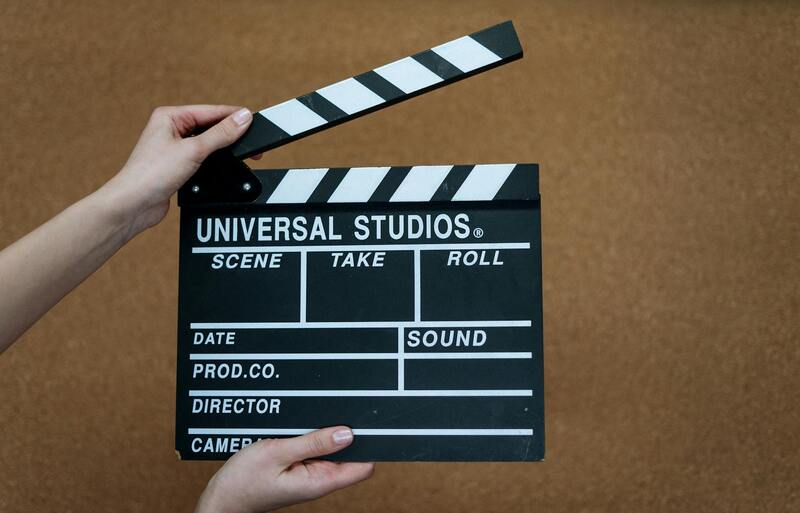
Event videography is a specialized field that requires not only technical proficiency but also an artistic eye for storytelling. It involves capturing the essence, energy, and emotional layers of an event, turning fleeting moments into lasting memories. Skilled videographers utilize a combination of advanced equipment, strategic planning, and technical expertise to produce compelling videos that serve as a visual narrative of the occasion.
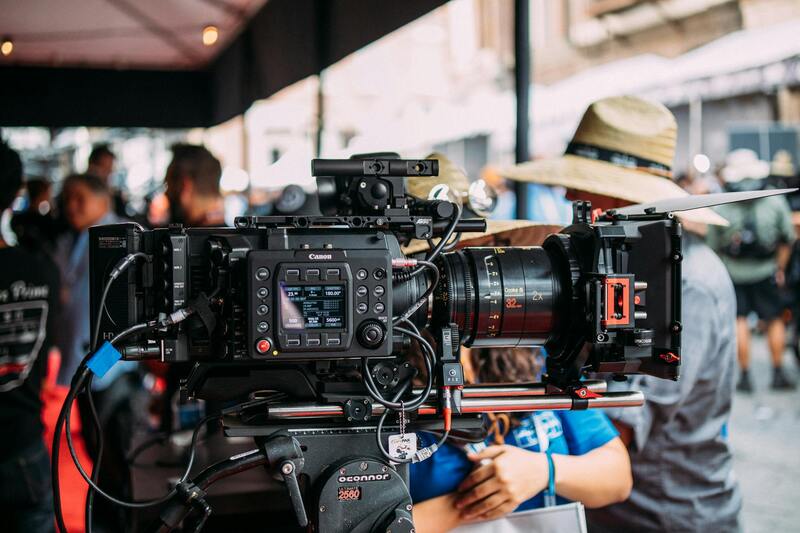
Thorough knowledge of various filming techniques, lighting considerations, sound recording, and stabilization methods are fundamental to ensuring that the footage is of the highest quality. These professionals also employ editing software to fine-tune the raw footage, balancing colors, enhancing audio clarity, and creating a cohesive story that captivates viewers. This comprehensive process results in a polished video that not only documents the event but also elevates its significance through visual storytelling.
Key Equipment and Technologies
High-caliber event videography relies heavily on specialized tools designed to elevate the production quality. Essential equipment includes professional-grade digital cameras capable of capturing high-resolution footage with excellent low-light performance. These cameras often support multiple lenses, providing versatility across wide shots and close-up details. Tripods and stabilizers, such as gimbals, are critical for ensuring steady shots, even in dynamic environments.
Sound clarity is equally important; therefore, professional microphones—including lapel microphones for speeches and shotgun microphones for ambient sound—are standard components. Additional tools like portable lighting kits help manage challenging lighting conditions, ensuring subjects are well-lit and visually appealing. Advanced drones may also be used to capture sweeping aerial shots that provide a unique perspective of outdoor or large-scale events, adding a cinematic touch to the final product.
Pre-Production Planning and Coordination
Effective event videography begins well before the day of the event. Pre-production involves detailed planning to understand the client’s vision, the event schedule, and critical moments that require special attention. Site assessments ensure that videographers are familiar with the venue’s layout, lighting conditions, and acoustics, enabling them to strategize camera placements and technical setups.
Clear communication with event organizers allows professionals to coordinate timing and coverage, ensuring that no significant moments are missed. This phase also includes the creation of shot lists, protocols for handling unexpected scenarios, and contingency plans to adapt swiftly to changing circumstances. Proper planning substantially reduces the risk of missed shots and promotes a seamless filming experience, resulting in a high-quality final product that aligns with client expectations.
Filming Techniques and Best Practices
During filming, professionals prioritize smooth camera movements, well-framed shots, and capturing genuine interactions. Techniques such as using multiple angles, employing slow-motion footage, and incorporating candid shots enhance storytelling. Adequate lighting adjustments and sound checks are routinely performed to maintain high standards throughout the event.
Capturing authentic moments requires unobtrusive filming that allows guests and speakers to behave naturally. Employing discreet wireless microphones ensures that speeches and important dialogues are recorded clearly, even in noisy environments. Continuous monitoring and on-the-fly adjustments are standard practices that contribute to cohesive and engaging footage.
Post-Production Editing and Finalization
In the post-production phase, raw footage is carefully reviewed and curated. Editors focus on assembling the most impactful clips, incorporating transitions, color grading, and audio enhancements to produce a polished final video. Strategic inclusion of music and graphics can heighten emotional resonance and engagement.
The editing process also involves synchronizing audio with visuals, removing distractions or errors, and applying stylistic effects that match the event’s tone. Throughout this phase, clients may be consulted to ensure that the edited footage aligns with their vision. The final product is delivered in various formats suitable for sharing across multiple platforms, preserving the event’s memories in a professional, visually compelling manner.
Understanding Event Videography
Event videography involves the professional recording of live moments during special occasions, conferences, festivals, and corporate events. It requires a combination of technical expertise, artistic vision, and meticulous planning to capture the essence of the event while ensuring that the footage is engaging and narratively cohesive. A skilled videographer understands the importance of unobtrusive filming that respects the flow of the event while documenting key moments with clarity and precision.
Types of Events Suitable for Videography
Many diverse occasions benefit from professional videography, including weddings, corporate conferences, product launches, awards ceremonies, concerts, and community festivals. Each type of event presents unique challenges and opportunities for storytelling. For instance, weddings demand capturing candid emotional exchanges and formal ceremonies seamlessly, while corporate events require highlighting keynote speakers, networking moments, and product displays. Music festivals and concerts, on the other hand, emphasize capturing dynamic performances and audience reactions to create energetic and memorable footage. The diversity of event types underscores the need for tailored filming approaches that align with the specific atmosphere and objectives of each occasion.
Key Equipment and Technologies
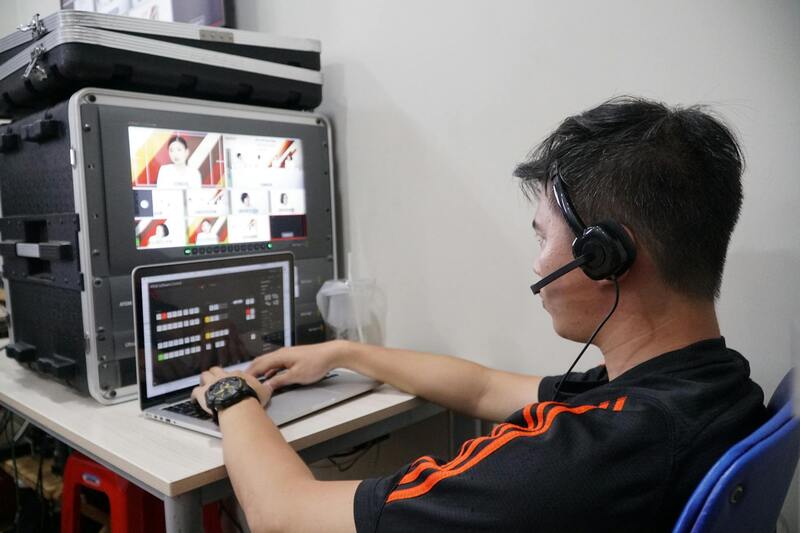
Achieving professional-grade event videos necessitates advanced equipment and innovative technologies. Standard gear includes multiple high-definition video cameras capable of capturing different angles simultaneously, ensuring comprehensive coverage. Stabilization tools such as gimbals and tripods help maintain smooth footage even in dynamic environments. Wireless microphones and lapel mics are essential for capturing clear audio from speakers, performers, or interviewees without distracting cables. Portable lighting kits are often employed to adjust conditions in poorly lit venues, enhancing clarity and visual appeal. Modern videography also incorporates drones for aerial shots, providing a distinctive perspective that elevates the production quality. Incorporating these tools ensures versatility and high fidelity in capturing every detail of the event, regardless of size or complexity.
Filming Techniques and Best Practices
Successful event videography hinges on employing refined filming techniques that maximize footage quality and storytelling potential. Using varied shot compositions—such as wide shots for context, close-ups for emotions, and medium shots for interactions—creates a dynamic viewing experience. Continuous camera movements like sliding or pan shots add cinematic flair, while static shots facilitate focus on key moments. Slow-motion sequences can emphasize specific actions or emotions, providing depth to the narrative.
Unobtrusive filming is critical, allowing guests and speakers to behave naturally without feeling interrupted. Employing discreet wireless microphones ensures audio is captured clearly, even amidst background noise. Maintaining proper lighting, adjusting on the fly according to changing venue conditions, and monitoring audio and video feeds in real time are standard practices that uphold production standards. Additionally, organizing shot lists, coordinating with event coordinators, and conducting rehearsal sessions beforehand contribute to smooth execution and comprehensive coverage.
Post-Production Editing and Finalization
Post-production is where raw footage transforms into a compelling narrative. Editors meticulously review all recordings to select the most impactful clips, synchronize audio with visuals, and eliminate distractions or errors. Strategic use of transitions, color grading, and sound design enhances the aesthetic appeal and emotional impact of the final product. Incorporating music, graphics, and titles further amplifies engagement and storytelling clarity. Regular client consultation during this phase ensures the final edit aligns with the vision and expectations. The completed video is delivered in multiple formats—such as full-length, highlight reels, or social media snippets—allowing clients to share their memorable moments across various platforms effectively.
Choosing a Miami Event Videography Partner
Collaborating with a professional videography team based in Miami ensures access to local expertise, state-of-the-art equipment, and a nuanced understanding of the region’s event landscape. An experienced partner can adeptly adapt filming strategies to diverse venues and event styles, delivering footage that exceeds expectations. It’s important to review portfolios, seek testimonials, and discuss specific requirements to select a provider that aligns with your vision and logistical needs. An ideal Miami-based videography partner offers comprehensive services—from pre-event planning to post-production—to streamline the entire process and secure high-quality results that preserve your event’s significance.
Legal Considerations and Permits Necessary for Event Videography
Executing high-quality event videography in Miami requires adherence to official protocols that govern filming activities in various venues and public spaces. Securing appropriate permits is essential when filming in public areas such as parks, beaches, or city streets to prevent disruptions and ensure unobstructed access for filming equipment and personnel. These permits typically involve submitting detailed plans of the filming activities, duration, and equipment to relevant local authorities or property owners.
For private venues, obtaining approval from the venue management or event organizers is a standard procedure. This approval ensures that videographers can operate without interfering with the event’s flow or violating any venue policies. Clear communication about the scope of work helps prevent conflicts and secures a smooth filming process.
Additionally, ensuring compliance with copyright and intellectual property regulations is crucial. This involves gaining consent to record performances, music, or images of individuals present at the event. Implementing model releases or content release forms from participants protects all parties involved and facilitates the lawful use of footage for editing, distribution, and promotional purposes.
Hiring an experienced event videography team familiar with local regulations simplifies this process. They typically handle permit applications, coordinate with venue officials, and ensure all legal requirements are met before filming begins. This thorough preparation minimizes delays and keeps the project on track.
Considering the necessity of adhering to the region’s official guidelines, it is recommended that clients work closely with their videography provider to secure all approvals in advance. This proactive approach ensures the filming activities are carried out smoothly, respect the venue’s policies, and abide by local laws. Proper documentation and permits also serve as protective measures for the videography team and the client in the event of any disputes or inspections.
Filming Techniques and Best Practices
Implementing effective filming techniques is essential to capturing the true essence of an event while ensuring a smooth and unobtrusive recording process. A professional videographer will employ a combination of strategic shot composition, camera stability measures, and dynamic angles to produce engaging footage that reflects the event’s atmosphere and significance. Utilizing tripods, gimbals, or steadicams helps achieve smooth movement, especially during lively or fast-paced segments, preventing shaky footage that can detract from the final presentation.
One critical aspect of event videography is anticipating key moments. Skilled videographers plan their positions and camera angles to ensure they do not miss important happenings, such as speeches, performances, or reactions from attendees. This involves pre-event scouting and coordination with event organizers to identify optimal locations that offer good sightlines and minimize obstruction or interference.
Lighting considerations play a vital role in filming quality footage. In venues with variable lighting conditions, videographers adjust camera settings accordingly and may use additional lighting equipment to fill shadows or enhance subject visibility. Proper exposure and focus are maintained throughout the event to keep the visuals clear and vibrant.
Sound quality is equally vital. Capturing crisp audio involves using high-quality microphones suited to the environment—lapel mics for speakers, directional mics for performances, or ambient mics for atmosphere. Wind screens and shock mounts reduce background noise or handling noise, ensuring audio clarity. Synchronizing sound with visual footage during editing results in a cohesive viewing experience.
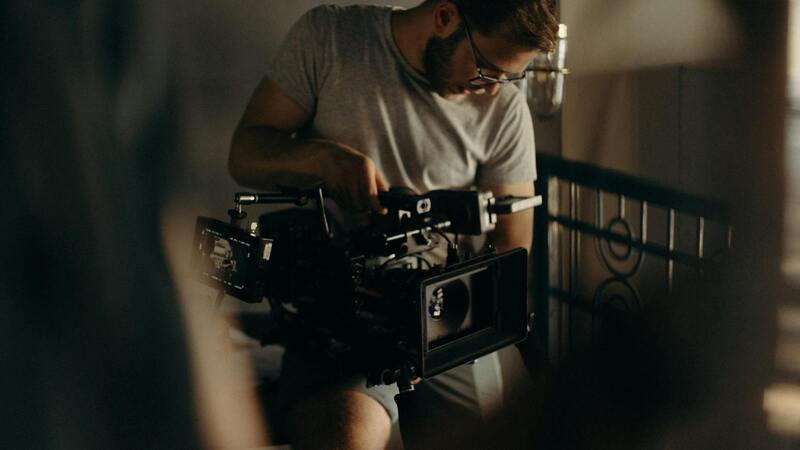
Throughout the filming process, professionalism and discretion are key. Videographers stay unobtrusive, blending into the background during sensitive moments or formal proceedings, thereby respecting the event’s flow. Clear communication with the event planning team enables seamless coordination, allowing adjustments on-site to capture the best footage without disrupting the event.
Post-filming, thorough footage review and backup strategies are essential. Organizing clips based on scenes or segments facilitates efficient editing later. Maintaining high standards during on-site filming minimizes the need for extensive re-shoots and ensures a high-quality raw material for the editing stage.
Understanding Event Videography
Event videography entails the strategic capturing of live occasions through professional filming techniques to preserve moments with clarity and precision. This process combines advanced camera equipment, skilled operators, and meticulous planning to deliver a polished final product that encapsulates the essence of the event. Precision in framing, lighting, and audio recording is essential to produce a compelling visual narrative that resonates with viewers and commemorates the occasion effectively.
Key Aspects of Effective Event Videography
- Technical Expertise: Knowledge of camera settings, lighting, and sound equipment is fundamental. Skilled videographers adapt to different environments, ensuring footage remains sharp and well-lit despite varying conditions.
- Creative Composition: Artistic framing and camera angles enhance storytelling, emphasizing important moments while maintaining a dynamic visual flow.
- Sound Capture: Utilizing high-quality microphones and sound recording techniques guarantees clear audio, which is as vital as visuals to the overall quality of the event film.
- Discretion and Professionalism: Maintaining a low profile helps in capturing genuine moments without disrupting the natural flow of the event, whether it’s a corporate conference or an intimate celebration.
- Seamless Coordination: Effective communication with event organizers ensures that filming schedules align with the event timeline, allowing for maximum footage collection while respecting the event's structure.
Technology and Equipment in Event Videography
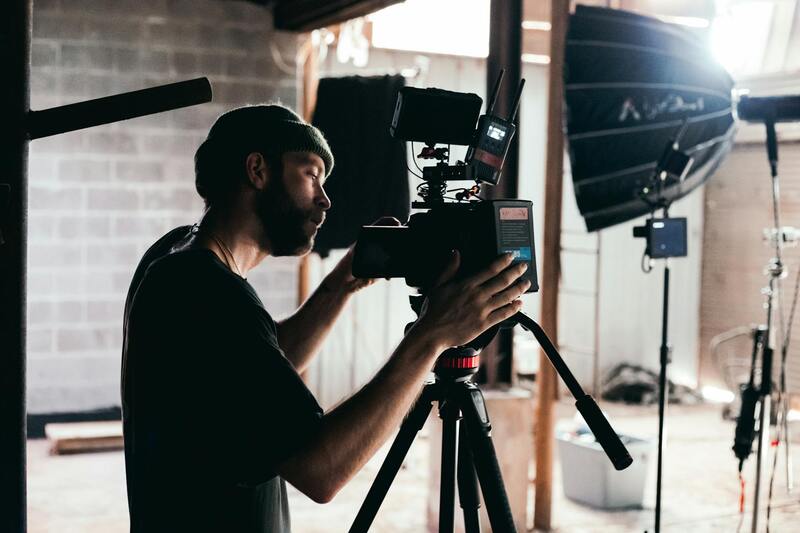
Modern event videography relies on an arsenal of advanced tools designed to optimize footage quality. High-definition (HD) and 4K cameras serve as the backbone, delivering crisp images even in low-light settings. Steadicams and gimbals are employed to stabilize shots during movement, eliminating unwanted shake and ensuring fluid motion. Drone technology is increasingly adopted to capture sweeping aerial perspectives that add a cinematic dimension to the final product.
Recording Sound with Precision
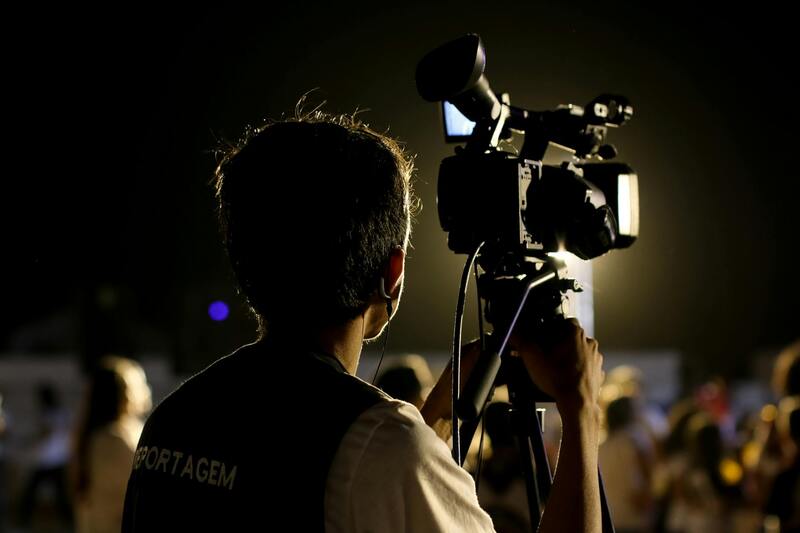
Sound quality profoundly influences the viewer's experience. Professional videographers utilize a combination of shotgun microphones, lapel mics, and ambient microphones to adapt to different acoustic environments. Windshields and shock mounts are deployed to reduce noise and handling vibrations, creating a clean audio track that harmonizes seamlessly with the visuals. During editing, sound synchronization and mixing further enhance clarity and emotional impact.
Adapting to Venue and Lighting Challenges
Different venues present unique challenges—ranging from harsh artificial lights to dark, shadowed corners. Properly adjusting camera ISO levels, aperture, and shutter speed is vital to maintain optimal exposure. Supplementing existing lighting with portable LED lights ensures subjects are well-illuminated without overpowering the scene. Skilled videographers proactively identify an ideal filming location within the venue to maximize available light and minimize fixture glare or shadows.
Best Practices in Filming
- Maintaining Focus: Continuous focus tracking ensures that moving subjects remain sharp throughout dynamic moments.
- Capturing Multiple Angles: Using various camera angles provides depth and versatility, giving editors a rich pool of footage to craft an engaging narrative.
- Respecting the Atmosphere: Blending into the background during critical moments preserves authenticity and spontaneity in the footage.
- Staying Discreet: Use of quiet camera operation minimizes disturbance in sensitive settings like ceremonies or speeches.
- On-the-Fly Adjustments: Responsive operators adapt to unforeseen changes in lighting or event flow, ensuring moments are successfully captured despite unpredictable dynamics.
High-quality event footage hinges upon meticulous preparation, state-of-the-art equipment, and adaptable filming strategies. When these elements align, the resulting videos serve as enduring keepsakes that vividly encapsulate the spirit and significance of the occasion.
Understanding Event Videography
Event videography encompasses the skillful recording and production of video content that captures the essence of various occasions, from corporate conferences and weddings to festivals and private gatherings. It involves more than simply pointing a camera and pressing record; it requires a comprehensive understanding of visual storytelling, technical proficiency, and the ability to adapt swiftly to changing event dynamics. Expert event videographers employ specialized equipment, strategic planning, and creative techniques to ensure every meaningful moment is preserved in high quality. The goal is to create a compelling visual narrative that authentically reflects the event’s atmosphere, significance, and emotional depth, making viewers feel as if they are present no matter where they are watching from.
Types of Events Suitable for Videography
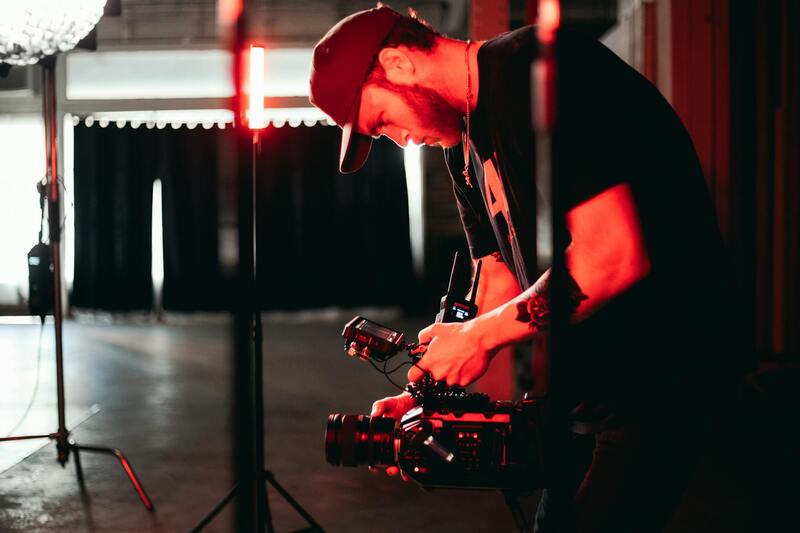
Virtually any gathering that holds importance or emotional value benefits from professional videography. These include:
- Weddings: Capturing the joy, candid moments, and heartfelt expressions during the ceremony and reception.
- Corporate Events: Documenting product launches, seminars, conferences, and award ceremonies to boost brand visibility and internal documentation.
- Festivals and Public Celebrations: Recording vibrant moments, performances, and crowds to promote future events or create promotional content.
- Private Parties and Milestones: Documenting birthdays, anniversaries, and family reunions for lasting memories.
- Charity Events: Showcasing impact stories and event activities to raise awareness and support.
Key Equipment and Technologies
Utilizing the latest technology ensures the delivery of clear, immersive videos. Essential tools include:
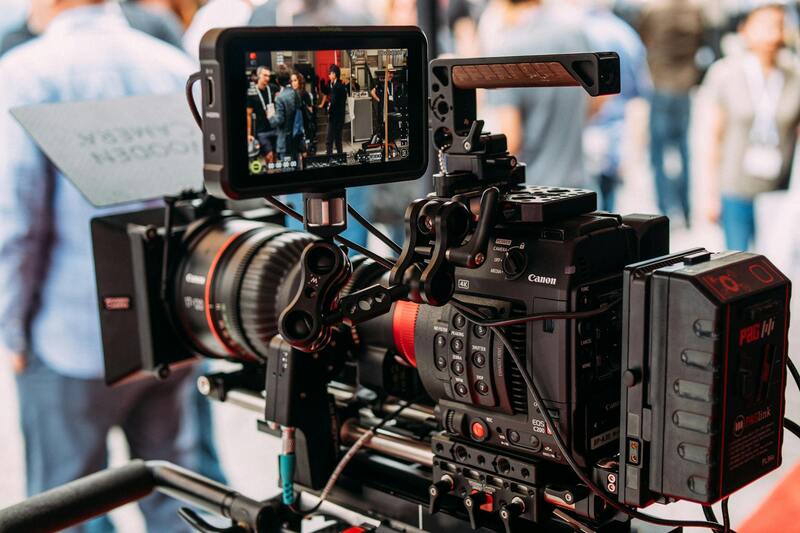
- Professional Cameras: High-definition and 4K capable to capture crisp visuals with excellent detail.
- Lenses: A selection of prime and zoom lenses for versatile framing and depth of field control.
- Lighting Equipment: Portable LED panels and diffusers to enhance illumination and manage shadows.
- Audio Equipment: Lavalier microphones, boom mics, and wireless systems that guarantee clear sound quality, especially during speeches or interviews.
- Gimbals and Stabilizers: Tools that ensure smooth footage during movement or dynamic shots.
- Drones: For sweeping aerial shots that add a cinematic perspective to large-format events.
Pre-Production Planning and Coordination
The foundation of successful event videography lies in meticulous pre-event planning. This involves detailed discussions with clients to understand their vision, key moments to focus on, and specific requirements. Site inspections help videographers identify optimal camera placements, lighting conditions, and potential obstacles. A comprehensive shot list ensures critical scenes are prioritized, while scheduling coordination aligns filming timelines with the event’s agenda. This preparatory phase minimizes disruptions during the event and guarantees a seamless filming process, ultimately producing a cohesive and engaging final product.
Filming Techniques and Best Practices
Equipped with technical expertise, event videographers implement effective filming techniques to maximize footage quality:
- Maintaining Focus: Continuous focus tracking keeps subjects sharp, especially during dynamic moments like dances or toasts.
- Capturing Multiple Angles: Using a variety of camera positions provides depth and allows for editing options that enhance storytelling.
- Respecting the Atmosphere: Discreet operation and unobtrusive camera movements preserve the authenticity of spontaneous reactions and interactions.
- Staying Discreet: Quiet operation and minimal movement reduce disruptions during sensitive moments such as vows or speeches.
- On-the-Fly Adjustments: Skilled operators adapt to changing lighting conditions or unforeseen event dynamics to ensure critical moments are effectively captured.
Post-Production Editing and Finalization
The editing phase transforms raw footage into a polished narrative. This process includes selecting the best clips, color correction to enhance visual appeal, audio synchronization, and the addition of music or voiceovers when appropriate. Color grading and stabilization further improve video consistency and viewer engagement. The goal is to craft a seamless, emotionally resonant final product that captures the essence of the event while reflecting the client’s vision. Once editing is complete, the video undergoes quality review before delivery in the preferred format, ensuring compatibility across various viewing platforms.
Choosing a Miami Event Videography Partner
Selecting a professional team with extensive experience and a strong local presence ensures your event footage is handled with expertise and professionalism. Proven track records, stellar client reviews, and a portfolio showcasing diverse event types are vital indicators of capability. A dedicated Miami-based videography service understands the unique venue challenges and cultural nuances of the region, providing tailored solutions that elevate the final product. Transparent communication and a clear understanding of your specific needs will lead to a seamless collaboration, resulting in compelling videos that truly encapsulate your event’s spirit.