
Understanding Event Photography and Videography
Event photography and videography serve as essential components in capturing the essence and significance of various occasions. These services encompass a broad range of events, including corporate functions, weddings, conferences, festivals, and private celebrations. The primary goal is to document the event in a way that reflects its atmosphere, emotions, and key moments, providing clients with lasting memories and promotional assets.
Within the event industry, the importance of professional media production cannot be overstated. High-quality imagery and footage enable event organizers to showcase their offerings, attract future clients, and create compelling content that resonates with their audience. Clients' expectations center on capturing not only the visual details but also the ambiance and energy that make each event unique. As a result, event photography and videography demand a comprehensive understanding of the event's purpose, audience, and desired storytelling style.
Common types of events requiring expert media coverage include:
- Corporate Events: Product launches, award ceremonies, seminars, and company retreats, where professional media captures branding, keynote moments, and attendee engagement.
- Weddings and Private Celebrations: Intimate and large-scale gatherings that focus on documenting personal milestones with emotional authenticity.
- Conferences and Trade Shows: Sessions, networking moments, and exhibitor interactions that assist in marketing and post-event reporting.
- Festivals and Cultural Events: Atmosphere, performances, and audience reactions that convey the vibrancy and scope of the event.
Clients expect event media providers to deliver content that is not only visually stunning but also aligned with their branding and storytelling goals. This involves understanding the event's schedule, key moments, and desired outcomes, enabling media professionals to plan and execute their coverage effectively.
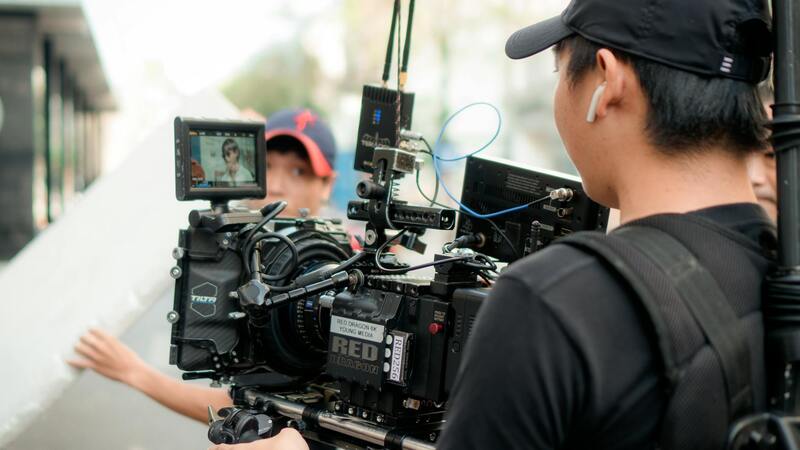
Mastering event photography and videography requires a strategic approach to ensure that every important moment is preserved with clarity and artistic expression. This includes pre-event planning, equipment preparation, technical expertise, and post-production excellence. When executed correctly, these services become invaluable assets for clients seeking to relive their special occasions or leverage visual content for future growth.
Understanding Event Photography and Videography
Event photography and videography serve as vital tools for capturing and preserving the essence of significant moments across a wide range of occasions. These services go beyond mere documentation; they aim to craft visual stories that resonate with the audience and meet the client's objectives. For clients, the process begins with a clear understanding of what the event entails, the atmosphere they wish to project, and the specific moments they consider essential to memorialize. Expert media coverage involves dissecting the event schedule, identifying key highlights, and strategizing how to best utilize equipment and personnel to capture these instances effectively.
When approaching different types of events, the techniques and considerations must adapt accordingly. Corporate events require a focus on branding, keynote moments, and attendee interactions that showcase professionalism and engagement. Weddings and private celebrations emphasize emotional authenticity, spontaneous moments, and intimate details that convey personal stories. Conferences and trade shows benefit from documenting sessions, networking moments, and exhibitor interactions to enhance marketing efforts. Festivals and cultural events demand capturing the vibrant atmosphere, performances, and crowd reactions that vividly illustrate the event's spirit.
Quality event media production also involves meticulous pre-event planning. This includes scouting locations, testing equipment, coordinating with event organizers for schedules, and understanding the desired outcomes. Effective communication ensures that media providers align their efforts with client expectations, capturing every important detail with clarity and artistic depth. When executed with precision, these visual captures serve as valuable assets, allowing clients to relive their moments or utilize compelling content for marketing and promotional purposes.
Key Skills and Techniques for Event Coverage
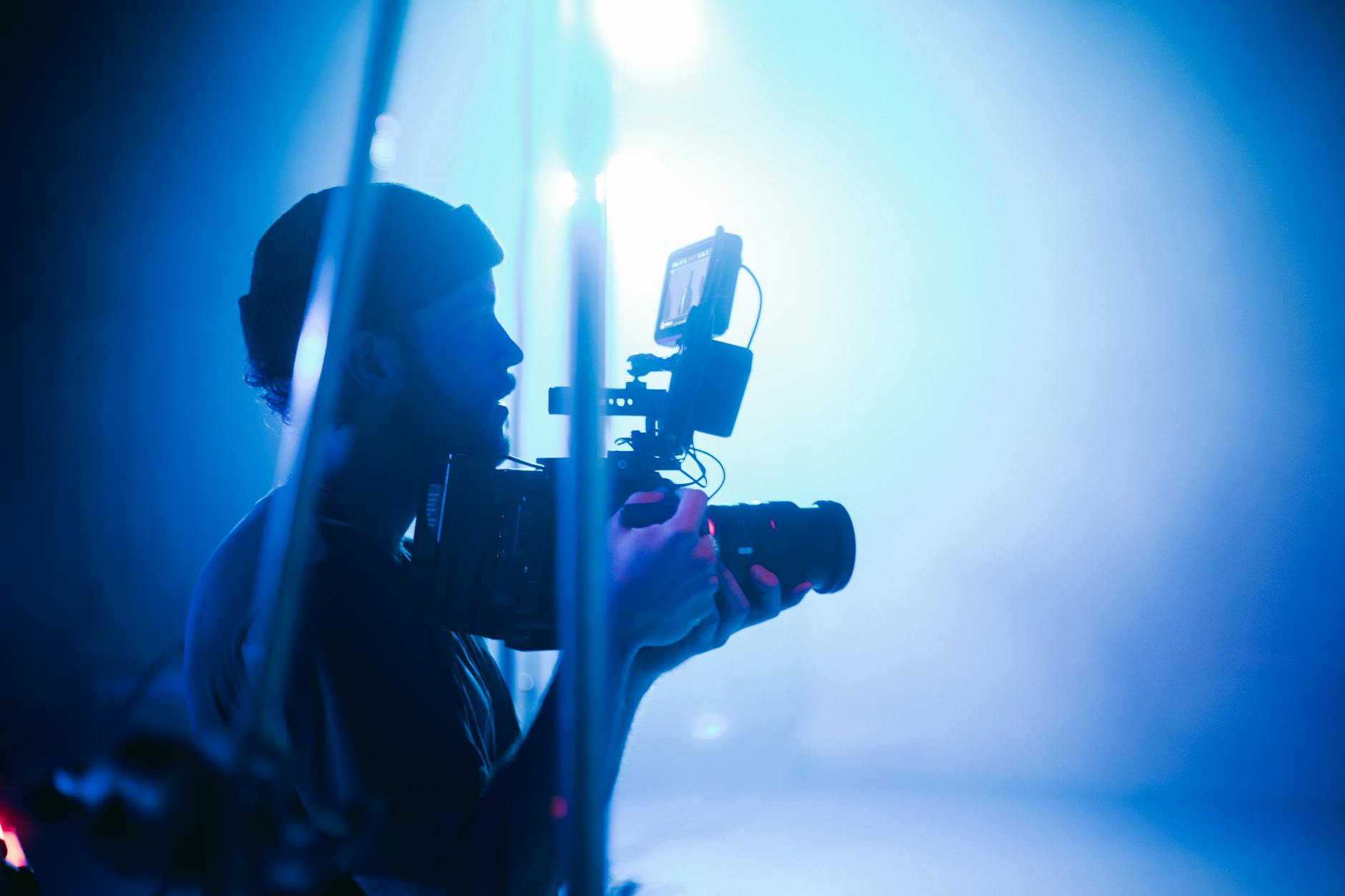
Mastering event photography and videography hinges on a diverse set of skills and techniques designed to adapt to dynamic environments. Composition forms the foundation, requiring an eye for framing subjects in a way that conveys the desired story or emotion. Proper use of depth of field, leading lines, and rule of thirds can dramatically enhance visual interest. Lighting is another critical facet; event environments often involve varying lighting conditions, demanding an understanding of natural and artificial light sources to produce well-exposed images and videos.
Timing and anticipation distinguish professional coverage. Being able to predict pivotal moments—such as speeches, candid reactions, or spontaneous celebrations—allows media professionals to capture them at their most compelling. Techniques like continuous shooting modes, zooms, and subtle camera movements help maintain the flow of footage and ensure key moments are preserved with clarity.
Additionally, capturing the ambiance and emotional energy of an event requires a blend of technical proficiency and artistic sensibility. A skilled videographer might employ dynamic camera angles and movement to mimic the energy of a live performance or celebration. Similarly, photographers often utilize candid shots, ensuring they document genuine interactions without disrupting the flow of the event.
Equipment and Technology for High-Quality Event Media
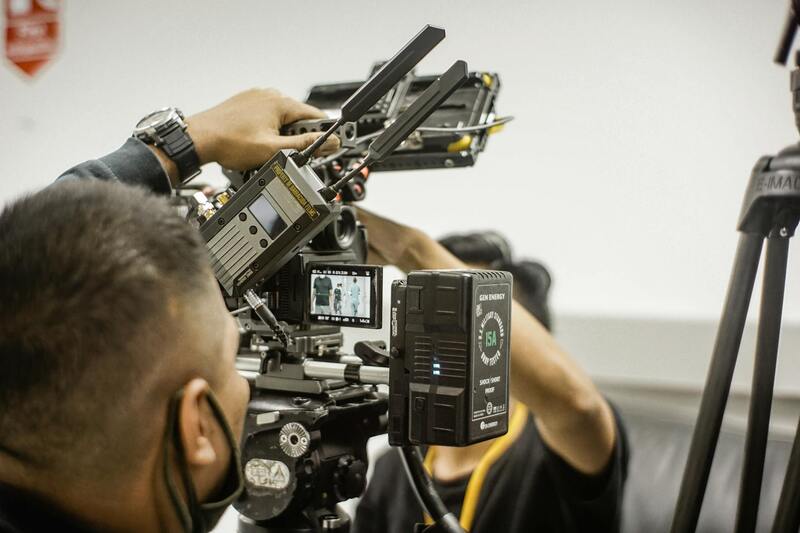
The backbone of exceptional event photography and videography is robust, reliable equipment tailored to meet the demands of diverse event environments. High-resolution digital cameras with fast autofocus, multiple lenses—including wide-angle for sweeping shots and telephoto for candid portraits—are essential. SteadyShot stabilization systems and gimbals facilitate smooth video footage amidst bustling crowds and movement.
Lighting equipment, such as portable LED lights and reflectors, help manage challenging lighting conditions and ensure subject visibility. Audio gear—like lapel microphones and external recorders—captures clear sound for speeches, interviews, or performance segments. Additionally, drones are increasingly used to obtain unique aerial perspectives, offering expansive views of large-scale events like festivals or outdoor ceremonies.
Leveraging modern technology, such as 4K video recording, live streaming capabilities, and real-time editing tools, enhances the flexibility and scope of event coverage. Cloud-based storage solutions also facilitate prompt delivery of media content, ensuring clients receive their edited footage efficiently.
Planning and Coordination for Event Shooting
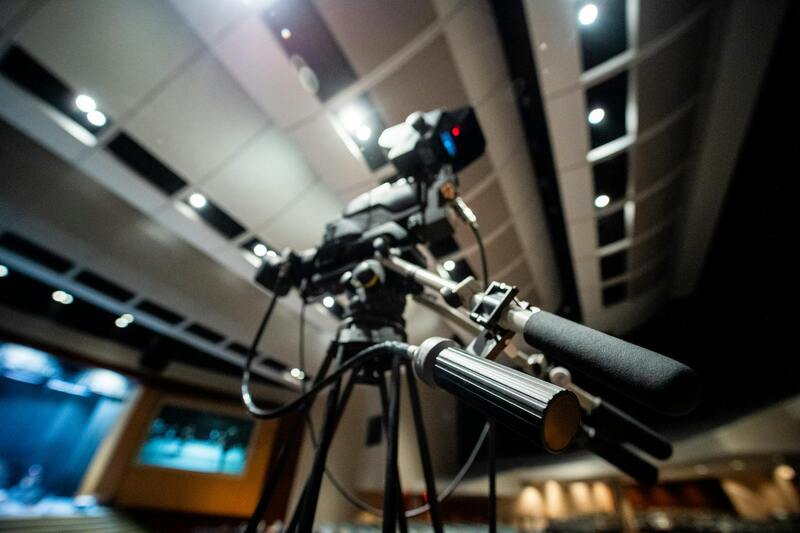
Effective event coverage begins well before the event itself, with comprehensive planning and coordination. Establishing clear communication channels with clients and event organizers ensures a shared understanding of objectives, key moments, and logistical considerations. Pre-event site visits allow media teams to evaluate lighting conditions, identify potential challenges, and plan equipment setup accordingly.
Creating a detailed shooting schedule allows for efficient use of time and resources. Assigning roles within the team—such as primary photographer, videographer, and support staff—ensures comprehensive coverage without overlaps or omissions. Moreover, understanding the event flow helps capture spontaneous moments while also being prepared for scheduled highlights like speeches or performances.
Coordination on the day of the event involves managing access points, power requirements, and safety protocols. Establishing contingency plans for technical issues or unforeseen circumstances ensures ground operations run smoothly, allowing the team to focus on capturing impactful content seamlessly.
Post-Production and Delivery of Event Content
Post-production transforms raw footage into polished visual narratives aligned with the client’s goals. This process includes editing, color correction, sound mixing, and sometimes graphic overlays or animations to enhance storytelling. Attention to detail during editing preserves the authenticity of candid moments while ensuring a cohesive flow that reflects the event's atmosphere.
Timely delivery is crucial; digital formats like MP4 or MOV facilitate easy sharing and archiving. Offering multiple versions—such as highlight reels, full-length event videos, and still galleries—caters to diverse client needs. High-resolution media can be shared via secure cloud storage or physical drives, supporting both immediate use and future promotional efforts.
Legal Considerations and Licensing in Event Media
In the realm of event photography and videography, understanding the frameworks surrounding intellectual property rights is essential for professionals and clients alike. Securing proper permissions and licenses ensures that the use and distribution of visual content are aligned with established standards, minimizing potential disputes and fostering trust between all parties involved.
One of the foundational steps in legal compliance involves obtaining explicit consent from event participants, especially when capturing identifiable individuals. This is typically managed through signing releases that authorize the use of images and footage in promotional materials, portfolios, or public broadcasts. Such releases are critical in safeguarding both the client’s and the media provider’s rights, ensuring that the media can be utilized across various platforms for intended purposes.
Content licensing agreements often specify the scope, duration, and territories under which the media may be used. For example, a photographer or videographer may maintain the rights to their work but grant the client broad usage rights for specific marketing campaigns. Clear delineation of these rights prevents misunderstandings and legal complications long after the event has concluded.
Furthermore, adherence to copyright laws is fundamental. Professionals must remember that elements such as music overlays, branded visuals, or proprietary graphics require appropriate licenses or permissions. Using copyrighted materials without authorization can lead to substantial legal challenges and financial penalties.
In addition to individual rights, compliance with local regulations related to privacy and data protection warrants careful attention. Maintaining a secure workflow for handling personal information, alongside respecting participant confidentiality, is integral to reputable event coverage. This includes storing and sharing content through secure channels, as well as being transparent with clients about data usage policies.
Implementing sample contracts, licensing templates, and consent forms forms an integral part of a comprehensive approach to legal compliance in event media. These documents serve to clarify rights and responsibilities from the outset, fostering professional integrity and ensuring the lasting legality of the project’s outputs.
Utilizing Proper Licensing and Permissions for Event Media
To ensure seamless event coverage and maintain professional standards, it is essential to acquire appropriate permissions and licenses when capturing and producing event photography and videography. This involves validating the rights to use any third-party content, such as music, logos, or proprietary visuals, integrated into the event media. Failure to adhere to licensing agreements can compromise the integrity of the production and lead to costly revisions or legal complications.
Securing clear consent from event participants, speakers, performers, and organizers is a critical step. This is typically achieved through signed release forms that grant permission to photograph or record individuals and venues. These documentation practices not only uphold ethical standards but also bolster the credibility of the media provider’s work.
Employing licensing templates and sample contracts that delineate rights, usage limits, and distribution parameters streamlines the authorization process. This proactive approach ensures all stakeholders are aligned on how the content can be utilized, shared, and repurposed across various platforms. Moreover, it minimizes disputes and fosters a transparent working relationship.
Respecting copyright laws is fundamental. Professionals working in event photography and videography must recognize that elements like background music, branded visuals, or graphics often carry specific licensing requirements. Integrating licensed content—whether through stock libraries or direct permissions—avoids infringement issues and preserves the quality and legality of the final product.
In addition to rights management, adherence to privacy standards and data protection laws ensures respectful handling of personal information collected during events. Implementing secure workflows for storing, editing, and sharing content fosters client trust and upholds a reputation for integrity.
Ultimately, establishing comprehensive licensing protocols and clear agreements from the outset enhances the professionalism and legality of event media projects. These practices serve as a safeguard, ensuring that all content created and distributed aligns with industry standards and legal expectations, thereby supporting long-term success for event media providers.
Legal Considerations and Licensing in Event Media
Understanding the frameworks that govern the use and distribution of event photography and videography is essential for maintaining professional standards and safeguarding creative work. When capturing moments at events, professionals must ensure they possess the necessary permissions from all individuals appearing in the media, especially in private or sensitive settings. Obtaining signed model releases not only facilitates lawful distribution but also enhances client confidence and project credibility.
The use of copyrighted materials within event media—such as music, logos, or branded visuals—requires rigorous adherence to licensing agreements. These licenses specify the scope of use, duration, and distribution channels permitted for licensed content. Working with licensed stock media or securing direct permissions from rights holders ensures compliance while avoiding potential disputes.
Clear licensing agreements with clients should delineate rights related to the final images and videos, including reproduction, sharing, and commercial use. Establishing these parameters beforehand streamlines project workflows and reduces misunderstandings. Additionally, including clauses about confidentiality and privacy helps manage expectations around sensitive content.

Data security is another critical aspect. Ensuring that all digital files are stored securely and that access is restricted aligns with responsible data handling practices. When content is delivered, using encrypted or secure transfer methods further protects the rights of all parties involved.
By maintaining meticulous records of agreements, permissions, and licensing terms, professionals can navigate the complex landscape of media rights with confidence. This proactive management fosters ethical standards, reduces risk, and supports the long-term reputation of providers within the event industry.
Understanding Event Photography and Videography
Event photography and videography serve as essential tools for capturing the essence and significance of various gatherings, from corporate conferences to personal celebrations. These services involve more than mere documentation; they require a strategic approach to ensure that every meaningful moment is preserved vividly and accurately. Skilled professionals employ a combination of technical expertise and artistic sensibility to produce content that resonates emotionally and narratively with viewers. The ultimate goal is to create visual stories that encapsulate the atmosphere, emotions, and key highlights of an event, providing clients with a lasting memory that can be shared and appreciated for years to come.
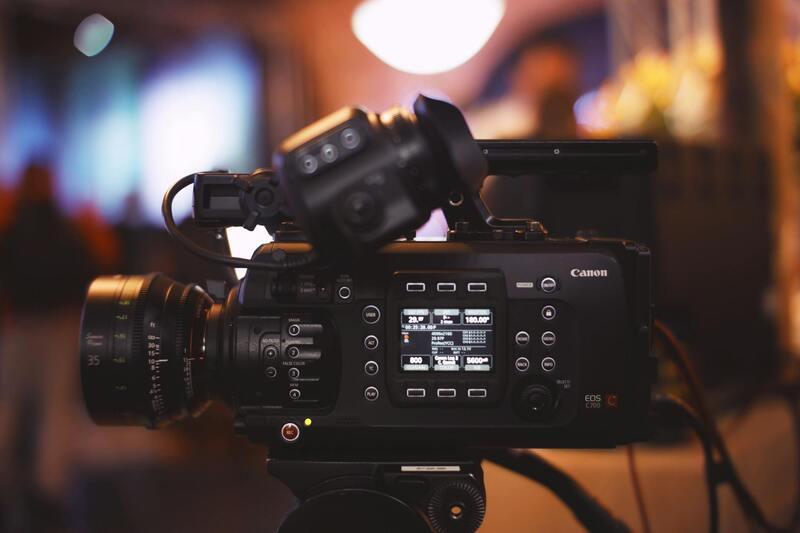
Key Skills and Techniques for Event Coverage
Professionals specializing in event photography and videography must cultivate a diverse skill set rooted in technical proficiency, artistic vision, and logistical planning. Technical skills include mastery over camera settings under varying lighting conditions, the use of stabilizers for smooth footage, and effective audio capture. Artistic vision involves framing shots that highlight emotional interactions, using lighting creatively, and employing visual storytelling techniques such as establishing shots, close-ups, and candid captures. Additionally, adaptability is crucial; professionals need to respond promptly to unforeseen changes in the event’s flow or environment. Communication skills also play a vital role, facilitating seamless coordination with event organizers and clients to ensure objectives are met efficiently.
Effective event coverage requires adherence to proven techniques, including pre-event planning, establishing shot lists, and understanding the significance of key moments that must be documented with priority. Utilizing contemporary methods such as drone footage or multi-camera setups can enhance comprehensiveness and visual interest. Post-shoot, meticulous editing ensures the content aligns with the desired narrative, emphasizing clarity, emotional impact, and brand consistency.
Equipment and Technology for High-Quality Event Media
Achieving professional results in event videography and photography depends heavily on the right tools. High-definition DSLR and mirrorless cameras provide versatile shooting options, complemented by professional-grade lenses capable of adapting to different shooting conditions. For videographers, stabilizers like gimbals, shoulder rigs, and tripods are vital for consistent, steady footage. Good lighting equipment—including portable LED panels and reflectors—ensures subject clarity even in challenging ambient lighting. Advanced audio recording gear, such as wireless microphones and portable recorders, capture clear soundtracks crucial for storytelling. Emerging technologies like 4K cameras and 360-degree cameras broaden creative possibilities, enabling immersive and detailed content.
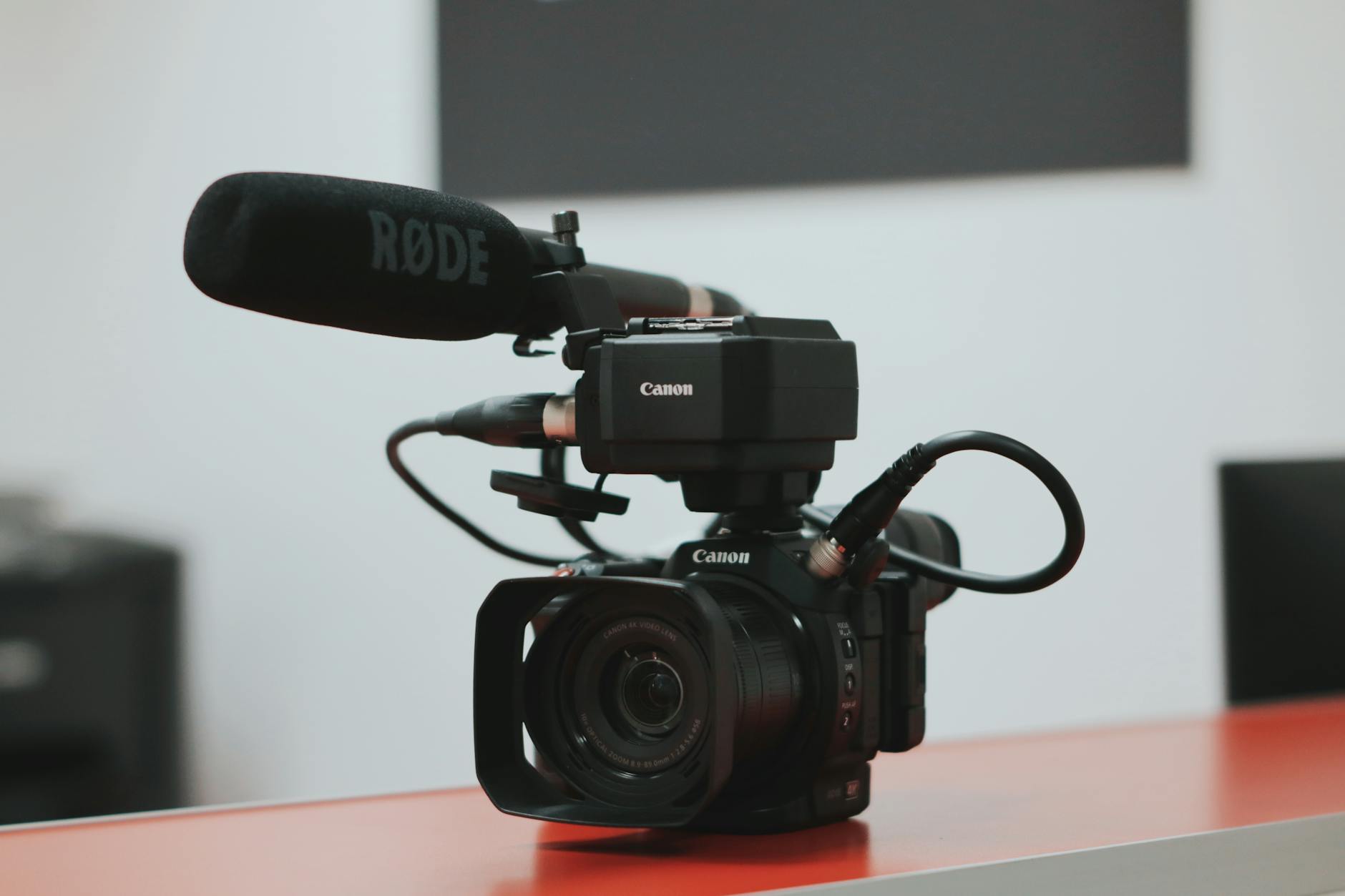
Planning and Coordination for Event Shooting
Effective planning forms the backbone of successful event media coverage. Coordinators work closely with clients and event organizers to understand the schedule, key moments, and specific areas of focus. Creating a detailed shot list and shot flow ensures that all essential aspects are captured without disrupting the event flow. Site surveys prior to the event help identify optimal shooting positions and assess lighting conditions, enabling technicians to prepare accordingly. Cooperative communication with event staff helps minimize logistical hurdles, manage restricted areas, and ensure timely access to locations.
On the day of the event, seamless coordination allows the media team to operate discreetly yet efficiently. Assigning roles, setting up equipment in advance, and establishing clear protocols for movement and crowd management are critical to avoid interference with the event itself. Post-event, a structured plan for content review, editing, and delivery ensures that clients receive high-quality, ready-to-use media within deadlines. Proper documentation and backup procedures are also vital, safeguarding content against potential loss or technical issues.
Understanding Event Photography and Videography
Event photography and videography serve as vital tools to preserve and showcase the memorable moments of diverse gatherings, including weddings, corporate functions, festivals, and private celebrations. These services involve capturing the essence of an event through expertly crafted visual stories, which can be used for promotional purposes, personal keepsakes, or archival documentation. Professional event coverage requires a deep understanding of the event’s flow, the key moments worth highlighting, and the environmental conditions that influence the quality of footage. Skilled photographers and videographers adapt their approach to ensure that each shot accurately reflects the atmosphere, emotion, and significance of the occasion, creating a comprehensive narrative that resonates with viewers long after the event concludes.
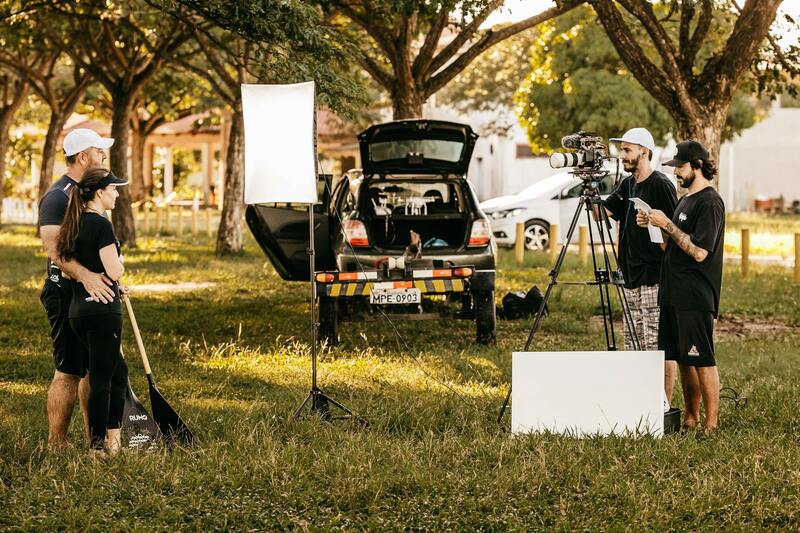
To accomplish this, professionals employ an array of reputable techniques that balance artistry with technical precision. This includes understanding the importance of framing, lighting, and timing to maximize the impact of the images and footage captured. Skillful use of natural light and supplemental lighting ensures clarity and vibrancy, even in challenging conditions. Additionally, the integration of storytelling elements through sequencing and editing enhances the emotional resonance of the final product. High-quality event photography and videography also involve meticulous planning, from choosing appropriate settings and angles to managing the flow of coverage to minimize disruption while maintaining comprehensive coverage of the event.
Key Skills and Techniques for Event Coverage
Successful event coverage demands a blend of technical mastery, adaptability, and interpersonal skills. Professional photographers and videographers must be proficient in camera operation, including exposure control, focus techniques, and movement tracking to capture spontaneous moments effectively. Mastery of various shot compositions—such as wide angles for establishing scenes, close-ups for emotional expressions, and candid shots for natural reactions—is essential. For videographers, narrative techniques like smooth camera movements, proper framing, and slow-motion effects can elevate the storytelling aspect of event coverage.
Another critical skill is the ability to work discreetly amidst a busy environment, ensuring that the coverage does not interfere with the event’s natural flow. Effective communication with clients and event organizers helps capture the key moments seamlessly. Moreover, adaptability plays a vital role, as unforeseen circumstances such as sudden lighting changes or unpredictable guest behavior require quick thinking and adjustments on the fly. Posture, positioning, and anticipatory action are often what distinguish a good event media provider from a great one.
Equipment and Technology for High-Quality Event Media
Employing advanced equipment guarantees the production of impressive visual content. High-definition cameras, including 4K and even 8K models, provide detailed visuals suitable for both digital and print displays. Gimbals, sliders, and cranes enhance camera mobility, delivering dynamic shots and smooth transitions. For videography, professional microphones and audio recorders are crucial for capturing clean soundtracks, speech, and ambiance, which complement the visual footage and enrich storytelling.
Emerging technologies such as 360-degree cameras and live-streaming setups expand the creative scope by offering immersive experiences that allow remote audiences to feel part of the event. Drone footage also provides unique aerial perspectives, adding a cinematic quality to the coverage. Lighting equipment, including portable LED panels and diffusers, ensures proper illumination regardless of venue lighting conditions. Tools like wireless transmitters facilitate real-time monitoring, enabling technicians to review shots and make adjustments instantaneously. The integration of reliable editing software enables swift post-production, allowing footage to be polished and prepared for delivery efficiently.
Planning and Coordination for Event Shooting
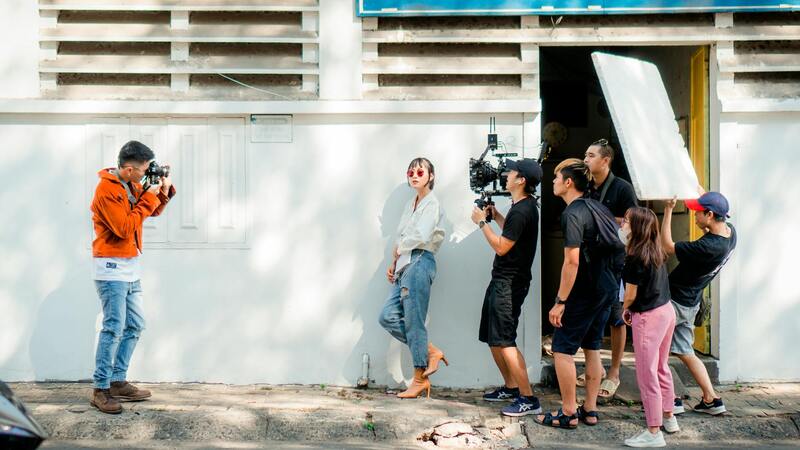
A detailed pre-event plan is instrumental in achieving comprehensive and unobtrusive coverage. This process involves collaborating closely with clients and event organizers to understand the schedule, identify priority moments, and determine key areas for filming. Creating a shot list ensures that no vital component or emotion is overlooked, while a shot flow chart helps visualize the narrative progression of coverage, aligning with the event’s timeline.
Site surveys are conducted beforehand to evaluate lighting conditions, identify optimal shooting locations, and plan equipment placement. Such preparation minimizes delays and logistical setbacks during the event. Establishing clear communication channels with event staff, security, and venue management ensures smooth access and adherence to any restrictions or guidelines. On the day, assigned roles and responsibilities streamline operations, with team members familiarized with the shooting schedule, safety protocols, and crowd management strategies.
Discreet movement and understanding of event dynamics allow the media team to operate efficiently without disrupting guest interactions or event flow. Investing time in post-event procedures, such as cataloging footage, backing up data, and conducting preliminary reviews, facilitates a smooth transition to editing and final delivery stages, ensuring clients receive polished content promptly.
Legal Considerations and Licensing in Event Media
Maintaining professionalism in event photography and videography involves understanding the importance of obtaining the proper permissions and licenses associated with capturing and distributing media content. Securing consent from event organizers, venue management, and key participants is essential to ensure that all parties recognize and authorize the use of images and videos produced during the event. This helps in safeguarding the interests of both the media provider and the client, establishing clear expectations about the scope and distribution of the content.
When planning an event shoot, establishing a comprehensive agreement with clients that specifies rights related to the footage helps avoid potential disputes. These agreements typically cover aspects such as usage rights, publication permissions, and restrictions on reselling or editing the content. Professional event media providers are well-versed in drafting these contracts in a manner that reflects industry standards, fostering transparency and trust.
In addition to permission-based considerations, adherence to copyright laws and intellectual property rights stand as foundational elements. This entails ensuring that no copyrighted material, such as music, branding, or proprietary visuals, is incorporated without proper authorization. Using licensed music, stock footage, or royalty-free assets can mitigate risks associated with copyright infringement, allowing media providers to focus solely on delivering high-quality content within legal parameters.
For live streaming and digital dissemination, understanding broadcast rights and distribution licenses becomes vital. Certain venues or event types may have specific restrictions on recording or sharing content online. Securing the necessary permissions permits seamless broadcasting, potentially expanding audience engagement and enhancing the event’s reach.
Many professional event media providers work with licensing agencies or legal consultants to stay updated on compliance standards relevant to each jurisdiction. This proactive approach ensures that all media production activities adhere to applicable regulations, thus preserving the integrity of the service and avoiding costly legal complications.
Ultimately, comprehensive licensing and permission management reinforce the credibility and reliability of event photography and videography services. They demonstrate a commitment to ethical standards, fostering stronger relationships with clients, venues, and talent. Conscientiously navigating these legal considerations not only protects all parties involved but also elevates the professionalism and reputation of the media provider within the industry.