
Understanding Event Cinematography
Event cinematography is a specialized branch of videography dedicated to the visual documentation of live events. This discipline involves capturing moments in a manner that highlights the emotion, atmosphere, and significance of occasions such as weddings, corporate conferences, festivals, and public ceremonies. Unlike traditional filming, event cinematography demands a blend of technical skill, artistic sensibility, and meticulous planning to ensure the essence of each event is preserved with clarity and impact.
Effective event cinematography goes beyond merely recording footage; it involves crafting a narrative that resonates with viewers long after the event concludes. This is achieved through strategic shot composition, dynamic camera movements, and the thoughtful use of lighting and sound. The primary goal is to create a visual story that reflects the event's unique character and captures the genuine interactions among participants.
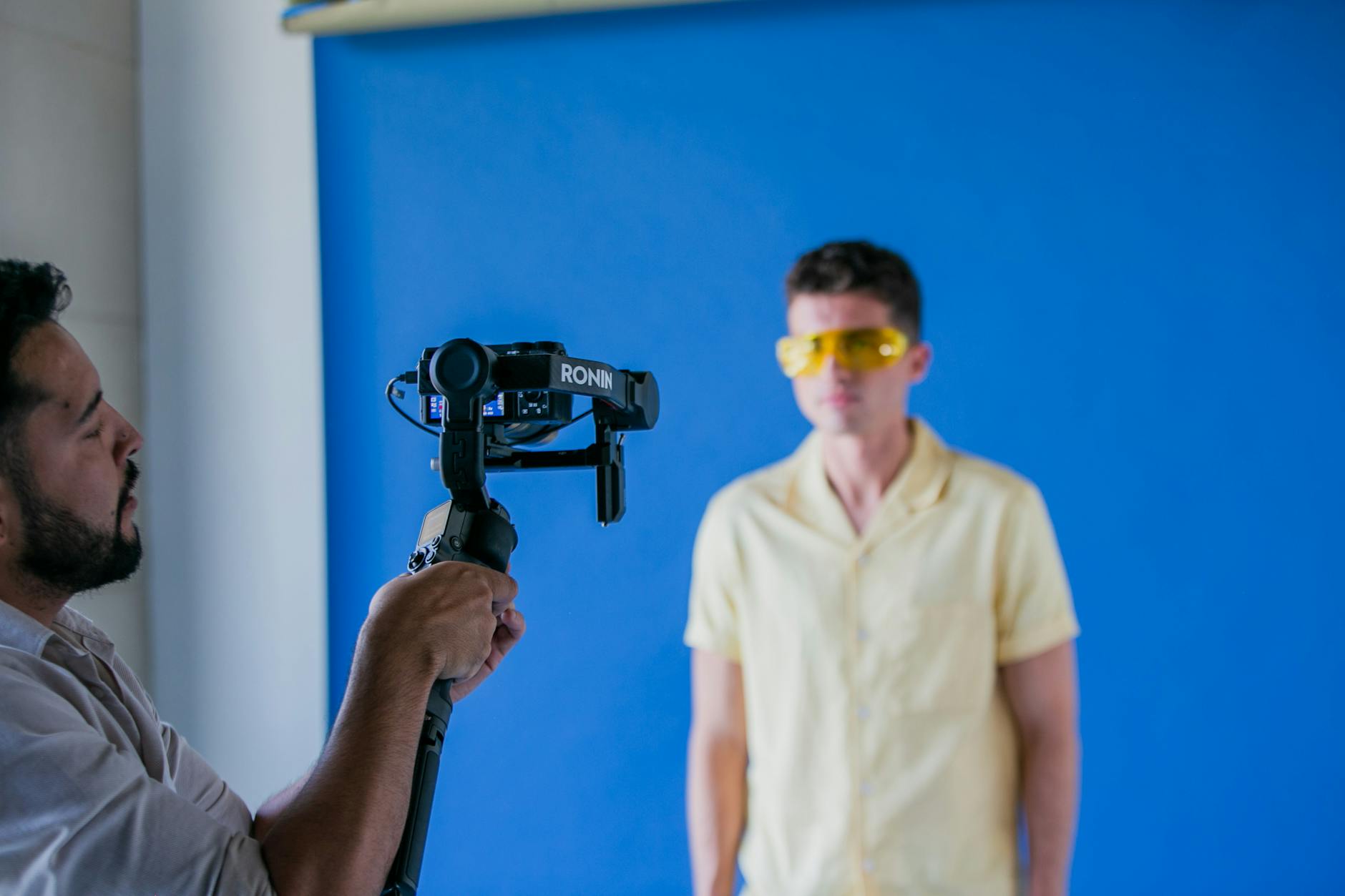
Importance of professional event cinematography cannot be overstated, especially considering the lasting value it provides for clients. It transforms fleeting moments into cinematic memories, enabling event hosts and participants to relive those experiences repeatedly. Whether it’s a heartfelt wedding ceremony, an inspiring conference, or a lively festival, expertly captured footage enhances promotional efforts, preserves personal memories, and facilitates post-event exposure.
Moreover, high-quality event footage serves as a potent marketing tool for event organizers, venues, and service providers. It allows them to showcase their offerings through compelling visual content, attracting future clients and audiences. As live events continue to grow in scale and complexity, the role of skilled cinematographers becomes increasingly vital to produce engaging and meaningful recordings that stand out in a competitive landscape.
Choosing the right approach to event cinematography involves understanding the specific needs of each event, the technical capabilities of the video team, and the desired outcome. Attentiveness to these elements ensures the creation of content that accurately reflects the event’s essence and achieves the client’s objectives.
Understanding Event Cinematography
Event cinematography is a specialized branch of video production focused on capturing the essence and energy of live gatherings. From corporate conferences to intimate ceremonies, the goal is to craft a visual narrative that authentically portrays the atmosphere, emotions, and interactions involving attendees and speakers. Skillful cinematography transforms transient moments into enduring visual stories, enabling both organizers and participants to revisit the experience long after the event concludes.
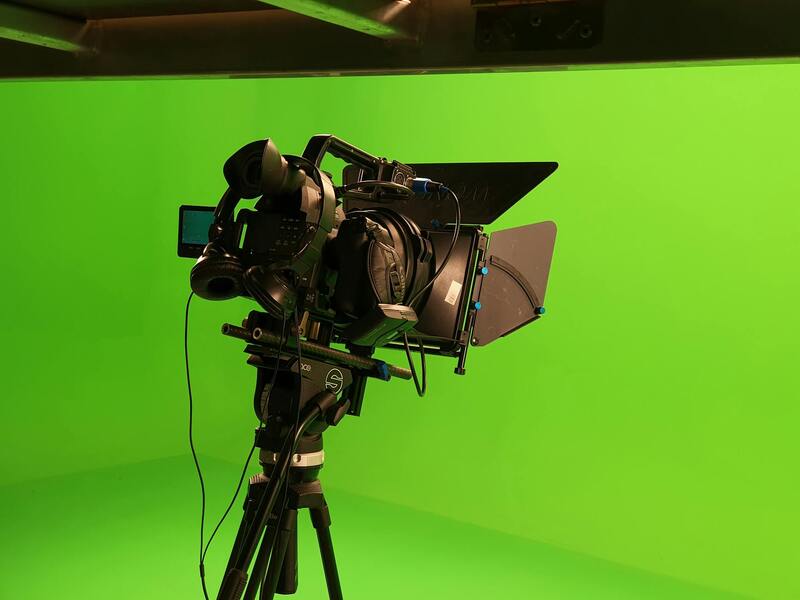
Professional event cinematographers dedicate attention to composition, lighting, and movement, ensuring each shot contributes to a cohesive story. This process involves understanding the flow of the event and anticipating key moments that should be preserved. The resulting footage not only serves as a memorable keepsake but also becomes a dynamic promotional asset, enabling organizers to showcase their achievements and create compelling content for future marketing efforts.
The Power of Visual Storytelling in Events
In today’s digital landscape, high-quality video content significantly enhances the visibility and reach of any event. Cinematography elevates traditional documentation by adding a cinematic touch—employing techniques like dynamic camera angles, candid shots, and seamlessly edited sequences—that resonate emotionally with viewers. This storytelling approach ensures that the energy and significance of the event are communicated effectively, attracting future attendees, sponsors, and partners.
The Role of Cinematography in Branding and Promotion
Beyond capturing the event itself, cinematography plays a strategic role in branding and promotional campaigns. Well-produced footage showcases the professionalism, ambiance, and scale of an event, providing potential clients and audiences a glimpse into the experience they can expect. Cinematic content can be repurposed across social media, websites, and advertising, generating ongoing interest and engagement. Organizers benefit from high-caliber visual assets that differentiate their events in a competitive marketplace.
Adapting to Varied Event Contexts
Each event possesses unique qualities that influence cinematography strategies. Whether documenting a formal corporate gala or a bustling music festival, the approach must be tailored to fit the event’s culture and objectives. Recognizing the importance of capturing candid interactions, keynote speeches, entertainment highlights, and audience reactions ensures a comprehensive representation of the experience. A versatile cinematographer adapts techniques, equipment, and shot selection to cater to these diverse demands, delivering footage that aligns with the event’s vision and goals.
Techniques for Capturing Live Events
Executing effective filming techniques is central to producing compelling event cinematography that truly captures the essence of live occasions. Skilled cinematographers employ a combination of static and dynamic shots, ensuring both stability and movement that reflect the event’s rhythm. Using high-quality stabilization equipment such as gimbals and steadicams, they can glide smoothly through crowded environments, maintaining clarity and focus without distracting jitter. This enables seamless footage of fast-paced interactions, dance floors, or keynote speeches, providing viewers with an immersive experience.
Another critical aspect involves the strategic use of camera angles and shot composition. Wide-angle shots help illustrate the scale and grandeur of the event, setting the scene for viewers. Close-up shots, on the other hand, convey emotion and engage audiences by highlighting expressions of speakers or performers. Dynamic camera movements like pans, tilts, and tracking shots emphasize energy and momentum, making the footage more engaging.
Timing is equally crucial when capturing live events. Event cinematographers need to anticipate pivotal moments—such as speeches, audience reactions, or special performances—and position their cameras accordingly. Utilizing multi-camera setups allows for comprehensive coverage, switching between different angles in real time to maintain a dynamic narrative flow. This multi-faceted approach ensures no significant moment is missed and provides flexibility during editing.
Lighting conditions at live events can vary dramatically, often presenting challenges like changing daylight or dim indoor settings. Skilled cinematographers adapt quickly, using portable lighting solutions or adjusting camera settings to optimize image quality. This adaptability guarantees that footage remains clear, vibrant, and visually consistent, regardless of environmental factors.
Post-Production and Editing
Post-production is a decisive stage where raw footage transforms into a polished cinematic product. Expert editing involves not only stitching clips together but also enhancing visual quality through color grading, correcting distortions, and balancing exposure. Sound design is equally vital; clear audio tracks, background music, and audio effects enhance the emotional impact and clarity of the final video.
Color grading techniques can be tailored to match the mood of the event, whether emphasizing warmth and vibrancy for a celebratory occasion or opting for cooler tones during a formal corporate gathering. Strategic use of transitions, overlay graphics, and captions can guide viewers through the narrative, emphasizing key moments or messages.
High-caliber editing software enables precise cuts, multi-layered effects, and seamless integration of various media sources. Skilled editors work meticulously to ensure the pacing aligns with the event’s tone, ultimately delivering a final video that resonates emotionally and professionally with the intended audience.
Effective post-production also involves optimizing videos for various platforms—social media, websites, or presentations—ensuring that content maintains its impact regardless of format or viewing device. Consistency in visual style and branding reinforces recognition and enhances the professional presentation of the event.
Techniques for Capturing Live Events
Effective event cinematography hinges on a combination of strategic camera operation and a keen understanding of live event dynamics. One fundamental technique involves meticulous shot composition, which ensures key moments are framed to capture the emotions and significance of the event. Cameramen often employ a variety of shot sizes, from wide establishing shots that set the scene to close-ups that highlight expressions and details, creating a rich visual narrative.
Dynamic camera movements such as tracking shots, panning, and tilting are utilized to follow the flow of the event, immersing viewers in the experience. These movements should be smooth and intentional, avoiding abrupt or distracting motions that could detract from the storytelling. For example, tracking a speaker as they move across the stage creates a sense of immediacy and connection.
Multi-camera setups are integral in capturing the multifaceted nature of live events, especially large-scale gatherings like conferences and concerts. Employing multiple synchronized cameras allows operators to cover different angles simultaneously, providing a more comprehensive view of the event. This approach not only enriches the final footage but also offers flexibility during live editing, ensuring critical moments are recorded from various perspectives.
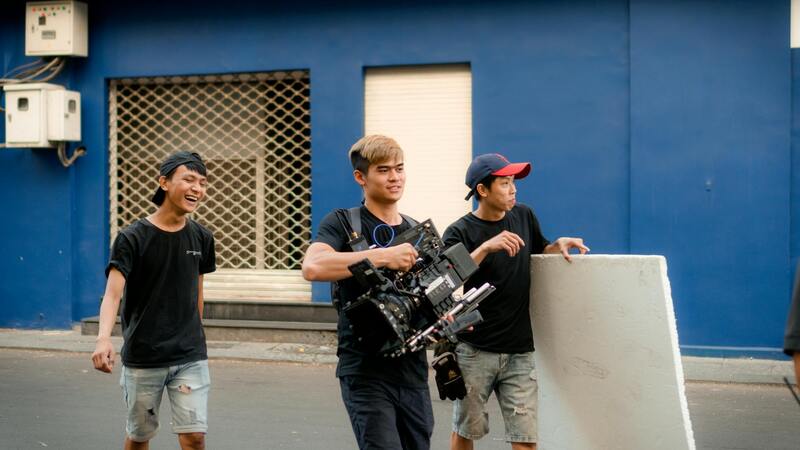
Best practices for live event filming include thorough planning and anticipation of key moments, such as speeches, performances, or awards ceremonies. Operators should be familiar with the event schedule to position themselves optimally and prepare the necessary equipment. Ensuring stable shots through tripods or gimbals enhances the professionalism of the footage, especially in fast-paced or emotionally charged moments.
Communication among camera operators and event coordinators is crucial. Using wireless communication devices ensures coordination without disrupting the event, enabling shooters to adapt swiftly to spontaneous moments or changes in the event flow. This proactive approach helps capture authentic reactions and unplanned highlights that significantly elevate the storytelling.
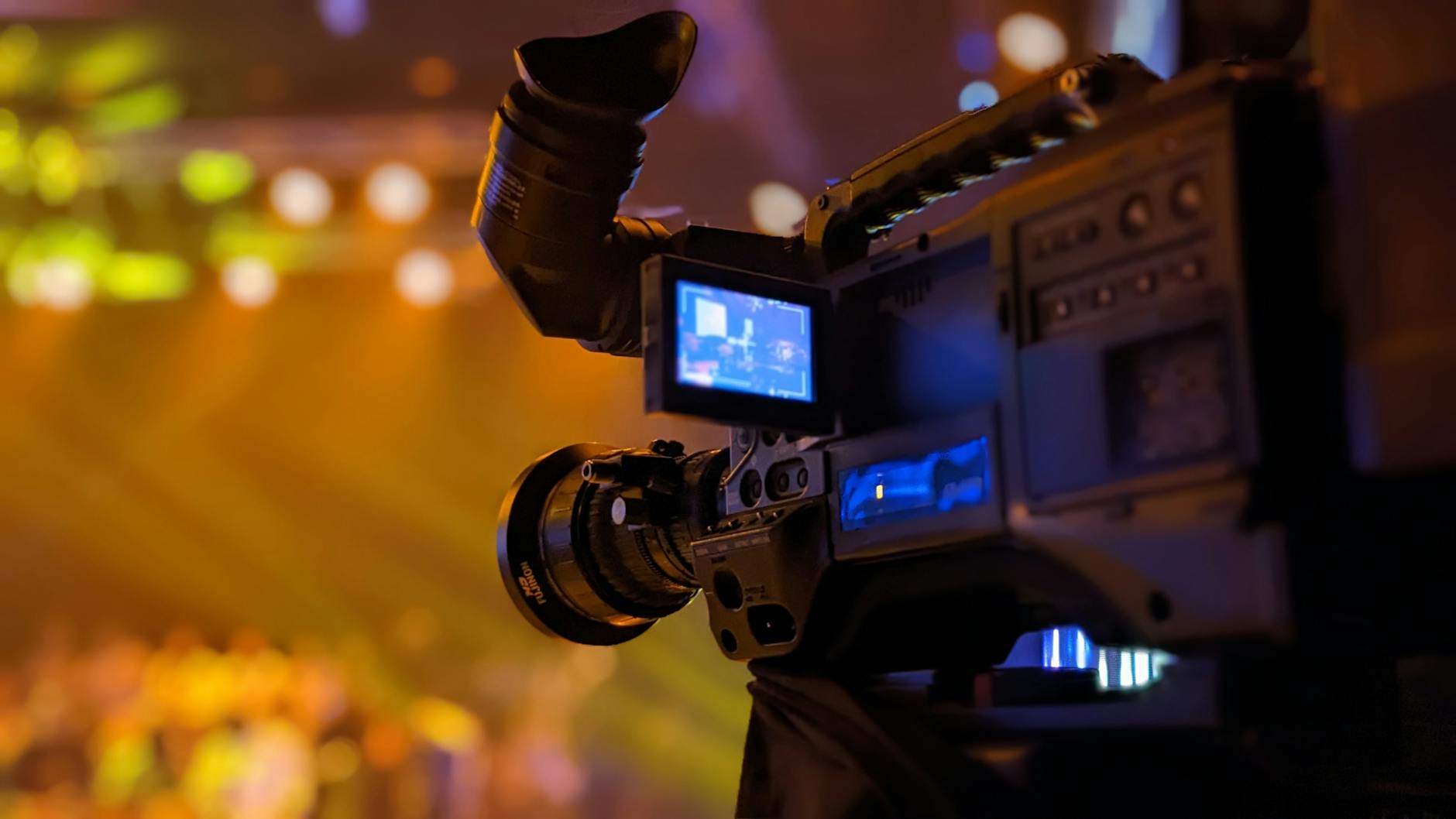
In addition, the use of versatile lenses aids in adapting to different shooting scenarios, from tight close-ups to sweeping panoramic shots. Telephoto lenses allow for discreet capturing of reactions from a distance, while wide-angle lenses are effective for establishing shots and crowd coverage. Proper framing and focus techniques are essential, especially in environments with challenging lighting conditions or fast-moving subjects.
Adapting to the lighting environment of the venue is vital. This can involve adjusting camera settings or employing supplementary lighting to ensure clear, well-exposed footage. Skilled cinematographers can also utilize environmental elements creatively, such as reflections or stage lighting, to add depth and visual interest.
Legal and Ethical Considerations
When producing event cinematography, adhering to official procedures and recognized practices ensures a seamless recording process that respects all participants and the event’s integrity. Obtaining necessary permissions and rights forms the foundation of responsible filming. This involves consulting with event organizers to secure authorization to capture footage, especially in private or proprietary settings. Securing clear agreements about what can be filmed, how the footage will be used, and any limitations safeguards everyone involved from potential misunderstandings.
Respecting privacy rights is paramount. Filmmakers should be transparent about their intentions and ensure that attendees and participants are aware of recording activities. Displaying visible signs indicating that the event is being recorded or having announcements made can serve as effective communication tools. These practices foster a trusted environment that respects individual privacy while enabling high-quality coverage.
Additional focus should be placed on compliance with venue or location-specific regulations, such as restrictions on the use of drones or aerial cameras, limitations on audio recording, or restrictions on the presence of camera crews in certain areas. Working closely with venue management and adhering to official guidelines prevents disruptions and ensures a smooth event filming process.
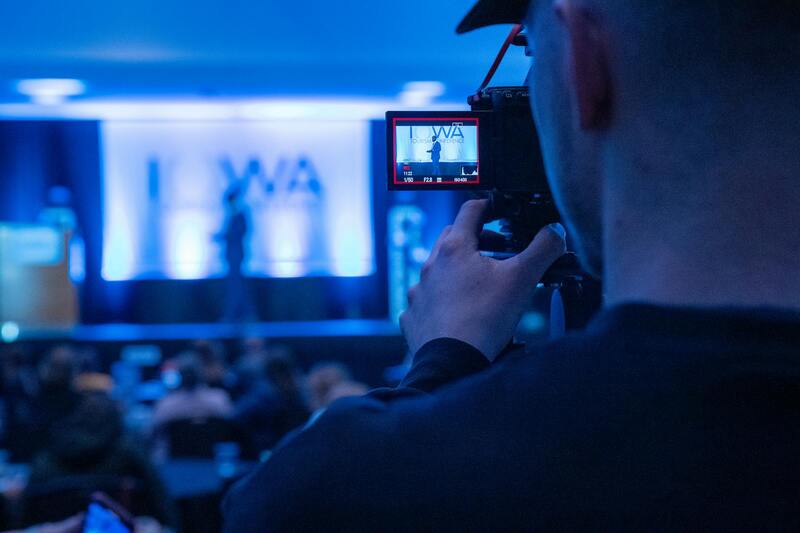
In the realm of event filming, transparency and professionalism are critical. Using certified equipment and following official procedures not only enhances the quality of the footage but also maintains the trust of clients and participants. Proper documentation, such as release forms and licensing agreements, secures the legal use of the footage and outlines the rights and responsibilities of each party.
Ensuring that all aspects of filming align with established guidelines offers peace of mind. It prevents possible conflicts or issues that could arise from miscommunication or unauthorized recording, thereby upholding the overall standards of the industry and safeguarding the reputation of the production team.
Legal and Ethical Considerations
When undertaking event cinematography, it is imperative to follow official procedures for permissions and rights management to ensure a seamless filming experience. Securing explicit authorization from event organizers and property owners is essential before setting up any equipment or capturing footage. This process typically involves obtaining written consent that clearly defines the scope of filming, permissible use of the footage, and any restrictions tied to the event.
Respect for individual privacy remains a cornerstone of responsible event cinematography. Filmmakers should inform attendees about the presence of filming activities and their intended use, ideally through signage or announcements. This notice allows participants to make informed decisions and exercise their rights accordingly.
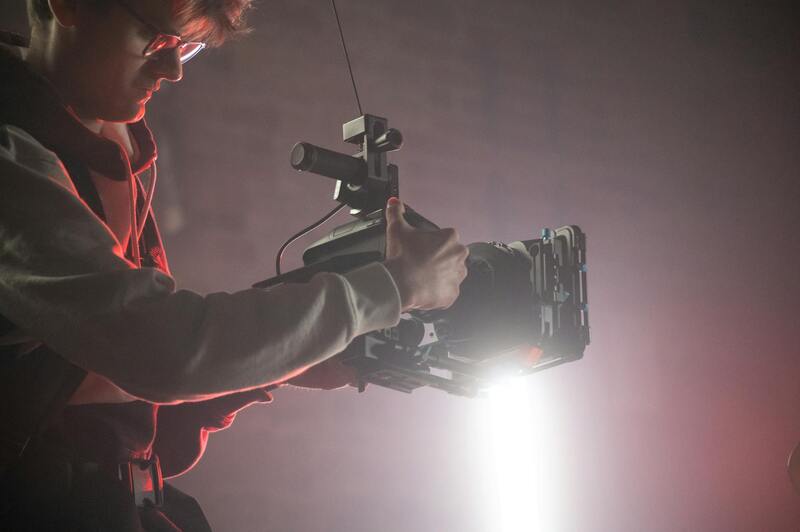
Adherent filming also involves compliance with copyright laws related to music, images, and branding present in the footage. Proper licensing and permissions should be secured for copyrighted materials, especially in scenarios involving commercial use or broad distribution.
Creating legally sound content goes hand-in-hand with accurate documentation. This includes signed releases from individuals featured prominently in the footage, agreements with vendors or venues, and clear contracts with clients. These documents protect all parties and set clear expectations regarding the use and distribution of the event content.
Avoiding conflict arises from miscommunication or overlooked permissions, which can result in footage being contested or removed. Maintaining a record of all authorizations and adhering strictly to the outlined guidelines ensures the integrity of the project and upholds professional standards.
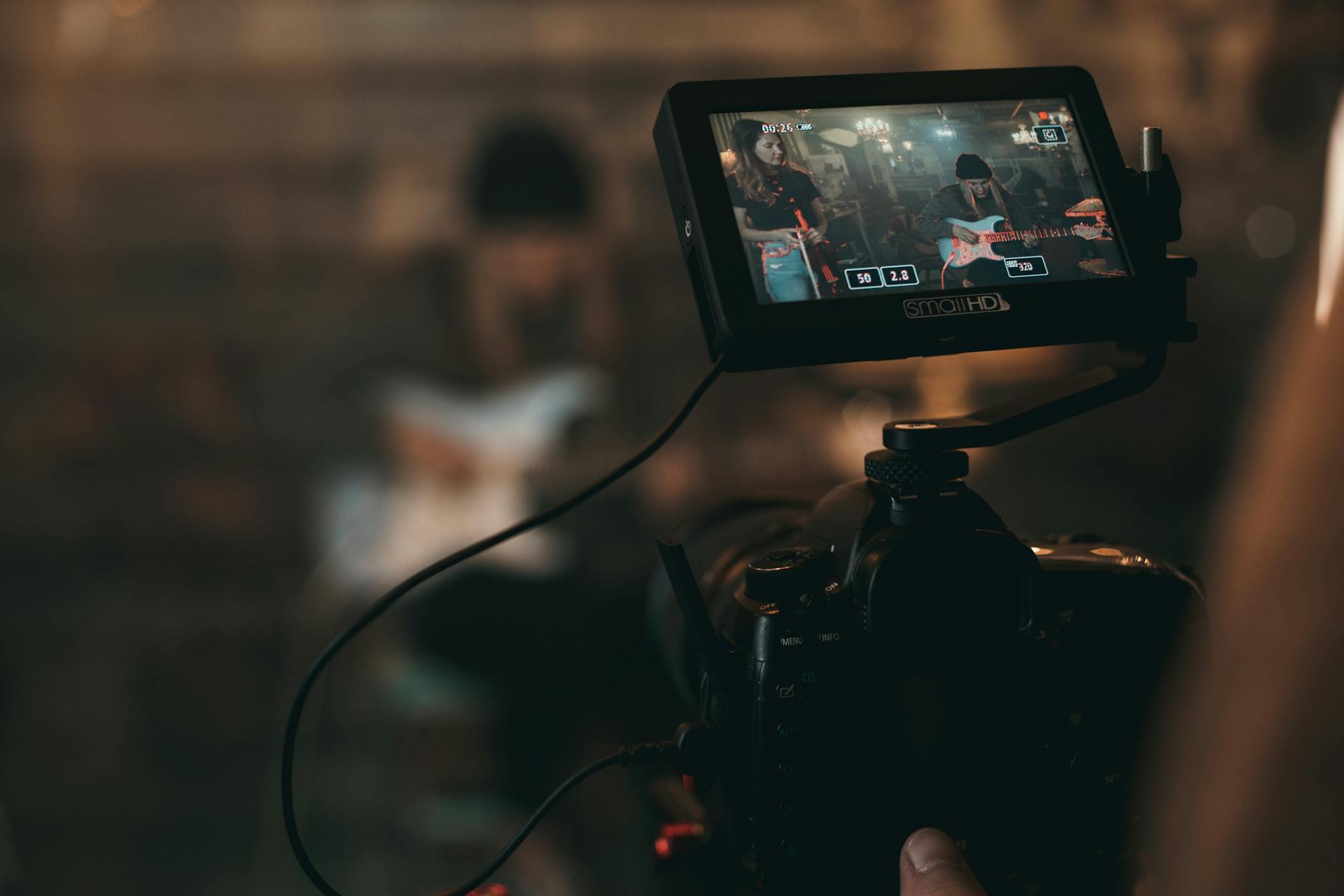
Understanding Event Cinematography
Event cinematography involves capturing the essence of live happenings through professional filming techniques, aiming to deliver engaging and high-quality footage that preserves memories and communicates the atmosphere of the occasion. This specialized approach combines technical expertise with creative storytelling to document events ranging from corporate functions to cultural festivals. Comprehending the nuances of event cinematography begins with an appreciation of the dynamic environment in which filming occurs, often characterized by unpredictable lighting, sound, and movement. These challenges necessitate a robust understanding of filming parameters to ensure the final product faithfully represents the event’s energy and significance.
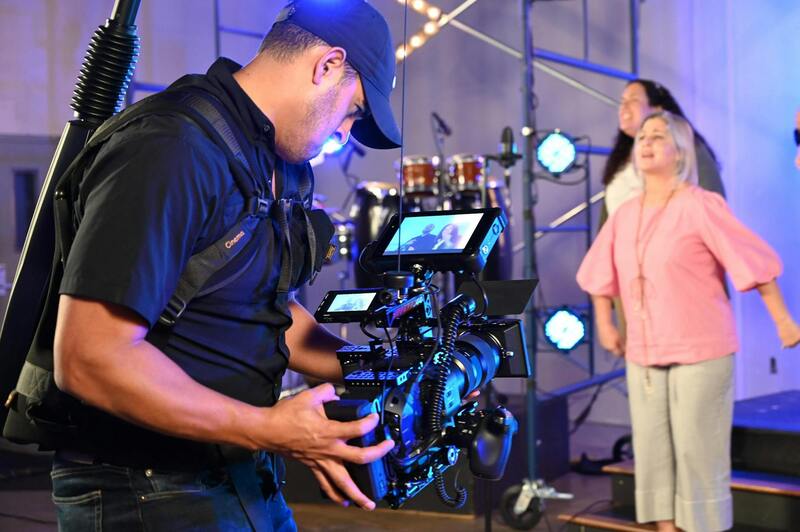
The choice of filming style plays a pivotal role in how the event is portrayed. From documentary-style recordings that emphasize authenticity to stylized approaches that highlight aesthetic elements, the style must align with the client’s vision and the nature of the event. Additionally, cinematographers must consider the diversity of shots—wide-angle scenes for context, close-ups for emotional impact, and transitional footage that provides flow—thus ensuring a comprehensive visual narrative that resonates with viewers.
Pre-Production Planning for Event Filming
Effective preparation is crucial to the success of event cinematography. This phase involves detailed planning, including venue scouting, understanding the event schedule, and assessing lighting conditions. Establishing communication with event organizers allows filmmakers to coordinate key moments to capture and address logistical considerations such as restricted areas or sensitive content.
Developing a shot list tailored to the event’s agenda ensures all critical segments are documented. This list serves as a guide during filming, preventing missed opportunities and enabling swift adaptations amid a fast-paced environment. Additionally, pre-production involves securing necessary permits and permissions, which facilitate unobstructed filming and help avoid interruptions or disputes.
Essential Equipment and Technology
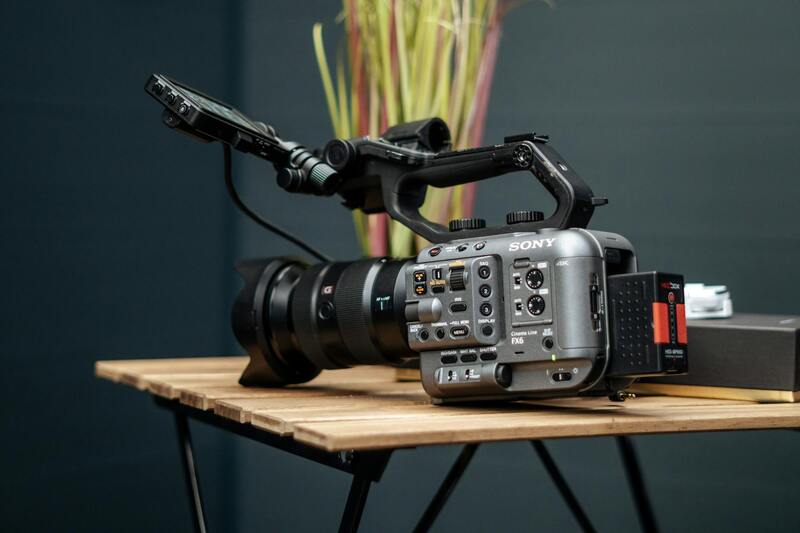
The backbone of successful event cinematography is high-quality equipment strategically selected to match the specific demands of live filming. Key tools include professional-grade cameras capable of capturing clear visuals in varied lighting conditions, such as 4K camcorders or cinema cameras with excellent low-light performance. Stabilization devices like gimbals or steadicams help produce smooth footage, even in crowded, energetic environments.
Audio equipment, including wireless microphones and portable recorders, is equally important to capture clear sound, dialogues, and ambient noise that contribute to immersive storytelling. Lighting gear may be necessary for indoor or poorly lit settings, ensuring the subject is well-illuminated. Additionally, data management solutions such as reliable storage media and backup systems safeguard footage against loss or corruption during hectic event schedules.
Techniques for Capturing Live Events
Capturing live events requires a combination of technical skill and adaptability. Cinematographers employ various techniques to ensure dynamic and engaging footage. Rapidly changing scenes demand quick adjustments to camera settings, including aperture, shutter speed, and focus, to maintain image quality. Multi-camera setups are often used to cover different angles simultaneously, offering comprehensive coverage and flexibility during editing.
Using a mix of stationary shots, mobile camera movements, and handheld filming creates an immersive viewer experience. Techniques such as panning and tilting help highlight key moments, while slow-motion captures emphasize emotional or impactful segments. Maintaining a low profile allows filmmakers to blend into the environment, capturing genuine reactions without disrupting the natural flow of the event. Furthermore, meticulous sound capture—including ambient noise and speech—complements visual footage and enhances the overall storytelling quality.
Understanding the rhythm of the event enables cinematographers to anticipate moments worth emphasizing, whether a keynote speech, a performance, or candid interactions among attendees. Posturing equipment and planning shots in advance augment fluidity and responsiveness, vital qualities in the unpredictability of live filming environments.
Understanding Event Cinematography
Event cinematography encompasses the art and practice of capturing live occasions through professional filming techniques. It involves meticulous planning, technical expertise, and the deployment of advanced equipment to record impactful moments seamlessly. The primary goal is to preserve the authenticity and energy of the event while providing viewers with a compelling visual narrative. This specialization demands cinematic precision, a keen understanding of event dynamics, and the ability to adapt to varying environments, from corporate conferences to lively festivals.
The Value of Professional Event Cinematography
High-quality visual documentation elevates the perceived value of an event. Professionals bring a strategic approach to filming, ensuring all critical moments are captured with clarity and artistic finesse. Their expertise extends to managing lighting conditions, sound quality, and camera movement, resulting in footage that resonates emotionally and visually. Proper attention to detail during filming translates into polished videos ideal for promotional use, social media highlights, or archival purposes.
Pre-Production Planning for Event Filming
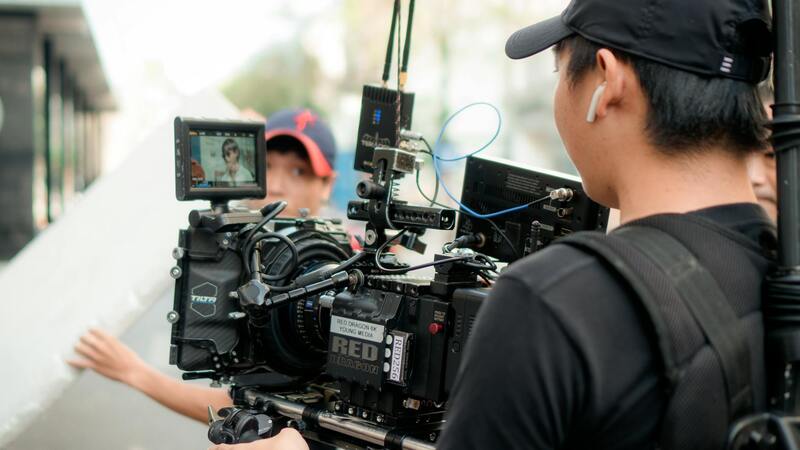
Pre-production is a pivotal phase that lays the groundwork for successful event coverage. A comprehensive plan involves understanding the event's schedule, key moments, and desired outcomes. This phase includes developing shot lists, scouting locations, and coordinating with event organizers to ensure logistical smoothness. Clear communication with clients about filming expectations and technical requirements helps align objectives. Additionally, pre-visualization techniques, such as storyboarding or shot mapping, enable cinematographers to prepare for complex scenes and anticipate any environmental challenges.
Essential Equipment and Technology
Capturing dynamic events necessitates a robust arsenal of professional equipment. High-definition cameras, such as cinema-grade DSLRs or mirrorless systems, provide crisp imagery under various lighting conditions. Stabilization tools like gimbals and steadicams facilitate smooth camera movements, while multiple lenses allow for versatile shot compositions. Audio recording devices, including wireless microphones and directional shotguns, ensure clear sound capture of speeches and ambient noise. Advanced lighting equipment helps illuminate dark or crowded areas without disrupting the atmosphere. For remote or elevated angles, drone footage offers an expansive perspective, adding production value and variety to the visual story.
Techniques for Capturing Live Events
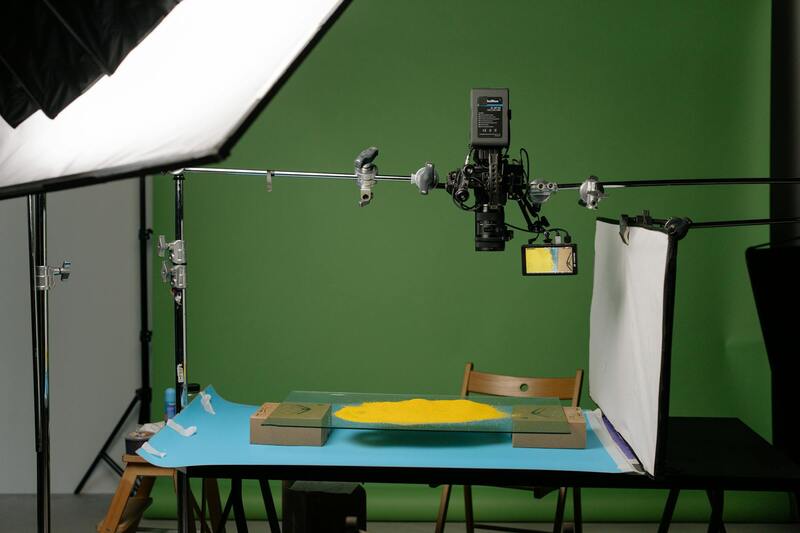
Effective live event coverage balances technical skill with creative execution. Cinematographers employ various techniques, such as switching between static shots and dynamic camera movements, to maintain viewer engagement. Multi-camera setups facilitate simultaneous coverage from different angles, enabling seamless editing and story continuity. Quick adjustments to camera settings—like shutter speed, aperture, and focus—are crucial in unpredictable environments. Shooting in slow-motion can highlight emotional reactions or key moments, while panning and tilting focus attention and add cinematic flair. Handheld filming, when executed skillfully, introduces immediacy and intimacy, making the audience feel part of the event. Capturing quality audio is equally vital—ambient sounds, audience reactions, and speeches enrich the visual narrative by adding depth and realism.
Post-Production and Editing
The post-production phase transforms raw footage into a cohesive, engaging film. Editing involves selecting the most compelling takes, synchronizing audio with visuals, and applying color grading to enhance visual appeal. Modern editing software allows for precise cuts, transitions, and visual effects that elevate the final product. Sound design, including background music and noise reduction, ensures a polished audio experience. The editing process also offers opportunities for storytelling refinement, such as emphasizing emotional peaks or providing context for key moments. Deliverables are then optimized for various platforms—whether for broadcast, online streaming, or social media—ensuring the content maintains high quality across distribution channels.
Legal and Ethical Considerations
Respecting intellectual property rights, privacy, and consent forms the foundation of ethical event filming. Professional cinematographers obtain permission from event organizers and participants before recording. Proper credentialing and adhering to venue regulations prevent disruptions or misunderstandings. Clear communication about how footage will be used and stored helps build trust with clients and attendees. Additionally, filmmakers must ensure that their recordings do not infringe on proprietary content or violate any confidentiality agreements. Maintaining integrity in editing and distribution further reinforces professional standards, fostering positive relationships with clients and stakeholders.
Advantages of Hiring a Professional Miami Production Agency
Engaging a seasoned Miami-based event cinematography firm guarantees access to top-tier equipment, experienced personnel, and innovative techniques. These agencies possess in-depth knowledge of local venues and event logistics, enabling tailored coverage that aligns with client objectives. They streamline the planning process, anticipate potential challenges, and adapt swiftly to evolving circumstances during live filming. The result is a final product that combines technical excellence with storytelling finesse, elevating the event’s brand and outreach efforts. Furthermore, professional agencies adhere strict quality controls and deliver on deadlines, ensuring a smooth and hassle-free experience for clients seeking memorable event coverage.