Role of an Events Photo Team
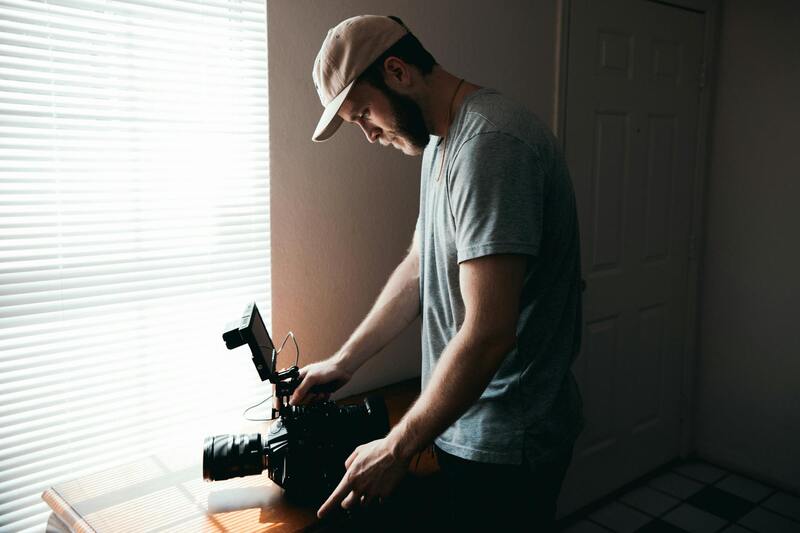
An events photo team plays a vital role in capturing the essence and significance of every occasion they cover. Their responsibilities extend beyond simply taking pictures; they are tasked with documenting moments that tell stories and evoke emotions long after the event has concluded. Reliable event photography requires a team that operates cohesively, understanding the specifics of each event to ensure all key moments are preserved with clarity and artistry.
The primary responsibility of an events photo team is to deliver high-quality images that align with the event’s purpose and atmosphere. Whether it’s a corporate gathering, wedding, charity event, or festival, the team must adapt their approach to fit the setting and client expectations. This includes strategic positioning, managing lighting conditions, and capturing candid moments that highlight interactions among attendees. The importance of a dedicated team lies in their ability to handle diverse scenarios efficiently, ensuring consistent coverage across the event's timeline without disrupting the flow.
A professional events photo team also provides crucial pre-event planning and coordination. They work closely with event organizers to understand key moments, such as speeches, performances, or awards ceremonies. This preparation helps the team anticipate pivotal moments, allowing them to be in the right place at the right time. The team’s responsibilities extend into post-event processes as well, where they edit, organize, and deliver images suited to the client’s needs and purpose.
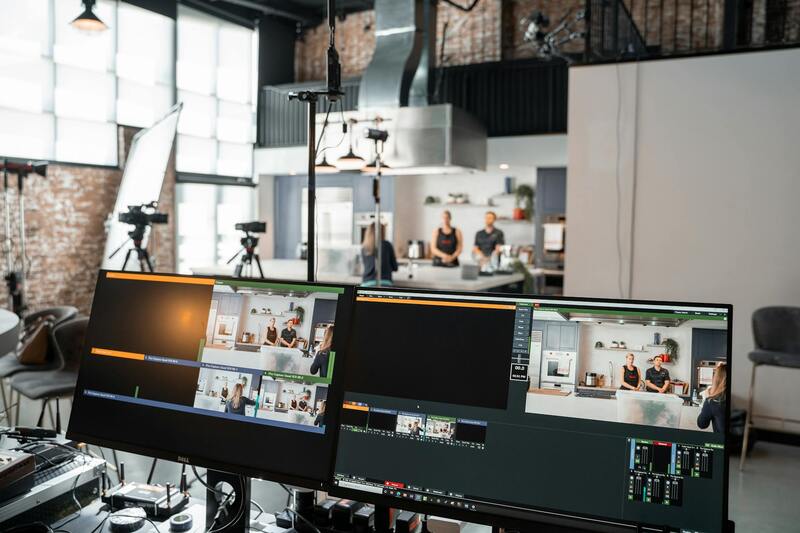
Effective event photography relies on a dedicated team that combines technical skill with an understanding of human interactions. Their ability to adapt to dynamic environments and capture authentic moments makes them invaluable. Skilled event photographers are not just people behind cameras; they are storytellers who encapsulate the spirit of each gathering, ensuring memories are preserved with precision and artistry.
In the competitive landscape of event documentation, a proficient events photo team stands out by consistently delivering professional, high-quality images that meet or exceed client expectations. Their role extends from initial planning through to the final delivery, making them an integral part of any successful event. For clients seeking to commemorate their special occasions with vivid, impactful photography, partnering with a qualified events photo team guarantees that every important detail is thoughtfully and skillfully captured.
Key Skills and Qualities of Event Photographers
Successful event photography hinges on a combination of technical expertise, interpersonal skills, and adaptability. Professionals on an events photo team possess an in-depth understanding of camera operations, lighting conditions, and composition principles to ensure each shot aligns with the event's significance. Mastery of various photographic styles—such as candid, portrait, and staged shots—allows photographers to capture a diverse range of moments, from spontaneous reactions to formal presentations.
Exceptional communication skills are essential, enabling photographers to interact discreetly with attendees and clients, gaining access to exclusive moments without causing disruption. Emotional intelligence and a keen eye for detail help photographers anticipate important interactions and pivotal events, ensuring they don’t miss critical moments.
Reliability, professionalism, and a calm demeanor are crucial qualities for handling unpredictable environments typical at large gatherings. Event photographers must also exhibit versatility, often switching between different equipment setups and adjusting to changing light or weather conditions seamlessly. Their ability to stay composed and attentive under pressure guarantees that the storytelling aspect of event photography remains consistent.
Creativity and a strong aesthetic sense distinguish top-tier photographers. These qualities enable them to craft compelling visual narratives that resonate with viewers, elevating the overall quality of the images produced. It’s this blend of technical skill, interpersonal finesse, and artistic vision that makes an events photo team indispensable for capturing the true essence of any occasion.
Planning and Coordination for Event Photography
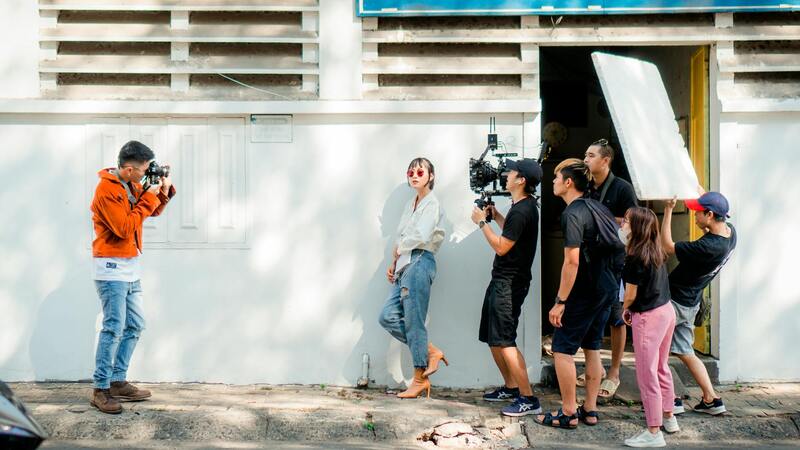
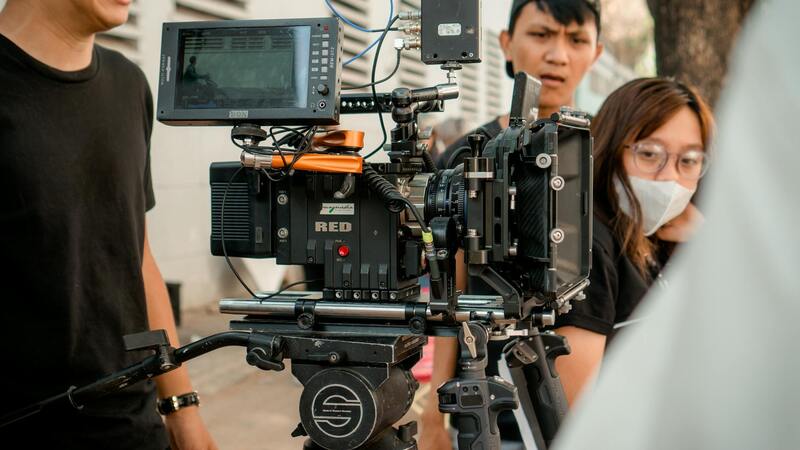
Effective event photography begins well before the shutter clicks. It requires meticulous planning and seamless coordination between the client and the photography team to ensure every important moment is captured comprehensively. A thorough understanding of the event itinerary, key moments, and specific client expectations allows the photo team to strategize their approach efficiently.
Clear communication is fundamental to this process. Prior to the event, the team typically conducts detailed consultations with clients to identify essential shots, preferred styles, and any unique requirements. This includes discussing the event’s schedule, venue specifics, and available lighting conditions, enabling photographers to prepare suitable equipment and settings.
Preparation also involves reconnaissance of the event location, where photographers assess lighting, space constraints, and background options. This pre-visit helps identify potential challenges and opportunities, allowing the team to adapt their strategies accordingly. Such proactive measures ensure no critical moments are missed and that a diverse array of images is captured to tell a comprehensive story of the event.
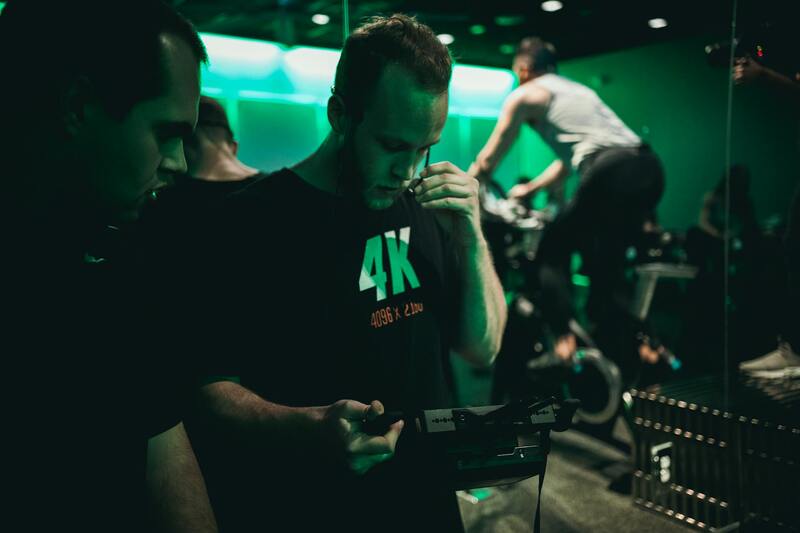
During the event, effective coordination continues through discreet communication among team members—using radios or earpieces—to adapt to dynamic situations. Photographers often rotate positions or focus on specific segments to maximize coverage and prevent gaps. Additionally, aligning with event staff, coordinators, and other vendors ensures that the photography efforts complement the overall flow of the event.
Post-event, a debriefing helps evaluate what was successful and identify areas for improvement. This collaborative approach enhances future projects, ensuring a continuous cycle of excellence and client satisfaction. Ultimately, meticulous planning and stellar coordination form the backbone of a successful event photography experience, ensuring that every memorable moment is documented with precision and artistry.
Essential Techniques for Capturing Stunning Event Photos
To deliver a visual narrative that truly resonates, an events photo team must master a variety of advanced techniques. These methods enable photographers to adapt to diverse lighting conditions, unpredictable moments, and the dynamic energy found at events, all while maintaining consistent quality and professionalism.
One fundamental technique is proper composition. Photographers should be skilled in framing their shots to highlight the key moments, ensuring that pivotal subjects—whether they are speakers, entertainers, or attendees—are prominently featured without distraction. Applying the rule of thirds, leading lines, and strategic cropping can greatly enhance the visual appeal of each captured moment.
In low-light settings, advanced lighting techniques become essential. Photographers often rely on high ISO settings, fast lenses, or portable lighting solutions such as on-camera flashes or diffusers to maintain image clarity without overpowering the scene. Balancing artificial light sources with existing ambient lighting ensures natural-looking photographs that accurately reflect the event’s atmosphere.
Capturing candid moments involves a keen eye for spontaneity. Photographers trained in observing subtle interactions, emotions, and expressions can freeze authentic reactions that showcase the true mood of the event. This requires patience, attentiveness, and the ability to anticipate significant moments before they unfold.
Another vital technique is dynamic framing. Adjusting perspective, using varying focal lengths, and employing creative angles can transform standard shots into compelling visuals. Photographers often move across different positions or heights—standing on ladders or crouching low—to achieve fresh perspectives and avoid staged compositions.
Posture and communication are equally important. A professional team ensures their presence is unobtrusive, allowing guests to enjoy the event naturally while still capturing vital moments. Discreetly working with flashes, camera settings, and timing allows the team to blend seamlessly into the event environment, resulting in authentic and impactful imagery.
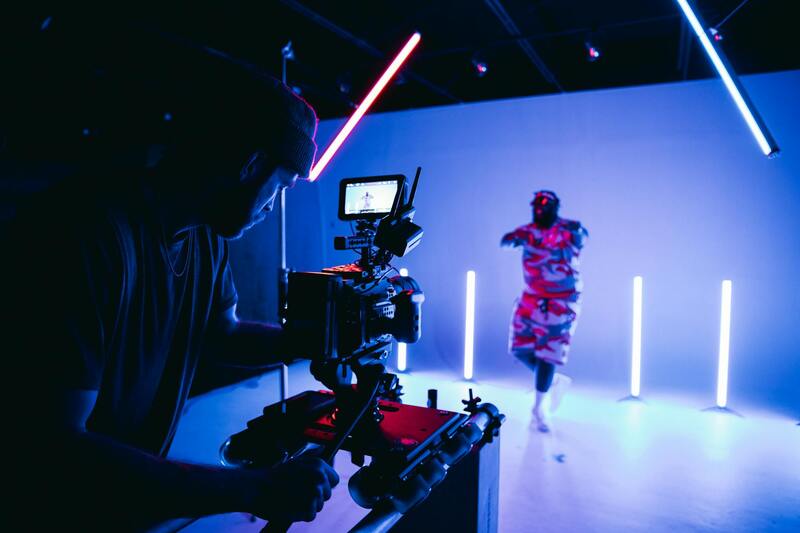
Finally, employing post-production editing skills ensures images are polished yet true to the moment. Skilled editors adjust exposure, color balance, and sharpness without over-manipulating the photos. Consistent editing standards across the portfolio of images help tell a cohesive story that aligns with the client's vision, culminating in a lasting visual impression for all event participants.
Planning and Coordination for Event Photography
Effective event photography hinges on meticulous planning and seamless coordination. An experienced events photo team collaborates closely with clients to understand their vision, expectations, and specific requirements. This involves detailed discussions about the event schedule, key moments to capture, and preferred styles of imagery, whether documentary, portrait, or artistic. Establishing a clear shot list helps prioritize essential moments, such as speeches, toasts, or candid interactions, ensuring no important detail is missed.
Pre-event site visits are an integral part of preparation. Photographers evaluate venue lighting conditions, space constraints, and possible shooting angles. This assessment allows them to adapt their equipment and techniques accordingly, ensuring optimal results regardless of lighting challenges or physical limitations.
During the event, coordination extends beyond capturing photos. The team typically liaises with event organizers, coordinators, and other vendors to stay informed of any schedule updates or special activities. Discreet communication methods, such as earpieces or silent signals, enable photographers to remain unobtrusive while being ready to react swiftly to spontaneous moments.
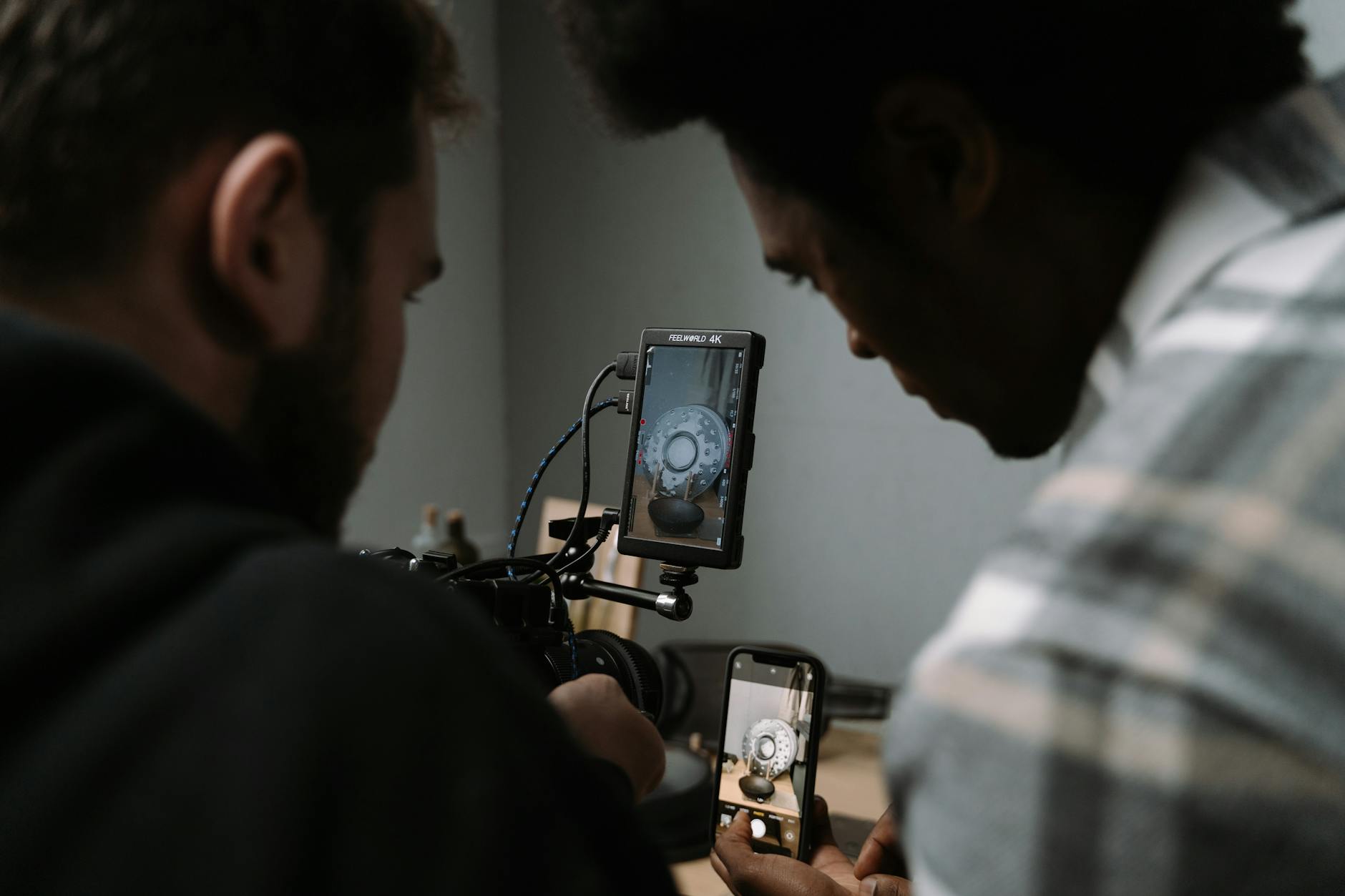
This strategic approach allows the team to adapt to unforeseen circumstances, such as sudden changes in lighting or last-minute schedule adjustments. Flexibility combined with a detailed plan guarantees a thorough visual documentation, capturing both planned highlights and organic interactions.
Moreover, digital organization tools facilitate real-time tagging, categorization, and backup of images during the event. This proactive management minimizes the risk of losing precious shots and streamlines the post-event editing process, ensuring timely delivery of high-quality photographs.
Types of Events Covered by a Photo Team
Event photo teams are proficient in capturing a diverse range of occasions, ensuring that every significant moment is documented with professionalism and attention to detail. Their expertise spans both formal and informal gatherings, from large-scale corporate functions to intimate private celebrations. Each type of event demands a tailored approach, leveraging the team's experience to meet specific objectives and aesthetic considerations.
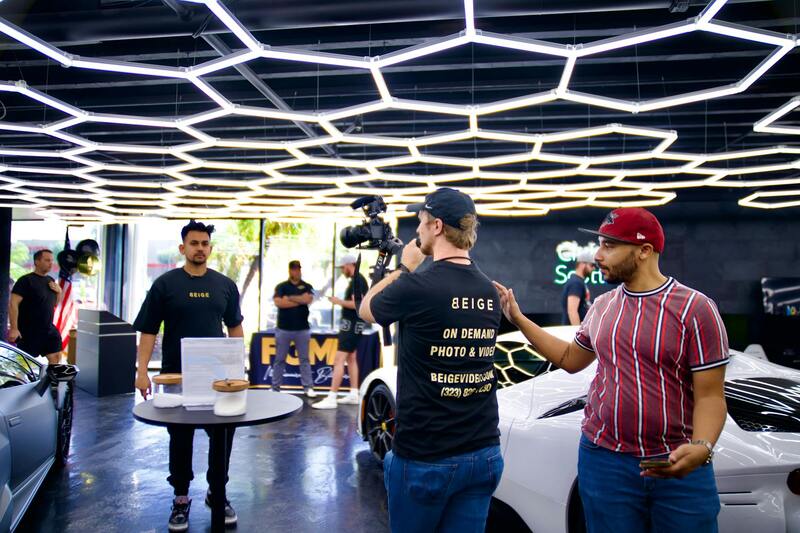
Corporate events—such as conferences, product launches, and awards ceremonies—require strategic planning to ensure all key speakers, panels, and networking moments are preserved. The team focuses on high-quality images that can be used in promotional materials, reports, and social media. Attention to branding elements, venue lighting, and candid interactions is essential for visually compelling coverage.
Social celebrations, including weddings, birthdays, and anniversaries, benefit from a photo team’s ability to blend into the background while capturing authentic emotions and spontaneous interactions. These teams often employ a combination of posed shots and candid photography to tell the full story of the event.
Community and public events, such as festivals, parades, and charity functions, present unique challenges due to the dynamic environment and large crowds. A skilled photo team anticipates moments of importance and manages crowd movement while maintaining safety and decorum. Their adaptability ensures comprehensive coverage, from wide-angle shots of the event setting to detailed pictures of expressions and key activities.
Sporting events and outdoor activities also fall within their scope, where fast-paced action and unpredictable moments demand quick reflexes and high-performance equipment. Capturing these high-energy moments with clarity and vibrancy enhances the overall narrative of the event.
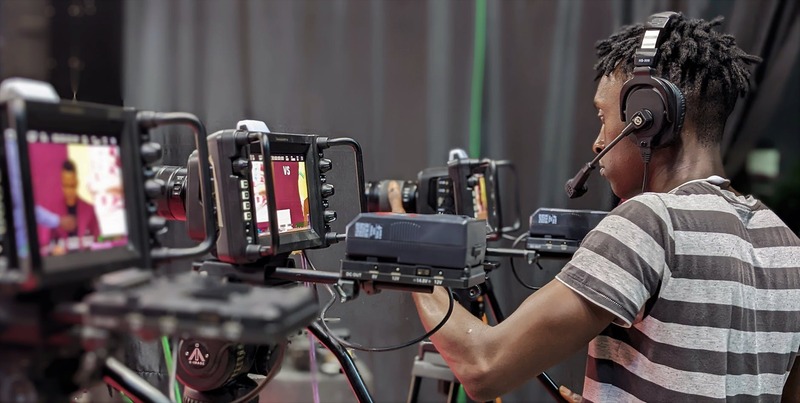
Practical execution involves understanding the specific goals of each event. By coordinating closely with event organizers and stakeholders beforehand, a photo team can develop a comprehensive shot list and identify critical moments that require emphasis. Their ability to adapt on the fly ensures no memorable detail is overlooked, regardless of the event's size or type.
Ultimately, an experienced event photo team’s capacity to deliver a complete visual narrative tailored to each occasion signifies their indispensable role in capturing the essence of Miami's vibrant event scene. Their focus on quality, adaptability, and professionalism guarantees that every event is preserved with clarity and artistic integrity, providing lasting memories for clients and attendees alike.
Post-Event Editing and Delivery of Photos
Once the event concludes, the work of an events photo team transitions to post-processing and delivery. This phase involves meticulous editing to ensure that each image aligns with the desired aesthetic, enhances clarity, and accurately reflects the event's atmosphere. Post-production tasks include color correction, exposure adjustments, cropping, and retouching to highlight key moments and expressions. Advanced editing software allows photographers to enhance lighting conditions, remove distractions, and create a cohesive visual narrative that captures the event's essence. Timely delivery of the edited photos is crucial for maximizing their impact. Many Miami-based event photo teams employ dedicated workflows and management tools to streamline this process, ensuring that clients receive their images within specified deadlines. These images are often delivered through digital galleries, enabling easy access and download for clients, attendees, and stakeholders. High-resolution files are provided for print and promotional purposes, while optimized web versions are tailored for online sharing. In addition to delivering standard photographs, some teams offer select services such as creating slideshows, photo albums, and social media-ready content. These tailored products help clients leverage the images for marketing, archival, or personal use, extending the value of the event memories. A professional post-processing approach guarantees that every photo not only captures a moment but also resonates with emotional and visual impact. Given the importance of preserving memories with precision and artistry, a competent event photo team in Miami maintains rigorous quality standards throughout the post-production process. Their commitment to excellence ensures that every image accurately portrays the energy of the event while maintaining consistency across the collection. This dedicated attention to detail transforms raw captures into polished, captivating visuals that serve as timeless keepsakes for clients and event organizers alike.
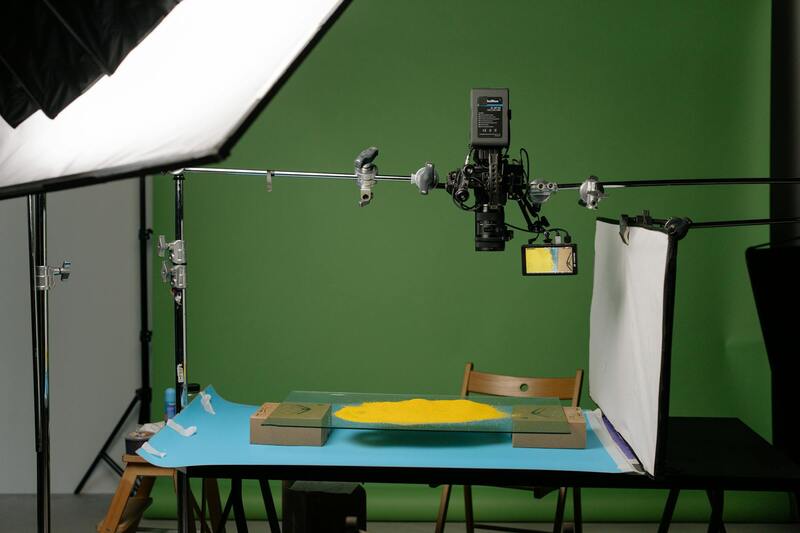
Advanced Techniques and Trends Employed by a Miami Events Photo Team
In the dynamic landscape of event photography, a proficient Miami events photo team continually adapts to emerging trends and integrates advanced techniques to enhance their visual storytelling. Techniques such as drone photography offer expansive aerial perspectives, capturing the grandeur and spatial dynamics of large-scale events like festivals, conferences, and outdoor celebrations. The use of high-speed continuous shooting modes allows photographers to seize fleeting moments, ensuring no impactful expression or spontaneous gesture is missed.
Another pivotal trend is the embrace of immersive and candid photography styles. These approaches prioritize authentic experiences, capturing genuine interactions and spontaneous reactions that epitomize the event's atmosphere. Incorporating documentary-style photography, teams document the event in a manner that resembles storytelling, weaving a narrative through sequential images, which helps clients relive the experience vividly.
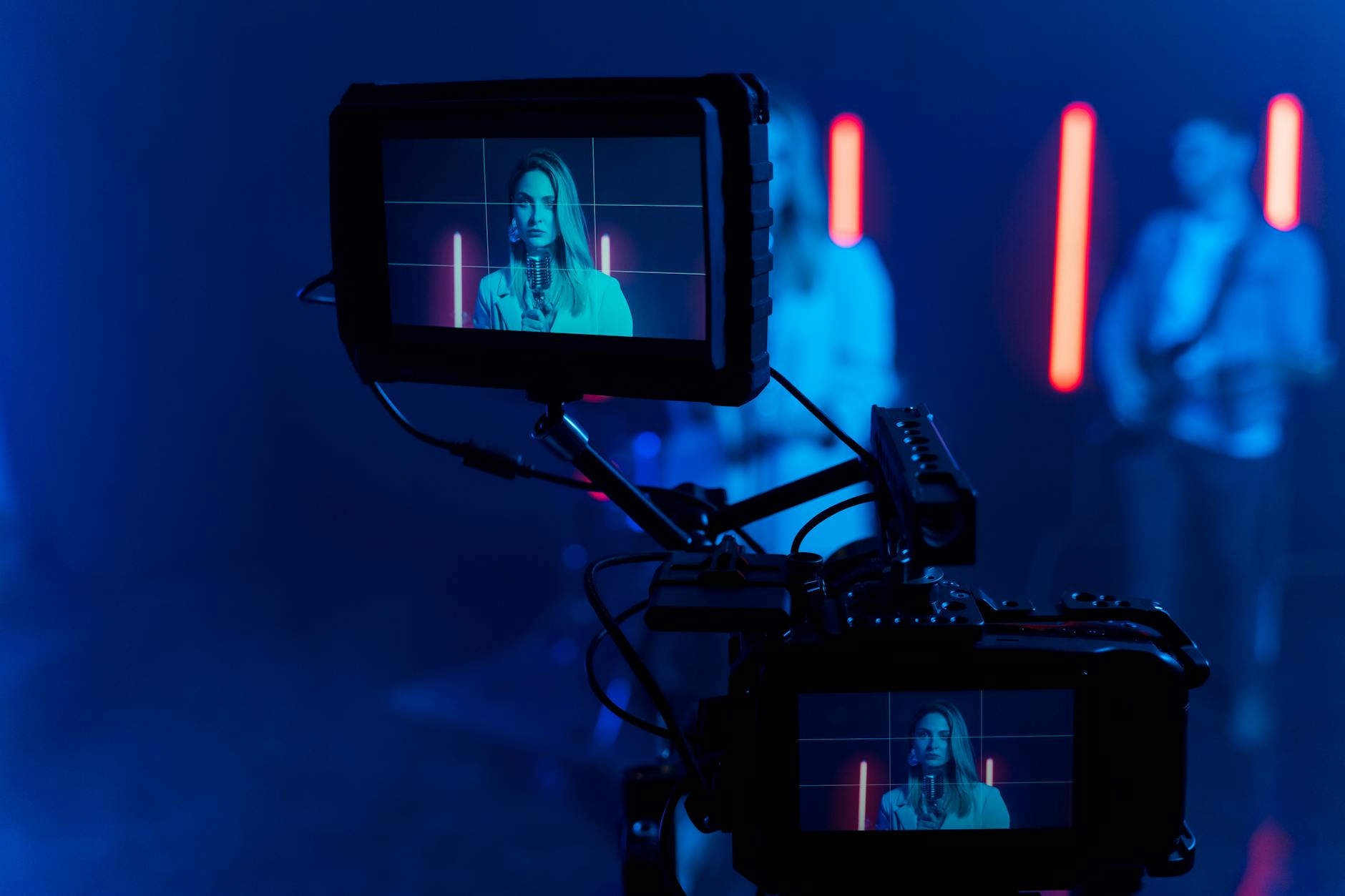
Post-production workflows are also increasingly sophisticated. High dynamic range (HDR) imaging enhances details in both shadows and highlights, producing images with depth and richness. Strategic color grading ensures consistency across all visuals, aligning with the event's theme or branding. Additionally, the integration of advanced photo retouching and correction techniques refines images, ensuring they meet the highest standards of quality.
Social media optimization is pivotal in today’s digital age, prompting teams to craft versatile images suitable for various platforms. This may include creating teaser shots or story snippets that boost engagement and extend the event's reach. By leveraging modern editing tools and staying abreast of visual trends, Miami’s event photo teams deliver captivating content that resonates with diverse audiences and elevates the event’s presence online.
Furthermore, the adoption of client-centric approaches—such as personalized galleries and tailored delivery options—ensures a seamless experience from shoot to sharing. Incorporating client feedback into editing processes or providing bespoke creative options demonstrates a commitment to excellence and professionalism, reinforcing the value brought by a skilled Miami events photo team.