Importance of High-Quality Realty Photography
In the competitive Miami real estate market, presenting a property with compelling visual content can significantly influence its marketability. High-quality realty photography serves as a pivotal tool for real estate professionals aiming to attract prospective buyers effectively. Professionally captured images highlight the beauty, space, and unique features of a property, making listings stand out among numerous competitors. This visual appeal not only garners increased interest but also accelerates the sales process, allowing properties to move from listing to closed deal more swiftly.
In Miami's vibrant and rapidly evolving real estate landscape, the influence of high-quality imagery extends beyond simple attraction. It fosters buyer trust, conveys professionalism, and ultimately facilitates informed purchasing decisions. The impact of such visuals transcends digital platforms; they are instrumental in print marketing materials, virtual tours, and social media campaigns, creating a consistent and captivating brand image for real estate listings. As buyers increasingly rely on online property searches, the importance of professional realty photography has never been more critical to achieving quick and successful sales.
Key Elements of Effective Realty Photography
Effective realty photography is characterized by several essential components that together craft an appealing visual narrative of a property. These include well-composed framing, optimal lighting, accurate color representation, and the strategic use of space to enhance the property’s best features. A keen attention to detail—such as the removal of clutter and ensuring that all rooms are tidy—is crucial in presenting a home in its best light. Utilizing wide-angle lenses allows for capturing more of a room in a single shot, giving viewers a comprehensive sense of space and layout.

These elements work in harmony to create images that are not only visually appealing but also truthful reflections of the property. Accurate representation fosters trust and sets the right expectations for potential buyers, reducing the likelihood of disappointments during viewings. Because the Miami real estate market features diverse architectural styles and luxurious interiors, photographers must adapt their skills to showcase each property’s unique character effectively.
Choosing the Right Equipment and Techniques
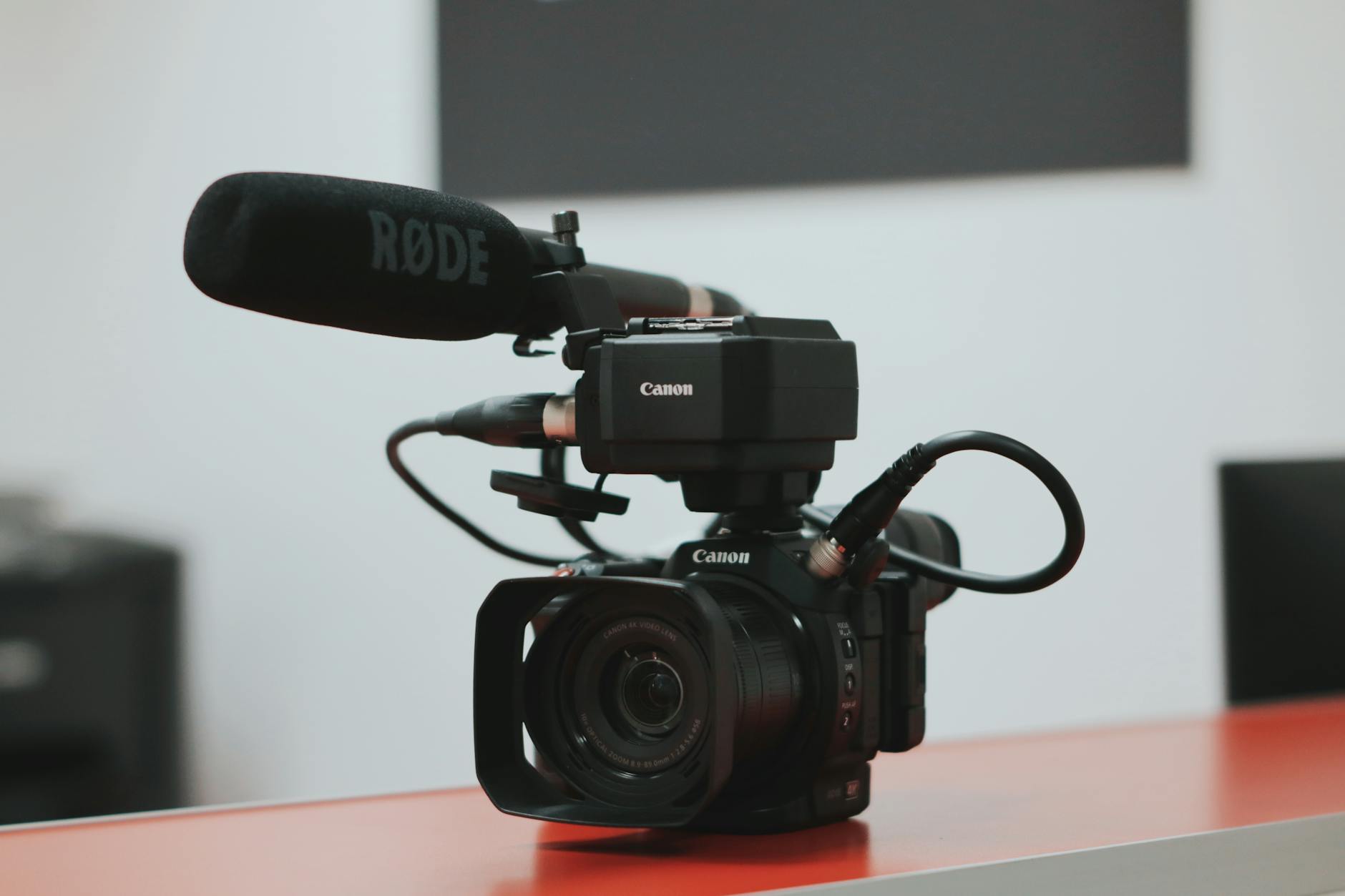
The quality of realty photography begins with the right equipment. Professionals often employ high-resolution cameras with wide-angle lenses to capture expansive views and maximize interior space. Using tripods ensures stability and sharpness, especially in low-light conditions or when capturing high-dynamic-range scenes. Techniques such as proper exposure settings, careful focus stacking, and the utilization of natural light are fundamental to producing crisp, vibrant images.
Correct light management involves maximizing natural sunlight while minimizing shadows and glare. Photographers may use auxiliary lighting equipment to brighten darker areas and maintain balance. Employing remote shutters or timers helps prevent camera shake during shots, while post-processing adjustments can enhance lighting and color vibrancy, ensuring each image maintains a professional appearance that aligns with the property’s stature in the Miami market.
Importance of Aerial and Drone Photography
Aerial photography offers a comprehensive perspective of a property and its surroundings, highlighting features often not visible from ground level. Drone images are particularly advantageous in Miami, where sprawling estates, waterfront homes, and lush landscaping are common features. These shots provide potential buyers with an understanding of a property’s scale, proximity to amenities, and neighborhood context.
High-quality drone photography can elevate a listing by illustrating the property's placement within its environment, showcasing outdoor amenities such as pools, gardens, and scenic views. Utilizing proper flight planning, camera stabilization, and image processing techniques ensures that aerial visuals are sharp, well-composed, and compelling, making them an invaluable addition to comprehensive realty marketing strategies.
Post-Processing and Image Editing
Post-processing constitutes a critical phase in realty photography, where raw images are refined to achieve the desired visual impact. Adjustments involve correcting color balance, enhancing brightness and contrast, and removing reflections or minor distractions. Skilled editing ensures that the images accurately depict the property’s true colors and textures without appearing exaggerated or artificial.
Avoiding over-editing is essential to maintain authenticity and trustworthiness of the listing. Techniques such as perspective correction, straightening lines, and minor retouching can significantly improve visual appeal. The end goal is to produce an image gallery that entices potential buyers while faithfully representing the property, thereby increasing inquiry rates and facilitating faster sales processes.
Timing and Lighting for Realty Photography
Capturing images at the optimal time of day can markedly enhance their visual quality. The golden hours—shortly after sunrise and before sunset—offer warm, soft light that enhances interior brightness and outdoor scenery. Overcast days provide diffuse lighting that minimizes harsh shadows, ideal for exterior shots and interiors with large windows.
Scheduling photography sessions during these periods ensures consistent lighting conditions and highlights the property’s best features effectively. Proper planning for the time of day, combined with knowledge of weather patterns, allows photographers to produce images that stand out in listings and attract prospective buyers’ attention more efficiently.
Integrating Realty Photography into Real Estate Marketing
High-quality images should be seamlessly incorporated into every aspect of a property’s marketing campaign. This includes online listings, social media promotions, virtual tours, and email campaigns. High-resolution photographs serve as the first impression online, so their strategic placement and presentation can significantly influence potential buyers’ engagement levels.
Visual storytelling through a curated series of images guides viewers through the property, emphasizing its features and lifestyle appeal. Supplemented by detailed descriptions, virtual walkthroughs, and video content, professional realty photography enhances the overall effectiveness of marketing efforts, making properties more memorable and increasing the likelihood of prompt inquiries.
Choosing a Miami-Based Realty Photography Service
When selecting a professional realty photography service in Miami, emphasis should be placed on experience, portfolio quality, and understanding of local market trends. A dependable provider offers tailored solutions that highlight each property’s distinctive characteristics while employing the latest equipment and techniques. Local expertise ensures familiarity with Miami’s unique architectural styles, lighting conditions, and environmental factors, resulting in images that resonate with the target audience.
Partnering with a Miami-based photography service ensures timely delivery of high-quality visuals, personalized customer support, and competitive pricing. Such collaborations can dramatically elevate marketing efforts, leading to faster sales cycles and higher property appraisal values in the dynamic Miami real estate environment.
Key Elements of Effective Realty Photography
Executing high-quality realty photography involves focusing on several critical visual elements that work together to create compelling property images. These components not only highlight the property's best features but also evoke an emotional response that can motivate potential buyers to inquire further.
Wide-Angle Shots
Using wide-angle lenses is essential for capturing spacious interiors and exteriors accurately. These lenses enable photographers to incorporate more of the space into a single frame, giving viewers an enhanced sense of room size and layout. When properly employed, wide-angle shots can make rooms appear more open and inviting, a decisive factor in attracting interest from prospective buyers.
Optimal Lighting
Lighting significantly impacts the clarity and mood of property images. Natural light is preferred, as it renders neutral tones and showcases the property's true colors, making spaces feel warm and inviting. During early mornings or late afternoons, sunlight can accentuate architectural details and create a welcoming ambiance. Proper artificial lighting can also be used to eliminate shadows and highlight specific features when natural light is insufficient.
Effective Staging
The arrangement of furniture and décor plays a vital role in realty photography. Staged spaces demonstrate the potential of each room, helping buyers envisage themselves living there. De-cluttering, strategic placement, and neutral décor are employed to create a clean, appealing environment that appeals to a broad audience. Professional staging enhances visual flow, ensuring each area looks its best in every shot.
Thoughtful Composition
Image composition should focus on framing, balance, and perspective to emphasize key property features. Composing shots to include interesting architectural details or scenic views can elevate an image’s appeal. Proper alignment and spacing guide the viewer’s eye naturally across the photograph, creating a harmonious visual narrative that draws attention and sustains interest.
Choosing the Right Equipment and Techniques
Employing top-tier camera equipment is fundamental for capturing sharp, high-resolution images that stand out across digital platforms. Professional-grade DSLRs or mirrorless cameras equipped with wide-angle lenses are standard in the industry, enabling detailed captures that faithfully represent property features.
Utilizing appropriate techniques, such as HDR (High Dynamic Range) photography, allows for the balancing of light in scenes with both bright and shaded areas, ensuring detail retention throughout. Exposure settings should be carefully managed to avoid overexposed or underexposed images, especially in rooms with large windows or complex lighting conditions.
Importance of Aerial and Drone Photography
Aerial photography introduces a unique perspective that can showcase a property's overall layout, landscaping, and surrounding amenities. Drone technology allows for capturing expansive shots from various heights and angles, providing potential buyers with a comprehensive understanding of the property’s scale and context within its neighborhood.
In highly desirable locations like Miami, aerial images can highlight proximity to beaches, parks, and urban attractions, enhancing the property's appeal. Professional drone operators follow strict safety and aviation guidelines to ensure high-quality, compliant visuals that integrate seamlessly into marketing campaigns.
Post-Processing and Image Editing
Post-processing techniques are crucial in refining raw images to attain a polished, professional finish. This includes adjusting brightness, contrast, and color balance to accurately represent the property. Retouching may also involve removing minor imperfections such as distracting shadows or clutter.
Utilizing advanced editing software ensures consistency across a property’s visual portfolio, which is vital for branding and marketing coherence. Subtle enhancements can significantly impact a photograph’s visual impact without misrepresenting the property.
Timing and Lighting for Realty Photography
The timing of a photography session directly affects the quality of light and the resulting images. Scheduling shoots during the golden hours—shortly after sunrise and before sunset—maximizes natural light, creating warm, vibrant images. Midday sunlight can cause harsh shadows, which are less desirable unless compensated for with professional lighting techniques.
Furthermore, understanding weather patterns and seasonal lighting variations in Miami assists photographers in planning sessions that yield optimal results. Clear, sunny days tend to produce the most striking visuals, emphasizing the property’s features and ensuring clarity and vibrancy.
Integrating Realty Photography into Real Estate Marketing
Effective realty photography serves as the cornerstone of online property listings, social media promotions, and virtual tours. High-quality images attract more clicks, prolong viewer engagement, and lead to faster decision-making. Integrating the visual content with compelling descriptions and strategic call-to-actions enhances overall marketing effectiveness.
Moreover, consistency in visual presentation fosters brand recognition and builds trust with potential clients. Quality imagery shared across multiple platforms maximizes visibility in a competitive market like Miami, ultimately driving higher sales conversions.
Choosing the Right Equipment and Techniques
For producing compelling realty photography that truly captures the essence of a property, employing the appropriate equipment and techniques is essential. Professional real estate photographers in Miami leverage a combination of high-resolution cameras, wide-angle lenses, and advanced tripod systems to ensure sharp, distortion-free images that highlight every detail of a property’s interior and exterior spaces.
High-quality digital cameras with large sensors are preferred because they can capture more light and detail, resulting in images with greater clarity and depth. Wide-angle lenses, typically between 14mm and 24mm, allow photographers to encompass more of a room within a single shot, making spaces appear larger and more inviting. These lenses also help in showcasing the scale and flow of an environment without distorting architectural features.
In addition to camera equipment, professional lighting plays a vital role. External flashes, softboxes, and reflectors are common tools used to balance natural light and fill shadows, ensuring every room is evenly lit and visually appealing. Proper use of lighting helps in accentuating a property’s best features while maintaining true color accuracy.

Practicing specific shooting techniques enhances overall image quality. For instance, photographers often shoot in the early morning or late afternoon to utilize natural light during the golden hours. Long exposures are used to gather more light without overexposing the image, especially in interior shots with window views. Bracketing shots for HDR processing helps in balancing the exposure between bright windows and darker interior areas, ensuring every detail is visible.
Moreover, meticulous composition, including the use of proper framing, leading lines, and strategic angles, directs the viewer’s eye and emphasizes the property’s most attractive features. Skillful post-processing further refines these images, correcting minor flaws, enhancing colors, and ensuring consistency across a portfolio of images.
Importance of Aerial and Drone Photography
In Miami's vibrant real estate market, aerial and drone photography has become a pivotal component of comprehensive property presentation. Drones equipped with high-resolution cameras provide unique vantage points, capturing expansive outdoor areas, neighborhood surroundings, and proximity to key amenities with stunning clarity. Aerial imagery extends beyond simple visuals; it offers potential buyers context about the property’s scale, landscape, and onsite features such as pools, gardens, or neighboring developments. This holistic portrayal can significantly influence a buyer’s perception and decision-making process. Photographers specializing in drone footage utilize stabilization gimbals and high-quality cameras to ensure crisp, stable images even in challenging weather conditions. Flight planning and adherence to safety protocols are also critical to capturing seamless footage while respecting privacy and property boundaries. Integrating drone shots into online listings and virtual tours creates a dynamic visual experience, setting properties apart in a competitive Miami real estate landscape. By providing comprehensive views, aerial photography helps prospective buyers visualize the property within its broader environment, fostering stronger engagement and interest.
Post-Processing and Image Editing
Once the initial photography session concludes, post-processing becomes crucial in transforming raw images into visually striking assets. Skilled Miami realty photographers utilize advanced editing tools to correct color imbalances, straighten horizons, and enhance lighting to ensure each image accurately represents the property. Contrast and sharpness adjustments help in accentuating textures and architectural details, making the images more appealing and professional. Noise reduction ensures clarity in low-light interior shots, while subtle vignettes can direct the viewer’s focus toward specific areas. It is important that editing remains true to the property’s actual appearance to maintain credibility. Overenhancement or misleading alterations can erode trust with potential buyers and diminish the effectiveness of a listing. In many cases, targeted editing can also repair minor imperfections such as glare from windows or distracting elements like clutter. Consistency in style and tone across all images adds to a cohesive visual narrative, reinforcing a strong, trustworthy brand identity. Effective post-processing elevates the overall quality of realty photography, making listings more attractive and engaging, which can translate into quicker sales and higher property values in Miami’s competitive market.
Optimizing Images for Online Listings and Marketing Platforms
Maximizing the impact of your property images requires a strategic approach to their presentation across various online platforms. When preparing images for MLS listings, real estate websites, and social media, it is essential to adhere to platform-specific guidelines to ensure optimal display and viewer engagement.
Firstly, high-resolution images should be uploaded in the formats supported by the respective platforms, usually JPEG or PNG. Maintaining a balance between image quality and loading speed is critical; overly large files may slow down webpage performance, deterring potential buyers, while excessively compressed images can reduce visual clarity.
Consistent aspect ratios and dimensions across all listing photos contribute to a polished, cohesive appearance, which helps to reinforce brand professionalism. Many platforms recommend specific image sizes—such as 1920x1080 pixels—to ensure clarity without sacrificing speed.
In addition, incorporating a variety of images that highlight key selling points enhances the property's appeal. A typical collection might include exterior shots from multiple angles, interior views of each main room, unique architectural features, and amenities such as pools or landscaped gardens. Each image should be optimized to showcase these elements at their best.
To further boost online visibility, metadata such as descriptive filenames and alt text should include relevant keywords related to the property and location, which aids search engine indexing. Consistent editing style and color correction across all images ensure a professional finish, creating a memorable visual story that resonates with prospective buyers.
In print advertising—brochures, flyers, signage—attention to image quality remains paramount. High-resolution images printed at appropriate sizes reveal detailed textures and high-end finishes, reinforcing the property’s appeal.
Finally, integrating virtual tours or 3D walkthroughs with high-quality imagery can substantially increase engagement, offering potential buyers a comprehensive view of the property before scheduling in-person visits. This multi-channel approach ultimately accelerates the sales process and elevates the property’s market presence in Miami’s competitive realty landscape.
Importance of High-Quality Realty Photography
In the competitive Miami real estate market, high-quality photography significantly influences a property's visibility and appeal. Professional imagery acts as the initial point of contact for potential buyers browsing listings online, creating a compelling visual narrative that encourages further exploration. Well-executed realty photography captures the unique features of a property, accentuates space, and highlights finishes and architectural details that might otherwise go unnoticed. Investing in premium imagery helps distinguish a listing from countless others, especially in urban environments like Miami where property diversity can be overwhelming. High-resolution photos allow prospective buyers to examine details meticulously, fostering trust and interest. Moreover, striking images can facilitate faster sales, reducing time on market, and often enable sellers to command higher offers. Effective realty photography also enhances the effectiveness of various marketing channels. From digital platforms and social media to print advertisements, high-quality images ensure that each presentation point is impactful. For listings that include virtual tours, 3D walkthroughs, or aerial views, professional photography elevates the overall experience, making the property more enticing. This comprehensive visual approach not only attracts more viewers but also shortens the decision-making process, making high-standard imagery a valuable asset in Miami’s bustling real estate scene. In addition to attracting buyers, superior photographs bolster credibility for real estate agents and property managers. They reflect professionalism and dedication, which can translate into increased client trust and repeat business. For investors and developers, showcasing their properties with top-tier images often results in better offers and quicker transactions, emphasizing the undeniable importance of investing in quality realty photography.
Key Elements of Effective Realty Photography
Executing compelling realty photography requires attention to several key elements that come together to create a visually engaging property presentation. These elements include composition, lighting, staging, and consistency across images. First, composition is foundational. Proper framing ensures that every shot highlights the property's most desirable aspects, such as spacious interiors, attractive facades, or unique architectural features. Using techniques like the rule of thirds and leading lines can guide viewers' eyes toward focal points, making the images more inviting. Lighting plays a crucial role in capturing true-to-life representations of space and color. Natural light often produces the most appealing results; thus, scheduling shoots during times of day when the property is bathed in sunlight can dramatically improve image quality. When natural light is insufficient, professional lighting equipment can help fill shadows and enhance details. Staging the property with attention to cleanliness, arrangement, and decor helps to produce images that evoke a sense of lifestyle and comfort. Clutter-free spaces, strategically placed furniture, and minimalistic decor can make rooms appear larger and more welcoming. Maintaining consistency in editing style, color temperature, and tonal balance across all images fosters a unified, professional appearance. This consistency helps to tell a coherent visual story that resonates with prospective buyers, making the listing feel polished and thoughtfully curated. Finally, incorporating various perspectives—including wide-angle shots to reveal room size and close-ups of upscale finishes—adds depth and interest to the property presentation. This comprehensive approach ensures that every important feature is showcased effectively, elevating the property's market appeal in Miami's highly competitive landscape.

Integrating Realty Photography into Real Estate Marketing
Effective realty photography is a cornerstone of comprehensive property marketing strategies, especially within competitive markets like Miami. When high-quality images are strategically incorporated into various marketing channels—such as MLS listings, social media campaigns, and email outreach—they significantly enhance a property's visibility and appeal. Professional imagery allows potential buyers to envision living in the space, fostering emotional connections that can expedite the decision-making process.
Utilizing immersive visuals, including high-resolution exterior shots, interior views, and detailed close-ups, helps to craft a compelling narrative around the property. Virtual tours and 360-degree images, when paired with static photographs, provide a more interactive experience for prospective buyers, encouraging longer engagement with the listing. This integrated approach ensures the property stands out amidst numerous competing listings, capturing attention quickly and holding it through visually attractive, accurate representations.
Moreover, property websites and online listings should be optimized with fast-loading, SEO-friendly images to improve search visibility. Properly tagged images with descriptive alt text not only enhance accessibility but also contribute to better search engine rankings, drawing more organic traffic to the listings. Consistent use of branding elements—such as watermarking or logo placement—can also reinforce brand recognition and professionalism across different marketing platforms.
Property branding campaigns may incorporate lifestyle-oriented imagery, emphasizing community features, nearby amenities, and local culture that resonate with target demographics. High-quality media in Miami, with its vibrant neighborhoods and diverse architecture, captures the essence of each property’s unique appeal, making it more attractive to prospective buyers and investors alike.
Choosing a Miami-Based Realty Photography Service
Partnering with a dedicated local service ensures closer coordination, faster turnaround times, and familiarity with Miami's distinctive aesthetics and lighting conditions. A Miami-based photography team will possess the necessary experience to handle various property types, from luxury condos to sprawling estates, ensuring each shot highlights the property’s distinctive features effectively.
Credentials such as professional portfolios, client testimonials, and industry affiliations serve as indicators of reliability and quality. An experienced service provider understands how to adapt techniques according to property size, architectural style, and target audience preferences. This expertise translates into compelling imagery that elevates the property's perceived value in the Miami market.
Choosing a local provider also facilitates on-site consultations, allowing photographers to strategize optimal shoot times, angles, and lighting conditions tailored specifically to each property. Such personalized attention guarantees the images accurately reflect the property's best attributes, helping to attract serious buyers and streamline sales processes.
Importance of High-Quality Realty Photography
In the competitive Miami real estate market, high-quality photography serves as a vital tool to showcase a property's true appeal. The first impression formed from compelling images can significantly influence a prospective buyer’s decision-making process. When expertly captured, realty photography not only highlights a property's best features but also communicates its lifestyle potential, architectural nuances, and aesthetic appeal. Stunning visuals can transform a property listing from a mere image into an immersive experience that attracts interest and encourages inquiries. In Miami’s vibrant neighborhoods, where diverse architecture and lively communities define the landscape, professional photography plays a crucial role in setting listings apart, ensuring each property’s unique allure is effectively communicated to the right audience.

Beyond initial attraction, polished realty photography also enhances online visibility, improves search rankings, and increases engagement on digital platforms. Well-executed images facilitate faster sales cycles by reducing the time a property remains on the market. Moreover, these images foster buyer confidence, portraying professionalism and attention to detail that reflects positively on the seller’s dedication to presenting their property in the best light. As Miami continues to attract international and domestic investors, the importance of captivating imagery becomes even more pronounced, ensuring listings reach a broader audience with maximum impact.
Key Elements of Effective Realty Photography
- Thoughtful Composition: Capturing the property from angles that emphasize spaciousness, lighting, and architectural features is essential. Proper framing directs viewers' focus and creates a sense of allure.
- Lighting Mastery: Utilizing natural light where possible, or supplementing with professional lighting, highlights interior details and enhances overall image clarity.
- Staging and Decluttering: A tidy, well-staged property presents a more inviting atmosphere, allowing prospective buyers to envision themselves within the space.
- Consistent Style: Maintaining a cohesive aesthetic across images ensures a professional look and enhances brand identity for real estate agents and property owners.
Choosing the Right Equipment and Techniques
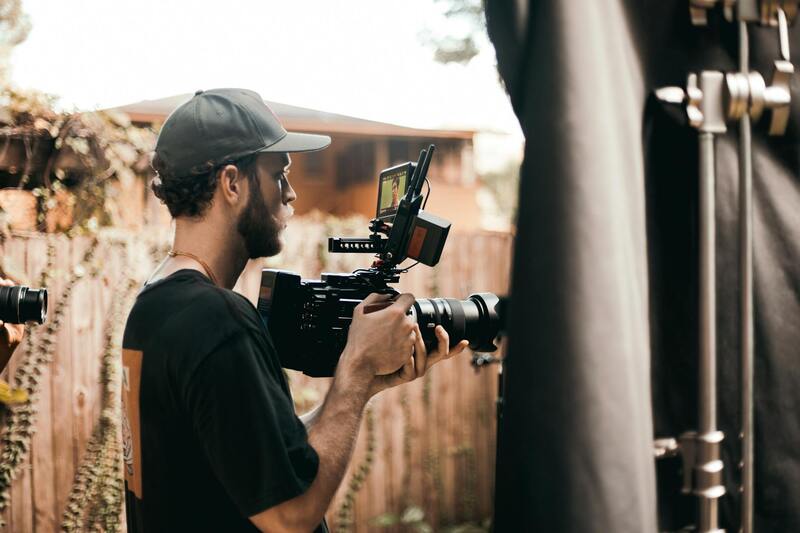
Professional realty photography hinges on the use of high-caliber equipment tailored for real estate needs. Wide-angle lenses are favored to capture more expansive interior shots and provide a comprehensive view of space. Tripods ensure stability and sharpness, especially in low-light situations or when shooting interior spaces. Using HDR (High Dynamic Range) imaging techniques helps balance exposure between bright windows and darker interior areas, creating realistic and appealing photos. In addition, employing a tripod-mounted camera and a tripod or stabilizer minimizes motion blur, ensuring crisp, clear images that accurately reflect the property’s features.
Photographers often prepare by scouting the property in advance to identify the best angles, optimal light conditions, and key focal points. They may also utilize panoramic or 360-degree photography to offer virtual tours that allow prospective buyers to explore the property remotely. Such techniques are particularly relevant in Miami's luxury markets, where aspirational photography can significantly elevate the perceived value of high-end listings.
Importance of Aerial and Drone Photography
Aerial photography, especially through drones, expands the scope of property presentation by capturing expansive views that ground-level images cannot provide. This form of imagery is invaluable in Miami, where waterfront properties, sprawling estates, and unique architectural features benefit from elevated perspectives. Drone shots reveal property layouts, landscaping, proximity to beaches, parks, and cityscapes—factors that influence buying decisions. The dynamic, sweeping visuals also serve as compelling marketing assets, creating an immediate sense of scale and context.
Implementing drone photography requires specialized equipment operated by skilled pilots who understand airspace regulations and safety protocols. When executed professionally, aerial images seamlessly integrate with interior and ground-level shots, producing cohesive visual narratives that tell a comprehensive story of the property. For luxury listings and commercial real estate in Miami, aerial visuals have become indispensable for capturing the property’s grandeur and geographical setting, thus elevating the overall marketing strategy.
Post-Processing and Image Editing
Image editing plays a pivotal role in transforming raw photography into polished marketing materials. Post-processing techniques include adjustments to brightness, contrast, color correction, and removal of minor imperfections, ensuring each image accurately reflects the physical attributes of the property. Skilled editors enhance the visual appeal without over-exaggerating, maintaining a sense of authenticity that aligns with buyer expectations.
HDR blending, sky replacement, and perspective corrections are common editing techniques used to optimize images. Subtle vignetting and sharpening can also make details pop, ensuring that photos look vibrant and inviting across various digital platforms. High-resolution images should be optimized for fast loading without sacrificing quality, providing a seamless viewing experience for potential buyers browsing on different devices. In Miami's diverse real estate market, clean and appealing post-processed images are essential for standing out amid numerous competitors and attracting serious inquiries.
Timing and Lighting for Realty Photography
The timing of a photo shoot significantly impacts the quality of realty images. Golden hour—shortly after sunrise or before sunset—offers natural lighting conditions that produce warm, soft light, adding depth and dimension to exteriors. Interior shots taken during daylight hours use natural sunlight to illuminate spaces, reducing the need for extensive artificial lighting. Carefully scheduled shoots consider weather conditions, ensuring clear skies and optimal lighting conditions that enhance colors and textures.
Additionally, consistent scheduling ensures that images capture the property at its best, especially in a city like Miami where daylight hours vary seasonally. Proper lighting contributes to how spacious, bright, and welcoming a home appears, ultimately appealing to the buyer's desire for a comfortable living environment. Photographers often use reflectors, diffusers, and artificial lighting to complement natural light, creating well-balanced images that highlight each property’s unique features with clarity and vibrancy.
Advanced Techniques and Additional Considerations in Realty Photography
Utilizing Virtual Tours and 3D Imaging
Modern real estate marketing increasingly incorporates virtual tours and 3D imaging to provide potential buyers with an immersive experience that static images alone cannot achieve. These technologies enable viewers to navigate through a property remotely, examining rooms from multiple angles and gaining a genuine sense of spatial relationships. When integrated properly, virtual tours accentuate the property's best features and help viewers make more informed decisions, reducing time spent on in-person visits.
Implementing high-quality 3D scans requires specialized equipment and skilled operators who understand how to capture accurate dimensions and textures. A meticulously crafted virtual tour should be seamless and optimized for various devices, ensuring accessibility for anyone exploring the listing.

Consistency and Branding in Realty Photography
Establishing a consistent visual style across all property listings reinforces brand identity and creates a professional image for real estate agencies. This includes standardized color grading, framing, and staging techniques that align with the agency’s marketing voice. Consistency allows potential clients to recognize and trust a particular brand, which can translate to increased inquiries and stronger client relationships.
Professional photographers often develop customized presets and workflows to streamline image processing, ensuring that each property’s photographs adhere to the agency's aesthetic standards. Additionally, implementing a cohesive style assists in differentiating listings in a competitive market, making properties more memorable.
Measuring Effectiveness and Continuously Improving
Data analytics and tracking tools are invaluable for assessing the performance of realty photography within marketing campaigns. Metrics such as online engagement, click-through rates, and inquiry volumes provide insights into what visual elements resonate most with prospective buyers. Regular analysis allows agencies to refine their photography strategies, emphasizing the styles and techniques that generate the best results. Soliciting client feedback and monitoring market trends also encourage ongoing improvement. Staying current with technological advancements and emerging visual styles ensures that property presentations remain compelling and effective.
Finally, professional real estate photographers often collaborate closely with agents and marketers to customize visual strategies. This collaborative approach guarantees that property images are aligned with overall marketing goals, helping to attract qualified buyers efficiently and effectively.