
Importance of Professional Real Estate Photography
In the highly competitive real estate market, captivating visuals serve as a cornerstone for successful property sales. High-quality real estate photography goes beyond simple images; it captures the essence of a property, highlighting its best features, spatial layout, and ambiance. When potential buyers browse listings, the visual appeal of these photos often determines whether they will take the next step to arrange a viewing or move on to another property. Professionally captured images help listings stand out amidst a sea of similar properties, drawing more attention and generating increased interest.
Effective real estate photography also plays a critical role in establishing credibility and trust with prospective buyers. Listings that feature crisp, well-lit, and professionally composed images convey a sense of professionalism and care, which enhances the perceived value of the property. Furthermore, high-quality visuals facilitate a better understanding of a property's attributes, reducing the likelihood of misunderstandings or mismatched expectations during viewings. This clarity accelerates the decision-making process, often leading to quicker sales and more favorable offers.
Real estate photos also influence online marketing efforts, serving as the primary hook for digital advertising campaigns. Well-crafted imagery boosts engagement on listing platforms and social media channels, expanding reach and attracting targeted audiences. Additionally, these images are integral to print materials, virtual tours, and immersive presentations that further enhance the property's appeal. Ultimately, professional real estate photography acts as a powerful marketing tool, increasing visibility, inspiring confidence, and significantly impacting the speed and success of property transactions.
Skills and Techniques Used by Real Estate Photographers
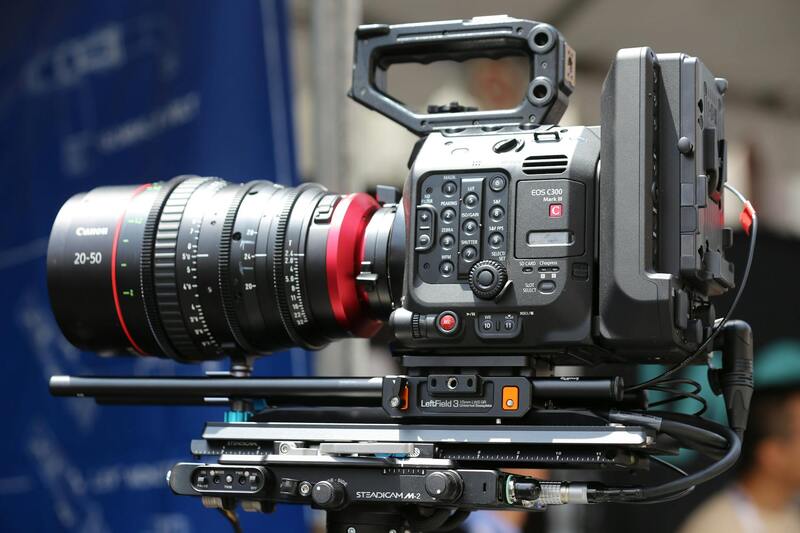
Professional real estate photographers utilize a diverse set of skills and advanced techniques to produce captivating and accurate property visuals that resonate with prospective buyers. Mastery in composition ensures that each shot highlights the property’s strengths, creates inviting spatial perceptions, and maintains visual balance. Photographers often leverage the principles of symmetry and the rule of thirds to guide viewers' attention to key features, enhancing overall aesthetic appeal.
Equipment choice is critical in achieving high-quality images. Professional-grade DSLR or mirrorless cameras with wide-angle lenses are standard, enabling wide field views that showcase entire rooms and exterior facades. Tripods are essential for stability, especially in low-light conditions, ensuring sharp images with minimal blur. High-dynamic-range (HDR) photography is frequently employed to balance lighting variations between bright windows and darker interior spaces, resulting in evenly exposed images that accurately reflect the property’s true ambiance.
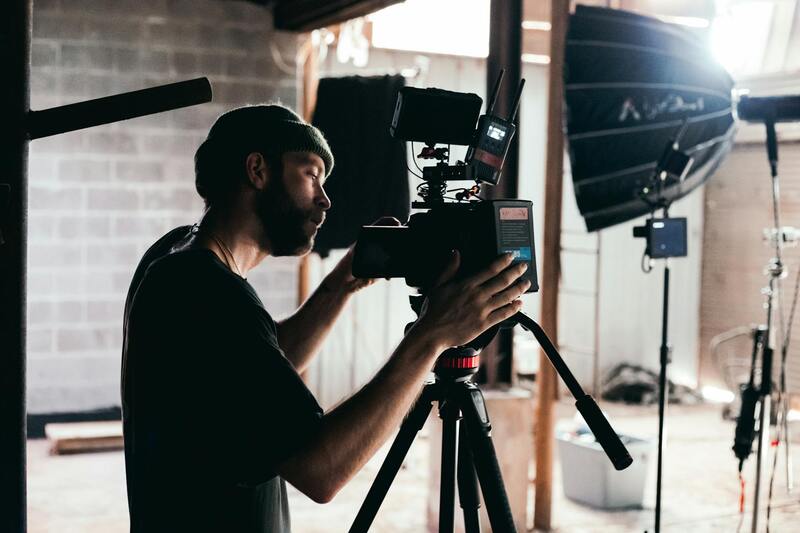
Lighting techniques are fundamental in real estate photography. Photographers skillfully manipulate natural and artificial light to brighten interiors, eliminate harsh shadows, and emphasize architectural features. Time of day is a strategic consideration—shooting during optimal natural lighting conditions enhances the warmth and clarity of the images. In some cases, supplemental lighting equipment, such as portable flash units or LED panels, is employed to ensure even illumination throughout the space.
Post-processing is also a vital component of professional real estate photography. Skilled editing ensures color accuracy, removes minor imperfections, and enhances image clarity without misrepresenting the property. Techniques such as perspective correction and color grading contribute to a polished final product that accurately depicts the property while maintaining visual attractiveness.
Types of Photos and Visual Content in Real Estate Listings
The visual content in real estate listings encompasses a variety of specialized images designed to provide a comprehensive view of the property. Key categories include:
- Exterior Shots: These images showcase the front and rear facades, landscaping, driveways, and outdoor amenities, setting the first impression for potential buyers.
- Main Living Areas: Highlighting the living room, dining room, and family spaces to demonstrate the flow and spaciousness.
- Bedrooms: Showing each bedroom with attention to natural lighting, closet space, and overall ambiance.
- Kitchen and Bathrooms: Focused shots that emphasize cleanliness, modern features, and functionality.
- Special Features: Highlighting unique architectural details, fireplaces, built-in appliances, or smart home technology that add value and appeal.
- Interactive elements that allow viewers to explore the property remotely, providing a more immersive experience.
Each category of imagery plays a role in building a compelling narrative around the property, supporting both online visibility and marketing efforts across multiple channels.
Choosing the Appropriate Equipment for High-Quality Property Images
Professional real estate photographers rely on specialized equipment to capture the finest details of a property. High-resolution digital cameras with full-frame sensors are essential for producing crisp, detailed images that accurately reflect the property's features. These cameras are paired with wide-angle lenses, typically ranging from 14mm to 24mm, to encompass more of each room and create a sense of spaciousness.
In addition to cameras and lenses, tripods are fundamental for achieving stability and sharpness, especially in low-light conditions or when using HDR techniques. Skilled photographers often utilize remote triggers or timers to ensure minimized vibrations during shot setup. For interior shots, portable lighting equipment such as LED panels or flash units are used to augment natural light, eliminating shadows and highlighting key architectural elements.
Advanced Post-Processing and Editing Techniques
Post-processing plays a pivotal role in transforming raw images into compelling visuals. Photographers employ sophisticated editing software to perform perspective correction, which ensures walls and vertical lines appear straight, creating a true-to-life representation. Color grading adjustments enhance the warmth and vibrancy while maintaining accurate hues of the property’s features.
Minor imperfections such as reflections, shadows, or small blemishes are carefully retouched to produce clean, inviting images. HDR blending techniques combine multiple exposures to achieve balanced lighting, particularly in rooms with contrasting light conditions. The goal is to deliver images that are visually striking without exaggerating or misrepresenting the property's actual appearance.
Utilizing Drones and Aerial Photography
For expansive properties or scenic locations, drone photography offers aerial perspectives that showcase grounds, landscaping, and surrounding amenities from a unique vantage point. High-quality drone cameras equipped with stabilization technology capture sharp images even in windy conditions. These shots are integrated into property listings to provide potential buyers with a comprehensive view, highlighting features that are often missed in traditional ground-level photos.
Incorporating Virtual Tours and Interactive Content
Beyond static images, virtual tours are increasingly being utilized to immerse potential buyers in a property remotely. Photographers and videographers create smooth, navigable virtual walkthroughs that allow viewers to explore the layout and flow of spaces at their own pace. These tours are enhanced with 360-degree images and interactive hotspots, providing a comprehensive experience that can boost engagement.
The integration of such multimedia content into online listings significantly elevates the marketing strategy, making properties stand out in a competitive market.
Choosing the Appropriate Equipment for Effective Property Showcasing
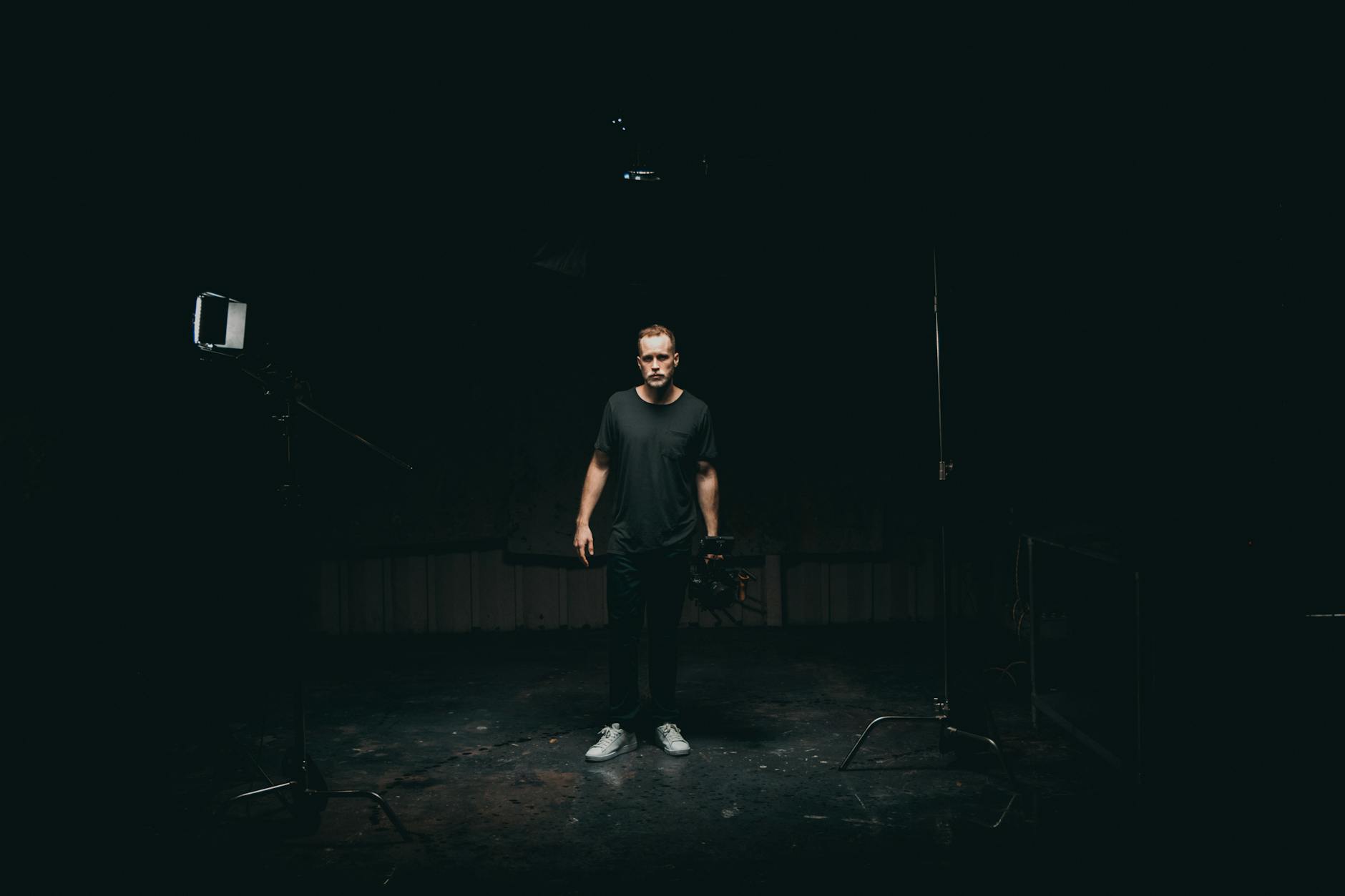
High-quality visual content relies heavily on the right equipment, which is crucial for capturing compelling real estate images. Professional real estate photographers utilize a range of advanced cameras, lenses, lighting tools, and stabilization gear to ensure every shot highlights the property’s best features while maintaining authenticity. Selection of the proper equipment not only enhances image clarity and detail but also ensures consistency across different lighting conditions and property types.
Camera Systems and Lenses
- Full-Frame DSLR and Mirrorless Cameras: These cameras offer superior image resolution, dynamic range, and low-light performance, critical for producing sharp, vibrant images that attract potential buyers.
- Wide-Angle Lenses: Typically ranging from 14mm to 24mm, wide-angle lenses allow photographers to encompass more of a room in a single shot, emphasizing spaciousness and layout details effectively.
- Prime Lenses for Detail Shots: Prime lenses with wide apertures help capture high-quality images of focal points such as fireplaces, built-in cabinetry, or decorative elements.
Lighting Equipment
Proper lighting is essential to produce images that are bright and clear without misrepresenting the property's actual appearance. Photographers often employ:
- External Flashes and Strobes: To supplement natural light and eliminate shadows or overly dark areas.
- Portable Lighting Kits: For interior shots where ambient light is insufficient, ensuring consistent brightness across different spaces.
- Reflectors and Diffusers: To control the direction and softness of light, minimizing harsh shadows and highlighting architectural details.
Stabilization and Support Gear
To achieve crisp, clear images, especially in low-light conditions or during interior shots, stabilization tools are indispensable:
- Tripods and Monopods: Essential for steady shots and HDR photography, ensuring that multiple exposures align perfectly.
- Gimbals and Stabilizers: Used in drone photography and videography to capture smooth, professional footage from various angles and heights.
Additional Technologies and Accessories
- Drones with High-Resolution Cameras: For aerial photography that showcases the property's exterior and surroundings from a fresh perspective.
- 360-Degree Cameras and VR Equipment: To create immersive virtual tours, allowing potential buyers to navigate the space interactively.
- Post-Processing Software: Applications like Adobe Lightroom and Photoshop assist in color correction, image enhancement, and retouching to present properties in their best light without misleading viewers.
Ensuring Consistency and Quality in Visual Content
Using specialized, high-grade equipment allows real estate photographers to maintain consistent quality across all listings. It also enables them to adapt quickly to various property features, lighting conditions, and client preferences. Accurate representation through meticulously captured images improves the property's appeal and encourages a higher level of engagement from prospective buyers. Moreover, investing in the right tools becomes essential for establishing a reputable brand in Miami's competitive real estate market, where visual impressions strongly influence purchasing decisions.
Enhancing Property Appeal Through Effective Visual Strategies
For real estate professionals aiming to maximize the visual impact of their listings, implementing comprehensive visual content strategies is crucial. High-quality photography not only captures the essence of a property but also frames it in a way that appeals directly to prospective buyers. This involves a keen understanding of lighting, staging, and composition that emphasizes the property's strengths and minimizes any imperfections.
Utilizing professional real estate photographers allows agents to leverage advanced techniques and equipment that are often unavailable to amateurs. For example, proper lighting setups—such as diffused natural light or advanced flash techniques—ensure interior spaces appear bright, inviting, and true to life. Strategic staging, combined with skillful framing, can highlight unique architectural features, spaciousness, and desirable views.

Additionally, the use of drone photography can significantly elevate a listing’s visibility by providing sweeping aerial shots that showcase the property’s exterior, landscaping, and neighborhood context. This perspective often appeals especially to buyers looking for homes with ample land or desirable surroundings.
Employing Advanced Editing for Authentic Representation
Post-processing software plays a vital role in refining images. Skilled editors adjust color balance, correct distortions, and retouch minor imperfections to faithfully represent the property. This ensures that the images attract interest without overpromising on features or condition, fostering trust between seller, agent, and buyer.
Consistency Across Listings for Brand Credibility
Maintaining a consistent visual style across all property images enhances a real estate brand’s professionalism and recognition. Consistent color grading, angles, and staging conform to an overarching aesthetic that reassures clients of the quality and reliability of the service. This uniformity also expedites the marketing process, enabling faster publishing and promotion of new listings.
Integrating New Technologies for Cutting-Edge Presentations
Emerging technologies such as 3D virtual tours and augmented reality experiences are transforming property marketing. Real estate photographers incorporating 360-degree cameras and virtual reality setups can produce immersive experiences that allow potential buyers to explore a property from anywhere, at any time. These tools dramatically increase engagement rates and the likelihood of scheduling physical viewings.
In Miami’s vibrant and competitive real estate market, leveraging state-of-the-art visual content provides a distinct advantage. It captures the unique character of each property and elevates its appeal, ultimately accelerating the sales process and contributing to a more dynamic listing portfolio.
Choosing the Right Workflow for Real Estate Photography Projects
Establishing an efficient workflow is essential for obtaining high-quality images consistently. It begins with thorough planning, which includes scheduling properly to accommodate the property's lighting conditions and the availability of the seller or agent. Preparation also involves communicating specific requirements—such as desired angles, key features to highlight, and recommended staging techniques—to ensure alignment between the client and photographer.
During the shoot, photographers employ various techniques to optimize each shot. This includes utilizing wide-angle lenses to capture spaciousness, employing optimal lighting setups—either natural or supplemental—to brighten rooms and accentuate architectural details, and applying mindful composition principles to draw attention to focal points. Post-shoot, the editing process plays a crucial role in enhancing the images. Skilled editors meticulously adjust brightness, contrast, color balance, and perspective distortions, ensuring the photos accurately reflect the property's appearance while remaining visually appealing.
Creating a seamless workflow from preparation to editing guarantees a streamlined process, reducing turnaround times and maintaining high standards. It also enables photographers to handle multiple projects efficiently without compromising quality. Incorporating modern tools such as tethered shooting systems can facilitate instant previewing of images, allowing real-time adjustments and ensuring the photographer captures the desired aesthetic from the outset.
Integrating Innovation into the Photography Process
Innovative techniques are increasingly shaping the landscape of real estate photography. The use of drone photography, for instance, offers captivating aerial views that showcase larger properties, landscapes, or unique neighborhood features. This perspective provides potential buyers with a comprehensive understanding of the property's surroundings, which is often difficult to convey through ground-level photos alone.
Similarly, the integration of 3D imaging and virtual reality elements allows for immersive virtual tours. These tools are particularly valuable in competitive markets like Miami, where distance and busy schedules can hinder in-person viewings. These advanced offerings require corresponding preparation, such as ensuring proper lighting, staging, and high-speed data transfer capabilities to deliver seamless user experiences.
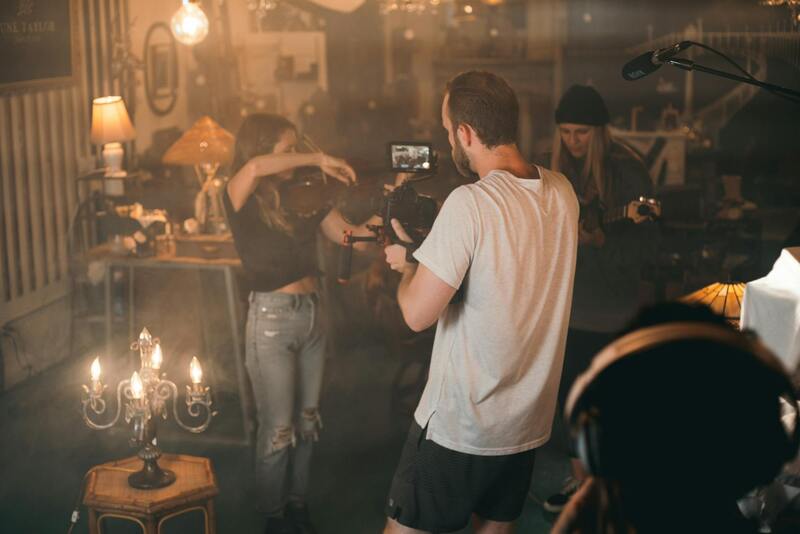
By investing in strategic planning and embracing technological advancements, real estate photographers can produce compelling visual assets that elevate property marketing. Consistency, technical skill, and a willingness to incorporate new tools define the workflow necessary to succeed in Miami’s vibrant real estate landscape. This dedication ensures that property listings stand out, attract qualified buyers, and contribute to faster sales cycles.
Pricing and Service Packages for Real Estate Photography
Understanding the investment involved in professional real estate photography is essential for property owners and real estate professionals seeking to maximize their marketing efforts. Service providers typically offer various packages tailored to meet diverse needs, from basic photo shoots to comprehensive marketing solutions that include virtual tours, drone footage, and 3D imaging. Pricing structures can vary based on several factors, including the size and complexity of the property, the number of images required, and the level of post-production editing involved. For smaller or residential properties, packages usually encompass a set number of high-resolution images captured from multiple angles, ensuring that every key feature of the property is showcased. For larger estates or commercial spaces, the cost may increase proportionally, reflecting the additional time, equipment, and effort needed. Drone videos and aerial photography are often billed separately or included in premium service tiers, providing breathtaking views that help properties stand out in saturated markets. Service providers may also offer add-on options such as twilight photography, virtual staging, or immersive virtual tours. These enhancements can significantly boost online engagement and attract more potential buyers by offering dynamic, attractive visuals. It is advisable to request detailed quotes from multiple providers to compare what each package includes and to assess which services align best with your marketing strategy. Clear communication about your expectations and specific property details helps ensure that the photographer can deliver results that meet your standards. Additionally, some providers offer package discounts for multiple properties or ongoing partnership arrangements, making regular professional photography sessions more cost-effective. When selecting a package, consider not only the immediate expenses but also how the visual content will contribute to faster sales cycles and higher listing visibility. Investing in high-quality visual content is a strategic decision that can lead to substantial returns, especially in a competitive market like Miami. By choosing the right package, you ensure that your property presentation aligns with current digital marketing standards, capturing the attention of serious buyers and facilitating a swift transaction.
Enhanced Marketing Strategies with High-Quality Real Estate Photography
Maximizing the appeal of a property requires more than just listing basic details; it hinges significantly on visually compelling imagery that captures the property’s unique features and ambiance. Professional real estate photographers employ advanced techniques to produce images that evoke emotion, highlight key selling points, and create a memorable visual narrative. These high-caliber images serve as powerful tools in digital marketing campaigns, attracting prospective buyers and reducing time on market.
The value of professional photography extends beyond surface aesthetics. It encompasses technical mastery, including the use of optimal lighting, strategic angles, and post-processing skills that enhance color balance, sharpness, and overall image clarity. Mastery of these elements ensures that each photograph presents the property in the best possible light, both figuratively and literally. This approach not only elevates the property’s visual appeal but also establishes credibility and trustworthiness in listing presentations.
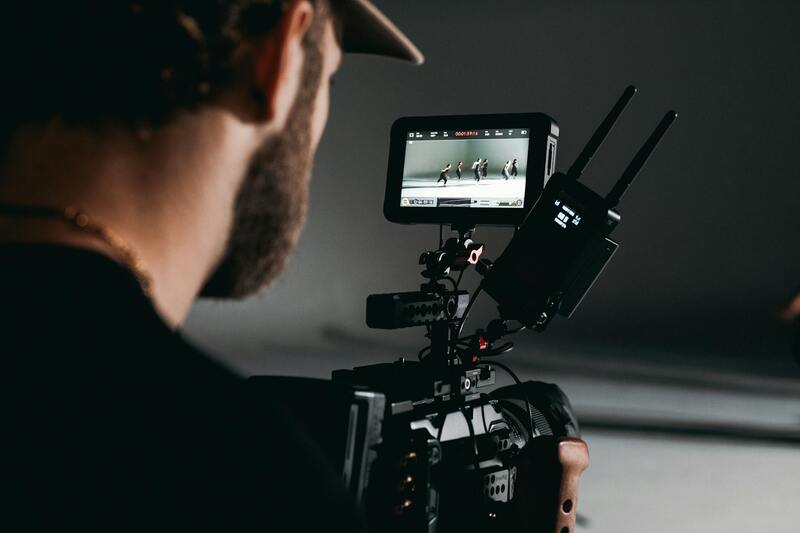
In addition, professional photographers often incorporate techniques such as HDR (High Dynamic Range) imaging and strategic staging to balance light levels and emphasize architectural details. A well-executed photograph can make spatial features appear more inviting and create a sense of depth, encouraging viewers to envision themselves within the space. This visual storytelling is vital in standing out amid the myriad listings online and in print media.
Key Factors in Professional Real Estate Photography
- Lighting Control: Using natural light alongside professional equipment to avoid shadows and highlight textures.
- Wide-Angle Lenses: Capturing expansive views of rooms to give viewers a comprehensive perspective of the space.
- Staging and Composition: Arranging furniture and decor positions to accentuate the property's strengths while minimizing flaws.
- Post-Processing: Applying editing techniques to enhance images without misrepresenting the property's actual appearance.
The Impact of Professional Photography on Market Performance
Well-executed visual content has a direct influence on online engagement metrics, such as click-through rates and time spent viewing a listing. Properties showcased with professional imagery tend to generate more interest, effectively drawing in motivated buyers and experienced agents alike. Consequently, listings with superior visual presentation often experience reduced days on market and increased offers, reflecting a clear return on investment in professional photography services.
Moreover, consistent use of high-quality imagery across multiple channels supports brand reputation and demonstrates a commitment to excellence that clients recognize and appreciate. For real estate professionals aiming for a competitive edge, pairing strategic marketing efforts with professional visual content stands as an essential component of successful property promotion in the Miami market and beyond.