
Understanding the Importance of Real Estate Photoshoots
In the competitive Miami real estate market, the visual presentation of a property can make a significant difference in capturing interest and closing deals. High-quality real estate photos serve as the first impression for potential buyers browsing online listings. Well-executed photos can highlight the unique features of a property, showcase its spaciousness, and create an inviting atmosphere that resonates with prospective buyers.
Effective real estate photography is more than simple snapshots; it combines technical skill, artistic sense, and a thorough understanding of the property’s appeal. Professional photos can reduce the amount of time a property spends on the market by attracting serious buyers early in the process.
In Miami’s vibrant market, where luxury properties and unique architectural styles are commonplace, professional photos help differentiate a listing from others. They emphasize the property’s best aspects—such as stunning waterfront views, modern interiors, or spacious outdoor living areas—making the listings more compelling.
Moreover, high-quality images establish trust and credibility. Buyers are more likely to regard listings with professional photography as well-maintained and thoughtfully presented. Given the influence of visuals in online property searches, investing in a dedicated real estate photoshoot can significantly enhance marketing efforts and improve overall sales outcomes.
The visual content generated during a professional photoshoot becomes the foundation for various marketing channels, including listing websites, social media, and digital advertisements. As such, the quality of these images directly correlates with buyer engagement and the perceived value of the property.
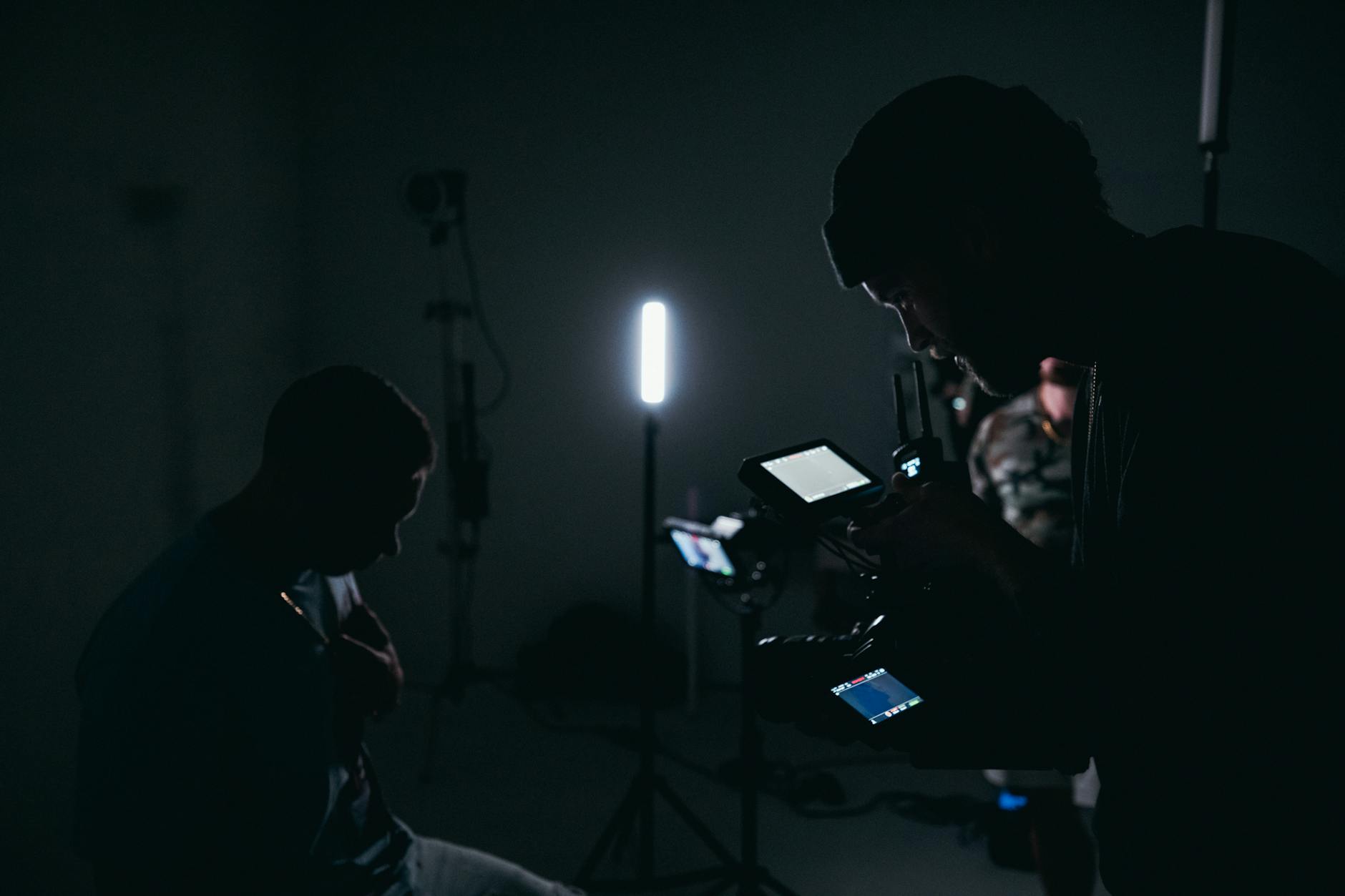
Pre-Photoshoot Preparation and Planning
To achieve the best possible results during a real estate photoshoot, meticulous preparation of the property is essential. This process involves a comprehensive assessment of the space to identify and accentuate its strengths while addressing any elements that might detract from its appeal. Proper staging plays a vital role, which entails arranging furniture and decor in a way that highlights the property's best features without cluttering the space. Neutral and inviting decor combinations often help potential buyers envision themselves living in the home, making the property more appealing.
Cleaning is another crucial aspect. Thoroughly cleaning each room ensures surfaces shine and pathways are unobstructed. This includes deep cleaning carpets, windows, and kitchen appliances, removing any personal items or clutter that could distract viewers. A tidy environment creates a sense of care and maintenance that resonates positively in photographs.
Scheduling the photoshoot at an optimal time of day is also important to capitalize on natural light. Typically, mornings or late afternoons offer softer, warmer lighting that enhances the ambiance of interior spaces and accentuates outdoor vistas. Coordinating with the photographer to select the right time helps in capturing the property under its best lighting conditions. Additionally, ensuring that all necessary permits or access arrangements are in place minimizes disruptions during shooting.
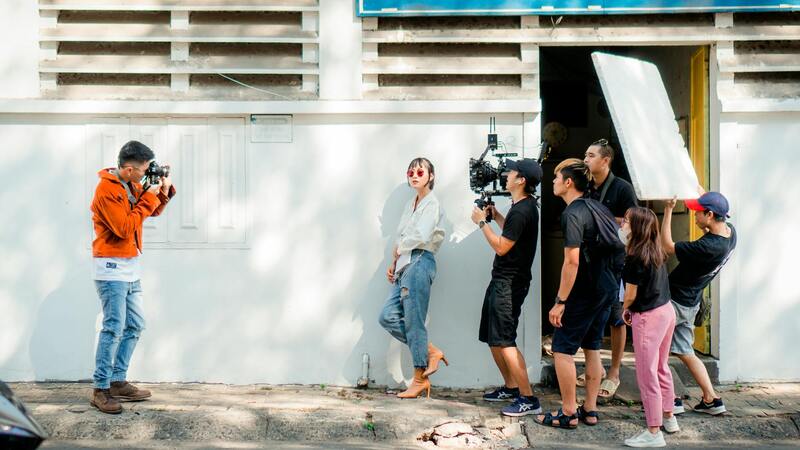
Furthermore, taking inventory of the property’s unique selling points helps in planning the shot list, ensuring key features are showcased effectively. This might include panoramic waterfront views, modern kitchen appliances, or distinctive architectural details. Advanced planning reduces shoot time and maximizes the quality of images captured.
Choosing the Right Time for Photography
Timing is fundamental to capturing stunning images that resonate with potential buyers. The goal is to take advantage of the property's favorable lighting conditions while minimizing disruptions such as harsh sunlight or shadows. In Miami’s climate, early mornings often offer gentle, consistent light that can enhance interior ambiance and outdoor vistas. Overcast days are also beneficial, providing diffuse lighting that reduces glare and minimizes shadows.
It’s recommended to coordinate with the property owners and the photography team beforehand, considering weather forecasts to avoid overcast or rainy days that might mar the shot quality. Additionally, scheduling during weekdays can sometimes reduce crowd presence, creating a more serene environment for filming.

Proper timing allows the photographer to harness natural light effectively, which is essential in showcasing the property's true appeal. By carefully selecting the time window, agents and owners can ensure that every photograph contributes positively toward marketing efforts, increasing visibility and attracting serious inquiries.
Photographic Techniques and Equipment
Executing a high-quality real estate photoshoot requires a combination of advanced photographic techniques and professional equipment. The use of wide-angle lenses is essential to capture expansive interior spaces and give potential buyers a more comprehensive view of each room. These lenses help portray the room’s size and layout accurately, creating an inviting sense of openness.
Tripods are crucial for stabilizing cameras during longer exposures, especially in low-light conditions or indoor settings where natural light may be limited. This ensures sharp, distortion-free images that reflect the true ambiance of the property. For exterior shots, drones can be employed to capture aerial views, highlighting extensive landscapes, backyard amenities, or waterfront access that add significant appeal.
Proper lighting equipment, such as external flashes, reflectors, or softboxes, can dramatically enhance image quality by balancing interior illumination and reducing shadows. Post-processing software plays a key role in fine-tuning color accuracy, brightness, contrast, and overall image clarity to produce visually striking images that stand out in the competitive Miami real estate market.

Highlighting Key Property Features
Effective real estate photos emphasize the most attractive aspects of a property, capturing details that resonate with prospective buyers. This includes showcasing spacious living areas, high-end finishes, custom architectural elements, and scenic outdoor views. Strategic angles and perspectives are used to accentuate room proportions, natural lighting, and special features such as fireplaces, panoramic windows, or designer kitchens.
Highlighting outdoor spaces, such as landscaped gardens, swimming pools, or inviting patios, can significantly boost the property's appeal. The goal is to craft a visual narrative that communicates lifestyle possibilities and the property's full potential, encouraging viewers to envision living there.
In Miami’s diverse real estate landscape, focusing on distinctive elements like ocean views, rooftop decks, or contemporary architectural details can differentiate a listing from the competition, thereby attracting serious interest.

Post-Production and Image Editing
Once the photoshoot concludes, high-quality editing is essential to maximize the visual impact of the images. Adjustments in exposure, white balance, and sharpness refine the overall look, ensuring images are bright, vivid, and true to life. Minimal retouching can correct for lens distortions, shadows, or reflections, enhancing the clarity of interior spaces and exterior vistas.
Consistency in color tone and brightness across a series of images helps maintain a professional and cohesive presentation. Advanced editing also allows for the removal of minor imperfections or distractions, such as clutter or extraneous objects, to better showcase the property's best aspects. This polished presentation enhances online listings, brochures, and digital marketing materials, drawing in prospective buyers effectively.

Delivery and Use of Real Estate Photos
The timely delivery of high-resolution images facilitates seamless integration into marketing campaigns. Photos should be optimized for various online platforms by balancing quality and loading speeds—allowing potential buyers to view compelling visuals without delays. Properly formatted images maintain their quality across devices, from desktops to smartphones.
Photographers typically provide image files in formats like JPEG or TIFF, accompanied by metadata that supports listing accuracy and search engine optimization. These images can be used across multiple channels, including property websites, social media platforms, and printed marketing materials, to maximize reach and attract qualified inquiries. Consistent and strategic use of high-quality visuals significantly enhances the property's visibility and perceived value.
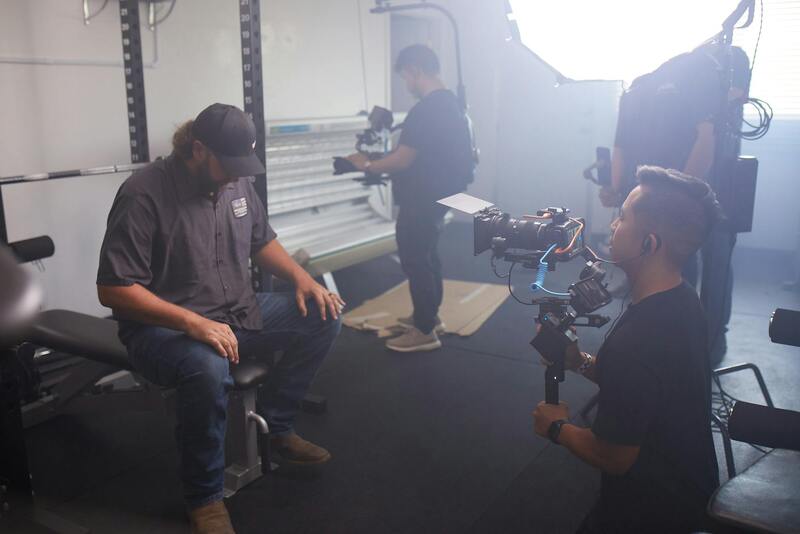
Maximizing Property Highlights Through Strategic Composition
Effectively showcasing a property's unique features begins with strategic composition techniques that emphasize its strengths while minimizing less appealing aspects. When capturing images, first identify the most attractive elements—whether it's a stunning view, modern kitchen, or inviting outdoor space—and frame them to dominate the shot. A balanced composition guides potential buyers’ eyes through the space naturally, highlighting the property's best angles and dimensions.
Utilizing techniques such as the rule of thirds can add visual interest, making each shot more engaging and aesthetically pleasing. Proper alignment of architectural details, furniture, and natural light enhances depth and perspective, creating images that feel both inviting and authentic. Depth of field also plays a vital role; a clear foreground complemented by a softly blurred background can focus attention precisely on the feature you want to showcase.
In addition to composition, the use of panning and controlled camera movements can bring a sense of movement and scale to interior shots, providing viewers with a more immersive experience. Wide-angle lenses are preferred for capturing spaciousness in both interiors and exteriors, but it’s essential to avoid distortion by adjusting the focal length appropriately. For properties with expansive or unique outdoor landscapes, drone photography offers an aerial perspective that can dramatically amplify the property's visual appeal.

Lighting remains a critical element in capturing high-quality images. Natural light helps create warm, welcoming images, especially during the golden hour—early morning or late afternoon when sunlight is soft and diffused. For interiors, strategic use of supplementary lighting—such as softboxes or reflectors—can eliminate shadows and highlight textures and colors accurately. Proper lighting ensures that each space appears spacious, clean, and appealing, ultimately influencing a buyer’s emotional response to the property.
Finally, maintaining consistency in styling and staging throughout the shoot ensures a cohesive visual story. This includes arranging furniture neatly, removing clutter, and coordinating decor accents with the overall aesthetic. Attention to detail during composition and lighting sets the foundation for compelling images that effectively communicate the property's value and allure.
Highlighting Key Property Features
When conducting a real estate photoshoot, the emphasis on key property features is essential in creating compelling visual narratives that attract potential buyers. A meticulous approach to capturing these elements involves a strategic selection of angles, lighting, and staging to showcase each feature's unique appeal. Interior details such as custom moldings, upscale appliances, intricate architectural elements, and spacious layouts are focal points that should be captured with clarity and precision. Best practices include wide-angle shots to convey the sense of space, close-up images to highlight textures and craftsmanship, and compelling composition that accentuates the property's strengths.
Exterior views, including landscaped gardens, attractive facades, and outdoor living areas, deserve equal attention. Elevating the visual impact of these features involves using drones for aerial perspectives, which provide sweeping views of the property in its environment. When shooting outdoor features, considering the position of the sun is critical to avoid harsh shadows that diminish detail or create unflattering reflections. Proper timing ensures optimal natural lighting, which enhances the property's visual appeal and authentically portrays its best attributes.

Staging also plays a vital role in highlighting key features effectively. Decluttering spaces and arranging furniture to showcase flow and functionality helps create inviting images that resonate with viewers. Highlighting distinctive features like fireplaces, panoramic windows, or outdoor kitchens with strategic angles and lighting makes these elements stand out, encouraging potential buyers to envision living in the space.
Post-Production and Image Editing
Post-production is a critical phase in transforming raw images into polished marketing tools. Utilizing professional editing software allows for the correction of minor imperfections such as color inconsistencies, shadows, or lens distortions. Adjusting brightness, contrast, and saturation can enhance the overall ambiance without misrepresenting the actual property. Skilled editing maintains authenticity while ensuring that images are vibrant and inviting.
Retouching might also involve removing distractions like personal items, signs of wear, or excess clutter. When executed thoughtfully, post-production elevates the quality of images, ensuring they align with high standards of professionalism. Consistency across all visuals is key, as it reinforces branding and presents a cohesive look that appeals to discerning clients.
Delivery and Use of Real Estate Photos
Once editing is complete, delivering images in appropriate formats and resolutions ensures they are ready for various marketing channels. High-resolution images are essential for print advertisements and large online displays, while optimized versions are suitable for web use to minimize load times without sacrificing visual clarity. Properly formatted images support digital platforms, virtual tours, and social media campaigns, expanding the property's reach.

It’s equally important to establish consistent image sequencing and incorporate a variety of shots — including wide-angle vistas, detailed close-ups, and lifestyle images that help buyers imagine living in the property. An organized, professional presentation of images enhances user experience, fosters engagement, and ultimately accelerates the sale process.
Working with a Miami Production Agency
Partnering with a seasoned Miami-based production agency ensures access to professional expertise, advanced equipment, and creative insight that elevates the quality of real estate photoshoots. Agencies familiar with the Miami market understand the unique architectural styles and aesthetic preferences that appeal to local and international buyers. From planning the shoot to post-production, a reliable agency offers comprehensive support to showcase properties at their best.
Their industry knowledge extends to optimizing images for different platforms, ensuring the property's visual assets align with marketing strategies. Collaborating with professionals in the Miami area provides tailored solutions that reflect current market trends and regional nuances, ultimately amplifying the property's attractiveness and marketability.
Highlighting Key Property Features
Effectively showcasing the defining features of a property is crucial in a real estate photoshoot. High-quality visuals should be strategically composed to emphasize both the grandeur and unique details of the home. For instance, capturing spacious living areas, modern kitchen appliances, luxurious bathrooms, and breathtaking views can significantly influence a viewer’s interest.
To achieve this, photographers use various techniques such as perspective control, proper lighting, and careful staging. Wide-angle lenses are employed to give a sense of space, while focal points are highlighted to draw attention to special features like custom built-ins, decorative moldings, or panoramic windows. Ensuring that each key feature is well-lit and in sharp focus helps prospective buyers appreciate the property's outstanding qualities without any visual ambiguity.

Strategic Composition and Lighting
Optimal composition involves framing shots to balance elements within the scene, creating an inviting atmosphere that invites viewers into the space. Lighting plays an equally vital role—using natural light whenever available minimizes shadows and accentuates true colors. When natural light is insufficient, professional supplemental lighting is utilized to fill shadows and ensure consistent exposure throughout the images.
Photographers often take multiple exposures at different settings to later combine for enhanced clarity and dynamic range. This method ensures that both brightly lit areas and shadowed zones retain detail, delivering images that accurately represent the property’s appearance under various lighting conditions.
Creating a Cohesive Visual Narrative
Beyond technical execution, the goal is to craft a visual story that guides viewers seamlessly through the property. This involves sequencing images to flow logically from room to room, capturing the essence of the property’s layout and lifestyle potential. Complementary shots such as outdoor living spaces, landscaped gardens, or community amenities further enrich this narrative, underscoring the property's overall appeal.
Utilizing Lifestyle and Contextual Shots
In addition to showcasing physical spaces, incorporating lifestyle imagery helps prospective buyers envision themselves living in the home. Shots of family gatherings in the living room, relaxing in the backyard, or enjoying the neighborhood setting can evoke emotional responses, fostering a connection that motivates inquiries and viewings.
Understanding the Importance of Real Estate Photoshoots
High-quality real estate photography has become an essential element in today’s competitive property market. It serves as the visual first impression for potential buyers and renters, capturing the unique features of a property while emphasizing its best qualities. An expertly executed photoshoot not only enhances the property's visual appeal but also plays a crucial role in differentiating it from similar listings. When prospective clients browse online listings, compelling images can significantly influence their decision-making process, encouraging them to schedule viewings or make offers.
Enhancing Property Perception and Value
Professional photos elevate the perceived value of a property by highlighting its strengths and minimizing any shortcomings. Clear, bright, and well-composed images can create a sense of space and light, making even modest properties appear more inviting and spacious. This perceptual boost helps in attracting a broader audience, including serious buyers and investors, who often rely solely on visual materials during initial screening.
Maximizing Online Engagement and Reach
In an era where most property searches occur online, visually appealing photos are vital for maximizing engagement. High-resolution images that accurately represent the property's ambiance and layout can lead to increased clicks, shares, and inquiries. Listings accompanied by professional photos tend to generate higher traffic and faster sales, as they provide an authentic preview that builds trust and interest among prospective buyers. Additionally, quality images are more likely to perform well across social media platforms and marketing campaigns, expanding a property's exposure further.
Building Credibility and Trust
Professional photography demonstrates a commitment to quality and transparency, fostering trust between the seller and potential buyers. When clients see that a property has been carefully presented through expert imagery, it signals attention to detail and care. This perception of professionalism can lead to stronger engagement and a more favorable impression of the property, ultimately facilitating quicker sales processes and better return on investment.
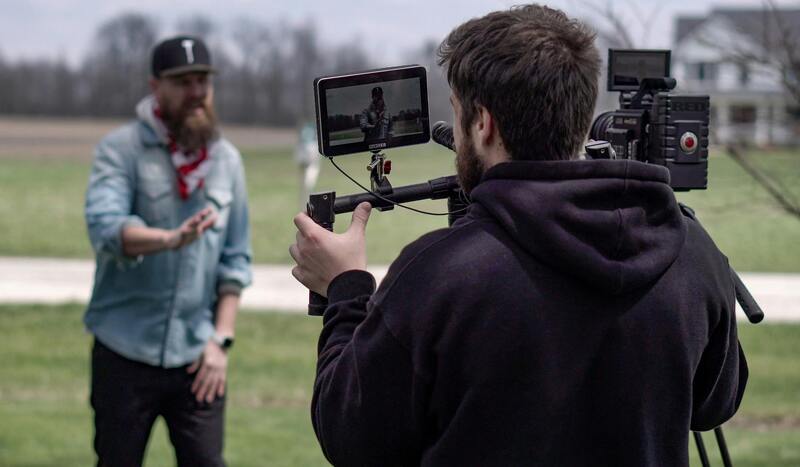
Understanding these key benefits underscores the importance of investing in a comprehensive real estate photoshoot. From showcasing the property’s best features to attracting broader audience attention, professional photography is an indispensable component of an effective property marketing strategy.
Ensuring Consistency and Professionalism
In addition to visual appeal, a well-executed photoshoot ensures consistency across all images, creating a cohesive and professional presentation. Consistent lighting, angles, and framing contribute to a smooth visual narrative that guides viewers through the space logically and appealingly. This uniformity prevents visual distractions and maintains the viewer’s focus on the property’s key features, ultimately reinforcing its desirability.
Finalizing the Real Estate Photoshoot: Quality Assurance and Proper Utilization
After capturing the images, the next critical step involves ensuring their quality and preparing them for optimal use in marketing efforts. High-resolution images should be reviewed meticulously to confirm that they accurately represent the property’s features, lighting conditions, and overall ambiance. It is essential to examine each shot for clarity, exposure, glare, and distortion, making sure that the colors are true to life and that each element is sharp and well-composed.
Engaging with professional post-production editing services can elevate the visual appeal of the images. This process includes adjustments to brightness, contrast, and color balance to enhance the natural beauty of the property. Minor retouching can also be performed to remove distractions such as dust or imperfections, ensuring that every image adheres to maintaining authenticity while showcasing the property in its best light.

Proper naming conventions, compression, and formatting of images are vital to optimize website loading speeds without sacrificing quality. These technical considerations influence the user experience and search engine ranking, making them an integral part of the final stage of the photoshoot process.
Effective Strategies for Image Delivery and Integration
- Structured Delivery: Deliver images in an organized manner, categorizing them based on room types and exterior views to facilitate smooth integration into various marketing platforms.
- Multiple Formats: Provide images in multiple resolutions and formats suitable for different uses, such as social media, online listings, and printed materials.
- Consistent Branding: Incorporate branding elements subtly, such as watermarks or logos, to reinforce the marketing identity and protect intellectual property.
- Platform Compatibility: Confirm that images meet the specifications of popular real estate listing sites, ensuring optimal display quality and visibility.
Seamless Usage in Marketing Campaigns
High-quality real estate photos serve as the foundation for diverse marketing strategies. Whether utilized on property websites, social media platforms, virtual tours, or print brochures, these images communicate the property's value attractively and professionally. Consistent visual storytelling can significantly increase engagement, attract qualified buyers, and accelerate the selling process.
It is important that all images are integrated cohesively within the overall branding and marketing narrative. Clear, well-lit, and professionally edited images foster trust and perceived value, which are crucial in a competitive market environment. Marketing campaigns should also leverage strategic image placement and compelling captions to maximize impact and reach.

By adhering to these best practices in the final stages of a real estate photoshoot, professionals ensure that the property’s visual presentation aligns with market standards and audience expectations. This comprehensive approach not only highlights the property’s best features but also facilitates broader engagement, ultimately leading to faster, more profitable sales. Attention to detail in post-processing and strategic deployment of the images are key components of a successful real estate marketing strategy.