
Introduction to 3d Photos in Real Estate
In the rapidly evolving landscape of real estate marketing, immersive visual content has become essential for attracting potential buyers and providing a comprehensive view of properties. Among these innovative tools, 3d photos stand out as a transformative technology that offers detailed, interactive representations of real estate assets. Unlike traditional 2D images, 3d photos enable viewers to virtually explore a property from multiple angles, fostering a more engaging and informative experience. This is especially crucial in competitive markets such as Miami, where properties often appeal to out-of-town buyers seeking a virtual tour before committing to an in-person visit.
3d photography utilizes advanced imaging hardware and software to capture the spatial features of a property, creating a digital model that can be navigated with ease. The process involves capturing multiple photographs from different perspectives, which are then stitched together to generate a cohesive three-dimensional view. These visuals can be integrated into online listings, virtual tours, and marketing materials, providing a dynamic and realistic presentation that surpasses traditional photos. The growing adoption of 3d photos aligns with changing consumer expectations for digital interaction, making them an essential component of modern real estate marketing in Miami.
Furthermore, 3d visualizations serve as powerful tools for highlighting a property's unique features, such as spacious interiors, architectural details, and outdoor amenities. They facilitate remote property evaluation, allowing potential buyers to assess living spaces without physically visiting the site. This capability not only broadens the reach of listings but also accelerates decision-making processes for buyers and agents alike, ensuring quicker sales cycles in a competitive market.
Creating 3d Photos for Real Estate in Miami
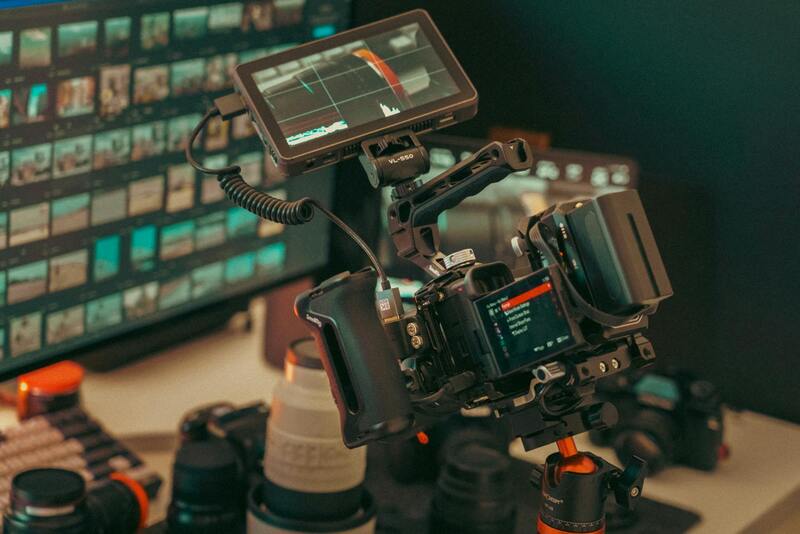
Developing high-quality 3d photos for real estate involves a detailed and methodical process that combines specialized hardware, software, and precise technique. The first step is capturing the property’s interior and exterior from multiple angles using 360-degree cameras or professional-grade scanners. These devices are designed to gather comprehensive spatial data, ensuring that every corner, feature, and architectural detail is accurately documented. The process typically takes place during optimal lighting conditions to maximize clarity and color accuracy.
After the initial captures, the data is imported into sophisticated processing software capable of stitching images seamlessly to create a cohesive three-dimensional model. This software performs complex alignment, calibration, and rendering processes to produce an immersive visual experience. The result is a digital replica of the property that allows viewers to explore spaces interactively, adjusting viewing angles, zooming in on details, and navigating through different rooms or outdoor areas.
Ensuring the quality of the final 3d model requires attention to detail during post-processing. This includes refining textures, balancing lighting, and correcting any distortions or artifacts that may have occurred during capture. Some projects may also involve adding virtual furniture, fixtures, or landscaping elements to enhance visualization and help buyers envision themselves living in the space.
Utilizing specialized platforms and tools, real estate professionals can embed these 3d models into their online listings or create virtual tours. These integrations enhance the property’s presentation, providing potential buyers with an interactive experience that mirrors a physical walkthrough. The efficiency of this process enables agents in Miami to showcase multiple listings rapidly, maintaining a competitive edge in a fast-paced market.
Creating 3D Photos for Real Estate in Miami
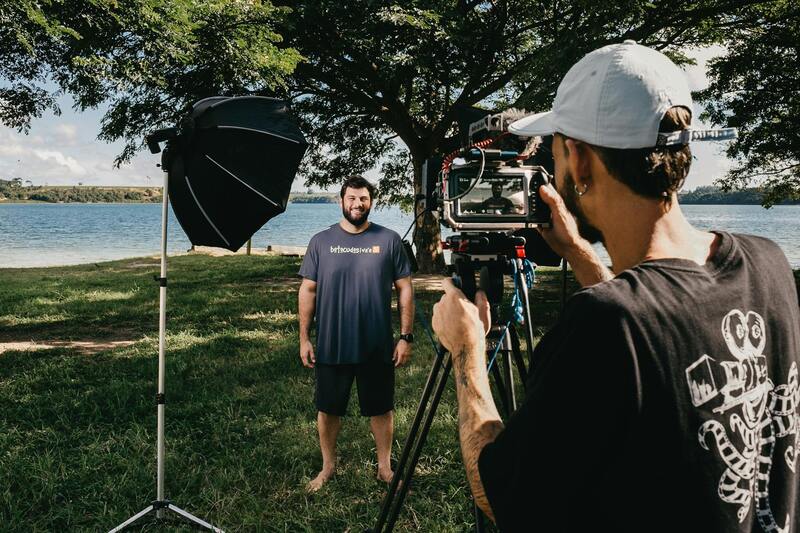
Developing high-quality 3D photos tailored for the Miami real estate market involves a meticulous process that leverages cutting-edge technology and industry best practices. To start, professionals utilize specialized 3D cameras and laser scanning devices capable of capturing detailed spatial data. These devices create pinpoint accurate representations of interior and exterior spaces, ensuring no detail is overlooked. The data collected is then imported into advanced processing software, which synthesizes the images into an interactive 3D model.
In Miami’s vibrant real estate scene, emphasizing detailed visualization is crucial for standing out. Real estate agents, developers, and photographers work collaboratively to plan the shoot, selecting optimal times of day to maximize natural lighting and highlight unique architectural features. During the capture process, attention is paid to camera angles, exposure settings, and coverage to guarantee comprehensive and visually appealing models.
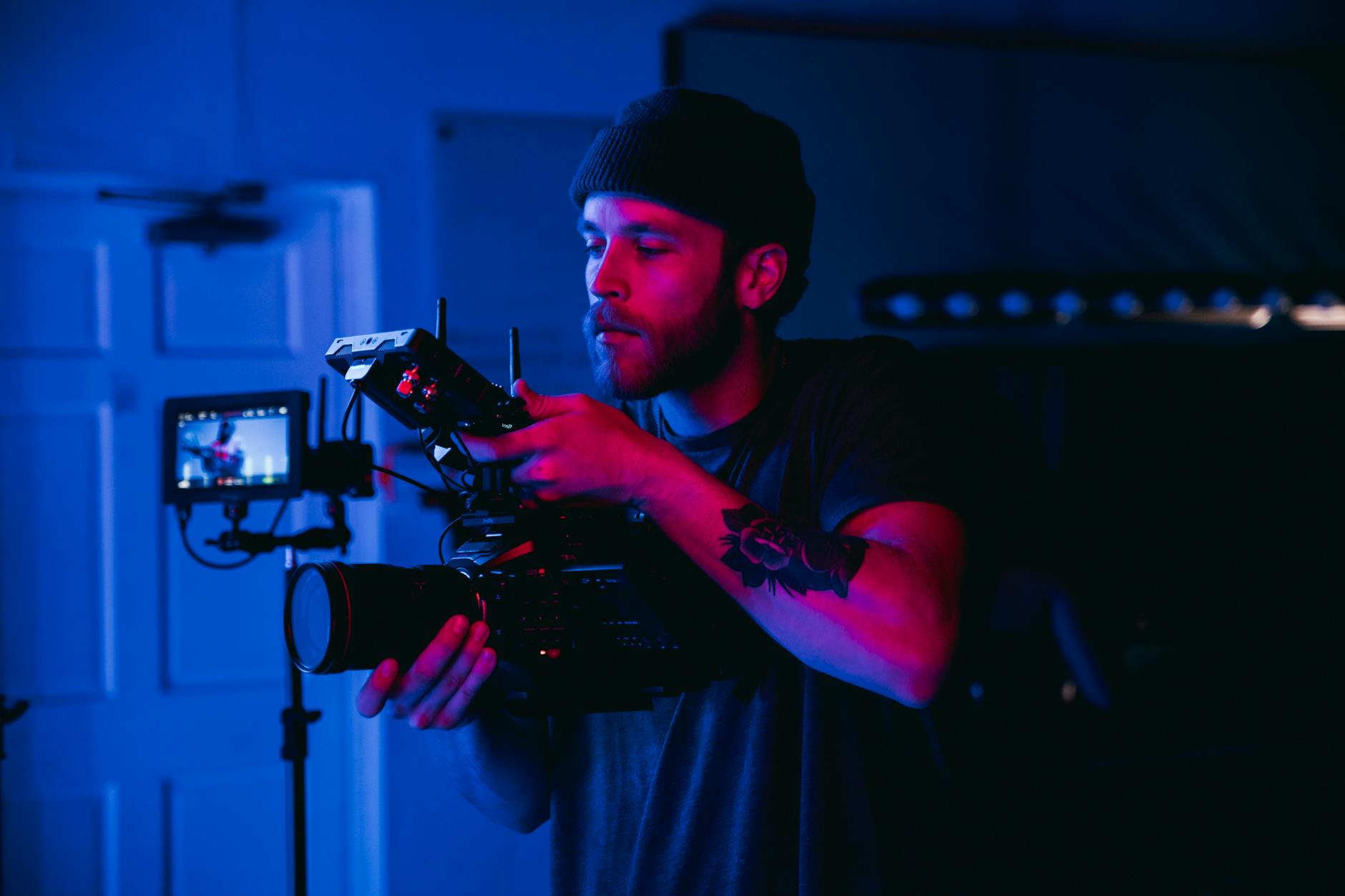
After capturing, the raw data undergoes rigorous processing. This step involves aligning multiple images and scans precisely while correcting distortions caused by lighting conditions or reflective surfaces. Texture mapping and color calibration are refined to produce realistic representations of walls, floors, furniture, and exterior elements. Additional virtual enhancements, such as furniture or landscaping, may be incorporated to help potential buyers visualize living or working in the space.
The final stage involves exporting these well-optimized models into compatible platforms used for online listings or virtual tours. The models are embedded into property websites, enabling prospective buyers to engage with immersive experiences directly from their devices. This seamless integration allows agents to showcase properties efficiently, providing clients with detailed, interactive previews that simulate physical visits.
As Miami’s real estate market constantly evolves, employing this comprehensive approach to 3D photo creation ensures that listings are not only visually compelling but also precisely representative of each property’s unique character. Utilizing specialized hardware and software, professionals ensure consistent quality and accuracy, which significantly enhances marketing efforts and helps close deals faster.
Creating 3d Photos for Real Estate in Miami
Producing high-quality 3D photographs for Miami real estate involves a combination of advanced equipment, specialized software, and industry-specific best practices. The process begins with capturing detailed spatial data using cutting-edge scanning and imaging devices such as laser scanners, DSLR cameras, and 360-degree imaging cameras. These tools ensure that every property detail—from architectural features to interior furnishings—is accurately documented.
The unique environmental factors prevalent in Miami, like ample natural light, reflective surfaces, and diverse architectural styles, necessitate tailored approaches during the shooting process. Professionals often employ HDR (High Dynamic Range) imaging techniques to manage high-contrast lighting conditions common in Miami's sunny climate, ensuring balanced exposure in the final visuals.
Once data collection is complete, the next step involves processing this raw footage with sophisticated software solutions capable of generating precise 3D models. These platforms facilitate aligning multiple scans, correcting distortions, and applying texture mapping techniques to enhance realism. Texture mapping involves overlaying high-resolution images onto 3D surfaces to accurately represent wall finishes, flooring materials, furniture, and exterior landscaping.
Additional virtual staging or landscaping can be integrated during the post-processing phase, helping potential buyers to visualize furnished rooms or refreshed outdoor spaces effectively. When finalizing the project, the models are optimized for various platforms—whether for embedding into property websites for online listings or for creating engaging virtual tours.

Legal and Ethical Considerations
Implementing 3D photography in Miami’s real estate industry demands a meticulous approach that respects intellectual property rights and the accuracy of visual representations. Ensuring that the 3D images are created using authorized equipment and software, and that all architectural elements are depicted truthfully, sustains transparency and professionalism. Proper attribution is essential when third-party models, furniture, or landscaping elements are incorporated into virtual staging or visualization, adhering to licensing agreements and usage rights.
Furthermore, the integration of 3D photos must align with the oversight of property disclosures and marketing standards established within Miami’s real estate practices. Using high-fidelity 3D images that correctly reflect the property's condition, size, and features helps maintain trust with prospective buyers, eliminating misunderstandings or misrepresentations that could impact transaction credibility.
To uphold these principles, real estate professionals should document the creation process, including the sources of all digital assets used in rendering, and ensure that all virtual representations comply with regional advertising guidelines. Regular review and updating of 3D content are recommended to affirm ongoing accuracy, especially after property modifications or renovations.
In addition, transparency about the methods used for capturing and producing 3D photographs enhances consumer confidence. Clearly communicating that these images are digital representations, not real-time photographs, helps set appropriate expectations for prospective buyers and renters.
By maintaining high standards of integrity and operational diligence, Miami's real estate professionals can leverage 3D models ethically and responsibly, fostering credibility and safeguarding their reputation within a competitive marketplace.

Legal and Ethical Considerations
When utilizing 3D photos for real estate, it is essential to adhere to established standards that ensure the authenticity and accuracy of the visual content. Accurate representation of a property not only fosters trust but also aligns with the professional responsibilities of real estate practitioners in Miami. This involves meticulous documentation of the imaging process, including details about the equipment used, the scope of the virtual tour, and the post-production edits undertaken.
Obtaining proper permissions before capturing 3D images of a property ensures that all rights are respected, particularly when images include shared communal spaces or other properties. This reduces the risk of disputes arising from unauthorized imagery or misrepresentation. Clear communication with property owners about what the 3D photos will depict and how they will be used forms a critical part of ethical marketing protocols.
Privacy remains a critical component in the deployment of 3D visualization tools. Care must be taken to avoid capturing personal items or private areas that were not intended for public viewing. This means planning the capture process to exclude sensitive regions and obtaining explicit consent from property owners if any personal or private content might inadvertently appear in the virtual visuals.

Furthermore, transparency about the processes involved in creating 3D images enhances buyer confidence. Disclosing that virtual tours are generated through specialized imaging software, rather than real-time photographs, helps set realistic expectations for prospective clients. Educating buyers and renters about the nature of 3D visuals fosters honest interactions and reduces misunderstandings during property negotiations.
Maintaining high ethical standards in 3D property visualization also involves regular updates and reviews of the imagery to reflect any changes in the property. This ongoing diligence guarantees that potential buyers are viewing the most current and accurate representations available, strengthening the credibility of the listing.
Legal and Ethical Considerations for 3D Photos in Real Estate
While leveraging 3D photography enhances property marketing in Miami's competitive real estate market, it is crucial to adhere to established practices that uphold transparency and respect for privacy. Ensuring that all visual content accurately reflects the property's current state not only maintains professional integrity but also fosters trust with prospective buyers and renters.
One key aspect is obtaining explicit permission from property owners prior to capturing 3D images. This involves informing them about the scope of the visualization, the technologies used, and how these images will be incorporated into marketing campaigns. Clear communication helps align expectations and safeguards against potential misunderstandings or disagreements.
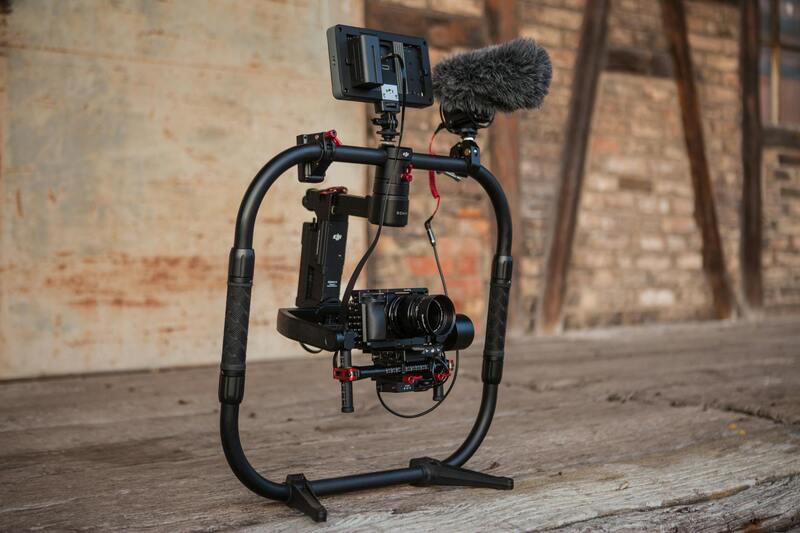
Additionally, attention must be paid to avoiding the inclusion of private or sensitive areas within the visual capture. This requires meticulous planning and control over the imaging process, ensuring that personal belongings or private spaces are not inadvertently displayed in virtual tours. When in doubt, disclosing any elements that may be perceived as sensitive is a best practice, reinforcing transparency with prospective clients.
Maintaining accuracy in 3D representations helps prevent disputes that could arise from misinterpretations of a property's layout or condition. Regular updates of visual content are essential, especially when modifications are made to the property. This practice guarantees that potential buyers view the most recent and reliable depiction, which in turn enhances the credibility of the listing.
Transparency about the technology and processes used in generating 3D photos is also important. Disclosing that virtual tours are created using advanced imaging software, rather than real-time photographs, helps set accurate expectations. Educating buyers about the nature of these visualizations—highlighting their benefits while clarifying their limitations—fosters honest interactions, ultimately enhancing the decision-making process.
Adhering to these principles not only promotes ethical marketing but also distinguishes professionals who prioritize integrity and quality in Miami’s real estate industry. By implementing these practices, stakeholders can maximize the advantages of 3D photography while maintaining high standards of professionalism and trust.
Legal and Ethical Considerations for 3D Photos in Real Estate
While 3D photography significantly enhances the presentation and marketing of properties, it is important to adhere to established professional standards that prioritize transparency, honesty, and respect for privacy. Ensuring accurate representation of a property is a cornerstone in creating trust with prospective buyers and investors. This involves meticulous attention to detail during the capture process, including verification that all depicted spaces and features genuinely reflect the current condition of the property.
Consent plays a critical role when capturing images within private or sensitive areas. Agents and photographers should confirm that all parties involved have authorized the creation and distribution of 3D visuals. Respecting the privacy of residents and avoiding the display of personal belongings or private spaces without explicit permission safeguards ethical standards.
It is essential to clearly communicate the nature of the 3D imaging process to clients. This includes explaining that these visualizations are created using high-quality imaging software designed to offer an immersive experience but are not real-time or live video feeds. Such transparency sets accurate expectations and minimizes misunderstandings.

When companies incorporate 3D photos into their marketing strategies, they should follow ethical guidelines that promote honesty and prevent misrepresentation. This includes avoiding manipulations that could alter the true appearance of a property, such as removing personal items or modifying spatial elements beyond what is feasible through digital means.
Furthermore, professionals must stay well-informed of local regulations concerning property advertising and digital representation. Compliance with these guidelines helps maintain industry standards and reinforces the integrity of the marketing process.
In summary, upholding high ethical standards when utilizing 3D photos encompasses respect for privacy, accurate depiction, transparent communication, and adherence to local practices. These principles ensure that innovative visualization techniques serve as a powerful, truthful marketing tool that benefits both sellers and buyers.