
Importance of High-Quality Real Estate Photography
In the competitive real estate market, the visual presentation of a property can significantly influence a prospective buyer’s decision. High-quality real estate photography serves as an essential tool that enhances the appeal of listings, ensuring they stand out amid numerous options. Professionally captured images accurately showcase a home’s best features, highlight its unique architectural details, and create an inviting atmosphere that resonates with potential buyers. These images not only attract attention on online platforms but also foster emotional connections, making viewers more likely to schedule viewings and inquire further about the property.
High-caliber photography directly impacts the perceived value of a property, often encouraging faster sales and potentially higher offers. Listings with clear, well-lit, and professionally composed photos tend to generate more interest, translating to increased visibility and engagement. Moreover, in today’s digital-driven real estate environment, the majority of property searches begin online, making captivating images crucial for capturing attention in a crowded marketplace. For agents and homeowners alike, investing in superior real estate photography can be the strategic edge needed to accelerate the sales process and achieve better market positioning.
Professional Images and Buyer Perception
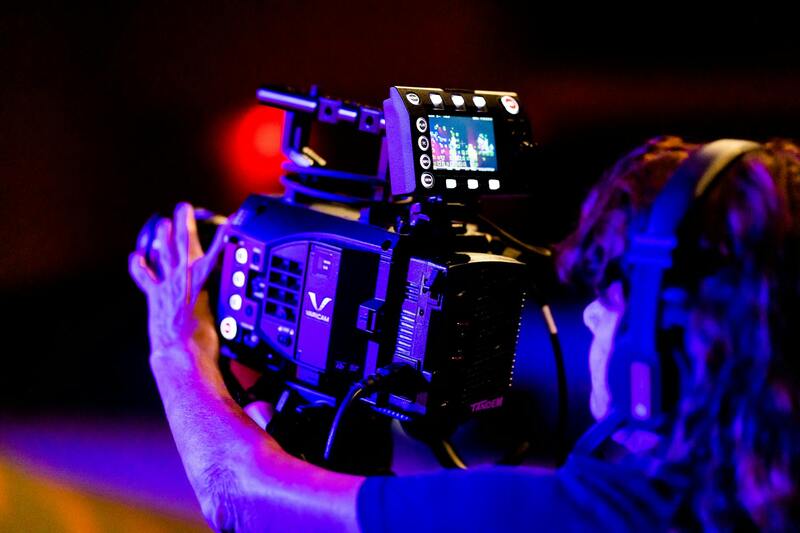
Using high-quality images influences buyers’ perceptions of a property’s value and desirability. When potential buyers see bright, crisp, and well-composed photographs, they are more inclined to view the listing as a well-maintained and desirable home. This positive impression can lead to increased interest, more inquiries, and ultimately, quicker sales. Conversely, poorly lit or amateurish photos can deter interest and diminish a property’s perceived worth, underscoring the importance of investing in expert photography services.
Enhancing Online Visibility and Engagement
Effective real estate photography maximizes online exposure by capturing attention on digital platforms where buyers conduct their property searches. Eye-catching images increase click-through rates, extend the time viewers spend on a listing, and improve its ranking in search results. High-quality photos also facilitate sharing across social media channels, expanding the reach of listings beyond traditional online portals and attracting a broader audience. All these factors contribute to a more efficient selling process and a more successful real estate marketing strategy.
Choosing the Right Equipment for Real Estate Photos
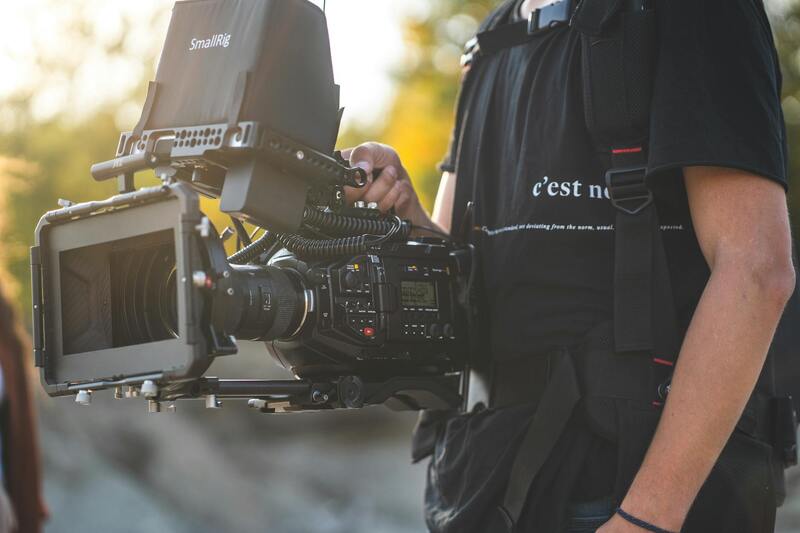
Utilizing the appropriate equipment is fundamental for capturing images that truly showcase a property’s potential. High-quality cameras with full-frame sensors are preferred, as they excel in low-light conditions and deliver sharp, detailed results. Wide-angle lenses are indispensable for real estate photography; they enable photographers to capture more of a room in a single shot, providing a comprehensive view that entices potential buyers. When selecting lenses, a range of 14mm to 24mm is ideal for interior shots, ensuring the space appears spacious and inviting.
Tripods also play a vital role in maintaining stability during shoots, especially in interior environments with varying lighting conditions. Using a sturdy tripod minimizes camera shake, resulting in crisp, clear images. Additionally, employing remote shutter releases can prevent vibrations that may occur when pressing the shutter button manually.
In recent years, camera drones have gained popularity for exterior shots, providing aerial perspectives of the property and its surroundings. This technology offers a unique vantage point that can highlight a property's size, landscaping, and proximity to amenities. Besides cameras and lenses, professional lighting equipment—including portable flashes, reflectors, and diffusers—ensures that interior spaces are evenly lit and accentuate architectural features without harsh shadows.
Investing in quality equipment translates directly into high-resolution images that communicate a property’s true appeal. It also provides flexibility to adapt to different lighting conditions and property types, ultimately leading to more compelling visuals that engage prospective buyers effectively.
Choosing the Right Equipment for Real Estate Photos
Capturing compelling real estate images begins with selecting the appropriate tools. High-resolution digital cameras form the foundation, with full-frame sensors preferred for their ability to capture detailed and vibrant images in varying lighting conditions. Complementing the camera, prime lenses with wide apertures—such as 24mm or 16-35mm lenses—allow for sharp focus and expansive field of view, essential for showcasing interior spaces and exterior views.
Additionally, using tilt-shift lenses can help correct perspective distortions, especially when photographing tall structures or interiors with vertical elements, ensuring that lines remain straight and proportionate. A sturdy tripod is another critical piece of equipment; it provides stability during long exposures, which are often required in interiors to gather enough light without introducing blur.
For capturing expansive outdoor scenes or aerial shots, camera drones equipped with high-resolution cameras are increasingly popular. They provide unique angles and perspectives that highlight a property's surrounding landscape, outdoor amenities, and overall setting. These devices must be operated with precision, adhering to safety guidelines, and using models with stabilized gimbals to produce smooth footage.
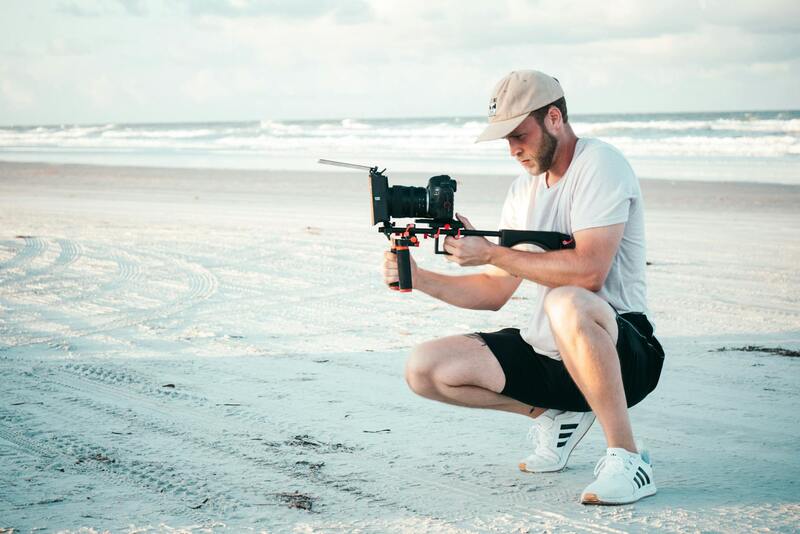
Lighting accessories are also essential to optimize image quality. Portable flashes, reflectors, and diffusers can illuminate interior spaces evenly, reduce shadows, and enhance architectural details. For exterior shots, light modifiers such as graduated ND filters help control exposure differences between the sky and ground, producing balanced and visually appealing images.
Optimizing Your Equipment for Better Results
Investment in professional-grade equipment tailored to real estate photography helps in achieving consistent results across different properties and lighting situations. Regular maintenance, calibration, and upgrades ensure that gear operates at peak performance, making a significant difference in the quality of visuals produced.
Moreover, familiarizing oneself with custom settings such as bracketing for HDR imaging, manual focus, and optimal aperture choices enhances the ability to capture detailed images that accurately represent a property's features. Coupling proper equipment with technical knowledge and experience results in a portfolio that effectively resonates with prospective clients and enhances their interest in listings.
Adopting Professional Shooting Techniques for Stunning Results
Implementing effective shooting techniques is crucial for capturing compelling real estate images that truly showcase each property's unique appeal. Proper framing involves carefully aligning the horizon and architectural elements to avoid distortions and to emphasize the property's most attractive features. Utilizing wide-angle lenses allows photographers to maximize space and make rooms appear more spacious, which is especially appealing to potential buyers. When capturing interior shots, maintaining a level camera is essential to prevent skewed lines or distorted perspectives, ensuring that the images accurately reflect the property's layout.
Managing light effectively is another key factor. Utilizing natural light during the day can highlight a property's ambiance and create inviting images. Shooting during the golden hour—shortly after sunrise or just before sunset—can produce warm, appealing tones that enhance curb appeal. For interiors, balancing natural light with artificial light sources like external flashes or studio lighting prevents overexposed windows and dark corners. Employing techniques such as bracketing — capturing multiple exposures— facilitates high dynamic range (HDR) imaging, which combines different exposure levels to ensure detailed and evenly lit photographs.
Additionally, attention to detail during the shoot, such as removing clutter, adjusting furniture placement, and ensuring all lights are functioning, significantly improves the final visual outcome. Consistent use of these methods results in cohesive, professional-quality images that effectively communicate the property's value and charm to prospective buyers.
Choosing the Right Equipment for Real Estate Photos
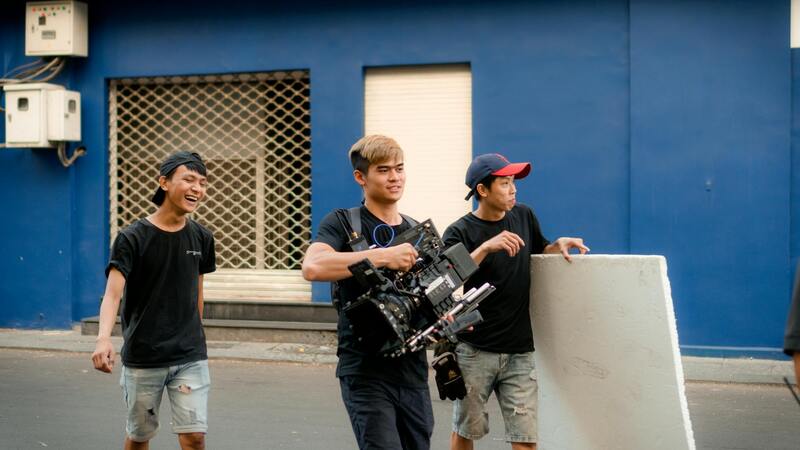
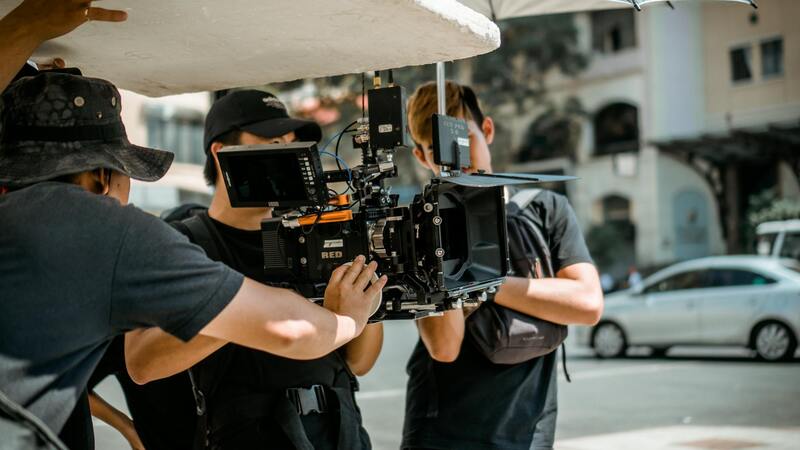
One of the foundational aspects of producing superior real estate images involves selecting the appropriate equipment. The right gear not only influences the quality of the photographs but also enhances the efficiency and consistency of the shooting process. High-resolution cameras with the capability to capture fine details are essential, especially when aiming to emphasize the texture of finishes, material quality, and intricate architectural features.
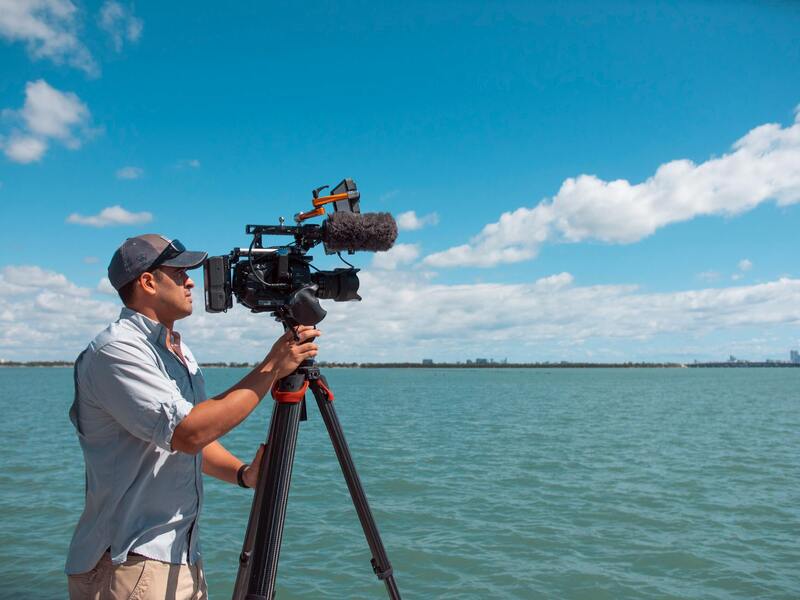
Wide-angle lenses are particularly popular because they allow for expansive shots of interiors and exteriors, making spaces appear larger and more inviting. A focal length between 10mm and 24mm on a full-frame camera strikes a balance between capturing broad views and avoiding excessive distortion. For interior shots, using a tripod is highly recommended, as it provides stability, minimizes blur, and allows for precise framing. Tripods also facilitate the use of slower shutter speeds, which can be advantageous in low-light conditions or when employing HDR techniques.
Additional equipment considerations include remote shutters or camera timers to prevent movement during exposure, and external flash units or continuous lighting to fill shadows and highlight key features without creating unnatural effects. Employing a level tool or sensor-based leveling system helps maintain straight horizons and vertical lines, avoiding skewed perspectives that detract from the professional look of images. For outdoor shots, a drone can serve as a powerful tool to capture aerial views—providing potential buyers with comprehensive visual context of the property’s surroundings.
Focus on Image Optimization and Lighting Features
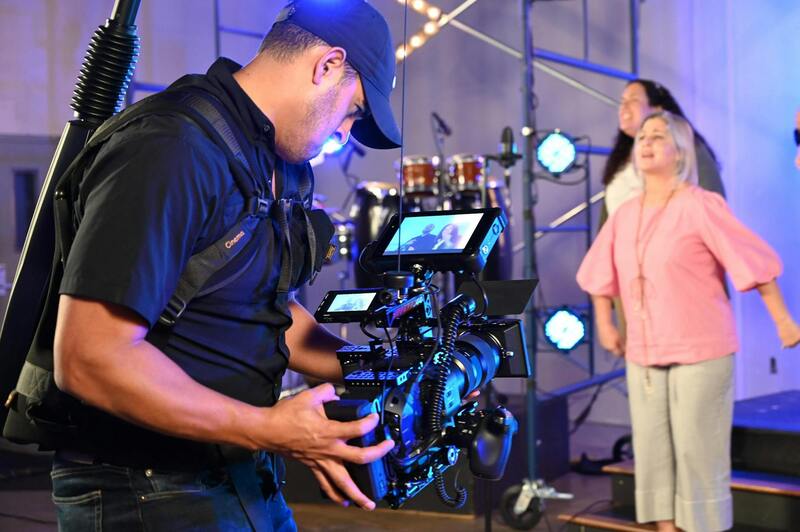
Technical specifications aside, understanding the importance of lighting and focus is crucial. Autofocus systems should be set precisely to ensure sharpness across key elements, such as architectural details, furnishings, and exterior landscapes. Maintaining a small aperture (high f-stop number) increases the depth of field, keeping more of the scene in focus, which translates to cleaner, more captivating visuals.
Adaptive lighting accessories like portable external flashes or LED panels enable photographers to manipulate light creatively and effectively. When used correctly, these tools can reveal the authentic ambiance of a space, complement natural light, and unify the visual tone across different shots. The combination of correct equipment and strategic adjustments is instrumental in showcasing a property's unique appeal, drawing potential buyers deeper into the narrative of each space.
Best Practices for Authentic and Effective Real Estate Photography
Utilizing Official Methods to Capture Accurate Property Representations
Achieving top-tier real estate photographs that accurately depict a property’s features relies on methods rooted in proven, official techniques. This ensures consistency, clarity, and a professional touch that resonates with prospective buyers. One of the fundamental approaches involves meticulous planning prior to the shoot. This includes scheduling photography during optimal lighting conditions—preferably during mid-morning or late afternoon when natural light is soft and warm, reducing harsh shadows and glare.
Proper aperture settings are essential, with a focus on maintaining a small f-stop number to increase depth of field. This technique ensures that both foreground and background elements remain in sharp focus, creating compelling visual narratives. Employing a sturdy tripod stabilizes the camera, enabling longer exposure times if necessary, which enhances image brightness and detail without introducing motion blur.

Another legitimate method involves strategic lighting adjustments. Using portable lighting tools such as external flashes or LED panels allows photographers to balance natural and artificial light, highlighting architectural details and interior features while minimizing dark corners or overexposed areas. Additionally, ensuring all interior lights are turned on and windows are unobstructed helps create a welcoming atmosphere that accurately reflects the space.
Equipment calibration plays a vital role as well. Regularly calibrating cameras, lenses, and monitors guarantees color accuracy and sharpness across images. This technical diligence ensures that listings are portrayed with fidelity, which is crucial in establishing trust with clients and attracting serious buyers.
Implementing Editing Techniques that Uphold Authenticity
Post-processing is a critical component of official real estate photography practices. Employing editing software responsibly involves enhancing images without distorting reality. Adjustments should focus on correcting exposure, correcting lens distortion, and fine-tuning white balance to reflect true colors. Cropping images carefully can improve composition, emphasizing key features without cropping out important context.
It's important to retain the natural appeal of a space; excessive retouching or overuse of filters can mislead potential buyers. Instead, subtle enhancements—such as brightening shadowed areas, increasing sharpness for detail, and ensuring consistent color tones—assist in creating inviting visuals that accurately represent the property.
Consistent color grading across all images ensures uniformity in presentation, forming a cohesive visual narrative that aligns with the property's branding and marketing strategy. Saving images in high-resolution formats further preserves clarity and detail, making them suitable for a variety of marketing platforms.
Adhering to these official methodologies in both capturing and editing real estate images guarantees that listings present a genuine, attractive view of properties, fostering trust and engagement among prospective buyers. The integrity of visual content ultimately enhances the overall appeal and effectiveness of real estate marketing efforts.
The Role of Authenticity in Real Estate Photography
Maintaining authenticity in real estate imagery is crucial for building trust with prospective buyers. High-quality real estate photography is not about creating artificially perfect images, but rather about accurately representing the property’s true appearance and atmosphere. When images reflect the actual look and feel of a space, potential buyers can make informed decisions based on realistic expectations.
Authentic images help set appropriate expectations, reducing disappointment during property visits and increasing buyer confidence. This level of honesty in visual presentation fosters credibility and encourages engagement with the listing. Photography that emphasizes genuine features, natural lighting, and true-to-life colors contributes to a transparent and professional marketing approach.
Techniques for Authentic Representation
- Natural lighting: Utilize available daylight to highlight the property's features, avoiding excessive use of artificial lighting or overly edited enhancements.
- Accurate color rendering: Ensure white balance settings are correctly adjusted to reflect the actual tones and hues of interiors and exteriors.
- Shoots in optimal conditions: Schedule photography sessions during weather conditions and times of day that showcase the property in the best light without distortions caused by shadows or glare.
- Use of appropriate lenses: Wide-angle lenses can portray spaces as they are, but should be used thoughtfully to avoid distorting proportions, maintaining proportionate and realistic images.
Avoiding Over-Editing
While post-processing can enhance visual appeal, it must be applied judiciously. Excessive retouching can alter the essence of a property, leading to potential misunderstandings. Adjustments should be subtle, aimed at correcting minor lighting discrepancies, sharpening details, and balancing color tones.
Employing these techniques ensures that images serve as truthful representations of the property, supporting transparency and fostering trust among potential buyers. Accurately portrayed visuals not only improve the credibility of listings but also can reduce the likelihood of negative surprises during property visits, resulting in more efficient sales processes and satisfied clients.
Mastering the Final Touches for Best Real Estate Photography
In the realm of real estate marketing, the quality of images can significantly influence a property's appeal and marketability. Once the images are captured, the post-processing phase becomes crucial in refining visuals to meet high standards that attract potential buyers. Implementing advanced editing techniques ensures that each photograph reflects the property's true potential while adhering to professional standards.
Color Correction and White Balance
Precise color correction is essential to portray the property's true hues. Adjusting white balance ensures that indoor and outdoor scenes retain their authentic colors without appearing overly warm or cool. Proper color balance enhances the overall realism of images, making spaces feel welcoming and genuine.
Exposure and Contrast Adjustment
Balancing exposure levels avoids images that are too dark or washed out. Fine-tuning contrast helps define structural details, highlighting architectural features and textures. Subtle adjustments can dramatically improve image clarity, making each shot more compelling and visually appealing.
Sharpness and Detail Enhancement
Enhancing sharpness brings out finer details in textures, furniture, and interior finishes. It’s vital to strike a balance so images remain natural without appearing artificially crisp. Proper sharpening techniques contribute to a professional presentation that reflects the property's quality.
Managing Dynamic Range and HDR Techniques
High Dynamic Range (HDR) processing allows for optimal rendering of scenes with bright windows and shadowed corners. This technique ensures that highlights and shadows are well-balanced, providing a comprehensive view of interior and exterior spaces. Applying HDR carefully maintains realistic lighting while emphasizing important features.
Retouching and Cloning
Subtle retouching can remove minor imperfections, such as dust spots or scratches, without altering the property's authenticity. Cloning tools help in cleaning specific areas, ensuring the visuals remain pristine while truthful. Overuse of retouching can distort perceptions, so it must be applied with restraint and professionalism.
Consistency and Branding
Maintaining a consistent visual style across all images enhances a property's presentation and reinforces branding. Uniform adjustments regarding saturation, color temperature, and contrast assure that all photos look cohesive, fostering trust and recognition in the marketplace.

Optimizing Images for Online Listings
After editing, it's important to optimize images for online use. Compressing images ensures fast website loading times without sacrificing quality, which improves user experience and enhances SEO rankings. Properly formatted images also prevent distortion across different devices, providing consistent visual impact.
Final Review and Quality Check
Before publishing, conduct a thorough review of each image. Check for consistency, color accuracy, and clarity. Ensure that no artifacts or unintended edits distract from the property's presentation. This final step ensures that only the best images make it to your listing, elevating your marketing efforts.