
Understanding the Role of a Commercial Property Photographer
In the competitive world of commercial real estate, visual representation plays a pivotal role in attracting potential tenants and buyers. A commercial property photographer specializes in capturing high-quality images that showcase the unique features, layout, and ambiance of commercial spaces such as office buildings, retail outlets, warehouses, and industrial facilities. These images serve as the first impression for prospective clients, making the photographer's skill and attention to detail vital components of effective marketing strategies.
The primary goal of a commercial property photographer is to produce visually compelling and accurate representations of a property. This involves highlighting key selling points such as spacious interiors, modern finishes, strategic lighting, and the property's overall condition. Well-executed photography can significantly influence decision-making processes, leading to increased interest, more inquiries, and faster transactions.
Given the importance of visual appeal, a commercial property photographer must possess a blend of technical expertise, creative vision, and a thorough understanding of real estate marketing. Technical skills include mastery of camera settings, lighting techniques, and image composition to ensure each shot authentically reflects the property's best features. Creativity comes into play when choosing the optimal angles and perspectives that accentuate the property's strengths and subtly downplay any flaws.
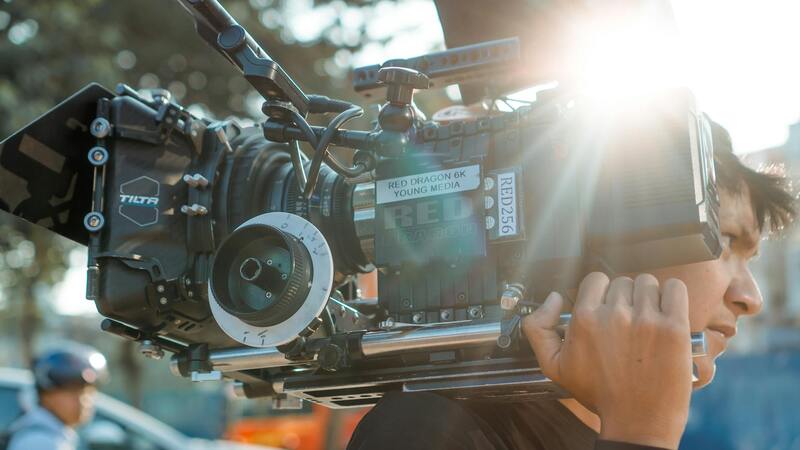
In addition to artistic ability, a commercial property photographer must be knowledgeable about the latest equipment and technology, including high-resolution cameras, wide-angle lenses, drones, and lighting gear. These tools enable the creation of crisp, vibrant images that stand out in both online listings and marketing brochures. Furthermore, an understanding of current market trends aids in delivering visuals tailored to target audiences, whether they are corporate tenants, retail chains, or investors.
Ultimately, the role of a commercial property photographer extends beyond mere picture-taking; it encompasses strategic storytelling through images. Through careful framing, precise lighting, and post-processing enhancements, these professionals craft visual narratives that elevate the property's appeal and resonate with potential clients. As a result, choosing a skilled photographer who understands the intricacies of commercial real estate marketing can make a measurable difference in the success of property sales and leasing efforts.
Preparing Commercial Properties for Photography
Preparation is a critical step in ensuring that commercial property images effectively showcase the space's potential. Proper staging involves decluttering, cleaning thoroughly, and arranging furnishings or fixtures to highlight the property's best features. Attention to detail in these areas can enhance the visual appeal and make the space more inviting to prospective tenants or buyers. It is vital to remove personal items or any distractions that may detract from the property's overall presentation. Additionally, interior elements such as lighting fixtures, window treatments, and decor should be adjusted to reflect daylight conditions and maximize natural light. Exterior preparation is equally important. Landscaping should be tidy, and any signs of wear or damage should be addressed, whether that means trimming overgrown bushes, repainting faded surfaces, or repairing broken fixtures. Ensuring that the property's facade looks welcoming not only boosts curb appeal but also contributes to the overall effectiveness of the visual marketing strategy. When the property is appropriately staged and cleaned, a commercial property photographer can better capture the space's true potential, ultimately aiding in faster transactions and higher property valuations.
Techniques for Capturing Effective Commercial Property Images
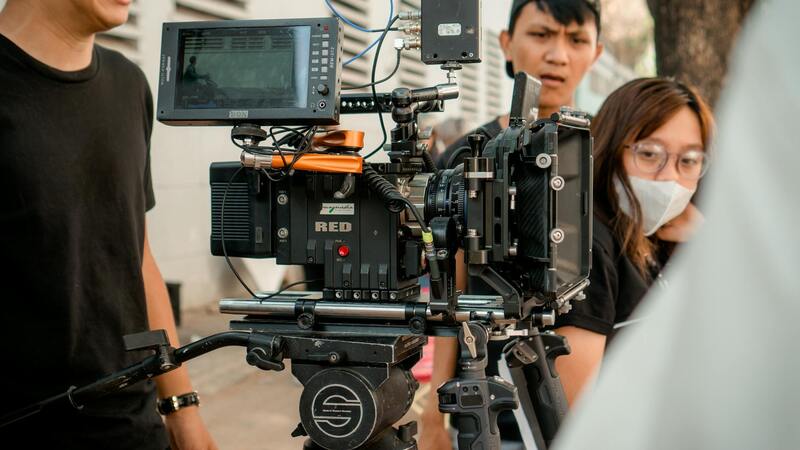
Professional commercial property photography relies on specific techniques that emphasize the space's strengths and create compelling visuals. Key among these is the use of optimal angles, often achieved through the strategic placement of the camera to highlight the property's layout and flow. Wide-angle lenses are essential tools that allow photographers to showcase expansive interiors and create a sense of spaciousness. When photographing exteriors, aerial shots taken with drones can provide impressive perspectives that highlight the property's size, landscaping, and proximity to key amenities.
Lighting is a fundamental aspect, and skilled photographers utilize a combination of natural light and supplemental lighting to achieve balanced exposures. Techniques such as HDR imaging can help manage high contrast scenarios, ensuring that both shadowed and illuminated areas are visible and detailed. The use of proper tripod stabilization, precise focus, and controlled reflections also contributes to sharp, clear images that accurately reflect the property’s features.
In addition to technical mastery, creative considerations—like choosing the right time of day for natural light and incorporating compelling foreground or background elements—can make images more engaging. The goal is to produce visuals that not only inform but also inspire potential clients and investors to pursue further engagement with the property.
Techniques for Capturing Effective Commercial Property Images
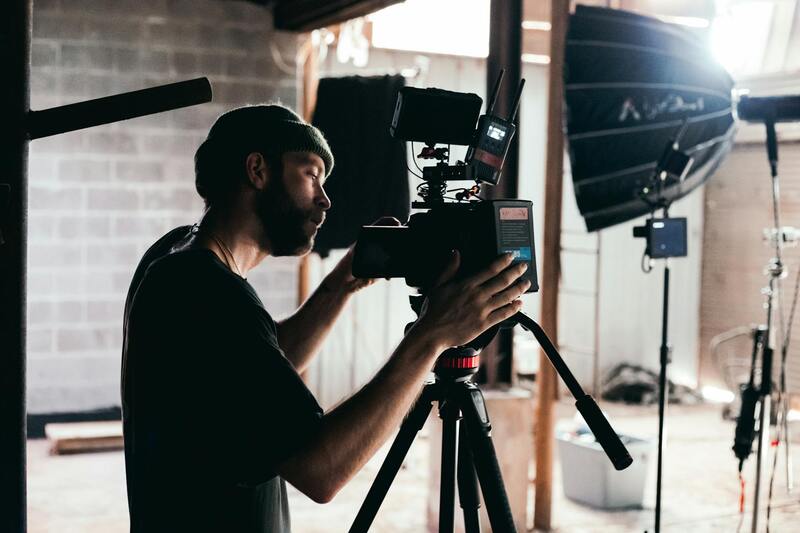
Mastering the art of commercial property photography requires an array of refined techniques that ensure each shot effectively showcases the property's features and appeals to prospective tenants or buyers. One fundamental approach involves meticulous control of lighting conditions. Utilizing natural light during optimal times of day—often early morning or late afternoon—can produce warm and inviting visuals that highlight the property’s best features. When natural light isn’t sufficient, professional photographers employ supplemental lighting setups, such as softboxes or reflectors, to eliminate harsh shadows and achieve balanced illumination. Another vital technique is the strategic selection of camera angles. Wide-angle lenses are predominantly favored in commercial real estate photography because they enable a broader field of view, making interiors appear more spacious and inviting. Properly aligned shots minimize distortion and keep lines straight, which is essential for maintaining the property’s true proportions. To add depth and visual interest, photographers often incorporate foreground elements or leading lines that guide viewers’ eyes deeper into the image, emphasizing the property’s layout and flow. When shooting exteriors, the vantage point often includes surrounding landscape features or neighboring structures to provide context, while drone photography adds an aerial perspective that vividly captures large-scale properties and their surroundings. The clarity of images is further enhanced through techniques like HDR (High Dynamic Range) imaging, which combines multiple exposures to ensure that all areas of a shot—bright and shadowed—are detailed and properly exposed. This approach is particularly useful in spaces with contrasting lighting conditions, such as interiors with large windows or exteriors with bright sunlight. Stability during shooting is another key aspect. Using tripods ensures sharp images, especially during low-light conditions or when longer exposure times are necessary. Precise focusing and controlling reflections—especially on glass surfaces—are crucial for producing images that faithfully depict the property’s qualities. Ultimately, capturing compelling commercial property images involves blending technical expertise with creative vision. By carefully selecting their equipment, adjusting compositions, and employing post-processing adjustments, professional photographers can produce visuals that not only highlight features but also evoke aspirations, encouraging viewers to pursue further engagement with the property.
Effective Use of Lighting to Highlight Property Features
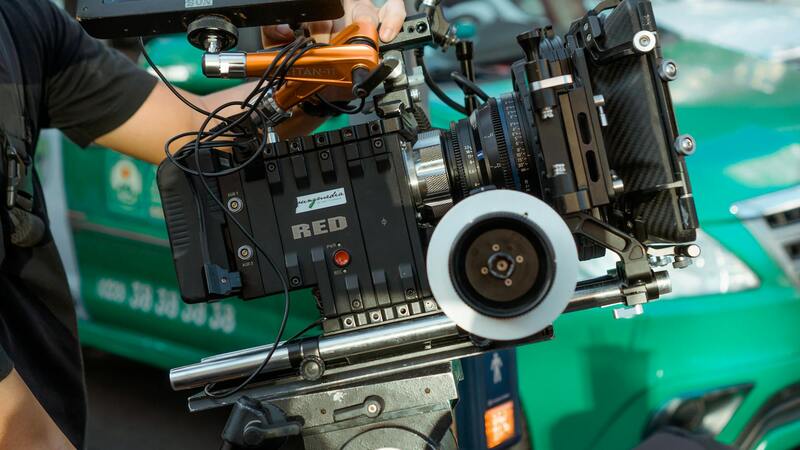
Optimal lighting is instrumental in showcasing the architecture and details of commercial properties. Photographers often utilize natural sunlight to bring warmth and realism to images, especially during the golden hour when the light is soft and creates appealing shadows. In interior shoots, supplemental lighting fixtures such as softboxes, diffusers, and reflectors are employed to evenly illuminate spaces and reduce glare or uneven shadows. Controlling light direction and intensity ensures that key features, like intricate moldings, textured walls, or modern fixtures, are accentuated without unnecessary overexposure or obscured details.
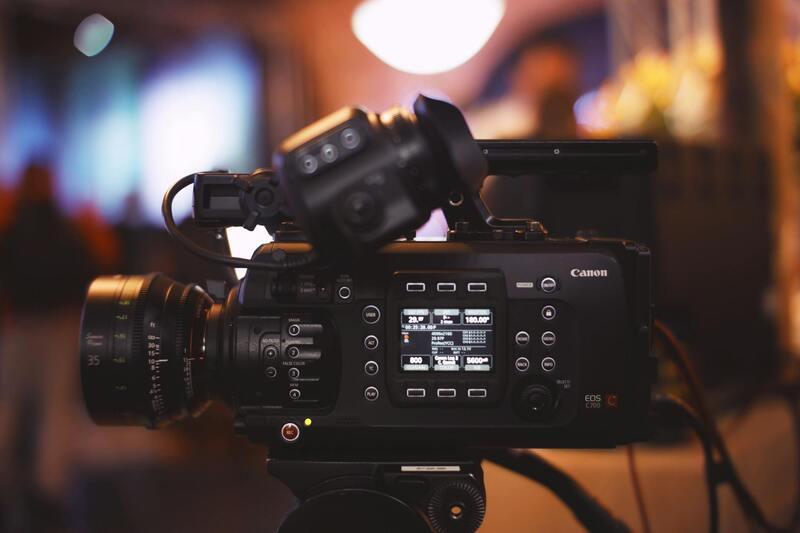
Additionally, understanding the impact of artificial light on color rendering and image mood is crucial. Adjustments in white balance and exposure settings help achieve true-to-life color accuracy, which is vital for clients aiming to present properties in a professional manner. Proper lighting not only accentuates the property’s strengths but also conveys a sense of professionalism and meticulous attention to detail, which can significantly influence prospective tenants or buyers.
Choosing the Right Angles and Perspectives
Effective commercial property photography relies heavily on selecting the most flattering angles and perspectives. Photographers aim to capture the entire scope of a space, often experimenting with wide-angle lenses to include more spatial context and dimensions. Shooting from eye-level or slightly elevated vantage points can make spaces feel more inviting and expansive. When photographing exteriors, capturing the building’s facade from varying distances and heights allows potential clients to appreciate the property's design and curb appeal fully.
- Use of Wide-Angle Lenses: To encompass entire rooms and exteriors in a single shot, creating a sense of openness.
- Vertical and Horizontal Composition: Combining different perspectives prevents static, one-dimensional images and highlights unique architectural features.
- Attention to Symmetry: Framing symmetrical elements guides the viewer’s eye and emphasizes balance and professionalism.
Managing Reflections and Clutter
Reflections on glass surfaces, shiny floors, and other reflective materials can pose challenges during commercial property shoots. Photographers utilize polarizing filters and adjust angles to minimize unwanted glare, ensuring that windows and glass doors accurately depict the property’s interior and exterior features. Additionally, removing clutter and staging spaces to highlight key areas contributes to the overall visual appeal. A clean, organized appearance directs focus to the architectural and design elements that matter most to prospective clients.
In essence, the process of capturing compelling commercial property images involves a strategic combination of lighting, perspective, and meticulous management of reflective surfaces. These techniques, implemented by seasoned professionals, culminate in visuals that are not only aesthetically pleasing but also serve as powerful marketing tools for leasing and sales endeavors in Miami’s competitive real estate market.
Legal Considerations and Permissions
When engaging in commercial property photography, securing appropriate permissions is a fundamental step that ensures a smooth and compliant photo shoot process. Property owners or managers should provide clear authorization for photographing their premises, especially when capturing interior spaces or sensitive areas that may contain confidential information or proprietary assets. Formal agreements, such as photography releases or permission forms, should be drafted to delineate the scope of the shoot, usage rights, and any restrictions. It is also essential to verify access rights to the premises during scheduled shooting times. This includes coordinating with leasing agents, security personnel, or other relevant stakeholders to avoid disruptions and ensure all legal protocols are followed. In some cases, additional approvals might be necessary for certain types of images, such as drone photography or capturing rooftop views, which may involve specific regulations. Maintaining comprehensive documentation of permissions and agreements not only protects all parties involved but also facilitates a professional workflow. Photographers should be diligent in informing clients about the importance of these permissions, emphasizing the significance of clear communication to prevent misunderstandings that could delay or complicate the project. Proper compliance with permission protocols underscores the professionalism and reliability of a commercial property photographer. It demonstrates an understanding of and respect for property rights, which builds trust and encourages ongoing collaborations within Miami's vibrant real estate market. Ultimately, executing photography ethically and responsibly enhances the reputation of the photographer and contributes to a reputable portfolio of commercial work.
Legal Considerations and Permissions
When engaging in commercial property photography, securing the appropriate permissions is paramount to ensure the work proceeds smoothly and ethically. This involves obtaining explicit consent from property owners or authorized representatives before conducting any shoots. A formal permission or release agreement delineates the scope of the photography, the intended use, and any restrictions or limitations on the images. These documents serve to clarify expectations and protect all parties involved, outlining rights related to image usage, publication, and distribution.
In addition to permission from property owners, photographers must consider access rights to the premises. Coordinating with security personnel, leasing agents, or management teams helps facilitate smooth access during scheduled shooting times. Such coordination is crucial for preventing disruptions and establishing clear boundaries regarding where and when photography can take place.
Special considerations include obtaining additional authorizations for specific types of photography, such as drone shots or aerial views from rooftops. These often involve specific regulations or permissions, and obtaining prior approval is necessary to ensure compliance with local policies.
Maintaining comprehensive records of permissions and access rights not only provides legal clarity but also enhances professionalism. These documents should be kept organized and accessible, facilitating efficient workflows and demonstrating responsible practices when working with clients and property owners.
Clear communication regarding permissions and respect for property rights foster trust between photographers and clients. It encourages ongoing collaborations and builds a solid reputation within Miami’s dynamic real estate and commercial markets. Adhering to these protocols safeguards the integrity of the project and ensures that the resulting imagery can be used without complications or disputes.
Legal Considerations and Permissions for Commercial Property Photography
Securing proper permissions and understanding the necessary legal considerations are fundamental steps when conducting commercial property shoots. These processes not only ensure that photographers operate within the boundaries of laws and regulations but also safeguard against potential disputes or misunderstandings. Clear permission protocols involve formal agreements, which specify the scope of work, access rights, and usage rights for the images captured.
One of the critical components of legal compliance is obtaining written authorization from property owners or authorized representatives. This documentation serves as proof of consent and clarifies the terms under which the property can be photographed. In some cases, additional approvals are required, especially when involving specialized equipment such as drones or aerial cameras. Drone photography, in particular, usually mandates adherence to specific regulations established by aviation authorities, and prior authorization is often necessary to operate legally.
Effective communication with all stakeholders involved, such as property management teams, security personnel, or leasing agents, streamlines the process. These conversations often involve clarifying access times, designated areas for shooting, and any restrictions that must be respected to prevent disruptions. Coordinating these details well in advance ensures that the photography process proceeds smoothly and that all parties are aligned on expectations.
Documentation and Record-Keeping
Maintaining detailed records of permissions, agreements, and access rights is a best practice that supports smooth project execution. These records should include signed contracts, correspondence, and any supplemental approvals related to drone operations or special equipment use. Organized documentation not only facilitates efficient workflows but also provides a clear trail that can be referenced if questions or challenges arise later on.
Such meticulous record-keeping demonstrates professionalism and responsible management of the project, fostering trust between photographers, property owners, and clients. It also minimizes risks of inadvertent breaches of access rights or usage restrictions, thus protecting the integrity of the images and the reputation of the photographer.
Building Trust and Professional Relationships
Respecting property rights and adhering to permission protocols contribute significantly to building long-term relationships within the commercial real estate market. When property owners and managers see a photographer’s commitment to responsible practices, they are more likely to endorse future collaborations. This professional approach enhances the credibility of the photographer and helps establish a reputation for reliability and respect within Miami’s competitive market.
Ensuring Proper Permissions for Commercial Property Photography
Obtaining appropriate permissions is a fundamental step in conducting commercial property photography within Miami. It involves securing explicit consent from property owners or authorized representatives before any photography takes place. This step safeguards the photographer’s ability to operate without interruptions and ensures compliance with property access protocols. The process typically begins with a formal agreement outlining the scope of work, preferred dates and times for the shoot, and any restrictions that may apply.
It is recommended to document all permissions in writing, whether through signed contracts, email confirmations, or official authorization letters. These documents serve as evidence of approval and clear communication, providing protection for both the photographer and the property owner. Additionally, when working with properties managed by third parties, such as leasing agents or property management firms, it is vital to verify that permissions encompass all necessary access points to capture the required images comprehensively.
Clear Communication and Access Arrangements
Effective communication is essential to facilitate access and set expectations. Prior to the shoot, photographers should confirm details with all involved parties, including the specific areas to be photographed and any limitations. Understanding property restrictions, such as areas off-limits for safety or privacy reasons, helps avoid awkward situations during the session.
Furthermore, arranging for appropriate access methods—whether through key cards, on-site personnel, or designated entry points—streamlines the process. For properties with sensitive assets or security systems, advance planning minimizes disruptions and ensures safety protocol adherence.
Handling Special Considerations and Use of Equipment
Some commercial properties may involve special circumstances, such as the presence of tenants, ongoing renovations, or confidential areas. Photographers need to address these considerations carefully. When using specialized equipment like drones or high-intensity lighting, additional permissions and safety protocols are necessary. It is crucial to disclose the intended use of such equipment during permission requests and ensure that all safety measures are followed.
Best Practice: Maintaining a Record of Permissions and Communication
Keeping thorough records of permissions, correspondence, and agreements is vital. This includes storing signed contracts, email confirmations, and detailed notes from communications related to access and equipment. Organized documentation assists in resolving any disputes or questions that may arise, supporting an efficient workflow and reinforcing professionalism.
In addition to safeguarding the legal and operational aspects of a project, meticulous record-keeping demonstrates a responsible approach and helps build trust with property owners and clients. It exemplifies due diligence and respect for property rights, which are highly valued in Miami’s competitive commercial real estate environment.