
Understanding Commercial Property Photography
Commercial property photography serves as a critical component in the marketing strategy for real estate professionals, property managers, and business owners in Miami. This specialized field focuses on capturing the essence and architectural details of commercial spaces, including office buildings, retail outlets, industrial facilities, and multifamily apartments. High-quality images can significantly influence the perception of a property, attracting potential investors, tenants, and buyers. In a vibrant market like Miami, where real estate developments are continually evolving amidst a diverse economic landscape, compelling visual representations are essential to stand out in a competitive environment.
Effective commercial property photography not only highlights the physical attributes of a space but also conveys its functionality, ambiance, and potential. Whether showcasing a sleek downtown office tower or a bustling retail plaza, these images serve as a visual narrative that can influence decision-making processes. This form of photography is an official method rooted in industry standards, emphasizing clarity, accurate lighting, and aesthetic appeal, all tailored to meet marketing objectives.
Miami's commercial real estate market, characterized by its diverse architecture and dynamic cityscape, demands precision and adaptability from photographers. The goal is to produce images that are both visually appealing and true to the property's qualities, ensuring potential clients receive an accurate representation. This approach helps in building trust and credibility, essential factors in high-stakes real estate transactions. Advances in technology have made it feasible to capture every detail with vivid clarity, ensuring the images resonate with viewers and compel action.

Understanding Commercial Property Photography
Commercial property photography plays a critical role in the marketing and presentation of business spaces, serving as a foundational element in promoting properties to prospective tenants, investors, and buyers. The purpose of this specialized photography is to meticulously capture the essence of a commercial space, emphasizing its key features, layout, and ambiance in a manner that appeals to professional audiences.
In Miami's competitive real estate landscape, high-quality imagery helps properties differentiate themselves amidst a broad array of options. It is essential that these images are crafted following industry-standard practices, ensuring accuracy in representation and visual appeal. This entails using proper lighting techniques that highlight both exterior and interior features without distortion, employing strategic angles that showcase the most advantageous perspectives, and utilizing staging elements to demonstrate potential use cases of the space.
These images do more than just depict the physical space—they tell a compelling visual story that communicates the property's functionality, scale, and atmosphere. When executed correctly, they serve as a powerful tool in building credibility and trust, essential components when engaging high-stakes transactions in Miami’s bustling real estate scene. Technologies such as HDR imaging, wide-angle lenses, and drone photography enable professionals to capture comprehensive views that emphasize spatial relationships and landscape context, making each image both vivid and informative.
Commercial property photography is a method rooted in established techniques that adhere to strict standards of clarity, consistency, and aesthetic quality. This ensures that every photo not only attracts attention but also accurately represents what the property offers. As Miami’s architecture reflects a mix of modern innovation and historic charm, photographers need to adapt their methods to capture the unique character of each space while maintaining professionalism and precision.
Key Elements of High-Quality Commercial Property Photos
Achieving exceptional commercial property images demands attention to several core components:
- Lighting: Optimal lighting ensures clarity, reduces shadows, and brings out the material textures and color accuracy of the property.
- Angles: Selecting the best vantage points highlights the property’s strengths, such as spaciousness or architectural details.
- Staging: Proper staging or arranging elements within the space helps illustrate its potential for different business needs and enhances visual appeal.
- Composition: Thoughtful framing and alignment create balanced images that engage viewers and focus on the property's most attractive features.
- Image Clarity: High-resolution captures ensure every detail is crisp, which is crucial for professional presentations and marketing materials.
Integrating these elements consistently results in images that are not only aesthetically pleasing but also strategically effective at communicating the property's value and potential. This careful attention to detail aligns with industry standards and ensures that every shot contributes meaningfully to the overall marketing campaign.
Equipment and Technical Considerations
To achieve compelling commercial property photographs that resonate with prospective clients, utilizing the right equipment and mastering technical techniques are essential. High-quality images demand more than just a good camera; they require precision tools and appropriate settings that accommodate the complexities of commercial spaces. When selecting gear, professionals typically rely on DSLR or mirrorless cameras equipped with full-frame sensors to capture detailed, high-resolution images. These cameras excel at low-light conditions and produce images suitable for large-scale print and digital marketing campaigns.
Lens selection plays a crucial role in commercial property photography. Wide-angle lenses, often in the 14-24mm or 16-35mm range, enable photographers to capture expansive interiors and exteriors, emphasizing space and architectural features. Tilt-shift lenses are also valuable for correcting perspective distortions, especially in architectural shots, ensuring lines stay straight and true to reality.
Tripods are indispensable for ensuring stability, especially in indoor settings where longer exposures might be necessary. Bracketing techniques, which involve capturing multiple images at different exposures, facilitate high dynamic range (HDR) processing to handle challenging lighting conditions. This method helps retain detail in both shadowed and brightly lit areas, producing balanced images with depth and clarity.
Mastering camera settings—including aperture, shutter speed, ISO, and white balance—is vital for consistency across shots. A narrow aperture (f/8 to f/11) promotes sharpness throughout the image, while moderate ISO settings prevent graininess. Proper white balance ensures color accuracy, which is crucial for showcasing the property's true appearance.
Post-Processing and Image Optimization
The editing process enhances the raw images to align with marketing objectives. Common adjustments include correcting color balance, enhancing contrast, and sharpening details. Software like Adobe Lightroom and Photoshop offer advanced tools to fine-tune images, remove distractions, and adjust perspective distortions. Retouching might involve cleaning up minor imperfections or highlighting specific features through selective editing.
Optimizing images involves resizing and compressing files without sacrificing quality, ensuring fast load times across websites and digital platforms. Consistency in color grading and exposure across a series of images maintains a cohesive look for marketing campaigns.
Working with Miami-Based Clients and Industry Trends
In Miami, staying aligned with current real estate and commercial branding trends is vital. Clients often seek images that reflect the vibrancy and modernity of their properties, which requires a nuanced understanding of local architecture and interior design aesthetics. Building relationships with local stakeholders enhances workflows, enabling photographers to understand specific needs and deliver tailored solutions.
Engaging in continuous education about emerging technologies and style preferences ensures that photographers remain ahead in the competitive Miami market. This proactive approach helps in producing images that not only meet industry standards but also set new visual benchmarks.
Effective Techniques for Shooting in Miami Settings
Capturing commercial property images in the vibrant Miami environment involves more than just technical skill; it requires an understanding of the distinctive local features that can enhance the visual appeal of each property. Miami's diverse architecture, ranging from sleek modern skyscrapers to historic Art Deco buildings, calls for tailored photographic approaches to highlight their unique character and attract prospective tenants or buyers.
Optimal lighting conditions are crucial during shooting sessions, especially considering Miami’s abundant sunlight. Shooting during the golden hours—shortly after sunrise and before sunset—can produce warm, inviting images that emphasize the property's best features while avoiding harsh shadows. Additionally, understanding how to utilize natural light and complement it with supplemental lighting when necessary helps in creating balanced, well-exposed images.
In urban settings, vantage points and perspectives significantly influence the impact of the images. Elevating camera angles can showcase the scale and stature of high-rise office complexes, while ground-level shots might better highlight retail storefronts and street-level retail environments. When photographing interior spaces, capturing the flow and scale of rooms with wide-angle lenses enhances the viewer's understanding of the space.
Utilizing drone photography is increasingly popular in Miami, offering stunning aerial views that can emphasize property size, proximity to local attractions, or the surrounding neighborhood context. Drone shots also assist in showcasing developments from a comprehensive perspective, which is particularly useful for large or sprawling commercial sites.
Adhering to best practices when shooting in Miami involves meticulous planning, including weather considerations, access permissions, and timing to optimize natural lighting. The goal is to produce images that resonate with the vibrant, dynamic character of Miami’s commercial real estate market while adhering to professional standards that highlight the property’s strengths effectively.
Incorporating these techniques enhances the visual storytelling of each property, ensuring that the resulting images stand out in competitive listings and marketing campaigns. A thorough understanding of local architecture, lighting, and perspective is central to capturing high-impact commercial property photographs in Miami’s lively setting.
Understanding Commercial Property Photography
Commercial property photography plays a critical role in the marketing and sales process of real estate assets. It involves capturing images that accurately showcase the physical attributes, spatial layout, and unique features of commercial spaces such as office buildings, retail outlets, industrial facilities, and hospitality venues. The primary aim is to generate visual content that attracts potential tenants, buyers, and investors by offering a compelling view of the property’s potential.
The complexity of commercial properties necessitates a strategic approach to photography that emphasizes clarity, professionalism, and attention to detail. High-quality images serve as a visual first impression, often determining whether a viewer will inquire further or move on. As such, mastery in this field combines technical skill, artistic composition, and insight into the specific requirements of commercial real estate marketing.
Understanding the nuances of different property types, including their architectural styles, design elements, and functional use, is paramount. For instance, fotografy of a sleek modern office building might focus on clean lines and pristine exteriors, while retail spaces may require attention to storefront signage and customer flow. Effective commercial property photography not only highlights physical features but also conveys the atmosphere and ambience that appeal to prospective clients.
Key Elements of High-Quality Commercial Property Photos
- Lighting: Proper illumination is vital to reveal architectural details and create inviting images. Utilizing natural light during optimal times enhances authenticity, while supplementary lighting can accentuate key features.
- Composition: Framing the property effectively involves considering angles, perspective, and focal points. Wide-angle lenses are often employed to capture spacious interiors, ensuring the scale and flow are clearly conveyed.
- Perspective: Strategic positioning enriches the visual storytelling, emphasizing the property's size, design, and functionality. Shooting from eye-level and using height variations can add depth and interest.
- Image Resolution: High-resolution images guarantee clarity across various marketing platforms, allowing potential clients to scrutinize details comfortably.
- Environmental Context: Showcasing surrounding amenities, neighborhood features, and accessibility helps situate the property within its local environment, adding value to the presentation.
Equipment and Technical Considerations
Achieving professional results begins with the right tools and technical skills. High-quality DSLR or mirrorless cameras paired with wide-angle lenses are standard for capturing the full scope of interiors and exteriors. Tripods ensure stability, especially in low-light conditions or when using slow shutter speeds. Drone technology complements ground-level photography by providing aerial views, presenting a comprehensive perspective of sprawling or complex developments.
Post-processing software, such as Adobe Photoshop or Lightroom, plays a crucial role in enhancing images. Adjusting exposure, correcting color balance, and retouching minor imperfections result in polished visuals that meet the highest standards. Understanding how to optimize images for various platforms — websites, social media, brochures — ensures the property’s best features are consistently highlighted across all marketing channels.
Photographing Different Types of Commercial Spaces
Diverse commercial properties demand tailored photographic approaches. For high-rise office towers, capturing both the building’s exterior and panoramic interior views emphasizes the scale and modernity of the space. When photographing retail outlets and storefronts, close-up shots of signage, window displays, and interior layouts generate interest and demonstrate foot traffic potential.
Industrial facilities, such as warehouses and manufacturing plants, benefit from wide shots that showcase space volume, loading areas, and logistical features. Hospitality venues like hotels require images that evoke comfort and luxury, highlighting amenities and aesthetic appeal. Each property type requires an understanding of its unique attributes and the best methods for visual storytelling.
Effective commercial property photography involves a comprehensive approach, combining technical excellence with an understanding of the property's purpose and target audience. The aim is to produce images that are not only visually appealing but also strategically aligned with marketing goals, thereby driving engagement and interest.
Understanding Commercial Property Photography
Commercial property photography serves as a vital cornerstone in real estate marketing, offering a visual narrative that captures the essence of a space to potential tenants, buyers, or investors. Unlike residential photography, which often emphasizes comfort and ambiance, commercial photography focuses on showcasing the functionality, scale, and appeal of a property to a professional audience. This discipline combines artistic vision with technical precision to produce imagery that communicates value and opportunity. Effective commercial photography not only highlights architectural features but also accentuates the property's strategic location, accessibility, and suitability for various business needs. Mastering this genre requires a nuanced understanding of how to render spaces convincingly, ensuring the images resonate with targeted audiences and meet the standards of industry professionals.
Key Elements of High-Quality Commercial Property Photos
Creating compelling commercial property images involves attention to several fundamental elements:
- Lighting: Natural light is preferred when possible, as it accurately depicts the space’s ambiance. Supplementing with professional lighting ensures interior details are visible and shadows are minimized.
- Composition: Proper framing and angle selection highlight the property’s most attractive features. Symmetry and balanced perspectives contribute to a polished look.
- Clarity and Sharpness: Images should be crisp, free of blurriness, with appropriate depth of field to emphasize key details.
- Color Accuracy: True-to-life colors provide an honest representation and support effective marketing materials.
- Perspective and Scale: Wide-angle shots are often used to showcase space volume, while careful perspective control ensures architectural proportions remain true.
Equipment and Technical Considerations
To achieve these elements, photography professionals rely on specialized equipment:
- High-Resolution Cameras: Full-frame digital SLR or mirrorless cameras capture detailed images suitable for large format printing and digital displays.
- Wide-Angle Lenses: Essential for interiors and exteriors, enabling a broader view that conveys space and scale.
- Tripods and Stabilizers: Ensure camera stability for sharp images, especially in low-light conditions.
- Lighting Equipment: External flashes, softboxes, and reflectors help control light conditions, reducing shadows and enhancing focal points.
- Post-Processing Software: Tools like Adobe Lightroom and Photoshop facilitate precise editing, color correction, and retouching to polish images.

Photographing Different Types of Commercial Spaces
Each type of commercial property demands a tailored photographic approach to fully convey its unique features and purpose:
- High-Rise Office Buildings: Capture the grandeur of the exterior, emphasizing modern architectural design. Interior shots should showcase common areas, conference rooms, and individual offices with an eye for spatial flow.
- Retail Stores and Retail Spaces: Focus on signage, storefront appeal, and interior displays. Bright, inviting images can help attract tenants or customers.
- Industrial Facilities: Wide shots of warehouses, loading bays, and manufacturing areas highlight operational capacity and logistical advantages.
- Hospitality Venues: Portray the ambiance, amenities, and interior design to evoke comfort and luxury, often incorporating lifestyle shots to suggest experience.
Understanding the nuances of each property type allows photographers to adapt techniques, lighting, and angles effectively. This specialization enhances the visual storytelling potential, delivering images that resonate with specific industry audiences and marketing objectives.
Understanding Commercial Property Photography
Commercial property photography plays a pivotal role in the marketing and leasing processes of commercial real estate. High-quality images serve as essential visual tools that highlight the property's architectural features, spatial layout, and unique amenities. Unlike residential photography, capturing commercial spaces requires a strategic approach to emphasize functionality, scale, and appeal to a specific target audience such as investors, tenants, or stakeholders.
Effective commercial photography involves more than just clicking a camera; it necessitates a detailed understanding of the property's purpose and the message that the images are intended to convey. The goal is to produce compelling visuals that not only attract potential clients but also accurately represent the property's value. This includes showcasing key areas like lobbies, conference rooms, office layouts, storefronts, and industrial zones, depending on the property type.
Photographers must consider the optimal times of day for lighting, the best angles to highlight architectural features, and the use of technical equipment to ensure clarity and brightness. Additionally, knowledge of current market trends and an awareness of the preferences of commercial clients can significantly influence the photographic style, ensuring images resonate with target audiences and stand out in competitive listings.
Key Elements of High-Quality Commercial Property Photos
- Lighting: Proper lighting accentuates space and architectural details. Natural light is ideal during daytime shoots, while supplemental lighting may be necessary for interior shots to eliminate shadows and highlight key features.
- Composition: Angles and framing should guide the viewer’s eye towards focal points, creating a sense of depth and scale. Wide-angle lenses are often utilized to showcase the full extent of interior spaces.
- Image Clarity: Sharp images are essential for professional presentations. High-resolution cameras and stable tripods ensure crispness and minimize distortion.
- Color Accuracy: Accurate color reproduction gives a true sense of the space’s ambiance and branding elements, especially in retail and hospitality settings.
- Detail Focus: Close-up shots of unique features, signage, or interior design details can add depth and interest to a property listing.
Equipment and Technical Considerations
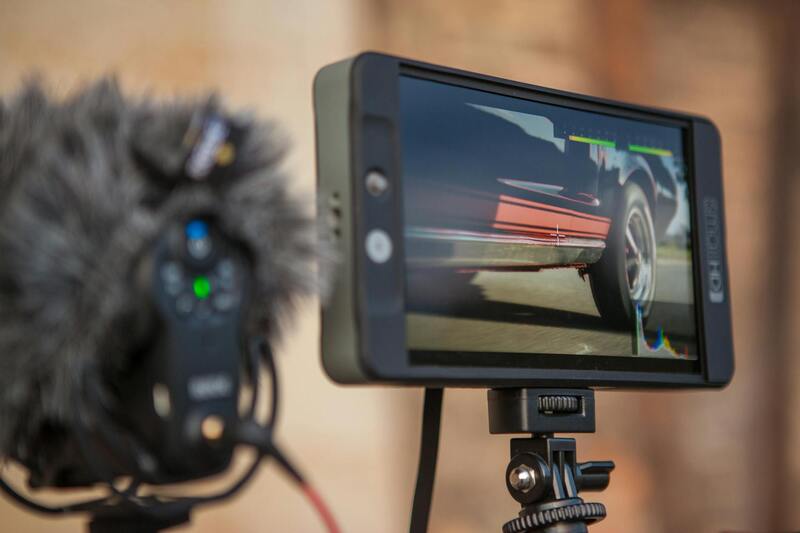
Achieving high-quality commercial property images hinges on the right equipment and technical skills. Camera gear should include full-frame or high-resolution DSLR or mirrorless cameras capable of capturing detailed images in different lighting conditions. Wide-angle lenses are preferred for interior shots, providing an expansive view that captures the full scope of rooms and spaces.
Stabilization tools like tripods help reduce blurriness caused by hand movement, especially in lower light conditions. Drones are increasingly used to capture aerial views of larger properties, offering perspectives that ground photography cannot achieve. Proper lighting setups, including softboxes, reflectors, and external flashes, enable photographers to control shadows and highlight focal points effectively.
Photographing Different Types of Commercial Spaces
Each type of commercial property mandates a tailored photographic approach that aligns with its unique features and market positioning:
- High-Rise Office Buildings: Exterior shots should emphasize the building's height, modern architectural design, and surrounding environment. Interior images must display lobby grandeur, elevator lobbies, and office layouts that highlight openness and productivity.
- Retail Spaces: Focus on the storefront’s signage, window displays, and inviting interiors. Showcase customer flow areas, checkout counters, and merchandising displays to appeal to prospective tenants or buyers.
- Industrial Facilities: Wide images of warehouses, loading docks, and production areas should highlight operational capacity and logistical ease. Aerial shots can be beneficial for large industrial complexes.
- Hospitality Venues: Emphasize interior comfort, amenities, and lifestyle elements. Capture ambiance through lighting, furnishings, and activity zones, often integrating lifestyle shots to evoke visitor experience.
Best Practices for Shooting in Miami Settings
Shooting commercial property in Miami introduces unique challenges and opportunities related to the local environment. The city’s vibrant sunlight enhances the natural appeal of outdoor shots, but it also requires careful consideration of shadows and reflections. Shooting during the golden hour—shortly after sunrise or before sunset—can produce warm, inviting images that reflect Miami’s lively atmosphere.
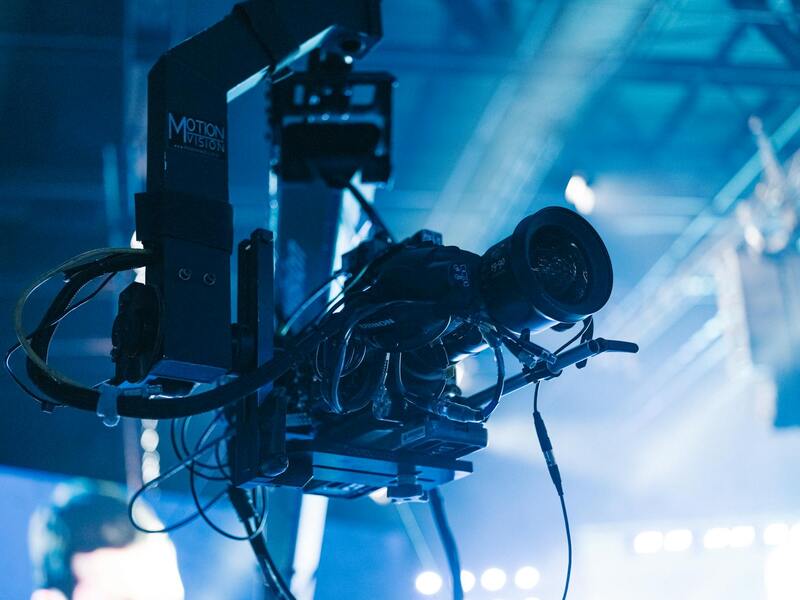
Weather conditions, such as humidity and occasional rain, influence shooting schedules; thus, flexible planning is vital. Using polarizing filters helps reduce glare from glass surfaces and water bodies, common features in Miami's commercial developments. Additionally, leveraging aerial photography through drones can capture panoramic views of waterfront properties and sprawling developments, enhancing visual storytelling.
Post-Processing and Image Optimization
Post-processing is the final step in delivering polished, professional images. Using editing software such as Adobe Lightroom or Photoshop allows for precise adjustments in lighting, contrast, and color balance, ensuring the images accurately represent the property’s physical attributes. It's crucial to maintain a natural appearance, avoiding over-editing that could mislead viewers about the space’s true condition.
Retouching may include removing minor imperfections, adjusting perspectives to correct distortion, and enhancing focal points to draw attention to specific features. Image optimization also involves resizing files for various platforms, ensuring fast load times and high-quality display across websites, listings, and digital marketing materials.
Consistent editing standards improve brand recognition and ensure that all images in a portfolio reflect a professional and cohesive visual identity. This consistency builds trust with clients and enhances the overall marketing strategy for commercial properties.
Legal and Ethical Practices in Commercial Property Photography
Adhering to official and recognized methods is paramount for establishing credibility and ensuring the smooth progression of commercial property photography projects. Professionals in this field employ authorized approaches that align with industry standards, safeguarding both their reputation and their clients’ interests. These methods encompass obtaining necessary permissions, respecting property rights, and following established protocols for image acquisition and usage.
The first step involves securing explicit consent from property owners or authorized representatives before commencing photography. This practice not only fosters trust but also ensures compliance with contractual and personal privacy considerations. Working with authorized access points and adhering to property-specific guidelines minimizes disruptions during shoots and prevents potential disputes.
Utilizing official pathways for obtaining necessary permits, especially when drone photography or aerial shots are involved, is an essential aspect of legitimate practice. These permits are issued by relevant local authorities and provide structured authorization for specific operational parameters, ensuring the photography activities are conducted within legal frameworks. Such permits often outline restrictions related to altitude, flight zones, and operational times, helping photographers avoid infringements.
Maintaining professional documentation of permissions, permits, and correspondence with stakeholders contributes to transparent project management. It also facilitates accountability and provides a clear record should any questions or challenges arise later in the process. When employing advanced techniques like drone photography, adherence to official guidelines and operational standards is critical to avoid infringements. Proper training and certification for drone pilots further reinforce responsible practice and compliance.
Respect for intellectual property rights, including copyrights on images, is also a key component of ethical commercial property photography. Photographers should clearly understand and communicate the scope of image rights, licensing agreements, and usage limitations to clients, preventing unauthorized reproduction or distribution of the photographs.
By systematically applying authorized procedures—such as obtaining necessary permissions, adhering to local regulations, and maintaining comprehensive documentation—photographers uphold a standard of professionalism and integrity. These practices not only protect all parties involved but also reinforce the reputation of commercial property photography as a responsible and trustworthy service, especially within a dynamic market such as Miami.