
Importance of High-Quality Commercial Real Estate Photos
In Miami's highly competitive commercial property market, the visual presentation of a property can significantly influence its appeal and perceived value. Professional commercial real estate photos serve as a powerful marketing tool that captures the essence of a space, showcasing its unique features and potential. High-quality images attract the right audience, whether they are prospective tenants, investors, or buyers, by providing a clear and compelling visual narrative.
Effective photography highlights the property's strengths, such as spacious interiors, modern design elements, and key amenities, which are crucial in the decision-making process. Furthermore, well-composed images help to set a property apart from the myriad listings available, creating an immediate visual impact that encourages further inquiry. Given the digital nature of real estate marketing today, where online listings are the first point of contact, investing in professional photos is essential for maximizing engagement and ensuring your property stands out in Miami's bustling market.

The role of professional photography extends beyond simple aesthetics; it also contributes to establishing credibility and trustworthiness. Potential clients are more inclined to consider listings that appear polished and well-presented. Additionally, quality images support various marketing channels, from online listings and social media platforms to printed brochures and promotional materials, ensuring consistency and a professional appearance across all platforms.
In a vibrant city like Miami, where commercial properties range from sleek office skyscrapers to retail spaces and industrial sites, high-definition photography helps communicate the property's value proposition effectively. This, in turn, can lead to quicker sales cycles and higher returns on investment. Therefore, the strategic use of expertly captured images is not merely an aesthetic choice but a fundamental component of successful commercial real estate marketing.
Ultimately, leveraging high-quality commercial real estate photos facilitates better engagement, elevates the property's perceived value, and accelerates the leasing or sales process in Miami’s dynamic market environment.
Key Features of Commercial Real Estate Photography
Highlighting the unique attributes of commercial properties requires a curated approach that emphasizes key features with precision and clarity. Effective commercial real estate photography hinges on several core elements that collectively present the property in its best light, attracting the right audience and facilitating quicker transactions.
First and foremost, lighting plays a pivotal role. Natural light, when harnessed correctly, can accentuate the space’s openness and vibrancy, while professional lighting setups compensate for indoor lighting limitations to ensure even illumination. Proper lighting not only reveals the true colors and textures of the property but also creates an inviting atmosphere that appeals to prospective clients.
Next, composition and framing are crucial. Thoughtful angles that capture the property’s spatial relationships help convey the scale and functionality of the space. Wide-angle lenses are often employed to give a comprehensive view of interior layouts, making rooms appear larger and more appealing. Strategic framing directs the viewer’s eye toward the property's distinctive features, such as high ceilings, expansive windows, or modern finishes.

Careful consideration of point-of-view and perspective emphasizes the strengths of each property. For instance, capturing a building's facade in sunlight enhances curb appeal, while interior shots highlighting natural light streaming through windows showcase the space's versatility. When combined with the correct aperture and shutter speed, these techniques create sharp, vibrant images that resonate with viewers.
Additionally, attention to detail is vital. Clutter-free, meticulously staged spaces present a professional image and help potential tenants or buyers envision themselves within the environment. Elevating the visual perception of cleanliness and order can significantly influence decision-making processes.
Lastly, incorporating contextual elements such as nearby amenities, transportation access, or prominent neighborhood features within the visual content affords viewers a comprehensive understanding of the property's locale. This contextual framing contextualizes the property within its environment, making the listing more compelling and relevant.
Overall, high-caliber commercial real estate photography combines technical proficiency with artistic vision, ensuring every shot underscores the property's potential and appeals to its target market. Mastery of lighting, perspective, and detail conveyance plays a fundamental role in crafting images that foster trust, stimulate interest, and ultimately accelerate transactional outcomes.
Key Features of Commercial Real Estate Photography
Effective commercial real estate photography hinges on capturing images that communicate the property’s value clearly and professionally. To achieve this, several critical features must be prioritized.
- Lighting: Proper lighting is fundamental to high-quality imagery. Utilizing natural light where possible, complemented by strategic artificial lighting, helps illuminate every detail without casting unflattering shadows. Bright, well-lit images imply cleanliness, modernity, and appeal, making spaces more inviting to potential clients or tenants.
- Perspective and Angle: The choice of vantage point influences the perception of space and scale. Wide-angle lenses are often employed to showcase large interiors or expansive exteriors, giving viewers an immersive sense of the property. Shooting from eye-level or slightly elevated positions enables a comprehensive view of layouts and architectural features.
- Image Sharpness and Clarity: Ensuring images are crisp, free of blurriness, and well-focused is crucial for portraying professionalism. Using tripods and stabilizers minimizes camera shake, especially in low-light conditions or interior shots, resulting in sharper images that highlight the property’s details.
- Color Balance and Correct Exposure: Accurate color reproduction and balanced exposure render images that are true to life. Overexposed or underexposed photos can diminish property appeal, so adjusting camera settings and utilizing post-processing adjustments helps maintain visual authenticity.
- Staging and Composition: Well-staged spaces with minimal clutter foster a professional appearance and help viewers envision their potential future environment. Symmetric compositions and strategic framing draw attention to the property's most attractive features.
- Incorporating Contextual Elements: Including elements such as nearby amenities, transportation links, or scenic views contextualizes the property, highlighting its advantages within the local landscape. These details can considerably enhance the property's perceived value.

High-caliber commercial real estate photography is a strategic blend of technical skill and artistic sensibility. Mastery over lighting, perspective, and detail ensures each image accurately reflects the property’s potential while engaging prospective clients visually. Such images serve as powerful tools for marketing efforts, boosting interest and speeding up transactions by delivering compelling, trustworthy visual content that resonates with targeted audiences.

Methods for Authentic and Effective Commercial Real Estate Photos
Establishing a visual portfolio that accurately represents a property requires adherence to established photographic standards and practices. For commercial real estate, this involves utilizing systematic techniques grounded in industry best practices, which ensure that each image accurately conveys the space’s true character and appeal. These methods are designed to produce images that prospective tenants or buyers can trust, facilitating an efficient decision-making process.
One of the primary approaches is employing professional-grade camera equipment tailored for architectural and interior photography. Such equipment includes wide-angle lenses that can capture expansive interior spaces and high dynamic range (HDR) imaging techniques that balance the lighting differences seen in large windows or shadowed areas. Ensuring the use of tripods stabilizes the camera, reducing motion blur and maintaining sharpness throughout the photograph, which is critical for showcasing details.

Additionally, incorporating strategic lighting techniques plays a vital role. Natural light should be maximized by shooting during optimal times of the day to highlight the property's features without harsh shadows or overexposure. When necessary, supplementary lighting, such as softboxes or reflectors, can minimize inconsistencies and help produce evenly lit scenes that appear inviting and professional.
Compositional accuracy is equally important. Proper framing ensures that the property’s key features are prominently displayed, with attention paid to symmetry and balance. This involves careful selection of angles that best present spatial relationships and depth, which can make spaces appear larger and more welcoming.
Respecting true proportions and perspectives during post-processing is essential. Adjustments should be made to colors, contrast, and sharpness while avoiding excessive enhancement that could distort the actual appearance of the property. Maintaining this authenticity reinforces trust with viewers, aligning expectations with reality.
Including contextual elements, such as entry points, parking lots, nearby amenities, or scenic views, provides potential clients with comprehensive insights into the property's environment. These details can significantly boost the perceived value and appeal, especially when positioned strategically within the images to emphasize the property's advantages within its locale.
To ensure the highest standards, it is advisable to work with trained professionals who possess expertise in commercial real estate photography. Their technical knowledge and understanding of industry norms guarantee consistent, high-quality images that serve as effective marketing tools. The application of legitimate methods ensures each photograph not only meets practical needs but also resonates professionally with target audiences, fostering trust and credibility in the property presentation.
Ensuring Effective Use of Commercial Real Estate Photos in Marketing Strategies
Utilizing high-quality commercial real estate photographs effectively is vital for attracting potential buyers, tenants, and investors. Proper integration of these images across various marketing channels amplifies the property's visibility and appeal. When employing commercial real estate photos in your marketing efforts, consider strategic placement that highlights the most attractive aspects of the property. This includes prominently featuring key features such as spacious interiors, modern amenities, and exterior curb appeal, all while maintaining consistency in image style and tone.
Digital marketing campaigns, including website listings, email newsletters, and social media platforms, benefit immensely from professional photographs that are optimized for different formats and resolutions. For web use, images should be compressed appropriately to ensure fast loading times without compromising visual quality. On social media, eye-catching visuals are crucial for engagement; therefore, selecting images with compelling compositions and vibrant colors can boost viewer interaction and generate leads.
Offline marketing strategies also benefit from high-quality photos. Brochures, flyers, signage, and print advertisements should showcase visually appealing imagery to create a lasting impression. Offline materials serve as tangible representations of the property that potential clients can review conveniently. When integrating photographs into all marketing materials, consistency in style and branding enhances professionalism and brand recognition, fostering trust and credibility within the target audience.

Moreover, incorporating virtual tours and 3D walkthroughs derived from high-quality images can offer immersive experiences that help potential clients visualize the space more thoroughly. Virtual tours can be embedded on websites and shared via social media, broadening reach and accessibility. This multimedia approach not only elevates the property's presentation but also stands out in competitive markets, giving your listings a decisive advantage.
Tracking the performance of marketing campaigns that leverage commercial real estate photos is essential. Monitoring engagement metrics, such as website visits, inquiry rates, and social media interactions, provides insights into which images and strategies resonate most with the audience. These analytics inform future photography and marketing decisions, ensuring continuous improvement and maximized impact.
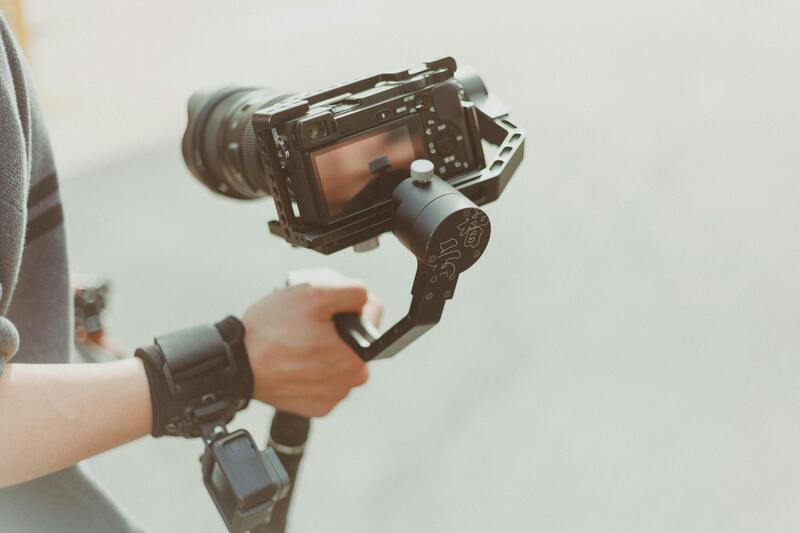
Finally, it is critical to maintain an up-to-date visual portfolio. Regularly refreshing property images, especially after renovations or upgrades, ensures marketing materials accurately reflect the current state of the property. Consistent updates help maintain relevance and interest, preventing outdated visuals from hindering marketing success. When the quality and presentation of commercial real estate photos align with the overall marketing strategy, they serve as powerful assets that enhance the property's perceived value and expedite the sales or leasing process.
Choosing the Right Photography Equipment and Techniques
To capture compelling commercial real estate photos that highlight the property's strengths and attract prospective clients, selecting appropriate equipment and employing effective techniques are essential steps. The use of professional-grade cameras with full-frame sensors ensures high-resolution images with excellent detail and dynamic range. Wide-angle lenses are particularly valuable in commercial photography, allowing for expansive shots that showcase entire rooms or large exterior facades within a single frame. These lenses help create a sense of space, making areas appear more open and inviting.
Stabilization equipment, such as tripods and monopods, plays a crucial role in obtaining sharp, blur-free images, especially in interior settings where lighting conditions may be less than ideal. For capturing interior shots, using HDR (High Dynamic Range) photography techniques can balance exposure differences between bright windows and darker indoor areas, resulting in evenly lit images that accurately portray the space. Additionally, drones are increasingly used to capture aerial views of larger commercial properties or showcase surrounding amenities, providing a comprehensive perspective that ground-level photography cannot achieve.
Lighting is a fundamental element of high-quality commercial real estate photos. Natural light should be utilized whenever possible, emphasizing the importance of scheduling shoots during times when sunlight complements the property’s features. Supplementing natural light with professional lighting equipment, such as softboxes or LED panels, ensures consistent and flattering illumination, preventing shadows and dark spots. For exterior shots, consider the best times of day—early morning or late afternoon—when sunlight is softer, providing warm, inviting ambiance that enhances the property's appeal.

In terms of technical execution, careful composition and framing are vital. Following principles like the rule of thirds, leading lines, and symmetry can elevate visual interest and direct viewers' attention to key property features. Additionally, using vertical and horizontal lines efficiently can give images balance and clarity, essential for both online listings and print marketing materials.
Post-Production and Editing in Commercial Real Estate Photography
Post-production editing enhances the visual quality of commercial real estate photos, ensuring they present the property in the best possible light. Basic adjustments such as correcting white balance, contrast, and sharpness are foundational. Advanced editing may include removing minor imperfections, straightening images, and enhancing architectural lines to maintain true representations without misleading viewers.
It is crucial to maintain ethical standards during editing, as overly manipulated photos can misrepresent the actual condition of the property, leading to mismatched expectations. Utilizing editing software like Adobe Photoshop or Lightroom provides extensive tools for subtle enhancements that improve overall image clarity and appeal. Consistency across all marketing visuals is important, so establishing a standardized editing style helps build a professional and cohesive brand image.
High-quality post-production work is not only about aesthetic improvements but also about ensuring images are optimized for various platforms. Resizing photos for web use, compressing images for fast loading, and creating different aspect ratios for social media channels are key steps in modern commercial real estate marketing. When executed precisely, editing amplifies the impact of professional photography efforts, making your property listings more attractive and attention-grabbing.
Optimizing Commercial Real Estate Photos for Maximum Impact
Effective utilization of commercial real estate photos extends beyond mere image capture; it requires strategic deployment across various marketing channels to attract the right audience. High-quality visuals serve as the cornerstone of compelling property listings, helping to generate interest and facilitate quicker sales or leases. Positioning your property through a well-rounded visual strategy involves leveraging multiple platforms where potential clients or tenants are actively engaged.
Leveraging Digital Platforms
When it comes to online marketing, your photos should be optimized for each platform to ensure maximum visibility. This includes resizing images for website galleries, social media posts, and digital ads while maintaining clarity and sharpness. High-resolution images are essential for property websites, but they should be compressed appropriately to prevent slow page load times, which can deter visitors. In social media, attention-grabbing thumbnails and cover images can increase engagement, making professional commercial real estate photos a vital part of your digital presence.
Print Marketing and Brochures
Though digital marketing dominates, print media remains an effective channel for reaching certain audiences. High-quality, professionally shot images significantly enhance the appeal of printed brochures, flyers, and signage. Ensuring that these visuals are printed with accurate colors and details preserves their effectiveness. Using large-format prints in exterior signage or display banners also benefits from visuals with high resolution and clarity, creating a strong visual impact in physical spaces.
Virtual Tours and 3D Renderings
Modern commercial real estate marketing increasingly incorporates virtual tours, 3D walkthroughs, and immersive experiences. High-quality photographs are essential for generating these digital representations, providing a realistic preview that appeals to remote clients or out-of-town investors. Incorporating professional images into virtual staging enhances the perceived value of the property and helps prospective buyers visualize their future space more convincingly.
Ensuring Consistency and Branding
Consistent visual branding across all marketing materials builds credibility and reinforces recognition. This involves standardizing colors, styles, and image tones that match your agency or property branding guidelines. Uniformity in your commercial real estate visuals assures clients of your professionalism and attention to detail, which can influence their decision-making process positively.
Measuring Visual Impact
Tracking the engagement and performance of your commercial real estate photos across platforms allows you to refine your visual marketing strategies. Analyzing website traffic, social media interactions, and lead inquiries related to specific images can provide insights into what resonates most with your target audience. This data-driven approach ensures that your investment in high-quality photography yields tangible business results.

Maximizing Disposal and Usage Options for Commercial Real Estate Photos
Once professional commercial real estate photographs have been captured, it’s crucial to leverage them through multiple channels to maximize their impact. Utilizing these images effectively can significantly enhance property visibility, attract qualified tenants or buyers, and boost overall marketing ROI. Commercial property owners and agents should adopt a strategic approach that aligns with industry standards and local market preferences to ensure their visuals reach the right audience at the right time.
Optimizing Online Listings and Portfolios
High-resolution commercial real estate photos should be prominently featured on reputable listing platforms and the property's official website. It is essential to categorize images methodically, showcasing key areas such as entry points, office spaces, amenities, and outdoor features. This structured presentation not only captures attention but also facilitates potential clients’ understanding of the property's scope and value proposition. Incorporating visual storytelling through these images helps foster an emotional connection, ultimately influencing decision-making processes.
Utilizing High-Quality Visuals in Digital Marketing Campaigns
Images play a fundamental role in digital advertising efforts, including targeted social media ads, email marketing campaigns, and paid search initiatives. Well-crafted visuals help capture attention amidst the crowded online ecosystem and reinforce branding consistency. Incorporating compelling commercial real estate photos into these campaigns can increase click-through rates and lead generation by offering viewers an authentic glimpse of the property’s potential.

Incorporating Photos into Brochures and Printed Materials
Traditional printed marketing collateral remains a valuable component of a comprehensive marketing strategy. High-quality photos lend credibility and professionalism to brochures, flyers, and presentation decks. When physically handed to prospective tenants or investors, these visually appealing materials create a lasting impression and facilitate informed decision-making. Quality images communicate the property’s strengths succinctly and convincingly, supporting personal or virtual sales efforts.
Enhancing Virtual and Augmented Reality Experiences
Commercial real estate photos serve as the backbone of virtual tours, 3D walkthroughs, and other immersive digital experiences. Integrating high-resolution images within these formats provides a realistic preview of the property, enabling remote prospects to explore the space in detail. This approach expands the reach to out-of-town investors and tenants while reducing the need for multiple physical visits. Properly optimized images ensure clarity and depth, crucial for maintaining viewer engagement and interest.
Implementing Strategic Image Management
To maximize the long-term utility of commercial real estate imagery, establishing a centralized digital asset management system is recommended. Proper cataloging, tagging, and version control facilitate easy access and updates, ensuring consistent use across marketing materials. Moreover, maintaining a library of high-quality photos allows for quick customization and deployment across various campaigns, saving time and resources while maintaining brand integrity.
Measuring the Effectiveness of Commercial Real Estate Photos
Tracking performance metrics related to visual content is vital for refining marketing strategies. Analytics tools can shed light on which images resonate most with your target audience, whether through website engagement, social media interactions, or inquiry rates. This data-driven insight supports continuous improvement, allowing property professionals to tailor their visual presentation to buyer preferences and emerging market trends.