
Importance of High-Quality Commercial Real Estate Photos
In the competitive market of Miami’s commercial real estate sector, visuals play a pivotal role in influencing purchasing decisions, leasing agreements, and overall property visibility. High-quality commercial real estate pictures serve as a crucial marketing tool that can significantly increase property appeal, attract prospective tenants, and close sales more efficiently. Superior imagery not only captures the physical attributes of a space but also conveys the potential and value proposition to clients and investors. When potential tenants or buyers browse listings, their initial impression is often based on the quality and clarity of the photos they see. Poorly lit, blurry, or poorly composed images can deter interest, while professionally captured visuals elevate the property’s perceived worth and desirability.
In a city like Miami, where commercial properties range from sleek office towers to expansive retail centers and industrial spaces, aesthetic appeal can differentiate a listing from the competition. Professional images help highlight the unique architectural features, strategic location, and the overall ambiance of the property. These qualities are essential in persuading decision-makers to move forward with a tenancy or purchase.
Additionally, high-resolution photos optimize the online viewing experience, making listings more attractive on digital platforms, social media, and company websites. They ensure that potential clients can assess the spatial layout, natural lighting, and interior design with clarity, even from a remote distance. This detailed visual presentation reduces the need for initial in-person visits, saving time and resources for both agents and clients.
Furthermore, polished imagery supports consistent branding and marketing efforts, reinforcing a professional and trustworthy image of the property owner or management company. For commercial properties in particular, where details matter significantly, investing in top-tier photography translates into higher engagement, increased inquiries, and ultimately, more successful transactions.
Best Practices for Shooting Commercial Properties
To capture high-quality commercial real estate images that showcase the property’s full potential, certain best practices should be meticulously followed. Starting with proper planning, it's essential to scout the property beforehand to identify the most advantageous angles, lighting conditions, and key features that warrant emphasis. Timing plays a crucial role; shooting during daylight hours, especially when natural light accentuates interior spaces and exterior facades, produces vibrant and inviting images.
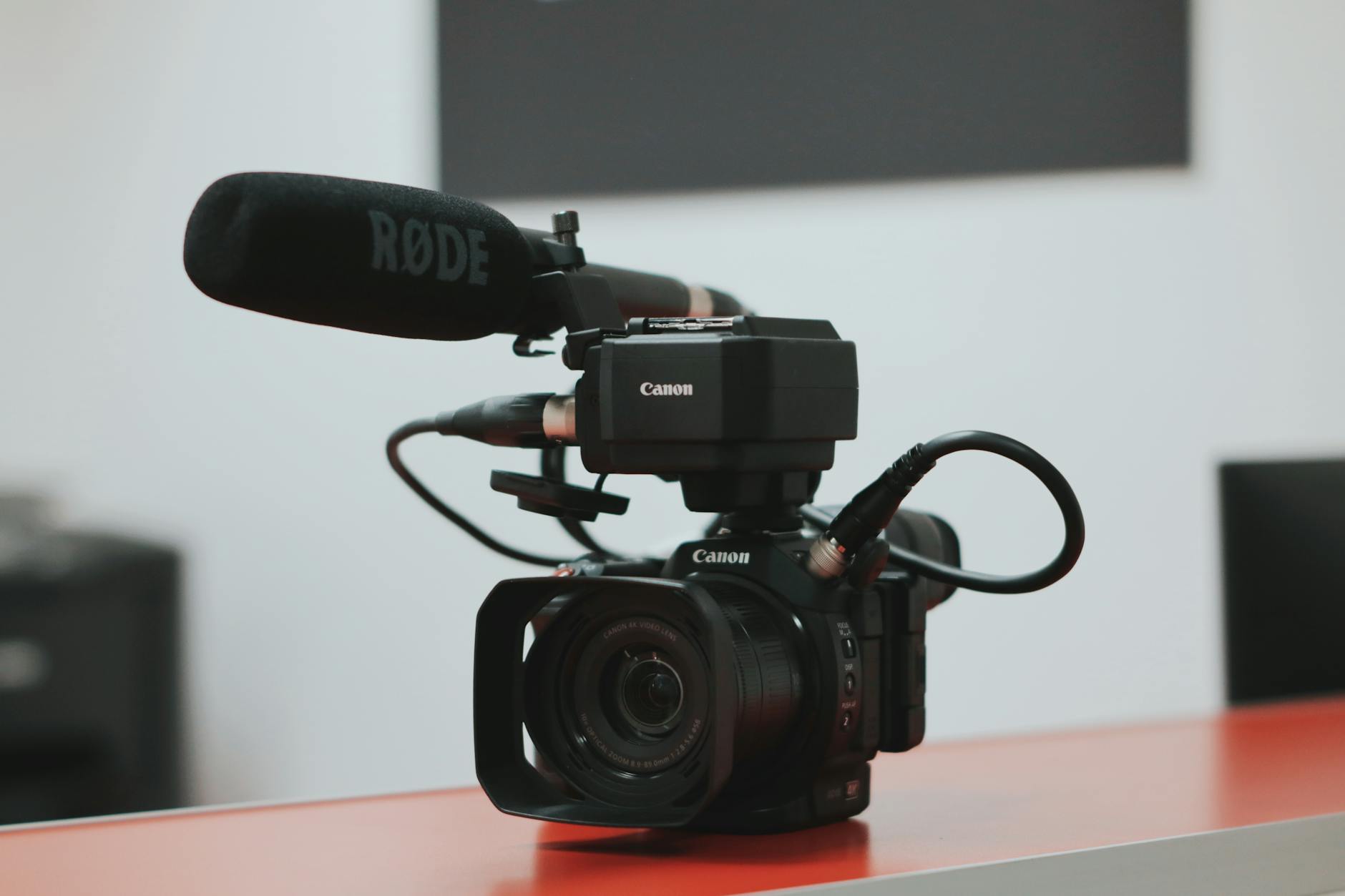
Utilizing professional-grade camera equipment ensures resolution, clarity, and color accuracy are optimized. Wide-angle lenses are often preferred to encompass more expansive views of interiors and exteriors, providing a comprehensive perspective that virtual viewers can rely on.
Consistent lighting is vital. Properly lit spaces avoid shadows and highlight architectural elements, while supplemental lighting or reflectors can be used to eliminate dark areas. For exterior shots, consider weather conditions, ensuring the sky is clear or the clouds enhance the visual appeal of the building.
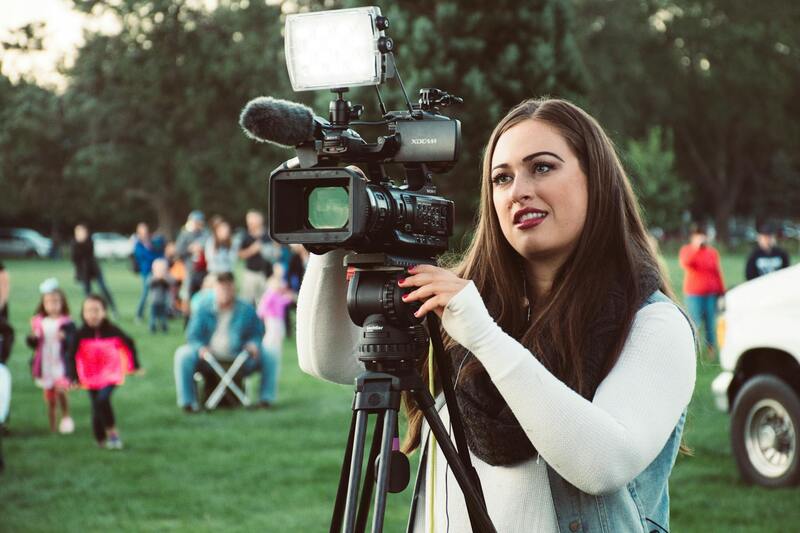
Additionally, employing a tripod stabilizes the camera, preventing motion blur and allowing for precise framing. Shooting in RAW format preserves maximum image data for flexibility during post-processing.
Aerial photography, utilizing drones, has become an invaluable technique for capturing large properties, surrounding landscapes, and access points from unique angles, offering potential clients a comprehensive understanding of the property's context within its environment.
Post-shoot, reviewing images on calibrated screens ensures that colors and exposures match the real-world appearance, setting the stage for effective editing. Regularly updating photographic skills and keeping abreast of industry advancements contribute to maintaining a high standard of visual storytelling in commercial real estate marketing.
Optimal Techniques and Timing for Commercial Property Photography
Capturing compelling images of commercial real estate requires not only technical skill but also strategic planning regarding timing and composition. The choice of time and weather conditions can significantly impact the visual quality and appeal of the photos.
Early mornings and late afternoons often offer the most advantageous lighting, known as the golden hour, when sunlight is softer and more diffuse. This natural light minimizes harsh shadows and highlights architectural details with warmth, enhancing the overall aesthetic. Midday sunlight can create stark shadows and high contrast, which may obscure important features of the property, so shooting during this time is generally less favorable unless specific effects are desired.
When framing shots, several camera angles can be utilized to highlight the property's strengths. An eye-level perspective provides a natural view, while elevated shots—achievable with drones or elevated platforms—offer broad overviews of larger sites, including surrounding landscapes and access routes.
Angles that emphasize entry points, parking facilities, and landscaping features help create a comprehensive visual narrative. Using wide-angle lenses can capture more of the space in a single shot, but caution should be taken to avoid distortion. Balancing wide shots with detailed images of focal points ensures prospective clients receive a complete understanding of the property’s layout and features.
Employing multiple shots from different vantage points allows for the creation of a virtual tour experience, which can be highly effective in marketing. Consistent focus and framing across all images reinforce professionalism and aid in creating a cohesive visual story. Additionally, integrating aerial photography offers distinct advantages for showcasing large-scale properties, surrounding amenities, and context within the neighborhood.
Ensuring optimal conditions for capturing images involves attention to environmental details. Overcast days can diffuse harsh sunlight, resulting in softer images with balanced exposure, while clear days with blue skies can enhance exterior shots, making buildings appear vibrant and inviting. If weather is less ideal, scheduling shoots during periods of stable lighting or using artificial lighting solutions can compensate for less-than-perfect conditions.
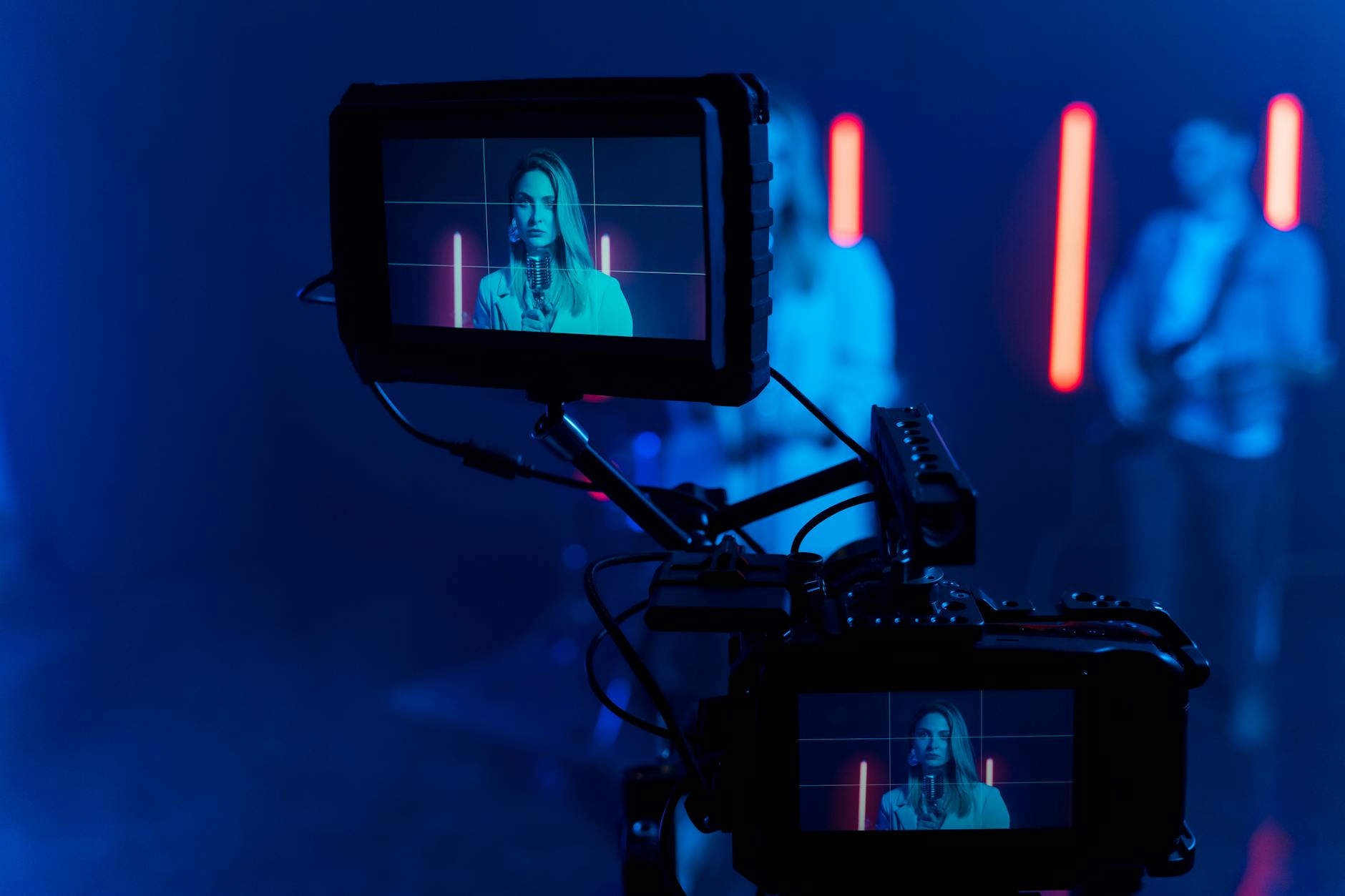
Furthermore, the choice of equipment plays a pivotal role in producing high-quality images. Using professional-grade DSLR or mirrorless cameras with high-resolution sensors ensures sharpness and clarity. Tripods provide stability, especially in low-light settings or when capturing long exposures needed for interior shoots. For exterior shots, wide-angle lenses help encompass the architectural breadth, whereas telephoto lenses can be used to focus on specific details or distant features.
Post-shoot review and adjustments are critical for maintaining image quality. Calibrated monitors enable precise color correction and exposure adjustments to reflect the real-world appearance of the property accurately. Exporting images in high-resolution formats preserves quality for print or high-definition digital use, while optimized images contribute to faster website loading times, enhancing user experience for online listings.
In sum, meticulous planning, optimal timing, and proper equipment usage are fundamental to capturing compelling commercial real estate photos. These images serve as powerful tools in marketing campaigns, providing prospective tenants or buyers with an authentic and enticing visual narrative that highlights the property's best features from every conceivable angle.
Effective Use of Lighting and Angles to Enhance Commercial Property Photos
Utilizing optimal lighting techniques is crucial for capturing the true essence of a commercial space in photographs. Natural light during daytime provides a warm and inviting atmosphere, especially for interior shots. Scheduling photo shoots during peak daylight hours enables the capture of consistent and even lighting, reducing the need for extensive post-editing. When natural light is insufficient, supplementary artificial lighting becomes essential. Professional lighting equipment, such as softboxes and diffusers, help distribute light evenly, reducing shadows and glare that can obscure key features of the property.
Angles significantly influence the perception of space and architectural appeal. Wide-angle lenses are particularly effective for showcasing entire rooms or building facades, providing viewers with a comprehensive view that emphasizes openness and scale. However, it’s important to avoid excessive distortion by carefully choosing the lens settings. For interior shots, shooting from a corner vantage point often presents a more expansive perspective, making rooms appear larger and more inviting. Exterior shots benefit from capturing the building at a slight angle to highlight architectural details while maintaining balance and proportion.
Mastering the use of angles involves considering the best vantage points that accentuate the property’s strengths. Low-angle shots can emphasize height and grandeur, especially for impressive facades, while high-angle images might offer comprehensive views of surroundings, such as parking lots or landscaped areas. Combining different perspectives provides a varied visual narrative that captures the property’s full potential, appealing to prospective tenants or buyers seeking detailed insight into the space.
Techniques for Effective Composition and Post-Processing
A well-composed photograph guides viewers’ attention to the most compelling aspects of the property. Leading lines, symmetry, and balanced framing ensure that key features—such as prominent entrances, lobby areas, or distinctive architectural elements—stand out. Maintaining a clean and clutter-free environment during the shoot enhances the perceived quality of the images. Minor adjustments in post-processing can further elevate the visuals by correcting exposure, enhancing colors, and removing distractions.
Using professional editing software, such as Adobe Lightroom or Photoshop, enables precise calibration of images. Adjustments should aim to reflect the space's true appearance without overprocessing, which can mislead viewers. Techniques like HDR (High Dynamic Range) imaging can combine multiple exposures to reveal details in both shadows and highlights, resulting in evenly lit images that truly showcase the property's details.
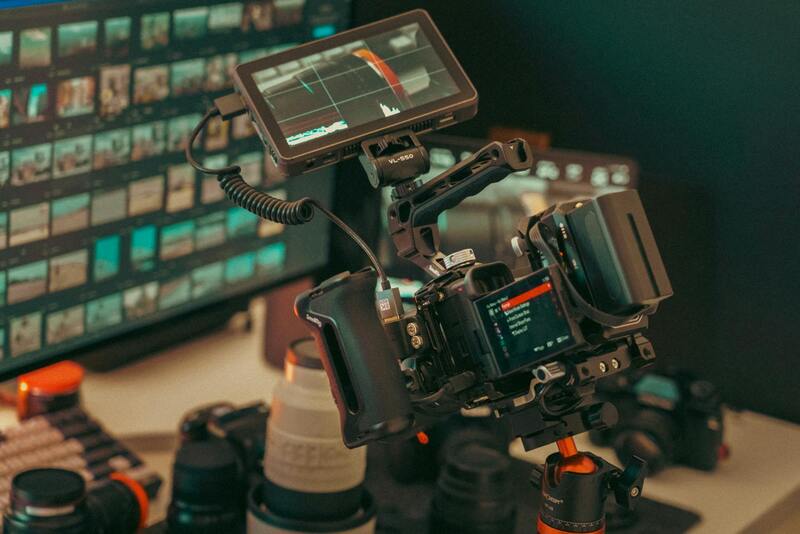
High-quality commercial real estate photos are critical assets for marketing strategies, as they serve as the first impression for prospective clients. When executed with precision in lighting, composition, and post-production, these images deepen engagement and generate interest in the property, facilitating faster leasing or sales processes.
Legal and Permission Considerations
Securing appropriate permissions prior to conducting commercial real estate photography is essential to ensure a smooth and ethical process. Property owners and managers must be informed about the photography session and provide explicit consent for images to be captured, especially when shooting interior spaces that might contain sensitive information or proprietary details. Clear communication prevents misunderstandings and aligns expectations regarding the scope of the photography. Access arrangements should be coordinated in advance, determining the best times for shooting to avoid disruptions and ensure the property is in optimal condition. It’s also important to respect any restrictions related to specific areas within the premises. Maintaining a respectful approach when photographing commercial properties fosters positive relationships with clients and minimizes potential conflicts. Respecting privacy laws, particularly when photographing tenants or confidential spaces, involves obtaining necessary disclosures or permissions. When capturing images that include identifiable individuals, their consent should be secured, especially in spaces where privacy expectations are high. Adherence to these practices not only safeguards the interests of all parties involved but also upholds the professional standards essential in commercial real estate marketing. Proper documentation of permissions and access rights helps streamline the process and ensures compliance with industry best practices.

Post-Processing and Editing Techniques
Post-processing plays a vital role in transforming raw images into polished, compelling visuals that accurately convey a property’s appeal. Skilled editing can correct exposure imbalances, enhance architectural features, and bring out the richness of colors, ultimately improving the overall visual impact without misrepresenting the space. Techniques such as HDR (High Dynamic Range) imaging help balance lighting disparities, revealing hidden details in shadowed or overly bright areas. This results in images that accurately depict both interior and exterior views, providing viewers with a comprehensive perspective. Clarity and sharpness adjustments sharpen key features, making spaces appear more inviting and well-defined. Removing distractions, such as unwanted reflections or background clutter, helps keep the viewer's focus on the property itself. For color correction and consistency, editing software like Adobe Lightroom and Photoshop are industry standards. These tools enable precise calibration of brightness, contrast, saturation, and tone, ensuring that the images accurately reflect the property's true state. Subtle enhancements, such as contrast adjustments or clarity boosts, create visually engaging photos that capture attention and generate interest. It’s crucial, however, to avoid overprocessing, which can distort the authenticity of the visuals. The goal is to produce images that are visually striking while remaining true to the property's original appearance. High-quality post-production not only elevates the aesthetic appeal of commercial real estate images but also enhances their utility in marketing campaigns. Professionally edited photos can increase viewer engagement, generate more inquiries, and ultimately accelerate leasing or sales transactions.
Legal and Permission Considerations
Securing appropriate permissions before capturing and using commercial real estate images is a fundamental aspect of professional property marketing. Property owners and managers typically hold the rights to images taken within their premises, especially when those images are intended for commercial use. It is crucial to obtain explicit consent to photograph specific areas, ensuring that all necessary parties are aware of and agree to the photography process.
Photography releases and permissions should be documented clearly, outlining the scope of use for the images. This documentation helps prevent potential misunderstandings or disputes, providing a framework that safeguards both the photographer and the property owner. When taking shots in shared or leased spaces, additional permissions might be required from tenants or other stakeholders who have an interest in the property’s depiction.
In multi-tenant buildings, particular attention should be paid to areas that contain confidential or sensitive information, such as signage, business operations, or proprietary equipment. Avoiding these areas unless permitted preserves privacy and adheres to agreed-upon guidelines.
Furthermore, utilizing legally obtained images is essential for maintaining credibility and trustworthiness in marketing efforts. This approach reinforces a professional reputation and aligns with best practices for responsible commercial property promotion.
Documentation and Record-Keeping
- Maintain records of all permissions related to property photography.
- Ensure agreements specify intended use, distribution channels, and duration of image rights.
- Obtain written consent from all relevant parties prior to the shoot.
Adhering to these procedures not only ensures that marketing campaigns are compliant with standard practices but also enhances the transparency and professionalism of the property presentation process.
Legal and Permission Considerations
Securing the proper authorizations before conducting commercial real estate photography is essential for maintaining a seamless workflow and protecting all parties involved. Obtaining written permissions and clearances involves engaging with property owners, leasing agents, or management teams to confirm approval for photography sessions. These agreements should detail the scope of the shoot, specific areas to be photographed, and any restrictions or guidelines that must be followed.
In complex properties with multiple tenants or stakeholders, obtaining consent from each relevant party reduces the risk of misunderstandings or disruptions during the shoot. It is especially important to clarify the intended use of the images, whether for marketing, leasing, or investment purposes, as this influences the scope of permissions required.
When working within shared or leased environments, additional considerations include respecting privacy and confidentiality agreements. This could mean avoiding the capture of proprietary signage, confidential operational areas, or sensitive information unless explicit consent has been granted. Maintaining a professional and respectful approach to these elements fosters trust and cooperation with property stakeholders.
Best Practices for Ensuring Legal Compliance
- Secure written consent from property owners and tenants prior to the shoot.
- Document all permissions and agreements, specifying intended use, distribution channels, and duration of image rights.
- Identify and avoid areas containing sensitive or proprietary information unless authorized.
- Respect privacy boundaries and adhere to any specific guidelines provided by property management.
- Maintain comprehensive records of permissions to facilitate transparency and accountability.
Adhering to these practices not only safeguards the interests of all involved parties but also enhances the professionalism and credibility of your marketing content. Proper permission management helps ensure images are used ethically and responsibly, contributing to a trustworthy reputation in the commercial real estate industry.
Utilizing Commercial Real Estate Photos for Marketing
High-quality commercial real estate pictures serve as a cornerstone for effective marketing strategies, enabling property owners and brokers to attract the right audience efficiently. Professional images showcase the property's best features, convey its unique value proposition, and create a compelling first impression. When properly integrated into online platforms, print media, and digital advertising campaigns, these visuals can significantly increase engagement and expedite transaction timelines.
One of the primary ways commercial real estate photos are utilized is through online property listings. An eye-catching gallery with crisp, well-lit images helps stand out in crowded marketplaces by immediately capturing the attention of potential tenants, buyers, or investors. Incorporating aerial shots, interior details, and surrounding environment visuals provides a comprehensive view, catering to various buyer preferences.
Moreover, professional photographs enhance branding efforts for real estate agencies and property management firms. They contribute to a consistent, polished corporate image and reinforce trustworthiness. These images are also instrumental in creating marketing collateral such as brochures, presentations, and digital ads, which further extend the property's reach and visibility across multiple channels.
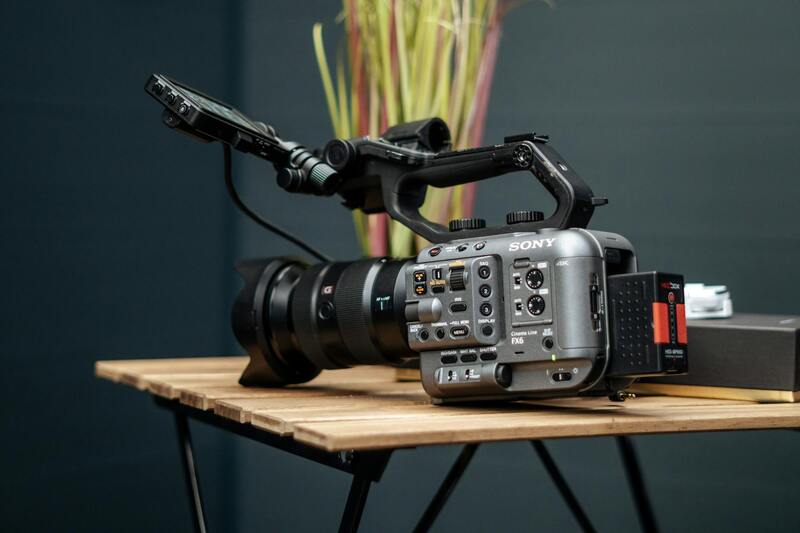
Additionally, well-produced commercial real estate visuals are critical during open houses and property tours, both virtual and in-person. They provide prospective clients with a detailed preview, allowing them to assess suitability before scheduling visits. This pre-qualification process saves time and ensures that client interactions are more targeted and productive.
Investing in professional photography offers long-term benefits by elevating the property's marketability and positioning it as a premium listing. High-caliber images not only draw immediate interest but also bolster the credibility of marketing campaigns, leading to higher sales prices or leasing rates.
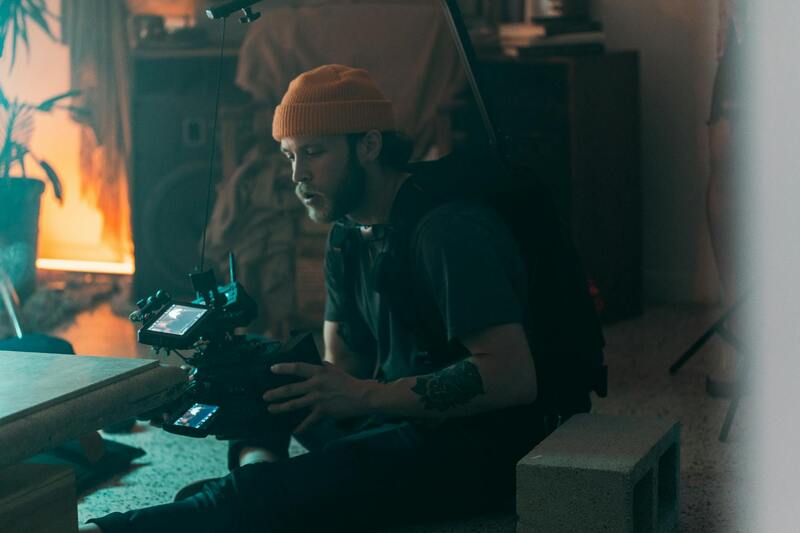
In summary, integrating professional commercial real estate photography into marketing workflows advances competitive positioning, accelerates sales cycles, and cultivates a professional image that resonates with discerning clients in Miami's dynamic property market. Prioritizing the quality and strategic use of these images ensures your listings generate maximum interest and convey the property's true potential effectively.