
Importance of High-Quality Real Estate Photos
In Miami's dynamic real estate market, the visual presentation of a property plays a vital role in attracting potential buyers and negotiating favorable deals. High-quality real estate photography serves as a powerful marketing tool, showcasing the property's best features and conveying its unique character. Well-composed, clear, and vividly detailed images can significantly influence a buyer’s first impression and their overall perception of the property's value. In this highly competitive environment, properties that are presented with professional imagery tend to garner more interest, leading to faster sales and potentially higher offers.
Buyers today often start their property search online, relying heavily on listing photographs to narrow down their options. Properties with professional images stand out amidst numerous similar listings, capturing attention and encouraging viewers to schedule a visit. Exceptional photos also help set accurate expectations, reducing the likelihood of disappointment during in-person visits. In Miami's real estate landscape, where properties often boast distinctive architectural styles and scenic surroundings, high-quality photography can emphasize these unique features, making the listings more appealing and memorable.
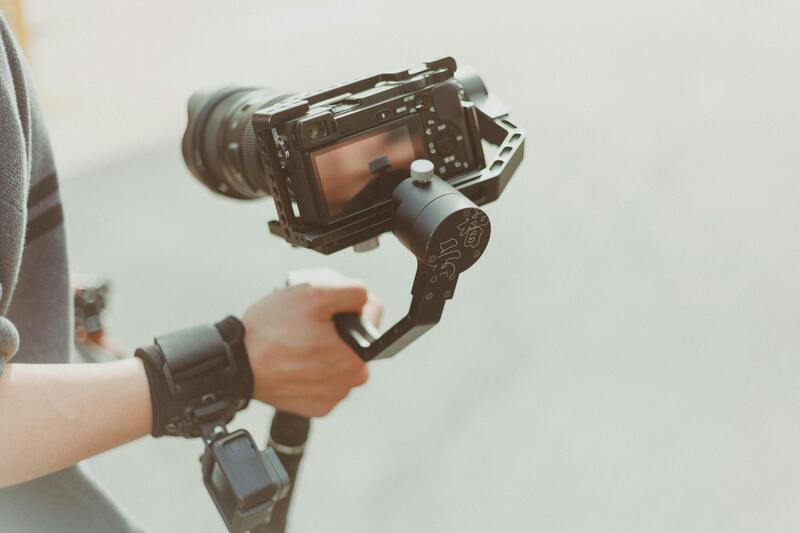
Furthermore, professional photographs can elevate the perceived value of a property. When images are skillfully taken, they communicate a sense of care, quality, and attention to detail that resonates with prospective buyers. This perception can translate into higher listing prices and quicker transactions. In Miami, where luxury homes and high-end condominiums dominate, exceptional real estate photography highlights the exclusivity and elegance that buyers seek, ultimately making a substantial difference in sales outcomes.
Investing in quality imagery also benefits real estate professionals by expanding their market reach and credibility. Well-crafted visuals increase online engagement, generate more inquiries, and help build a reputable brand reputation. As digital platforms continue to lead property marketing efforts, mastering the art of compelling real estate photography becomes a strategic necessity for brokers and sellers aiming to thrive in Miami’s vibrant real estate scene.
In essence, the importance of high-quality real estate photos cannot be overstated. They are the cornerstone of an effective property marketing strategy, bridging the gap between a property’s physical attributes and the buyer’s emotional connection. Mastering this visual storytelling enhances the property’s marketability, accelerates sales cycles, and ensures that listings leave a lasting impression on prospective buyers.
Choosing the Right Equipment and Techniques
For capturing compelling real estate images that truly showcase a property’s best features, selecting the appropriate equipment and applying effective techniques are crucial. High-quality real estate photography hinges on the use of professional-grade cameras capable of capturing sharp details, vibrant colors, and high dynamic range, ensuring both interior and exterior spaces are adequately represented. A DSLR or mirrorless camera with a wide-angle lens (preferably between 14mm and 24mm) enables photographers to encompass more of the space in a single shot, making rooms appear larger and more inviting. Tri-pod stabilization is also essential to maintain consistent framing and avoid camera shake, especially when shooting in low-light conditions or during interior photography where longer exposures are common.
Beyond the camera itself, employing the correct shooting techniques can significantly elevate image quality. For interior shots, leveraging natural light is vital; shooting during daylight hours when sunlight streams through windows ensures the home appears bright and welcoming. Using external flash or off-camera lighting can fill shadows and uniformize exposure, especially in rooms with contrasting light levels. Aperture settings should be optimized (typically around f/8) to maintain sharpness throughout the depth of the room, capturing intricate details from foreground to background.
For exterior photographs, timing is equally important. Golden hour—shortly after sunrise or before sunset—provides soft, warm lighting that enhances curb appeal. Utilizing filters, such as polarizers, can reduce reflections and glare from windows and water features, providing cleaner, more vivid images. When possible, employing drone photography to capture expansive, overhead views can add a dynamic perspective, especially for larger properties or scenic Miami locations.
The technique of HDR (High Dynamic Range) imaging combines multiple shots taken at different exposures to create balanced images that reflect both shadowed and brightly lit areas accurately. This method is particularly effective in scenarios with high contrast, such as interiors with large windows or exterior scenes with the sky and landscaped grounds. Careful attention to these equipment choices and techniques ensures each photo accurately mirrors the space’s ambiance, helping it stand out online and attract relevant buyers.
Best Practices for Interior and Exterior Photography
Interior shooting should prioritize decluttering and staging, creating a neutral and inviting environment that appeals to a broad audience. When framing shots, aim for a meticulous balance of vertical and horizontal lines, ensuring walls and furniture are straight and parallel. Vertical lines should be aligned during post-processing to correct any converging lines caused by wide-angle lenses. Highlight key features such as updated kitchens, spacious bedrooms, and modern bathrooms to emphasize property value. Incorporating multiple vantage points within each room provides viewers with a comprehensive sense of space and layout.
For exterior images, maintaining a tidy landscape free of distractions enhances curb appeal. Capture the property at an angle that showcases its architectural features and landscaping details. Incorporate elements like sidewalks, driveways, or outdoor amenities to suggest a lifestyle that resonates with prospective buyers. In Miami’s climate, images taken during favorable weather conditions, with clear skies and lush surroundings, can make a significant difference in perception.
Ensuring consistency across all images creates a cohesive visual presentation that strengthens marketing efforts. Utilizing shot lists and planning sessions beforehand helps organize captures methodically, reducing shoot times and avoiding missed angles. Employing wide lenses for dynamic exterior shots and zooming in on close-up details for interior features guarantees a comprehensive visual story of the property.
Choosing the Right Equipment and Techniques
Professional real estate photography hinges significantly on the selection of appropriate equipment and the application of effective shooting techniques. High-quality images not only capture the true essence of a property but also appeal more to potential buyers who browse online listings. For interior and exterior shots to achieve maximum impact, several technical aspects must be prioritized.
First, a camera with a full-frame sensor is preferable. This type of camera excels in capturing detailed images with excellent dynamic range, which is crucial for highlighting both brightly lit spaces and shadowed areas within a property. The use of a wide-angle lens, typically in the range of 14mm to 24mm, is essential in real estate photography. It allows for broader perspectives, making rooms appear more spacious and appealing. However, lens distortion should be carefully managed to avoid unnatural perspectives that can mislead viewers or distort the property's proportions.
Utilizing a tripod ensures stability during shoots, especially in lower light conditions or when capturing HDR (High Dynamic Range) images. HDR techniques involve taking multiple shots at different exposures and combining them to produce a well-balanced image that correctly exposes both interior details and exterior views. This is particularly useful for sunset or interior shots with windows, where lighting contrast is high.

Shooting at the optimal time of day can dramatically improve image quality. The golden hour, shortly after sunrise or before sunset, offers soft, warm light that enhances the visual appeal of both exteriors and landscapes. Overcast days also provide diffuse lighting that minimizes harsh shadows, making indoor spaces look inviting and balanced.
In terms of shooting techniques, attention to composition is vital. Adhering to the rule of thirds, ensuring vertical lines are straight, and balancing elements within the frame help create harmonious images. Proper staging and decluttering are equally important, as they allow the property’s best features to stand out without distractions. When possible, capturing from multiple vantage points and heights gives potential buyers a comprehensive view, highlighting the property’s space, flow, and distinctive features.
Post-shoot planning can streamline the process. Creating shot lists based on the property’s layout ensures all essential areas are covered systematically. This step saves time during the shoot and guarantees consistency across images, which reinforces a cohesive visual story. Implementing these equipment choices and techniques results in compelling visuals that effectively showcase Miami’s diverse properties and appeal to discerning buyers seeking clarity and professionalism in real estate marketing.
Best Practices for Interior and Exterior Photography
Capturing both interior and exterior images requires a strategic approach to ensure the property’s best features are highlighted effectively. For interior shots, attention to lighting, staging, and angles is essential. Use natural light whenever possible, opening blinds and curtains to maximize brightness. Supplement with artificial lighting to avoid shadows, especially in darker rooms. Wide-angle lenses are advantageous for interior photography, as they can make spaces appear larger and more inviting without distortion. Keep the camera level to preserve straight vertical lines, especially on walls and doorframes, for a professional finish.
When photographing exteriors, consider the property's curb appeal. Shoot during the golden hour for warm, inviting sunlight, or on overcast days to achieve soft, uniform lighting that reduces glare and shadows. Position the camera at eye level, and include foreground elements—such as landscaping or pathways—to create depth. Incorporate multiple vantage points to showcase the full scope of the exterior, including architectural features, outdoor living spaces, and landscape details.
With careful planning and execution, high-quality real estate images can significantly influence buyer interest. Remember to adapt your approach based on the property's uniqueness and target audience, ensuring each shot resonates with prospective buyers and accurately conveys the property's qualities.
Importance of High-Quality Real Estate Photos
High-quality real estate photography plays a pivotal role in the marketing and sale of properties. When potential buyers browse online listings, the first impression they receive comes from the images displayed. Clear, vibrant, and well-composed photographs can significantly increase interest and engagement, leading to faster sales and potentially higher offers. Superior images effectively communicate the property's value, spatial layout, and unique features without the need for immediate physical inspection.
Investing in professional-grade photography ensures that each shot captures the essence of the property under optimal lighting conditions. Well-executed images reduce ambiguity, highlight the property's best attributes, and create an emotional connection with viewers. These visuals serve as an essential tool in standing out amidst a crowded market, especially in competitive regions like Miami where diverse properties vie for attention. When listings feature compelling visuals, they tend to generate more inquiries and facilitate a smoother sales process.
Moreover, high-quality photography builds credibility and trust with prospective buyers. It demonstrates that the listing agent or property owner is committed to presenting the property honestly and professionally. This integrity nurtures confidence in the listing and encourages potential buyers to learn more or schedule viewings. As digital platforms become the primary venue for property search in Miami and beyond, having expertly captured images is no longer optional but a fundamental component of effective real estate marketing strategy.

Key Elements of Good Real Estate Photography
- Lighting: Natural light is preferred for its warmth and authenticity. Proper timing—such as early morning or late afternoon—helps achieve the right ambiance. Avoid harsh midday sun that creates unflattering shadows.
- Composition: Frame shots with attention to symmetry and balance. Use the rule of thirds, include foreground elements to add depth, and ensure that each room or exterior view is presented from an angle that highlights its best features.
- Clarity and Sharpness: High-resolution images are vital to capture intricate details and textures. Use a tripod to prevent blurring and ensure crisp, professional results.
- Staging and Decluttering: Proper staging removes distractions and emphasizes the property’s potential. Cleanliness, minimal clutter, and thoughtful arrangement of furniture and decor make spaces appear more inviting.
- Consistency: Maintaining a uniform style across all images reinforces the visual story and portrays a cohesive aesthetic throughout the listing.
Choosing the Right Equipment and Techniques
Utilizing professional-grade cameras with wide-angle lenses is essential for capturing expansive views and interior spaces effectively. Tripods allow for stability and sharp images, especially in lower-light conditions. Drones are also invaluable for exterior shots, aerial views, and showcasing large properties from a comprehensive perspective. Employing HDR (High Dynamic Range) techniques can help balance exposure between dark and bright areas, ensuring all details are visible.
In addition, employing proper camera settings—such as appropriate aperture, ISO, and shutter speed—can enhance image quality. Strategic use of lighting fixtures, reflectors, and diffusers can further improve indoor shots by reducing shadows and glare. When capturing exterior views, consider the optimal time of day for the best natural light, and include landscaping, outdoor living areas, and architectural details to create an alluring visual narrative.

Effective Strategies for Showcasing Property Highlights
Maximizing the visual appeal of a property requires more than just capturing high-resolution images; it involves thoughtfully highlighting the property's unique features to attract potential buyers. Employing strategic composition techniques and understanding the property's strengths can significantly enhance marketing efforts.
Strategic Composition and Framing
- Focus on Key Features: Identify the most appealing aspects of the property, such as a spacious kitchen, luxurious bathrooms, or scenic views, and frame these features prominently.
- Use Leading Lines: Incorporate architectural elements like hallways, staircases, or countertops to guide the viewer's eye through the image, creating a sense of depth and perspective.
- Incorporate Symmetry and Balance: Symmetrical arrangements, especially in architectural shots, evoke a sense of harmony and professionalism.
Lighting Techniques to Enhance Property Features
Proper lighting plays a crucial role in emphasizing a property's best qualities. Natural light should be utilized whenever possible, especially during the golden hour, which provides soft, warm illumination that makes spaces appear inviting.
- Enhance Indoor Lighting: Supplement ambient light with strategically placed additional sources such as softboxes or reflectors to reduce shadows and evenly illuminate rooms.
- Showcase Exterior Lighting: Capture exterior shots during optimal lighting conditions to highlight landscaping, architectural details, and outdoor amenities effectively.
- Control Exposure: Use high dynamic range (HDR) techniques to balance exposure across bright and dark areas, ensuring all details are visible and vibrant.
Seasonal and Environmental Considerations
In a vibrant market like Miami, adapting photography to seasonal conditions and environmental influences enhances the appeal of listings:
- Timing: Schedule shoots during times of the day when natural light is most flattering, often early morning or late afternoon.
- Weather Conditions: Capture properties in favorable weather to depict outdoor spaces at their best. Overcast days can help diffuse harsh sunlight, reducing shadows and glare.
- Environmental Elements: Emphasize aspects like lush landscaping, outdoor living areas, and coastal views that resonate with Miami’s lifestyle and appeal to prospective buyers.

Bringing It All Together
By combining thoughtful composition, strategic lighting, and environmental awareness, real estate professionals can produce compelling images that effectively showcase a property's unique characteristics. These high-quality photographs serve as powerful marketing tools, drawing attention online and inspiring potential buyers to explore the property further.
Importance of High-Quality Real Estate Photos
High-quality real estate photos serve as the visual gateway that draws potential buyers into a property listing. They are instrumental in establishing a compelling first impression, conveying the property's true essence, and highlighting its unique features. Well-executed images can significantly increase online engagement, leading to more inquiries and faster sales. In the competitive Miami market, where properties often boast distinctive architectural styles and luxurious amenities, professional photography ensures that these elements are showcased in their best light, capturing the vibrancy and lifestyle appeal that this city offers.

Investment in high-quality imagery not only elevates a listing’s aesthetic appeal but also demonstrates professionalism and attention to detail that buyers appreciate. Accurate and attractive photos can influence a buyer’s perception, instilling confidence and reducing time on the market. In a vibrant metropolis like Miami, where lifestyle imagery is as vital as the property itself, premium real estate photos become a powerful tool for differentiation and market positioning.
Key Elements of Good Real Estate Photography
- Lighting: Natural light is ideal, but supplemental lighting may be necessary to brighten interiors and reduce shadows.
- Composition: Steady, level shots that emphasize the property's best features, with an eye for scale and proportion.
- Clutter-Free Spaces: Clear, tidy environments that allow viewers to envision themselves living in the space.
- Accurate Representation: Photos should authentically depict the property’s specifications, avoiding over-editing or misrepresentation.
- Wide-Angle Shots: Use of appropriate lenses to showcase room dimensions and layout comprehensively.
Choosing the Right Equipment and Techniques
Professional real estate photography hinges on the use of high-end cameras, lenses, and accessories. A full-frame DSLR or mirrorless camera paired with a wide-angle lens (typically between 14mm and 24mm) ensures expansive, distortion-free shots. Tripods stabilize the camera, especially in low-light settings, resulting in crisp images. Additionally, techniques such as HDR imaging help balance exposure in scenes with contrasting light levels, preserving details in shadows and highlights. Drone photography adds a compelling perspective for exterior shots, emphasizing property size, outdoor features, and their surrounding environment.
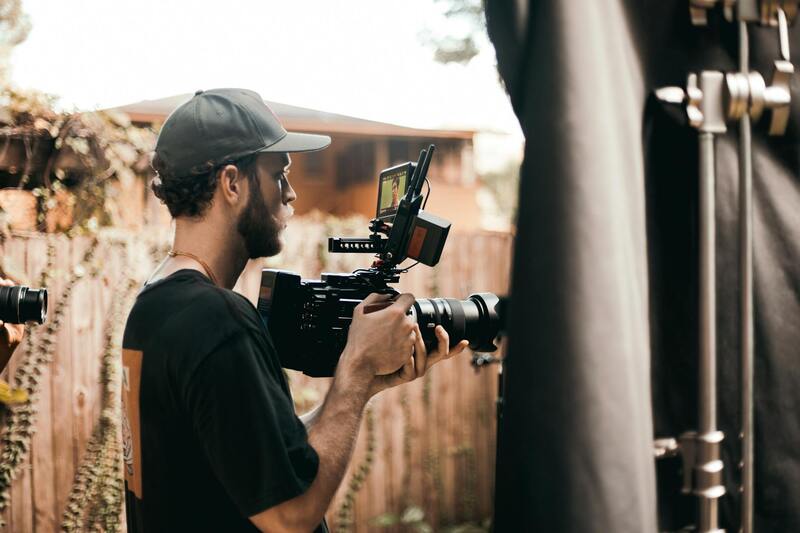
Implementing consistent shooting protocols—such as optimal shooting angles, camera settings, and times of day—ensures a cohesive and professional look across all images. This meticulous approach enhances the visual storytelling and marketability of Miami properties.
Best Practices for Interior and Exterior Photography
Interior Photography
- Utilize natural light whenever possible, opening curtains and blinds to maximize sunlight.
- Use HDR techniques to balance interior brightness and prevent window overexposure.
- Highlight spaciousness by shooting from corners and including multiple perspectives of key rooms.
- Ensure all rooms are clean, decluttered, and staged to showcase their full potential.
Exterior Photography
- Shoot during the golden hour—shortly after sunrise or before sunset—for warm, inviting light.
- Incorporate landscaping features and outdoor amenities, such as pools, patios, or gardens.
- Capture the property from multiple angles to provide a comprehensive view.
- Use drone photography to portray property size, waterfront access, and scenic surroundings.
Importance of Post-Processing and Editing
Post-processing is essential in refining raw images to ensure they match the property's true appeal. Skilled editing includes adjusting brightness, contrast, and color balance to enhance visual impact, removing minor imperfections, and ensuring consistency across photos. Excessive editing should be avoided to maintain authenticity. Properly edited images engage viewers more effectively, helping listings stand out in competitive online environments and attract high-quality leads.
Local Considerations for Miami Real Estate Photography
Miami's vibrant landscape requires a nuanced approach to real estate photography. This includes maximizing natural light by shooting during optimal times to capture the city's unique sunshine and coastal vistas. Recognizing the importance of outdoor aesthetics, photos should emphasize tropical landscaping, outdoor living spaces, and panoramic views that Miami properties often feature. Weather conditions—mild, sunny days—are ideal for exterior shots, while overcast days can soften harsh sunlight, creating a more balanced and inviting look. Seasonal changes impact the ambiance, so timing shoots to coincide with lush landscaping or sunset vistas enhances visual appeal.
In addition, understanding Miami’s architectural diversity—from sleek, modern condos to historic Art Deco structures—guides photographers to adapt techniques that best portray each style. Incorporating Miami’s lively outdoor lifestyle and scenic backdrops into photography encourages buyers to envision themselves immersed in the local culture and environment.
Maximizing the Impact of Your Real Estate Photos in Online Marketing
Effective online presentation hinges on more than just capturing high-quality images; it requires strategic optimization to ensure maximum visibility and engagement. When it comes to online listings, each photo must be carefully prepared to resonate with digital audiences and search engines alike. Proper sizing, formatting, and SEO techniques are essential to make listings stand out amidst intense online competition.
Strategic Image Sizing and Formatting
To enhance load times and user experience, images should be optimized for various platforms, including desktops, tablets, and smartphones. Typically, high-resolution images ranging from 1500 to 2000 pixels on the longest side strike a balance between quality and performance. Common formats like JPEG are ideal for photographs due to their compression capabilities, but PNG can be used for images requiring transparency or sharper details. Ensuring images are compressed without compromising clarity helps maintain quick load times, which is critical for retaining viewers and reducing bounce rates.
Implementing SEO for Real Estate Photos
Incorporating SEO practices into your visual assets amplifies online visibility. Descriptive, keyword-rich file names—such as luxury-miami-beach-condo-with-panoramic-view.jpg—help search engines understand the content of each image. Additionally, including relevant alt text that accurately describes the property features enables better indexing and accessibility. For example, alt text like "Spacious Miami condo with panoramic city views" not only improves SEO but also provides context for users relying on screen readers.
Utilizing Visual Content for Social Media and Digital Campaigns
High-quality, optimized images are vital for social media platforms and targeted digital advertising. Visual content formatted for platforms like Instagram, Facebook, and Google Ads should be engaging and eye-catching, often requiring different aspect ratios—such as square for Instagram or landscape for Facebook. Consistency in style and branding across all images reinforces professionalism and helps establish a recognizable visual identity. Incorporating engaging overlays, property details, or calls to action can further drive user interaction and lead generation.
Implementing Consistent Branding and Style
To foster trust and recognition, investment in a coherent visual style across all property photos is essential. This includes maintaining consistent color grading, lighting, and framing standards that align with the brand identity of your agency or portfolio. Such uniformity not only enhances aesthetic appeal but also strengthens your market presence, making your listings more memorable and professionally curated.
Measuring Effectiveness and Continuous Improvement
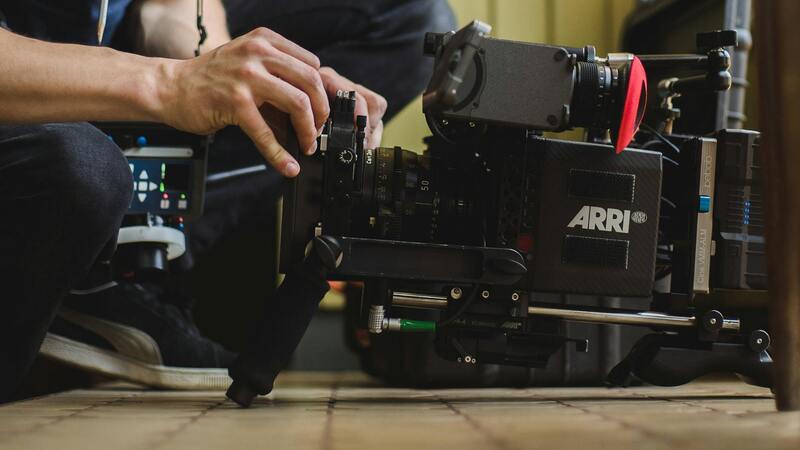
Utilize analytics to assess which images garner the most engagement and conversions. Data-driven insights enable you to refine your photography and optimization strategies continually. Monitor metrics such as click-through rates, time spent on listing pages, and lead inquiries to identify high-impact visual content and areas for improvement. Regularly updating your images with seasonal or recently renovated properties can also maintain freshness and relevance, keeping your listings competitive.
In today's digital-centric real estate environment, the quality and optimization of visual content directly influence the success of online marketing efforts. Employing strategic sizing, formatting, and SEO best practices ensures your images not only showcase properties effectively but also reach and resonate with the widest audience possible.