
Importance of Good Real Estate Photos
In the competitive Miami real estate market, high-quality images are more than just visual representations; they are powerful marketing tools that can significantly influence a property's sale potential. Buyers increasingly rely on online property listings to narrow down their options before scheduling viewings. As a result, the initial impression created by compelling and professional photographs can determine whether potential buyers take a further interest or move on to the next listing.
Effective real estate photos serve as visual storytelling devices that highlight a property's best features, evoke emotional responses, and provide a clear sense of space and layout. In Miami, where luxurious waterfront properties, modern condos, and expansive estates dominate the landscape, showcasing these assets through striking imagery is essential for standing out in a crowded market.
Studies have shown that properties with vibrant, well-composed photos tend to garner more clicks, longer online engagement, and, eventually, quicker sales compared to those with subpar imagery. This heightened interest often translates into competitive offers and higher sale prices, making investment in top-tier photography a wise strategic decision for agents and sellers alike.
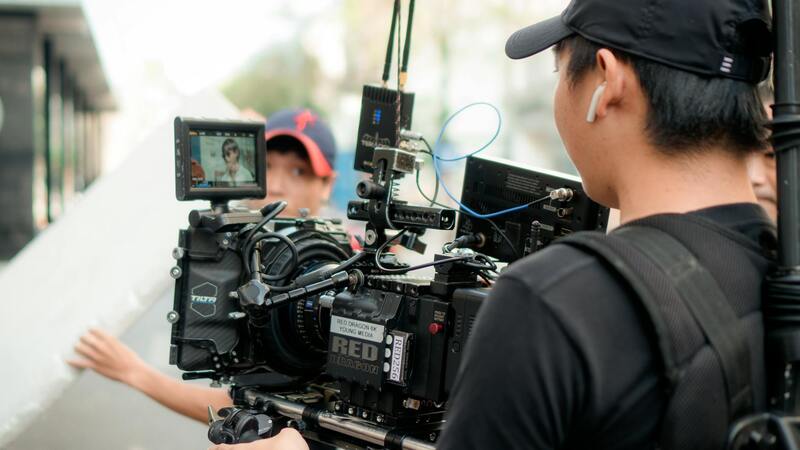
The quality of imagery also impacts the perceived value of a property. High-resolution, professionally shot photos suggest well-maintained homes and serious sellers, fostering trust and confidence among prospective buyers. Furthermore, dynamic, clear visuals help establish the property’s unique identity, whether it's a sleek Miami condo with stunning ocean views or a sprawling estate with lush landscaping.
In addition, optimized photos reduce the need for multiple viewings and repetitive inquiries, streamlining the sales process. Buyers who have a comprehensive and attractive visual understanding of a property are more likely to make decisions faster. For real estate professionals operating in Miami’s vibrant market, leveraging excellent photography is an investment in building a strong online presence, attracting quality leads, and ultimately closing deals more efficiently.

Thus, the significance of good real estate photos cannot be overstated. They function as the digital handshake, first impression, and branding element all at once. For anyone seeking to maximize the appeal of their Miami property listing, focusing on delivering visually compelling, professional-quality images will invariably lead to better market positioning, increased buyer interest, and successful sales.
Preparation and Staging for Photoshoots
Proper preparation and staging are essential components for capturing compelling real estate images. A well-prepared property not only looks more attractive but also provides prospective buyers with a clear understanding of the space’s potential. Prior to the photoshoot, homeowners and real estate professionals should thoroughly declutter each room, removing personal items that could distract or detract from the property’s features. Ensuring surfaces are clean, carpets are freshly vacuumed, and windows are spotless will significantly enhance the visual quality of the photographs.
Staging furniture and decor strategically can highlight the space’s best attributes. For example, positioning a sectional sofa to emphasize an open living area or placing a dining table near a well-lit window can create inviting focal points. It is important to keep the color palette neutral and cohesive, enhancing natural light while avoiding overly bold decor that might overshadow the property itself. Adding fresh plants, tasteful accessories, and subtle decorative elements can instill a sense of warmth and livability.
Scheduling the photoshoot during optimal lighting conditions, typically morning or early afternoon, when natural light is abundant, can dramatically improve photo quality. Ensuring all lights are functioning and turning on all available lighting fixtures can help balance the interior illumination, reducing shadows and dark corners. Regularly inspecting the property for cleanliness and address any repairs or maintenance issues beforehand can prevent distracting flaws from appearing in the images.
Lighting Techniques for Real Estate Photos
Lighting is the foundation of high-quality real estate photography. Utilizing a combination of natural and artificial light sources maximizes visual clarity and highlights the property’s best features. During the shoot, open curtains and blinds to allow as much natural light as possible to fill the rooms, which creates a warm, inviting atmosphere in the images. Overcast days can be beneficial—they diffuse sunlight evenly, preventing harsh shadows and overly bright spots.
Supplement natural light with well-placed artificial lighting to ensure consistent brightness across all photos. Using softbox lights or LED panels can help eliminate shadows and produce a balanced, professional appearance. It's crucial to avoid overexposure or underexposure, as poorly lit images can be unappealing and diminish the property’s perceived value. Employing diffusers or reflectors can also help direct light effectively, emphasizing architectural details and creating a sense of depth.
Choosing the Right Equipment and Settings
The quality of the equipment significantly influences the final appearance of real estate images. Professional-grade cameras with wide-angle lenses are typically preferred because they capture expansive views without distortion, providing a realistic sense of space. A tripod stabilizes shots, ensuring sharp images, especially in low-light conditions where longer exposures are necessary.
Settings such as aperture, ISO, and shutter speed should be optimized for interior shooting. A lower ISO setting minimizes grain, while a narrower aperture (higher f-stop) deepens the focus across the entire scene, capturing both foreground and background elements clearly. Adjusting shutter speed to match lighting conditions will help eliminate motion blur and produce crisp, vibrant images.
Post-Processing and Editing
After capturing images, post-processing is vital to refine and enhance their appeal. Proper editing involves adjusting brightness, contrast, and color balance to reflect real-life conditions accurately. Slightly increasing sharpness can bring out architectural details, while removing minor imperfections such as lens flare or dust spots ensures a polished look.
It's essential to avoid excessive editing that alters the true appearance of the property, which could lead to misrepresentations and potential issues with buyers. Modern editing tools also enable lens correction, straightening skewed lines and correcting perspective distortions, ensuring that the property looks realistic and inviting. Consistency in editing style across all photos helps create a cohesive presentation, reinforcing the property’s visual identity.
Hiring Professional Photographers vs. DIY Photography
Engaging a professional real estate photographer provides numerous advantages over attempting to photograph properties independently. Professionals possess specialized knowledge of lighting, composition, and equipment suited for real estate imaging, resulting in high-quality visuals that stand out online. Their expertise often translates into faster turnaround times and a broader range of techniques, such as HDR (High Dynamic Range) and panoramic shots, which can capture complex architectural features or expansive views effectively.
While DIY photography might seem cost-effective, it often lacks the polish and technical finesse needed for competitive listings in Miami’s vibrant market. Amateur images may suffer from poor lighting, awkward angles, or inconsistent color rendering, ultimately reducing a property’s appeal. Therefore, investing in experienced photography services can significantly elevate marketing efforts, attracting serious buyers and facilitating quicker sales.
Best Practices for Showcasing in Miami Market
In Miami’s competitive real estate scene, highlighting the unique features of each property is crucial. Utilize drone photography and aerial shots to showcase expansive properties, waterfront views, or nearby amenities that appeal to buyers. Emphasize outdoor living spaces, pools, and landscaped yards, capturing their inviting qualities under optimal lighting conditions.
Make sure interiors are well-lit and beautifully staged, focusing on open layouts and modern finishes that appeal to target demographics. Incorporating seasonal elements, such as tropical plants or coastal decor, can enhance the allure, especially for oceanfront properties. Consistent branding across all images reinforces the property’s identity and helps cultivate buyer trust, ensuring that each listing effectively communicates its value proposition within Miami’s dynamic real estate market.
Optimizing Lighting for Captivating Real Estate Images
Effective lighting is fundamental to producing eye-catching real estate photos that highlight a property's best features. Natural light remains the most desirable source, providing a warm and inviting atmosphere that small artificial lights often fail to replicate. To maximize natural illumination, plan your shoot during the day, preferably during the golden hour—shortly after sunrise or before sunset—when sunlight is soft and diffused, creating a gentle glow that enhances architectural details and interior textures.
Use large windows and open drapes to flood interiors with natural light, but ensure that sunlight does not create harsh shadows or overexposed spots. If windows are obstructed or insufficient, supplement with ambient lighting, such as soft-box lights or LED panels, strategically positioned to evenly light rooms without causing glare or unwanted reflections. Balancing interior lighting with exterior conditions, especially in Miami’s bright, sunny environment, ensures that both indoor and outdoor spaces appear vibrant without loss of detail.
Consider the use of lighting angles—placing lights at different heights and directions—to eliminate dark corners and accentuate architectural features. For outdoor shots, diffuse sunlight with reflectors or diffusers to reduce glare while maintaining overall brightness. Proper lighting not only improves the visual quality but also communicates a sense of space, warmth, and comfort—key factors that influence buyer perception and interest.

Selecting Appropriate Photography Equipment and Camera Settings
High-quality images are rooted in the right equipment and settings. Professional photographers typically utilize DSLR or mirrorless cameras equipped with wide-angle lenses, which are essential for capturing expansive rooms and outdoor views without distortion. These lenses provide the ability to communicate the full scale of living spaces, allowing viewers to visualize themselves within the property.
When configuring camera settings, understanding aperture, ISO, and shutter speed is critical. A narrow aperture (high f-stop number) ensures greater depth of field, making more of the scene in focus, which is vital for interior shots. Maintaining a low ISO setting minimizes grain and noise, resulting in cleaner images. A slow shutter speed, combined with a tripod, allows for longer exposures to gather sufficient light, especially in low-light conditions or rooms with extensive windows.
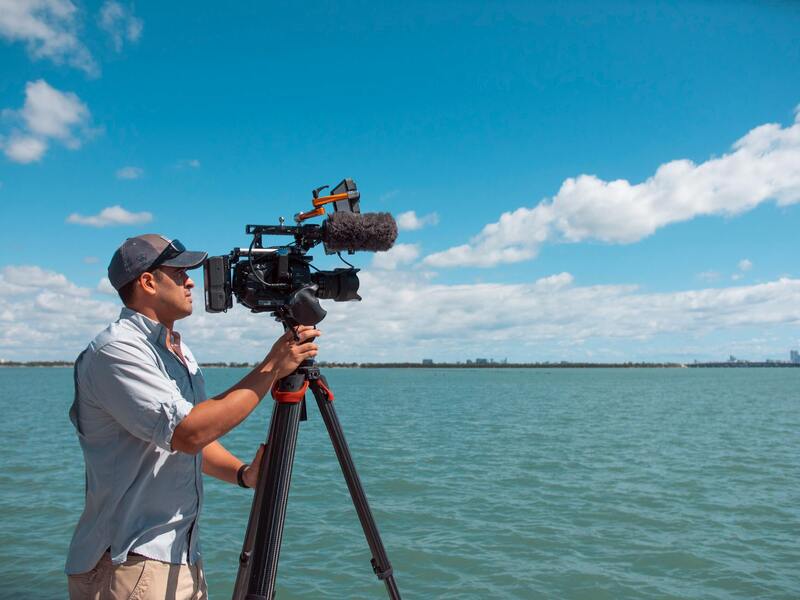
The use of a tripod further stabilizes the camera, preventing blurriness and ensuring consistent framing across multiple shots. For exterior photography, using a tripod and appropriate filters can help manage glare and enhance color saturation, especially in Miami’s sunny environment. Adjust ISO, aperture, and shutter speed settings based on lighting conditions, always prioritizing clarity and detail in every shot. These technical considerations directly influence the effectiveness of the images in retelling the property's story to potential buyers.
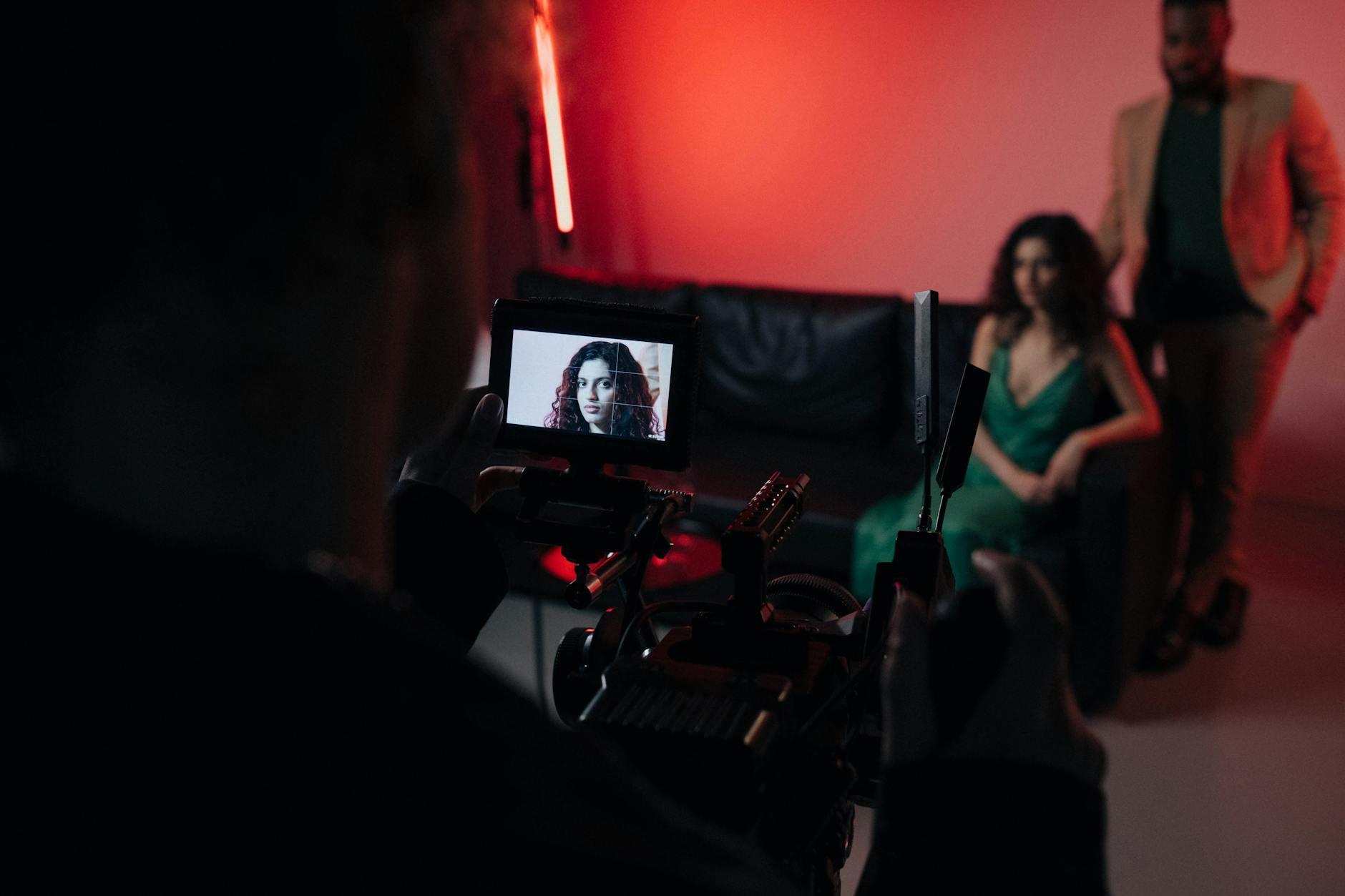
Effective Lighting Strategies to Enhance Real Estate Photography
Lighting plays a pivotal role in capturing compelling real estate images that resonate with prospective buyers. The goal is to create photos that are vibrant, inviting, and accurately represent the property's ambiance. Leveraging both natural and artificial light sources ensures that each shot highlights the property's best features without unwanted shadows or overly bright spots.
Maximizing Natural Light
Natural light is essential for creating bright, authentic images. To optimize its use:
- Time your photoshoots during the day when sunlight is abundant, typically mid-morning or late afternoon, to capture soft, warm light that enhances the property's appeal.
- Open curtains and blinds fully to flood rooms with daylight, reducing the need for excessive artificial lighting.
- Position yourself to shoot towards windows, ensuring the light source complements the interior without causing glare or harsh shadows.
- Use reflectors or white surfaces to bounce natural light into darker areas, balancing illumination across the space.
Artificial Lighting Techniques
Supplementing natural light with artificial sources allows for greater control over the environment:
- Utilize high-quality LED or strobe lights with adjustable brightness to fill shadows and add warmth to interiors.
- Use diffusers to soften harsh lighting, ensuring even illumination that mimics natural light flow.
- Consider color temperature adjustments; warmer tones (around 3000K-4000K) create a cozy feel, while cooler tones (5000K-6500K) produce a clean, modern look suitable for Miami properties.
- Strategically position lights to highlight architectural features and focal points without overpowering the scene.
Combining Both Approaches for Optimal Results
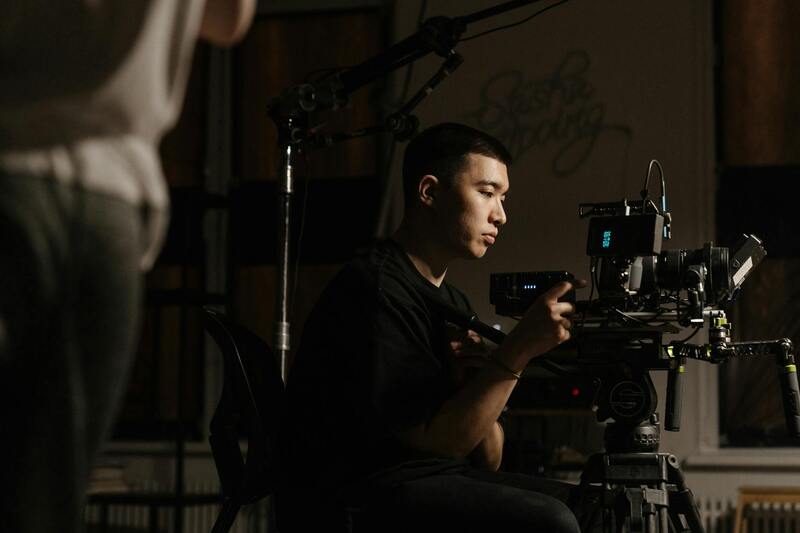
The most impactful real estate photos achieve a harmonious balance between natural and artificial lighting. Adjusting camera settings to accommodate different lighting conditions, coupled with skillful manipulation of both light sources, results in images that are bright, detailed, and true to life. This approach enhances the property's appeal in Miami’s competitive real estate market by presenting a clear, inviting vision of the space. Proper lighting, combined with meticulous preparation and technical understanding, ensures that each image effectively captures the property’s character and uniqueness, attracting serious buyers and facilitating faster sales.
The Impact of High-Quality Visual Presentation on Property Marketing
In the competitive landscape of Miami’s real estate market, the visual representation of a property can significantly influence buyer interest and engagement. High-quality real estate photos serve as the first point of contact, conveying the property's value and potential at a glance. When images are sharp, well-composed, and showcase the property's best features, they create an emotional connection with potential buyers, encouraging them to explore further.
Investing in professional photography ensures that each aspect of the property, from the spacious living areas to the intricate architectural details, is captured accurately. Such images not only enhance online listings but also inspire confidence among prospective buyers, reinforcing the property's credibility and appeal. In a market like Miami, where luxury, modern design, and unique features are highly sought after, the importance of visually compelling photos cannot be overstated.
Moreover, good real estate photos optimize the property’s exposure on various digital platforms. They attract more views, generate higher engagement rates, and increase the likelihood of scheduling in-person visits. A well-crafted image portfolio can differentiate a listing in a crowded market, making it a vital component of a comprehensive marketing strategy.
Strategically taken pictures also help highlight the property’s best features in context, illustrating lifestyle benefits and emphasizing architectural uniqueness. By doing so, they create a narrative that resonates with buyers, prompting quicker decisions and smoother transactions.

Enhancing Online Listings and Marketing Materials
Gaining a competitive edge in Miami requires more than just good photos; it involves strategic presentation across all marketing channels. Optimized images are crucial for social media campaigns, virtual tours, and listing websites, ensuring consistency and professionalism. They serve as powerful visual tools that communicate the property’s unique selling points effectively. In addition, professional photos facilitate virtual staging and virtual reality walkthroughs, which have become increasingly important in the modern real estate landscape. These technologies rely heavily on high-resolution images to create immersive, enticing experiences that can reach a broader audience. The visual storytelling achieved through excellent photography can also shape the perception of the property’s value, appealing to buyers seeking premium homes in Miami. This influence can lead to faster sales cycles and potentially higher asking prices, making the investment in quality imagery a strategic move. Integrating high-quality visuals with compelling descriptions and accurate details forms an authoritative listing that attracts serious buyers and builds trust in the represented property.
Post-Processing and Editing
Effective post-processing is essential to showcase real estate properties in their best light while preserving authenticity. Professionals employ a range of editing techniques that enhance visual appeal without distorting the true appearance of the property. Color correction ensures that walls, furniture, and natural light appear vibrant and true to life, which helps potential buyers visualize the space accurately. Adjusting contrast and brightness levels can reveal details that might be lost in uneven lighting conditions during the shoot.
Perspective adjustments are vital for correcting lens distortions or aligning lines that appear skewed due to camera angles. This subtle correction enhances the overall balance of the image, making rooms appear more spacious and orderly. Additionally, noise reduction tools can improve image clarity, especially when shooting in lower light conditions.
Retouching may involve removing minor imperfections like dust on surfaces or slight blemishes that distract from the property's appeal. However, these edits should be minimal to maintain a realistic representation. Over-editing can mislead potential buyers and create discrepancies between the photos and the actual space, which can lead to disappointment and lost credibility.
Advanced software options provide the capability to subtly enhance textures and details—highlighting the best features of each room—while keeping the images natural and inviting. Integrating consistent editing styles across all listing photos reinforces professionalism and presents a cohesive visual identity for the property.
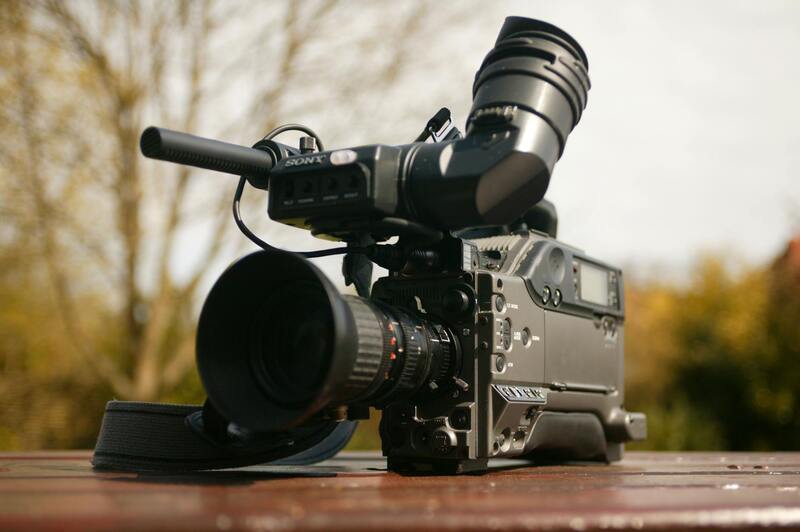
For Miami real estate professionals, mastery of post-production techniques is a powerful tool. It elevates the quality of property visuals and significantly impacts prospective buyers' perceptions, ultimately encouraging more inquiries and viewings.
Post-Processing and Editing
Once the initial photos are captured, the editing process becomes essential in transforming raw images into compelling visual presentations that entice potential buyers. Effective post-processing involves subtle enhancements that highlight the property's best features without misrepresenting its actual appearance. For Miami real estate listings, where vibrant lighting and diverse architectural styles are common, meticulous editing ensures consistency and professionalism across all images.
Superficial adjustments such as color correction help achieve true-to-life hues, bringing out the natural brightness of spaces and accurately depicting outdoor environments. Adjusting contrast and exposure can emphasize details that might be lost in shadows or overly bright areas, creating a balanced image that captures the property’s ambiance. It’s crucial that these enhancements do not distort reality but instead improve clarity and visual appeal.
Noise reduction, especially in low-light shots or interior shots with limited natural light, enhances overall image quality. This technique minimizes graininess, making images appear cleaner and more inviting. Perspective correction is another vital aspect, which involves rectifying lens distortions common with wide-angle lenses used in interior photography. Straightening vertical lines in walls and adjusting skewed horizons contribute to a more realistic and pleasing composition, making spaces seem more generous and well-proportioned.
Retouching minor imperfections, such as dust spots, fingerprints, or blemishes, should be done with restraint. The goal is to present an authentic view of the property while ensuring the images look their best. Over-editing can lead to misrepresentation and potential disappointment, undermining the trust of prospective buyers. Therefore, a balanced approach combining subtle enhancements with preserving natural textures and features is paramount.
Advanced editing software provides additional tools for enhancing textures—such as wood grains or wallpaper patterns—thus drawing attention to unique architectural details. Maintaining a consistent editing style across all images creates a cohesive visual narrative that reflects the professionalism of the listing. Such cohesiveness reinforces brand identity and helps in establishing a trusted presence in competitive markets like Miami.
Ultimately, refined post-processing emphasizes the property’s strengths while upholding an honest representation. It can elevate the perceived value and appeal of the listing, increasing the likelihood of inquiries and viewings. When executed skillfully, post-processing becomes an integral part of delivering compelling, high-quality property visuals that resonate with prospective buyers and evoke interest.
Effective Strategies for Enhancing Your Good Real Estate Photos
High-quality real estate photographs are a cornerstone of successful property marketing, especially in vibrant markets like Miami. Beyond capturing the property’s existing features, employing precise techniques and professional standards can significantly improve visual appeal, thereby attracting more prospective buyers and increasing engagement. Here are some reliable methods to maximize the impact of your real estate imagery.
Utilizing Natural Light to Highlight Property Features
Natural lighting remains one of the most authentic and appealing aspects of real estate photography. Scheduling shoots during daylight hours, preferably when the sunlight is at its optimal angle, ensures the property is bathed in soft, inviting light. Open drapes and turn on additional light sources to eliminate shadows and evenly illuminate every room. Carefully balancing ambient and natural light can reveal textures, colors, and architectural details that define the space's character.

Emphasizing Architectural Details Through Composition
Effective composition directs the viewer’s eye toward the property’s standout features. Use techniques such as the rule of thirds to position key elements—like a fireplace, view, or unique molding—in a balanced manner within the frame. Incorporate wide-angle lenses thoughtfully to capture the full scope of spacious rooms without distortion. Including multiple perspectives allows potential buyers to envision themselves within the space, which is especially valuable when showcasing Miami’s luxurious and expansive properties.
Ensuring Consistency Across the Listing
Consistency in style, lighting, and editing across all images fosters a coherent visual narrative. This uniformity reinforces your professionalism and makes the listing more compelling. Employ a standard color palette and perspective that reflect the property accurately without over-enhancing features. Maintaining stylistic consistency not only strengthens branding but also better conveys the true essence of the property, matching buyer expectations and building trust.
Leveraging Different Types of Shots for Complete Portrayal
- Exterior Shots: Showcase the property's curb appeal, landscaping, and architectural design. Highlight Miami's outdoor spaces, pools, patios, and scenic views, especially during golden hour for optimal lighting.
- Interior Shots: Capture main living areas, bedrooms, kitchens, and bathrooms with attention to lighting and angles that accentuate space and flow.
- Amenities and Unique Features: Focus on details such as high-end fixtures, custom finishes, or panoramic windows to emphasize luxury and craftsmanship.
- Provide a comprehensive view of the property’s surroundings, nearby amenities, and the overall neighborhood dynamic, which are crucial in markets like Miami where location is a key selling point.
Incorporating Trending Visuals and Virtual Enhancements
While maintaining authenticity, integrating subtle virtual enhancements can make images pop. Use virtual staging to demonstrate potential layouts or decor options, especially for empty spaces. Incorporate aerial shots to highlight landscaping and proximity to Miami’s vibrant lifestyle, beaches, and cityscape. These strategic visuals resonate with a broad audience and can significantly elevate the listing’s appeal.
Maintaining Ethical Representation Through Accurate Edits
Authentic images foster buyer trust. Resisting the temptation to overly embellish or distort images ensures that prospective buyers form realistic expectations. Subtle adjustments—such as color correction, minor brightness enhancements, and perspective correction—are acceptable to improve overall visual quality. Detailed attention to genuine representation avoids future dissatisfaction and maintains credibility in a competitive market.