
Understanding the Importance of Quality Real Estate Photos
In the competitive real estate market, the visual presentation of a property plays a pivotal role in capturing potential buyers’ attention. High-quality real estate photos serve as the first impression, often determining whether a listing garners further interest or is overlooked. When prospective buyers browse online listings, they are drawn to images that highlight the property’s best features, showcase spacious interiors, and present a welcoming atmosphere. Clear, well-composed photos can significantly increase the likelihood of inquiries, open house visits, and ultimately, successful sales.
Quality real estate photos not only attract more viewers but also improve the overall visibility of a property on various listing platforms. Search algorithms tend to favor listings with sharp, vibrant images, making them appear more prominently in search results. This increased visibility can lead to a broader reach and faster sales cycles. Additionally, professional-grade photos convey a sense of credibility and care, reassuring potential buyers about the quality of the property and the professionalism of the listing agent.

Another critical aspect is that great photos help to set accurate expectations, reducing the likelihood of mismatched perceptions that can cause disappointment or delays in closing. Properly lit, sharply focused images can reveal the true potential of a property, emphasizing its unique features, layout, and surrounding environment. In essence, investing in high-quality photography is a strategic move that enhances marketing efforts, accelerates sales processes, and maximizes the property's perceived value in the Miami real estate market.
Best Techniques for Capturing Great Real Estate Photos
To achieve striking images that truly showcase a property's best features, employing the right photographic techniques is essential. This begins with understanding how to manipulate perspective and composition to create an inviting presentation that resonates with potential buyers. When framing shots, aim for a balance that highlights spaciousness without creating distortions. Utilizing wide-angle lenses can effectively capture more of a room within a single frame, making spaces appear larger and more open. However, it's important to avoid excessive distortion that can misrepresent the actual layout.
Consider the timing of your shoot carefully. Aim to photograph during times when natural light floods the interiors, such as late morning or early afternoon. These optimal conditions help in avoiding harsh shadows and reveal true colors and textures. For exterior shots, photograph in the golden hour, shortly after sunrise or before sunset, to utilize soft, warm sunlight that enhances curb appeal.
When taking interior shots, be strategic about the order of capture. Start with the main living spaces, such as the living room, kitchen, and master bedroom, then move to secondary bedrooms, bathrooms, and outdoor areas. This approach ensures consistency and keeps the workflow efficient. Be meticulous with your focus settings; ensuring that key elements are sharp and clear can significantly elevate the overall quality of the images.
Another effective technique involves including depth cues and personal touches to make spaces feel more lived-in and inviting. For example, arranging furniture to create natural flow, adding subtle decorative elements, and ensuring that the space feels uncluttered can make a significant difference. Additionally, shooting from eye level ensures that images mimic the perspective of a viewer walking through the space, making the photo more relatable and immersive.
Using a tripod can help maintain consistent framing, especially in lower lighting situations or when longer exposure times are necessary. This stability prevents blurry images and ensures a professional appearance. Lastly, take multiple shots of each space from different angles. This variety provides options in post-production, enabling you to select the most compelling images that truly represent the property’s potential.
Choosing the Right Camera Equipment and Settings
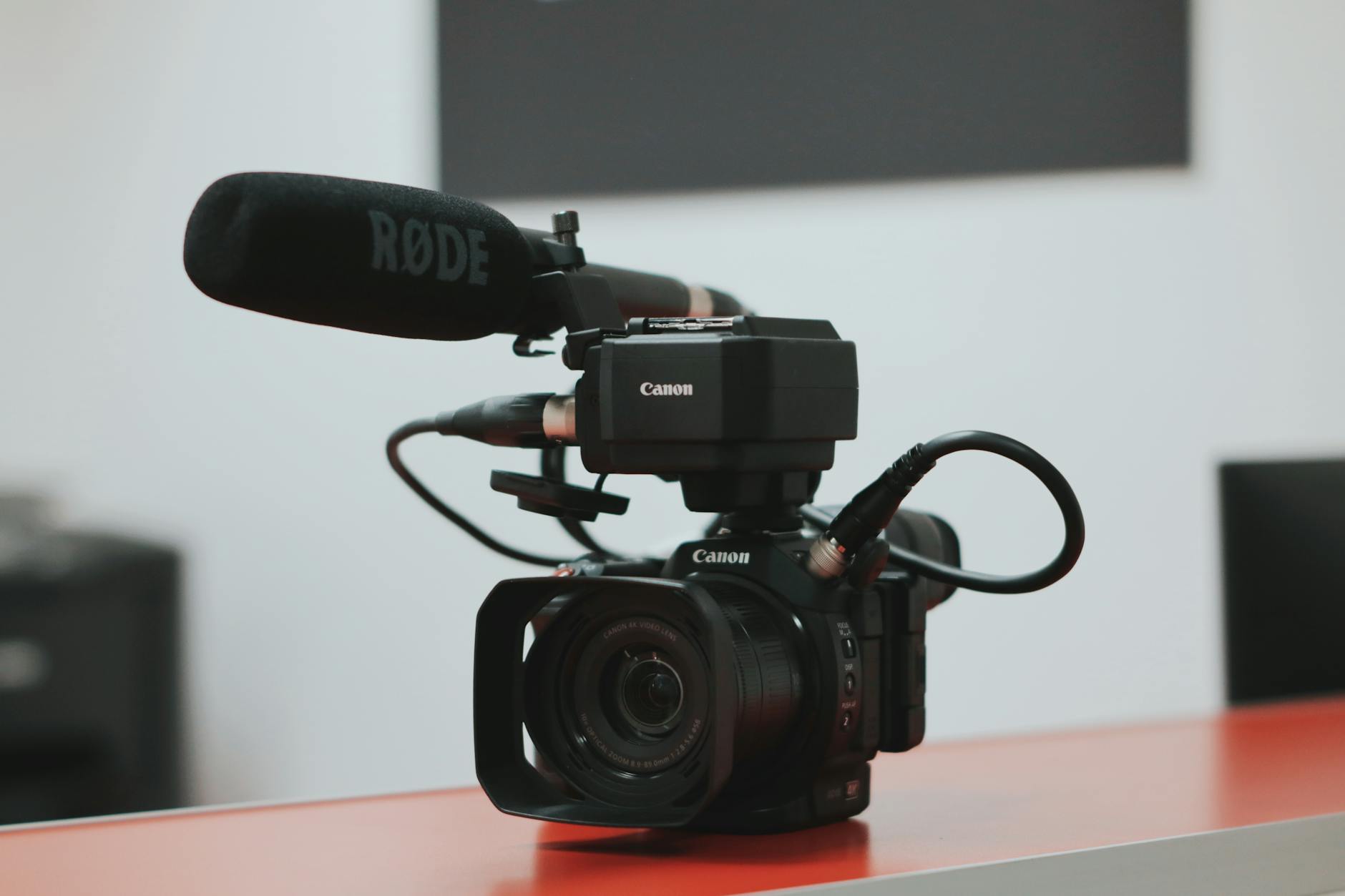
One of the fundamental aspects of achieving great real estate photos lies in selecting appropriate camera equipment. High-quality DSLR or mirrorless cameras equipped with wide-angle lenses are ideal for capturing expansive interiors and exteriors, ensuring every detail is visible without distortion. The focal length of the lens, typically between 14mm and 24mm for interior shots, helps in portraying rooms with a sense of space while maintaining perspective accuracy.
Adjusting camera settings manually is crucial. Using a low ISO setting, such as ISO 100 or 200, minimizes grain and noise, resulting in sharper images. Aperture settings are equally important; a mid-range aperture like f/8 ensures depth of field keeps entire rooms in focus. Shutter speed should be set according to lighting conditions—longer exposures in darker spaces can help retain natural lighting without sacrificing clarity.
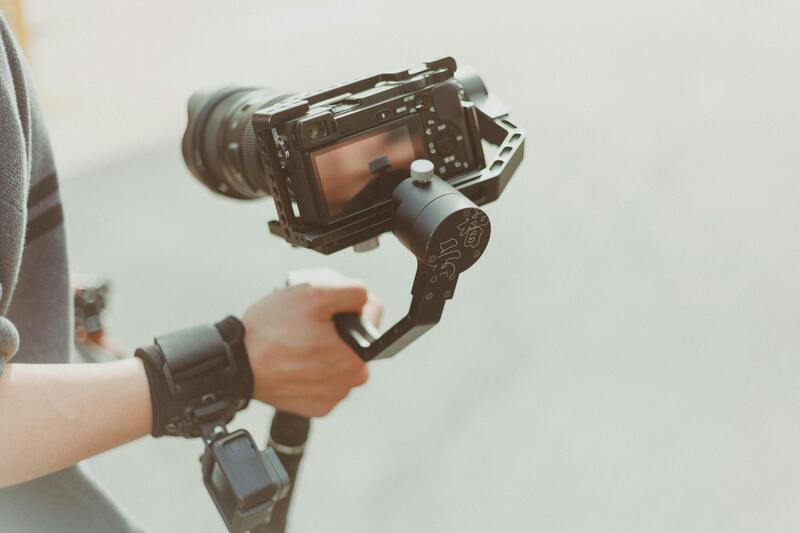
Utilize a tripod to stabilize the camera and facilitate consistent framing, especially in scenes requiring longer exposure times. Remote shutter releases or timers further reduce vibrations that could compromise image sharpness. These technical considerations collectively contribute to a professional look that accurately reflects the property's true character.
Optimal Composition and Perspective Techniques
Effective composition is key to creating engaging real estate images. Use the rule of thirds to position focal points naturally within the frame, guiding viewers' eyes through the space. Shooting from eye level provides a realistic perspective that resonates with viewers, simulating a walk-through experience.
Inclining the camera slightly downward or upward can help emphasize architectural features such as high ceilings or unique molding details. Incorporating multiple angles of each room broadens the appeal, allowing prospective buyers to visualize the space more comprehensively. Be sure to include both wide shots that showcase the room's layout and narrower shots that highlight specific elements or unique details.
Another technique involves leading lines—such as pathways, furniture arrangements, or architectural features—that draw the viewer’s gaze deeper into the image, establishing a sense of depth and inviting exploration.

Maximizing Natural and Artificial Lighting
Lighting profoundly influences the quality of real estate photos. Natural light is preferable, as it renders colors accurately and imparts a warm, welcoming atmosphere. Photographers should schedule shoots during times when sufficient daylight enters the property, ideally mid-morning or late afternoon, to avoid harsh shadows and overexposure.
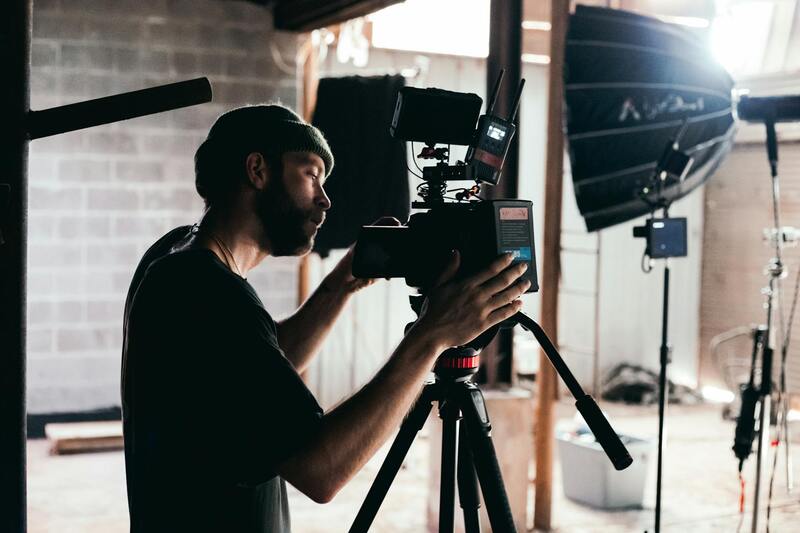
When natural light is limited, artificial lighting becomes essential. Use softboxes, umbrella lights, or LED panels to supplement existing illumination, aiming for a balanced and evenly lit scene. Position lights to minimize shadows and highlight the property's best features, such as a sparkling countertop or an architectural detail.
Avoid using on-camera built-in flashes, which can create unflattering reflections, harsh shadows, and color casts. Instead, employ multiple light sources strategically placed around the scene to achieve a natural, diffuse glow.
Utilizing Off-Camera Lighting and Light Modifiers
Effective real estate photography hinges on establishing consistent, appealing lighting that accentuates the property’s features without overpowering the scene. Utilizing off-camera lighting equipment provides greater control over illumination, allowing photographers to craft images that balance brightness, shadows, and highlights seamlessly. Compact, portable strobes or continuous LED panel lights can be strategically positioned to fill in shadowed areas or highlight architectural details, ensuring each room appears vibrant and inviting.
Light modifiers, such as softboxes, diffusers, or bounce cards, soften the light emitted from these sources, reducing harsh shadows and reflections. Employing diffusers on flash units or LED lights helps distribute light evenly across surfaces, creating a natural, appealing glow that enhances textures and colors. These tools are invaluable when shooting in interiors with multiple window exposures or reflective surfaces where uncontrolled light can cause glare or uneven lighting.

Achieving Consistency with Lighting Setups
Consistency across images is key for professional real estate listings. Establishing a standard lighting setup for all property photos ensures the overall presentation is cohesive, making it easier for viewers to mentally compare spaces and get a true sense of scale and ambiance. Using a consistent color temperature and light intensity prevents mismatched looks and enhances the professionalism of the listing.
Photographers should calibrate their equipment before shoots, setting the white balance to match the lighting conditions—whether using daylight-balanced lights or adjusting for mixed lighting scenarios. Keeping the same camera settings and lighting configurations for similar spaces across multiple listings results in a unified, high-quality visual presentation.
Maximizing Window Light in Conjunction with Artificial Light
Natural window light plays a critical role in real estate photography, providing a soft, diffuse glow that amplifies the decor and highlights the home’s best features. To optimize natural light, photograph during times when sunlight filters directly into the space, such as early mornings or late afternoons. Managing window blinds or curtains can control intensity and prevent overexposure.
During periods of low natural light, supplement with artificial lighting to maintain a consistent, inviting ambiance. Position artificial lights to complement the window light, working in harmony to produce well-lit images where all areas are visible and appealing.
Handling Challenging Lighting Conditions
Some spaces present difficult lighting scenarios, such as dark corners, overly bright windows, or mixed light sources. Skillful use of off-camera lighting, reflectors, and diffusers can mitigate these challenges, balancing exposure throughout the scene. For example, positioning a reflector opposite a window can bounce light into shadowed corners, creating a more even illumination.
Leveraging Advanced Equipment and Technology for Superior Real Estate Photography
To achieve truly compelling real estate photos that stand out in a competitive market, leveraging the right equipment and technology is essential. High-quality gear ensures images are crisp, well-composed, and visually appealing, which can significantly influence potential buyers’ interest and engagement. The use of specialized lenses, drones, and advanced editing software transforms standard property shots into captivating visuals that highlight a home’s best features and create an emotional connection.
High-Quality Wide-Angle Lenses
Wide-angle lenses are a staple in real estate photography due to their ability to capture expansive views within tight spaces. These lenses allow photographers to include more of a room in a single shot, emphasizing the space and flow of a property. Selecting an aperture that minimizes distortion while maintaining sharpness across the frame results in images that are both accurate and aesthetically pleasing.
Drone Photography for Aerial Perspectives
Drone technology provides unique vantage points that ground-level cameras cannot achieve. Aerial shots effectively showcase a property’s size, layout, and surrounding environment, which is particularly beneficial for large estates, waterfront properties, or homes with landscaped gardens. Drones equipped with high-resolution cameras should be operated by trained professionals to ensure safety and capture the most impactful angles.
Utilizing Editing and Post-Processing Software
Post-processing is a vital step in elevating real estate visuals. Software like Adobe Lightroom and Photoshop enables subtle adjustments to exposure, contrast, and color balance, ensuring each image accurately reflects the property’s true appearance. Skilled editing enhances details, corrects lighting inconsistencies, and removes minor imperfections, all while maintaining a natural look that appeals to prospective buyers. Additionally, HDR (High Dynamic Range) techniques merge multiple exposures to balance bright windows with darker interior areas, producing evenly lit images.
Implementing Virtual Staging and Image Enhancement
Advancements in software also allow for virtual staging, which can demonstrate the potential of empty spaces without the need for physical furniture. This method helps buyers visualize the property's possibilities, making the listing more attractive and engaging.
Investing in the latest hardware combined with seasoned post-processing techniques ensures that the resulting images are not only clear and vibrant but also strategic in marketing the property’s unique qualities. High-caliber visuals act as a compelling first impression, making professional equipment an invaluable asset in today’s real estate landscape.
Ensuring Consistent Image Quality Through Editing and Post-Processing
After capturing the initial shots of a property, post-processing plays a crucial role in refining images to meet high standards of visual appeal. This phase involves meticulous adjustments to ensure that each photograph accurately portrays the property's ambiance while highlighting its best features. Techniques such as adjusting exposure, contrast, and white balance help achieve consistency across all images, providing potential buyers with a seamless visual experience. These enhancements must be applied judiciously to avoid misrepresentation, preserving the authenticity and transparency that build trust with buyers.
Advanced editing software like Adobe Lightroom and Photoshop allows real estate photographers to fine-tune images effortlessly. Skillful use of these tools can correct minor lighting inconsistencies, emphasize architectural details, and remove distracting elements, such as minor blemishes or clutter in the background. Additionally, color grading techniques can enhance the warmth or coolness of a space, aligning the visuals with the property's true character.
HDR (High Dynamic Range) Photography for Balanced Exposure
Many real estate photos benefit from HDR techniques, where multiple exposures are combined to produce well-lit interiors and exteriors. This approach ensures that details are preserved in both the shadowy and brightly lit areas, creating balanced images that appear natural yet captivating. HDR is particularly effective in situations where windows or reflective surfaces might otherwise cause overexposure or underexposure.
Virtual Staging and Image Enhancement
Modern virtual staging tools allow for the enhancement of empty spaces or outdated decor, illustrating the potential of a property without physical alterations. These virtual enhancements can showcase furnished rooms, create a welcoming atmosphere, and give prospective buyers a clearer understanding of space utilization. Such technological advances make it easier to market properties effectively, especially when physical staging is impractical.
Investing in high-quality hardware combined with expert post-processing results in images that are not only visually striking but strategically effective for marketing purposes. High-resolution visuals allow viewers to appreciate intricate details from afar or in close-up, engaging their emotions and increasing interest in the property.
Batch Processing and Workflow Optimization
Efficient workflows, such as batch processing in editing software, help maintain consistency across large portfolios of images. This approach minimizes manual adjustments, saving time while ensuring uniform quality. Proper file management practices, including naming conventions and resolution settings, ensure that images are ready for various online platforms and print materials without quality loss.
Maintaining Authenticity and Transparency
While edits improve visual appeal, it remains vital to uphold authenticity in real estate photography. Enhancing images should aim to present the property in its best light without fabricating or overly exaggerating features. Accurate representations foster confidence among prospective buyers, ultimately accelerating the sale process and building a positive reputation in the market.
Professional Photography Equipment and Techniques for Superior Real Estate Images
Achieving high-quality real estate photos relies heavily on the proper use of advanced photography equipment and applying effective techniques. Professional-grade cameras with high-resolution sensors are fundamental to capturing detailed and vibrant images that accurately reflect the property's appeal. Wide-angle lenses are particularly beneficial in real estate photography, as they allow for expansive shots that showcase entire rooms or outdoor spaces, giving viewers a comprehensive understanding of the property layout.
Other essential tools include sturdy tripods, which ensure stability and sharpness during shots, especially in low-light conditions. Drones are increasingly used to capture stunning aerial perspectives of sprawling estates or unique outdoor features, providing a vantage point that ground-level photos cannot achieve. Properly utilizing these technologies allows for a more immersive visual experience, inciting greater interest from potential buyers.
Moreover, mastering certain photographic techniques can greatly enhance image quality. Techniques such as HDR (High Dynamic Range) photography enable the blending of multiple exposures to balance bright and dark areas, ensuring that windows, shadowed corners, and interior lighting are all accurately represented. Vertical correction, perspective adjustments, and staged compositions through advanced camera settings help produce clean, professional visuals that highlight the property's best features.
Strategic Use of Artificial Lighting and Natural Light
Lighting plays a pivotal role in real estate photography. Properly illuminated images eliminate dark corners and shadows, showcasing the space in its best form. During photography sessions, natural daylight is ideal; therefore, scheduling shoots when the property receives ample sunlight significantly enhances the warmth and inviting atmosphere of rooms.
However, natural light is not always sufficient or consistent. Supplementing with artificial lighting, such as portable flashes or continuous light sources, can help fill in shadows and evenly illuminate interiors. Diffusers and reflectors also serve to soften harsh sunlight and direct light into darker areas, ensuring a balanced and appealing visual presentation.
It's important to consider the timing of the shoot to maximize natural lighting. Early mornings or late afternoons typically provide softer, more flattering light, reducing harsh shadows that can distract viewers. Combining these techniques with strategic artificial lighting produces compelling images that draw prospective buyers in and make properties stand out online.
Premium equipment and meticulous techniques are critical for capturing images that truly resonate with buyers and effectively showcase the property's unique features.
Advanced Strategies for Achieving Great Real Estate Photos
Leveraging Professional Equipment and Techniques
Utilizing high-end photography equipment is essential for capturing the full potential of a property. Professional-grade cameras with full-frame sensors and versatile lenses allow photographers to produce sharp, clear images with accurate color representation and minimal distortion. Wide-angle lenses, in particular, are invaluable for showcasing the spatial dimensions of rooms, providing viewers with a comprehensive understanding of the property’s layout.
Tripods are equally critical in maintaining image stability and ensuring sharpness, especially in low-light conditions or interior shots requiring longer exposure times. Remote shutter releases and timer functions help eliminate camera shake, resulting in crisper images. Additionally, professional photographers often employ advanced accessories such as drone cameras to capture expansive exterior shots and aerial views, offering prospective buyers a unique perspective of the property and its surroundings.
Implementing Strategic Composition and Framing
The composition of each shot significantly influences the viewer’s perception of the property. Professionals focus on framing rooms to highlight their best features, such as architectural details, spaciousness, or scenic views. Techniques like the rule of thirds guide photographers to position key elements off-center, creating balanced and engaging images. Ensuring vertical lines are straight maintains a professional appearance and prevents distortions that can distract viewers.
Incorporating foreground elements, such as furniture or decorative items, adds depth and context to the images. Carefully decluttering spaces before photographing them allows the main features to shine without visual interference. Additionally, capturing multiple angles of each room provides a comprehensive visual story that helps prospective buyers visualize living in the space.
Harnessing the Power of Post-Processing
Post-processing plays a vital role in elevating real estate photos from good to exceptional. High-quality editing software allows photographers to correct color imbalances, enhance brightness and contrast, and remove minor flaws like dust or reflections. However, it’s imperative to maintain visual authenticity—over-editing can mislead viewers and harm credibility.
Techniques such as HDR (High Dynamic Range) merging combine multiple exposures to produce images with balanced lighting, capturing both interior brightness and exterior details like windows and landscaping. Correcting lens distortions and straightening skewed lines further ensures the images accurately reflect the property's true appearance. When executed professionally, post-processing creates polished images that vividly showcase the property’s features and ambiance.
Optimizing Visual Content for Digital Listings
The final step involves preparing images for online presentation in a way that maximizes impact. High-resolution photos should be optimized for rapid loading without sacrificing clarity, ensuring viewers can easily browse listings on various devices. Using appropriate formats and compression settings prevents slow load times while maintaining visual quality.
Providing multiple images of every room alongside outdoor shots gives prospective buyers a well-rounded perception of the property. Including a variety of perspectives, close-ups on unique features, and comprehensive exterior views will help listings stand out in competitive markets. Consistent image style and quality across all listings reinforce professionalism and build trust with potential clients.
Employing these refined techniques and high-standard practices ensures that real estate professionals can deliver visually compelling, authentic, and persuasive property images that resonate with buyers and elevate their market presence.