
Understanding HD Real Estate Photography
HD real estate photography has become an essential tool for real estate professionals aiming to showcase properties in the most appealing and accurate manner. This high-definition imagery captures every detail with exceptional clarity, color accuracy, and sharpness, allowing potential buyers to get a comprehensive view of a property right from their screens. Unlike standard photography, HD real estate images utilize advanced camera technology and lighting techniques to highlight the architectural features, interior design, and overall ambiance of a property, making listings more compelling and engaging. In a competitive real estate market like Miami, where visual appeal can significantly influence buyer interest, HD real estate photography plays a crucial role. High-quality visuals not only attract more viewings but also increase the perceived value of a property. Buyers tend to form quick judgments based on images, and HD photography ensures these judgments are favorable by providing crystal-clear, vibrant images that accurately reflect the property’s true condition and aesthetics. The importance of HD real estate photography extends beyond basic listing enhancement. It aids real estate agents and property owners in differentiating their properties from the competition, fostering an emotional connection with potential buyers through detailed portrayals of space and design. Moreover, HD images are highly versatile for marketing campaigns, from online listings and social media to printed brochures, ensuring consistency and professionalism across all promotional channels. Given the rapid advancements in digital technology, HD real estate photography now encompasses more than just high-resolution images. It involves an integrated approach that combines technological expertise, artistic composition, and precise lighting control to produce images that are not only visually stunning but also true to life. As a result, potential buyers can make more informed decisions, reducing the time properties remain on the market and facilitating quicker sales. Today’s real estate market in Miami demands this high standard of visual presentation, where every detail is captured with precision and clarity. HD real estate photography thus represents a vital investment for real estate professionals committed to excellence and client satisfaction, leveraging technology to meet the evolving expectations of modern property buyers.
Key Equipment and Technology
To achieve superior HD real estate photography, professionals rely on a suite of advanced equipment that ensures every image is crisp, vibrant, and true to life. Central to this toolkit is a high-resolution digital camera capable of capturing detailed images with minimal noise and maximum color accuracy. Cameras with full-frame sensors are especially preferred because they deliver larger image files and better performance in low-light conditions, which is crucial for interior shots.
Complementing the camera are wide-angle lenses, typically ranging from 14mm to 24mm, that enable the photographer to capture expansive room views within a single shot. This quality of lens allows potential buyers to perceive spatial relationships accurately, making rooms appear larger and more inviting.
Lighting plays a pivotal role in HD real estate imagery. Proper lighting setups, such as studio strobes, diffusers, and reflectors, are employed to eliminate shadows and highlight architectural details. Strategic use of natural light and supplemental lighting ensures the space's ambiance is conveyed authentically.
Tripods and stabilization equipment are also essential, especially when shooting in lower light conditions or using long exposure techniques. They help maintain sharpness and prevent motion blur, which can compromise image clarity.
Modern technology integrates these physical components with software solutions. High Dynamic Range (HDR) imaging, for example, merges multiple exposures to produce images that reveal both interior brightness and exterior views without loss of detail. Real estate photographers often use tethered shooting setups, allowing instant review and adjustments on-site to guarantee each image meets rigorous quality standards.
Understanding HD Real Estate Photography
HD real estate photography has become an essential component in the marketing of properties, offering crystal-clear images that highlight every detail and architectural feature. This elevated level of clarity and sharpness ensures that potential buyers and renters can assess property features accurately from online listings, increasingly influencing their decision-making process. A well-executed HD image captures the essence of a space, emphasizing open layouts, natural lighting, and unique design elements that set a property apart within a competitive market.
High-definition photography involves a combination of advanced equipment, refined techniques, and post-shoot editing practices to produce visuals that stand out on digital platforms. These images serve not only as a reflection of the property’s true appearance but also as a strategic marketing tool that enhances online engagement. As technology continues to evolve, the ability to deliver consistently high-quality images has become a standard expectation among real estate professionals seeking to maximize the visual appeal of their listings.
Key Equipment and Technology
The foundation of superior HD real estate photography lies in the selection and utilization of professional-grade equipment. At the core are high-resolution digital cameras capable of capturing detailed imagery, coupled with lenses specifically designed for architectural and interior shots. Wide-angle lenses, generally between 14mm and 24mm, are pivotal in gathering expansive views in confined spaces, allowing potential buyers to gain a comprehensive perspective of the property’s layout.
Lighting is instrumental in producing compelling images; thus, photographers rely on flash units, diffusers, and reflectors to illuminate interiors evenly, avoiding distracting shadows. Natural light is often harnessed during optimal times of the day, but supplemental lighting ensures consistency and clarity regardless of external conditions. Stabilization equipment like tripods facilitate sharp images by preventing motion during long exposures, especially when shooting in less illuminated environments.
Emerging technological solutions integrate these hardware elements with software that enhances image quality further. HDR (High Dynamic Range) imaging is a prominent technique that merges multiple shots taken at different exposures, revealing both interior brightness and exterior vistas simultaneously. Tethered shooting allows real-time review, providing opportunities for immediate adjustments to guarantee each image aligns with high standards.
Techniques for Capturing High-Quality Images
Achieving top-tier images requires more than just high-end equipment; it involves meticulous planning and precise execution. Proper camera settings, including optimized ISO, aperture, and shutter speed, are critical for capturing sharp, well-exposed shots. Using a small aperture (high f-stop number) ensures a greater depth of field, rendering entire rooms in sharp focus. Additionally, a low ISO setting minimizes noise, especially in dimly lit environments.
Effective staging and strategic shooting angles significantly influence the final appearance of images. Decluttering spaces, arranging furniture thoughtfully, and highlighting architectural features create an inviting atmosphere. Shooting from corners or at eye level allows for balanced compositions that appeal to viewers. Incorporating multiple perspectives, including wide shots and detail close-ups, provides a comprehensive visual narrative of each property.
In formations, practicing consistency in framing and lighting across images maintain a cohesive visual flow throughout the listing, increasing perceived professionalism and appeal. Photographers often plan their shoot sequence beforehand to optimize time and lighting conditions, ensuring each image reflects the property’s best features.
Understanding HD Real Estate Photography
HD real estate photography stands as a cornerstone in presenting properties with exceptional clarity and appeal. It involves utilizing specialized photographic techniques and high-caliber equipment to produce images that accurately represent a property's features, space, and ambiance. This form of photography is integral for real estate professionals aiming to elevate their listings' attractiveness in competitive markets.
The primary objective of HD real estate photography is to create visually compelling representations that draw viewers' attention instantly. It effectively captures both the grandeur of spacious interiors and the distinctive details that make each property unique. When executed correctly, it helps potential buyers or tenants visualize living in the space, significantly influencing their decision-making process. High-definition images provide a crisp, detailed view that allows viewers to appreciate the property's layout, finishes, and architectural elements with clarity.
In particular, the rising demand for detailed visual content in Miami's vibrant real estate market underscores the importance of high-definition imagery. As property listings become more competitive, the necessity for sharp, professional photographs that highlight a property's best features becomes even more apparent. Real estate agents and property marketers recognize that investing in HD photography translates directly into increased interest, faster sales, and often higher property values.
Key Equipment and Technology
The foundation of high-quality HD real estate photography rests on the use of advanced equipment. Modern digital cameras with high-resolution sensors form the backbone of capturing crisp, detailed images. These cameras often feature full-frame sensors that excel in low-light conditions, ensuring interior shots are well-lit and vibrant without excessive noise. Wide-angle lenses are essential tools in this context, providing expansive views that encompass entire rooms within a single shot, minimizing distortion while maximizing spatial perception.
Alongside the primary imaging devices, supplementary tools enhance the quality and efficiency of a photoshoot:
- Tripods: Stabilize the camera for sharp images, especially in low-light environments or when using slow shutter speeds.
- Remote Shutter Releases or Timers: Minimize vibrations to ensure perfect focus and clarity.
- Lighting Equipment: Softboxes, reflectors, and portable lights are used to balance interior lighting, reduce shadows, and highlight architectural details effectively.
- Drones: When external shots or aerial views are necessary, drones equipped with high-definition cameras provide dynamic perspectives that add a wow factor to property listings.
Emerging technologies, such as HDR (High Dynamic Range) imaging, are also increasingly integrated to balance lighting variations within the same shot, producing images with rich detail in both shadows and highlights. This is particularly valuable when dealing with properties featuring large windows, contrasting light conditions, or complex interior lighting schemes.
Technical Considerations
Accurate image capturing hinges on specific technical choices. Settings such as ISO are kept as low as possible to prevent grainy images. Aperture selection—typically between f/8 and f/11—ensures maximum depth of field, rendering both foreground and background sharply in focus. Shutter speed is adjusted based on lighting conditions to achieve correct exposure without motion blur. Additionally, utilizing multiple brackets with different exposures can facilitate HDR processing, resulting in images that faithfully reflect the property's real-world appearance.
Post-shoot planning, including selecting the best angles and ensuring proper staging, complements technical precision. The combined approach of advanced equipment, proper settings, and strategic composition guarantees that each image meets the highest standards of professional real estate photography.
Technical Aspects of HD Real Estate Photography in Miami
Achieving exceptional high-definition images for real estate listings in Miami requires meticulous attention to technical details that optimize photo quality. Proper camera settings form the foundation of professional-grade images. For instance, maintaining a low ISO setting, typically between 100 and 200, minimizes graininess and ensures clarity in the final photograph. Aperture choices, generally between f/8 and f/11, previous text emphasizing depth of field, play a crucial role in capturing both interior and exterior details sharply. Shutter speed adjustments are essential to prevent motion blur, especially in interior shots where lighting conditions can vary significantly. When shooting in low-light environments or interiors with less natural light, using slower shutter speeds with a tripod helps maintain sharpness without introducing noise. For outdoor scenes or well-lit rooms, faster shutter speeds preserve image crispness. Furthermore, multi-exposure bracketing allows for creating high dynamic range (HDR) images. This method involves capturing several images at different exposure levels, then combining them during post-processing to produce a balanced, richly detailed picture that accurately reflects the property's appearance. HDR is particularly valuable when dealing with large windows, contrasting lighting conditions, or intricate interior designs.
Strategic Composition and Staging
Beyond technical camera settings, strategic composition significantly influences the appeal of real estate photographs. Identifying optimal angles to highlight a property's best features and minimize potential distractions or imperfections is vital. Wide-angle lenses, typically between 14mm and 24mm for full-frame cameras, are standard tools in real estate photography, enabling capturing expansive interior spaces within a single frame.
Proper staging — arranging furniture, enhancing lighting, and removing clutter — complements technical precision by creating inviting environments that resonate with potential buyers. Ensuring natural light is maximized, whether through timing or supplementary lighting, further enhances the vividness and warmth of images.
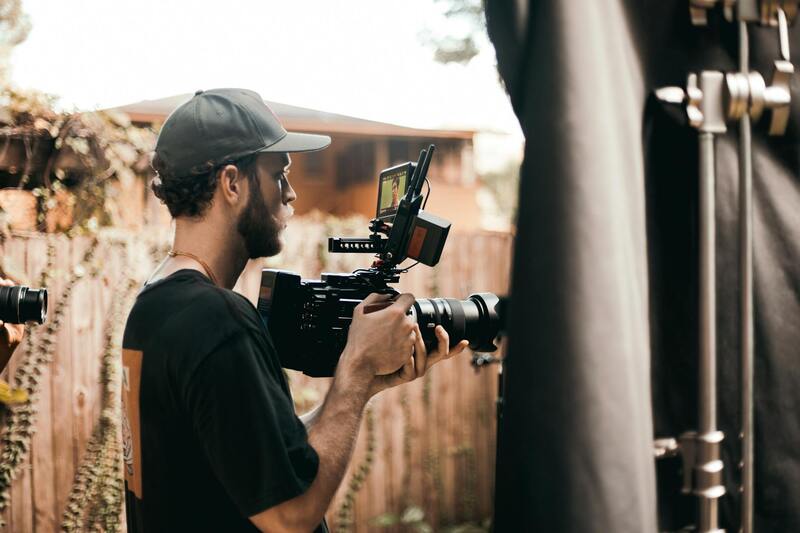
The combined focus on equipment, settings, and staging ensures every shot aligns with the audience’s expectations and elevates the property listing above competitors in the Miami market. Professional photography teams utilize a comprehensive approach that considers lighting, perspective, and staging, which results in images that attract attention and generate tangible interest.
Choosing a Miami Production Agency
When seeking to elevate real estate listings through high-definition photography, partnering with a reputable Miami-based production agency is essential. A professional agency demonstrates extensive experience in capturing the unique architectural styles and vibrant market dynamics characteristic of Miami properties. They employ a dedicated team of skilled photographers who understand the nuances of lighting, composition, and technical equipment necessary for stunning images.
One of the first considerations is the agency’s portfolio. Reviewing their previous work showcases their ability to produce consistent, high-quality images that align with current real estate marketing standards. An agency specializing in hd real estate photography will also be knowledgeable about the latest technology and techniques, ensuring each shot maximizes the property's appeal.
Communication and customization are equally vital. The selected team should be able to tailor their approach to meet specific property features or client preferences, such as emphasizing outdoor spaces, highlighting architectural details, or creating immersive virtual tours. Additionally, an effective agency will coordinate scheduling to align with optimal lighting conditions, minimize turnaround times, and provide comprehensive editing services to refine every image.
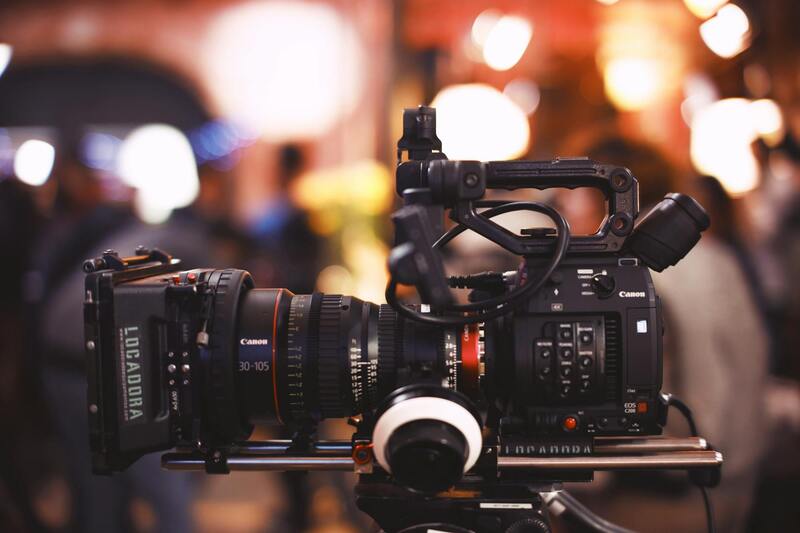
Understanding the scope of services, including aerial drone photography, twilight shoots, and virtual staging, allows clients to select packages that best suit their marketing strategy. The agency’s reputation for reliability and attention to detail can significantly influence the success of a property listing.
Cost and Service Options
Price structures for HD real estate photography in Miami vary based on several factors such as property size, desired image quantity, and the complexity of the shoot. Typically, agencies offer tiered packages ranging from basic interior captures to comprehensive marketing solutions that include videography and 3D virtual tours.
Affordable options often cover essential high-resolution images optimized for online listings and print. Premium packages may incorporate additional services like twilight photography to showcase properties in the best possible light during evening hours, aerial shots to highlight landscape features, or virtual walk-throughs that provide immersive experiences for potential buyers.
Clients should inquire about turnaround times, image rights, and the availability of post-shoot editing. Transparent pricing and flexible service offerings enable real estate professionals and property owners to choose the best combination of quality and value, ensuring that visual content aligns with their marketing goals.
Future Trends in Real Estate Photography
The landscape of high-definition real estate imagery continues to evolve with technological innovations. Continuing advancements in camera resolution, drone technology, and virtual reality are enriching the visual storytelling process. Anticipated developments include the integration of 3D imaging and augmented reality, allowing potential buyers to virtually explore properties from remote locations with unparalleled realism.
Artificial intelligence-driven editing tools are streamlining post-processing workflows, enabling faster delivery times while maintaining high standards of image quality. Additionally, the growing importance of mobile-optimized images and social media-ready content is influencing the creative approach to real estate marketing.
In Miami, a hub of dynamic real estate development, staying ahead with cutting-edge photographic techniques ensures listings stand out in a competitive market. Agencies that adopt these emerging trends and invest in continual equipment upgrades position themselves as leaders in the industry, offering clients innovative solutions that cater to evolving buyer preferences.
Understanding HD Real Estate Photography
HD real estate photography has transformed the way properties are showcased, providing crystal-clear visuals that highlight the unique features of each listing. This high-definition imagery captures every detail, from expansive interior layouts to intricate architectural elements, ensuring potential buyers and investors can form accurate impressions before an in-person visit. Employing advanced imaging techniques, HD real estate photography transcends traditional methods by delivering vibrant, well-lit, and true-to-life representations of properties, ultimately elevating marketing strategies and driving engagement.
The Significance of Image Clarity and Detail
The clarity and detail offered by high-definition images play a significant role in influencing viewer perception. Sharp, crisp visuals facilitate better assessment of space, natural light, and construction quality, which are crucial factors for prospective clients. Capturing accurate colors and textures accurately reflects the property's true aesthetic, assisting in establishing trust and transparency. As a result, quality HD imagery reduces misunderstandings and negative feedback, fostering a smoother transaction process.
Impact on Buyer Engagement and Lead Generation
Properties presented with high-quality visuals naturally garner more attention, increasing the likelihood of online inquiries and visits. HD imagery offers a competitive edge, especially in markets like Miami where real estate is highly active and visually driven. Listings featuring professional-grade photographs tend to rank higher in search results and attract a broader audience, including international buyers. This heightened visibility translates directly into faster sales cycles and improved return on investment for realtors and property owners alike.
Enhancing Property Value Perception
High-definition photography not only showcases a property's features but also elevates its perceived value. Well-crafted images imply meticulous maintenance and premium quality, persuading potential buyers of the property's worth. This perception can justify pricing strategies and differentiate listings amid a saturated marketplace. Engaging visuals act as a digital salesperson, providing compelling reasons for clients to select one property over another.
Investing in Professional Results
While amateur photography might serve basic needs, professional HD real estate photography offers unmatched advantages through meticulous equipment and skilled techniques. Professional photographers possess a deep understanding of lighting, composition, and post-production processes, ensuring each image accurately represents the property in the best possible light. This investment in quality not only supports effective marketing but also reinforces the credibility and reputation of real estate agencies in Miami and beyond.
Maximizing the Impact of HD Real Estate Photography
In a competitive Miami market where visual appeal can make or break a property listing, leveraging the most effective methods for capturing high-resolution images is essential. Professional HD real estate photography combines advanced equipment, refined techniques, and meticulous post-production to produce images that are not only visually stunning but also accurately representative of the property’s true potential.
Utilizing Fundamental and Advanced Equipment
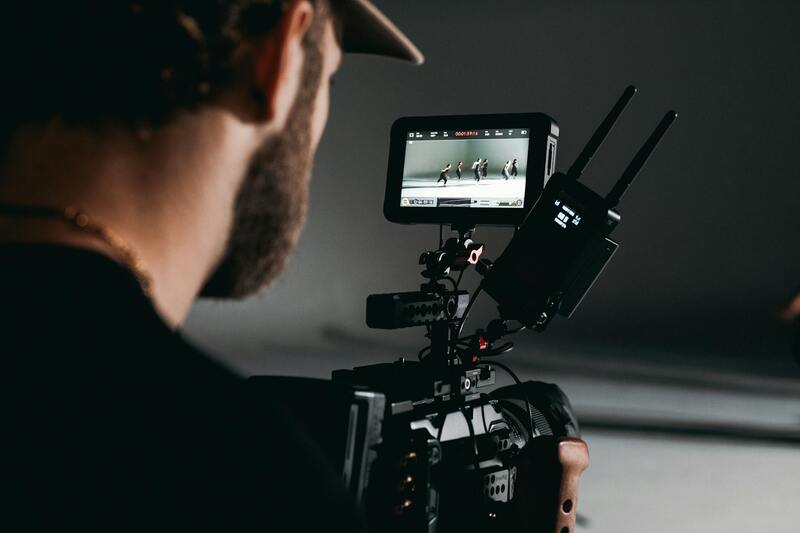
Achieving top-tier imagery begins with selecting the right tools. Professional photographers employ high-resolution digital cameras equipped with wide-angle lenses to encompass entire rooms and outdoor spaces within a single frame. Tripods stabilize the camera, allowing for sharp images even at slower shutter speeds, which is particularly important in low-light conditions. Drone technology has also become increasingly popular, providing aerial perspectives that highlight a property’s size, landscape, and surrounding amenities, vital for expansive estates or commercial properties.
Applying Proper Lighting and Composition Strategies
Lighting plays a critical role in high-definition real estate photography. Skilled photographers rely on natural light during the day, manipulating window blinds and utilizing reflectors to optimize illumination. In interior spaces, additional lighting fixtures, such as softboxes or LED panels, help eliminate shadows and highlight architectural features. Composition techniques—including the use of leading lines, symmetry, and strategic framing—guide viewers’ eyes through the image, emphasizing the property’s best attributes and creating a sense of depth and scale.
Implementing Advanced Techniques for Superior Results
Techniques such as High Dynamic Range (HDR) imaging combine multiple exposures to produce well-balanced photos that reveal details in both shadows and highlights. Panorama stitching allows for expansive views of large properties or scenic outdoor environments, providing potential buyers with immersive visual experiences. Night photography can be utilized to accentuate exterior lighting and landscape features, further enhancing the visual appeal in evening listings.
Post-Processing to Elevate Image Quality
After capturing the images, professional editing ensures consistency across the portfolio of photos. Adjustments include color correction to accurately reflect the in-person ambiance, lens distortion correction for straight lines, and minor retouching to remove imperfections. Strategic enhancement of colors and contrast makes the images pop, effectively capturing attention and encouraging engagement. The goal is to present a refined, honest depiction of the property while accentuating its most attractive qualities.
Impacts of High-Quality Photography on Miami Real Estate Success
The benefits of professional HD real estate photography extend beyond mere aesthetics. High-resolution images significantly improve online engagement, increasing the likelihood of inquiries and scheduled viewings. For Miami’s luxury real estate market, where international buyers often initiate digital searches, striking imagery can distinguish listings from competitors, attracting affluent clients seeking properties that resonate with their lifestyle expectations. Furthermore, consistent quality imagery enhances brand reputation, positioning real estate professionals as providers of premium services and reliable representations of property assets.
Selecting a Miami-Based Production Agency for Optimal Results
Choosing an agency with comprehensive local knowledge ensures photographers understand Miami’s diverse neighborhoods and architectural styles. An experienced agency offers tailored services—from interior shoots to drone footage—aligned with the specific marketing goals of each property. Their familiarity with Miami’s unique lighting conditions and real estate trends allows them to produce images that align precisely with market expectations. Reliable agencies also possess the latest equipment and editing tools, guaranteeing the highest quality outcomes across all projects.
Cost Considerations and Service Packages
Investing in professional HD real estate photography varies based on property size, location, and required deliverables. Most agencies offer tiered service packages, accommodating different budgets without sacrificing image quality. Basic options typically include interior and exterior shots, while comprehensive packages may incorporate aerial views, virtual tours, and advanced post-production. The value derived from these investments translates into faster sales cycles, higher closing prices, and enhanced real estate branding in a competitive Miami environment.