
Importance of High-Quality Real Estate Photography
In the highly competitive Miami real estate market, first impressions hold significant weight. Potential buyers increasingly rely on online listings to explore available properties, making high-definition (HD) real estate photos an essential component of effective marketing strategies. Clear, sharp, and visually appealing images have the power to capture attention quickly, encouraging prospective clients to delve deeper into property details. HD photos not only highlight a property's best features but also create an inviting ambiance that resonates with viewers, ultimately leading to increased engagement and faster sales.
When it comes to attracting buyers in Miami—a city known for its vibrant architecture, luxurious homes, and diverse neighborhoods—visual presentation is paramount. Properties prominently showcased with HD images stand out in crowded listings, making them more memorable and enticing. According to industry insights, listings with high-quality photos receive significantly more views and inquiries compared to those with lower-quality visuals. This underscores the importance of investing in professional, high-resolution imagery to elevate a property's online presence and maximize market reach.

Enhancing Visual Appeal and Buyer Confidence
HD real estate photos convey a sense of professionalism and dedication, boosting buyer confidence in the listing. High-quality images accurately depict the property's size, layout, and condition, reducing uncertainties and fostering trust. This transparency helps buyers envision themselves living in the space, which is a crucial step in the decision-making process.
Furthermore, HD images facilitate emotional connections by showcasing a property's unique features and lifestyle benefits. Whether it's a stunning ocean view, modern interior design, or spacious outdoor areas, crisp visuals enhance the property's appeal and entice viewers to take the next step—arranging a viewing or contacting the agent. For Miami real estate professionals, harnessing HD photography is an effective investment to stay competitive and attract serious buyers in a bustling marketplace.
Equipment and Techniques for Capturing HD Photos
Achieving high-definition images that effectively showcase a property requires a combination of specialized equipment and advanced photographic techniques. Professional real estate photographers utilize high-resolution DSLR or mirrorless cameras equipped with wide-angle lenses. These lenses are crucial for capturing expansive spaces, allowing viewers to appreciate the full scope of rooms and exterior views in a single shot.
In addition to quality cameras and lenses, photographers employ sturdy tripods to ensure stability during shooting. This stability prevents blurring and guarantees crisp, clear images, especially in low-light conditions typical of interior spaces. Advanced techniques such as HDR (High Dynamic Range) imaging are often employed to balance exposure levels between bright windows and darker corners, resulting in images that accurately portray the interior lighting and color balance.
Proper camera settings are essential for capturing sharp images with true-to-life colors. Photographers meticulously adjust aperture, shutter speed, and ISO to optimize image clarity and minimize noise. Additionally, using multiple shots at different exposures and merging them during post-processing ensures detailed visuals that highlight both light and shadow nuances.
Lighting plays a pivotal role in producing HD images. Photographers often use external flash units, diffusers, and reflectors to enhance natural light, eliminate harsh shadows, and illuminate the property evenly. For exterior shots, drone footage and panoramic photography can add remarkable visual depth and appeal, capturing expansive views or intricate architectural details.
Proper staging and cleaning of the property prior to shooting are integral. Removing clutter, arranging furniture thoughtfully, and ensuring all lights are functional and turned on contribute to a polished, inviting appearance in the final images. This attention to detail complements the technical expertise involved in capturing high-definition visuals, resulting in compelling imagery that creates a strong impact in the competitive Miami real estate market.
Role of Professional Photography in Real Estate Listings
Hiring skilled photographers with specialized equipment and techniques ensures consistency and excellence in every shot. They understand the importance of composition, perspective, and lighting to highlight the property's strongest features. Professional photographers are trained to identify the best angles and focal points that appeal to prospective buyers, making listings more attractive and competitive.
Moreover, experienced photographers are adept at post-processing workflows, delivering images that are both vibrant and true to life. This level of expertise not only enhances visual appeal but also minimizes the need for extensive edits or retouching, ensuring the authenticity of the property’s presentation.
Benefits of HD Photos for Marketing and Online Listings
High-definition images significantly boost a property’s visibility online, attracting a larger pool of potential buyers. Listings with HD photos are more likely to be featured prominently on real estate portals, social media platforms, and company websites, increasing exposure. Elevated image quality translates to more clicks, longer viewing times, and higher inquiry rates.
Clear, detailed visuals help set accurate expectations and reduce the number of unproductive showings. When potential buyers view high-quality images, they can better assess the property’s potential, which expedites the decision-making process. Ultimately, this leads to faster sales and may even enable sellers to command higher asking prices.
Editing and Post-Processing of HD Real Estate Photos
Post-processing enhances the visual impact of high-resolution images by correcting color imbalances, adjusting brightness and contrast, and removing minor imperfections. Skilled editors ensure consistency across all photos in a listing, creating a cohesive visual narrative that guides viewers through the property’s features seamlessly.
Techniques such as lens correction and perspective adjustments improve the accuracy of architectural lines and spatial relationships. Strategic use of color grading can evoke a specific mood or style, aligning visuals with the property’s branding or target market preferences. These refined images serve to captivate viewers and reinforce a high-quality perception of the listing.
Cost and Investment in HD Real Estate Photography
While professional HD real estate photography involves an upfront investment, the return can be substantial through increased interest and expedited sales. The costs vary depending on factors like property size, number of images, and additional services such as drone footage or 3D virtual tours. Typically, fees are structured to include pre-shoot preparation, the photography session, and post-processing.
Agents and sellers should consider high-quality images as a strategic investment that enhances the overall marketing effort. Poor quality visuals can deter interest and prolong market time, whereas professional HD images elevate perception and attract serious buyers. In competitive markets like Miami, allocating resources toward premium photography can provide a decisive advantage.
Equipment and Techniques for Capturing HD Photos
Achieving stunning HD real estate photos requires more than just high-end equipment; it involves employing advanced techniques that maximize the camera's capabilities. Professional photographers utilize full-frame digital cameras with high-resolution sensors to capture intricate details and vibrant colors essential for compelling property images. These cameras excel in low-light conditions, allowing for well-lit, crisp photographs regardless of natural lighting constraints.
Complementing the camera choice are specialized lenses, predominantly wide-angle lenses, which enable photographers to capture expansive interior spaces in a single frame. These lenses provide a broad field of view, making rooms appear more spacious and inviting. Using tilt-shift lenses can correct perspective distortions, ensuring architectural lines are straight and true to life, which is especially important for structural accuracy in real estate visuals.
Techniques such as HDR (High Dynamic Range) imaging are fundamental for delivering images that accurately reflect a property's true appearance. By combining multiple exposures, HDR techniques manage high-contrast lighting, preventing overexposed windows or shadowed corners. This method yields balanced, detail-rich photos that capture both interior and exterior elements vividly.
Another critical aspect is the use of tripod stabilization during shooting. This practice ensures consistency and sharpness across images, especially in low-light environments or when longer exposure times are necessary. Additionally, photographers often employ remote shutter releases or timers to minimize vibrations that can compromise image clarity.

Post-production plays a vital role in enhancing raw captures. Skilled editors utilize professional software to correct lens distortions, adjust color balance, and refine lighting, ensuring each photo aligns with the property’s aesthetics. Techniques like perspective correction and color grading are employed to create a polished, appealing visual presentation that accurately represents the property’s character.
Enhancing Visual Appeal Through Proper Editing and Post-Processing
Once high-resolution images are captured, the post-processing phase becomes essential to refine photographs for optimal presentation. Professional editing involves meticulous adjustments that enhance the visual impact and ensure the images are true to life, resonating with prospective buyers. Techniques such as color correction eliminate color casts or inconsistencies, presenting the property in its most appealing light. Adjusting brightness and contrast accentuates features, making spaces look vibrant and inviting.
Correcting lens distortions and perspective issues ensures that architecture lines remain true, preserving the integrity of the physical structure in the images. Color grading, another important step, helps maintain a consistent aesthetic that aligns with the property's style or branding. Skilled editors also employ masking and retouching tools to remove distractions, such as minor blemishes or unwanted objects, ensuring a clean, polished appearance.

Furthermore, HDR blending can be refined during post-production to create well-balanced images with detailed shadows and highlights. This process ensures interior and exterior scenes are proportionally exposed, offering potential buyers an immersive experience, even in challenging lighting conditions. Properly processed photos serve not only as attractive visuals but as accurate representations of the property's key features, boosting buyer confidence and interest.
Investment in Quality Visuals for Competitive Advantage
Allocating resources toward HD real estate photography and professional editing is a strategic decision that significantly impacts marketing efficiency. High-quality images enable listings to stand out across multiple platforms, drawing increased traffic and engagement. This investment often translates into faster sales cycles, higher offers, and more confident buyers. The overall quality of visuals reflects the professionalism of the listing agent or property owner, which further instills trust and credibility in the transaction process.
Equipment and Techniques for Capturing HD Photos
Achieving superior HD real estate photos hinges on the use of advanced equipment combined with proven photography techniques. Professionals typically employ high-resolution DSLR or mirrorless cameras equipped with wide-angle lenses. These lenses allow for capturing expansive room views and exterior shots, providing a comprehensive visual experience of the property. Tripods are indispensable, ensuring stability and precision during exposure, especially in interior spaces with limited lighting.
Lighting plays a crucial role in producing clear, vibrant images. Photographers often utilize natural light, considering the optimal times of day when sunlight enters rooms to enhance brightness and warmth. Additionally, supplemental artificial lighting, such as strobes or softboxes, can be used to eliminate shadows and balance uneven lighting conditions.
Techniques such as HDR (High Dynamic Range) photography are crucial in real estate imaging. HDR involves capturing multiple images at different exposures and blending them to produce photos with balanced highlights and shadows, even in challenging lighting environments. This method ensures that both interior details and exterior scenery are clearly visible without overly dark or bright areas.
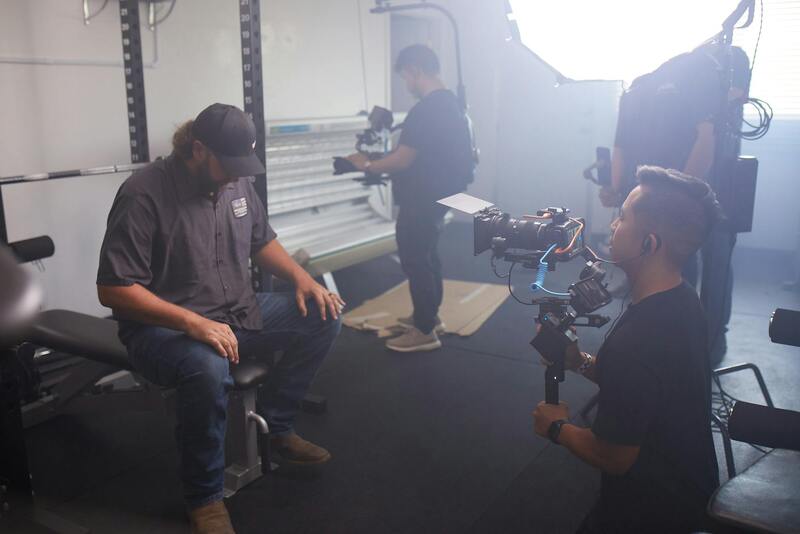
Post-processing is equally vital in refining HD images. Software like Adobe Lightroom and Photoshop allows for precise adjustments to sharpness, color balance, and contrast. Skilled editors can correct distortions, straighten lines, and enhance visual appeal without compromising the authentic representation of the property.
For interior shots, attention to details such as ceiling height, space proportion, and natural light flow can be accentuated through perspective correction and strategic cropping. This ensures each image accurately reflects the property's spatial qualities and aesthetic appeal.

Role of Professional Photography in Real Estate Listings
Utilizing professional photography methods guarantees that property listings display in their best light, effectively attracting potential buyers. High-quality visuals can make properties appear more inviting, spacious, and well-maintained, which plays a significant role in generating interest.
Employing trained photographers familiar with the latest hardware and techniques ensures consistency across all listing images. This consistency fosters brand credibility and demonstrates a commitment to quality, which can influence buyer perception positively.
Date-specific elements such as seasonal features or specific angles are carefully planned to highlight a property’s unique selling points. This strategic approach ensures that each listing resonates with targeted audiences and showcases the property's best features.
Optimal Techniques for Shooting HD Real Estate Photos
Capturing high-definition real estate photos requires a strategic approach and mastery of various photographic techniques that highlight the property’s best features while maintaining authenticity. Photographers utilize a combination of equipment, composition principles, and post-processing skills to produce images that are both visually appealing and accurately representative of the property.
One foundational element is proper camera settings. Utilizing a tripod ensures stability, preventing blurry images even with longer exposure times necessary in low-light conditions. Setting a narrow aperture, typically between f/8 and f/11, increases depth of field, allowing more of the scene to remain in focus. Adjusting ISO to the lowest possible value reduces noise, ensuring crisp clarity in every shot.
Composition plays a crucial role in creating compelling real estate images. Photographers focus on wide-angle lenses, generally between 16mm and 24mm, to capture expansive views of interiors and exteriors without distortion. Careful framing emphasizes spatial proportions, directing viewers’ attention to key selling points such as spacious living areas, natural light, or unique architectural details.

In interior photography, controlling natural light is essential. Photographers often shoot during daylight hours, utilizing the best available light to enhance warmth and vibrancy. When interior lighting is insufficient, supplemental lighting such as softboxes or reflectors can be employed to evenly illuminate the scene, eliminating harsh shadows and dark corners.
Post-processing is integral to producing the final HD images. Skilled editing involves adjusting brightness, contrast, and color balance to ensure the photos accurately represent the property's true appearance. Advanced techniques, such as lens distortion correction and vertical line straightening, are crucial to maintaining architectural integrity and preventing visual distortions that could mislead viewers.
Another important aspect is the attention to detail in editing. This includes removing minor imperfections, enhancing textures, and ensuring consistent color tones across all images to present a cohesive visual story that draws potential buyers into the space.
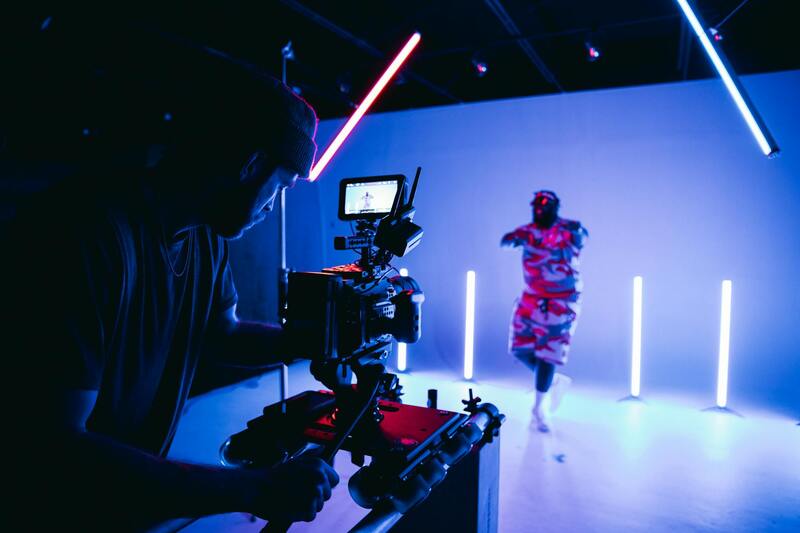
By combining precise shooting methods with meticulous post-processing, professionals can deliver HD real estate photographs that attract attention, build trust, and ultimately facilitate quicker sales. These images become powerful visual tools that communicate the property’s essence, inviting prospective buyers to envision themselves living or working there, which is critical in today’s competitive real estate market.
Role of Professional Photography in Real Estate Listings
Harnessing the power of professional photography elevates the presentation of a property, making it stand out amidst the crowded online real estate market. High-quality images instill confidence in potential buyers by showcasing the property’s best features in a compelling and accurate manner. Professional photographers possess the expertise to highlight spatial dimensions and architectural details using advanced techniques, such as strategic composition and precise lighting. These skills ensure that each shot reflects the true essence of the space, capturing its ambiance and unique characteristics.
Furthermore, professional photographers are adept at utilizing specialized equipment like high-end DSLR or mirrorless cameras, tripod stabilizers, and lens selections tailored for real estate. This ensures the resulting images are crisp, well-exposed, and vibrant. The inclusion of multiple perspectives, from wide-angle shots that emphasize room size to detailed close-ups that showcase finishes and textures, offers a comprehensive visual narrative of the property.
Creating a consistent style across all listing images aids in establishing brand professionalism and builds trust with prospective buyers. This consistency extends to lighting, color tones, and photo composition, which collectively produce a polished, cohesive appearance that resonates with viewers.
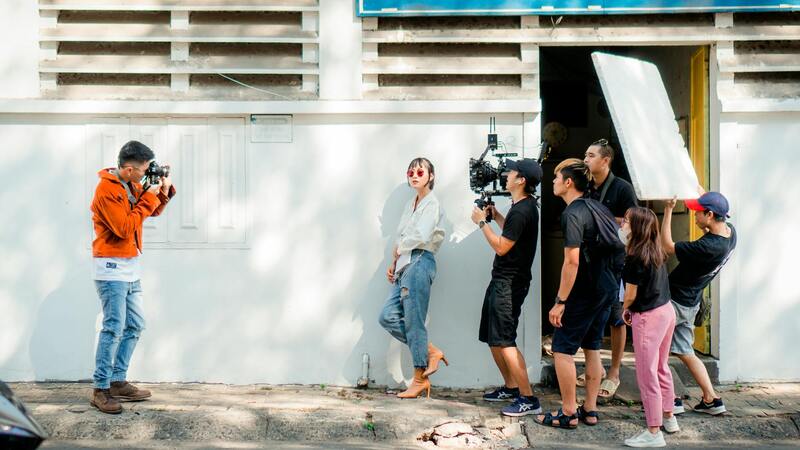
Employing professional photography in real estate listings also enhances digital marketing strategies by optimizing images for various online platforms. Attention to detail during a shoot prevents common issues like distortion or poor lighting, which can negatively impact how viewers perceive the property. When combined with strategic staging and landscaping, professionally captured images can accentuate the property’s strengths and diminish minor flaws.
Besides the immediate visual benefits, professional photography provides a lasting impact on a property’s marketability. High-resolution images deliver clarity that remains impressive across different devices, from desktops to smartphones. This visual clarity encourages higher engagement rates, more inquiries, and ultimately, faster sales cycles.

Investing in professional photography signifies a commitment to excellence and maximizes property exposure. It enables real estate agents and sellers to present properties in the most favorable light, ensuring that each listing attracts the right buyers quickly. Access to cutting-edge equipment and the skilled application of photography techniques results in images that convey professionalism, authenticity, and appeal—key factors in a successful real estate marketing campaign.
Harnessing the Power of Proper Equipment and Techniques for HD Real Estate Photos
Achieving high-definition, captivating real estate images requires more than just a good camera. Professional photographers utilize specialized equipment and refined techniques to produce images that highlight the property’s best features while maintaining an authentic feel. The foundation of superior HD real estate photos lies in the right gear paired with methods that optimize lighting, composition, and clarity.

Essential Equipment for Capturing HD Photos
- High-Resolution DSLR or Mirrorless Cameras: These cameras offer the sensor quality necessary to produce crisp, detailed images that showcase property features with clarity.
- Wide-Angle Lenses: Critical for capturing expansive room interiors and architectural details in a single frame, providing viewers with a comprehensive property overview.
- Tripods and Stabilizers: Steady positioning ensures sharp images, especially in low-light conditions or when employing longer exposure times.
- Advanced Lighting Equipment: External flashes, diffusers, and reflectors help manage light distribution, reduce shadows, and enhance natural light within a space.
- Drones (Optional): For aerial shots and overhead views that add a compelling perspective and market appeal.
Techniques for Optimizing HD Real Estate Photos
- Proper Lighting Mastery: Utilizing natural light when possible, supplemented with professional lighting setups, ensures consistent, vibrant images without harsh shadows or overexposure.
- Optimal Composition: Applying the rule of thirds, balanced framing, and decluttering enhances visual appeal and directs attention to key property features.
- Correct Exposure Settings: Fine-tuning aperture,ISO, and shutter speed allows for clear images that accurately depict colors and textures.
- Post-Processing Workflow: Adequate editing, including color correction, perspective adjustments, and minor retouching, refines the image without misrepresenting the property.
Ensuring Consistency and Quality
Consistency across all images in a listing assures viewers of professionalism and attention to detail. Photographers often employ standardized camera settings and shooting protocols to produce uniform images, reinforcing the property's appeal and reducing visual discrepancies. Additionally, systematic post-processing preserves a natural appearance, ensuring photos remain true to real-life conditions while accentuating desirable features.