
Understanding the Importance of Professional Home Photography
Effective real estate marketing hinges on the visual presentation of a property. High-quality home photography can significantly enhance a property's appeal, providing potential buyers with an accurate representation of the space. These images serve as the first point of contact between a listing and prospective purchasers, making a compelling visual impression critical for attracting interest. When photos are crisp, well-lit, and properly composed, they convey professionalism and attention to detail, instilling confidence in buyers and motivating them to schedule viewings.
Beyond mere aesthetics, professional home photography influences buyer perception by highlighting a property's best features and creating an inviting atmosphere. Properly captured images can make spaces appear larger, brighter, and more welcoming. Conversely, low-quality photos can deter interest, leading to fewer inquiries and reduced market value. As buyers increasingly rely on online property listings, the importance of showcasing a home with compelling visuals cannot be overstated.
The ability to produce captivating images requires an understanding of composition, lighting, and technical camera skills. It involves more than just snapping pictures; it’s about creating an immersive experience that encourages viewers to envision themselves living in the space. When executed correctly, professional photography serves as an integral component of a comprehensive real estate marketing strategy, maximizing visibility and accelerating the sales process.
In high-stakes markets such as Miami, where property options are abundant, eye-catching and professional photography distinguishes a listing from the rest. It builds credibility, demonstrates the value of the home, and ultimately drives quicker sales. Recognizing the pivotal role of professional photography helps real estate professionals and homeowners alike to leverage visuals as a powerful marketing tool, ensuring that each property’s first impression is both memorable and persuasive.
Essential Equipment and Camera Settings
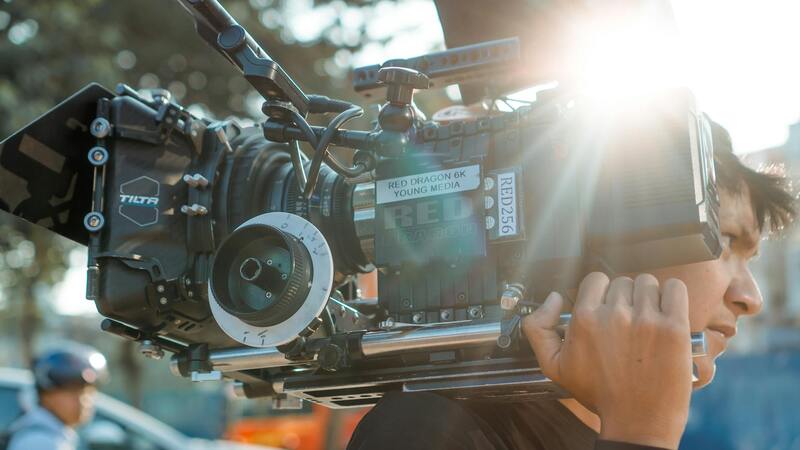
Achieving high-quality home photographs begins with the right tools. Professional photographers typically utilize DSLR or mirrorless cameras equipped with wide-angle lenses, usually ranging from 14mm to 24mm, to capture expansive interior spaces without distortion. These lenses facilitate the inclusion of more of a room in a single frame, making spaces appear larger and more inviting. A sturdy tripod is equally crucial, providing stability to prevent blurring during long exposures, particularly in interior shots where lighting conditions might be less than optimal.
Beyond camera hardware, understanding optimal settings is imperative for consistent, professional results. A key consideration is aperture selection. Utilizing a small aperture (high f-stop number, such as f/8 to f/11) ensures a greater depth of field, keeping the entire room in sharp focus. This level of focus helps highlight every detail in the space, from furniture to architectural features.
Shutter speed adjustments are also vital. Longer exposures allow more light into the camera, illuminating darker corners and enhancing brightness in rooms with limited natural light. When combined with a tripod, slower shutter speeds do not result in blurred images. Additionally, setting the ISO to a low value (ISO 100–400) minimizes noise and maintains image clarity.
Techniques for Capturing Stunning Interior Shots
Effective interior photography hinges on several techniques designed to showcase a property’s best features. Compositionally, placing focal points using the rule of thirds draws viewers' eyes naturally toward key elements like a fireplace, window views, or architectural details. Ensuring the camera is level prevents skewed lines, which can detract from the perceived professionalism of the images.
Lighting is arguably the most critical aspect. The optimal time for capturing interior shots is during bright, overcast days when natural light is abundant yet diffuse. Opening curtains and blinds helps maximize daylight, reducing the need for artificial lighting and preventing harsh shadows. If additional lighting is necessary, using softboxes or LED panels can produce even illumination that highlights the space without creating distracting glare or uneven brightness.
Strategic positioning is also essential. Shooting from eye level or slightly above can make rooms appear more spacious. Incorporating a wide-angle lens permits a broader view of the room, but care must be taken to avoid distortion that can make spaces look unnaturally elongated or compressed. Multiple shots from different angles ensure a comprehensive visual tour of each room, aiding prospective buyers in visualizing themselves within the space.
Capturing Exterior and Aerial Shots
The exterior presentation of a property plays a significant role in attracting potential buyers. Photographers often use the same wide-angle lenses to encompass the front facade, yard, and landscaping in a single shot. Timing the shoot during the golden hour—shortly after sunrise or before sunset—provides warm, inviting light that enhances curb appeal. Considerations such as minimizing shadows and reflections on windows or surfaces can significantly improve the overall image quality.
In addition to ground-level exterior shots, aerial photography offers a compelling perspective on a property’s size, layout, and surrounding amenities. Using a drone equipped with a high-resolution camera enables capturing sweeping views that are otherwise impossible from the ground. It is important to follow safe flying practices and adhere to any local regulations governing drone use in residential areas.
Editing and Post-Processing for Real Estate Photos
Post-processing enhances real estate images, ensuring they accurately, yet compellingly, represent the property. Editing software like Adobe Lightroom or Photoshop allows for adjustments in brightness, contrast, and color balance, ensuring the images are vibrant and true-to-life. Minor corrections to straighten lines, remove lens distortion, or eliminate small imperfections can significantly boost the professional appearance of the photos.
Care must be taken to avoid over-editing, which can mislead viewers and create unrealistic expectations. Instead, the goal is to enhance natural features and maintain a consistent visual style across all images. Consistency in color tone and exposure helps establish a professional look for the listing, making it more appealing to prospective buyers.
Understanding the Importance of Professional Home Photography
Effective home photography is fundamental in showcasing a property’s best features and attracting potential buyers or renters. High-quality images do more than just depict the space; they evoke an emotional response, highlighting the property’s unique qualities and creating a compelling narrative. Professional photographs serve as a critical marketing tool, helping listings stand out in crowded online marketplaces and printed brochures alike. The clarity, composition, and lighting captured in professional images communicate both the quality and appeal of the house, influencing the viewer's decision to explore further.
Investing in professional home photography ensures that the property is presented in its optimal form. Skilled photographers understand the importance of accurate color rendering, proper framing, and strategic lighting, which together forge a visually cohesive and inviting presentation. This combination of technical expertise and artistic insight results in images that not only appeal to prospective buyers but also foster trust in the listing’s authenticity and value.
Furthermore, consistent, high-caliber imagery can significantly improve a property's online visibility. When images are properly optimized for search engines, such as through appropriate use of alt tags and descriptive captions, they are more likely to appear prominently in search results. This strategic approach enhances digital marketing efforts, ensuring the home reaches a broader audience and accelerates the sales process.

Ultimately, professional home photography is about more than just capturing images—it is about crafting a visual story that resonates with viewers and compels action. From highlighting architectural details to showcasing spacious interiors and attractive exteriors, each photograph plays a pivotal role in the overall marketing strategy, directly impacting the property's marketability and closing success.
Techniques for Capturing Stunning Interior Shots
Achieving visually compelling interior photographs requires a strategic approach that highlights the home’s unique features while creating an inviting atmosphere. One fundamental aspect is controlling natural and artificial lighting to produce well-balanced images. Photographers often maximize natural light by shooting during the day when sunlight filters through windows, enhancing the warmth and openness of each space. The use of additional light sources, such as softbox lighting or reflectors, can aid in eliminating harsh shadows and ensuring even illumination throughout the room.
Composition plays a crucial role in interior photography. Employing the rule of thirds helps in placing focal points within the frame, creating a balanced and engaging image. Wide-angle lenses are typically favored for interior shots as they encompass more of the space, providing viewers with a sense of scale and layout. However, it is vital to avoid distortion by adjusting camera angles and using proper lens settings. Shooting from a corner angle often offers a more comprehensive view of the room, showcasing its dimensions and flow.
Perspective and framing are tailored to emphasize the home’s architectural features. For instance, capturing ceiling details, moldings, or unique design elements adds depth and interest. Keeping vertical lines straight by correcting lens distortion ensures the photo appears natural. Additionally, decluttering the space before photographing, removing personal items, and arranging furniture thoughtfully help in presenting a clean and appealing environment.

Post-processing also enhances interior images. Adjusting brightness, contrast, and color balance ensures the photo accurately reflects the home’s true appearance. Minor corrections to straighten lines or crop unnecessary elements help maintain focus on key features. Consistent editing style across all images creates a cohesive visual story, making the listing more professional and engaging.
Optimal Techniques for Exterior Photography
Exterior shots are critical for establishing curb appeal. Shooting during the golden hour—shortly after sunrise or before sunset—provides warm, inviting light that enhances house features. Using a tripod stabilizes the camera, allowing for slow shutter speeds that capture crisp details even in less favorable lighting conditions. Wide-angle lenses help encompass the entire façade or landscaping elements, conveying the full scope of the property’s exterior.
Including context shots that feature the property within its neighborhood can add value to the presentation. Highlighting attractive landscaping, walkways, and outdoor amenities invites prospective buyers to envision themselves living there. Ensuring the yard is tidy and well-manicured before shooting reflects well on the property's upkeep.
For aerial photography, utilizing drones offers a comprehensive perspective of the property and its surroundings. Aerial images can showcase the size of the lot, proximity to nearby amenities, and landscape features that may not be visible from ground level. Proper planning, including obtaining necessary permissions, is essential to ensure these shots are taken legally and responsibly, avoiding privacy issues or safety hazards.
Understanding the Importance of Professional Home Photography
High-quality images serve as a visual first impression for prospective buyers, significantly influencing their interest and engagement with a property. Professional home photography captures the unique features, architectural details, and overall ambiance of a residence with clarity and precision. Effective images can highlight a home’s best attributes, such as spaciousness, natural light, and modern updates, making the listing stand out in a competitive market.
Moreover, professional photographs provide potential buyers with an accurate representation of the property, reducing the likelihood of misunderstandings or mismatched expectations. This accuracy encourages serious inquiries and minimizes wasted time for both sellers and buyers. Homes with compelling, well-composed images tend to generate more online views, increased foot traffic, and higher sale prices, underscoring the importance of investing in skilled photography.
In the digital age, most home searches begin online, making visual content a critical component of real estate marketing. High-resolution images that showcase the home’s details, lighting, and space can evoke emotional responses and help buyers visualize themselves living in the space. Consequently, emphasizing professional home photography as a core part of listing preparation provides a strategic advantage, ensuring properties are presented in the best possible light for maximum appeal.

Preparing a Home for Photography
Preparation is a crucial step in achieving stunning property images. It involves a combination of decluttering, cleaning, and staging to ensure that every space appears inviting and well-maintained. Removing personal items, excessive furniture, and clutter allows potential buyers to focus on the home’s architectural features and layout. Deep cleaning ensures surfaces, windows, and fixtures are spotless, creating a fresh and polished look that translates well in photographs.
Staging the home strategically can accentuate its strengths and create a welcoming environment. This can include arranging furniture to maximize space, adding tasteful accessories, and ensuring appropriate lighting in each room. Proper staging helps prospective buyers imagine living in the space, making the home more appealing and memorable in photos.
Timing the shoot during natural daylight hours is essential for capturing vibrant, well-lit images. Opening curtains and blinds to flood rooms with sunlight enhances the visual appeal of interior shots. Additionally, outdoor areas should be tidied up; lawn mowing, trimming bushes, and removing debris can significantly improve curb appeal in photographs.
Essential Equipment and Camera Settings
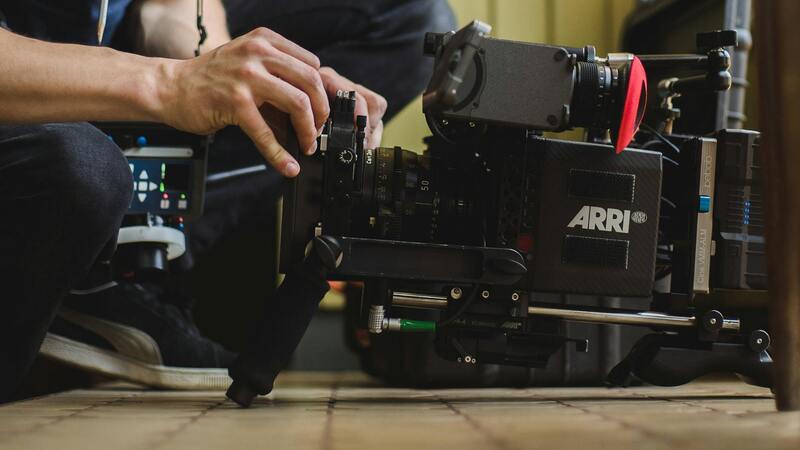
Achieving professional-quality images requires appropriate equipment and technical knowledge. A digital DSLR or mirrorless camera with manual controls offers the flexibility needed for high-quality real estate photography. Wide-angle lenses, typically in the 10-24mm range, are preferred for capturing expansive interior spaces, providing a sense of depth and spaciousness.
Tripods are indispensable for stabilizing the camera during longer exposures, especially when shooting in low-light conditions or utilizing HDR techniques. Proper camera settings include a low ISO (100-200) to minimize noise, a small aperture (f/8 to f/11) to ensure depth of field, and slower shutter speeds to let in enough light without compromising sharpness. Bracketing exposures and combining them through HDR processing can produce images with balanced lighting, revealing both shadows and highlights effectively.
Post-processing software, such as Adobe Lightroom or Photoshop, allow for fine-tuning images, correcting distortions, and enhancing colors to create eye-catching visuals. Consistent editing styles across all images help maintain a cohesive presentation, reinforcing the professionalism of the listing.
Techniques for Capturing Stunning Interior Shots
To produce captivating interior photographs, photographers should pay attention to composition and lighting. Using natural light as the primary source illuminates rooms evenly and renders colors authentically. Supplementing with diffused artificial lighting can fill shadows and balance exposure, especially in darker areas.
Angles are crucial; shooting from a corner of the room provides depth and showcases the spatial layout effectively. Elevating the camera slightly above eye level can improve perspective and perspective distortion. It’s also beneficial to include multiple shots of key areas such as the living room, kitchen, bedrooms, and bathrooms, highlighting recent upgrades or distinctive architectural features.
While wide-angle lenses are essential, care should be taken to avoid distortion that can misrepresent the size or shape of spaces. Post-processing can correct or minimize these effects, ensuring images accurately reflect the property’s actual appearance. Emphasizing clean, clutter-free spaces and balanced composition results in professional-quality interior images that draw prospective buyers' attention.
Understanding the Importance of Professional Home Photography
In the real estate industry, high-quality photography plays a vital role in making a property stand out in a competitive market. Professional home photography captures the property’s unique features, architectural details, and overall ambiance, providing potential buyers with a realistic and appealing view of the space. When images are taken with precision and expertise, they can significantly reduce the time a property spends on the market and often result in higher offers.
Real estate images serve as the first impression for prospective buyers browsing listings online. Sharp, well-lit, and professionally composed photos communicate transparency and build trust, encouraging viewers to schedule viewings. Moreover, these images enhance the overall marketing efforts by creating a cohesive visual narrative that highlights the property's best features, from modern kitchens to spacious living areas and inviting outdoor spaces.
Investing in professional photography also ensures compliance with industry standards, resulting in images that accurately reflect the property's dimensions, colors, and overall condition. This authenticity helps in setting realistic expectations and fosters confidence among buyers, ultimately leading to smoother transactions.
Preparing a Home for Photography
Preparation is key to achieving the best possible images. A clean, decluttered environment allows the property to look spacious and inviting. Pay special attention to details such as removing personal items, clutter, and any distracting elements that may draw attention away from the home's features. Cleaning surfaces, windows, and floors boosts the lighting quality and overall visual appeal.
Furthermore, staging outdoor areas, arranging furniture thoughtfully indoors, and ensuring all lighting fixtures are functional contribute to a seamless shooting process. Timing photography sessions during the day when natural light fills the rooms provides an authentic and vibrant look. Open curtains and blinds beforehand to maximize natural illumination.
Essential Equipment and Camera Settings
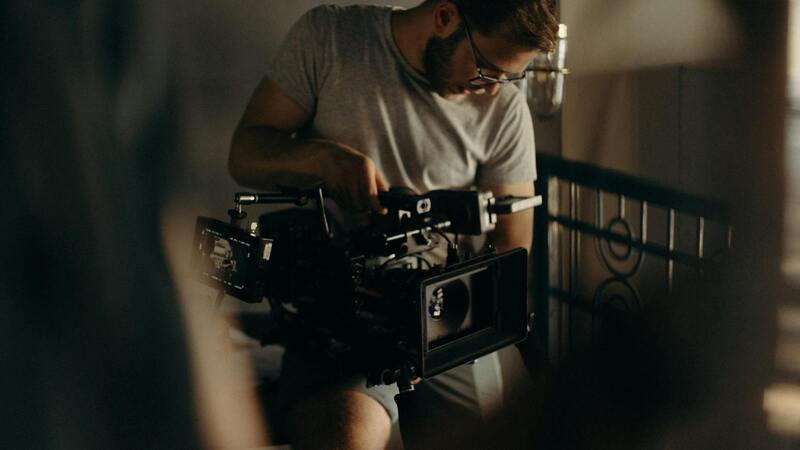
To produce professional-grade images, a photographer should utilize a high-resolution DSLR or mirrorless camera with a wide-angle lens, typically between 14mm to 24mm. A tripod is essential for maintaining stability and achieving sharp, consistent shots, especially in low-light conditions. Additional equipment such as remote shutters, external flash units, and diffusers can help manage lighting effectively.
Adjust camera settings to suit indoor conditions; use a small aperture (f/8 to f/11) to ensure depth of field, and optimize ISO settings to minimize noise. Proper white balance is critical to reproducing accurate colors, while slower shutter speeds can enhance exposure in darker areas, provided the camera is stable on the tripod. Bracketing images for HDR processing can also help balance exposure across mixed lighting conditions within a room.
Techniques for Capturing Stunning Interior Shots
Capturing interior spaces requires meticulous consideration of composition and lighting. Using a wide-angle lens allows you to showcase more of the room, but avoid excessive distortion by keeping the camera level and employing post-processing corrections. Shooting from a corner of the room provides depth and dimension, making the space appear larger.
Natural light should be the primary illuminator. Open curtains and blinds to let light in, and supplement with diffused artificial lighting if necessary. A view camera or tilt-shift lens can assist in controlling perspective distortions, especially when shooting spaces with tall ceilings or windows. Including multiple angles of key rooms—especially the living room, kitchen, bedrooms, and bathrooms—gives a comprehensive view to prospective buyers and highlights architectural features.
Post-shoot, use photo editing software to adjust brightness, contrast, and color balance. Retouching helps eliminate minor imperfections while maintaining an authentic representation of the space. Correcting lens distortions in post-processing ensures the images accurately reflect the true proportions of the rooms, preserving the integrity of the listing.
Legal and Ethical Considerations
When engaging in home photography, it is essential to adhere to established standards that respect the rights of homeowners and tenants. Securing explicit permission from property owners prior to photography ensures transparency and fosters trust. This involves informing them about the scope, purpose, and potential use of the images, particularly if the photos will be used in online listings, marketing materials, or promotional campaigns.
Respecting privacy is a core aspect of professional home photography. Bedroom and bathroom areas often contain personal items and sensitive information. Ensuring personal belongings are either removed or appropriately blurred during post-processing safeguards privacy while presenting a welcoming and professional image of the property. Avoiding the inclusion of private documents, personal photographs, or confidential information in the shots is crucial to maintaining ethical standards.
Adherence to local zoning regulations and property guidelines is also a key consideration. Certain neighborhoods or complexes may have restrictions regarding photography, especially related to drone usage or exterior shots. Familiarizing oneself with these guidelines helps prevent potential conflicts and ensures a smooth photography session.
It's important to work within documented policies when photographing homes for commercial listings. This includes maintaining accuracy in representing the property’s features and conditions. Overly staged or heavily edited images that distort the true appearance of a home can mislead prospective buyers, which damages the professional reputation of the photographer and listing agent. Providing authentic, high-quality images demonstrates integrity and enhances consumer confidence.
Finally, always ensure the use of consent forms or contracts that clearly outline rights, usage, and permissions. This documentation acts as a safeguard for both the photographer and the client, establishing clear boundaries and expectations before the photographic process begins.
Legal and Ethical Considerations in Photographing Homes
When engaging in home photography for real estate, upholding integrity and respecting privacy are fundamental. It is essential to obtain explicit permissions from homeowners or property managers before conducting photoshoots to avoid misunderstandings or disputes. Clear communication about the intended use, scope of the photography, and distribution channels helps establish trust and sets proper boundaries from the outset.
During the shoot, photographers must prioritize the privacy of current residents and occupants. This involves gaining consent before capturing images of private spaces such as bedrooms, bathrooms, or home offices, especially if personal belongings or sensitive items are visible. When such areas are included, they should be carefully staged to minimize personal exposure or, if necessary, avoided altogether.
Adhering to local guidelines and property-specific directives is equally important. Some neighborhoods or complexes may impose restrictions on photography, particularly regarding drone usage or exterior shots. Awareness of these rules prevents potential conflicts and demonstrates professionalism. It’s also advisable to review any community guidelines or homeowner association policies related to photography to maintain respectful conduct.
Use of Consent and Documentation
Prior to the photoshoot, securing formal consent through signed agreements or release forms is a standard practice that clarifies rights, usage, and restrictions. These documents serve to align expectations and provide legal protection for both parties involved. They detail the scope of use, whether for online listings, brochures, or promotional materials, and specify the duration of permitted usage.
In cases involving aerial photography or drone footage, operators must ensure compliance with aviation regulations and obtain appropriate permissions if required. This often involves securing permits or notifications from relevant authorities, especially in urban or sensitive areas. Transparency about such practices helps maintain ethical standards and bolsters confidence among clients and residents.
Photographers should also stay informed about the ethical implications of image editing. While post-processing can enhance visual appeal, it must not distort the true appearance of the property. Overly manipulated images risk misleading potential buyers, which could damage trust and professional credibility. Authentic, well-balanced photos that accurately showcase a home’s features foster transparency and fairness.
Transparency and Responsible Marketing
When marketing homes, honesty and clarity are paramount. Disclosing any modifications or enhancements made during post-processing reinforces integrity. Professional photographers often include disclaimers or notes when necessary to clarify that images have been edited, ensuring that prospective buyers receive a truthful representation of the property.
Maintaining a record of consent forms, correspondence, and documentation related to photography sessions safeguards all parties involved. Proper record-keeping demonstrates a commitment to ethical practices and provides an audit trail should any disputes arise regarding image use or representation.