
Understanding the Importance of High-Quality House Photography
In the competitive real estate market of Miami, the presentation of a property can make or break its sale potential. High-quality house photography serves as a cornerstone of effective marketing strategies, capturing the essence and appeal of a residence more vividly than any description could. Professional images tend to generate higher interest, more viewings, and quicker sales processes. This is particularly vital in Miami, where buyers often browse numerous listings online before making decisions.
Effective photography not only showcases the property's best features but also creates an emotional connection with prospective buyers. When images highlight the spaciousness, natural light, modern finishes, and unique architectural elements, they enable viewers to visualize themselves living in the space. This visualization significantly influences their decision to schedule a viewing or make an offer.
Furthermore, high-quality photos contribute to a property's online credibility. Listings that feature crisp, well-composed images stand out on real estate portals, social media platforms, and marketing emails. These images signal professionalism and investment in the property, instilling confidence in potential buyers. Conversely, poorly lit, blurry, or amateurish photos can diminish perceived value and deter interest, even if the property itself is highly desirable.
Investing in professional photography demonstrates a proactive approach to marketing, often resulting in faster sales and better offers. It also creates a consistent, polished visual identity for the property across various marketing channels. Consequently, mastering the art of house photography is essential for real estate agents, homeowners, and developers seeking to maximize their property's market potential in Miami.
Choosing the Right Equipment for House Photography
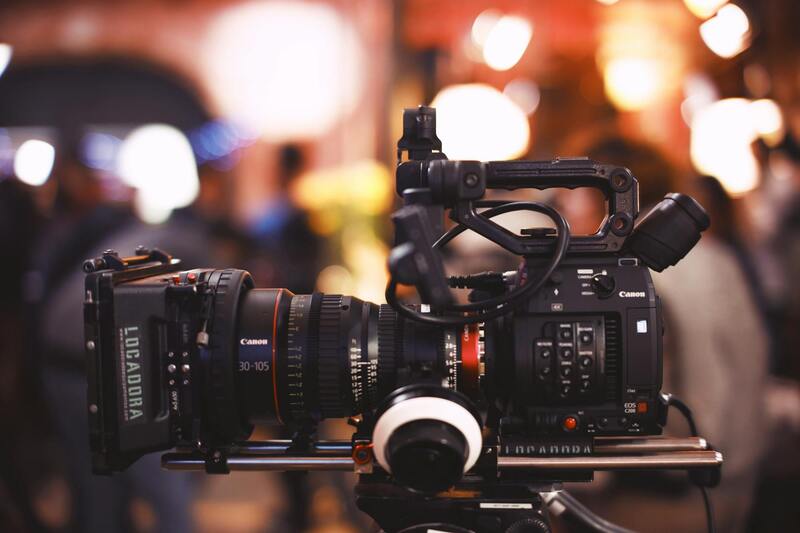
Equipping oneself with the appropriate tools is crucial for capturing high-quality images that truly represent a property's appeal. Professional-grade cameras, such as digital single-lens reflex (DSLR) or mirrorless cameras, offer the sensitivity and resolution needed to showcase properties in the best light. These cameras enable precise control over exposure, aperture, and ISO, ensuring clarity and proper lighting in every shot. For interior photography, wide-angle lenses are essential as they allow capturing more of a room in a single frame, highlighting space and layout effectively.
Additionally, tripods play a vital role in stabilization, particularly in low-light conditions or when shooting long exposures. This equipment minimizes camera shake, resulting in sharper images. External lighting systems or flash units may also be necessary to illuminate darker areas, especially in rooms with limited natural light. For exterior shots, drones equipped with high-resolution cameras can be used to capture aerial perspectives of the property, showcasing landscaping and architectural details that ground-level shots cannot convey.
Investing in quality camera gear and accessories ensures consistency and professionalism in house photography. High-caliber equipment allows real estate professionals and homeowners to produce images that meet industry standards, ultimately attracting more attention from prospective buyers.
While advanced equipment provides significant benefits, understanding how to operate these tools effectively is equally important. Proper use of settings such as aperture for depth of field, shutter speed for motion control, and ISO for brightness ensures high-quality results. Regular maintenance of gear, including cleaning lenses and calibrating sensors, further sustains image quality over time. For those new to house photography, consulting with professional photographers or attending workshops can accelerate skill development and technical proficiency.
In sum, the right equipment sets the foundation for creating compelling house images. Combining quality gear with technical know-how produces visuals that not only highlight a property's best features but also resonate emotionally with viewers, which is critical in competitive markets like Miami.
Techniques for Capturing Attractive Interior Shots
Achieving captivating interior photographs requires more than just pointing a camera at a room. Utilizing specific techniques enhances the visual appeal and accurately represents the space's ambiance. Proper composition is fundamental; framing shots to emphasize key features such as architectural details, lighting, and furniture placement helps create balanced images that draw viewers in. Employing the rule of thirds can guide the placement of focal points, ensuring each photograph feels dynamic and engaging.
Lighting plays an instrumental role in interior photography. Natural light, when available, should be harnessed by shooting during daylight hours and opening curtains or blinds to maximize the luminous effect. To avoid harsh shadows or overexposed areas, diffusing sunlight with sheer curtains or employing reflectors helps even out lighting conditions. When natural light is insufficient, supplemental lighting techniques—such as using softboxes or portable LED panels—ensure consistent illumination without creating stark contrasts.
Lens choice also influences interior shot quality. Wide-angle lenses, typically in the 14-24mm range, allow capturing expansive views of rooms within a single frame, making spaces appear larger and more inviting. However, to prevent distortion, it's important to adjust angles carefully and keep lines straight, especially around doors and windows. Ensuring proper camera height—generally at eye level—avoids awkward perspectives and provides a more natural appearance.
Staying consistent with camera settings across photos maintains a cohesive look in your portfolio. Aperture settings around f/8 to f/11 aid in gaining enough depth of field to keep all elements in focus. Using a tripod stabilizes the camera and allows for longer exposures, which can be particularly beneficial in low-light interior conditions. Post-shoot review of images helps identify areas where lighting or composition can be improved, refining the overall presentation.
Post-processing derives from a foundation of well-captured images. Adjustments to brightness, contrast, and color balance can enhance the natural beauty of a space. Removing minor imperfections, such as distracting wires or clutter, improves the viewer’s experience without misrepresenting the property. Maintaining honesty in color and lighting ensures that prospective buyers receive a truthful, enticing depiction of the home.
Techniques for Capturing Attractive Interior Shots
When photographing interiors, it is essential to focus on the composition, lighting, and angles to create inviting and visually appealing images. Start by arranging furniture and decor to highlight the room’s best features, ensuring the space looks open and uncluttered. Use natural light whenever possible, opening curtains and blinds to allow sunlight to flood in, which enhances warmth and transparency in photos. When natural light isn’t sufficient, supplement with diffused artificial lighting to eliminate shadows and even out brightness across the scene.
Opt for wide-angle lenses to capture the full scope of rooms and architectural details, but be cautious to avoid distortion by keeping the camera level and at a consistent height. Shooting from eye level generally yields the most natural perspective, making prospective viewers feel immersed in the space. Experiment with different angles—such as shooting from doorways or corners—to showcase depth and dimensions effectively. Vertical lines should be kept straight, especially around windows and door frames, to maintain a realistic look.
It’s crucial to pay attention to the positioning of each shot, ensuring that focal points like fireplaces, kitchens, or panoramic views are emphasized. Using a tripod stabilizes the camera, enabling precise framing and longer exposures in lower light conditions. Multiple shots from various angles can later be combined for a comprehensive presentation. Small touches—like adjusting the height slightly or shifting the camera angle—can make a significant difference in capturing more compelling, balanced images.
Proper lighting setup in interior photography involves balancing ambient light with supplementary sources to ensure a bright, vibrant look without overexposing highlights. Use diffusers to soften harsh sunlight filtering through windows, and consider the time of day to maximize natural illumination. Always review images on a larger screen post-shoot to identify areas where light, composition, or perspective could be improved. These careful adjustments contribute to images that are both attractive and truthful representations of the property.
Photographing Exterior and Architectural Features
Exterior shots are pivotal in creating a first impression, showcasing the property’s curb appeal and architectural charm. Schedule outdoor photography during the golden hour—shortly after sunrise or before sunset—when sunlight imparts a warm glow, casting appealing shadows that define the house’s structure. Prioritize capturing the front elevation, side views, and backyard to present a complete visual narrative of the property's exterior.
Use a wide-angle lens to include more of the scene within a single frame, but again, vigilantly correct for distortion. Elevate the camera to an optimal height—roughly at eye level or slightly higher—to prevent exaggerated foreshortening and to present the property naturally. Incorporate elements like landscaped gardens, driveways, and outdoor living areas to add context and enhance visual interest. Details such as architectural embellishments, window styles, and roofing can be highlighted through close-up shots, providing potential buyers with a comprehensive view of the home's design features.
Incorporating foreground elements, such as greenery or decorative fencing, can add depth to exterior images, making the property appear more inviting. When photographing architectural features, consider different perspectives—such as low or high angles—to create dynamic, striking images that showcase the unique traits of the building. Consistency in lens choice and camera settings across shots maintains a cohesive visual narrative, making the property listing more compelling and professional-looking.
Techniques for Capturing Attractive Interior Shots
To effectively showcase a property's interior, photographers must employ specific techniques that highlight the space's best features and create a welcoming atmosphere. Proper lighting is crucial; leveraging natural light during the day helps to produce bright, airy images that appeal to potential buyers. When natural light is insufficient, controlled artificial lighting should be used to eliminate shadows and evenly illuminate rooms. Employing soft boxes or diffusers prevents harsh shadows and provides a more flattering depiction of interior details.
Choosing the correct camera settings is essential for capturing clear, detailed images. A small aperture (high f-stop number) ensures greater depth of field, keeping both foreground and background in sharp focus. A low ISO minimizes grain, providing clean shots, while a tripod stabilizes the camera, especially in lower light conditions, ensuring pictures remain crisp and free of motion blur.
For interior photography, wide-angle lenses are invaluable—they allow the inclusion of entire rooms within a single frame, emphasizing spaciousness. However, it's important to avoid distortion by adjusting lens correction settings during post-processing or using lenses designed to minimize perspective distortion. Shooting from a corner of the room typically yields the most immersive perspective, effectively illustrating room dimensions and layout.
Vertical lines can be skewed when shooting wide-angle, so careful camera alignment is necessary to maintain architectural integrity. Additionally, paying attention to clutter and ensuring that personal items are minimized helps potential buyers focus on the space itself. Arranging furniture and decor to accentuate room features can further enhance visual appeal, making the space look more inviting and functional.
Varying shot angles can provide multiple perspectives—high shots to emphasize ceiling heights and low shots to showcase baseboards or flooring details. Highlighting special interior features such as fireplaces, built-in shelving, or unique architectural details adds character to the listing. Consistency in shooting techniques across all interior images maintains a professional, cohesive presentation throughout the property portfolio.
Techniques for Capturing Exterior and Architectural Features
Photographing the exterior of a house involves more than just pointing a camera at the front facade. It requires strategic positioning and attention to lighting conditions to highlight the architectural details effectively. Utilizing natural light during the golden hours—shortly after sunrise or before sunset—can produce warm, inviting images that showcase the property’s curb appeal. Reflecting surfaces, like windows and glass doors, should be cleaned and properly framed to prevent unwanted glares or reflections from detracting from the visual quality.
Capturing the full architectural scope of a property involves selecting angles that emphasize the unique character of the building. Shooting from a corner angle often allows a comprehensive view of multiple facades, revealing depth and dimension. Elevated perspectives, such as from a drone or a tall ladder, can provide comprehensive aerial shots that illustrate the house's relationship to its landscape and surrounding environment. These views help potential buyers understand the property’s size, layout, and overall curb appeal at a glance.
When photographing architectural features, attention to symmetry and proportion is vital. For example, capturing the intricate design of rooflines, porches, columns, or decorative elements should be done with an aligned horizon and correct perspective. Utilization of tilt-shift lenses or post-processing correction ensures straight lines remain true, thereby preserving the building’s integrity in the images. Night shots with exterior lighting turned on can create striking contrasts, emphasizing structure and ambiance after dark.
Details such as entryway design, garage doors, and outdoor features like decks or patios should be photographed meticulously. These elements can significantly influence the property's appeal, so capturing them with clarity and precision can make your listing stand out. Using a lens with a wide field of view ensures you do not miss important details that appeal to prospective buyers and agents alike.
Properly framing exterior shots involves balancing the household structure with its landscape and outdoor amenities. Including elements like pathways, fencing, or garden features can help convey the property's scale and setting more effectively. A mix of wide-angle shots and closer detail images creates a comprehensive visual story for potential buyers, showcasing both the overall exterior and the finer architectural touches.
Techniques for Capturing Attractive Interior Shots
Achieving high-quality interior images requires a strategic combination of proper technique and equipment. To showcase a home's best features, photographers should utilize natural lighting whenever possible, positioning the camera to maximize the impact of daylight streaming through windows. When natural light is insufficient, professional lighting setups, such as diffused softboxes or umbrellas, can evenly illuminate rooms without harsh shadows, ensuring interior details are visible and appealing.
One essential method is to shoot in the correct orientation. Employing a wide-angle lens, typically between 14mm to 24mm for full-frame cameras, allows capturing more of the interior space in a single shot. This technique helps create an inviting sense of openness, essential for small or compact rooms. Additionally, maintaining a level horizon line and careful alignment prevents distortion, which can detract from the authenticity of the space.
Proper composition is crucial. Photographers should emphasize the room’s focal points—such as a modern fireplace, a stylish kitchen island, or a cozy reading nook—by positioning themselves optimally and ensuring these elements are centered or follow the rule of thirds. Vertical lines, including walls and furniture edges, should be kept straight; otherwise, they can distract and cause viewers to question the image’s accuracy. The use of tilt-shift lenses or digital correction can help maintain straight lines in complex shots.
In tighter spaces, such as hallways or small bedrooms, vertical lines are prone to distortion. Shooting from a slightly higher perspective or employing correction tools during post-processing can significantly improve the image's fidelity. Moreover, capturing multiple angles of a single room provides a comprehensive view, allowing potential buyers or renters to better understand the space's layout and ambiance.
Details matter—small design elements like unique light fixtures, textured walls, or decorative accents should be highlighted through close-up shots. These details can evoke a sense of style and quality, making the property more memorable. Using a macro or a short telephoto lens can facilitate capturing these elements with crisp clarity.
Widely used techniques, such as HDR (High Dynamic Range) photography, help balance exposures between bright windows and darker interiors, avoiding blown-out highlights or shadowed corners. Shooting in RAW format allows for extensive adjustments during post-processing, ensuring the colors, brightness, and contrast accurately represent the space. Post-processing should aim to enhance, not distort, the true appearance of the interior, preserving its realism and appeal.
Overall, capturing compelling interior images hinges on a well-prepared environment, precise camera settings, and thoughtful composition. When executed correctly, these photos can evoke emotion, highlight functional layouts, and underscore a property's unique charm, making them powerful tools for effective real estate marketing.
Legal and Ethical Considerations in House Photography
When engaging in photographing houses, adherence to established guidelines ensures the process is respectful, transparent, and beneficial for all parties involved. It is crucial to obtain proper permission before entering private properties, especially when personal or sensitive items are visible in the shot. Securing consent from homeowners or tenants not only fosters trust but also helps avoid misunderstandings that could arise from unauthorized photography.
In addition to permissions, photographers should respect privacy by focusing on areas that are intended for public viewing or marketing. This means avoiding capturing images of personal belongings, confidential information, or spaces that are not meant for public display. When photographing interior spaces, it’s advisable to discuss with the homeowner which features or rooms are appropriate to showcase.
Metadata embedding and image distribution should be handled responsibly. Photographers must ensure that any embedded information, such as location data, does not compromise security or privacy. Furthermore, when sharing images online or through marketing materials, authenticity must be maintained by accurately representing the property. This includes honest color renditions, perspective, and lighting conditions.
Professionalism extends to the editing process as well. It’s important to avoid excessive alterations that could mislead potential buyers or renters about the property's true condition or appearance. Subtle enhancements aimed at improving lighting and color balance are acceptable, but they should not distort the overall look or create false expectations.
Additionally, understanding the contractual aspects related to real estate photography, including copyright ownership and usage rights, is fundamental. Photographers should ensure clear agreements are in place that specify how images will be used, whether for online listings, brochure printing, or multimedia presentations. Respecting these guidelines promotes ethical practices and maintains the integrity of the real estate marketing ecosystem.