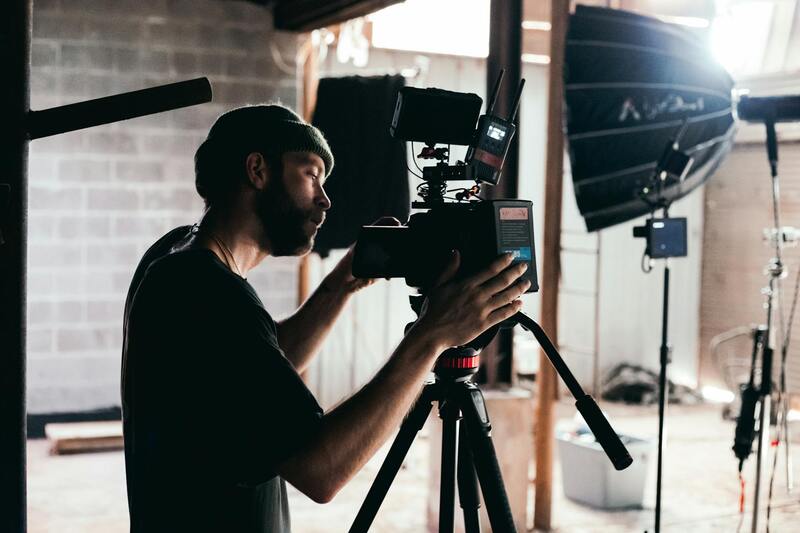
Understanding the Importance of Interior Photography
In the dynamic Miami real estate market, the visual presentation of a property serves as a critical factor in attracting prospective buyers and renters. Among various marketing tools, high-quality interior photography stands out for its ability to showcase a property's true potential. Skilled interior photography not only accentuates the space, light, and design but also evokes an emotional response that can motivate a decision to explore further.
Effective interior images act as a virtual tour, allowing viewers to experience the ambiance and layout without physically visiting the site. This is especially vital in Miami’s competitive landscape, where properties range from modern condos to luxurious estates. Well-composed interior photos can differentiate a listing, making it more noticeable in online listings, social media channels, and print advertisements.
The impact of professional interior photography extends beyond mere aesthetics. It influences perception of the property's value and credibility, creating trust with potential clients. As the digital presentation of a property often forms the first impression, the quality of interior images directly correlates with increased interest and faster sales or rental agreements. Real estate professionals recognize that investing in top-tier interior photography is a strategic move to elevate market exposure and accelerate transaction timelines.
Whether it’s capturing the sleek lines of a modern kitchen, the inviting ambiance of a living room, or the spaciousness of a bedroom, each image contributes to telling the property's story. For agents and property owners alike, the goal is to generate enthusiasm and excitement that compel viewers to schedule an in-person visit, ultimately increasing the likelihood of closing a deal.
In Miami’s fast-paced real estate environment, where multiple listings compete for attention, professional interior photography ensures that a property stands out from the crowd. It accentuates the unique features, energy, and style of the space, making a memorable impression that encourages further engagement. From capturing the unobstructed natural light to highlighting architectural details, expert photography professionals understand how to leverage each element to produce striking images that align with marketing objectives.
Preparing a Property for Interior Photography
To ensure that photography sessions yield optimal results, meticulous preparation of the property is essential. Proper staging accentuates the space’s features, creating an inviting atmosphere that appeals to prospective buyers or tenants. Decluttering involves removing personal items, excess furniture, and unnecessary decor to allow the space’s actual size and layout to shine through. A clean, organized environment helps the photographer capture clear and focused images that showcase the room’s true potential.
Lighting plays a pivotal role in interior photography. Before the shoot, open curtains and blinds to maximize natural light, which enhances the mood and authenticity of photographs. For spaces with insufficient daylight, supplemental artificial lighting such as softboxes or portable LED lights can help balance shadows and brighten darker corners.
Touching up the aesthetic appeal includes strategic arrangements of furniture and decorative elements to highlight architectural details and create visual harmony. Small adjustments—such as repositioning chairs, adding fresh flowers, or adjusting curtains—can significantly improve the overall visual impact. Maintaining a neutral and clean aesthetic allows potential clients to envision their lifestyle within the space, fostering emotional connection and interest.
To enhance the visual appeal further, consider the following steps:
- Ensure all surfaces are clean and stain-free, including windows, countertops, and floors.
- Use peel-and-stick or temporary wall art to add warmth or color if the space feels bland.
- Set beds neatly, arrange throw pillows artfully, and position textiles to create a cozy and welcoming ambiance.
Essential Equipment for Real Estate Interior Photography
Achieving studio-quality images demands specific equipment tailored for interior spaces. A professional-grade digital camera with high-resolution capabilities provides clarity and detail, crucial for showcasing intricate architectural features. Wide-angle lenses are indispensable, as they capture more of the room in a single shot, creating a sense of spaciousness and depth.
Tripods are fundamental for stabilizing the camera, enabling longer exposure times, and reducing motion blur—especially important in low-light conditions. Remote shutter releases or wireless triggers facilitate sharp images without camera shake. Additionally, portable lighting equipment, including softboxes or strobes, helps balance interior brightness and eliminate harsh shadows.
Post-processing software like Adobe Lightroom or Photoshop enhances the images further by correcting color balance, adjusting brightness and contrast, and removing minor imperfections. These tools are vital for delivering polished, professional photographs that meet high standards of visual storytelling.
Utilizing Proper Shooting Techniques to Highlight Space and Detail
Capturing the true essence of an interior requires meticulous attention to shooting techniques that emphasize spatial relationships and architectural features. A key strategy is the use of wide-angle lenses, which allow for expansive room coverage in a single frame, visually extending the space and making rooms appear larger and more inviting. When using a wide-angle lens, it's important to keep the camera level to avoid distortion, especially near the edges of the photo, ensuring straight lines and accurate proportions. Stability is paramount in interior photography; therefore, employing sturdy tripods is essential. This not only prevents camera shake but also facilitates consistent framing, especially in scenes requiring longer exposure times to balance interior lighting. For rooms with mixed lighting sources, combining natural daylight with supplemental artificial light can produce a balanced exposure, highlighting details without harsh shadows. To further accentuate the sense of depth and dimension, several key compositional techniques can be applied:
- Leading lines: Use architectural features such as hallways, staircases, or furniture arrangements to guide the viewer's eye towards focal points or the room's beauty.
- Vertical and horizontal symmetry: Align furniture and architectural elements to create a harmonious balance in the frame, which evokes a sense of order and elegance.
- Proper framing: Leave adequate space around key features to avoid cramped compositions, allowing viewers to appreciate the room's scale and flow.
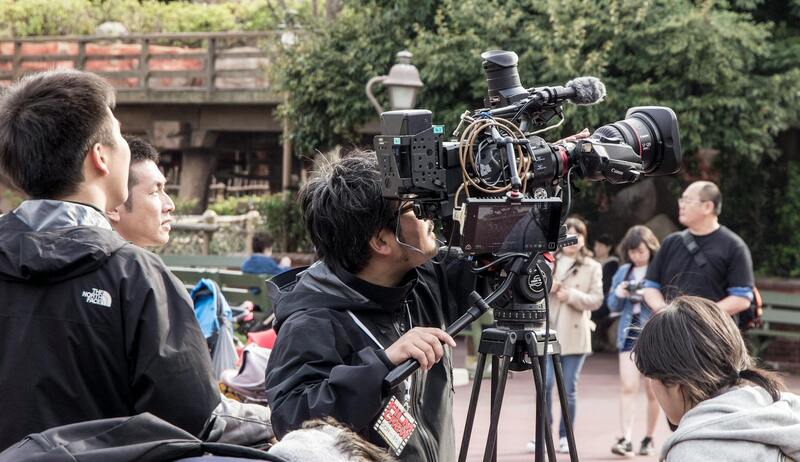
Techniques for Capturing Bright and Spacious Interiors
Achieving bright, airy, and spacious interiors in photographs is fundamental in real estate marketing. Proper camera settings, optimal shooting angles, and strategic use of lighting contribute significantly to this goal. When photographing interiors, it’s essential to utilize a wide-angle lens, typically between 14mm and 24mm, to encompass more of the room in a single shot. This lens choice emphasizes the sense of space without causing distortion, provided the camera is correctly positioned.
Effective use of aperture is crucial; setting a narrow aperture like f/8 to f/11 ensures sufficient depth of field, keeping the entire scene sharp from foreground to background. This detail enhances the room's clarity and makes spaces appear more open. Adjusting ISO to the lowest practical value minimizes noise, which is especially important in interior scenes with varying light levels.
Shooting angles should focus on capturing the room's best features while maintaining a perspective that accentuates space. Typically, positioning the camera at eye level and avoiding corners or angles that can create a sense of confinement helps convey openness. Incorporating leading lines, such as corridors, windows, or furniture arrangements, guides viewers’ eyes through the image, reinforcing a sense of flow and continuity.
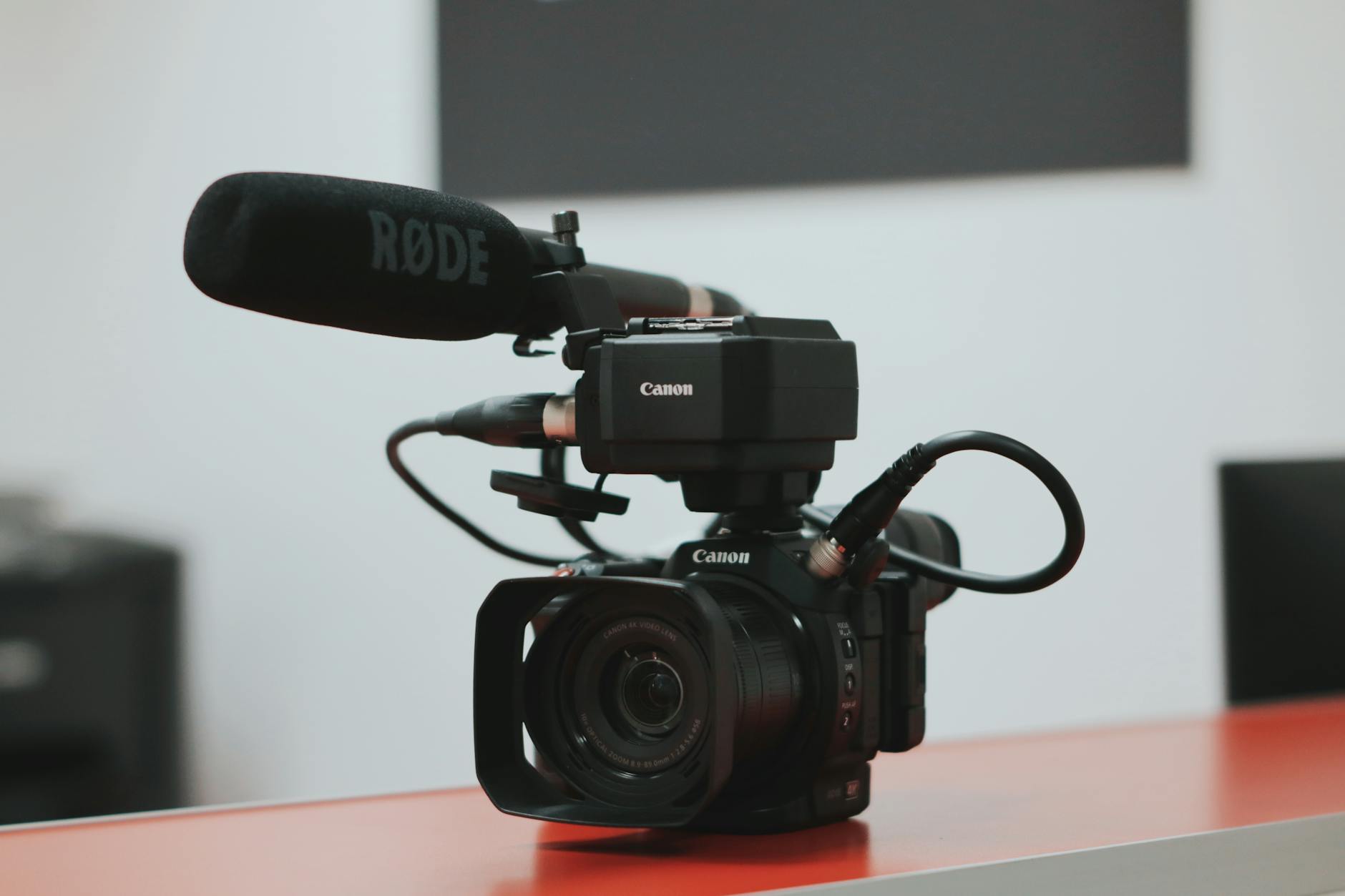
Maximizing natural light is critical. Shooting during the day when sunlight floods through windows can illuminate rooms naturally, reducing the reliance on artificial lighting. Opening curtains or blinds wide allows maximum daylight entry. To balance interior lighting, professional photographers may use reflectors or diffusers to bounce light into shaded areas, ensuring a consistent exposure across the scene.
In situations where natural light alone cannot sufficiently illuminate a space, supplemental artificial lighting can be employed strategically. Softboxes or LED panels placed at angles that complement existing lighting can fill shadows and add a warm, inviting tone to the images. Care must be taken to match the color temperature of artificial lights with natural light to preserve color accuracy.
Post-processing also plays a key role in enhancing interior photographs. Techniques such as adjusting contrast, brightness, and white balance help achieve a true-to-life appearance that accurately represents the property. Slight perspective corrections may be applied to straighten lines and remove distortions caused by wide-angle lenses. Keeping editing subtle prevents the images from appearing overly processed, maintaining authenticity and trustworthiness.
Overall, combining technical proficiency, strategic equipment use, and skilled post-processing ensures interior photographs effectively highlight a property’s best features, enticing potential buyers or tenants and facilitating faster transactions.
Best Practices for Shooting Different Room Types
Successfully photographing various interior spaces requires tailored techniques that highlight each room's unique features and functionality. The approach varies significantly between spaces such as living rooms, kitchens, bedrooms, and bathrooms, as each demands specific considerations to optimize visual appeal and informational clarity.
For living rooms and open-plan areas, the goal is to accentuate the spaciousness and natural flow of the space. Utilize wide-angle lenses to capture the breadth of the room while maintaining perspective accuracy. Position the camera at a height equivalent to eye level, often around 4 to 5 feet, to provide a natural view. Incorporate elements like furniture placement and decor to add interest, but ensure that clutter is minimized and the space appears clean and inviting.
In kitchens, lighting is crucial to emphasize cleanliness, efficiency, and modern features. Use natural light sources where possible, supplemented with artificial lighting like LED panels to reduce shadows and highlight countertops, appliances, and cabinetry. Pay attention to reflections on glossy surfaces, ensuring they do not produce distracting glares. Detail shots of appliances or unique finishes can be incorporated to showcase quality craftsmanship.
Bedrooms should evoke comfort and tranquility. Focus on the layout and soft lighting to create a relaxing atmosphere. Use gentle fills to brighten darker corners, and consider positioning the camera to include window views that suggest a serene environment. Avoid wide-angle distortions that can make a room appear larger than life, which may be misleading to potential buyers.
Bathrooms demand cleanliness and a sense of space. Highlight fixtures, tiles, and storage solutions with well-placed lighting. Consider shooting from angles that capture the entire area without unnecessary distortion, and ensure mirrors and reflective surfaces are spotless, as they can easily reflect unintended clutter or lighting inconsistencies.

Throughout all room types, maintaining a consistent style and perspective ensures cohesive visuals across the property. Properly calibrated camera settings, steady tripod use, and strategic lighting contribute to high-quality images that accurately portray each space's best features.
Techniques for Capturing Bright and Spacious Interiors
Achieving a sense of brightness and spaciousness in real estate interiors is fundamental for capturing appealing photographs that attract potential buyers. One effective technique involves controlling the exposure settings on your camera. Using a low ISO setting minimizes noise and ensures crisp detail in well-lit spaces. A wide-angle lens is typically preferred to encompass more of the room within a single shot, emphasizing the room's dimensions.
To enhance natural light, shooters should maximize the use of available daylight by opening curtains and blinds, allowing sunlight to fill the space. In rooms with limited natural light, supplementing with artificial lighting becomes crucial. Employ LED panel lights or portable strobes to evenly illuminate darker corners without creating harsh shadows. Positioning these lights strategically prevents overexposure and maintains a balanced brightness across the scene.
Angle selection can significantly influence the perception of space. Shooting from a corner of the room provides a comprehensive view that accentuates the room's size. Elevating the camera slightly above eye level—about 5 to 6 feet—helps in capturing more of the ceiling and floor, which adds depth and perspective.
When dealing with tight spaces, utilize a wide-angle lens cautiously to avoid distortion that can mislead viewers about the actual room dimensions. Maintaining proper vertical lines by keeping the camera level avoids unwanted skewing, producing images that accurately represent the interior layout.
Post-processing plays a pivotal role in refining interior images. Adjustments to brightness, contrast, and color balance should be applied carefully to preserve realism. Correcting lens distortion and straightening architectural lines enhances the accuracy and appeal of the photographs.
Employing HDR (High Dynamic Range) techniques allows capturing details in both shadowed and brightly lit areas within a single shot. Multiple exposures are taken and merged to produce a well-balanced image that faithfully reproduces the interior's lighting conditions. This method is especially beneficial for interiors with large windows or mixed lighting scenarios.
To aid in consistency across images, developing a standardized shooting protocol is advisable. This includes specific camera settings, lighting arrangements, and angles tailored to different room types. Such a systematic approach ensures that viewers experience a cohesive visual narrative, emphasizing the property's best features while maintaining authenticity.
In summary, blending technical skills with a strategic approach to lighting, angle, and post-processing results in interior photographs that not only look inviting but also provide an honest representation, critical for engaging prospective buyers and fostering trust in your listings.
Legal and Ethical Considerations in Real Estate Photography
When engaging in photographing real estate interiors, adherence to established protocols surrounding privacy and property rights is essential. This not only ensures a smooth workflow but also upholds integrity and professionalism in the industry. Prior to scheduling a photo shoot, obtaining explicit permissions from property owners or authorized representatives clarifies the scope of access and usage rights. These permissions typically encompass consent for capturing images, especially in sensitive spaces such as bedrooms, bathrooms, or areas containing personal belongings.
It is vital to respect the privacy of current occupants, especially if they are still residing on the property during the shoot. Clear communication about the nature of the photographs, intended use, and distribution channels can prevent misunderstandings or disputes later on. Confidential information, such as security systems, alarm codes, or private documents, should be concealed or omitted to protect the current occupants' privacy.
Property access must be coordinated meticulously, ensuring photographers arrive at designated times and have unobstructed entry. Establishing a checklist of approved entry points and ensuring all relevant parties are informed helps streamline the process. Some properties may have restrictions regarding the use of certain equipment or the presence of additional personnel, which should be strictly adhered to.
Client permissions are equally critical in legal compliance. Clear contracts outlining the scope of work, image rights, and usage parameters must be drafted and signed prior to the shoot. These agreements mitigate potential conflicts and safeguard both parties' interests.
In the realm of digital sharing and online listings, understanding and adhering to guidelines regarding image usage help avoid potential copyright or intellectual property issues. Always credit proper sources when necessary and avoid distributing images beyond the agreed-upon channels.
Ultimately, practicing transparency, securing proper permissions, and respecting privacy law are cornerstones of ethical real estate interior photography. These practices foster trust with clients, streamline operations, and ensure compliance with relevant standards.
Legal and Ethical Considerations in Real Estate Photography
Maintaining high standards of professionalism and integrity in photographing real estate interiors involves adhering to established guidelines that prioritize respect for property owners, tenants, and all parties involved. Properly secured permissions, thorough understanding of property access protocols, and transparent communication ensure that the photographer’s work aligns with industry standards and ethical practices.
Obtaining Necessary Permissions
Every property presents unique access requirements. Professional photographers must coordinate with property managers, owners, or tenants to schedule sessions at mutually convenient times, minimizing disruptions. Written agreements that clearly delineate permissible activities, restrictions on equipment, and limits on personnel presence help establish boundaries and avoid misunderstandings.
Before commencing a shoot, a comprehensive checklist should be reviewed, verifying entry points, restricted areas, and specific client instructions. Ensuring that the interior is free of personal or sensitive items that should not appear in photographs is also crucial for respecting privacy and maintaining trust.
Respecting Privacy and Property Integrity
Respect for individual privacy is essential, especially when photographing occupied residences. Photographers should avoid capturing private spaces or personal belongings unless explicitly permitted. Additionally, photographing confidential details such as financial documents, personal identification, or restricted security features should be strictly avoided to uphold privacy standards.
Client Relationships and Contractual Agreements
Clear contractual agreements lay the foundation for ethical operations. These documents specify the scope of work, image rights, and permissible usage. Adequately informing clients about deliverables, deadlines, and copyright considerations help manage expectations and protect both parties legally and ethically. Regular communication throughout the process fosters professional relationships built on trust and transparency.
Adherence to Copyright and Intellectual Property Norms
Photographers must be cautious in handling digital images, respecting copyright agreements and usage rights. Proper documentation ensures that images are only used in agreed channels, preventing unauthorized distribution or exploitation. When sharing images internally or online, attribution should be given where necessary, and usage restrictions should be observed to avoid infringing on proprietary rights.
Digital Sharing and Online Campaigns
When using real estate photographs in online listings or promotional materials, consistent adherence to client-approved content is vital. This compliance helps uphold reputation and avoids potential conflicts. Maintaining confidentiality and privacy while showcasing property features effectively demonstrates professional integrity and commitment to ethical standards.