
Importance of Professional House Photography
In the competitive real estate market of Miami, high-quality house photography plays a crucial role in attracting potential buyers and generating interest in listings. Professional photography offers a distinct advantage by showcasing each property's unique features in the best possible light, capturing its essence with clarity and precision. When prospective buyers browse online listings, images serve as their primary source of information and influence their decision-making process. Well-executed photographs can significantly enhance a property's visual appeal, making it stand out amidst numerous listings and encouraging viewers to schedule viewings.
The impact of professional house photography extends beyond mere aesthetics; it also affects perceived value. High-resolution, expertly composed images communicate a sense of quality and trustworthiness, leading to increased engagement and faster sales. In a market as vibrant and diverse as Miami, where buyers have numerous options, the initial visual impression often determines whether a potential buyer will pursue further interest. Enhanced images can result in more online clicks, showings, and ultimately, quicker closures.
Furthermore, the rise of digital marketing and social media platforms amplifies the importance of professional house photography. Listings accompanied by striking visuals are more likely to be shared and promoted across various channels, expanding reach and visibility. This not only benefits individual property sales but also strengthens the overall reputation of real estate professionals who prioritize quality visuals.
Investing in professional photography also assists in branding and establishing a reputable presence in Miami’s real estate scene. Well-crafted images convey expertise, attention to detail, and a commitment to excellence—all attributes that resonate positively with potential clients. By leveraging professional visuals, agents and property owners can build trust and facilitate quicker, more confident purchasing decisions.
The significance of high-caliber house photography cannot be overstated. It serves as a powerful tool that influences perception, fosters engagement, and accelerates the sales process—all vital components for success within the dynamic Miami real estate market.
Choosing the Right Equipment and Techniques
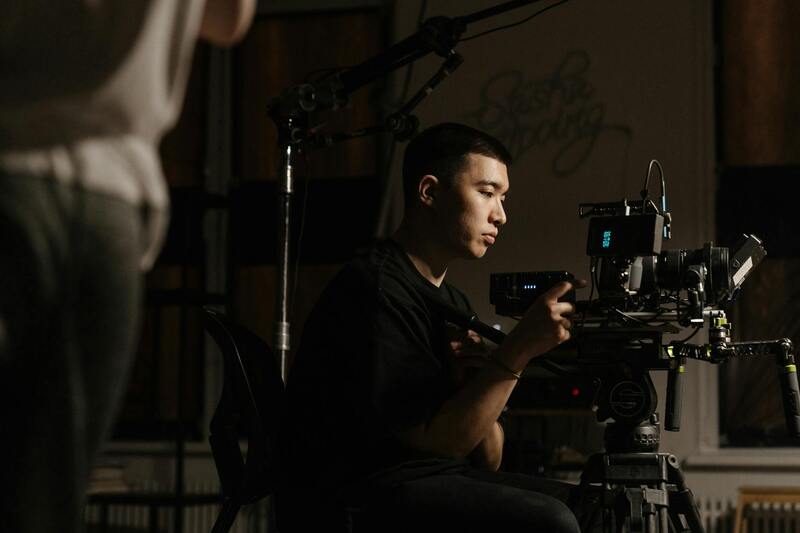
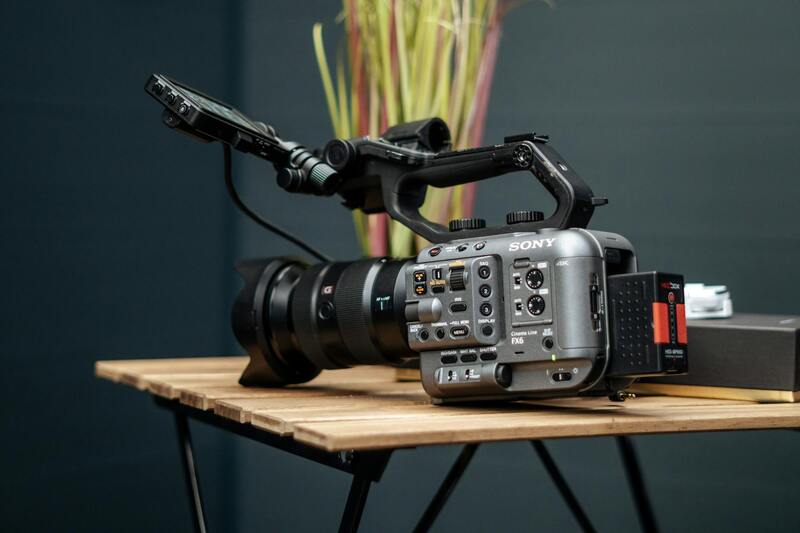
To capture high-quality images that truly showcase a home's best features, professional house photographers in Miami prioritize the use of advanced equipment and proven techniques. High-resolution digital cameras with full-frame sensors are essential, as they ensure sharpness, accurate color reproduction, and the ability to handle various lighting conditions. These cameras often work in tandem with wide-angle lenses, which allow photographers to encompass more of a room within a single shot, providing viewers with a comprehensive perspective of the space.
Tripods are fundamental tools for achieving impeccable stability, especially in low-light settings or when multiple exposures are needed for HDR photography. HDR (High Dynamic Range) techniques involve capturing several images at different exposures and merging them to produce a balanced photograph that reveals the entire range of light, from shadows to highlights. This method is particularly useful in homes with large windows or complex lighting situations, ensuring that every detail is visible and well-lit.
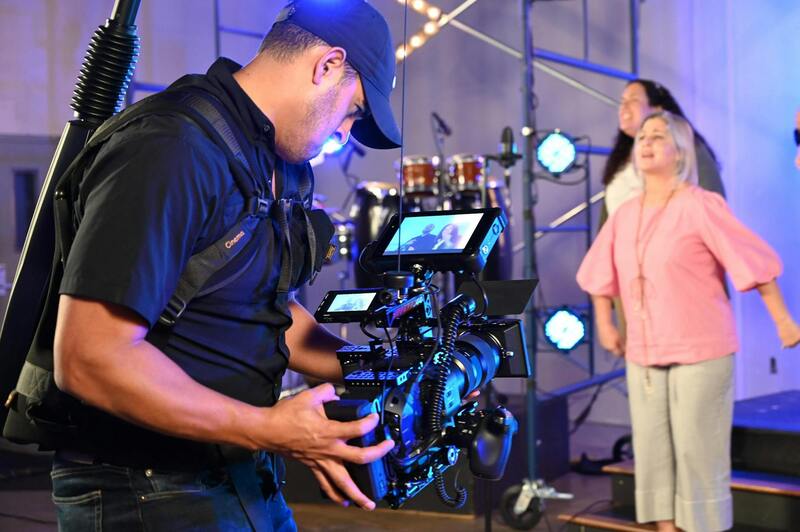
Once the right gear is selected, applying specific techniques can significantly enhance visual appeal. Proper composition is vital—this involves carefully framing and balancing each shot to highlight the property's best features while maintaining a natural, inviting look. Techniques such as utilizing vertical lines to add height and drawing the viewer’s eye through the space help to create compelling images. Photographers also pay close attention to perspective, often shooting from eye level or slightly above to give a welcoming view that accentuates spaciousness.
In Miami's vibrant real estate environment, the use of drone photography has become increasingly popular. Aerial shots provide unique, panoramic views of larger properties or the property's surrounding neighborhood, helping prospective buyers understand the broader context and appeal of the location. These perspectives can elevate a listing, making it stand out amidst sea of similar properties.
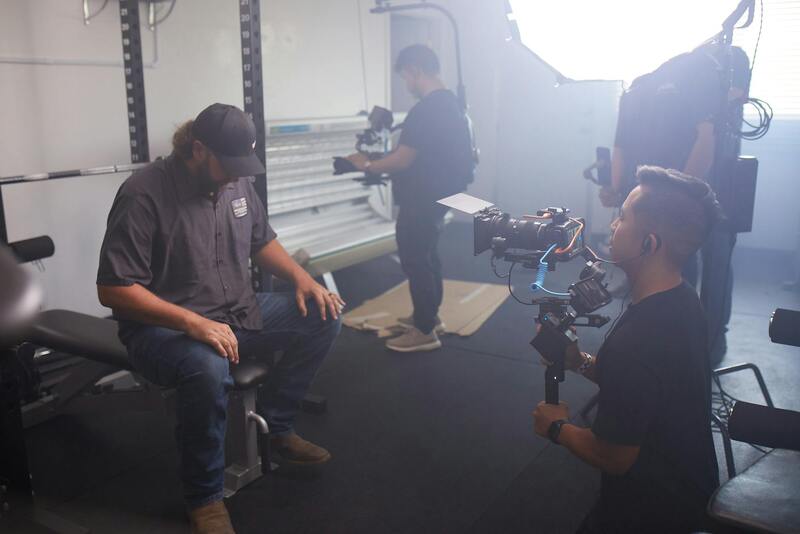
Executing these techniques with consistency and precision ensures each listing appears polished and professional, ultimately leading to greater engagement and faster sales in Miami’s competitive market.
Advanced Techniques for Elevated Home Imagery
Achieving the highest quality in professional house photography goes beyond basic camera settings and equipment. It requires a mastery of advanced techniques that bring out the home's full visual potential. One such method is the strategic use of natural light, where skilled photographers time their shoots for optimal sunlight, such as during the golden hour, to create warm, inviting atmospheres. This minimizes harsh shadows and highlights, resulting in balanced and appealing images.
Another crucial technique is the implementation of HDR (High Dynamic Range) imaging, which involves capturing multiple exposures of the same scene and blending them to retain detail in both bright highlights and dark shadows. This process ensures that interior spaces with contrasting lighting conditions appear perfectly exposed, showcasing every detail from ornate moldings to shadowed corners.
Proper use of focal length and perspective plays a vital role in emphasizing the home's spatial qualities. Wide-angle lenses are common but should be used judiciously to avoid distortion. When carefully applied, they help depict rooms and exteriors in a way that emphasizes spaciousness without compromising proportion or perspective.
Elevation shots using drone photography expand the visual narrative of a property. This perspective reveals the home's relationship with its surroundings, outdoor amenities, and neighborhood character—values highly sought after by prospective buyers in Miami's dynamic real estate market.
Consistency in technique, combined with attention to detail, ensures each image resonates with professionalism, elevating listings above standard portrayals. This precision not only highlights the property's best features but also plays a significant role in engaging viewers, accelerating the sales process, and establishing trust in the property's presentation.
Employing Cutting-Edge Equipment and Methods
In the realm of professional house photography, investment in high-quality equipment is essential. The use of full-frame DSLR or mirrorless cameras equipped with high-resolution sensors enables capturing sharp, detailed images. Complementary lenses — particularly wide-angle and tilt-shift lenses — facilitate distinctive compositions that emphasize spatial relationships without distortion.
Advanced shooting settings, such as manual exposure control, ensure the photographer maintains full command over brightness, contrast, and color balance. Techniques like HDR merging and focus stacking can significantly enhance image quality, especially in complex lighting scenarios or when capturing macro details like decorative fixtures and textured surfaces.
While equipment forms the foundation, mastery of techniques — including framing, color grading, and post-processing — transforms raw images into compelling visual narratives. Skilled professionals leverage these tools and skills to produce images that accurately, beautifully, and convincingly present a property’s true potential.
Key Elements of Effective Home Photography
Achieving high-quality images that truly capture the essence of a residence requires attention to several core components. These elements contribute to creating compelling visuals that not only attract potential buyers but also accurately convey the property's unique features and ambiance.
Optimal Lighting Conditions
Lighting stands as the most crucial factor in professional house photography. Utilizing natural light during the day is ideal; however, supplementing with professional lighting equipment ensures consistency and clarity. Properly balanced lighting minimizes shadows and highlights architectural details, textures, and colors. Photographers often employ diffusers, softboxes, and reflectors to create a welcoming, well-lit environment that accentuates the property’s appeal.
Effective Composition and Framing
Strategic composition directs viewer attention to focal points within each space. Employing techniques such as the rule of thirds helps achieve balance and harmony within images. High vantage points or elevated angles often provide expansive views of rooms, showcasing their size and functionality. Ensuring each shot captures the room in its entirety without distortion enhances the viewer’s understanding of space and flow.
Accurate Color Representation
Color fidelity influences perceptions of space and quality. Calibration of camera settings along with careful post-processing ensures that colors are true to life. Warm, inviting tones, complemented by natural hues, bring spaces to life and allow prospective buyers to envision themselves within the environment. Attention to white balance settings and color grading procedures ensures consistency across all images.
Highlighting Architectural and Design Details
Close-up shots of distinctive features—such as ornate moldings, textured surfaces, and custom fixtures—add depth to a photo set. These details can differentiate a home in a competitive market. Positioning the camera to emphasize these features without obstructions creates a narrative around quality craftsmanship and thoughtful design.
Consistency Across Visuals
Maintaining a cohesive style and lighting scheme across all images creates harmony within the listing. Consistent perspectives, color correction, and exposure settings make the property appear professionally curated and visually appealing. This coherence builds trust and encourages engagement from potential buyers.
Utilizing Space and Perspective
Showing the property's flow and spatial relationships are central to effective photography. Wide-angle lenses are particularly useful in portraying spaciousness, while careful perspective control prevents distortion. Highlighting both open areas and intimate corners provides a comprehensive view that appeals to a broad audience.
Effective Techniques for Showcasing Interior Spaces
When capturing the interior of a home, maximizing the use of natural light is essential to highlight the space's true essence. Photographers often schedule shoots during times when sunlight streams through windows, illuminating rooms evenly and creating a warm, inviting atmosphere. Using wide-angle lenses allows for capturing entire rooms in a single shot, providing viewers with a comprehensive perspective of the layout. It’s crucial to manage perspective distortion by adjusting camera angle and height to ensure rooms appear proportionate, avoiding exaggerated dimensions that could mislead potential buyers.
Proper staging enhances the visual appeal of each space. Arranging furniture thoughtfully, removing clutter, and adding subtle decorative elements can help prospective buyers visualize living in the space. Small details like fresh flowers, tidy countertops, and strategically placed artwork can make rooms feel more inviting and well-maintained. Consistent lighting across photos, whether through natural or supplemental sources, maintains a uniform look that emphasizes the home's best features.
Using Exterior Shots to Complement Interior Photography
Exterior imagery offers crucial first impressions for potential buyers. High-quality photographs of the facade, landscaping, and outdoor living areas should be captured at optimal times of day, often during the golden hour when sunlight accentuates architectural details and colors. Wide shots can showcase the property's size and surrounding environment, while close-ups of notable features such as custom gates or distinctive architectural elements add character.
To create a cohesive visual story, it's important to coordinate the angles and lighting of exterior shots with interior images. This consistency helps convey a truthful and appealing representation of the property as a unified space. Including images of outdoor amenities such as patios, pools, or gardens can also boost the property's perceived value and draw in interest from prospective buyers seeking lifestyle benefits.
The Impact of Color and Light Management
Achieving the right color balance is fundamental in real estate photography. Utilizing proper white balance settings during the shoot ensures that the colors in the photograph are true to life, presenting the home accurately. Post-shoot color correction maintains uniformity across the image set, preventing inconsistencies that could distract or confuse viewers. Adjusting brightness and contrast enhances the clarity of details while avoiding overexposure or underexposure.
Lighting techniques, such as turning on all available lights and using reflectors or diffusers, help achieve even illumination, eliminating harsh shadows and bright spots. Further, HDR (High Dynamic Range) imaging can combine multiple exposures to capture both interior details and exterior views simultaneously, creating a well-balanced image that appeals to prospective buyers.
Special Techniques for Unique Architectural Features
Highlighting architectural distinctions involves deliberate framing to showcase design intricacies. For customized fixtures, decorative moldings, or unique architectural elements, close-up shots should be taken from angles that emphasize craftsmanship and detail. Utilizing natural light or subtle artificial lighting enhances these features without causing glare or shadows that obscure details.
Vertical lines and perspective control are vital when photographing tall structures or intricate ceiling details. These techniques ensure that the viewer perceives the features accurately, reinforcing the property's quality and attention to detail.
Optimizing Post-Processing Techniques for Enhanced Real Estate Images
Post-production editing plays a pivotal role in elevating professional house photography to its highest potential. Skilled editors focus on refining the captured images to produce visually compelling representations of the property that resonate with prospective buyers. This involves several key processes to ensure clarity, accuracy, and aesthetic appeal.
Color correction is fundamental to establishing a true-to-life appearance. By adjusting white balance and color saturation, images maintain their natural hues, which helps viewers gain an authentic understanding of the space. Consistency across all images in a listing is essential, as it creates a cohesive visual story that inspires confidence in the property's presentation.
Brightness and contrast adjustments are carefully applied to highlight details without introducing overexposure or deep shadows. This ensures that interior features, textures, and finishes are clearly visible, making spaces appear inviting and well-maintained. Noise reduction techniques can also be employed to smooth out graininess, especially in low-light photographs, providing a polished look.
HDR (High Dynamic Range) imaging is extensively used to balance exposures across different areas of a photograph. This technique is particularly useful in homes with large windows or contrasty lighting conditions, as it captures both indoor details and exterior views simultaneously. Combining multiple exposures results in images that accurately depict the property’s ambiance and architectural features.
Further enhancements include straightening architectural lines to avoid distortion, especially in vertical elements such as walls and doorframes. Perspective correction tools ensure that these lines remain true to form, portraying the home accurately and professionally. Spot removal and cloning can eliminate visual distractions, such as minor defects or clutter, allowing the main features of the home to stand out.
Additionally, a subtle use of vignette effects can guide viewers’ attention toward focal points within the photograph. The goal is to create a balanced, inviting presentation of the property that aligns with marketing objectives without artificial exaggeration.
In sum, an expert approach to editing and post-production not only enhances visual quality but also reinforces the perceived value of the property. When executed with precision, these techniques can make a significant difference in the success of real estate marketing efforts, bringing out the home’s best features and capturing the interest of qualified buyers.
Importance of Professional House Photography
High-quality, professional house photography is an essential element in effectively showcasing a property. When executed by skilled photographers, the images serve as a visual gateway that captures the essence and unique features of a home. These images are often the first impression potential buyers see online, making them a critical component in attracting interest and generating foot traffic for viewings. A professionally captured photograph not only highlights a property's best attributes but also imbues a sense of trust and credibility, which is vital in competitive real estate markets such as Miami.
In addition, quality photographs can significantly influence a viewer's perception of a property's value. Clear, well-lit images that accurately portray the layout, space, and details help buyers visualize themselves in the home, increasing the likelihood of inquiries and offers. Properly executed house photography also ensures that each room is represented faithfully, avoiding misrepresentation that could lead to disappointment or loss of trust during negotiations.
Beyond online listings, these images become assets that can be repurposed across various marketing channels—including social media, virtual tours, and print advertisements—enhancing consistency and brand identity. When a home is presented via professional imagery, it distinguishes itself in a crowded market space, elevating its appeal and positioning the property as a premium listing. For Miami homeowners and real estate professionals, investing in expert house photography is a strategic move to maximize exposure and accelerate sales timelines.
Key Elements of Effective Home Photography
- Lighting: Utilizing natural light enhances warmth and clarity, while supplemental lighting ensures that interiors are well-lit without harsh shadows.
- Composition: Thoughtful framing and angles highlight the home’s architectural features and functional spaces, creating a balanced visual narrative.
- Staging: Minimal decluttering and furniture arrangement help showcase the space effectively, making rooms appear larger and more inviting.
- Image Clarity and Sharpness: High-resolution images with precise focus underscore fine details and textures.
- Perspective: Capturing rooms from optimal vantage points emphasizes spatial flow and depth.
Choosing the Right Equipment and Techniques
The foundation of professional house photography lies in proper equipment and techniques. Using a high-quality DSLR or mirrorless camera paired with wide-angle lenses allows for expansive shots that encompass more of each room, providing a comprehensive view for potential buyers. Tripods are essential for stability, particularly in low-light conditions, preventing motion blur and ensuring sharp images.
Specific techniques such as HDR (High Dynamic Range) imaging enable capturing well-exposed images in areas with contrasting lighting conditions, like interiors with large windows. Bracketing multiple exposures and blending them in post-production results in images that reflect both interior details and exterior views accurately. Advanced drones may also be employed for capturing aerial shots of larger properties or the surrounding neighborhood, offering additional context and visual appeal.
For interior shots, proper use of a tripod, correct lens aperture, and focal length adjustments help maximize depth of field and clarity. Employing LED lighting kits and reflectors can further enhance scenes, filling shadows and highlighting key architectural elements.
Preparations Before Shooting
Preparing a property thoroughly before a photo shoot is vital for achieving optimal results. This includes decluttering spaces, removing personal items, and ensuring that all areas are clean and well-maintained. Opening curtains and blinds allows natural light to flood into rooms, creating a bright and inviting atmosphere. Staging furniture thoughtfully emphasizes the flow and usability of each space while helping visitors envision their life within the home.
Details such as making beds, tidying countertops, and removing any distracting objects can substantially improve the overall aesthetic. Additionally, scheduling shoots during times of day when natural light is at its peak—typically late morning or early afternoon—ensures better results. Regularly checking the property for minor repairs or cosmetic issues before the shoot helps maintain the home's appeal and prevents the need for extensive retouching later.
Editing and Post-Production for Real Estate Photos
Post-production editing is a crucial step in professional house photography that enhances the visual impact of images. Skilled editing involves color correction to ensure that tones are true to life, brightness adjustments to emphasize the space, and contrast enhancement to highlight architectural details. Perspective correction ensures vertical lines, such as walls and doorframes, are aligned properly, resulting in images that look polished and accurate.
Retouching can also remove minor imperfections, such as blemishes or distractions like clutter and shadows, creating a clean and inviting appearance. Techniques like cropping and straightening help improve composition, while subtle vignetting can guide viewers' eyes toward focal points within the room. These enhancements are applied meticulously to preserve authenticity, avoiding artificial or exaggerated effects that could mislead viewers.
Advanced editing may include combining multiple exposures for balancing interior and exterior lighting or creating virtual staging to demonstrate potential layouts. Overall, post-production serves to refine the initial captures, transforming them into compelling visuals that effectively communicate the property’s best features and appeal.
Effective Techniques for Showcasing Your Home
Professional house photography hinges on employing techniques that showcase the property’s best features while creating an inviting atmosphere. Utilizing natural light is fundamental; photographers often schedule shoots during the day when sunlight fills the rooms, accentuating space and texture. This approach minimizes the need for artificial lighting and prevents unnatural color casts. When natural light is limited, additional lighting equipment, such as softboxes and reflectors, can be used to evenly illuminate dark corners and highlight architectural details without creating harsh shadows.
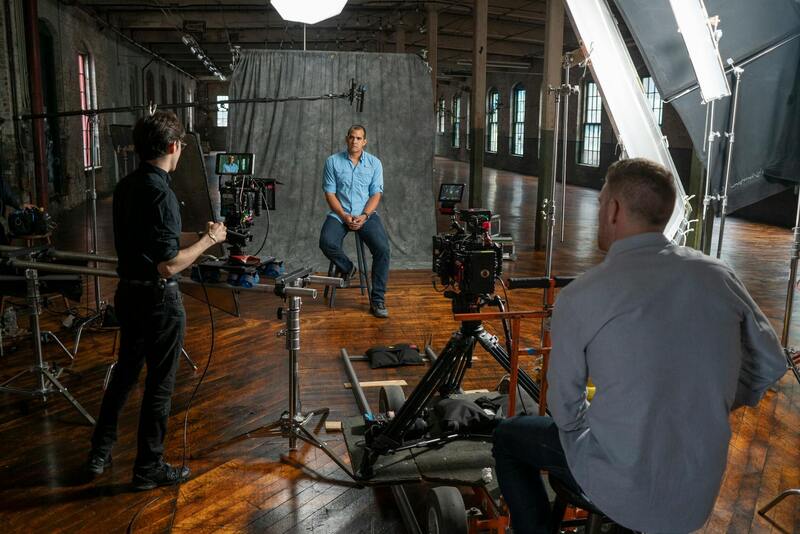
Composition plays a vital role in creating compelling images. The application of the rule of thirds, leading lines, and framing techniques directs viewers’ attention toward the property’s key features. Strategic staging—for instance, positioning furniture to emphasize spaciousness or highlighting attractive architectural elements—can significantly improve the visual appeal. Maintaining a consistent perspective ensures that images accurately represent the property's layout, helping potential buyers or renters understand the space effectively.
Incorporation of Advanced Equipment and Techniques
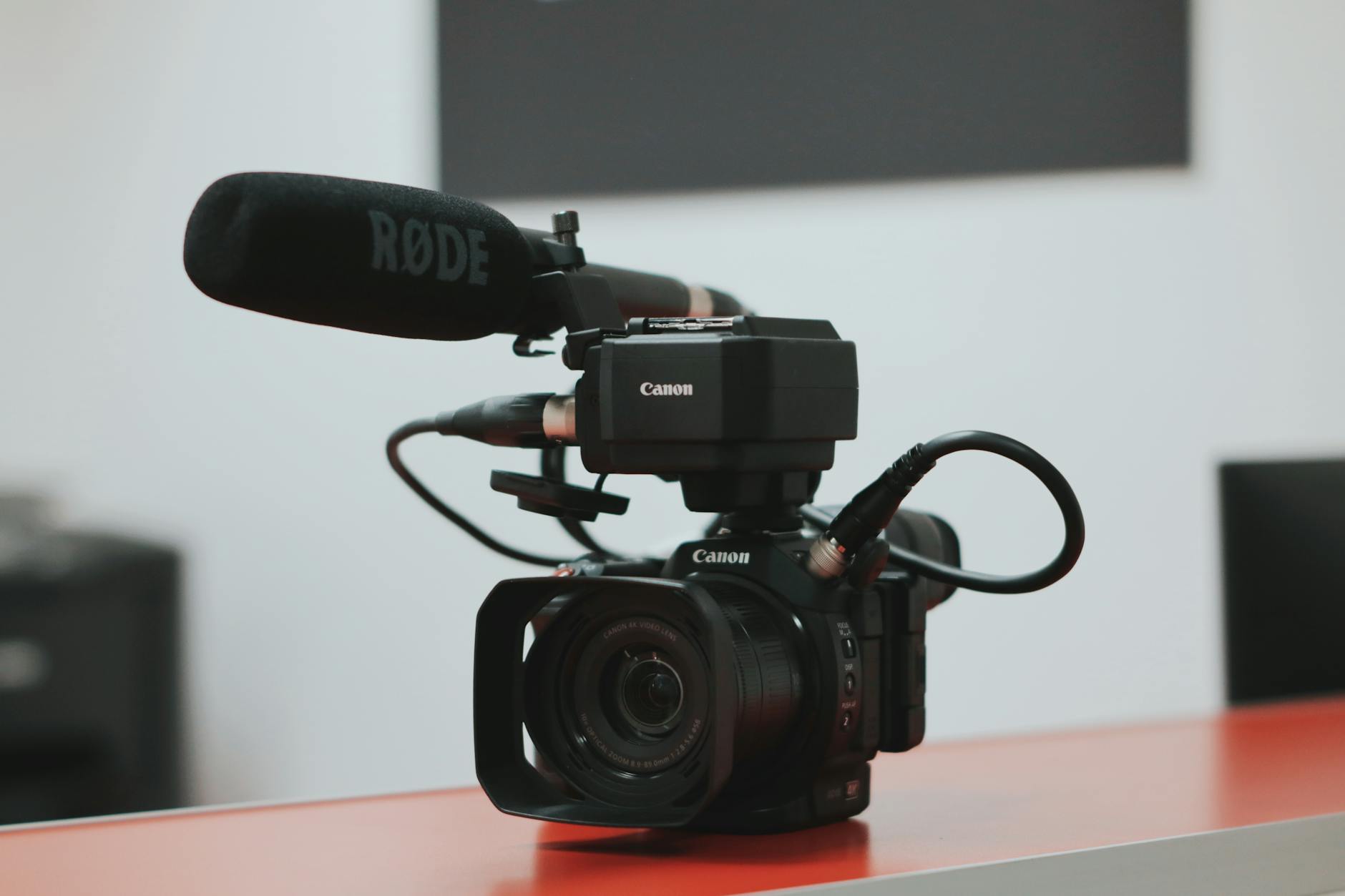
High-quality lenses with wide apertures enable sharp images with a broad depth of field, capturing every detail from foreground to background. DSLR or mirrorless cameras equipped with stabilization systems help produce clear, blur-free shots even in challenging lighting conditions. To create captivating virtual tours and 3D walkthroughs, professionals often use specialized cameras with panoramic capabilities, providing immersive experiences that allow viewers to explore a property remotely.
Additionally, drone photography introduces a dynamic perspective, capturing exterior views and surrounding landscapes that conventional ground photography cannot. This aerial imagery highlights property size, neighborhood features, and the overall charm of the location, adding substantial value to marketing materials.
Preparing the Property for a Flawless Shoot
Preparation is crucial to achieve professional-grade images. Ensuring the property is tidy and free of clutter helps maintain focus on the architecture and design elements. Small details like freshly laundered linens, polished surfaces, and well-placed décor create a welcoming atmosphere and reflect meticulous attention to detail. Decluttering also prevents distractions, making spaces appear larger and more appealing.
Clean windows and mirrors enhance light reflection, allowing the interiors to look brighter and more inviting. Additionally, opening curtains and blinds during shooting maximizes natural light penetration, revealing the true colors and textures of each room. Coordinating with homeowners or property managers ensures that all areas are accessible and presentable, setting the stage for a successful photography session.
Refining Images Through Post-Production
Post-processing is an essential step that elevates basic captures into polished visuals. Skilled editing focuses on maintaining authenticity while enhancing specific elements. Adjustments in brightness and contrast help emphasize architectural features and create a sense of space. Color correction ensures that hues are true to life, avoiding overly saturated or dull tones.
Perspective correction addresses distortions caused by wide-angle lenses or camera angles, straightening lines and ensuring walls and doorframes appear level. Minor retouching removes distractions such as shadows, blemishes, and clutter, resulting in a clean and professional appearance. Cropping and straightening improve composition, ensuring the focus remains on the property’s most attractive aspects. Subtle vignetting guides the viewer’s eye toward focal points or specific features within the space.
Embracing Emerging Technologies and Trends
The evolution of real estate imaging includes innovative trends such as drone photography, which offers breathtaking aerial views and neighborhood context. Virtual staging allows potential buyers to visualize furnished spaces without physical adjustments, expanding the property's appeal. Meanwhile, 3D walkthroughs and virtual tours provide comprehensive, interactive experiences that replicate in-person visits, broadening the reach for prospective clients.
Utilizing these advanced methods contributes to a competitive edge, ensuring that marketing efforts align with modern expectations and attract serious buyers or renters. As technology continues to advance, adopting these tools can significantly enhance the presentation and overall perception of a property.