
Importance of Professional Photos in Real Estate Marketing
In the competitive landscape of real estate, the quality of property images can significantly influence buyer interest and engagement. High-resolution, professionally captured photographs are fundamental to creating a compelling first impression that highlights a property’s best features. These images serve as the digital storefront for listings, often being the first point of contact potential buyers have with a property. Therefore, well-executed photography not only enhances the visual appeal but also fosters trust and credibility in the listing.
Effective real estate marketing relies heavily on visual content that resonates with prospective buyers. Professional photographs can illuminate the unique architectural details, spacious interiors, and inviting outdoor areas, making properties more attractive online. Sellers are more likely to receive increased traffic to their listings, higher levels of online engagement, and ultimately, more showings and offers when their properties are presented with high-quality images.
Moreover, the impact of professional real estate images extends beyond initial interest. They can influence the perceived value of a property, often prompting quicker sales at favorable prices. This reinforces the importance for real estate agents to invest in top-tier photography services, which can yield measurable benefits in the competitive real estate market.
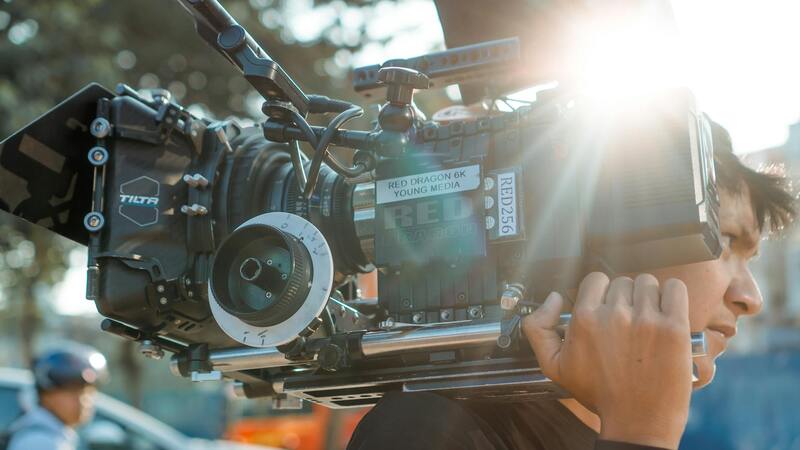
Beyond aesthetic enhancement, professional listings optimize visual storytelling, allowing agents to effectively communicate the lifestyle and ambiance associated with a property. When eye-catching images are paired with strategic marketing approaches, they become powerful tools for increasing visibility and fostering faster sales cycles.
Choosing the Right Equipment for Real Estate Photography
Securing high-quality images begins with selecting the proper equipment, which plays a crucial role in capturing the full essence of a property. Professional real estate photographers invest in advanced cameras with high-resolution sensors to ensure crisp, detailed images that accurately represent the property's features. Full-frame DSLR or mirrorless cameras are often preferred for their ability to capture a wide dynamic range, crucial in lighting scenarios typical of interior spaces.
Lens selection is equally important; wide-angle lenses (generally between 14mm and 24mm) enable photographers to capture expansive rooms and architectural details, giving potential buyers a sense of space. However, it’s essential to use these lenses judiciously to avoid distortion that can misrepresent a property’s true proportions.
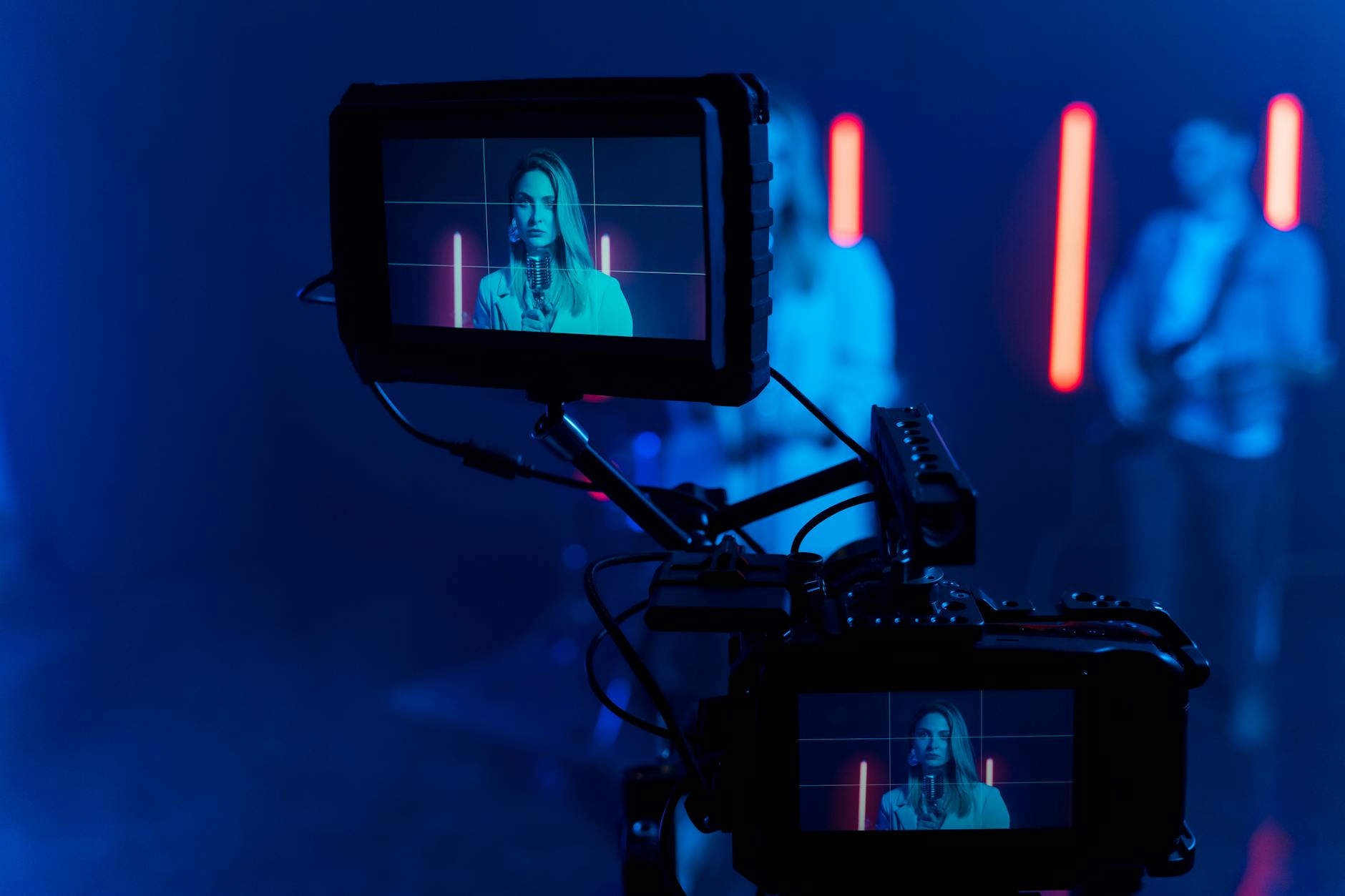
Tripods are fundamental for stabilizing shots, particularly in low-light conditions or when using longer exposure times to enhance lighting without introducing blur. Additionally, some professionals utilize drone technology to capture aerial views of larger properties or outdoor amenities, providing a comprehensive perspective that appeals to prospective buyers.
Utilizing the proper lighting equipment, such as portable flashes or strobe lights, can also refine image quality. Proper lighting ensures that rooms appear bright, welcoming, and true-to-life. Photographers often employ multiple light sources or advanced HDR (High Dynamic Range) techniques to blend images taken at different exposures, producing well-lit photographs even in challenging lighting conditions.
Best Practices for Shooting Real Estate Properties
Achieving compelling photographs requires meticulous planning and execution. Photographers should aim to shoot during the time of day when natural light is abundant, typically mid-morning or late afternoon, to maximize ambient light and minimize shadows. Ensuring the property is tidy, well-staged, and free of clutter is essential before stepping behind the camera.
Staging furniture and decor strategically can highlight the property's best features, create a welcoming atmosphere, and help buyers visualize themselves living there. When capturing interior shots, shooting from a corner angle can add depth, while wide-angle lens use can maximize space perception.
Pay attention to details such as window views, architectural elements, and outdoor spaces. These should be emphasized to build a compelling visual narrative that showcases the property's value.

Consistent framing, correct horizon levels, and appropriate exposure settings help maintain professional standards across all photographs, ensuring the listing appears cohesive and polished. Practice and experience, coupled with proper equipment, significantly improve the quality and effectiveness of real estate imagery.
Optimal Equipment for Capturing Stunning Real Estate Photos
To consistently produce high-quality images that enhance property listings, real estate photographers rely on a suite of specialized equipment designed to meet the demands of diverse environments and lighting conditions. Selecting the right gear is fundamental to achieving clear, detailed, and visually appealing photographs that attract potential buyers.
Central to professional real estate photography is a high-resolution digital camera that offers excellent image quality, low noise at high ISO settings, and the ability to shoot in RAW format. RAW images contain uncompressed data, providing greater flexibility during post-processing to adjust exposure, white balance, and other parameters without sacrificing quality.

Wide-angle lenses are indispensable in real estate photography, allowing photographers to capture more of the room in a single shot, thereby creating a sense of spaciousness. Typically, lenses with a focal length between 14mm and 24mm are preferred, ensuring broad coverage while minimizing distortion. Use of tilt-shift lenses can further correct keystone distortion, especially in images of exterior facades.
Tripods are vital for stability and precision, especially when shooting in lower light conditions or using slower shutter speeds. They enable sharp images and facilitate consistent framing across multiple shots. Additionally, remote shutter releases or camera timers prevent camera shake during exposure, ensuring maximum sharpness.
Lighting equipment, although not always necessary in well-lit conditions, can dramatically enhance interior photographs. Portable, adjustable lighting systems or external flash units can illuminate dark corners and add warmth to images, creating a balanced exposure that accurately reflects the property's ambiance.
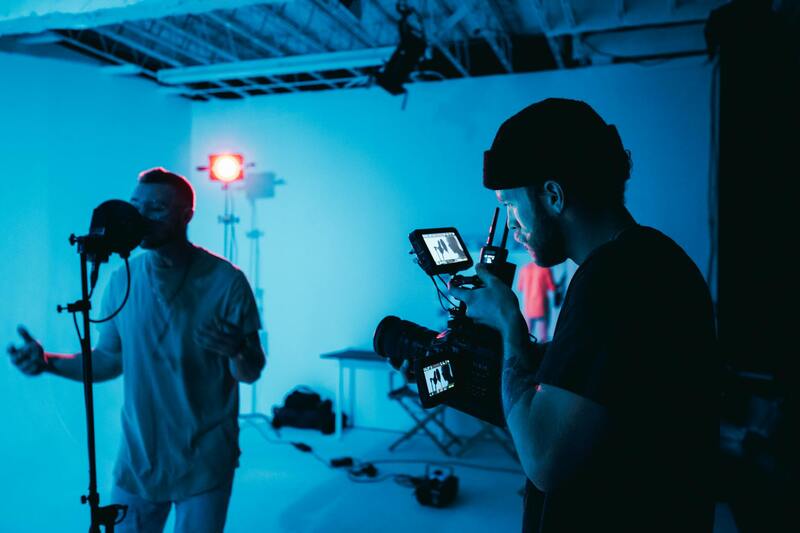
Beyond cameras and lenses, the use of appropriate accessories like polarizing filters can reduce glare from shiny surfaces such as windows and countertops, improving clarity. In addition, smartphone gimbals and stabilizers are increasingly used for quick, handheld shots, especially in dynamic environments or for social media snippets.
Matching equipment choices to the property's unique features and the local lighting conditions ensures a series of professional photographs that accurately and attractively showcase the property. Combining high-quality gear with seasoned technique results in imagery that not only captivates viewers but also builds trust and credibility in the listing.
Utilizing Legitimate Methods for Capturing High-Quality Real Estate Photos
Achieving exceptional real estate imagery involves deploying a range of effective techniques that are both proven and respectful of industry standards. Professional photographers employ a combination of approved practices to ensure each shot reflects the true essence and value of the property, enhancing its appeal to prospective buyers.
One cornerstone method is the strategic management of lighting, where natural light is maximized by shooting during optimal times such as early mornings or late afternoons. This approach helps produce images with vibrant colors and balanced exposure, ensuring interiors appear welcoming and exteriors striking. When natural light is insufficient, photographers carefully employ external lighting or reflectors in a way that maintains the natural ambiance without overexposing or creating unnatural shadows.
Composition techniques also play a vital role. The use of wide-angle lenses, within industry-standard guidelines, allows capturing more of a room while maintaining realistic proportions. Proper framing ensures that focal points, such as fireplaces, views, or unique architectural features, are emphasized. Maintaining horizontal and vertical lines prevents distortion and preserves the integrity of the property’s dimensions.
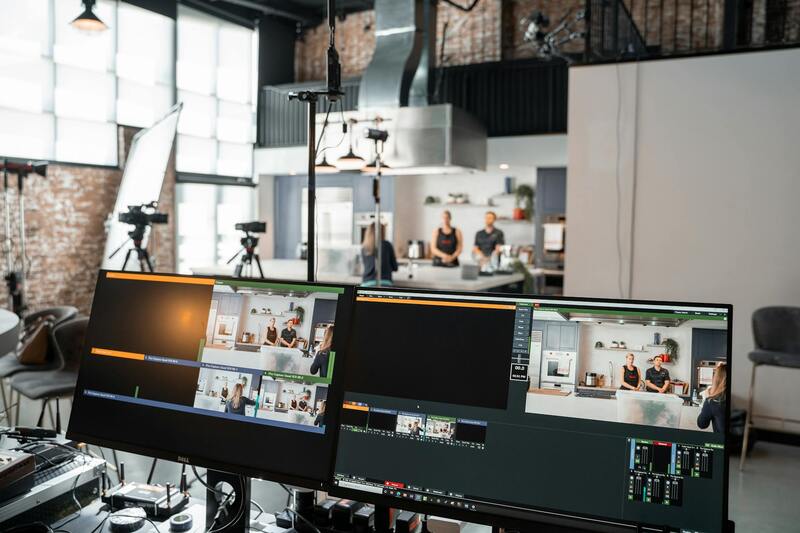
Additionally, staging the property appropriately prior to shooting is crucial. Decluttering, reorganizing furniture for maximum space perception, and adding appealing decorative elements help create inviting scenes that resonate with viewers. When combined with methodical shooting techniques, such preparations ensure that images accurately communicate the property's best qualities.
Post-processing practices also adhere to approved standards. Adjustments in brightness, contrast, and color balance are made to enhance realism while avoiding over-editing that could mislead potential buyers. Advanced editing software allows correction of lens distortions, straightening of vertical lines, and sharpening of details, providing crisp, professional visuals without compromising authenticity.
To further refine images, legitimate methods include the use of calibrated monitors for editing, ensuring color accuracy, and adhering to consistent editing workflows. These measures safeguard the photography's fidelity and uphold the industry's professional standards.
- Adhering to appropriate exposure levels for clarity
- Maintaining realistic color rendition
- Straightening lines for architectural accuracy
- Retouching minor imperfections without overprocessing
Incorporating these proven, legitimate techniques results in photos that accurately showcase the property’s features, enhance overall visual appeal, and foster trust with potential buyers. It demonstrates a commitment to quality and professionalism, essential factors in effective real estate marketing.
Technical Aspects of Real Estate Photography
Having a comprehensive understanding of the technical elements involved in professional real estate photography enhances the quality and effectiveness of property presentations. Precise control over camera settings such as aperture, shutter speed, ISO, and focal length plays a critical role in capturing images that are both visually appealing and true to the property's features. For instance, a narrower aperture (higher f-stop) ensures greater depth of field, keeping more of the scene in sharp focus, which is essential for showcasing interior spaces and architectural details. Adjusting shutter speed appropriately prevents motion blur, especially in low light conditions or when capturing hand-held shots, while maintaining optimal ISO settings minimizes noise without sacrificing detail.
Furthermore, understanding the significance of lens choice cannot be overstated. Wide-angle lenses commonly used in real estate photography help capture broader scenes in limited spaces, providing viewers with an immersive sense of the property's layout. However, it is vital to use these lenses carefully to avoid distortion that can misrepresent spatial proportions. Correct application of lens corrections during post-processing ensures the images accurately convey room sizes and architectural features.
Lighting is another central element, requiring careful manipulation to achieve uniform illumination that highlights a property's best qualities without creating harsh shadows or overexposed areas. Natural lighting is preferred where possible, supplemented by the use of professional lighting equipment, such as softboxes or LED panels, to fill in shadows and create a balanced, inviting atmosphere. This meticulous attention to technical details ensures images are compelling and serve as accurate visual assets for marketing campaigns.

Additionally, maintaining consistent color profiles and calibration across all devices used in editing guarantees uniformity and fidelity. Employing calibrated monitors during post-processing prevents color discrepancies and ensures the final images authentically represent the property's aesthetics. This process, combined with advanced software tools for correction and enhancement, supports the creation of visually stunning, credible listings that attract serious buyers.
Importance of Image Composition and Perspective
An often overlooked yet crucial aspect of professional real estate photography involves composition and perspective. Strategic placement of the camera, attention to symmetry, and mindful framing contribute to images that are not only aesthetically pleasing but also effectively communicate space and flow. Utilizing techniques such as the rule of thirds, leading lines, and vertical/horizontal alignment helps in crafting images that draw viewers' eyes into the space naturally, fostering a sense of intimacy and familiarity with the property.
Benefits of Hiring Professional Real Estate Photographers
Investing in the services of skilled real estate photographers ensures that every image captures the property's best features with precision and artistry. Professional photographers utilize advanced techniques, high-quality equipment, and a trained eye for composition, which culminates in images that stand out in a crowded market. Their expertise minimizes common pitfalls such as distortion, improper lighting, and unflattering angles, enabling listings to communicate the property's true potential effectively.
One of the key advantages is consistency. Professional photographers provide uniformity across multiple listings, which contributes to a cohesive brand image for real estate agents and agencies. This consistency reinforces professionalism and trustworthiness for prospective buyers.
Time efficiency is another critical benefit. Experienced photographers handle the entire process from preparation to post-processing swiftly, freeing agents to focus on client interactions and transactions. The high quality of images they produce can significantly reduce the time a property spends on the market by attracting more interested buyers from the outset.
Moreover, high-caliber photographs significantly enhance marketing efforts. From online listings and social media to printed brochures, quality images encourage higher engagement and generate more foot traffic and inquiries. When properties are presented with compelling visuals that highlight space, light, and architectural details, the probability of a faster sale at favorable terms increases.

Advanced Techniques for Enhancing Real Estate Photos
Achieving visually compelling real estate images requires more than just capturing the property. Expert photographers employ advanced techniques that bring out the best features of each space while ensuring the images align precisely with the property's true appearance. Techniques such as high dynamic range (HDR) imaging allow for balanced exposure, capturing detail in both shadows and highlights, which is essential for accurately representing interiors with varied lighting conditions. Night photography, when done professionally, can highlight exterior lighting features and create a warm, inviting atmosphere that appeals to prospective buyers.
Proper framing and perspective are crucial to showcasing the property's layout and flow. Using wide-angle lenses helps capture more of a room in a single shot, making spaces appear larger and more inviting. However, professional photographers know how to avoid distortion that can misrepresent the property's true proportions. They often utilize tilt-shift lenses or precise post-processing to correct any perspective issues, ensuring an accurate depiction that maintains trust and transparency with viewers.

The timing of the shoot also plays a critical role. Photographers target optimal lighting conditions, typically during the daytime when natural sunlight floods interiors, emphasizing a bright, airy atmosphere. They often schedule shoots during golden hour or under specific weather conditions to maximize lighting quality, which significantly impacts image appeal.
Incorporating Aerial and Virtual Tour Content
Enhancing property listings with aerial shots taken via drone technology can provide prospective buyers with a comprehensive view of the property's surroundings, layout, and landscape. These images are particularly valuable for large estates, properties with extensive outdoor amenities, or those near desirable geographic features. Aerial photography adds a dramatic perspective that ground-level images cannot achieve and can help set listings apart.
In addition to static imagery, integrating virtual tours, 3D walkthroughs, and 360-degree images enriches the online presentation. These immersive formats allow potential buyers to explore the property remotely, gaining a realistic sense of space and flow. As a result, the quality and variety of visual content increase engagement, reduce the need for multiple in-person viewings, and accelerate the decision-making process.
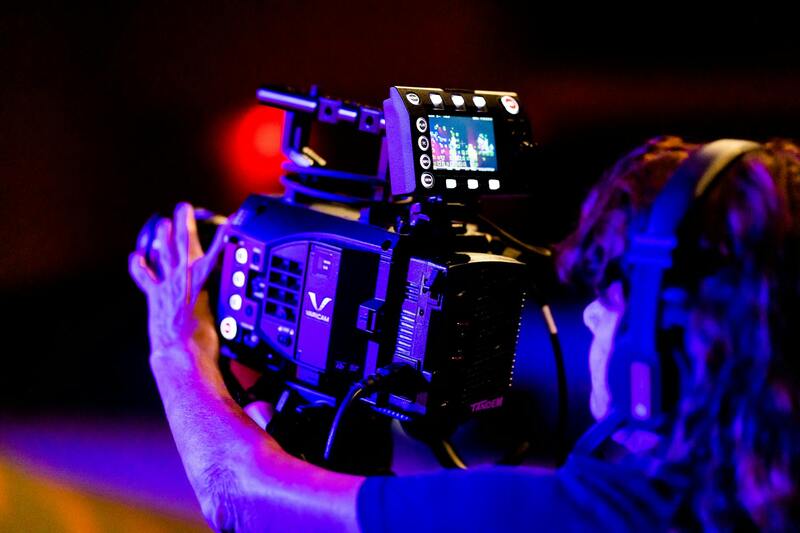
Employing these sophisticated imaging techniques demands professional expertise and specialized equipment. Property listings that incorporate high-quality, multi-dimensional visuals reflect a commitment to quality and attention to detail, strengthening the credibility of the listing and the real estate agent's brand.
Advanced Strategies for Maximizing Real Estate Photography
Effective real estate marketing hinges on leveraging the full potential of professional photography beyond just capturing appealing images. Integrating high-quality visuals into a comprehensive marketing plan involves several advanced strategies that ensure listings stand out in a competitive marketplace. Utilizing tailored content, strategic distribution, and innovative imaging techniques can significantly boost a property’s visibility and appeal to prospective buyers.
Strategic Use of Visual Content in Marketing Campaigns
Modern real estate marketing demands a multi-channel approach where professional images are not only featured on listings but also embedded into various platforms to maximize reach. Employing high-resolution photos across social media, email campaigns, and property portals helps maintain consistency in branding and presentation. Creating dedicated virtual galleries or showcase pages on a website enhances user experience, offering visitors a seamless navigation through property images that highlight key features and unique selling points.
Furthermore, integrating professional photos into targeted advertising campaigns, such as geo-specific ads or remarketing efforts, amplifies the property's presence among an audience with a higher likelihood of interest. Employing storytelling techniques with images—such as a visual narrative that guides viewers through the property's interior and exterior—can emotionally engage prospective buyers and foster a stronger connection to the listing.
Utilization of High-Quality Media Formats
Beyond static photography, incorporating diverse media formats enhances listing appeal. Virtual tours and 3D walkthroughs provide interactive experiences, allowing potential buyers to explore interior spaces remotely with a realistic sense of scale and layout. Drone footage offers spectacular aerial views, showcasing external property features and surrounding neighborhoods from perspectives ground-level images cannot capture. These high-end media formats not only capture attention but also communicate professionalism and investment in quality, reinforcing the credibility of the listing.
Tracking and Optimizing Visual Content Performance
To maximize return on investment, it is essential to monitor how visual content performs across different channels. Analyzing engagement metrics such as click-through rates, time spent viewing images, and inquiry rates enables real estate professionals to refine their visual strategies continually. For example, if aerial images garner higher engagement, additional drone content might be prioritized in future listings. Optimization also involves ensuring images are appropriately formatted for each platform, with fast loading times and mobile responsiveness, allowing potential buyers to access high-quality visuals anytime and anywhere.
Ensuring Consistent Visual Branding
Consistency in visual branding reinforces a trustworthy and recognizable professional image. Utilizing a uniform editing style, color palette, and composition across all property images helps establish a strong visual identity for the real estate agent or agency. This consistency not only improves aesthetic appeal but also contributes to a memorable brand experience for clients and prospects alike. Collaborating with professional photographers who understand branding principles ensures that each property presentation aligns with your overall marketing philosophy.
Conclusion
Implementing advanced, legitimate marketing techniques centered around high-quality photography is vital to differentiate property listings and attract serious buyers. Strategic content distribution, diverse media formats, performance measurement, and consistent branding create a compelling online presence. Properly leveraging professional images through these methods enhances credibility, boosts engagement, and accelerates sales cycles in the competitive real estate market.