
Importance of High-Quality Property Photos
In the vibrant and competitive real estate market of Miami, the visual presentation of a property plays a crucial role in attracting potential buyers. High-quality property photos serve as the first point of contact between a listing and prospective clients, significantly impacting their decision to explore further. Well-crafted images can showcase a property's best features, highlight its unique appeal, and create an emotional connection that encourages viewings and offers. With the proliferation of online listings, professional photography stands out as an essential investment for property owners and real estate agents aiming to maximize their market reach. Effective property images can lead to faster sales, higher offers, and increased visibility across digital platforms. In Miami’s diverse markets—from luxury beachfront condos to suburban homes—sharp, clear, and professionally composed photos ensure that each property stands out amidst fierce competition. Additionally, these images help set accurate expectations, reducing the likelihood of showings that do not result in a sale, saving time and resources for all parties involved. As the digital landscape continues to evolve, embracing professional property photography becomes indispensable for maximizing a listing's potential and achieving optimal sales outcomes.
Why High-Quality Photos Matter Most
- Enhanced First Impressions: High-quality images create an immediate visual impact, making listings more appealing and trustworthy.
- Increased Engagement: Listings with professional photos tend to receive more views, inquiries, and showings.
- Competitive Edge: Professionally captured images set properties apart in a crowded market, especially in a hotspot like Miami.
- Accurate Representation: Clear and well-lit photos depict spaces more authentically, aligning buyer expectations with reality.
- Faster Sales Process: Better photos can accelerate the decision-making process and reduce time on the market.
Visual Impact in Miami’s Market
Miami’s real estate landscape is renowned for its luxurious offerings and unique architectural styles. Captivating images not only showcase these features but also evoke the lifestyle associated with Miami living—be it the tranquility of ocean views, the opulence of high-rise apartments, or the charm of historic neighborhoods. High-quality photos serve as a crucial marketing tool, helping sellers and agents convey the essence of each property vividly, capturing the attention of targeted audiences locally and internationally.
Key Elements of Effective Property Photography
Achieving outstanding property photos involves a combination of technical skill and artistic vision. Certain elements are crucial in creating images that attract prospective buyers and accurately represent the property’s personality. These elements include optimal lighting, strategic composition, appropriate camera settings, and effective staging. Mastering these fundamentals ensures each shot highlights the property's best features with clarity and impact.
Lighting
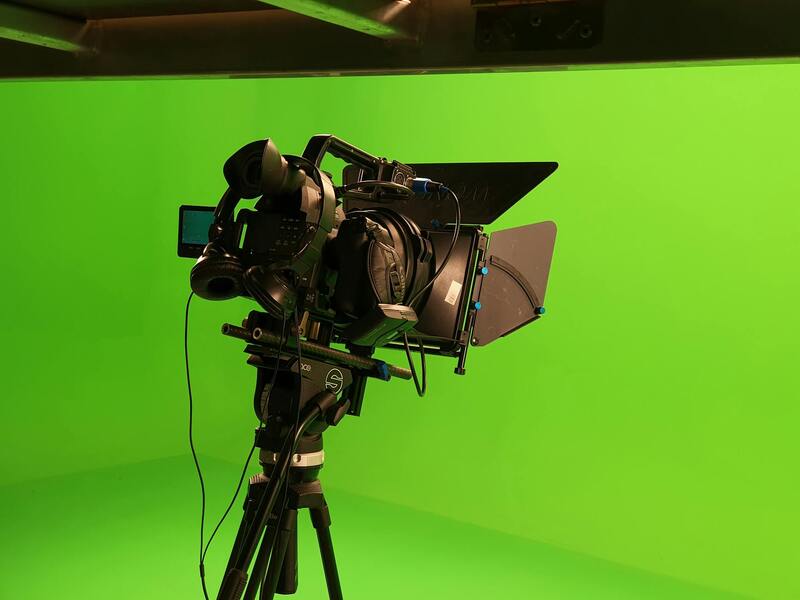
Natural light is essential in property photography, as it enhances the space and fosters a warm, inviting atmosphere. Photographers often schedule shoots during daylight hours, utilizing sunlight to illuminate interiors without harsh shadows. Additionally, supplementary lighting, such as softboxes or reflectors, can be employed to balance light and highlight architectural details. Proper light management minimizes shadows and enhances textures, resulting in crisp, vibrant images that capture the true essence of the property.
Composition
Thoughtful composition guides viewers’ eyes through each room and emphasizes the property's best features. Techniques such as the rule of thirds, leading lines, and framing help create balanced and engaging images. Including foreground elements adds depth, while capturing multiple angles provides a comprehensive view of each space. For outdoor shots, framing the landscape or architectural features enhances visual appeal and showcases the property’s unique character.
Camera Settings
Utilizing the appropriate camera settings is fundamental for capturing high-quality images. A wide-angle lens (generally between 14mm and 24mm) allows for expansive shots that showcase room proportions effectively. Shooting in RAW format preserves maximum image data, allowing for meticulous editing. A small aperture (f/8 to f/11) ensures greater depth of field, keeping entire rooms sharp. Maintaining proper exposure, ISO, and shutter speed enhances clarity, color accuracy, and detail.
Staging
Staging transforms a property from a vacant space into a welcoming home, emphasizing functionality and style. Well-placed furniture, tasteful decor, and tidy arrangements create an inviting atmosphere that appeals to prospective buyers. Staging also helps demonstrate the potential of each room, enabling viewers to envision themselves living there. Professional property photographers often collaborate with stagers to ensure interiors look their best in every shot.
Attention to these elements ensures that property images are both attractive and authentic, ultimately facilitating quicker sales and stronger marketing efforts. High-quality visuals become a powerful strategic tool in Miami’s competitive real estate landscape, capturing the luxury, style, and lifestyle that attract discerning buyers from around the globe.
Choosing the Right Equipment and Tools
To achieve exceptional property photos that truly reflect a property's appeal, employing the appropriate professional-grade equipment is crucial. This involves selecting cameras capable of capturing high-resolution images with fine detail, which are essential for showcasing every corner of a property accurately. Full-frame digital single-lens reflex (DSLR) or mirrorless cameras are commonly preferred due to their superior image quality, dynamic range, and low-light performance. These qualities ensure that interior spaces are captured with clarity, even under varying lighting conditions.

Lens selection plays a vital role in property photography. Wide-angle lenses, typically between 14mm and 24mm, enable photographers to include more of a room in a single shot, emphasizing space and layout. A tilt-shift lens can be utilized to correct perspective distortion, ensuring vertical lines appear straight and true to life.
Proper lighting equipment is essential for eliminating shadows and highlighting key features of a property. External flashes, softboxes, or portable lighting kits help create a balanced illumination that reveals the property's true colors and textures. Additionally, tripod stands are invaluable for maintaining stability during shots, especially in low-light settings and for framing consistent images across multiple sessions.
Modern photography may also incorporate drones for capturing exterior shots from unique perspectives, offering potential buyers an expansive view of the property's surroundings and landscape. The integration of this technology adds a dynamic layer to the visual presentation and enhances the overall appeal.
Lastly, editing software such as Adobe Lightroom or Photoshop allows for post-shoot adjustments, including color correction, brightness enhancements, and minor retouching. These tools help optimize each image to look attractive without compromising authenticity, which is critical when aiming to attract discerning buyers.
Investing in high-quality equipment and understanding their optimal utilization forms the backbone of professional property photography. When these tools are combined with expert techniques, the result is a collection of captivating images that elevate a property’s market presence and appeal to prospective buyers across Miami and beyond.
Post-Processing and Editing for Property Photos
Once comprehensive images of the property are captured, the next critical phase involves meticulous post-processing and editing to ensure each photo effectively showcases the property's best features. High-quality editing enhances visual appeal while preserving the authenticity of the property, which is vital for attracting serious buyers and maintaining trust.
Professional editing typically starts with adjusting basic parameters such as brightness, contrast, and saturation to bring the image to life without overdoing it. Color correction ensures that the hues appear natural and true to the actual environment, which is especially important when presenting features like lush landscaping, modern fixtures, or polished interiors.
Advanced retouching techniques may involve removing minor imperfections, such as dust spots, reflections, or distracting elements, to present a clean and inviting space. Cropping and straightening images help to improve composition and focus viewer attention on key areas within each shot. This precision enhances the overall visual story of the property, creating a cohesive and compelling listing.
White balance adjustments are essential when dealing with various lighting sources, such as daylight or indoor lighting, to ensure that images accurately represent the property's ambiance. For exterior shots, editing can highlight landscaping details or architectural nuances that might be subdued in raw images. Similarly, interior photos benefit from controlled depth of field effects, emphasizing important rooms and creating a sense of depth.
Utilizing professional software such as Adobe Lightroom and Photoshop allows for nuanced enhancements that elevate the quality of property images without sacrificing realism. Consistency in editing style across all photos creates a seamless visual flow for online listings, compelling virtual tours, or presentation materials.
It is important to remember that the goal of post-processing in professional property photography remains to replicate the viewing experience faithfully. Over-editing can lead to misrepresentation and potential buyer disappointment, which underscores the importance of balanced and skillful adjustments. When executed with precision, editing transforms good photos into stellar representations that attract interested buyers and boost property visibility in competitive Miami markets.
Legal and Ethical Considerations in Professional Property Photography
When engaging in professional property photography, adherence to established legal and ethical standards is paramount. These guidelines ensure that the imagery accurately represents the property, respects the rights of all parties involved, and maintains a high level of integrity throughout the process. Ensuring proper permissions are obtained before photographing private properties is essential. This involves securing explicit consent from property owners or authorized persons, especially when photographing interiors that may include sensitive or private information. Clear communication about the purpose and scope of the photography helps prevent misunderstandings and fosters trust between photographers and clients.
Respecting intellectual property rights is another fundamental aspect. Professional photographers should avoid using copyrighted materials, such as proprietary artwork or branding within the property, without appropriate permissions. It is equally important to be aware of local regulations regarding drone photography, if aerial shots are part of the listing. Many jurisdictions require specific permits or adherence to privacy laws when capturing images from aerial platforms or public spaces.
Maintaining honesty and transparency in image editing practices is also crucial. Post-processing should aim to enhance the natural features of the property without misleading viewers or creating exaggerated expectations. Over-editing or deceptive alterations can result in discrepancies that compromise buyer trust and could lead to disputes. Transparency about the editing process, where applicable, demonstrates a commitment to authenticity and professionalism.
Furthermore, photographers should stay informed about the latest regulations and best practices within the local Miami real estate market. Engaging with industry associations and continuing education can help professionals align their practices with current standards, fostering credibility and reputation. In doing so, they not only protect themselves from potential legal pitfalls but also reinforce their commitment to ethical excellence, which ultimately benefits clients and enhances the overall quality of property listings.
By upholding these principles, professional photographers contribute significantly to a transparent, respectful, and trustworthy real estate environment. This approach assures clients that their property is presented accurately and ethically, fostering confidence among prospective buyers and supporting successful transactions in Miami’s competitive market.
Legal and Ethical Considerations
When capturing and showcasing property images, adherence to established standards and practices is paramount to ensuring trust and professionalism. Authentic depiction of the property is fundamental, requiring photographers to portray spaces accurately without exaggeration or omission. This transparency helps manage buyer expectations and maintains the integrity of the listing.
Photographers must ensure proper permissions are obtained for shooting within private properties, respecting the privacy rights of current occupants and owners. Clear communication and consent are essential steps to avoid conflicts and uphold ethical standards.
In addition, the use of promotional images should be aligned with guidelines that prevent misleading representations. This includes avoiding techniques that artificially alter perceptions, such as disproportionately wide-angle lenses or excessive editing that could misrepresent the actual size and features of a space. It's important to strike a balance between enhancing visual appeal and staying true to the property's real appearance.
Maintaining transparency about editing processes fosters a trust-based relationship with clients, buyers, and the wider real estate community. Photographers should clearly disclose any significant alterations made to images, ensuring that consumers receive an honest overview of the property. Such ethical practices contribute to a reputable image for the photographer and reinforce confidence among potential buyers.
Staying informed about the evolving regulations, local standards, and best practices within the Miami real estate market is crucial. Engaging with industry organizations, participating in ongoing training, and reviewing local advertising laws help ensure compliance and uphold professional integrity.
Implementing a Property Photography Strategy
A well-structured approach to property photography combines understanding legal guidelines, ethical standards, and effective visual storytelling techniques. Planning ahead—such as selecting the optimal time of day for natural lighting and determining the best angles—can significantly enhance image quality. Consistent use of high-quality equipment and proper editing techniques further ensures that photos accurately reflect the property’s best features while adhering to industry norms.
By adopting transparent and honest practices, professional photographers demonstrate their commitment to high standards, ultimately contributing to a trustworthy and competitive Miami real estate market. This responsible approach not only elevates individual reputation but also supports an environment where buyer confidence and successful transactions flourish.
The Impact of Professional Property Photos on Market Performance
In the competitive Miami real estate market, the quality of property photos can significantly influence buyer interest and overall sales performance. First impressions are crucial; high-quality images attract more potential buyers, increase engagement, and lead to faster property turnover. Professional photographs showcase a property’s unique features, architectural details, and aesthetic appeal, effectively capturing the essence of the space. Research indicates that listings with superior imagery receive substantially more views and inquiries than those with amateur or low-resolution photos. Visual presentation directly impacts credibility and attractiveness, prompting prospective buyers to schedule viewings or make offers. These photos serve as the cornerstone of online listings, where almost all initial property evaluations are conducted. Thus, investing in professional property photography enhances a property’s visibility and desirability, ensuring it stands out among numerous competing listings. In addition to increasing market exposure, professional imagery helps establish an emotional connection with potential buyers. High-resolution visuals with well-executed lighting and composition allow viewers to envision their life in the space. This emotional engagement often translates into higher offers and accelerated sales timelines, critical advantages in Miami’s dynamic real estate landscape. Factors such as accurate lighting, strategic staging, and showcasing key amenities are all vital components of effective real estate imagery. By emphasizing these aspects, professional photographers can craft a comprehensive visual narrative that aligns with market expectations and elevates the property’s perceived value. As a result, property owners and agents who prioritize professional photography are better positioned to attract qualified buyers and close deals efficiently.
Furthermore, high-caliber property images often lead to increased sharing across social media platforms, expanding the property’s reach beyond immediate online listings. The power of visually compelling content ensures that properties resonate more deeply with audiences, fostering greater interest and inquiry. As the Miami real estate sector continues to grow, leveraging professional photography becomes an essential strategy for those seeking to maximize their investment and streamline the sales process.

Legal and Ethical Considerations in Professional Property Photography
Ensuring that all property photography practices adhere to established standards not only protects the interests of property owners and agents but also enhances the credibility of the visual content. Accurate representation of the property is essential; images should faithfully showcase the space without misleading potential buyers or tenants. This commitment to honesty fosters trust and encourages more serious inquiries from interested parties.
When capturing images, it is crucial to obtain the necessary permissions for photographing inside the property, especially when it involves occupants or tenants. Respect for privacy and confidentiality must be maintained, with clear communication about the intended use of the photographs. This approach minimizes misunderstandings and sets transparent expectations for all parties involved.
In many cases, professional photographers collaborate with property owners, agents, and stagers to ensure that the visual content aligns with the intended market positioning. This includes avoiding excessive editing that might distort the property's appearance or create false impressions. Maintaining integrity in visual presentation is fundamental to fostering long-term relationships and establishing a solid reputation in the real estate industry.
Furthermore, adhering to local regulations regarding property advertising ensures that all promotional materials meet legal standards, avoiding potential disputes or disqualifications during the sales process. Professional photography providers in Miami often have extensive knowledge of evolving guidelines, ensuring that each shoot complies fully with applicable rules and industry best practices.
By adopting rigorous ethical standards, real estate professionals demonstrate their commitment to integrity, which can significantly influence buyer confidence. Authentic, professionally captured images serve as an honest reflection of the property, fostering a positive reputation and encouraging repeat business. Precise documentation and honest portrayals are cornerstones of successful property marketing, especially in a competitive market like Miami where buyers seek transparency and professionalism at every stage.