Importance of High-Quality Real Estate Photos
In the highly competitive real estate market, the visual presentation of a property can significantly influence its selling potential. Professional real estate agent photos serve as the cornerstone of effective property marketing, capturing the essence of a home and enticing prospective buyers to explore further. High-quality images enhance online listings, making properties stand out amid a sea of options. They create an immediate visual appeal that can lead to increased inquiries, scheduled viewings, and ultimately, faster sales.
Research consistently shows that listings featuring professional photographs garner more attention than those with amateur images. Buyers tend to make quick judgments based on the first impression conveyed through photographs. Well-composed, crisp, and captivating images can highlight the property's unique features, architectural details, and overall ambiance. These photos not only foster trust and confidence in the agent’s professionalism but also set a positive tone for the entire sales process.
Furthermore, superior imagery can elevate a property's perceived value. A stunning visual presentation can justify higher asking prices and attract a wider pool of interested buyers, including those who might not initially consider the property. As the online landscape continues to dominate property searches, investing in professional real estate photography becomes a strategic move for agents aiming to maximize exposure and sales success.
Ultimately, exemplary real estate photos are an essential component of modern property marketing, translating visual storytelling into tangible sales results. They demonstrate the agent’s commitment to quality and professionalism, helping to build client trust and establishing a competitive edge in the marketplace.
Key Elements of Professional Real Estate Agent Photography
- Lighting and Exposure: Ensuring natural light is maximized and images are evenly lit to showcase the property's true colors and features.
- Composition and Framing: Using strategic angles and balanced framing to highlight key spaces and create a welcoming atmosphere.
- Image Sharpness and Clarity: Employing high-resolution techniques for crisp, detailed visuals that reveal all aspects of the property.
- Staging and Decluttering: Preparing spaces to appear organized, spacious, and inviting, which complements professional photography.
- Editing and Post-Processing: Enhancing images subtly to correct color, brightness, and minor imperfections, while maintaining realism.
By focusing on these key elements, real estate agents can ensure their property images truly represent the home's value and charm, fostering greater buyer interest and engagement.
Choosing the Right Photographer and Equipment
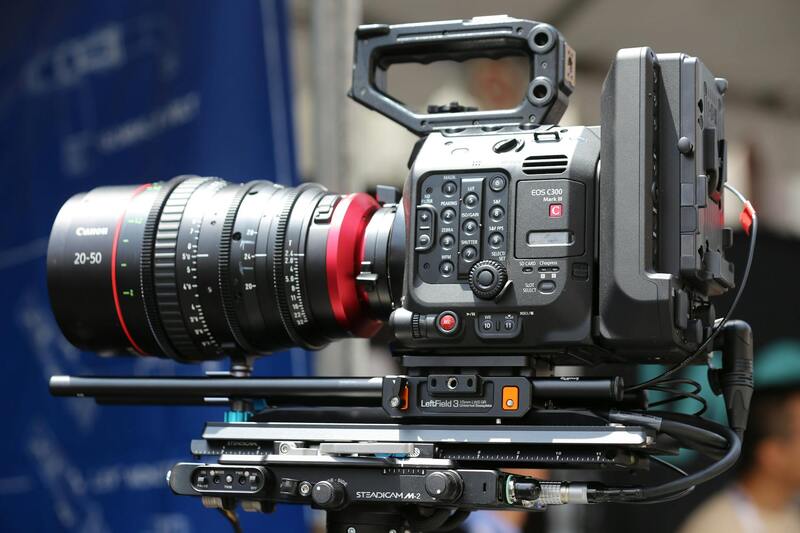
Selecting a skilled photographer with extensive experience in real estate imageryis crucial for capturing images that highlight a property’s best features. A professional photographer with specialized equipment, such as high-resolution digital cameras, wide-angle lenses, and appropriate lighting gear, ensures that the images meet industry standards and accurately depict the property’s space and ambiance. Investing in quality equipment allows for detailed visuals with excellent color accuracy and clarity, which are essential for attracting potential buyers through online listings.
An experienced photographer also understands the importance of proper camera settings, angles, and timing to optimize natural light. They can adjust their techniques to accommodate different property types and lighting conditions, resulting in images that are both stunning and true to real-life appearances. It is also beneficial to choose a photographer who is familiar with current trends in real estate marketing, as they can suggest the best shots and staging setups to enhance the property's appeal.
Optimal Techniques for Capturing Professional Real Estate Agent Photos
To ensure the highest standard of visual marketing, real estate professionals must adhere to established photography best practices. This includes meticulous planning of the shoot, choosing the right angles, lighting, and staging to highlight the property’s best features. Natural light is ideal; photographers often schedule shoots during the day when sunlight can illuminate interiors naturally, creating warm, inviting images. Artificial lighting should complement natural light, eliminating harsh shadows and bright spots that can distort perception.
Equipment choice plays a crucial role in achieving superior quality images. A professional photographer typically uses DSLR or mirrorless cameras with high-resolution sensors to capture sharp, detailed photos. Wide-angle lenses are standard in real estate photography because they allow for broader scene capture, making rooms appear larger and more spacious. Tripods are essential to maintain stability and consistency, especially in low-light conditions. High-quality drone cameras can also provide aerial shots that showcase the property's exterior and surroundings from a compelling perspective.
Post-production editing further enhances images by adjusting brightness, contrast, and color balance to ensure true-to-life representations. However, expert photographers avoid over-editing to retain authenticity, which helps potential buyers develop accurate expectations. Strategic staging—such as decluttering, arranging furniture to highlight space, and adding decorative elements—can dramatically improve visual appeal and create a welcoming atmosphere for online viewers.
Maintaining consistency across images—such as uniform color tones and perspective angles—helps strengthen the overall presentation of the property. The combination of precise techniques, quality equipment, and professional editing ensures that each photo not only attracts attention but also accurately represents the property, fostering trust and interest among potential buyers.
Legal Considerations and Permissions
When planning a professional real estate agent photoshoot, ensuring all necessary permissions are in place is essential. Securing clear consent from property owners before capturing images protects both the agent and the client, eliminating potential disputes or misunderstandings. Property access should be arranged in advance, with schedules aligned to permit optimal lighting conditions and ample time for staging and setup. Obtaining permissions extends beyond the property owner; if any other individuals or tenants are present, their consent should also be secured. This not only respects privacy rights but also fosters a professional relationship built on transparency and trust. Additionally, affirming the right to photograph and advertise the property ensures compliance with local regulations and industry best practices. For properties situated in gated communities or private developments, approval from homeowners’ associations or relevant authorities might be required. These permissions typically involve submitting formal requests, providing details about the shoot, and agreeing to specific guidelines to minimize disruption. Vendor and equipment access considerations also play a role in the planning phase. Coordinating with security personnel or property managers ensures smooth entry and exit, avoiding unnecessary delays. Clear communication about the scope of work, anticipated duration, and scope of images to be captured can streamline the process. Beyond securing permissions, understanding restrictions on drone use or aerial photography is crucial. Some areas may have altitude limits or require special permits, which should be obtained well in advance of the scheduled shoot. Respecting these stipulations preserves a positive reputation within the industry and helps maintain good relationships with all stakeholders involved. Finally, documenting all permissions and confirmations in writing provides a record that can be referenced if questions arise later. This diligence not only reinforces professional standards but also helps in delivering a seamless, compliant photography session that showcases the property at its best.
Choosing the Right Photographer and Equipment
Selecting a Skilled Professional
When it comes to capturing stunning real estate images, the choice of photographer can significantly influence listing success. A seasoned real estate photographer possesses a keen eye for angles, lighting, and staging, ensuring each shot highlights the property’s best features. Experienced professionals understand how to work with different architectural styles and spaces, adapting their approach to match the unique aspects of each listing. This expertise translates into images that not only attract potential buyers but also reflect the true value of the property.
In addition to skill, a reputable photographer maintains a portfolio demonstrating high-quality results across various listings. Reviewing previous work provides insights into their style, consistency, and ability to produce compelling images suitable for diverse market segments. A professional photographer also stays current with industry trends and techniques, incorporating innovations like HDR photography, drone imagery, and virtual tours that enhance overall listing appeal.
Investing in Quality Equipment
High-caliber photographs depend heavily on advanced equipment that can adequately capture the nuances of interior and exterior spaces. Professional cameras with a full-frame sensor, paired with wide-angle lenses, enable the creation of expansive, distortion-free shots that showcase every room's dimensions. Tripods, stabilizers, and remote shutter releases help achieve crisp images with minimal blur, even in challenging lighting conditions.
Furthermore, lighting equipment and modifiers—such as flash units, reflectors, and diffusers—are essential tools to manipulate natural and artificial light, ensuring the property is well-lit without harsh shadows or overexposure. Drones equipped with high-resolution cameras open opportunities for captivating aerial shots, providing prospective buyers with comprehensive views of the property’s exterior landscape and surrounding neighborhood.
Enhancing the Visual Narrative
Utilizing the right equipment is only part of the equation; knowing how to deploy it strategically maximizes visual storytelling. A professional photographer understands how to balance light, compose shots, and select the most flattering angles. They can also manage post-processing techniques—involving color correction, exposure adjustments, and minor retouches—to enhance images without compromising authenticity. This meticulous attention to detail results in polished, engaging photographs that captivate viewers and generate greater interest.
Investing in top-tier equipment and skilled personnel establishes a strong foundation for creating high-impact real estate images. These visuals serve as powerful marketing tools, effectively portraying the property in its best light and aiding agents in closing sales more efficiently.
Legal Considerations and Permissions
When capturing professional real estate agent photos, it is essential to adhere to established guidelines regarding property rights and privacy. Securing permissions from property owners or stakeholders ensures that all images are used ethically and responsibly. This involves obtaining explicit consent for photographing interior and exterior spaces, especially in private or restricted areas. Additionally, awareness of local regulations related to drone photography and aerial shots is crucial, including obtaining necessary permits if required.
Ensuring proper documentation, such as signed release forms, helps protect all parties involved and maintains transparency throughout the marketing process. Engaging with a photographer experienced in real estate can streamline this aspect, as they are familiar with the legal frameworks and best practices applicable to property imaging.
Another important aspect involves respecting neighboring properties and public spaces. Photographers should be cautious to avoid capturing images beyond the subject property’s boundaries when unnecessary, to prevent encroaching on personal privacy and avoiding potential disputes. Adhering to these principles not only safeguards the integrity of the listing but also reinforces a professional and trustworthy reputation for real estate agents.
Finally, understanding the restrictions related to certain types of modifications or staging in photographs helps in maintaining authenticity. Any enhancements or digital edits should be transparent and should not distort the real appearance of the property to ensure prospective buyers receive an accurate representation.
Incorporating Branding and Personal Style
Effective real estate photography not only captures the property but also serves as a platform to reinforce the agent’s brand identity and personal style. When selecting images for listings, it’s essential to incorporate elements that reflect your unique approach and professionalism. Consistent color schemes, logo placements, and stylistic choices in photo editing can help create a recognizable aesthetic across all marketing channels. This consistency builds trust with prospective clients and ensures your listings stand out in a crowded marketplace.
Consider developing a signature look for your property images—be it warm tones, high contrast, or a clean minimalist style—that sets your listings apart. Incorporate branding elements subtly within the images, such as branded signage or property logos placed strategically without overwhelming the scene. These visual cues help prospective buyers associate the property with your professional services, fostering confidence and familiarity.
Optimizing Photos for Online Listings
After capturing high-quality images, the next step involves optimizing them for various online platforms. Proper image optimization enhances visibility, loads faster, and provides potential buyers with a seamless browsing experience. Use high-resolution images to showcase intricate details, but be mindful of file sizes—compress images to balance quality with website performance. Additionally, utilize descriptive filenames and alt text incorporating relevant keywords to improve search engine rankings.
- Resolution and Size: Ensure images are sharp and clear, ideally between 1500-2000 pixels on the longest side.
- Color Correction and Editing: Enhance lighting and colors to reflect the true appearance of the property without over-editing.
- Consistent Aspect Ratios: Maintain uniformity across photos for a professional appearance.
- Mobile Optimization: Verify that images display correctly on all devices, especially smartphones and tablets.
Integrating these optimization techniques ensures your listings are visually appealing, quick to load, and highly discoverable in search results. A strategic approach to image presentation enhances the overall perception of the property and reinforces your reputation as a professional real estate agent committed to quality marketing.
Legal Considerations and Permissions
When it comes to professional real estate agent photography, securing appropriate permissions is essential to ensure a smooth and respectful process. Prior to the photoshoot, it is important to obtain clear consent from the property owner or primary stakeholder. This includes verifying that the owner agrees to have their property photographed and that all individuals who might appear in the images are aware and have given their consent.
Respecting privacy rights and adhering to property access rules are fundamental steps in maintaining professionalism. Additionally, if the property is leased or managed by an entity, permission from the relevant parties must be secured beforehand. This not only pertains to the ownership rights but also to any restrictions on photography or specific areas within the property that may be off-limits.
In terms of intellectual property, the rights to the images are typically established through agreements with the photographer or photography service. Clearly defined licensing terms ensure that the images are used appropriately across various marketing channels, including online listings, social media, and promotional materials.
Furthermore, including proper documentation of permissions and agreements can prevent potential disputes down the line. This is especially important when multiple parties are involved or when images are to be used in different contexts, such as for advertisements or third-party collaborations.